

Cutting Hedges: Best Time & Expert Tips (UK Guide)
Cutting Hedges – Our Guide with the Best Tips
When am I allowed to cut my hedge?
Whether it's Thuja, cherry laurel, privet, or any other living fence – when it comes to the right time for hedge cutting, it's not just the needs of the plants that matter. Legislation also has a say in when and how you're allowed to cut your hedge in the garden. If you don't stick to the rules, you could end up with a fine. The amount of the fine varies depending on the local authority.
Hedge-cutting restrictions under the Wildlife and Countryside Act
Under the Wildlife and Countryside Act 1981, it is an offence to damage or destroy the nest of any wild bird while it is in use or being built, which in practice means cutting hedges, bushes and other woody growth during the bird breeding and nesting season, generally from 1 March to 31 August. The reason for this is that birds like to nest in dense branches, and a radical cutback of the hedge wouldn't just startle them – it would destroy their entire brood. Significant cutting back of your hedge, or coppicing it right down, is therefore only advisable outside the nesting season. If a neighbour requests a cutback, or the hedge poses a road safety risk, for example, exceptions may apply during the March-to-August period, but you must first check carefully that there are no active nests present. If in doubt, contact your local council or the RSPB for advice before cutting. Even outside the dates mentioned above – from September to February – remember when cutting your hedge that it's home to many different animals, and take this into consideration.
Light trimming and maintenance cuts allowed all year round

So-called light trims and maintenance cuts to the hedge are permitted all year round, as they aren't affected by the bird-nesting restrictions. Even so, you should carefully check the hedge for nests before cutting and, if necessary, postpone the maintenance work by a few weeks until the young birds have fledged. After all, you can never be entirely sure that trimming the tips won't disturb and drive away the mother bird – which, in a worst-case scenario, would still count as an offence under the wildlife legislation. This is treated as a criminal offence and can result in an unlimited fine in England and Wales. If you're cutting your hedge regularly anyway, a small delay won't do it any harm.
The best time of year to cut hedges
The best time for hedge cutting is often said to be around midsummer, late June. However, only a light formative trim is possible then, as the breeding season is in full swing. Different types of hedge therefore have their own, much better-suited times for cutting back.
The best time to cut deciduous hedges
Hedges made from deciduous trees, such as hornbeam or field maple hedges, can be cut twice a year. They benefit from a first cutback in early spring. In mid-to-late February, the sap – and with it the plant's energy – hasn't yet moved into the new shoots, so you can cut the hedge back hard without this permanently stunting its growth. It won't come properly back into sap until May, ready to sprout, and until then it will look neat and well-maintained. The early first cut does make a later second cut necessary, but it also increases branching within the hedge and helps it become nicely dense and screen-forming.
The second cut for deciduous hedges then really does take place around midsummer, towards the end of June. Here it's especially important to check carefully beforehand whether there are any nests in the hedge, and if you find any, to delay the cut a little longer. Cut back around two-thirds of the new branches or shoots. This tidies the hedge up again while leaving enough substance for it to get through the hot summer. A further autumn cut isn't necessary for deciduous hedges and would only weaken them unnecessarily. Instead, wait until spring before reaching for the hedge trimmers again.
The ideal time to cut flowering hedges
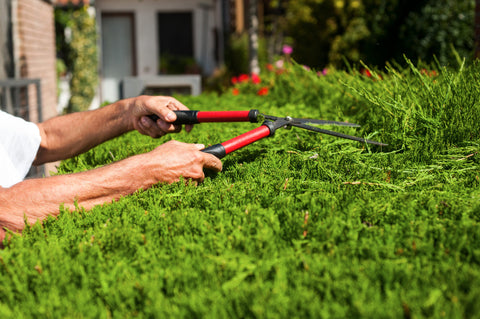
Unlike deciduous hedges, flowering hedges shouldn't be cut in spring. Otherwise, you'd inevitably remove a large proportion of the flower buds that have already formed. So wait until after flowering and then trim the hedge back to the desired height and width. If a second cut is needed afterwards, make sure it isn't left too late. From the end of June at the latest, you should let forsythia, flowering plum and similar shrubs grow undisturbed. Otherwise, they'll form fewer flower buds for the following year.
The best time to cut conifer hedges
Evergreen hedges made from thuja (arborvitae) or Leyland/false cypress should never be cut back too hard. Unlike hornbeam or copper beech, they don't reshoot from old wood, and at worst can be left permanently bare. It's therefore particularly important to trim the hedge back a little each year so that it keeps its shape. The right time for this is around midsummer, towards the end of June. Keep an eye out here too for birds' nests or birds in the hedge – these are often hard to spot under thick foliage. Never cut shoots back so hard that you create bare patches, as these are very unlikely to fill in again. If you have vigorous evergreen hedges, you can give them another light trim to tidy them up towards the end of August. After that, the plants' growing season is largely over, and they'll stay neatly trimmed until the following spring.
What's the best weather for cutting hedges?
It's best to avoid cutting your hedge in bright, direct sunshine. During the first cut in February this is generally fine. By the end of June, though, strong sun causes the plants to lose even more water through the cut ends. Young shoots that were previously shaded may also struggle in strong sun and can scorch. So it's best to choose an overcast day for cutting your hedge. If the hedge isn't too large, you could also do the job during the cooler evening hours.
Just as with hot weather or bright sun, you should also avoid cutting the hedge while it's wet. Not only is this much less pleasant for you, as the branches are heavier from the water on them, but the hedge plants are also weakened after cutting and are especially prone to mould and other fungal problems in damp conditions. So it's best to choose an overcast but dry day. Another no-go is cutting when temperatures are below -5°C.
Mind noise restrictions when using powered hedge trimmers
If you have a large, long hedge, cutting it by hand with manual shears can be tiring and time-consuming. A cordless or petrol hedge trimmer will get the job done much faster. However, you should be considerate of your neighbours and local noise guidance. There's no single nationwide law setting exact permitted hours for garden power tools in the UK, but many local councils discourage or restrict noisy garden work early in the morning, in the evening, and on Sundays and bank holidays under general nuisance rules – so it's good practice to avoid using a hedge trimmer before around 8am or after 8pm on weekdays, and to keep quieter hours on Sundays. Always check your local council's noise guidance if you're unsure, particularly if you live close to neighbours.
How to Cut a Hedge – Step by Step
Now that the right time for hedge cutting has arrived, it's time to get started. However, there are a few things to bear in mind during the cutting itself, as it's not as easy as it sounds to cut a hedge straight and get the trim just right.
How to cut hedges correctly
Experts distinguish between several types of hedge cutting in the garden, all of which ideally aim to keep the hedge healthy.
Formative pruning
Formative pruning is used to maintain the hedge's attractive shape. It's carried out annually and is one of the basics of hedge care, which is why it's often called a maintenance trim. The best time for this is mainly late June to early July. By then, both main growth phases are complete, so the plant won't immediately undo your work with fresh new shoots.
With formative pruning, you cut back the hedge's new shoots by 2/3 to 3/4, leaving only a small amount of the new growth in place. Formative pruning is already carried out even when the hedge plants haven't yet reached their full size. Even though cutting delays growth, it's still important because cutting encourages the hedge to branch out better. If it grows too quickly in width and height, it will lack density and won't be able to do its job as a privacy screen.
Once the hedge has reached its final height, you can also reduce its height as part of the formative pruning. But as long as it still needs to grow upwards, leave the main leading shoot untouched. Cutting this off will significantly hold back its height growth.
Cutting back
For most hedge types, cutting back takes place in early spring. It only becomes a regular necessity once the hedge has reached its final size. Naturally, the plants will still try to keep growing in width and height, which simply isn't desirable at that point. With a substantial cutback before the growth phase begins you create space for the young shoots that give your hedge a fresh, healthy look. Some hedge types – particularly conifers – should not be cut back too hard. They won't close up any gaps that form, and bare patches won't fill in again.
Renovation pruning
Over time, hedges and shrubs can become bare and overly dense, with the inner areas receiving little light and losing vigour as a result. In this case, it makes sense to carry out a renovation prune. To do this, cut your hedge as follows: remove older, thicker branches close to the base of the plant to make room for vigorous new growth. Ideally, renovation pruning of hedges, shrubs and other woody plants should be carried out in late winter or early spring, while the plants are still dormant and before they begin actively growing. Plants that respond well to renovation pruning include, for example, cherry laurel, barberry, firethorn and privet.
Coppicing (cutting to stumps)
So-called coppicing is suitable only for hedges with very strong regenerative ability, which have been neglected for a long time and have therefore lost their shape completely. You remove all the growth down to the main stem, leaving essentially just the basic framework of the hedge. In return, it will sprout vigorously again the following spring, giving you the chance to reshape it from scratch. Coppicing is the reset button for a hedge and the last resort when bare or thin patches simply can't be fixed any other way.
Cutting the right hedge shape
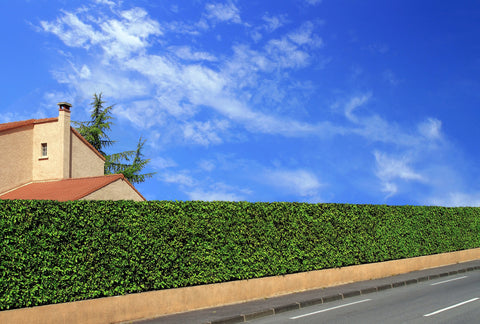
The most common shape for a hedge is the trapezoid (A-frame) shape. Here you keep your hedge square with straight sides, but taper it slightly towards the top. This has the advantage that the lower parts of the hedge still get enough sunlight and stay green. Deciduous hedges in particular naturally tend to grow narrower at the base and wider at the top. While that can look attractive, over time it causes the lower part of the hedge to become bare and stop providing privacy.
Practical tips for cutting hedges
Cutting the sides of a hedge in a straight line is often tricky. Standing right in front of the hedge usually doesn't give you the right perspective to see whether you're cutting evenly. The simplest way to achieve a straight hedge cut is to stretch a string or line as a guide to follow. Also make sure you always hold the hedge trimmer at arm's length, parallel to the hedge. This helps you avoid accidentally cutting too deep into the hedge and leaving gaping holes.
To keep the cut as even as possible, it's best to start at the bottom and work your way upwards from there. This helps ensure you maintain the trapezoid shape as you cut, and that all the shoots continue to get enough light.
The right tools
Even though our tips have given you the theory on what to look out for when cutting hedges, you'll also need the right tools to put this knowledge into practice. Hedge trimmers come in many different shapes and types. To find out which one is right for you and your hedge, take a look here.
What to do with hedge trimmings
Once you've finished cutting your hedge, it looks neat and tidy again – but sadly, the ground underneath usually doesn't.
Catching the trimmings
The easiest way to deal with the trimmings is to lay a tarpaulin or a large sheet under the hedge before you start cutting. This is especially useful for the small leaf clippings that often result from cutting hedges with an electric trimmer, as these are otherwise very tricky to clear up. If you don't have anything suitable to hand, you can also remove the larger trimmings from the ground by hand and rake or sweep the smaller bits back under the hedge. There they'll rot down over time and return some of the nutrients lost through cutting back to the hedge.
Disposing of hedge trimmings
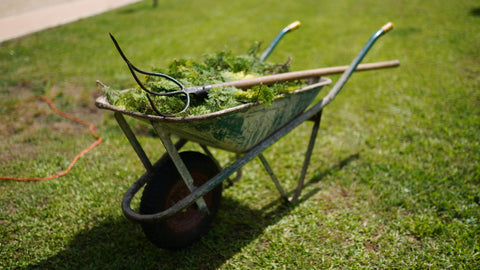
If you have your own compost heap, disposing of the trimmings won't be a problem for you. Make sure the individual pieces aren't longer than about 20cm, and it's best to layer the hedge trimmings alternately with grass clippings, weeds and vegetable scraps. This gives the resulting compost better quality. A garden shredder is ideal for speeding up decomposition of the trimmings. If you shred smaller branches and leaves with one, micro-organisms have more surface area to work on, and the material breaks down faster. Shredded hedge trimmings aren't just good for the compost heap – they're also great for mulching the soil beneath the hedge. This helps suppress weeds while providing a natural form of feeding at the same time.
It's best to cut thicker branches from hedge trimming into 20–30cm lengths and store them in a dry place. Once they've dried out, you can use them in winter for heating, in a fire pit, or on a bonfire.
If you don't have a composter or storage space for wood, the best option is to take the hedge trimmings to your local council recycling centre (tip). These usually accept green waste free of charge or for a small fee. Here too, garden waste is composted and its valuable nutrients returned to the natural cycle. Burning hedge trimmings straight after cutting isn't recommended, as the fresh shoots still contain a lot of moisture, producing a lot of smoke that can be harmful to the environment.
Who is responsible for cutting the hedge?
If you're renting your home, or the hedge sits exactly on the boundary between two properties, it isn't always entirely clear who's responsible for cutting it. So here are answers to the most common questions about responsibility.
Does a tenant have to cut the hedge?
You may be lucky enough to have landed one of the sought-after rental properties with its own garden. Ideally, the tenancy agreement will set out who is responsible for looking after the trees, shrubs and hedges on the property. If there's no clause giving the tenant responsibility for garden maintenance, the landlord can generally only require the tenant to carry out light gardening tasks, such as mowing the lawn or raking up leaves. Cutting hedges doesn't fall under this category. If there's no clear provision in the tenancy agreement, it's the landlord's responsibility.
But be careful: this only means the landlord has to make sure the hedge doesn't encroach onto neighbouring properties or create a road safety hazard. There's no obligation for it to look immaculate at all times. In addition, landlords may pass on the cost of hedge cutting to tenants as part of the service charge, but only if this is clearly set out as such in the tenancy agreement. If in doubt, it's often simplest to just grab the hedge trimmer yourself.
Who is responsible for a hedge on the boundary line?
For a hedge sitting exactly on the boundary between two properties, both neighbours are responsible. Ideally, you'll cut such a hedge together, or take it in turns. Of course, you can also simply agree that one of you takes care of the hedge's upkeep. In that case, that person is allowed to access the neighbour's land for that purpose.
How much does it cost to get a hedge cut professionally?
Perhaps cutting the hedge yourself feels like too much hassle, and you'd rather leave the job to an experienced gardener? That way, you'll not only save time, but for a large hedge you'll also avoid the cost of buying the necessary tools. Here's roughly what you can expect to pay for hedge cutting:
- Hourly rate: £20 to £35
An hourly rate is a good option if the hedge only needs a quick tidy-up trim. This usually doesn't take long, so paying by the hour tends to work out cheaper for you in this case. - Rate per 10 metres of hedge: £25 to £35
Agreeing a price with the gardener based on the length of the hedge has several advantages: on the one hand, it makes costs easier to plan for; on the other, you could save a fair amount of money if the hedge needs a substantial, time-consuming cutback.
Always check with the gardener whether you'll need to cover the cost of disposing of the trimmings yourself, or whether this is already included in the price. That way, you'll avoid any unpleasant surprises.
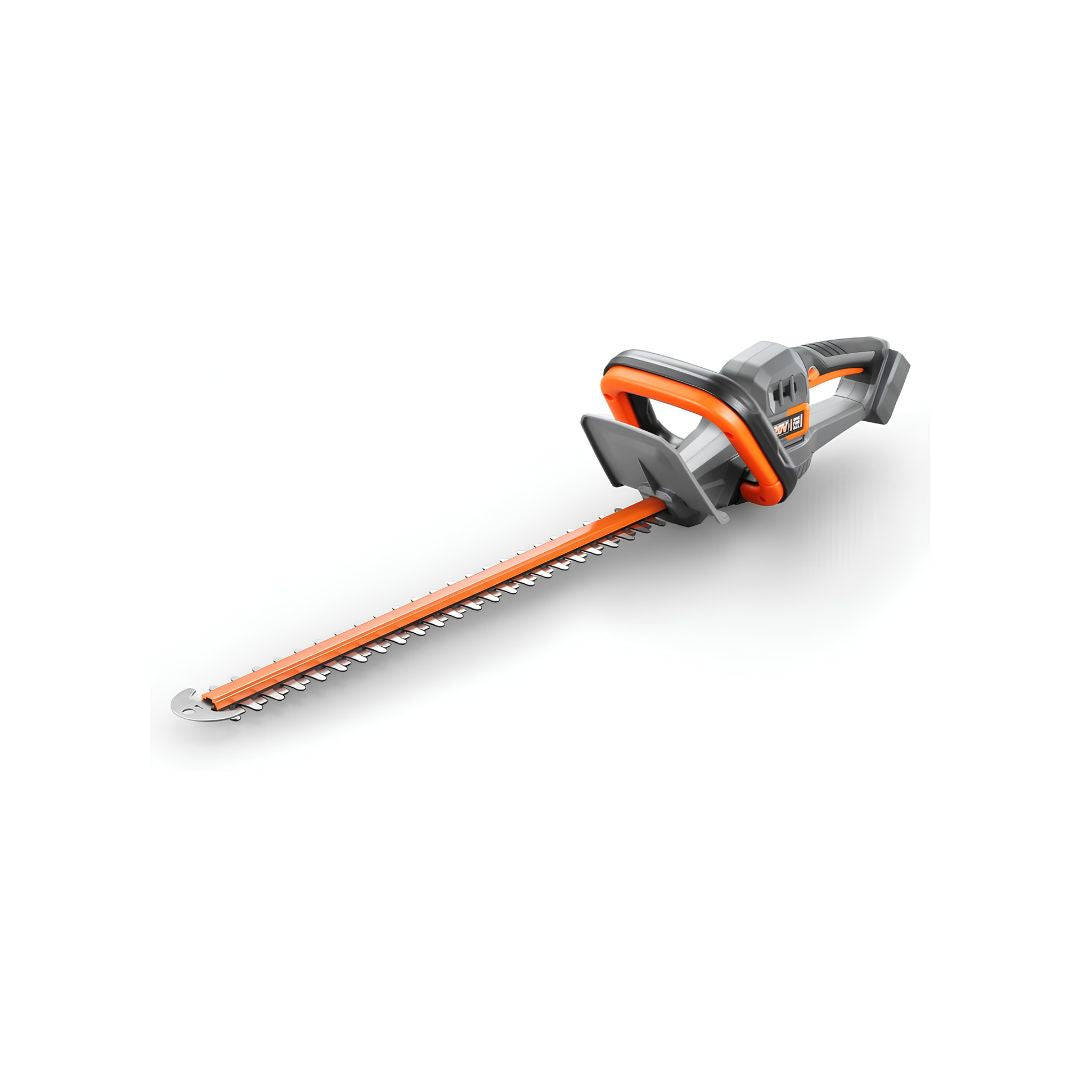
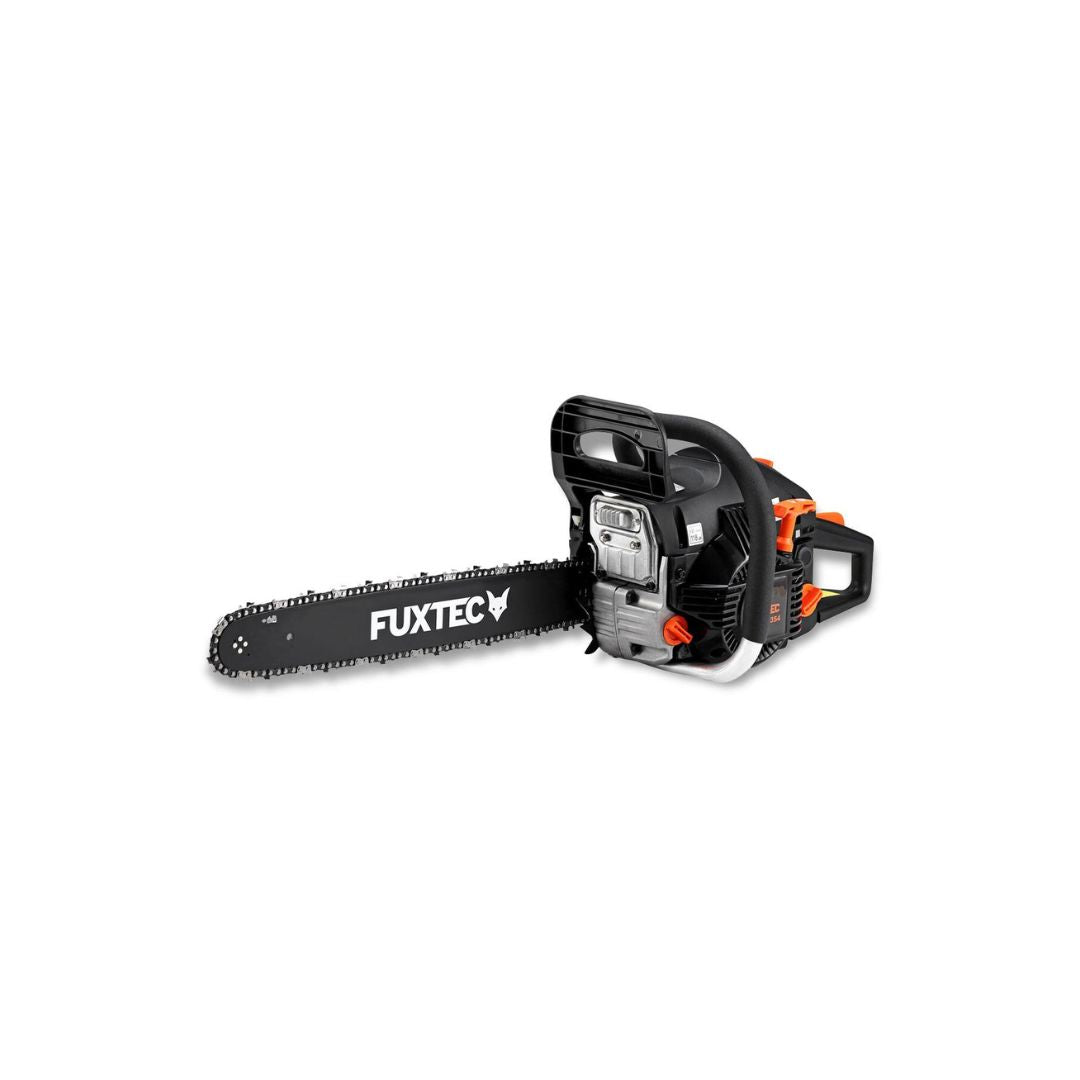
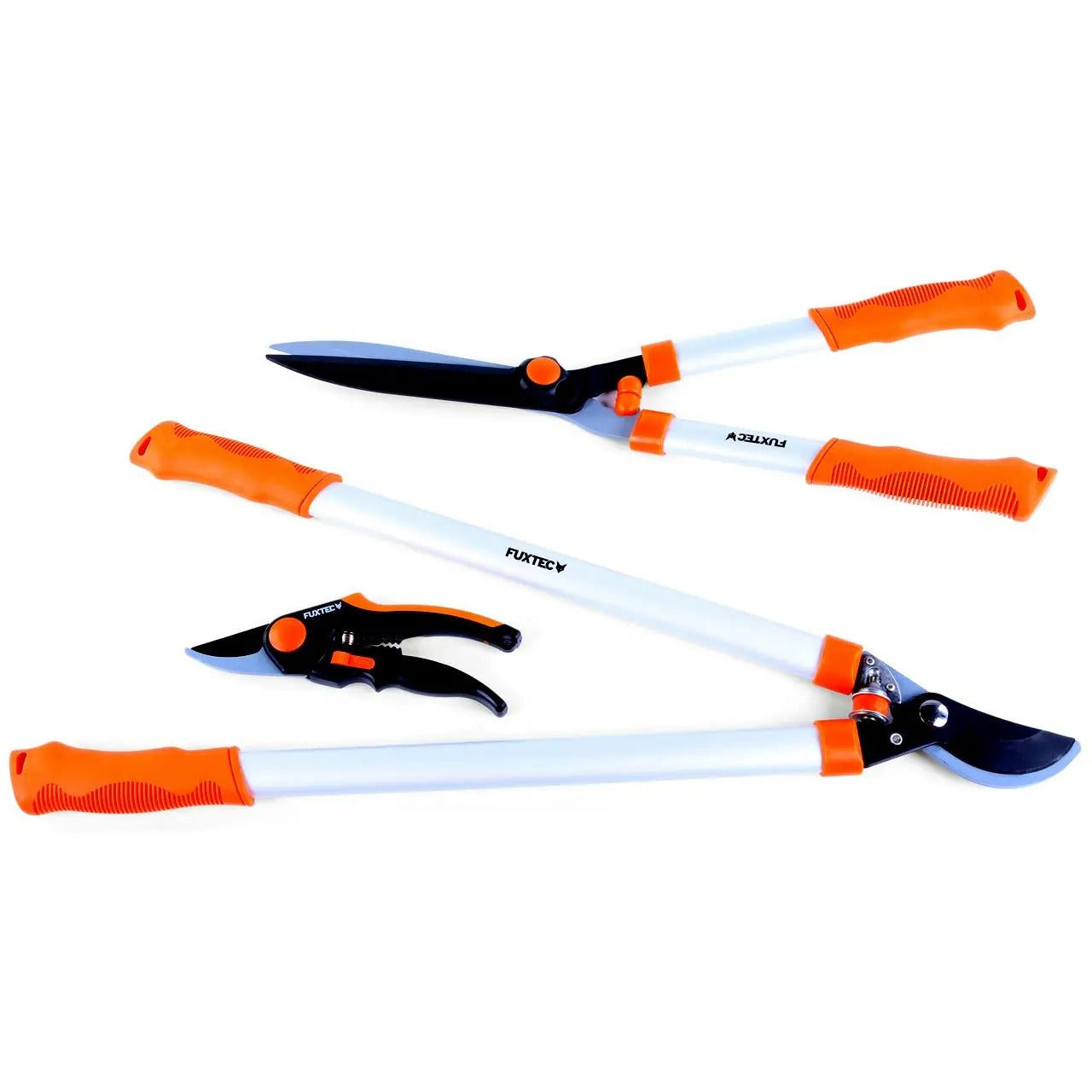
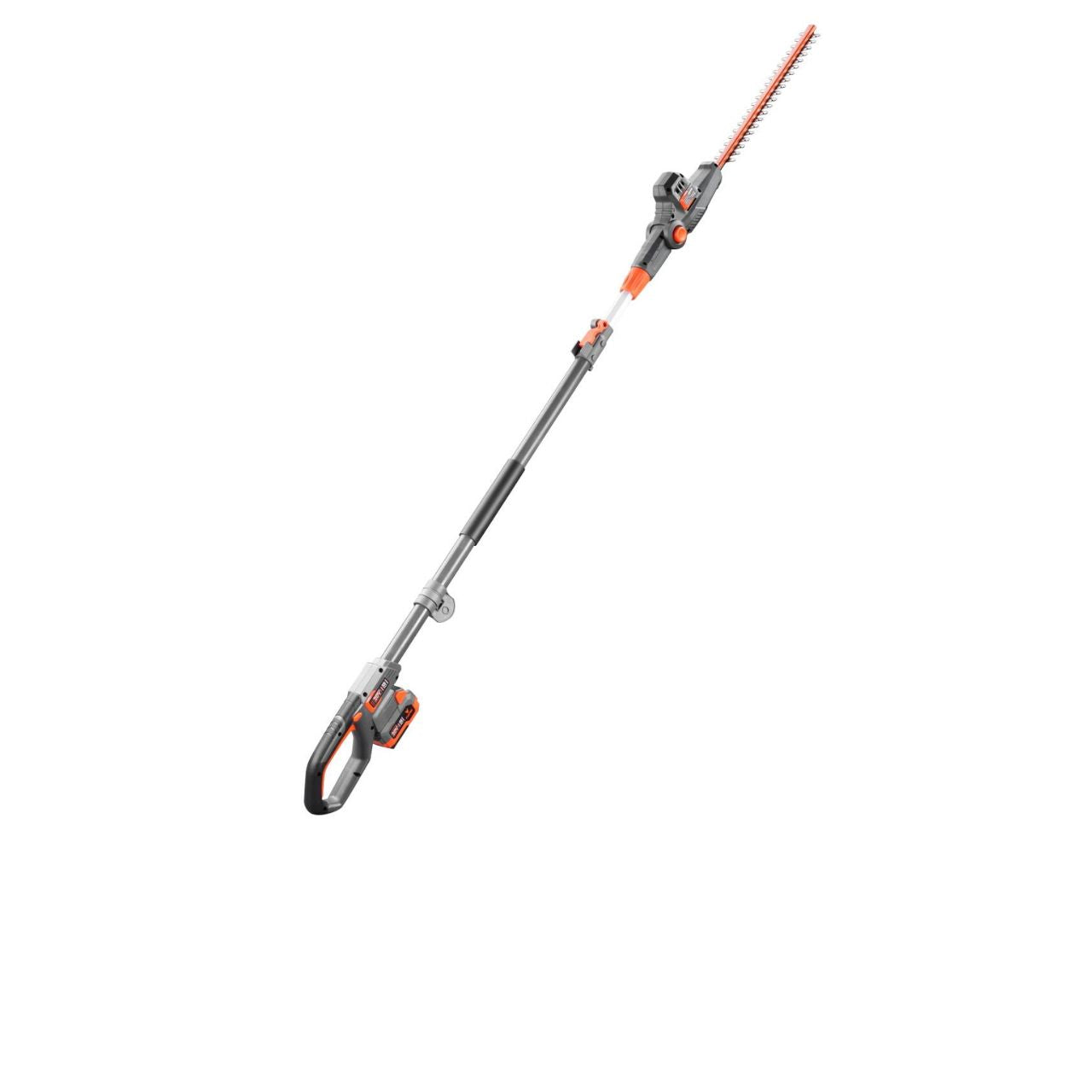
The best tools for caring for trees and hedges
More articles about tree and hedge care
Summer Pruning Fruit Trees: The Complete UK Guide
Inhaltsverzeichnis Vorteile des Pflegeschnitts Schnittkalender für Obstgehölze So gehst Du Schritt für Schritt vor Äpfel und Birnenbäume Kirsche, Pflaume, Aprikose und Pfirsichbäume Jungbäume und ...
How to Cut an Overgrown or Tall Hedge | FUXTEC
An overgrown hedge can become too wide, patchy in places and riddled with thick branches. If it has also grown several metres tall, a quick trim with a standard hedge trimmer is no longer enough. ...
How to Clean & Maintain Your Hedge Trimmer
A well-maintained hedge trimmer is essential for a tidy garden. If you want to keep your hedges looking their best, you need a tool that works reliably – with clean, sharp blades. Yet many gardener...


