





Cherry Laurel: Planting, Pruning & Care Guide
Everything About Cherry Laurel: Planting, Feeding, Pruning & Pest Control
The name can be misleading: cherry laurel, one of the most popular hedging plants in UK gardens, is not actually a true laurel. In fact, Prunus laurocerasus is related to cherries and plums, which is why its botanical name translates more accurately as laurel cherry. Either way – with its large, year-round glossy green leaves, it is ideal as a privacy screen for gardens and driveways. And as cherry laurel has grown enormously in popularity in recent years, there are ever more varieties available, with differing leaf shapes and growth habits.
What You Should Know About Cherry Laurel

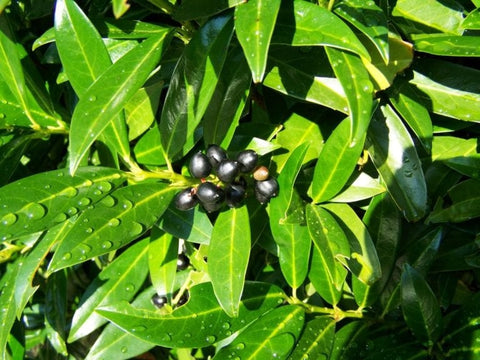
Cherry laurel originates from Turkey. Its common name combines the laurel-like appearance of its leaves with its fruits, which resemble small, dark cherries. It flowers from April to June, producing attractive clusters of white blooms. These are also highly popular with bees and butterflies. Some varieties flower a second time in September, whilst others by that point bear only their dark violet to black berries. These berries, along with the plant's leaves, are toxic to both humans and animals — a fact that earned cherry laurel the title of Poisonous Plant of the Year 2013 in Germany.
As a result, the plant does not spread via animals, but only when fruits fall to the ground and germinate. Even so, this process is remarkably effective, meaning the fast-growing cherry laurel can spread rapidly without supervision and is therefore considered an unwanted invasive species in many areas. In woodland settings in particular, it has the potential to crowd out native plants. The Royal Horticultural Society (RHS) and various wildlife organisations in the UK have raised concerns about cherry laurel's invasive potential in the wild. You should therefore take care to keep the plant under control and always dispose of hedge clippings responsibly.
Planting Cherry Laurel Correctly
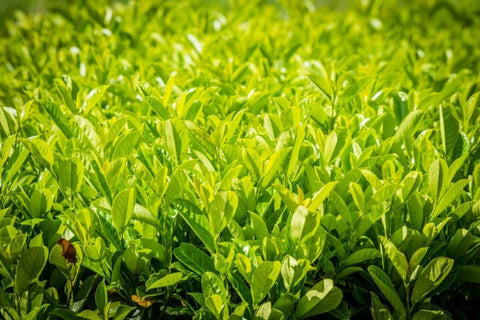
Cherry laurel is generally considered one of the less demanding hedging plants. It thrives in full sun as well as partial shade. Given sufficient water and nutrients, it can even manage beneath trees in full shade, though it will naturally grow somewhat more slowly – which some gardeners may actually welcome. Overall, cherry laurel is known for its vigorous growth, which makes it such an effective privacy screen. Depending on the variety, you can expect 15–40 cm of height growth per year. The plants also spread sideways quickly. In terms of soil pH, cherry laurel tolerates a wide range from slightly acidic to alkaline.
 One thing cherry laurel really dislikes is waterlogged soil. If your planned hedge is in a spot where water tends to pool after heavy rainfall, you should improve drainage beforehand by mixing in horticultural grit or sand, or by laying a drainage layer. This is the only way to ensure the plants don't end up with wet roots, which can cause root rot and in the worst case kill the entire plant.
Thanks to their excellent adaptability, cherry laurel can be planted almost year-round. However, frosty winter conditions are far from ideal for establishing new plants. It is better to wait until spring. Autumn is also an excellent time to plant a cherry laurel hedge. Aim for September or early October, giving young plants enough time to put down sufficient roots before winter sets in. Regardless of when you plant, make sure to water regularly during the first few months.
Caring for Cherry Laurel
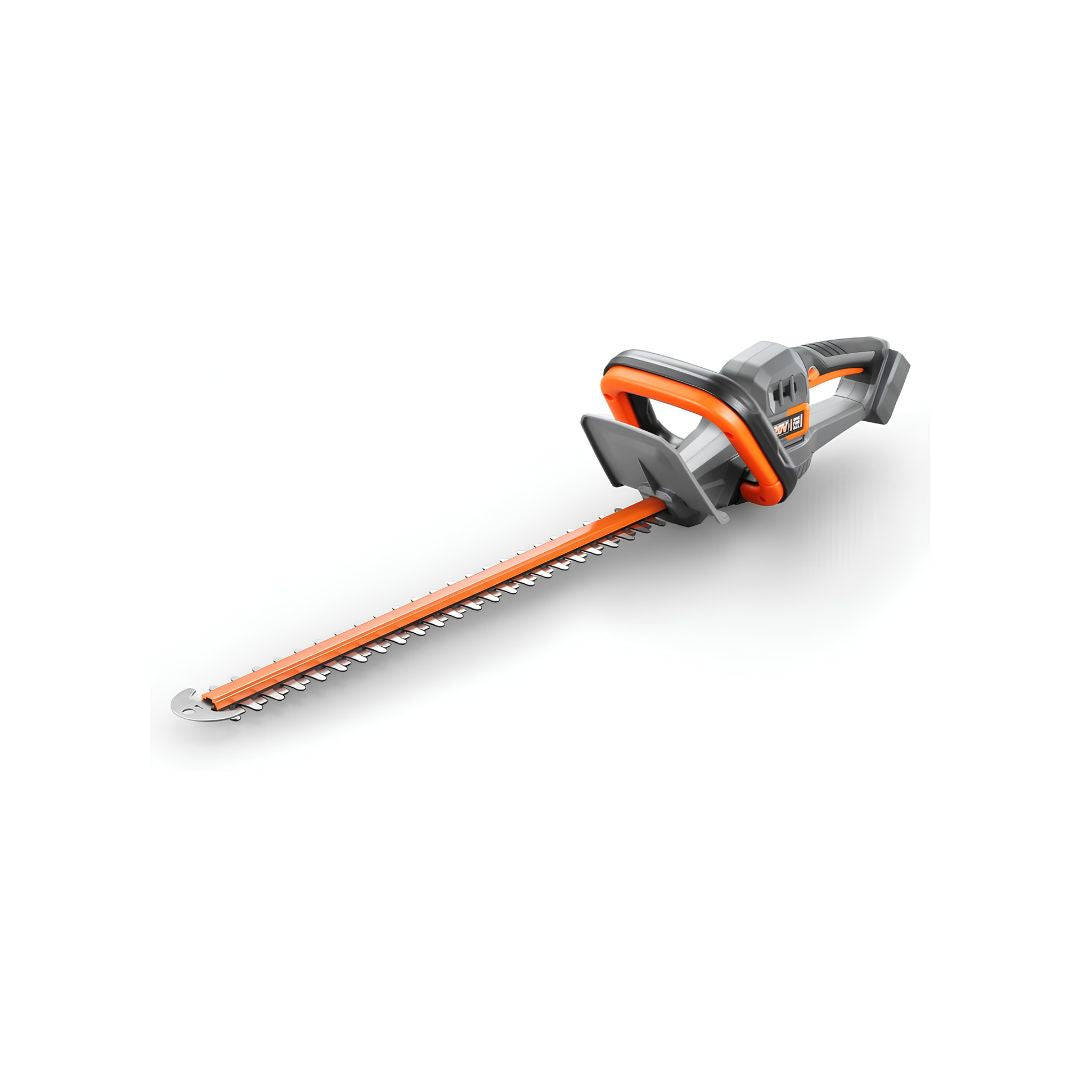
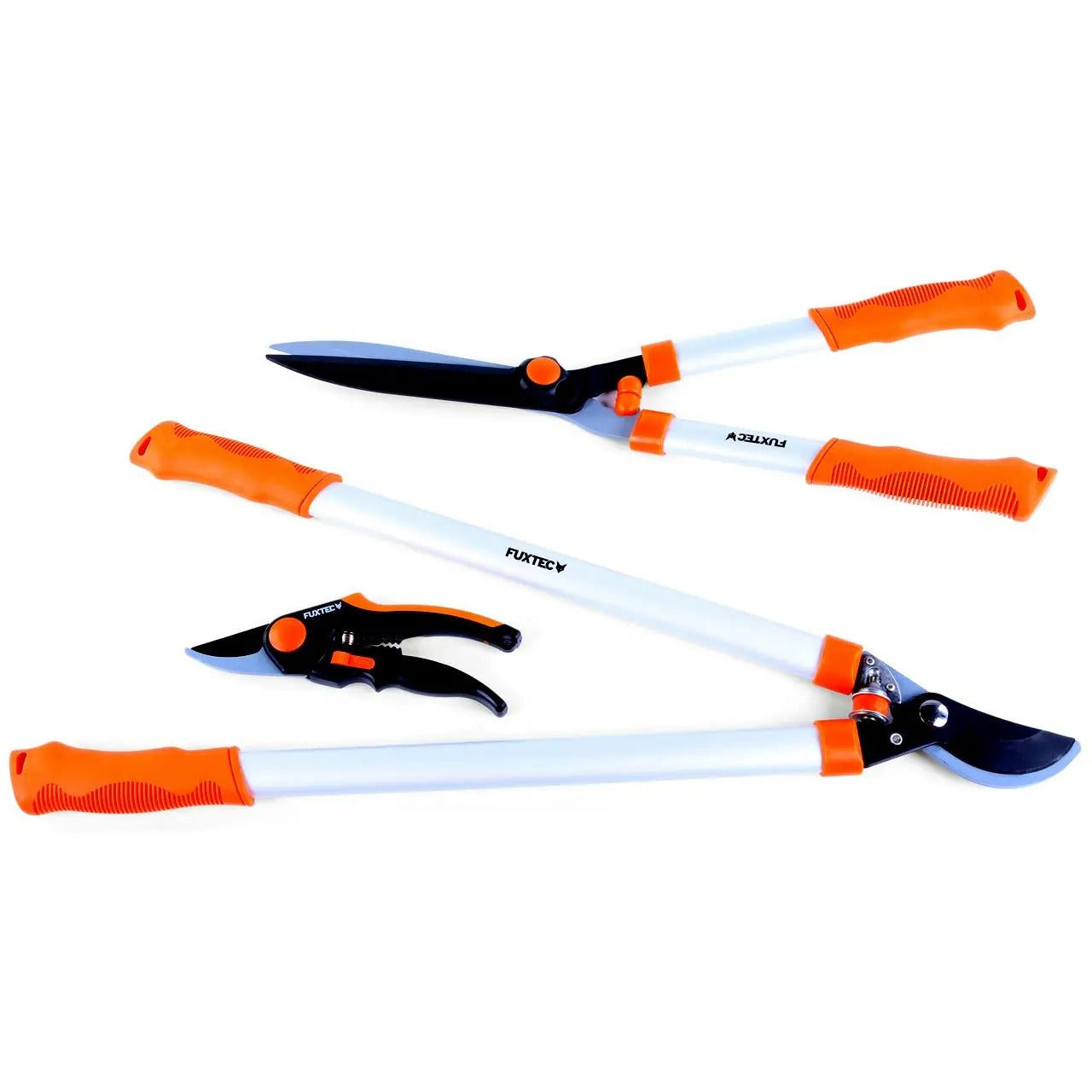
The best time to prune cherry laurel is immediately after flowering. This encourages the plant to put its energy into new leaves and shoots rather than into producing its toxic fruits. It is best to avoid using a powered hedge trimmer. Electric or petrol trimmers will inevitably cut straight through the large leaves, leaving behind unsightly brown edges. A pair of hand shears will give far better results. Although this requires a little more effort, the end result looks considerably more attractive, which more than justifies the extra work.
You should never neglect watering your cherry laurel either. Particularly in the first year, whilst the plant has not yet established a sufficient root system, it will need additional irrigation during dry spells. The large evergreen leaves lose a great deal of moisture throughout the year – even in winter.
Common Problems with Cherry Laurel
Although cherry laurel is generally unfussy, even this hedging plant can run into problems from time to time. Here we explain what might be causing them.
Cherry Laurel Leaves Turning Yellow
If your cherry laurel's leaves are turning yellow and subsequently dying and dropping off, there are several possible causes.
- Waterlogged soil: Cherry laurel is a deep-rooting plant and therefore requires a loose, free-draining soil right down through the lower layers. If this is not the case, the roots can quickly become saturated, begin to rot and die off. If waterlogging is the cause of the yellow leaves, you need to act quickly before the whole plant deteriorates. Unfortunately, in this situation the only solution is to dig the plant up, improve drainage by loosening the soil or adding a drainage layer, and then replant the hedge.
- Nitrogen deficiency: If the entire leaf has turned yellow, this may indicate a nitrogen deficiency. If the leaf veins remain green whilst the rest of the leaf is yellow, an iron deficiency could be to blame. A soil analysis will provide clarity about what your hedge is lacking.
- Transplant stress: Cherry laurel often responds to being moved with yellowing leaves, as a reaction to the stress and changed conditions. In these cases, the plant simply needs time to recover.
- Overly alkaline soil: If you apply lime to a lawn bordering your cherry laurel hedge, some of it may find its way into the soil beneath the hedge. The plants do not tolerate excessively high pH levels. If the symptoms are not too severe, it is often sufficient to apply some acidic compost made from conifer material. Over time, the soil pH will naturally readjust.
Cherry Laurel Leaves Turning Brown
Brown leaves on your cherry laurel hedge are generally a sign that the plant or plants are lacking water. The causes include:
- Leaf scorch: Cherry laurel can tolerate full sun, but if the soil is too dry, the plant may lose more water through transpiration than it can replenish. In extreme cases this leads to leaf scorch. You can identify it by the fact that the areas most exposed to direct sun are particularly affected. Large-leaved cherry laurel varieties are generally more susceptible to leaf scorch than smaller-leaved ones.
- Winter desiccation: During winter, water stress caused by frozen ground combined with too much sun exposure can also lead to leaf scorch. If your cherry laurel stands unprotected in a sunny spot on cold winter days, covering it with garden fleece can help protect it. An autumn feed with a high potassium content will also help to harden the leaves against cold and drying winds.
- Drought: Cherry laurel is fairly drought-tolerant and often shows the typical signs of water stress and drought — browning leaves — only quite late. Sometimes the dry spell has already passed by the time you notice, leaving you puzzling over the cause. In any case, you can help your hedge by regularly mulching the soil with a layer of bark mulch or compost. This reduces moisture loss and at the same time improves the soil's water-holding capacity.
Cherry Laurel Not Growing
Have you planted a cherry laurel hedge, but instead of growing tall and bushy, it seems to be just ticking over? One possible reason is a nutrient deficiency. Only when adequately supplied with all the necessary nutrients can cherry laurel produce new shoots. However, the most common problem is that gardeners avoid pruning their cherry laurel hedge in the hope it will grow taller and denser more quickly. This approach usually backfires. You should cut the plants back in the first spring after planting, to encourage growth and branching. You can give your cherry laurel an especially helpful boost by removing some or even all of the flower buds. This allows the hedge to channel all its energy into new shoots and roots.
Sometimes the variety itself is responsible for slow or modest growth: not all types grow to several metres and put on rapid height. Some remain comparatively compact. The variety 'Otto Luyken', for example, only reaches its mature height of around 1.5 metres after several years.
Pest Problems with Cherry Laurel
If you notice small dark spots on the underside of your cherry laurel's leaves, you might immediately think of pests — but this is not the case. These are actually what are known as nectaries. These nectar glands secrete a sugary sap that is collected by ants, among others. They act as a natural defence against many pests, meaning cherry laurel effectively has its own built-in pest patrol. Accordingly, small insects such as aphids are rarely a significant problem with this type of hedge.
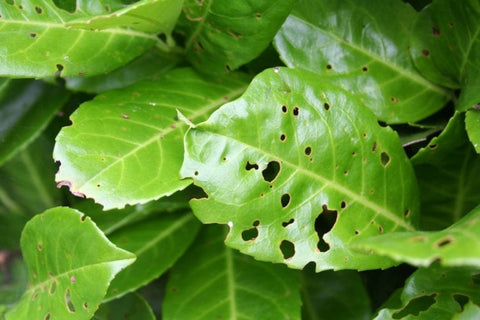
However, ants are no match for fungal diseases. Cherry laurel is particularly prone to a condition known as shot hole disease: shortly after the leaves emerge, round dark or ragged holes appear in the foliage. The problem can usually be kept in check — and eventually eliminated — by cutting out affected shoots and collecting diseased leaves. A different challenge is presented by powdery mildew. This first appears as a grey-white coating on the leaves, later causing leaf distortion or complete leaf drop. In this case, a dedicated fungicide is the only effective remedy.
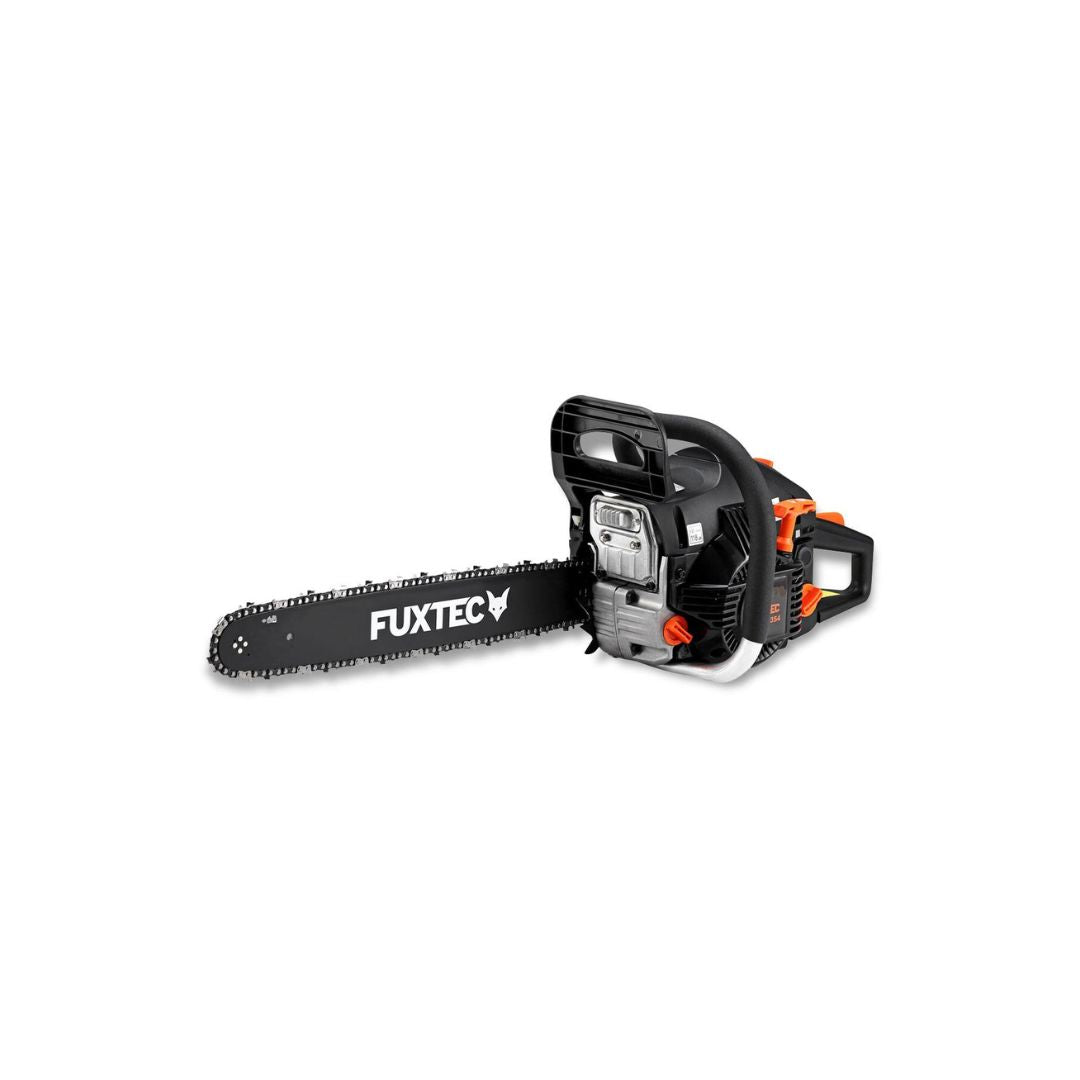
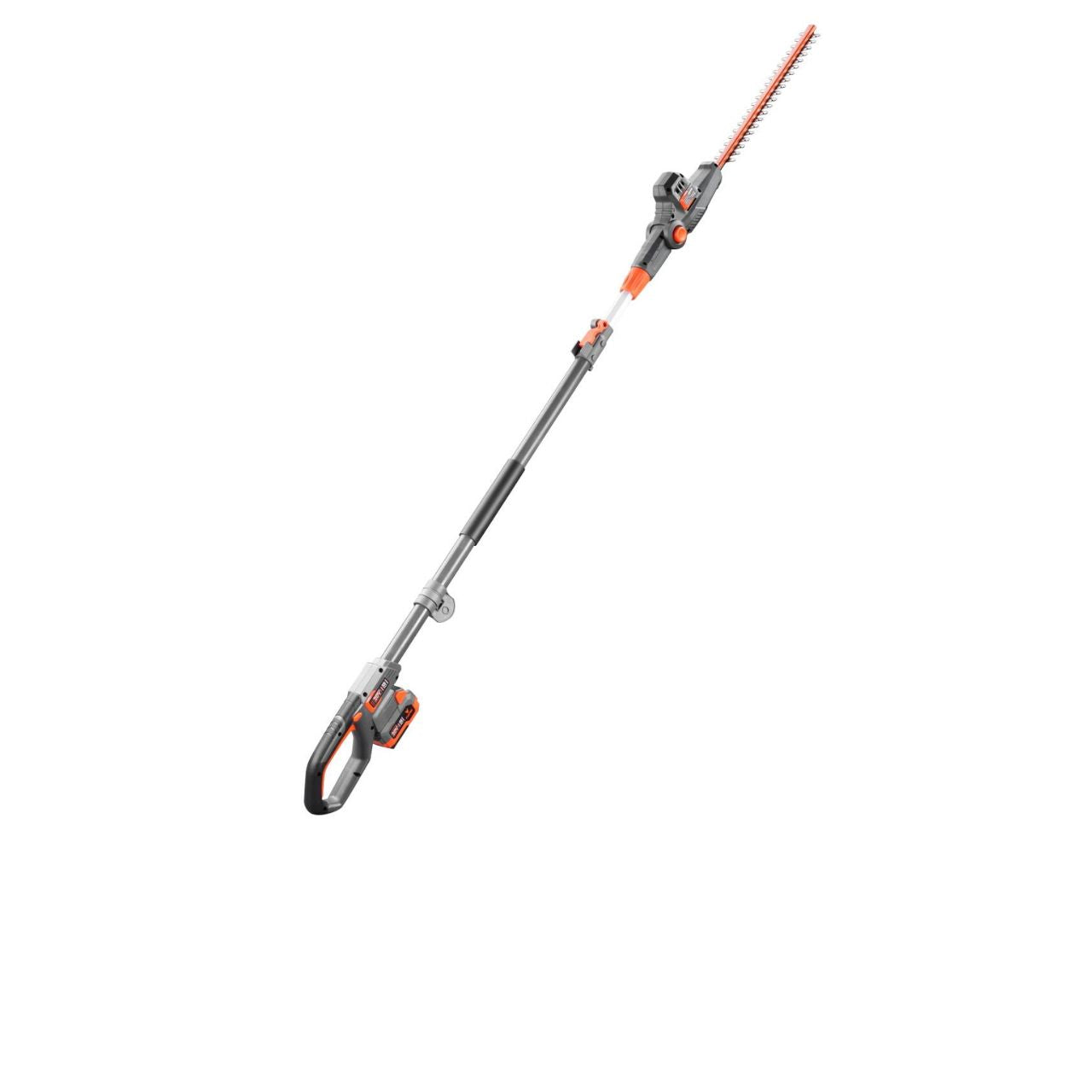
The best tools for caring for trees and hedges
More articles about tree and hedge care
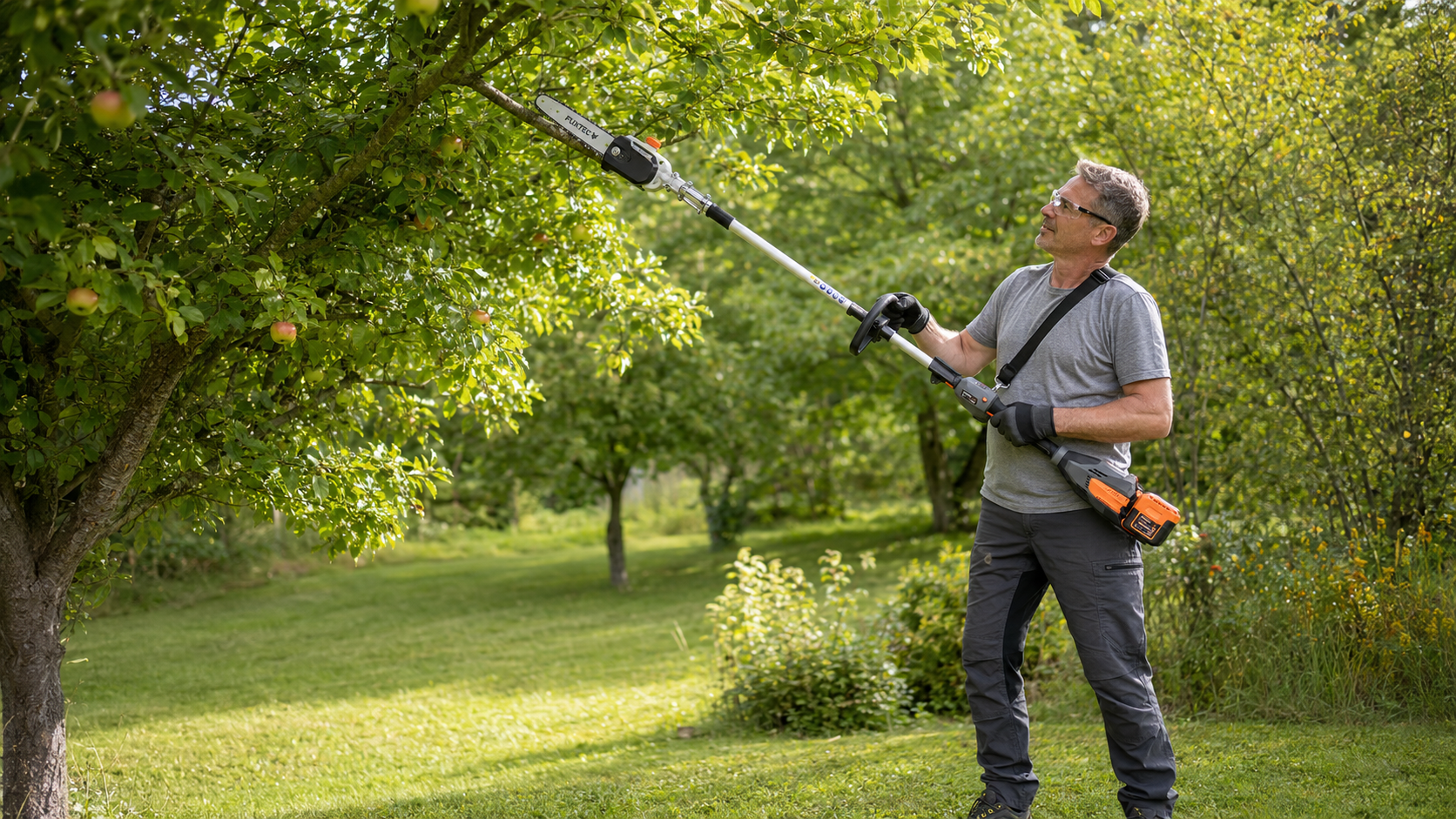
Summer Pruning Fruit Trees: The Complete UK Guide
Inhaltsverzeichnis Vorteile des Pflegeschnitts Schnittkalender für Obstgehölze So gehst Du Schritt für Schritt vor Äpfel und Birnenbäume Kirsche, Pflaume, Aprikose und Pfirsichbäume Jungbäume und ...
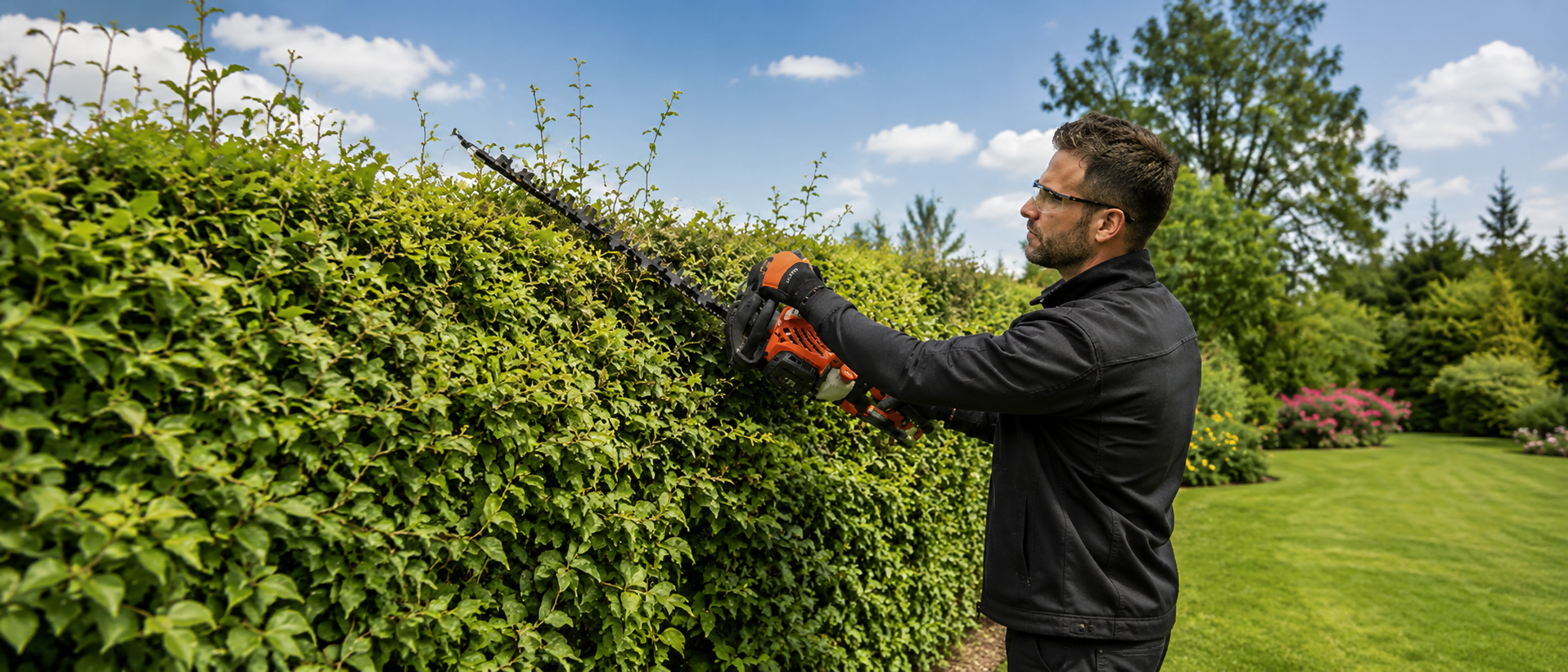
How to Cut an Overgrown or Tall Hedge | FUXTEC
An overgrown hedge can become too wide, patchy in places and riddled with thick branches. If it has also grown several metres tall, a quick trim with a standard hedge trimmer is no longer enough. ...
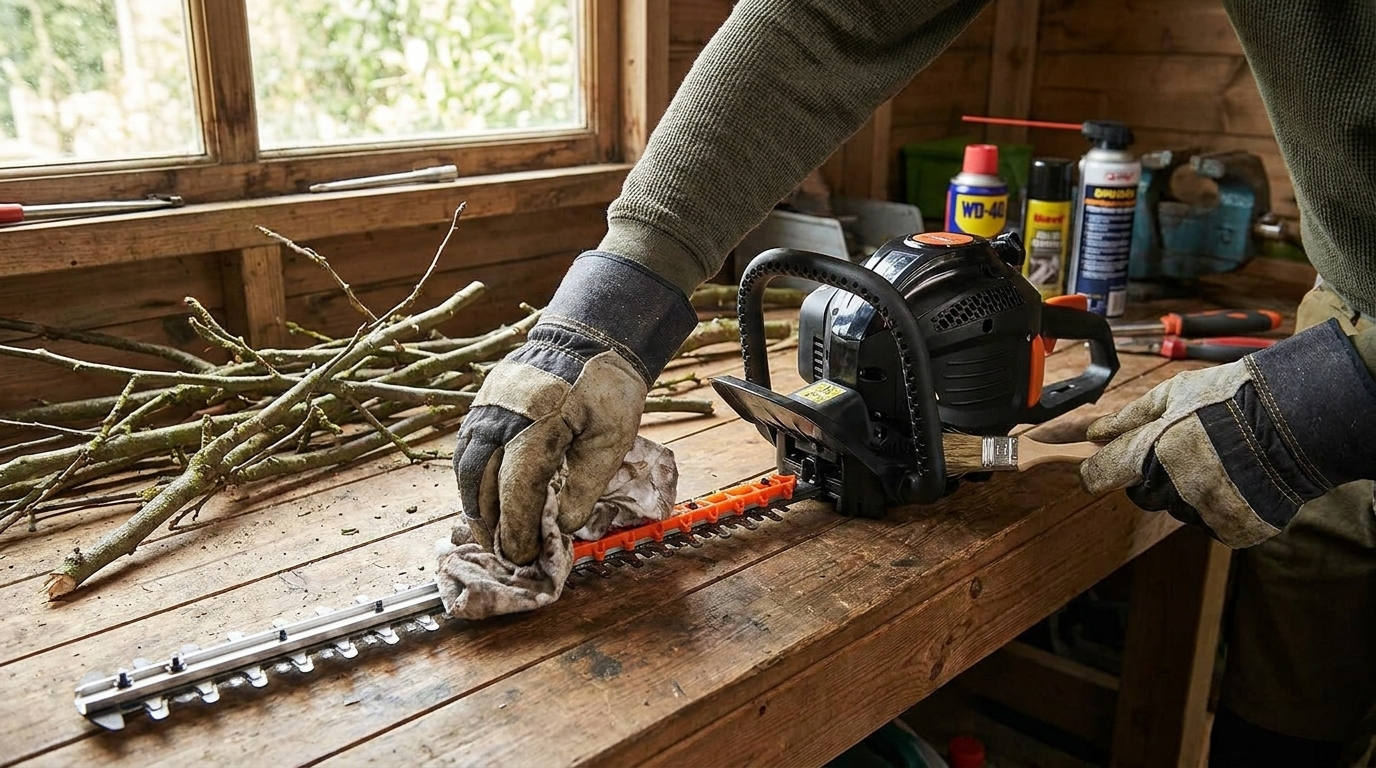
How to Clean & Maintain Your Hedge Trimmer
A well-maintained hedge trimmer is essential for a tidy garden. If you want to keep your hedges looking their best, you need a tool that works reliably – with clean, sharp blades. Yet many gardener...


