

Boxwood Guide: Planting, Feeding, Pruning & Pests
Everything About Boxwood: Planting, Feeding, Pruning and Pest Control
No other plant is as widespread and popular for topiary as boxwood. This hardy, evergreen plant isn't just an eye-catching feature in the garden, though — it also makes neat, dense hedges that offer excellent privacy.
Boxwood – what you need to know
Common box Buxus sempervirens grows naturally across much of southern and central Europe and as far as the Near East. As it has been cultivated as a garden plant for over 2,000 years, it's not entirely clear how much of its natural range came about on its own, as opposed to spreading from long-abandoned gardens. This evergreen shrub owes its huge popularity to two things: its tolerance of hard pruning, and its small, densely growing leaves. Together, these traits make it perfectly suited to topiary and formal shapes of every kind. As a hedge, Buxus sempervirens is remarkably dense and low-maintenance.
All parts of the box plant are mildly toxic. It was once used as a medicinal herb, though there are now more effective and gentler alternatives available. Boxwood remains important for the environment as a source of forage for bees. Its rather unassuming flowers appear as early as March, making them one of the earliest nectar sources of the year. Flowering continues through to May, providing plenty of nectar and pollen for bees and flies alike. Ants then help disperse the seeds afterwards.
The many boxwood varieties
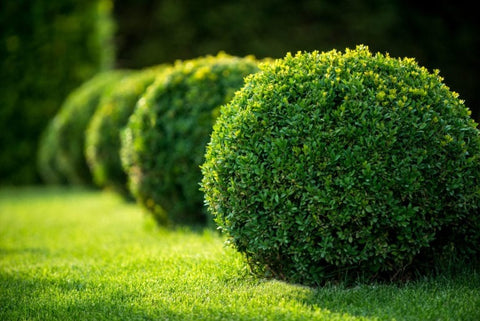
Thanks to its long history as a garden plant, common box boasts an astonishing range of cultivars. There are now more than 60 different varieties, each bred with particular uses in mind. A handful of other boxwood species are also occasionally used as hedging plants.
Buxus sempervirens
You can't go far wrong with common box as a hedging plant. It has a moderate growth rate of 10 to 15 centimetres a year, is fully hardy, and has rich dark green leaves. Within just a few years it forms a good screen. If you want a tall hedge quickly, though, you'll need to plant fairly large specimens from the outset, which usually isn't cheap.
Buxus sempervirens 'Handsworthiensis'
The variety Handsworthiensis is better suited to really tall hedges. It grows a generous 10 to 25 centimetres a year and also becomes noticeably broader than common box. Also known as Navicularis, this cultivar grows upright, with the tips gradually drooping slightly over time. In winter, once frost sets in, the leaves typically darken a little. Handsworthiensis is comparatively robust and less prone to many of the diseases that affect other boxwood varieties.
Buxus sempervirens 'Rotundifolia'
The Rotundifolia variety has fairly large leaves and, growing 10 to 20 centimetres a year, is also quite vigorous. It grows even broader and taller than Handsworthiensis, so it needs fairly frequent, moderate trimming. Rotundifolia has dark green leaves with a slightly bluish tint. This variety is robust and copes reasonably well even with dry spells in summer.
Buxus sempervirens 'Marginata'
Thanks to its good growth rate of 10 to 20 centimetres a year and a height of up to 2.5 metres, Marginata also works well as a privacy hedge. Its distinguishing feature lies in its particularly attractive foliage: rather than plain green, the leaves are edged with a pale, creamy margin.
Buxus microphylla
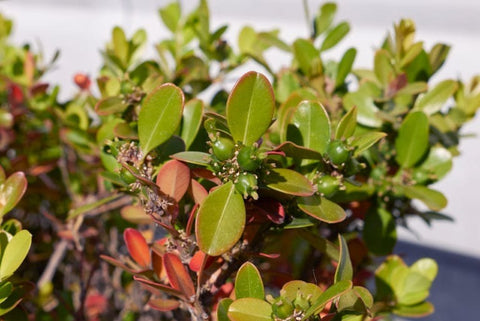
Small-leaved box, along with its many varieties, is mainly used for low hedges and edging around borders. Most cultivars grow only a few centimetres a year, so they're considerably lower maintenance in terms of regular trimming. On the flip side, gardeners have to wait a good deal longer for plants to reach the desired size. Buxus microphylla is therefore noticeably more expensive than common box cultivars of the same size.
Alternatives to boxwood
Some gardeners are reluctant to introduce box into their gardens. Alongside a range of other diseases and pests, most are particularly wary of the box tree moth. Its caterpillars can strip an entire hedge bare in no time, feeding from the inside out, which means the damage is often spotted far too late. Alternatives to boxwood are therefore becoming increasingly popular.
Ilex crenata
Japanese holly is, like boxwood, an evergreen shrub. It also looks almost identical to box, since it's similarly densely leaved and tolerates hard pruning just as well. Here too, plenty of different varieties are available on the market for different purposes.
Lonicera nitida
Box honeysuckle originally comes from China and closely resembles box in terms of leaf density and shape. It also tolerates very hard cutting back and is treated in a similar way to box in this respect. Many varieties are only suitable for low, clipped hedges, while others can reach heights of several metres.
Planting boxwood hedges
If you take the plants' needs into account when planning your boxwood hedge, they'll grow better and prove more resistant to disease further down the line.
Choosing the right spot
Boxwood grows best in partial shade. Ideally, your hedge should get a few hours of sunlight either in the morning or the evening. Hot midday sun, especially in summer, doesn't suit box particularly well. The spot should also avoid trapping heat, while remaining sheltered from cold winds in winter. As you can see, boxwood is a fairly demanding plant. It also struggles to compete with other plants for light and nutrients, so any larger trees or shrubs nearby will need to be cleared to make room for your boxwood hedge.
Boxwood often deteriorates rapidly in both waterlogged and persistently dry soil. The best option is therefore loose, free-draining soil without too much sand or clay. If your chosen spot doesn't already have this, be sure to improve the soil with compost or sand before planting. It's also worth checking the pH: boxwood prefers slightly alkaline soil with a pH of 7 to 8. If necessary, apply a small amount of lime — though too much can also cause problems.
The right time to plant
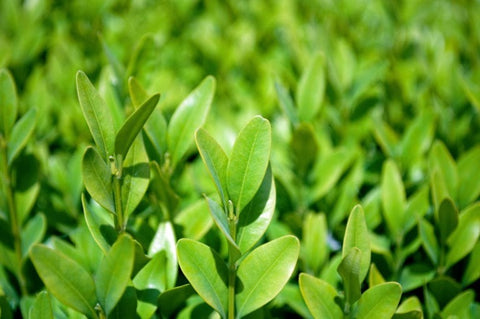
Container-grown boxwood can generally be planted at any time of year. In summer, though, you'll need to water generously, as the roots are disturbed during planting and the sensitive plants can otherwise dry out. It's therefore better to plant during the dormant period between October and March, avoiding frosty spells. Bare-root boxwood is best planted in autumn or early spring, before new growth begins.
For border edging, boxwood plants are usually very small and need to be planted close together. Otherwise, given how slowly they grow, it would take far too long to form a continuous edge. Even for larger hedges, boxwood is generally planted fairly densely, with three to four plants per metre.
You can find detailed guidance on planting hedges here.
Caring for boxwood properly
In the right spot and with the right care, even sensitive boxwood becomes reasonably resistant to pests and disease.
Pruning boxwood
Even if you're not shaping your boxwood into creative topiary and simply want a neat, traditional hedge, there are a few basic principles worth following.
Formative pruning
If you're planting well-branched container plants as your boxwood hedge, there's no need to prune straight after planting. If you're using cheaper bare-root or pot-grown plants with only one or two main shoots, though, you should cut each one back by about half. This encourages branching from the start and helps the plants grow into a dense bush.
In the second spring after planting the hedge, cut back about half of the previous year's new growth to encourage further branching.
In the following years, it's best to trim your boxwood hedge twice a year, between March and September. Leave only a few centimetres of new growth each time, so the hedge gains roughly five to ten centimetres in height each year. This delays reaching the final height, but it's the best way to end up with a dense, healthy and neatly shaped boxwood hedge.
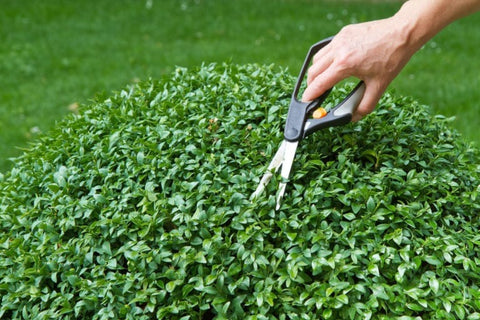
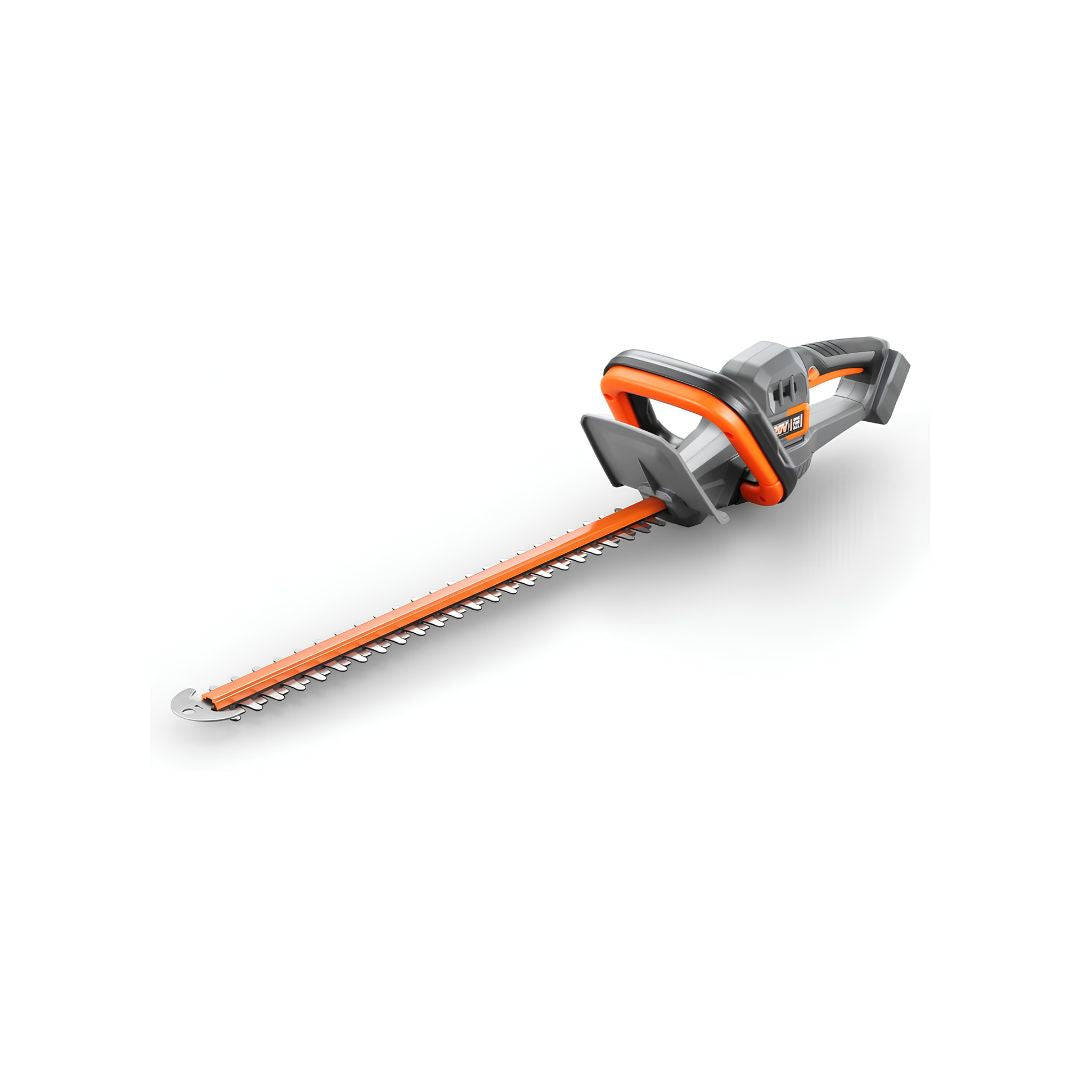
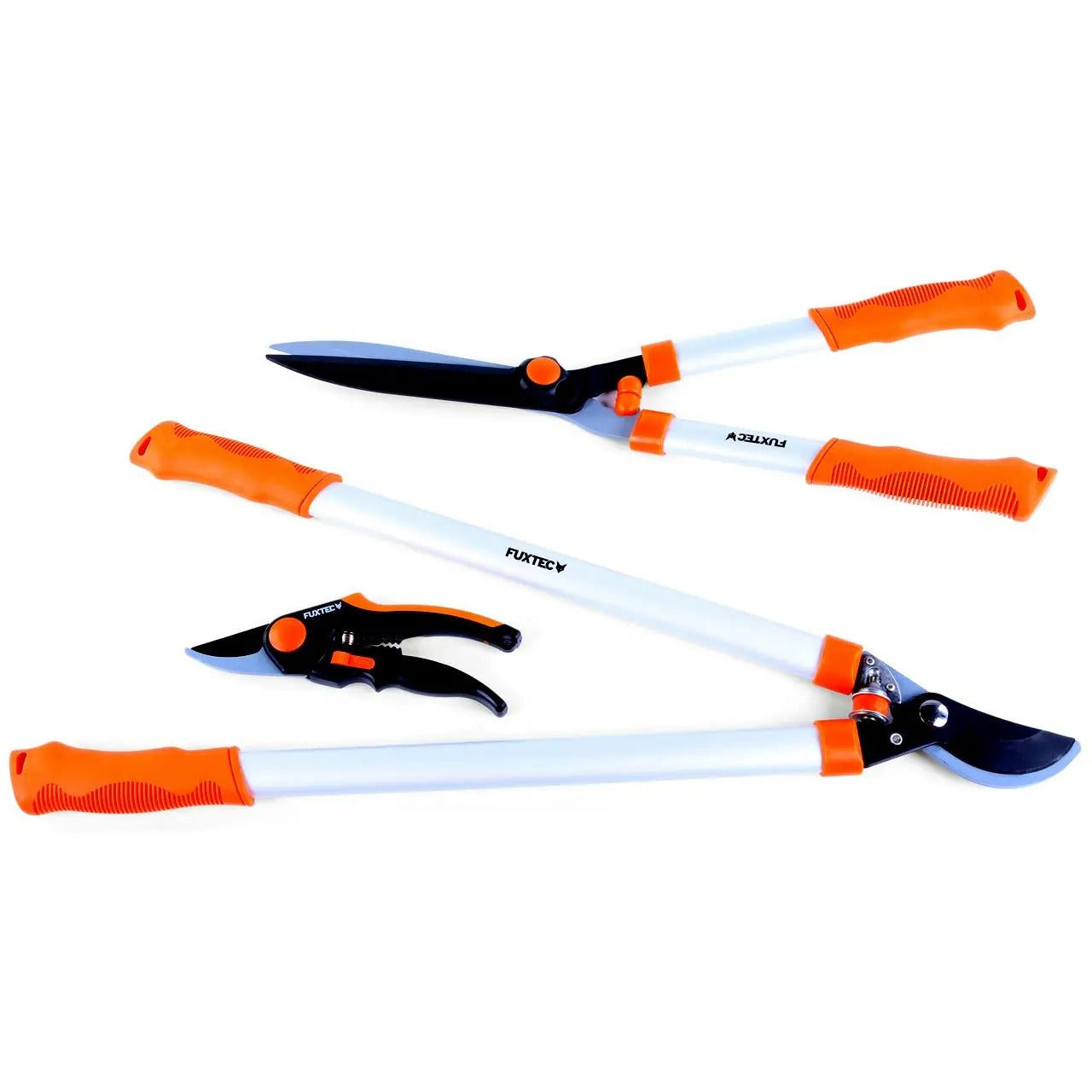
As boxwood is highly susceptible to disease, always use a sharp box or garden shear that's been cleaned with surgical spirit before pruning. This helps prevent infection at the cut points. For larger hedges, you can also use electric hedge trimmers once they're established.
Maintenance pruning
Once your boxwood hedge has reached its final height, a single trim a year may well be enough. This depends, of course, on the variety planted, its growth rate and your personal preference. For the annual formal trim, late June is generally a good time, as the strongest flush of growth is over by then and the hedge holds its shape well afterwards.
Rejuvenation pruning
For hard renovation cuts, mid-to-late February is a good time. Bird nesting season hasn't yet begun, and pruning at this point encourages new growth in spring rather than holding it back. If you want to rejuvenate and reshape your hedge with a hard cut, it's best to spread the work over several years — for example, cutting back one side in the first year and the other side the following year. This avoids unsightly gaps and gives the plants enough time and energy to recover fully.
Feeding boxwood
Since boxwood doesn't produce showy flowers, it needs very little phosphorus, relying mainly on nitrogen for healthy foliage and potassium to regulate its water balance. Slow-growing box benefits most from a slow-release fertiliser, which releases nutrients into the soil gradually. This also means less work for you, as you'll need to feed less often. For boxwood, it's genuinely worth using a specialist evergreen or dedicated boxwood fertiliser, as these are tailored precisely to the plant's needs.
The best time to apply fertiliser is in spring. Slow-release feed is generally used up after around six months, and box shouldn't be producing new growth from autumn onwards anyway, as any new shoots wouldn't harden off in time and would be damaged by frost. Natural alternatives to shop-bought fertiliser include compost and hoof and horn meal. As these are mainly nitrogen-based, you can give your box an extra boost in autumn with a specialist potassium feed, which can help improve its winter hardiness.
Diseases and pests that threaten boxwood
Sadly, many boxwood varieties are quite prone to disease. When a hedge you've lovingly nurtured suddenly starts to droop or dry out, it can be hard to know what's wrong.
Boxwood drying out
If your boxwood suddenly loses its green colour and develops more and more brown patches, the most likely cause is a fungal disease or lack of water. Boxwood is prone to damage from dry soil almost all year round. Because it's evergreen, it continues to lose water through its leaves even in winter, and it can't make up for these losses if there's no rain or the ground is frozen. Regardless of the season, you should therefore always make sure your boxwood hedge is watered adequately.
Pests
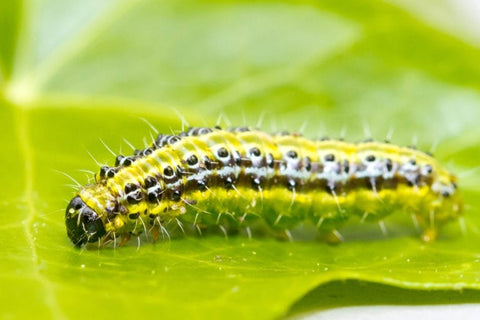
The box tree moth has been on many gardeners' minds in recent years. This small moth was introduced from Asia, and its caterpillars can strip entire plantings bare here in the UK. Controlling it is tricky, as there can be several generations a year, meaning even a plant that's recovered from one infestation can fall victim again at any time. The caterpillars are also often spotted late, since they tend to feed from the inside of the plant outwards. There are only a handful of effective ways to deal with this pest: you can either pick them off by hand or remove them using a leaf blower, vacuum or pressure washer. Be sure to wear gloves, as the caterpillars are toxic. The biological control agent Bacillus thuringiensis kills the larvae when sprayed onto the plant. Dusting the hedge with algal lime can also help keep box tree moth at bay for a while.
Besides the box tree moth, which really only attacks boxwood, several other, more familiar pests can also make life difficult for your box plants:
Boxwood spider mites show up as tiny white speckles and fine webbing between the leaves. They dislike high humidity, so regularly misting the plants with water in summer can help prevent an infestation, or even drive one off. Otherwise, oil-based plant protection products, of the kind also used against gall mites, can be effective.
Aphids and scale insects tend to attack the soft new shoot tips of boxwood. If you notice them late and numbers have already built up, it's best to cut away the worst-affected growth. To tackle the rest, you can try a few home remedies, or use oil-based plant protection products. The latter are also effective against mealybugs, which often infest the entire plant and multiply rapidly.
Fungal diseases
A number of fungal diseases can stop boxwood shoots growing, or even kill them off entirely. The best-known example is Phytophthora dieback, caused by the fungus of the same name. This almost exclusively affects boxwood and other plants that are exposed to waterlogged soil. With most fungal diseases, the only real option is to cut away the affected parts, dispose of them safely, and remove the top layer of soil — otherwise the fungus is likely to return before long. However, if the roots are affected, as is the case with Phytophthora dieback, the plant can rarely be saved.
Fungal diseases are difficult to treat but can be prevented fairly effectively. Keep the following points in mind to protect your box as well as possible:
- The soil should always be free-draining, with no waterlogging. Loosen compacted soil as soon as possible!
- A pH that's too low weakens boxwood. If you're feeding with compost, lime the soil regularly to keep the pH in check.
- Wet leaves make boxwood more vulnerable to fungal disease. Always water the plants at the base, not over the foliage.
- Always thoroughly disinfect your box or garden shears before and after pruning!
The best tools for caring for trees and hedges
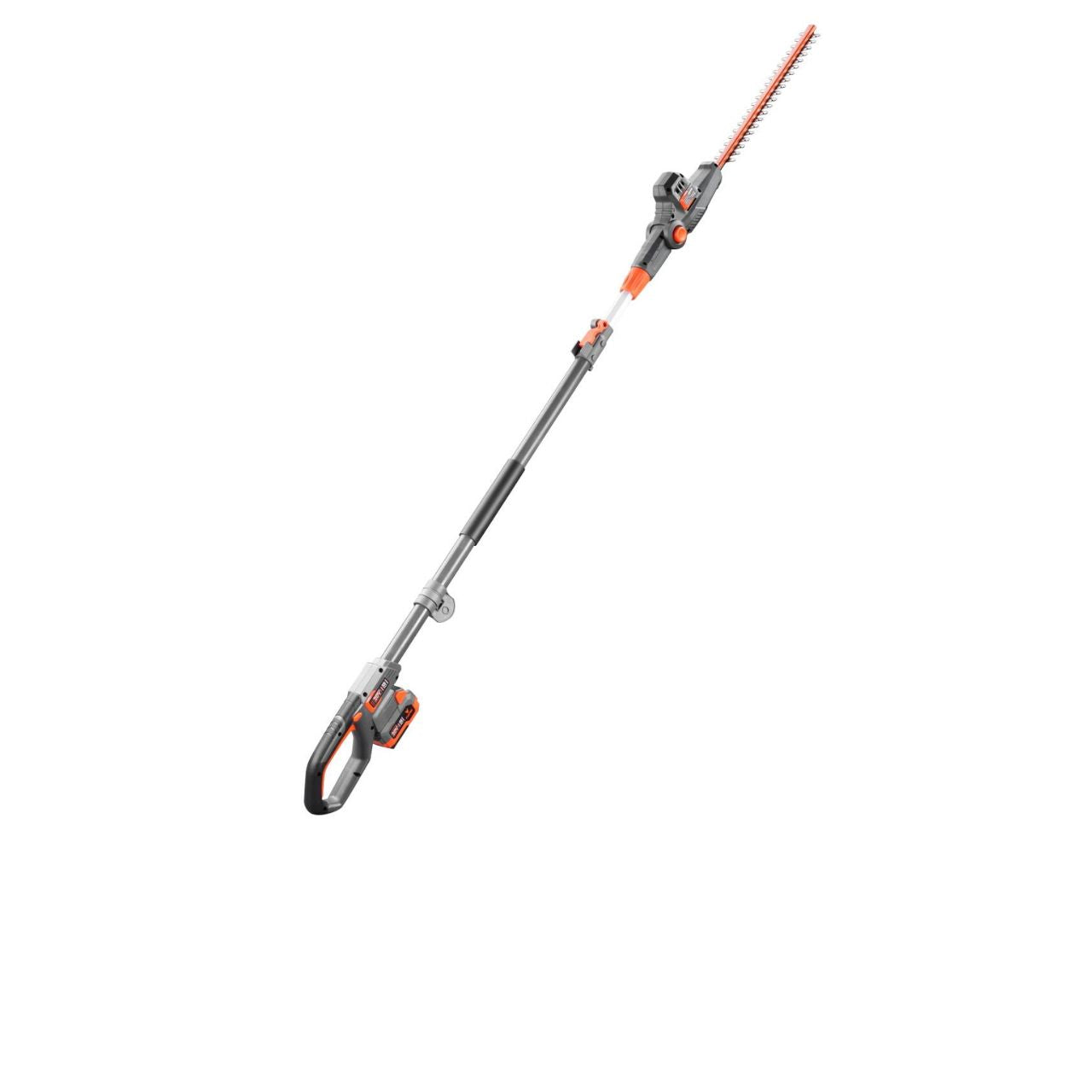
More articles about tree and hedge care
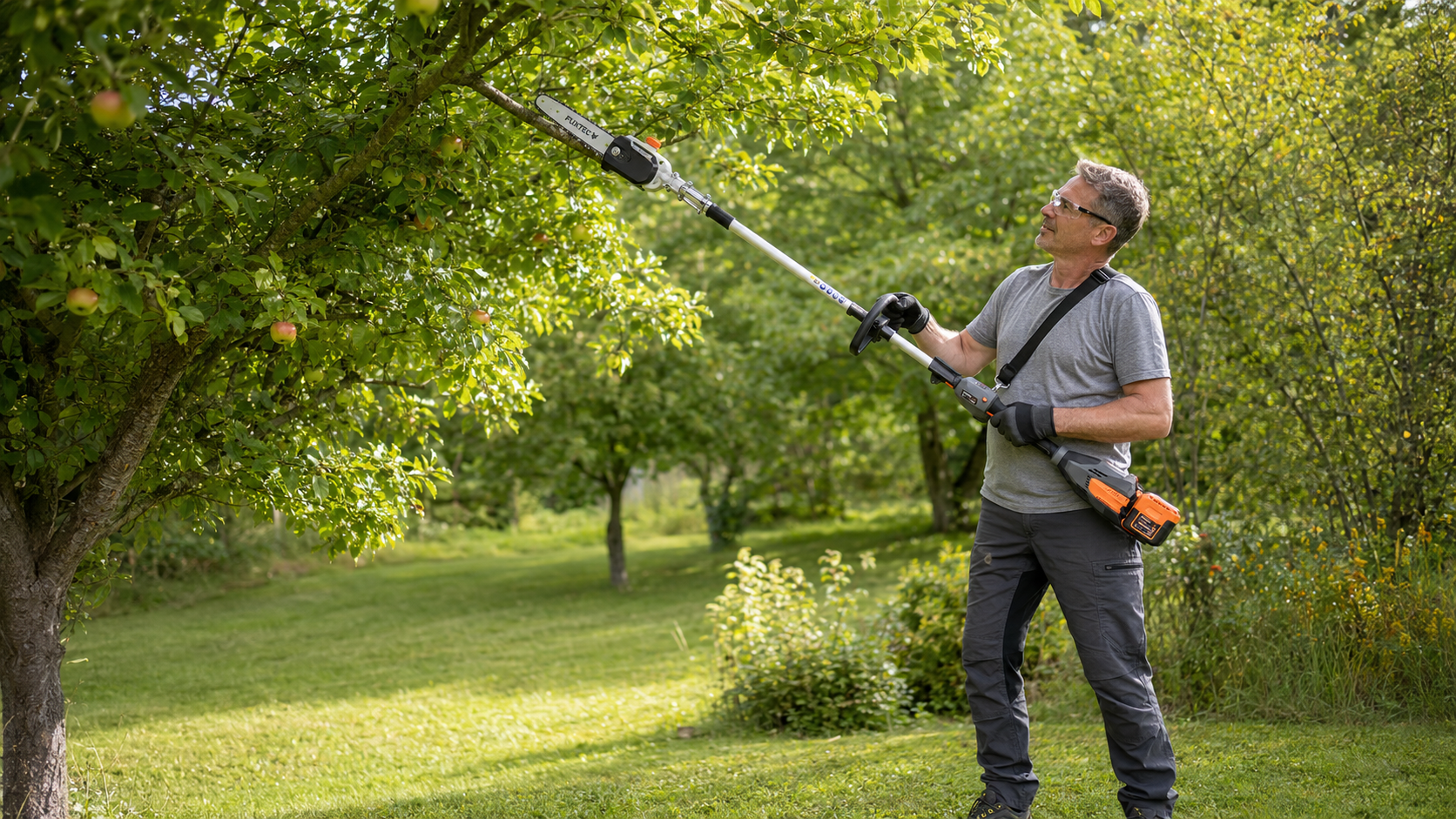
Summer Pruning Fruit Trees: The Complete UK Guide
Inhaltsverzeichnis Vorteile des Pflegeschnitts Schnittkalender für Obstgehölze So gehst Du Schritt für Schritt vor Äpfel und Birnenbäume Kirsche, Pflaume, Aprikose und Pfirsichbäume Jungbäume und ...
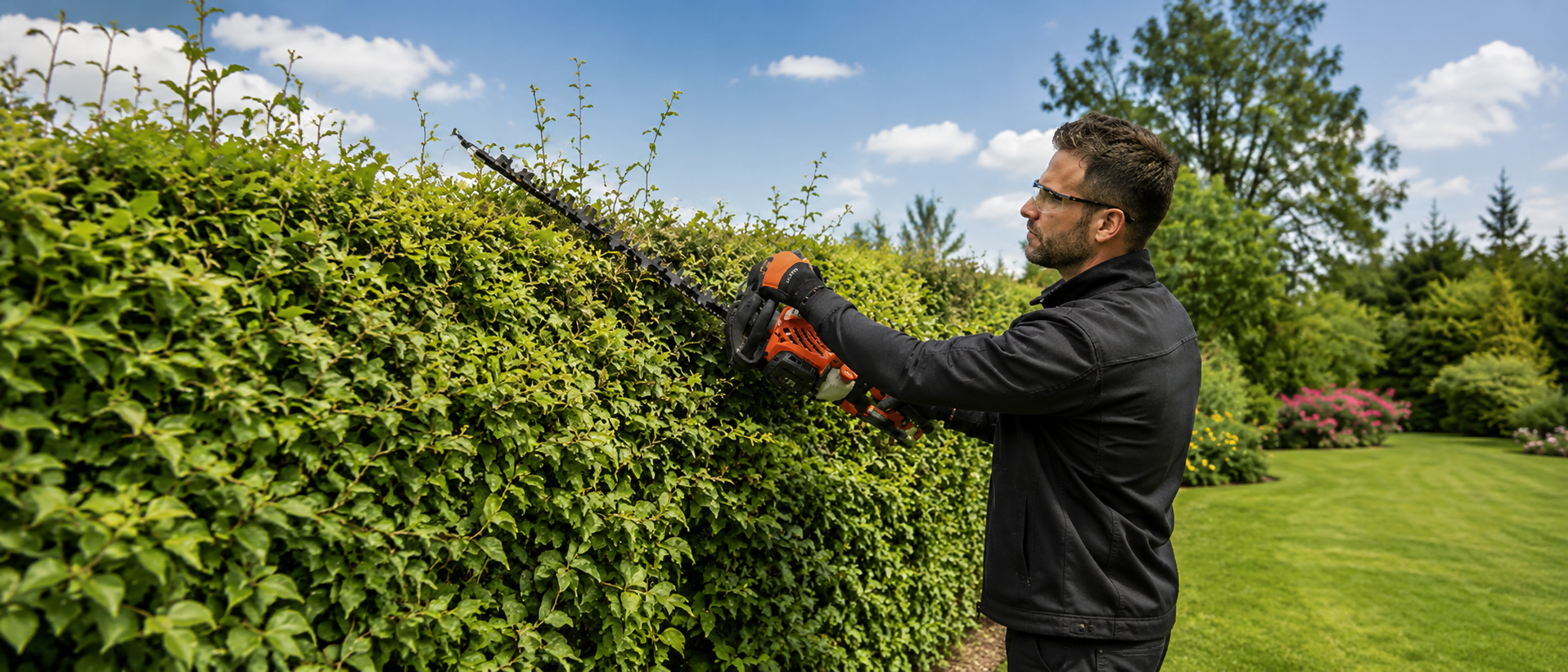
How to Cut an Overgrown or Tall Hedge | FUXTEC
An overgrown hedge can become too wide, patchy in places and riddled with thick branches. If it has also grown several metres tall, a quick trim with a standard hedge trimmer is no longer enough. ...
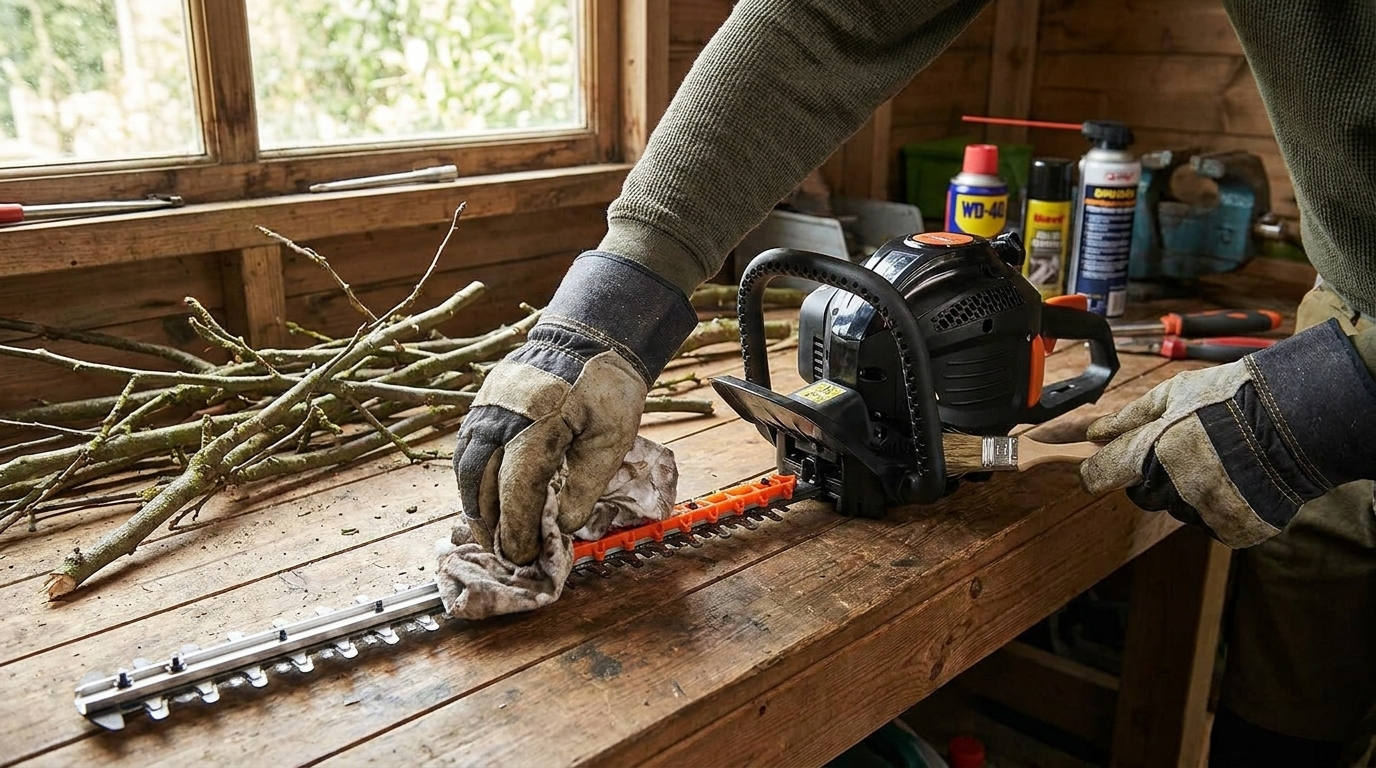
How to Clean & Maintain Your Hedge Trimmer
A well-maintained hedge trimmer is essential for a tidy garden. If you want to keep your hedges looking their best, you need a tool that works reliably – with clean, sharp blades. Yet many gardener...


