One-Third Rule: How to Mow an Overgrown Lawn

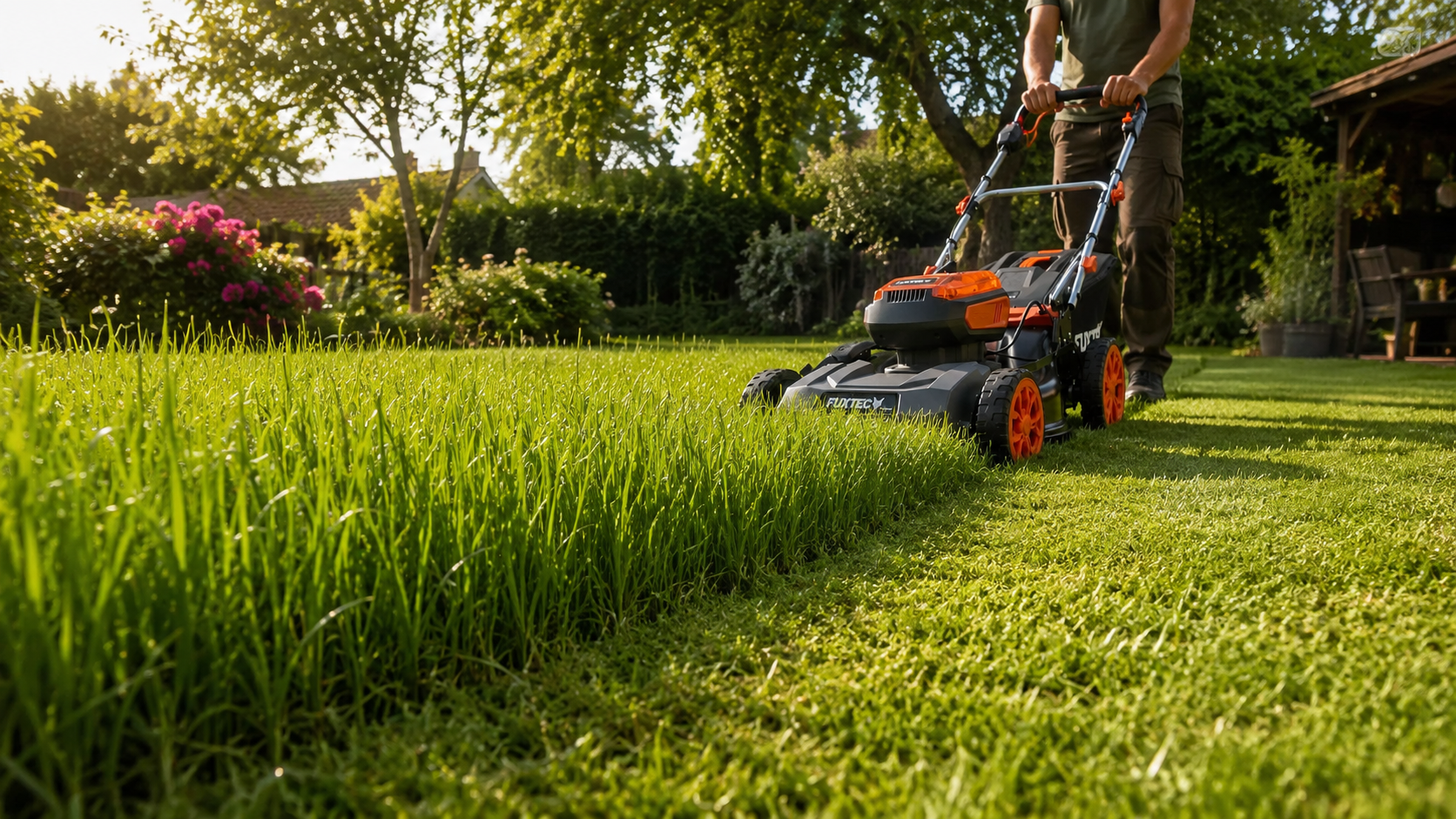
Non-stop rain followed by a sudden burst of summer heat: if your lawn has shot up after a couple of cool, wet weeks, your first instinct might be to cut it right back down to size. But that's precisely where many gardeners go wrong. Cutting an overgrown lawn too drastically in one go puts the grass under stress — the blades dry out more quickly and the turf can be weakened in the long term. Particularly in late May, when two weeks of relentless rain are suddenly followed by sunshine and temperatures nudging 30°C, how you mow really matters. The key principle is the so-called one-third rule.

In this FUXTEC garden guide, we explain why the one-third rule is so important, what the ideal cutting height is for a utility lawn, and how to properly cut back a lawn that has grown too long after rain, a holiday, or an extended break from mowing.

What does the one-third rule mean when mowing?

With every mow, you should never cut more than one third of the blade length. If your lawn is, say, 6 cm tall, you should initially only trim it by about 2 cm, leaving a cutting height of 4 cm. You can then bring it down to your desired height on the next cut. This way the lawn is mowed gently and has enough time to adjust to being cut back.

After wet growth spells and ahead of hot weather, this rule is especially important. If you cut the lawn back too severely in one go, it loses a lot of leaf mass, dries out more quickly, and becomes more susceptible to bare patches, brown spots, and weeds. By following the one-third rule, you protect your grass, encourage a dense sward, and achieve a more even finish.

The ideal cutting height for utility lawns and beyond

  • Utility and sports lawns: For a standard utility lawn used for playing, running, and relaxing, the optimum height is typically around 3 to 4 cm. During the main growing season it should be mowed roughly once a week, or a little more frequently during periods of strong growth.
  • Shaded lawns: Grass in shaded areas should be kept a little longer. A cutting height of up to 5 cm is advisable so the grass can absorb more light and the lawn does not become too stressed.
  • Ornamental lawns: A fine ornamental lawn is generally kept shorter. The ideal cutting height here is around 1.5 to 2.5 cm. To keep it looking neat and even, it usually needs mowing more frequently — often around twice a week.

Important: If your lawn has grown noticeably long after a holiday, extended wet weather, or a long gap between mows, don't try to cut it right back in one go. It's far better to start with a higher cutting height and reduce it gradually. This way you can bring your lawn back to the desired height over several mowing sessions.

How to mow a healthy lawn: the 9 golden rules of lawn care

Keeping your lawn in great shape isn't just about cutting height. Mowing frequency, weather conditions, cut pattern, and correct use of your lawn mower all play an important role.

  1. Mow regularly: Regular mowing is one of the most important steps to a thick, healthy lawn. The mowing season typically begins in early spring and, depending on the weather, the last cut of the year usually falls in autumn. Under normal conditions, mowing once a week is sufficient. During the main growing season, twice a week may be beneficial.
  2. Adjust the cutting height carefully: The right cutting height varies depending on the type of lawn, its location, and its current condition. It's important not to cut the grass too short, and to set the height a little higher when the lawn is under stress from heat, drought, or a long mowing gap. This keeps the blades stronger and helps the lawn recover more quickly after mowing.
  3. Follow the one-third rule: This rule states that you should never remove more than one third of the grass blade in a single mow.
  4. Don't cut the grass too short: Mowing too low weakens the grass blades. Your lawn will dry out faster, the turf will become patchy, and weeds will find it easier to take hold. In summer especially, it's important not to cut the lawn too severely.
  5. Don't mow in wet conditions: Allow the lawn to dry out before mowing, as wet grass blades lie flat and don't stand upright properly, leading to an uneven cut. Wet ground can also cause tyre tracks and damage to the turf surface.
  6. Walk only on already-mown areas while cutting: Try to avoid walking over uncut sections while mowing. Grass that has been trodden down beforehand often doesn't spring back up in time and won't be caught cleanly by the mower, which can result in an uneven cut.
  7. Cut lawn edges separately: Avoid running the mower at an angle along the edges of your lawn. The wheels can slip and damage the turf. It's better to leave a narrow strip and then tidy the edges neatly with a suitable FUXTEC grass trimmer.
  8. Keep the blades sharp: A sharp blade delivers a clean cut. Blunt blades tear rather than cut the grass, which weakens the lawn and noticeably worsens the finish.
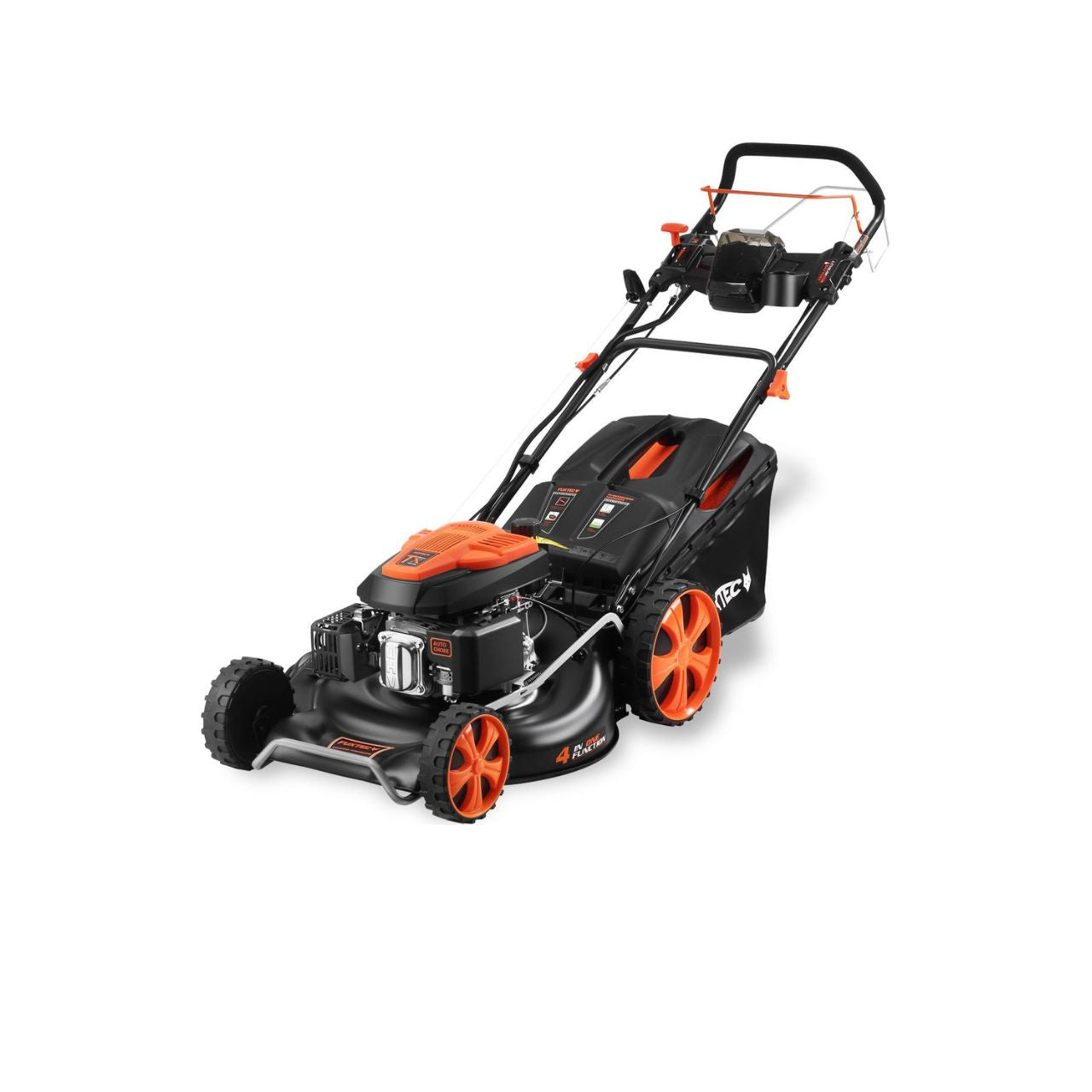
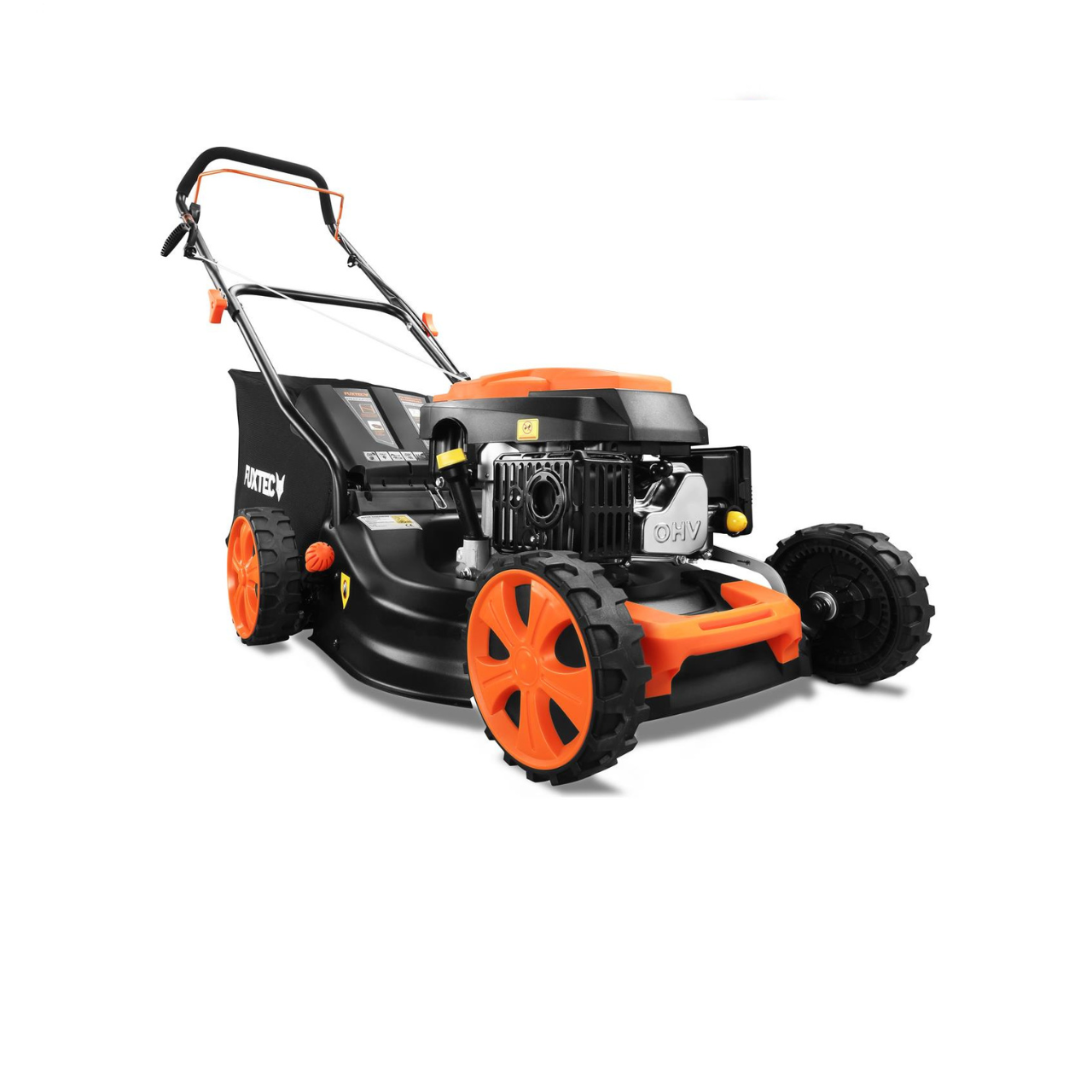
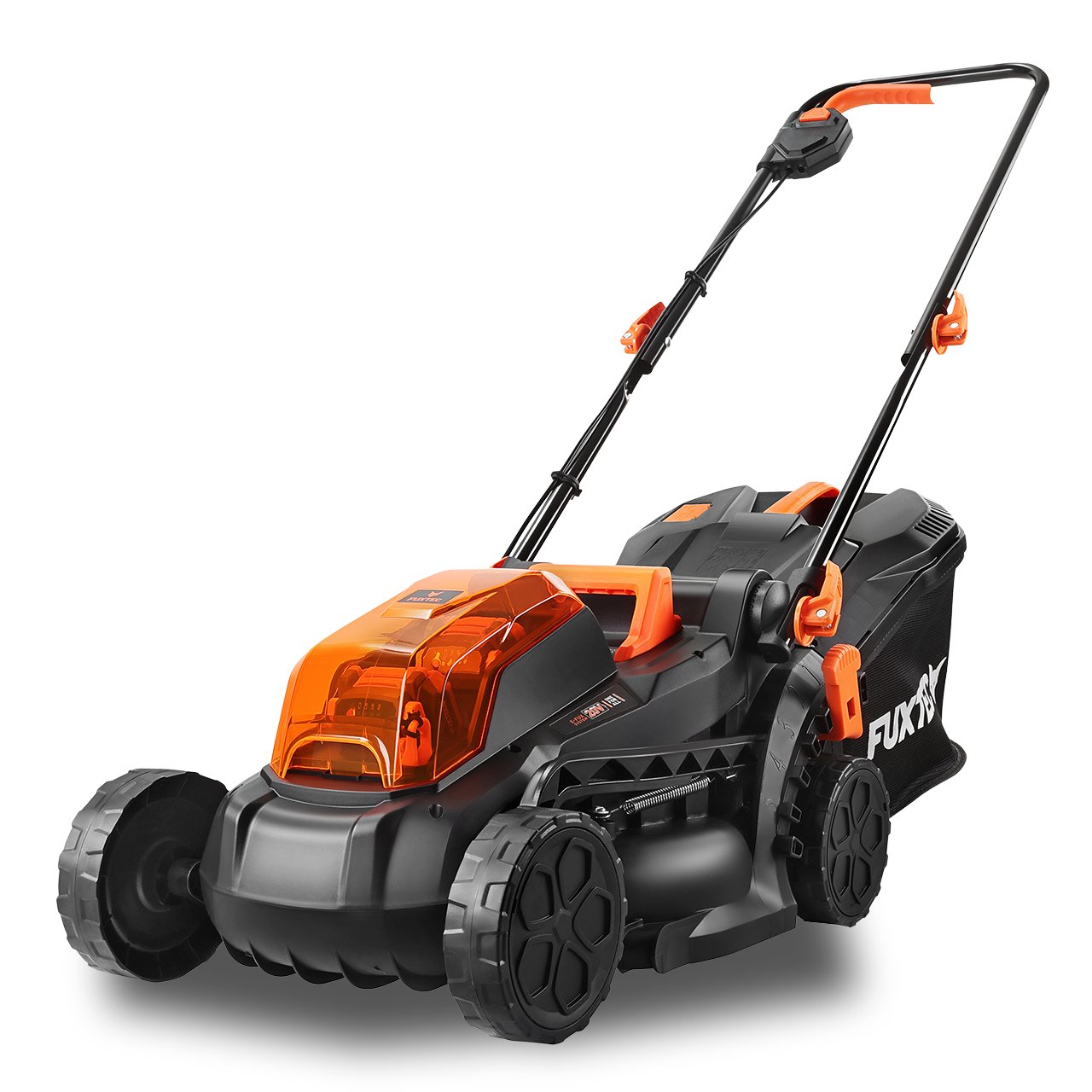
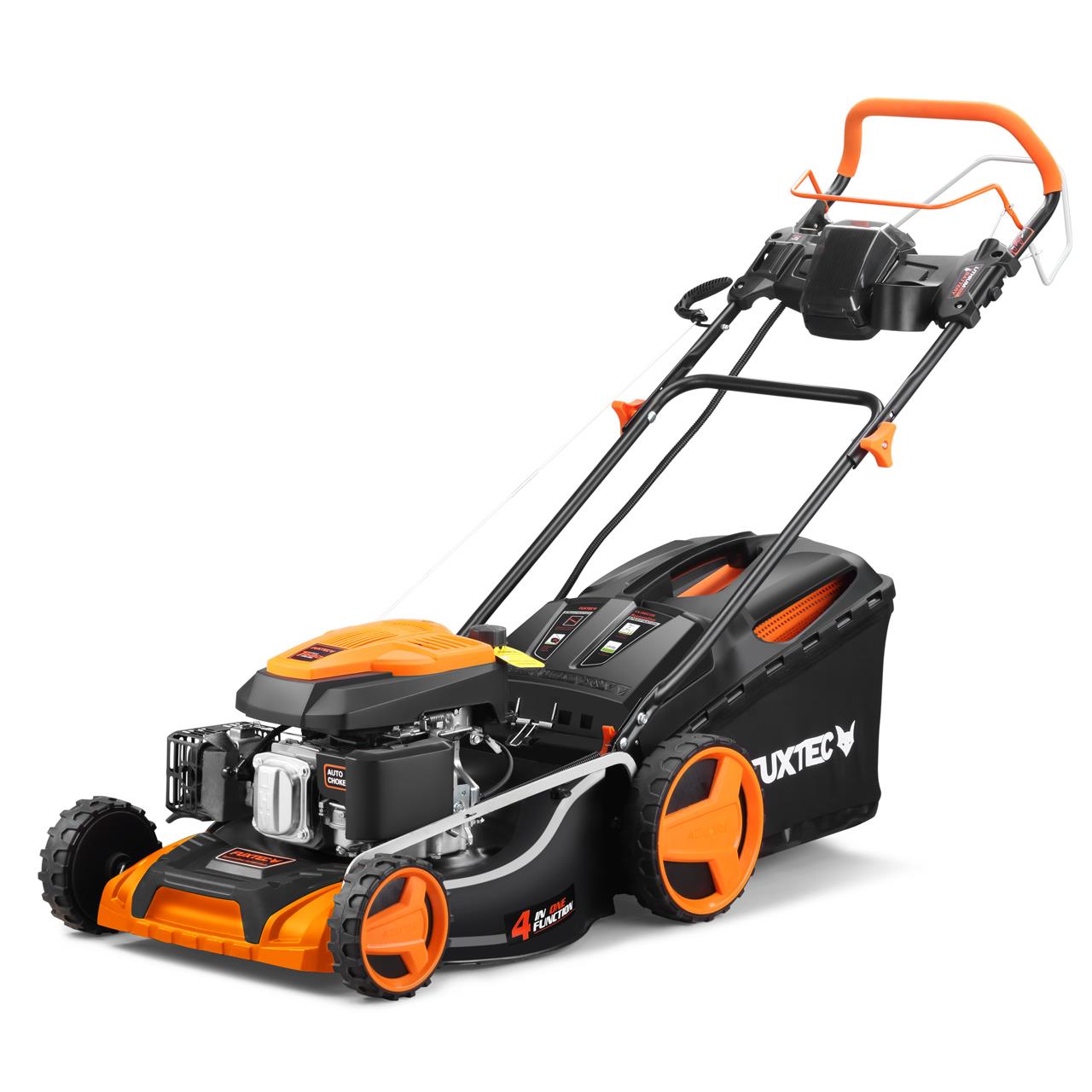
  9. Choose the right FUXTEC lawn mower: The choice of mower also determines how cleanly and gently your lawn is cut. For small or awkwardly shaped gardens, lightweight cordless or electric mowers are ideal — they're manoeuvrable, quiet, and easy to use. For larger areas, models with a wider cutting deck or powerful petrol mowers are a practical choice, especially when the grass is on the longer side or the ground demands more power. For very large plots, a ride-on mower or a robotic mower can make the job significantly easier. With FUXTEC lawn mowers, you can achieve the very best results.

Entdecke unsere Auswahl an Gartengeräten
What is the one-third rule for mowing lawns?

The one-third rule means you should never cut more than one third of the blade length in a single mow. If your lawn is 6 cm tall, trim only about 2 cm, leaving 4 cm, then bring it to your desired height on the next cut. This approach allows the grass to adjust gradually without stress.

Why is it bad to cut overgrown grass too short at once?

Cutting grass too drastically in one go weakens the turf and causes the blades to dry out more quickly. This makes the lawn more susceptible to bare patches, brown spots, and weeds, and can compromise its health long-term. Following the one-third rule protects the grass and encourages a dense sward.

What is the ideal cutting height for a standard lawn?

For a utility lawn used for playing and relaxing, the optimum cutting height is typically 3 to 4 cm. During the main growing season, mow roughly once a week, or more frequently during periods of strong growth.

How often should I mow my lawn during summer?

Under normal conditions, mowing once a week is sufficient. However, during the main growing season in summer, mowing twice a week may be beneficial. Adjust frequency based on weather conditions and how quickly the grass is growing.

Should I mow wet grass after rain?

No, you should allow the lawn to dry out before mowing. Wet grass blades lie flat and do not stand upright properly, resulting in an uneven cut. Wet ground can also cause tyre tracks and damage to the turf surface.

What should I do with grass clippings after mowing?

Grass clippings contain valuable nutrients and can be composted, used as mulch beneath trees and shrubs, or left on the lawn if mulch mowing. When composting, mix clippings with dry material to prevent them from becoming a wet, compacted layer.

Why do I need to keep my mower blades sharp?

A sharp blade delivers a clean cut, whilst blunt blades tear the grass rather than cutting it cleanly. Tearing weakens the lawn and noticeably worsens the finish, so regular blade maintenance is essential for healthy grass.

Weitere Beiträge zum Thema Rasenpflege
Alle ansehen
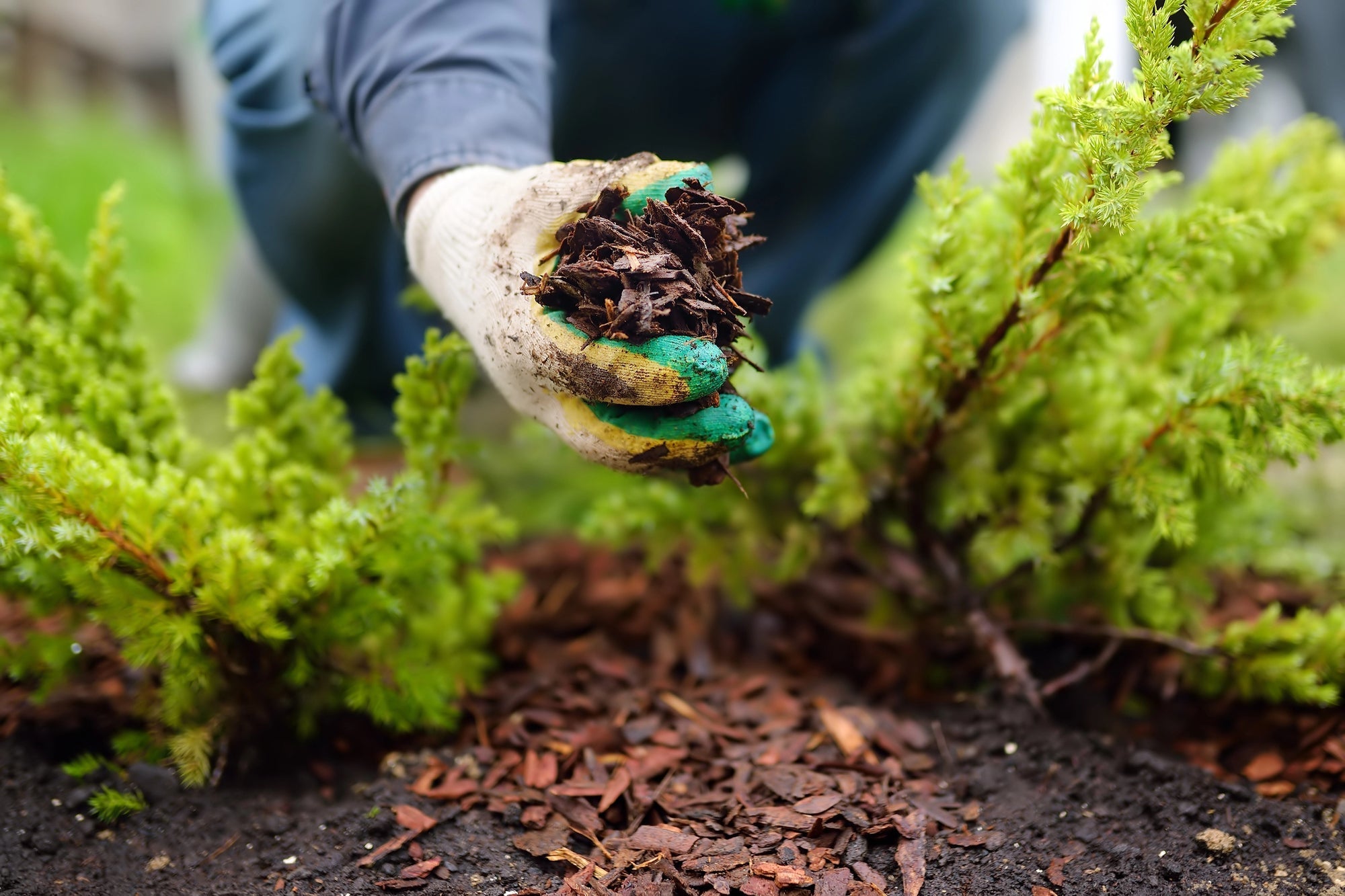
Mulchen mit Pinienrinde: So nutzt du organischen Mulch, um Unkraut zu verhindern

Mulchen mit Pinienrinde: So nutzt du organischen Mulch, um Unkraut zu verhindern

Das Mulchen mit Pinienrinde gehört zu den effektivsten Methoden im modernen Gartenbau und in der nachhaltigen Landwirtschaft. Dabei wird eine Schicht Mulchmaterial auf die Bodenoberfläche aufgebrac...
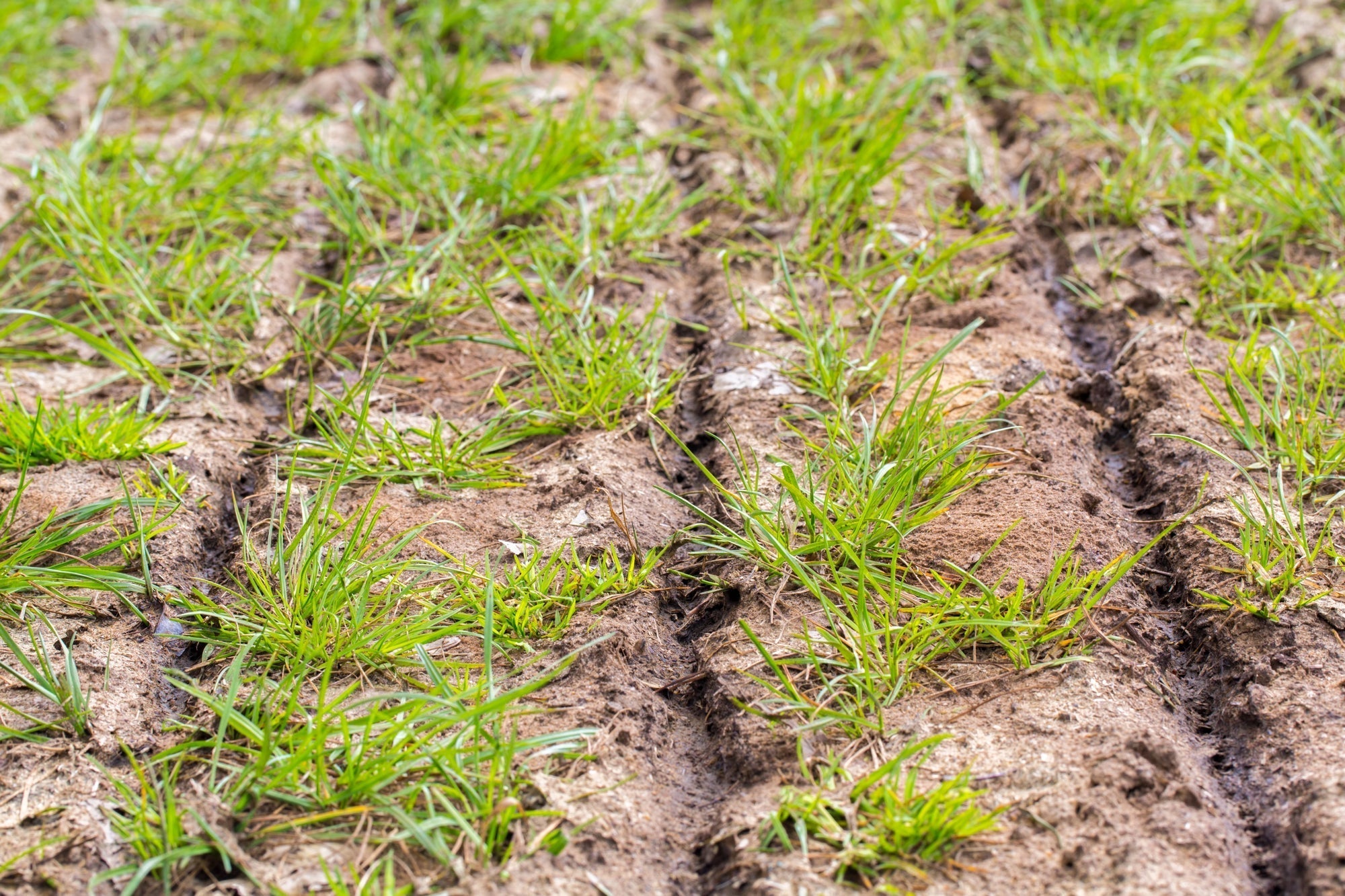
Bodenverbesserung im Garten: So verbesserst du deinen Gartenboden im Frühjahr für gesunde Pflanzen

Bodenverbesserung im Garten: So verbesserst du deinen Gartenboden im Frühjahr für gesunde Pflanzen

Inhaltsverzeichnis Warum Bodenverbesserung im Garten im Frühjahr so wichtig für einen gesunden Gartenboden ist Gartenboden nach dem Winter prüfen: Bodenstruktur, Verdichtung und Bodenart erke...
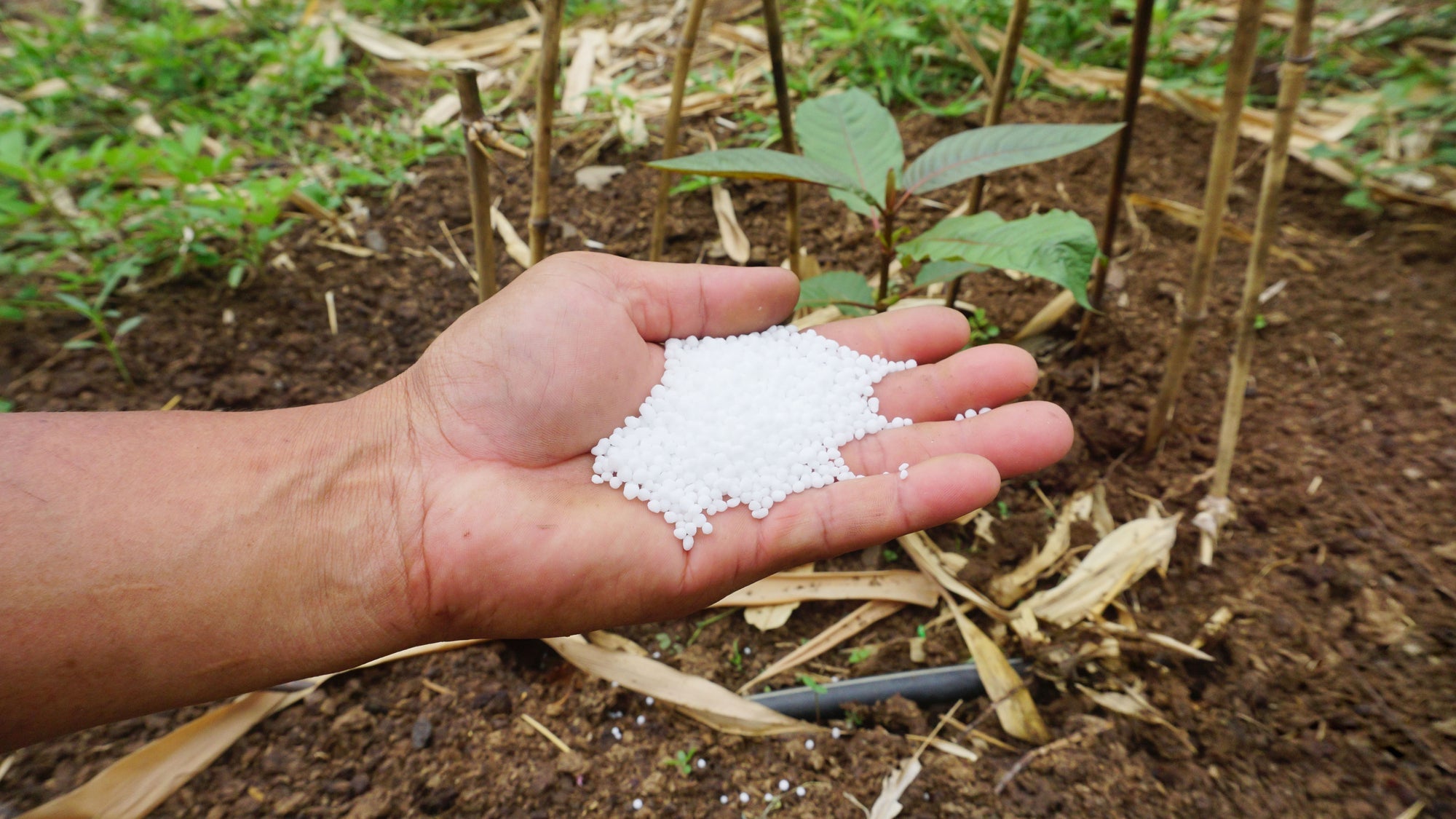
Düngen im Garten Titelbild

Richtig Düngen im Garten: Schritt für Schritt erklärt

Inhaltsverzeichnis Warum Düngen im Garten so wichtig ist Bodenanalyse: Grundlage für die richtige Düngung Organische vs. mineralische Dünger: Was ist besser? Kompost, Hornspäne & Co.: Organi...