If you want to water your garden reliably, choosing the right garden pump is essential. Whether you plan to use rainwater from a water butt or draw from a well, the right water pump will ensure adequate water pressure and an optimal flow rate. In this guide, you'll learn what to look for when buying a garden pump, which garden pumps FUXTEC has to offer, and how to find the right pump to water your garden efficiently and cost-effectively for years to come.
Overview: Why a Garden Pump Is Indispensable
A garden pump allows you to draw rainwater or groundwater from a cistern or well and distribute it around your garden. It is the heart of any home water supply system, ensuring that water reaches your garden hose or an automatic pressurisation unit with sufficient pressure. Even during dry spells in summer, you can make sure your plants don't suffer from drought. At the same time, using collected rainwater as grey water reduces your reliance on the mains supply and helps you save money on water bills.
How Does a Garden Pump Work?
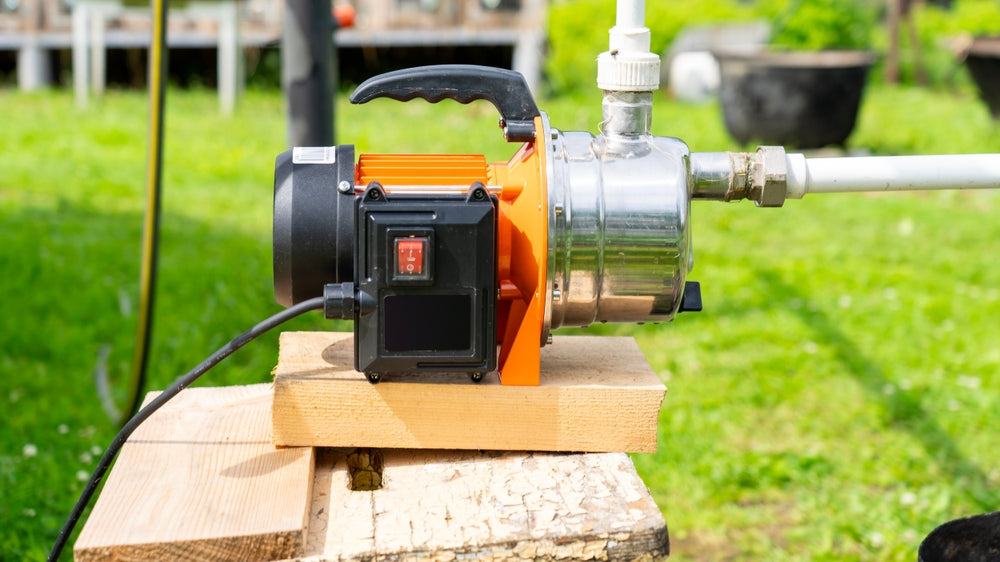
A water pump consists of an electric motor that drives an impeller. The impeller creates a negative pressure inside the pump housing, drawing water in through the suction side. The water is then pumped out through the pressure outlet into the connected pipework. Different designs determine the suction head, delivery head, and flow rate of a garden pump. Models with an integrated pressure vessel or those designed as automatic pressurisation units switch themselves on and off automatically, maintaining a constant pressure.
Choosing the Right Pump: Key Criteria
Delivery Head and Suction Head
The maximum delivery head indicates how high the pump can transport water vertically — for example, drawing water from deep wells. Common FUXTEC models such as the submersible pump FX-TP11100INOX achieve delivery heads of up to 8 metres. The suction head determines the depth from which a self-priming pump can draw water.
Flow Rate (Litres of Water per Hour)
For watering your garden, flow rate is crucial: large raised beds and lawn areas often require several thousand litres per hour. The FX-GP2800 garden pump delivers up to 3,400 l/h from water butts and flat tanks. If you have larger rainwater tanks or cisterns, the more powerful FX-RTP350 water butt pump is an excellent choice.
Water Source: Well or Cistern
Depending on your water source, you will need different pump types. For wells, submersible pumps such as the FX-TP11100INOX are ideal, as is the petrol pump FX-WP152, which draws water from a well or cistern. For above-ground installation, water butt pump models such as the FX-RTP350 offer a compact solution that sits directly inside the water butt.
Pressure and Irrigation System
If you run sprinklers or micro-drip systems, the pump should deliver sufficient pressure. Home water pressure systems and automatic pressurisation units switch themselves on and off with every water draw.
Durability and Maintenance
High-quality pumps filter out debris to prevent damage to the impeller. Models with an integrated filter or a separately available suction hose filter protect the pump. When buying, make sure the filter is easy to clean to ensure the long-term reliability of your pump.
Installing and Operating Your Garden Pump Correctly
Once you have purchased your garden pump, it's important to install it correctly. Make sure the suction hose fits tightly and does not draw in air. A non-return valve prevents pumped water from flowing back. Position the pump as close to the water container as possible to keep the suction head to a minimum. Use FUXTEC garden hoses of the appropriate size to minimise pressure loss.
The FUXTEC Garden Pumps at a Glance
FX-RTP300 Water Butt Pump

The FX-RTP350 is your ideal garden pump if you want to collect and make use of rainwater. With 350 W of power, it pumps soft, low-lime water from water butts and flat tanks at up to 350 l/min. Thanks to the integrated non-return valve, no water remains in the suction hose, allowing the pump to prime efficiently and start immediately. You can connect your garden hose directly and automate the watering of your garden — perfect for keeping plants well-watered even during prolonged dry spells in summer. The FX-RTP350 water butt pump is an ideal irrigation pump for anyone looking for a compact water pump for the garden without the complexity of a full pressurisation unit setup.
FX-GP2800 Garden Pump

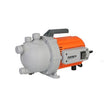
If you need to supply larger areas or a big garden with constant pressure, the FX-GP2800 garden pump is the one to go for. It delivers up to 3,400 l/h from above-ground tanks or linked water butts whilst maintaining a steady water pressure. Even with long hoses and delivery heads of up to 9 metres, it draws water reliably and provides enough pressure to supply drip hoses, sprinklers, or even top up your garden pond with fresh water. The robust construction protects against dirt and limescale, meaning the pump runs for longer and requires less maintenance.
FX-TP11100INOX Stainless Steel Submersible Pump

For underground cisterns or deep wells, the submersible pump FX-TP11100 INOX is the perfect choice. With a flow rate of up to 11,000 l/h, it pumps water from large underground tanks or rainwater harvesting systems directly into your water supply pipework. Thanks to its corrosion-resistant stainless steel housing, you can use it safely in water butts and garden ponds alike. This model is ideal if you want to reduce your mains water consumption and instead use soft rainwater as grey water for irrigating your garden, or even as a supply for your toilet cistern.
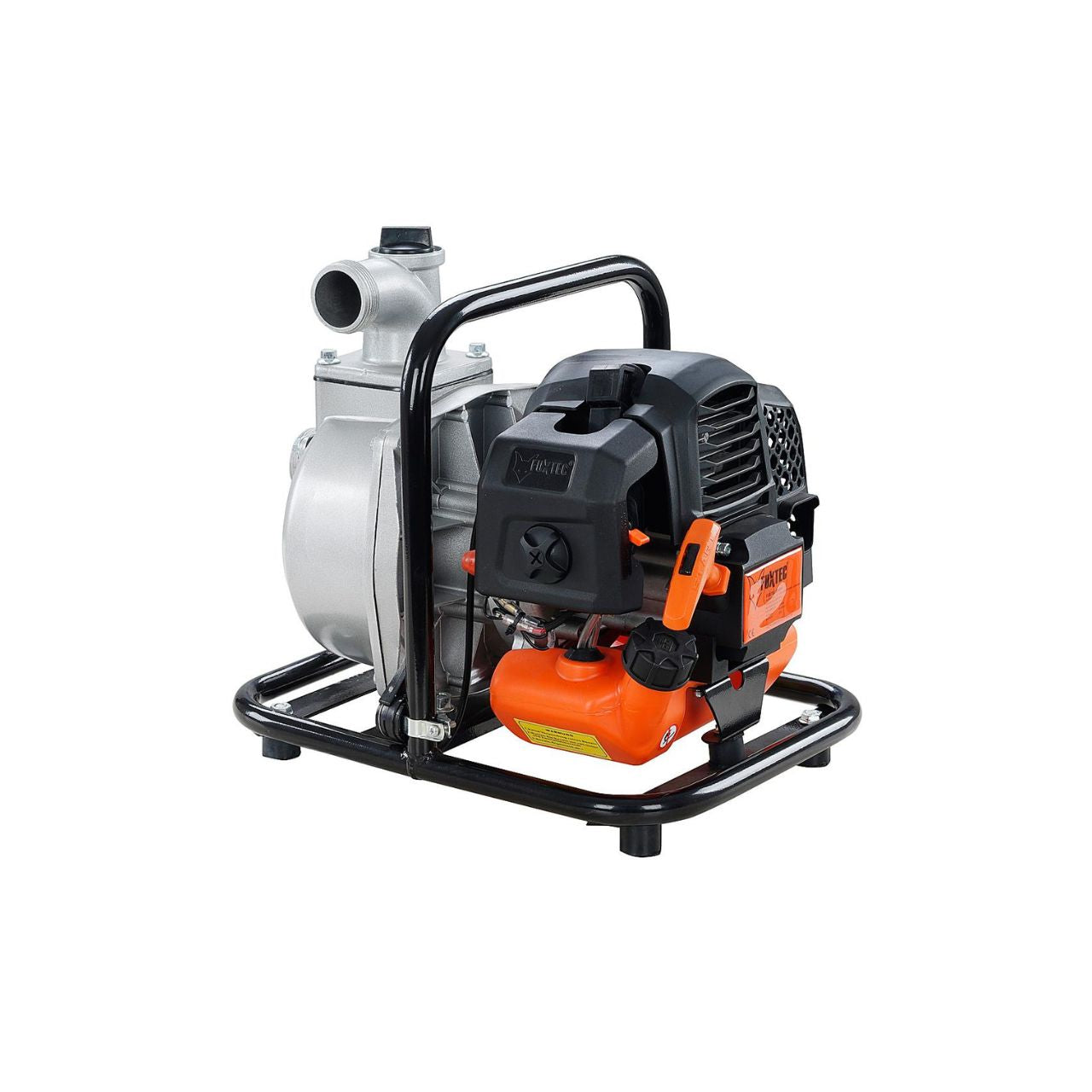
FX-WP152 Petrol Pump

When there is no mains power available, the FX-WP152 petrol pump comes to the rescue — the uncompromising solution for remote locations. With a pumping capacity of up to 15,000 l/h, it draws water from the bottom of distant containers or wells without the need for electricity. Whether you need to supply flat tanks in a remote field or maintain mobile irrigation in hard-to-reach parts of your garden, this pump delivers power and flexibility. It is straightforward to use and, thanks to integrated safety features, shuts itself off automatically if the water level runs too low.
Pump Selection: Find the Right Garden Pump for Your Needs
When choosing the right pump, FUXTEC offers a wide range to suit every application: whether it's a water pump for garden water butts, a powerful submersible pump for cisterns, or models suitable for a home pressurisation system, you'll find the right garden pump here for every use. Modern flat-suction pumps such as the FX-GP2800 draw water from shallow depths without the need for expensive suction hose accessories. Self-priming pumps make it possible to draw water from wells or cisterns with ease.
- Water butt models (FX-RTP350) are ideal for collecting rainwater and irrigating directly with a minimal footprint.
- Garden pumps such as the FX-GP2800 deliver consistent pressure even at several metres of delivery head, making them excellent for watering beds and topping up garden ponds.
- Stainless steel submersible pumps (FX-TP11100INOX) move large volumes of water from underground tanks and are exceptionally reliable, as they are installed within the water itself and protected from contaminant ingress.
- Petrol-powered pumps (FX-WP152) offer maximum independence, ensuring you can draw water from deep wells or remote containers even without a mains electricity supply.
With these FUXTEC water pumps for the garden, you can keep your plants well-watered, run sprinklers, or operate automatic pressurisation units. Find your ideal garden pump today and water your garden efficiently, economically, and flexibly!
Conclusion: How to Find the Right Garden Pump
Choosing the right pump determines whether your garden irrigation is efficient and long-lasting. With FUXTEC garden pumps, all requirements are covered: from compact water butt pumps and powerful garden pumps through to robust submersible pumps for cisterns and wells. Define your needs, check the delivery head and flow rate, and select the right model — that way you can be confident you've made the right choice when buying your garden pump.