






Garten im Frühjahr
Spring Sowing Guide: Tips for a Successful Garden
Spring Sowing: Plan Your Spring Sowing Cleverly – Your Smart Start to the Growing Season
Spring is itching in your fingers and the beds are calling. Here at FUXTEC, we show you how to make spring sowing a reliable success – from the perfect timing and soil preparation through to caring for your seedlings. Clear, practical, and with the right tools, gardening becomes even more enjoyable.
The Right Window: Temperatures, Frost, and Regional Differences
The calendar alone rarely dictates when to start. What matters most are soil and air temperatures, as well as the last frost date. Once the soil is crumbly and no longer waterlogged, spring sowing can begin. Many hardy species such as spinach, radishes, and peas tolerate cool temperatures, while warmth-loving crops prefer to wait until the soil is consistently above 10 °C.
In the UK, the early sowing window typically falls between early March and late April, depending on the region. Coastal areas and sheltered southern gardens are ready earlier, while higher ground and northern regions come a little later. Nature itself offers a practical guide: when forsythia is in bloom, the soil is generally warm enough for early direct sowings to germinate well. For extra security on cold nights, use horticultural fleece or cold frames.
– Hardy cold-germinators: from 3–8 °C soil temperature
– Mid-range crops: from 8–10 °C soil temperature
– Warmth-loving crops: from 12–15 °C soil temperature
Important: Allow wet, compacted soils to dry out first. Waterlogged soil is low in oxygen, germination stalls, and fungal diseases thrive.
Preparing Your Soil Like a Pro
A good harvest begins in the soil. The aim is a crumbly, open structure that retains moisture yet allows air to reach the roots. Start by removing plant debris and perennial weeds. Loosen the soil to a depth of 15–25 cm. On heavy clay soils, working in well-rotted compost and a little horticultural grit will help. Light sandy soils benefit from compost and organic mulches to build humus. Tip: surplus weeds such as nettles can be put to good use – for example as a liquid feed. Read more in using nettles as fertiliser and weed suppressant.
Here at FUXTEC we believe in efficient working methods. With a cultivator or a draw hoe, you can loosen the soil evenly without over-working it. Work in well-rotted compost (2–4 litres per m²) shallowly. Smooth the surface with a rake until you achieve a fine seedbed. This is essential for fine seeds, so they make good contact with the soil.
1. Break up soil to working depth
2. Work in compost and, if needed, rock dust or grit
3. Rake the surface and break down any clods
4. Remove weed debris carefully
5. Mark out seed drills or firm the surface
Pro tip: Keep an eye on soil moisture in windy or sunny conditions. A thin mulch of sieved compost around the rows reduces evaporation and surface capping.
Direct Sowing or Starting Under Cover: How to Make the Right Choice
Spring sowing can be done directly in the bed or in seed trays. Direct sowing saves time and is ideal for crops that dislike root disturbance, such as carrots, radishes, spinach, peas, and lamb's lettuce. Starting under cover suits warmth-loving crops (tomatoes, peppers, courgettes) and plants that benefit from a head start.
Choose based on the crop and the space you have available. In cooler parts of the UK, a polythene tunnel, cold frame, or greenhouse offers a measurable advantage. Starting seeds under cover works best in seed compost at 18–22 °C, with good light but away from harsh midday sun. Prick out once the first true leaves appear, and harden off young plants over several days before planting out.
– Direct sowing: robust, straightforward, less transplant stress
– Starting under cover: temperature control, early growth, precise spacing
– Combined approach: early direct sowings plus pre-started tender crops for a staggered harvest
Seeds and Varieties: What Gets Off to the Best Start in Spring
Many classic crops are well suited to spring sowing. Choose fresh seed, follow the recommended sowing depth, and maintain the correct germination temperature. This ensures quick and even germination. Want to save your own seed for next season? Here's how: collecting, drying, and storing flower seeds.
Our overview provides practical reference values.
| Crop | Germination Temp. | Sowing Depth | Days to Germinate | FUXTEC Tip |
|---|---|---|---|---|
| Radishes | 8–15 °C | 1–1.5 cm | 5–10 days | Keep evenly moist, harvest promptly |
| Carrots | 8–12 °C | 1–2 cm | 14–21 days | Firm drill after sowing, keep moist with cover |
| Lettuce | 10–18 °C | 0.5–1 cm | 6–10 days | Light-germinator – cover only very lightly |
| Spinach | 5–12 °C | 2–3 cm | 7–14 days | Sow in rows for better air circulation |
| Peas | 8–12 °C | 3–5 cm | 7–14 days | Put supports in place early |
| Beetroot | 10–15 °C | 2–3 cm | 10–14 days | Thin cluster-sown seedlings early |
| Chard | 10–15 °C | 2–3 cm | 7–14 days | Keep evenly moist; harvest can continue later in the season |
Note: Values are guidelines. Variety and weather conditions may vary. Always refer to the instructions on your seed packet as well.
Step-by-Step Guide to Successful Spring Sowing
A structured approach reduces failures and saves time. With just a few steps, your spring sowing will have the best possible start.
1. Check and sort your seeds: sow early cold-tolerant crops first, warmth-lovers later
2. Draw seed drills or mark out the area, observing correct spacing
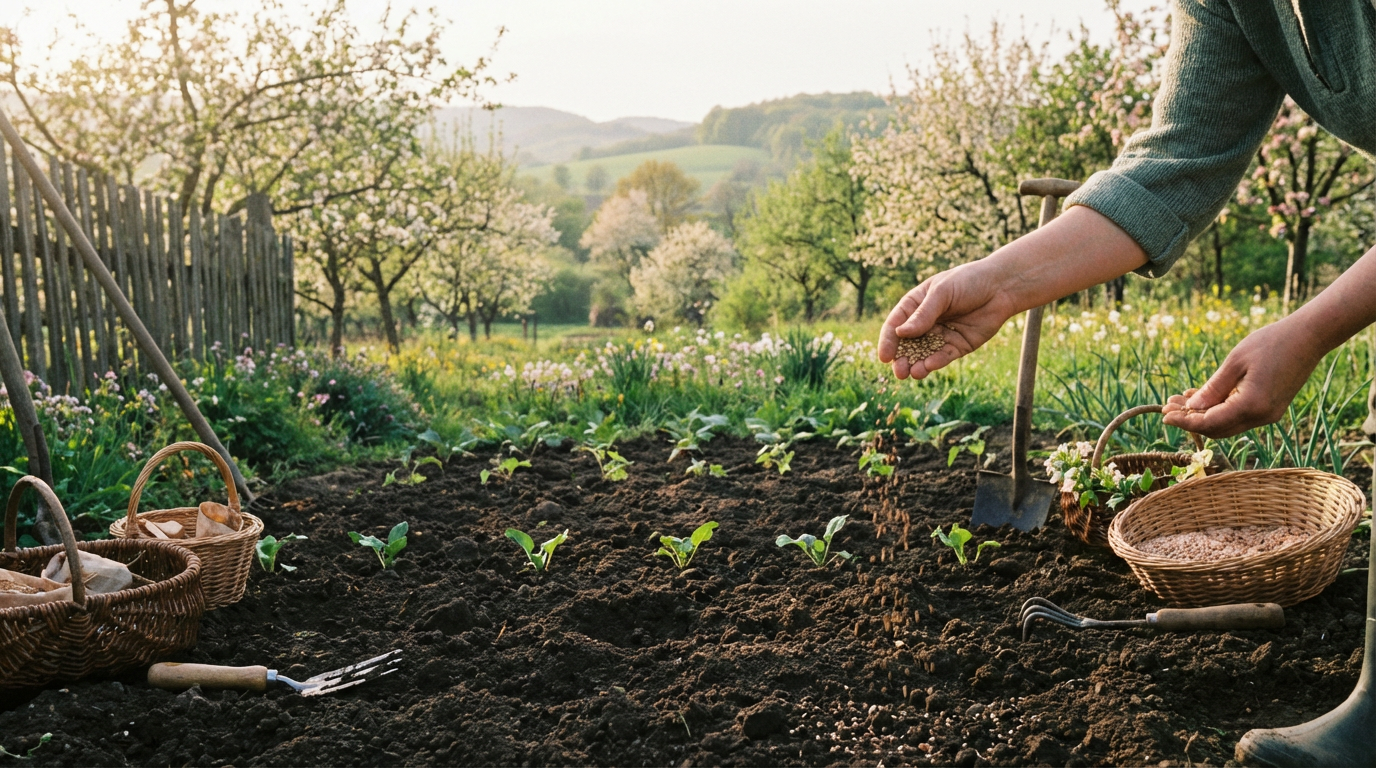
3. Distribute seed carefully – don't sow too thickly
4. Lightly firm or press down the soil so the seed makes good contact
5. Water gently with a fine spray – avoid washing seeds away
6. Cover with fleece if needed, set labels, and note the date
Pay particular attention to consistent moisture during the first 10–20 days. A gentle sprinkler or a finely adjusted pressure sprayer prevents surface capping. Thin seedlings as soon as they emerge so they grow strongly rather than becoming drawn and leggy.
Watering, Covering, Protecting: Care During the First Few Weeks
Seedlings love stable conditions. The soil should be moist but not waterlogged. Watering in the morning is ideal, as the surface can dry off by evening. In dry spells, a thin mulch of sieved compost helps retain moisture. Fleece or a lightweight tunnel provides a few extra degrees of warmth and reduces evaporation. If you want to save water and be independent of the mains supply, consider harvesting rainwater – from a water butt to a suitable pump.
Spring is slug season. Protect vulnerable rows with physical barriers and keep beds tidy. For young seedlings, a gentle airflow under tunnels prevents fungal pressure. Ventilate on mild days to avoid heat build-up. Frosty nights can be countered with a double layer of fleece, which raises the soil temperature and protects fresh sowings.
– Water with a fine spray or mist nozzle
– Fleece as a heat buffer and against moisture loss
– Tidy bed edges and clear rows to deter slugs
– Regular, careful hoeing to keep weeds in check
Common Mistakes and How to Avoid Them
A few pitfalls can rob seedlings of their vigour. Keeping to clear guidelines will keep your spring sowing on track.
– Sowing too deeply: seedlings can't reach the surface. Match sowing depth to seed size.
– Walking on wet soil: compaction hampers germination. Only step on beds when the soil has dried out.
– Sowing too thickly: seedlings compete for light and nutrients. Thin early or use a seed tape.
– Heavy watering jets: seeds get washed away. Use a fine mist or a rose head.
– No labelling: rows and varieties get mixed up. Use plant labels and note the date.
Note: It is always better to sow slightly later than to sow into cold, waterlogged soil. Warmth and oxygen in the soil are the true growth boosters.
Tools That Take the Hard Work Out of It
The right equipment makes the job easier and neater. At FUXTEC, we develop tools that make preparation, sowing, and aftercare noticeably more straightforward. A draw hoe or a handy cultivator creates a loose, crumbly structure. A pressure sprayer lets you water gently and precisely without disturbing seedlings. A garden trolley moves compost, fleece, and seed without extra trips.
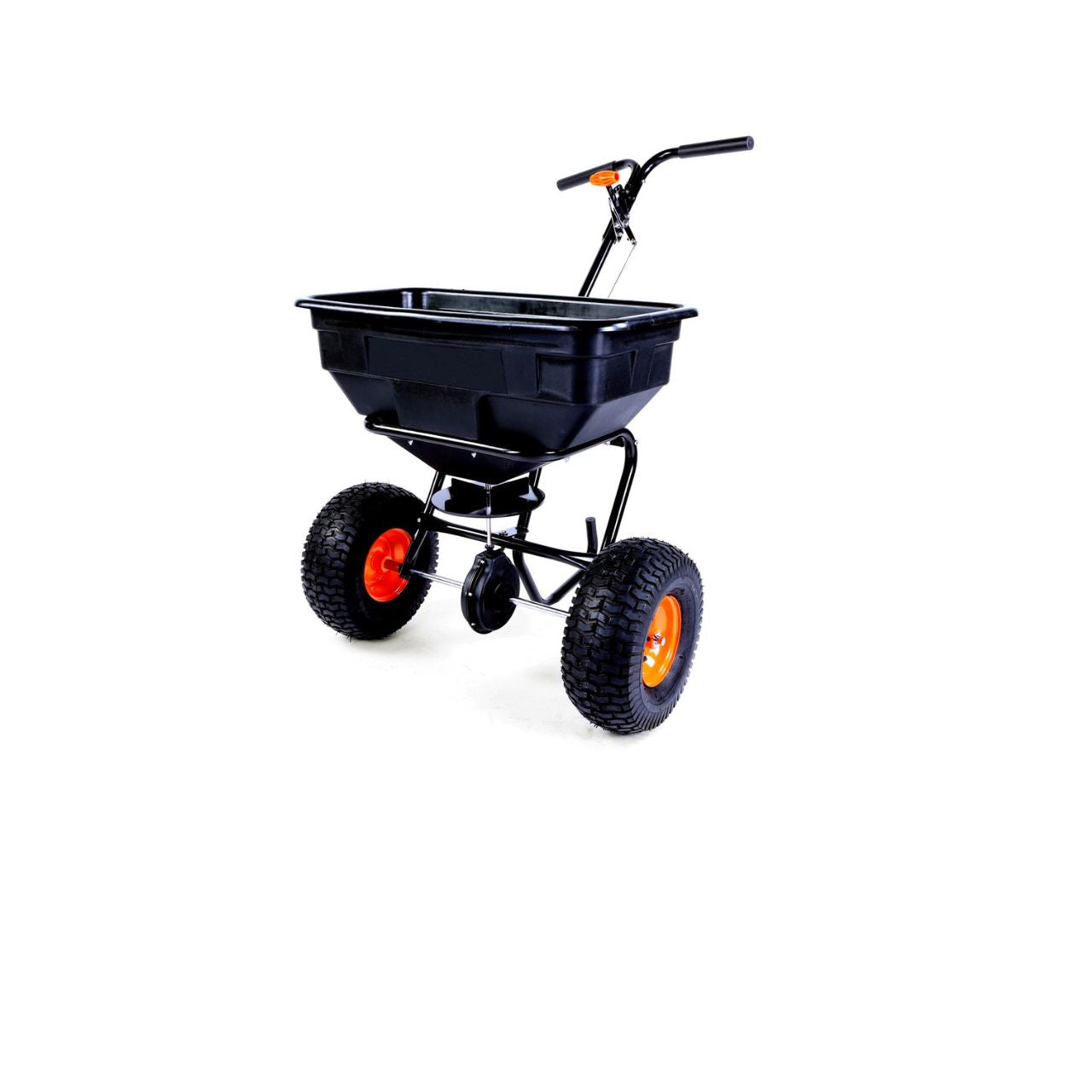
For larger plots, a motorised cultivator is well worth it. Beds are prepared more quickly and the soil structure stays even. Rakes, hoes, and seed spreaders ensure uniform distribution. Covers such as fleece or mini-tunnels improve success rates in changeable April weather. Everything is designed so your spring sowing goes smoothly, efficiently, and without stress.
Our Verdict on Your Spring Sowing
Spring sowing sets the pace for the entire season. With the right timing, well-prepared soil, and a steady hand when watering, you lay the foundations for healthy plants.
The key points at a glance
Consistent soil moisture, the correct sowing depth, and a loose, well-prepared seedbed are the three factors that determine the success of your spring sowing.
Start with hardy crops, protect your rows in cold spells with fleece, and work through clear steps rather than rushing. That way your garden grows strong – and you'll harvest sooner, for longer, and with greater satisfaction. Here at FUXTEC, we wish you a brilliant season and plenty of rewarding results in the veg patch.
Everything for your garden

More articles about garden care

Trockenheit im Garten: Boden lockern, richtig gießen und mit Mulch Wasser sparen
Du gießt das Beet, doch das Wasser bleibt auf der harten Erdoberfläche stehen oder läuft zur Seite ab. Schon nach kurzer Zeit wirkt der Boden wieder trocken, obwohl Du gerade erst zur Gießkanne g...

Pine Bark Mulch: The Complete Gardening Guide
Mulching with pine bark is one of the most effective methods in modern gardening and sustainable horticulture. A layer of mulch material is applied to the soil surface to protect and improve the so...

Spring Soil Improvement: Prepare Your Garden Soil
Inhaltsverzeichnis Warum Bodenverbesserung im Garten im Frühjahr so wichtig für einen gesunden Gartenboden ist Gartenboden nach dem Winter prüfen: Bodenstruktur, Verdichtung und Bodenart erke...


