

So gehst du effektiv gegen Mücken in deinem Garten vor!
Mosquitoes in the Garden: How to Get Rid of Them
Inhaltsverzeichnis
-
Mücken im Garten – warum eine Mückenplage nach Regen entsteht
-
Ursachen einer Mückenplage im Garten – was Mückenarten anlockt
-
Mücken im Garten vorbeugen – Brutstätten verhindern & Mücken fernhalten
-
Mücken im Garten bekämpfen – wirksame Methoden gegen Stechmücken
-
Pflanzen und Düfte, die gegen Mücken helfen
-
Mückenstiche vermeiden – Tipps für Mückenabwehr im Garten
-
Mückenplage nach Regen – Sofortmaßnahmen gegen Mückenlarven im Garten
-
Mückenabwehr im Garten mit FUXTEC-Geräten unterstützen
-
Häufige Fehler beim Bekämpfen von Mücken im Garten
-
Fazit: So wirst du die Mückenplage im Garten langfristig los
Anyone who wants to relax in their own garden or on the balcony during summer knows the problem: no sooner have you sat down than you hear that familiar buzz – the mosquito has arrived. After warm rain and high humidity, ideal conditions for egg-laying emerge in no time: water butts, bird baths, a forgotten watering can or small puddles quickly become breeding grounds. Mosquito larvae develop there before the first mosquitoes head indoors and into the garden in search of blood. In this article, you'll learn how to effectively prevent a mosquito infestation in the garden, which plants and home remedies genuinely help against mosquitoes, and how to stop larvae from developing with targeted immediate action. We'll also show you how to make your garden resilient against mosquitoes with the right FUXTEC equipment.
Mosquitoes in the Garden – Why an Infestation Occurs After Rain
After warm rain, your own garden can quickly turn into a paradise for mosquitoes. The reason: moisture collects in water butts, bird baths, watering cans or small puddles. These collections of water become breeding grounds, as mosquitoes prefer to lay their eggs in standing water. Within just a few days the larvae hatch, and before long the first mosquitoes are buzzing around. The Asian tiger mosquito in particular, which is spreading rapidly across parts of Europe and increasingly into the UK, can cause a full-blown mosquito infestation in the garden in a short space of time. The faster you remove standing water after rain, the sooner you can prevent a mosquito invasion.
Causes of a Mosquito Infestation – What Attracts Different Species
The common mosquito and other species are attracted primarily by warm, humid conditions, the smell of sweat and the CO₂ in exhaled breath. Certain plants, poorly maintained garden ponds or uncovered water butts also draw mosquitoes in. Female mosquitoes like to lay their eggs in dark, still water, while dense growth of shrubs and hedges creates ideal resting spots. Anyone wanting to keep mosquitoes away must bear in mind that they lay their eggs not only in large ponds but also in the smallest collections of standing water.
Preventing Mosquitoes in the Garden – Eliminating Breeding Grounds & Keeping Mosquitoes Away
Removing Standing Water – Water Butts, Bird Baths & More

Standing water is the single most important factor when it comes to mosquito control. Water butts should be covered with a fine mesh insect screen to prevent egg-laying. Bird baths and garden ponds should be cleaned regularly or treated with Bacillus thuringiensis israelensis (Bti) – a biological agent that kills mosquito larvae without harming other wildlife. Even the smallest puddles or forgotten plant saucers can become a breeding ground.
Garden Maintenance Against Mosquitoes – Keeping Lawns, Shrubs and Damp Areas Dry
Mowing regularly, removing collections of standing water and aerating compacted soil all help to reduce moisture. A well-kept garden or balcony with dry, sunny areas is far less attractive to these bloodsuckers.
Encouraging Natural Predators – Dragonflies, Frogs & Birds
Encouraging frogs, dragonflies or certain bird species to your garden provides an effective natural form of mosquito control. These animals feed on mosquitoes and reduce the population naturally.
Controlling Mosquitoes in the Garden – Effective Methods Against Midges & Mosquitoes
Home Remedies for Mosquitoes – What Really Works
Home remedies such as lavender, lemon balm, catnip or rosemary give off a scent that appears to deter mosquitoes. Basil and tomato plants can also help if placed in seating areas. Scented candles with citrus or essential oils such as eucalyptus make a useful addition.
Repelling Mosquitoes with Essential Oils & Fragrant Plants
Essential oils such as lavender or peppermint oil can be used in oil burners or applied as a spray. These oils emit a scent that many mosquitoes avoid. Plants like lavender and rosemary are ideal for the balcony or patio.
Technical Solutions for Mosquito Control in the Garden
Electric insect traps attract mosquitoes using light or CO₂ and kill them quickly. Fans on a patio or balcony make it harder for mosquitoes to fly, which is particularly helpful on warm, still evenings. Fly screens and insect mesh on windows and doors keep pests out of living spaces. For water butts or garden ponds, Bacillus thuringiensis israelensis (Bti) tablets are an excellent choice – they target mosquito larvae without harming other wildlife.
Chemical Mosquito Repellents – When They Make Sense

Chemical sprays or lotions containing DEET, Icaridin or IR3535 offer reliable protection against mosquito bites and are particularly suitable for extended periods outdoors. They remain effective for several hours, but should be used sparingly and with care. Combined with mosquito coils or yellow sticky traps, the protected area can be extended further, noticeably reducing the mosquito problem in the garden.
Plants That Help Keep Mosquitoes Away
Anyone who wants to get rid of mosquitoes in the garden naturally can rely on certain plants that emit scents these bloodsuckers tend to avoid. This approach is not only decorative but also complements other mosquito-control measures.
One particularly effective plant against mosquitoes is wormwood. Its intense, bitter scent deters many mosquito species, and it can be planted easily at the edge of a seating area or along a path. The lemon-scented marigold (Tagetes) is also highly effective – its leaves release a fresh citrus scent when brushed, which helps to repel biting mosquitoes.
Bergamot (bee balm) adds a splash of colour whilst attracting pollinators such as bees and helping to keep mosquitoes at bay. Lemon eucalyptus also releases a strong, aromatic essential oil fragrance that can deter mosquitoes.
On a balcony or patio, the scented geranium 'Citrosa' is a popular choice – placed in pots or planters, it keeps pests at a distance. If you prefer something with a culinary use, opt for thyme: when its leaves are gently rubbed, they release essential oils that work well against mosquitoes and can also be used in cooking.
Avoiding Mosquito Bites – Tips for Mosquito Protection in the Garden
A well-thought-out mosquito defence strategy is essential to prevent bites in the garden. Wear light-coloured, loose-fitting clothing, as dark clothing attracts mosquitoes by retaining heat and standing out more clearly at dusk. Fly screens or sturdy insect mesh on windows and doors prevent pests from sneaking indoors. When spending time outside, apply mosquito repellent to exposed skin – look for a product with a high DEET or Icaridin content to keep mosquitoes away and effectively prevent the irritating itch caused by mosquito saliva. Particularly during the evening hours, when the common mosquito is most active, it's worth placing fragrant plants near seating areas. The essential oils mentioned above can also help to repel mosquitoes. Combine these measures and you can sit comfortably in your own garden or on the balcony without constantly swatting and being bothered by that persistent buzzing.
Mosquito Infestation After Rain – Immediate Action Against Larvae in the Garden
After rain, conditions are ideal for a mosquito infestation in the garden, as damp corners and standing water become perfect breeding grounds. Within 24 hours you should check and remove all possible collections of standing water before mosquito larvae have a chance to develop. Water butts must be covered or emptied completely, as must bird baths and the saucers beneath plant pots. Even a small puddle or a half-full watering can is an open invitation for egg-laying. In garden ponds without fish, you can apply Bacillus thuringiensis israelensis (Bti) directly – this biological agent kills larvae without harming other wildlife. Acting quickly prevents mosquitoes from multiplying rapidly in the garden. Make sure to repeat this check after every heavy downpour. This way you tackle the infestation at its source and need to put far less effort into mosquito control later on.
Supporting Mosquito Control in the Garden with FUXTEC Equipment
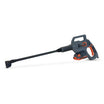
Technical assistance can make a real difference to mosquito control in the garden. A powerful FUXTEC pressure washer lets you clean gutters and similar drainage areas so that mosquito larvae cannot establish themselves. For hard-to-reach spots and larger areas, a FUXTEC cordless pressure washer is ideal thanks to its flexibility. Cordless hedge trimmers allow you to cut back hedges and shrubs regularly, eliminating the shady, damp retreats that mosquitoes favour. With a FUXTEC brush cutter you can clear tall grass and dense weeds – precisely the spots where female mosquitoes like to rest during the day. The equipment works efficiently, saves time and helps you make your garden as unwelcoming to mosquitoes as possible.
Common Mistakes When Tackling Mosquitoes in the Garden
A typical mistake in mosquito control is targeting only adult insects rather than breaking the entire life cycle. Anyone who overlooks breeding grounds such as uncovered water butts, garden ponds without fish or forgotten bird baths inadvertently ensures that mosquitoes keep hatching in the garden. Just a few millilitres of standing water is enough for mosquitoes to lay their eggs – including species such as Culex pipiens.
Equally problematic is relying on unsuitable home remedies that do not keep mosquitoes away for long. Dense, damp and shaded vegetation also attracts mosquitoes and makes protection more difficult. To be on the safe side, cover all water sources, trim vegetation regularly and remember that the smell of sweat also draws mosquitoes in. This way you can ward off mosquito bites before they even happen.
Conclusion: How to Get Rid of a Mosquito Infestation in the Garden for Good
A mosquito infestation in the garden can only be brought under control through consistent action and the right strategy. The most important thing you can do: remove all standing water, secure every water butt and keep your garden pond clean. This prevents mosquitoes from laying eggs and larvae from developing. Fragrant plants such as lavender or lemon balm make a great complementary measure to keep mosquitoes at bay.
For protection against mosquitoes in seating areas, essential oils or scented candles are also worth considering – they can help prevent bites in particular. If you do get bitten, tried-and-tested remedies can bring quick relief. And with the right FUXTEC equipment, you can keep your garden mosquito-unfriendly and enjoy relaxing outside even during the summer months. Some of these tips may sound simple, but they really do work.
Everything for your garden

What causes mosquitoes to breed in my garden after rain?
Mosquitoes lay their eggs in standing water that collects after rain, such as water butts, bird baths, watering cans and small puddles. Within just a few days, larvae hatch and develop into adult mosquitoes ready to bite. The faster you remove standing water after rain, the sooner you can prevent a mosquito invasion.
Which plants naturally repel mosquitoes?
Plants like lavender, lemon balm, catnip, rosemary, wormwood and lemon eucalyptus emit scents that deter mosquitoes. Basil and tomato plants placed near seating areas are also effective, as is the scented geranium 'Citrosa' for patios and balconies.
How can I remove mosquito breeding grounds from my garden?
Cover water butts with fine mesh insect screens to prevent egg-laying. Clean bird baths regularly or treat them with Bacillus thuringiensis israelensis (Bti). Empty forgotten plant saucers and fill puddles where standing water collects, as even small amounts of water can become breeding grounds.
What's the best way to protect myself from mosquito bites outdoors?
Wear light-coloured, loose-fitting clothing and apply mosquito repellent containing DEET or Icaridin to exposed skin. Place fragrant plants near seating areas and consider using electric insect traps or fans on your patio. Essential oils such as lavender or peppermint can also help repel mosquitoes.
Are chemical mosquito repellents safe to use in the garden?
Chemical sprays or lotions containing DEET, Icaridin or IR3535 offer reliable protection and are safe when used sparingly and with care. They remain effective for several hours and are particularly suitable for extended periods outdoors, often combined with mosquito coils or sticky traps.
How quickly do mosquito larvae develop after rain?
Mosquito larvae can develop within just a few days after rain when ideal breeding conditions are created. You should check and remove all standing water within 24 hours of rain to prevent larvae from developing and stop mosquitoes from multiplying rapidly in the garden.
Do garden maintenance tasks help control mosquitoes?
Yes, regularly mowing lawns, trimming shrubs and hedges, and removing damp areas reduces moisture that attracts mosquitoes. A well-kept garden with dry, sunny areas is far less attractive to these insects, and clearing dense vegetation also removes their preferred resting spots.
More articles about garden care

Trockenheit im Garten: Boden lockern, richtig gießen und mit Mulch Wasser sparen
Du gießt das Beet, doch das Wasser bleibt auf der harten Erdoberfläche stehen oder läuft zur Seite ab. Schon nach kurzer Zeit wirkt der Boden wieder trocken, obwohl Du gerade erst zur Gießkanne g...
Pine Bark Mulch: The Complete Gardening Guide
Mulching with pine bark is one of the most effective methods in modern gardening and sustainable horticulture. A layer of mulch material is applied to the soil surface to protect and improve the so...
Spring Soil Improvement: Prepare Your Garden Soil
Inhaltsverzeichnis Warum Bodenverbesserung im Garten im Frühjahr so wichtig für einen gesunden Gartenboden ist Gartenboden nach dem Winter prüfen: Bodenstruktur, Verdichtung und Bodenart erke...


