
Jeder Zeit zum Einsatz bereit mit Fuxtec!
Leaf Blower Maintenance: Complete Guide | FUXTEC
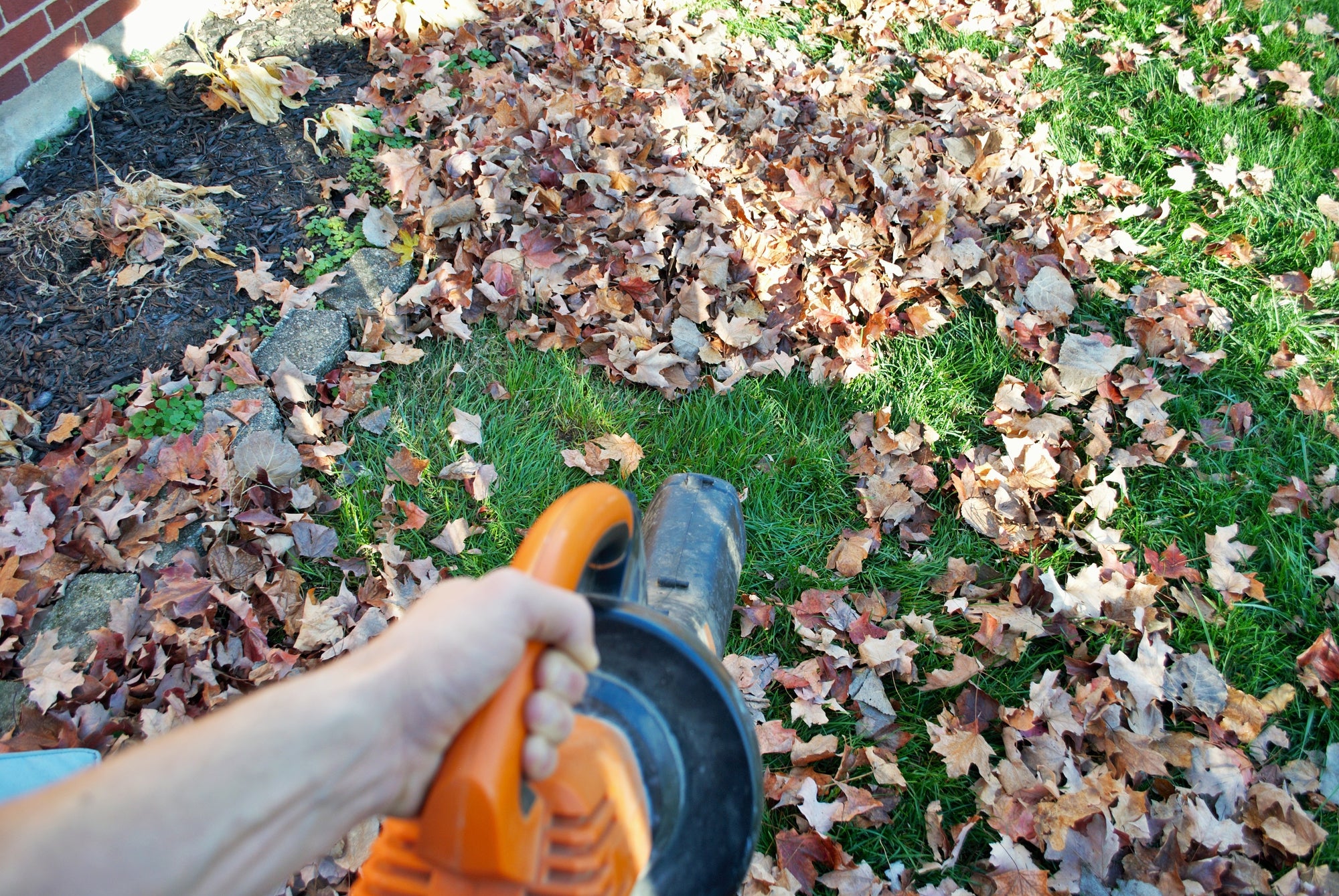
A leaf blower in proper working order delivers consistent power, uses less fuel, and lasts for many years. Neglect the maintenance and you risk starting problems, loss of performance, or breakdowns at exactly the moment you need the machine. Whether it's a classic leaf blower, a leaf vacuum, or a combination unit – regular servicing is essential. In this FUXTEC garden guide, we show you step by step how to maintain your FUXTEC leaf blower correctly and keep it reliably running for the long term.
Why Regular Maintenance Matters
Leaf blowers operate under demanding conditions: dust, dirt, temperature fluctuations, and vibrations put every component under stress. Without maintenance, wear increases significantly. A dirty engine has to work harder, which raises fuel consumption and shortens its lifespan.
Manufacturers estimate that a well-maintained leaf blower can function for over ten years, whilst poorly serviced machines often develop problems after just a few seasons. Regular maintenance is therefore not optional – it is a prerequisite for efficiency and safety.
The Right Fuel for Your Leaf Blower
Fuel is one of the most important factors for engine performance. For two-stroke machines, you use a mixture of petrol and specialist 2-stroke oil, typically at a ratio of 1:50. Always follow the manufacturer's guidelines.
Petrol with a high ethanol content can attack components in the carburettor and damage seals. Use fresh fuel where possible and avoid leaving the tank filled for extended periods. If you do not use your machine for more than 30 days, you should drain the tank or use a fuel stabiliser.
Cleaning and Replacing the Air Filter
The air filter protects the engine from dust and dirt. If it becomes blocked, less air reaches the engine, which worsens combustion and increases fuel consumption.
How to do it
Switch off the machine and allow it to cool down completely. Open the cover and carefully remove the filter. Remove loose dirt using compressed air, working from the inside outwards. For foam filters, you can also use water and a mild detergent. Allow the filter to dry completely before refitting it.
If the filter is damaged or heavily soiled, you should replace it.
Checking and Servicing the Spark Plug
The spark plug gives you important clues about the condition of the engine. A light grey colour is ideal. Black deposits indicate an incorrect fuel mix or insufficient air supply.
Check the electrode gap regularly and replace the spark plug approximately every 100 hours of use. A faulty spark plug leads to starting problems and loss of power.
Cleaning the Fuel Tank
Over time, residues and deposits build up in the tank. These can obstruct fuel flow, causing the engine to splutter or cut out altogether.
Drain the tank regularly, flush it through with clean petrol, and inspect the fuel filter. A clogged filter prevents the engine from receiving fuel and should be replaced when necessary.
Keeping the Cooling System Clean
Leaf blowers are air-cooled. For this to work effectively, the cooling fins and air vents must be kept free of dirt. Blocked airways lead to overheating and increased wear.
After heavy use, let the engine run briefly at idle before switching it off. This allows it to cool down in a controlled manner.
Special Considerations for Leaf Vacuums
Combination units with a vacuum function require additional care. Check the collection bag regularly and empty it after every use. A full bag significantly reduces suction performance.
Also inspect the fan wheel (impeller). Damage caused by stones or hard objects can create imbalances and vibrations.
Correct Winter Storage
How you store your leaf blower over winter often determines whether it starts without trouble in spring.
Drain the tank completely and run the engine until no fuel remains. Clean the machine thoroughly and store it in a dry place with no significant temperature fluctuations.
Summary: A Little Care Goes a Long Way
With minimal effort, you can significantly extend the life of your leaf blower. Regular cleaning, the right fuel, and simple checks ensure your machine works reliably.
This FUXTEC garden guide demonstrates once again: those who look after their equipment save time, money, and hassle in the long run – and work more efficiently in the garden. And if you need spare parts for your FUXTEC leaf blower or vacuum, you can find them directly in our shop.
Everything for your garden

More articles about garden care
Trockenheit im Garten: Boden lockern, richtig gießen und mit Mulch Wasser sparen
Du gießt das Beet, doch das Wasser bleibt auf der harten Erdoberfläche stehen oder läuft zur Seite ab. Schon nach kurzer Zeit wirkt der Boden wieder trocken, obwohl Du gerade erst zur Gießkanne g...

Pine Bark Mulch: The Complete Gardening Guide
Mulching with pine bark is one of the most effective methods in modern gardening and sustainable horticulture. A layer of mulch material is applied to the soil surface to protect and improve the so...

Spring Soil Improvement: Prepare Your Garden Soil
Inhaltsverzeichnis Warum Bodenverbesserung im Garten im Frühjahr so wichtig für einen gesunden Gartenboden ist Gartenboden nach dem Winter prüfen: Bodenstruktur, Verdichtung und Bodenart erke...


