








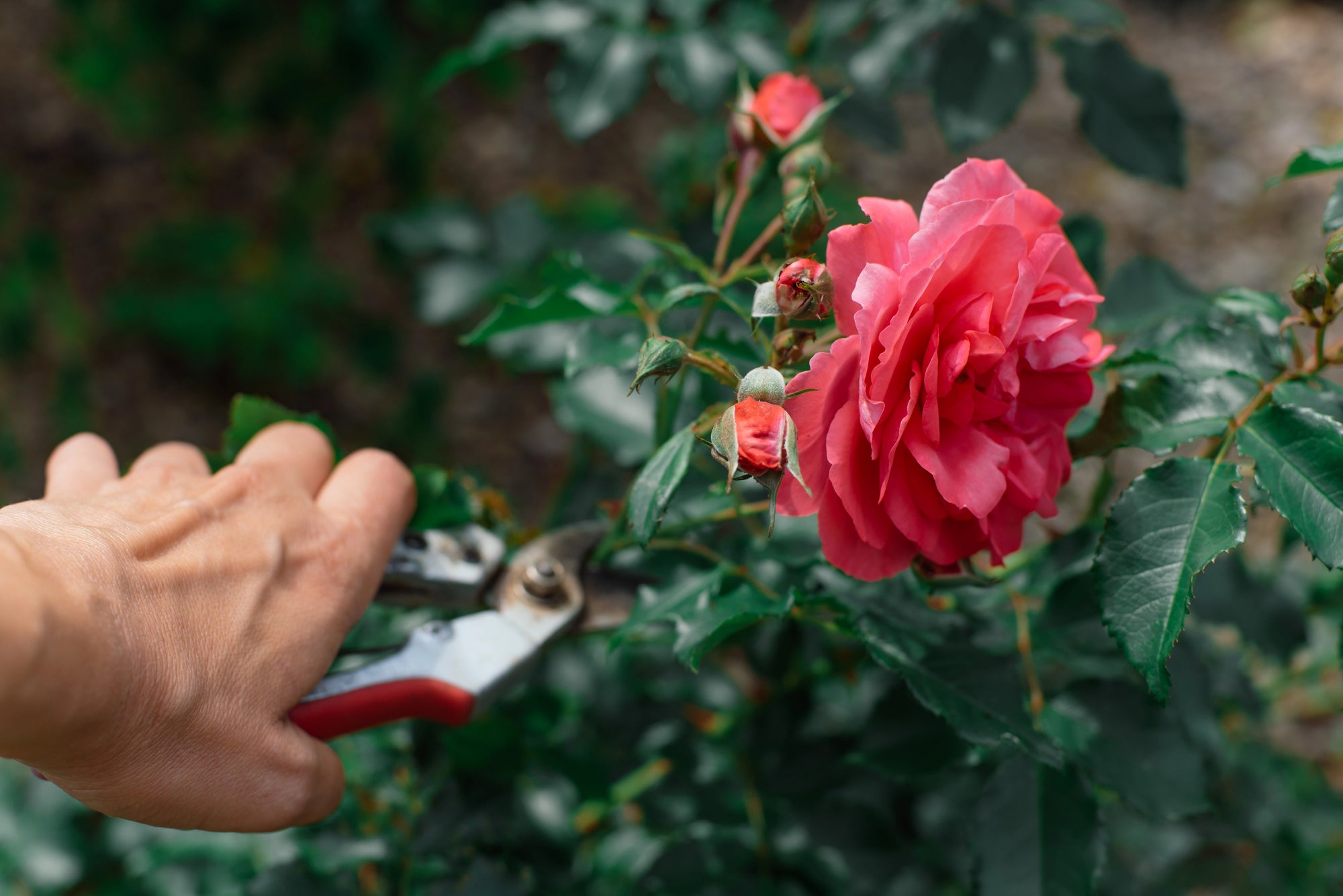
Rosen schneiden Titelbild
How to Prune Roses: The Complete Guide
- Die richtige Zeit für den Rosenschnitt
- Grundregeln beim Rosenschnitt
- Strauchrosen, Beetrosen und Edelrosen richtig schneiden
- Kletterrosen und Stammrosen – besondere Schnitttechniken
- Bodendeckerrosen, Wildrosen und historische Rosen
- Rosenschnitt im Sommer und Herbst
- Düngung und Pflege nach dem Schnitt
- FUXTEC-Praxistipp für den perfekten Rosenschnitt
- Fazit
- FAQ
Roses are a classic feature of any garden – whether climbing roses, shrub roses, or hybrid teas. To keep them healthy, vigorous, and blooming beautifully, knowing how to prune them correctly is essential.
Many gardening enthusiasts ask: when is the right time to prune roses? And how do you actually prune roses properly without damaging the plant?
In this guide, you'll find everything you need to know – from the basics and pruning different rose types, through to expert tips.
The Right Time to Prune Roses

The ideal time to prune roses depends largely on the rose type and the weather. As a general rule: the main pruning is carried out in spring, once the risk of hard frosts has passed.
A handy rule of thumb is to watch for forsythia – when forsythia is in bloom, it's time to prune your roses. In most parts of the UK, this tends to fall around mid-March, though it can be later in Scotland and the north.
Avoid pruning too early, as fresh new growth can be damaged by late frosts. Timing it right ensures that your rose puts on strong new growth and forms new buds after pruning.
Alongside the main spring prune, there are also maintenance cuts in summer and autumn. In summer, deadhead spent blooms regularly to encourage further flowering. In autumn, limit yourself to lightly shortening any long stems to prevent damage from autumn gales.
Basic Rules for Pruning Roses
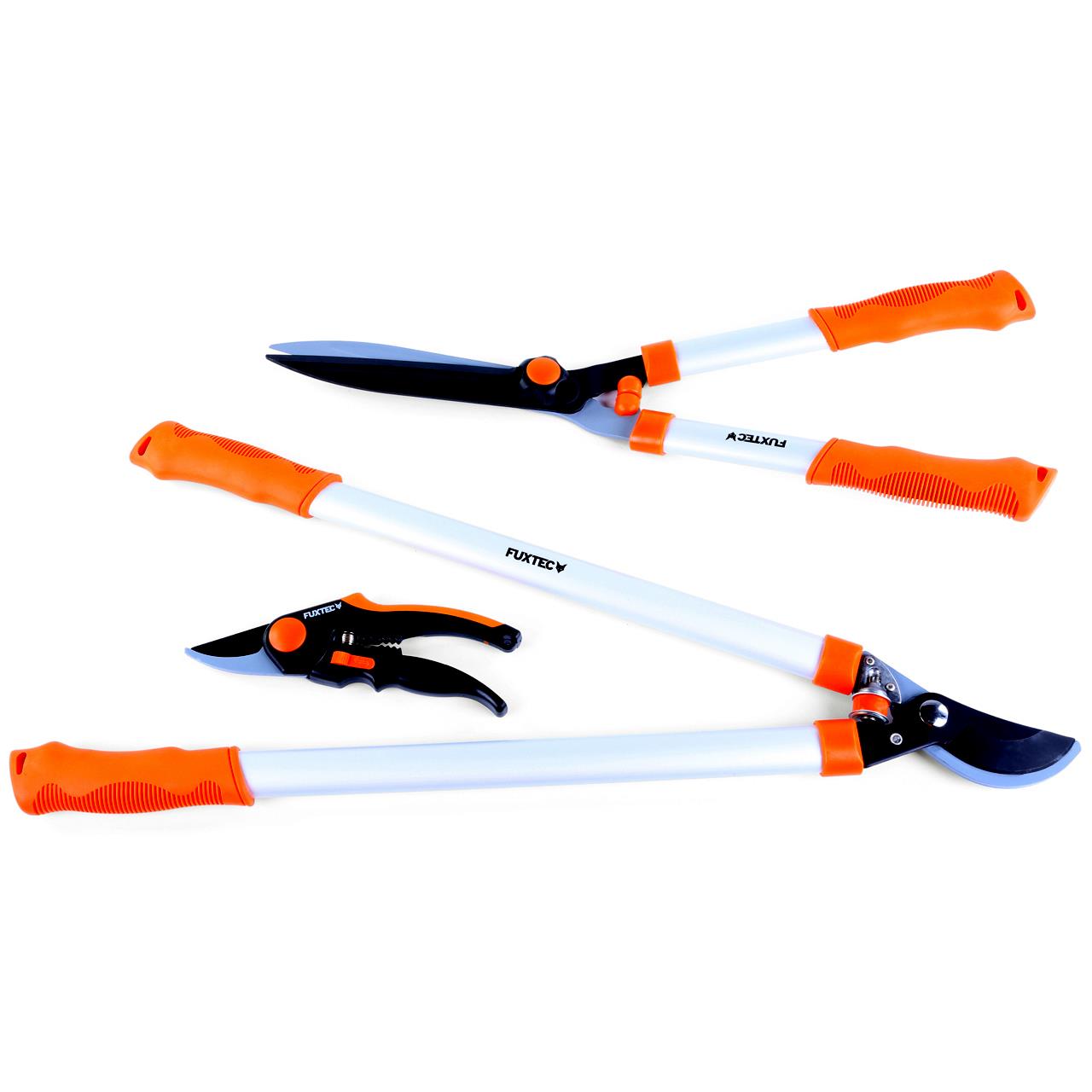
To keep your roses healthy, there are a few key rules to follow. Always prune roses with a sharp, clean pair of secateurs to avoid crushing the stems. In the FUXTEC shop you'll find, for example, the FX-RSB20 secateurs, which are ideal for precise, clean cuts.
Make sure to cut just below the flower or just above an outward-facing bud. This encourages growth in the right direction and helps keep the rose open and well-aired.
Here are a few quick tips:
- Cut out old, diseased stems completely, right back to healthy wood.
- Remove any suckers that sprout from below the graft union.
- Cut back weak stems harder; only lightly trim strong, healthy stems.
Another important point is the angle of the cut: always cut at a slight angle, so rainwater can run off and rot cannot take hold.
How to Prune Shrub Roses, Patio Roses, and Hybrid Teas
Shrub roses are robust and often very easy to care for, and they stand out for their bushy habit. When pruning shrub roses, be careful not to let the centre become too congested – without sufficient light and airflow, disease can take hold.
Remove any stems older than four years completely. Keep young, vigorous stems and only shorten them lightly to encourage flowering.
For patio and bedding roses: they flower most abundantly when cut back hard in spring – down to around 4 to 5 buds. This hard pruning promotes fresh, strong growth with plenty of new buds.
Hybrid tea roses, on the other hand, respond well to a clean, decisive prune. In spring, remove all weak stems and cut back the strong ones to 3 to 5 buds. The aim is to stimulate the plant into vigorous new growth.
For precise cuts on grafted roses, we recommend using a specialist grafting knife or fine-bladed secateurs such as the FUXTEC FX-VSP30.
Climbing Roses and Standard Roses – Special Pruning Techniques
Climbing roses require a different approach to shrub or bedding roses. Pruning climbing roses means, above all, retaining the long, strong main stems and only shortening the side shoots.
For repeat-flowering climbing roses, cut back the side shoots after flowering to make way for new flower buds.
Once-blooming roses, by contrast, should only be pruned after they have flowered in summer, as they form their buds on the previous year's wood.
Standard roses are grafted roses that require particular attention when pruning. Remove any stems growing from the main trunk or from below the graft union – these suckers draw energy away from the rose. Shape the crown so that a balanced, rounded form is achieved. Thin out old stems and encourage new growth.
Ground Cover Roses, Wild Roses, and Old Garden Roses

Ground cover roses are particularly low-maintenance, as they generally keep a good shape on their own. A light trim in spring is enough to keep them vigorous. Simply remove any dead stems and shorten any overly long ones to keep the plant compact.
Wild roses need very little pruning – it is sufficient to remove any diseased or badly placed stems. This makes them ideal for wildlife-friendly gardens.
Old garden roses – such as English roses or once-blooming shrub roses – should be pruned very sparingly, as cutting back too hard can reduce flowering. Here, focus on thinning and removing only the oldest, weakest stems.
For neat and tidy work, we recommend our FUXTEC FX-BZ30 tying tool for securing long stems elegantly to supports and trellises.
Pruning Roses in Summer and Autumn
The summer rose prune is primarily a maintenance task. Once a bloom has faded, cut it back below the old flower to the next leaf with five leaflets. This encourages the rose to put out new stems and produce a second or even third flush of flowers during the season.
With repeat-flowering roses: the more regularly you remove spent blooms, the longer the flowering period will last.
In autumn, restraint is the order of the day. Only carry out a light trim to shorten long stems and protect the rose from wind damage. Cutting back too hard in autumn can weaken the plant, as it will be prompted to put out unnecessary new growth before winter.
A practical tip: if you have several roses to tend to, use a lightweight pair of hedge shears for this maintenance trim – it will save you considerable time.
Feeding and Care After Pruning

After pruning, choosing the right feed is crucial. Roses are hungry plants and need plenty of nutrients to produce strong new growth and abundant buds.
Ideally, feed directly after the spring prune and then again after the first flush of flowers in summer. We recommend using an organic rose fertiliser, which releases nutrients slowly and evenly over time.
At the same time, you should loosen the soil around the rose and remove any weeds. You'll find further tips on this in our blog article on improving soil for healthy plants – ensuring your roses have everything they need to thrive.
FUXTEC Practical Tip for the Perfect Rose Pruning
A clean cut is absolutely essential when pruning roses. Always use sharp tools and wear cut-resistant gloves such as our FUXTEC FX-HH1, to protect yourself from thorns. Clean your secateurs after every use to prevent the spread of disease.
Bear in mind that thinning out your roses not only improves their appearance, but also enhances flowering, as light and air can penetrate more effectively into the centre of the plant.
Summary

Pruning roses needn't be daunting – with the right knowledge, good timing, and the proper tools, your garden can become a stunning floral showpiece.
Whether you prune your roses in spring, summer, or autumn, what matters most is following the basic principles and responding to the individual needs of each rose type.
If you're looking for more inspiration for your garden, take a look at our tips on versatile climbing plants or getting your garden ready for spring – to help you make the very most of your outdoor space.
Everything for your garden

When should I prune my roses in the UK?
The best time to prune roses is in spring once the risk of hard frosts has passed, typically around mid-March when forsythia is in bloom. You can also carry out light maintenance pruning in summer by deadheading spent blooms and in autumn by shortening long stems to prevent wind damage.
What tools do I need for pruning roses?
You'll need a sharp, clean pair of secateurs to make precise cuts without crushing the stems. Wearing cut-resistant gloves is essential to protect yourself from thorns, and it's important to clean your secateurs after use to prevent disease spread.
How do I cut roses without damaging them?
Always cut just below the flower or just above an outward-facing bud at a slight angle so rainwater can run off. Remove old and diseased stems completely, cut out any suckers from below the graft union, and cut back weak stems harder whilst only lightly trimming strong, healthy ones.
How much should I prune patio and bedding roses?
Patio and bedding roses flower most abundantly when cut back hard in spring down to around 4 to 5 buds. This encourages fresh, strong growth with plenty of new flowers throughout the season.
How do I prune climbing roses differently?
Climbing roses require a different approach than shrub roses – retain the long, strong main stems and only shorten the side shoots. For repeat-flowering varieties, cut back side shoots after flowering, whilst once-blooming climbing roses should only be pruned after they've flowered in summer.
What should I do after pruning my roses?
Feed your roses directly after the spring prune and again after the first flush of flowers in summer using an organic rose fertiliser. Loosen the soil around the rose and remove any weeds to give your plants the best chance to produce strong new growth and abundant buds.
More articles about garden care
Trockenheit im Garten: Boden lockern, richtig gießen und mit Mulch Wasser sparen
Du gießt das Beet, doch das Wasser bleibt auf der harten Erdoberfläche stehen oder läuft zur Seite ab. Schon nach kurzer Zeit wirkt der Boden wieder trocken, obwohl Du gerade erst zur Gießkanne g...
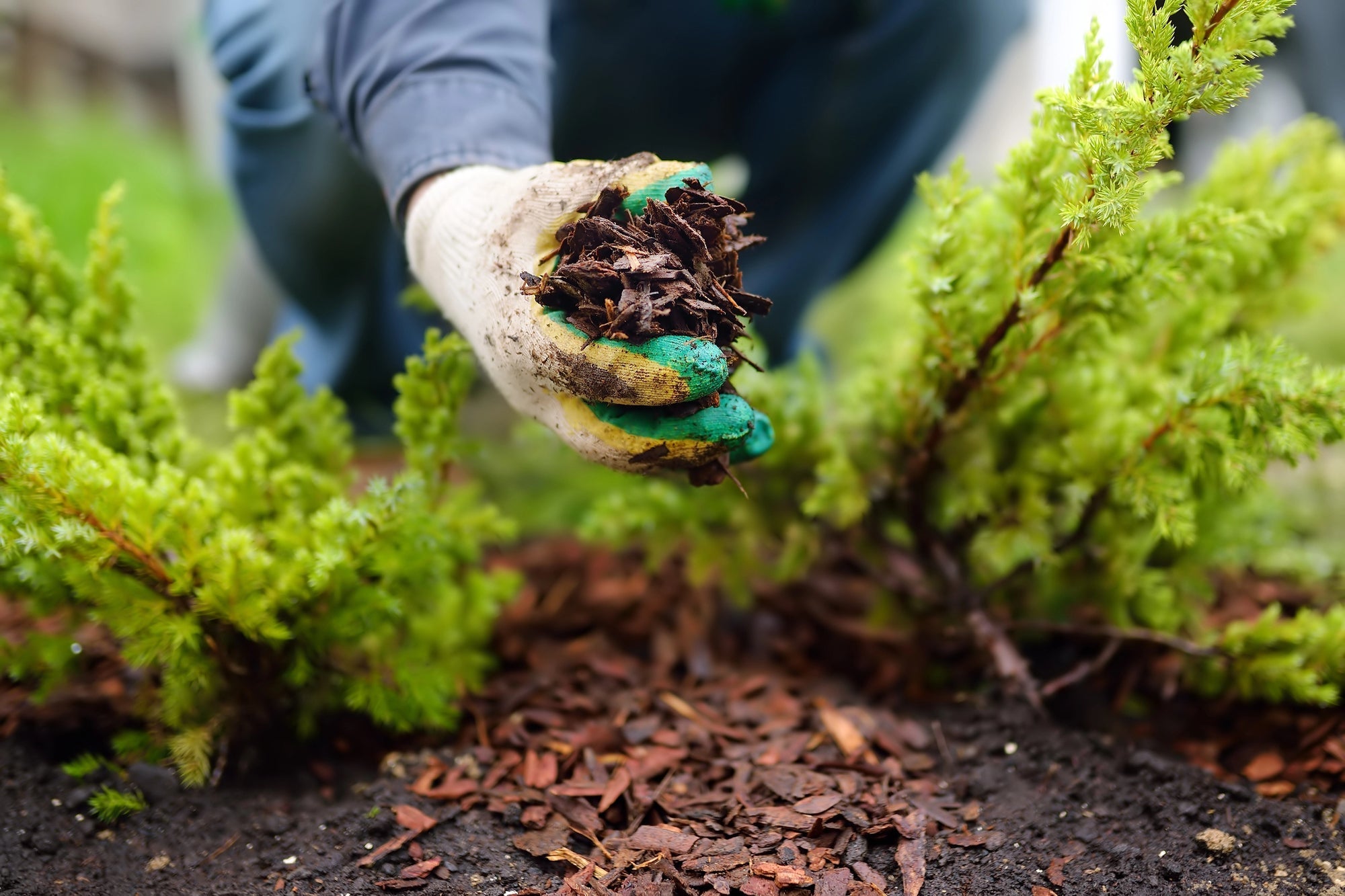
Pine Bark Mulch: The Complete Gardening Guide
Mulching with pine bark is one of the most effective methods in modern gardening and sustainable horticulture. A layer of mulch material is applied to the soil surface to protect and improve the so...
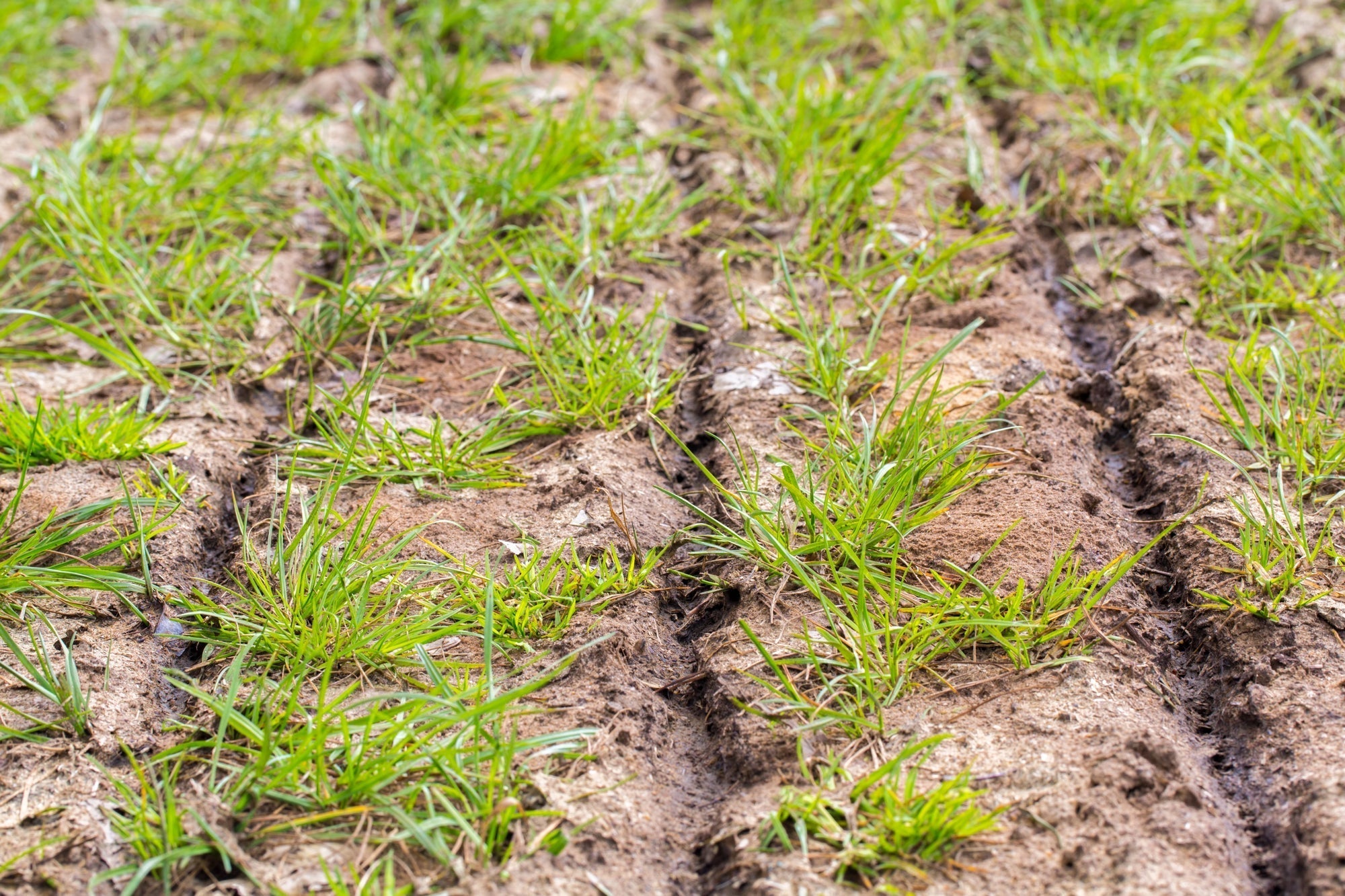
Spring Soil Improvement: Prepare Your Garden Soil
Inhaltsverzeichnis Warum Bodenverbesserung im Garten im Frühjahr so wichtig für einen gesunden Gartenboden ist Gartenboden nach dem Winter prüfen: Bodenstruktur, Verdichtung und Bodenart erke...


