



So zieht man erfolgreich Kürbisse im eigenen Garten!
Growing Pumpkins: From Sowing to Harvest
Growing pumpkins in your own garden is a rewarding experience that combines simplicity with visible results. Whether you're after butternut squash, ornamental varieties for Halloween, or classic eating pumpkins with firm, flavoursome flesh, cultivation is straightforward as long as you follow a few basic principles. Stick to these, and you'll achieve reliable yields. In this FUXTEC gardening guide, you'll find everything you need to know about sowing, from the right timing through to harvest. You'll also find advice on feeding, pruning, and pest control. Even in a modest-sized garden, you can produce excellent-quality pumpkins.
Why Growing Pumpkins Is Worth It
Pumpkins belong to the cucurbit family, along with cucumbers, melons, and courgettes. They're incredibly versatile – from soups and roasted dishes to sweet treats. At the same time, many varieties make attractive decorative features in the garden.
From a nutritional standpoint, pumpkins provide beta-carotene, vitamin C, and potassium, all while being low in calories. Growing your own gives you full control over quality and growing methods. Varieties such as butternut have a firm texture and store well, whilst ornamental gourds impress primarily through their shape and colour.
The Right Time to Sow
When to start depends on your climate. In milder parts of the UK, such as the South West, you can begin as early as April under cover. In cooler regions, it's better to wait until late April or May, once the risk of frost has passed.
Pumpkins love warmth. The ideal germination temperature is between 20 and 25 °C. Below 15 °C, germination becomes erratic or stops altogether. To get ahead, you can start seeds indoors in seed trays or small pots. After three to four weeks, the plants will be ready for the next stage.
How to Sow Pumpkin Seeds Correctly
Sowing in Pots
Fill small pots with loose compost mixed with a little horticultural grit. Sow one or two seeds per pot at a depth of around 2 to 3 cm, pointed end facing downwards. Keep the compost evenly moist and place the pots somewhere warm and bright.
After about a week, the first seedlings should appear. Once several true leaves have developed, you can transplant the plants outdoors.
Direct Sowing in the Garden
Direct sowing only works once the soil has warmed up sufficiently. Make planting holes around 3 to 4 cm deep and allow generous spacing. Depending on the variety, this can be between 80 and 150 cm.
Sow several seeds at each station and remove the weaker plants later. This method saves time but does require settled weather conditions.
Preparing the Soil Properly
The foundation for healthy plants is well-prepared soil. Pumpkins prefer loose, nutrient-rich, free-draining soil with a pH of between 6 and 7.
Dig the soil deeply and work in plenty of organic matter such as garden compost or well-rotted manure. Around 4 to 5 kg per square metre is a sensible guide. On heavy clay soils, adding horticultural grit will help improve structure. Pumpkins are hungry plants, so a good nutrient base is essential.
Find out how to build your own compost bin in our FUXTEC gardening guide "How to Build a Compost Bin – The Ultimate Guide for Your Garden".
Planting Out Pumpkin Plants
Only plant out once temperatures are consistently stable – this applies particularly to night-time temperatures. Dig sufficiently large planting holes and maintain the recommended spacings.
Plant so that the root crown sits at soil level. Firm the soil gently around the plant and water thoroughly straight after planting. During the first few days, it's worth protecting the plants from sudden temperature fluctuations.
Feeding and Nutrient Supply
Pumpkins are hungry feeders. Early on, the focus is on leafy growth; later, fruit development takes priority.
Organic fertilisers such as garden compost or pelleted poultry manure provide a steady, balanced base. You can supplement with additional feeds during the season. Once fruits begin to form, the emphasis should shift towards potassium. This improves ripening and overall quality.
Too much nitrogen in the later stages encourages excessive leafy growth at the expense of fruit development. A well-targeted feeding strategy is therefore crucial.
Watering and General Care
Pumpkins need a consistent water supply. Particularly after planting out and during fruit formation, the soil must not be allowed to dry out.
Water directly at the base of the plant and avoid wetting the leaves. This reduces the risk of fungal disease. During hot spells, daily watering may be necessary. A mulch layer also helps to retain moisture in the soil.
Pruning and Managing Growth
By pruning selectively, you direct the plant's energy into fruit development. Once several fruits have set, you can pinch out the growing tips of the stems.
Remove any weak or damaged plant material as well. This improves air circulation and reduces the risk of disease. With ornamental varieties, pruning is primarily used to keep growth in check.
Identifying Pests and Diseases
The most common problems are aphids and fungal diseases. Aphids weaken plants and can spread disease. Natural remedies such as diluted soft soap solution are often reliably effective.
Powdery mildew appears as a white coating on the leaves. Good ventilation and careful watering are the most important preventative measures. Checking your plants regularly helps you spot problems early.
Popular Pumpkin Varieties
There's a wide range of varieties to choose from. Butternut is particularly popular for its shape and keeping qualities. Hokkaido (also known as Red Kuri) is compact and robust. Crown Prince is a firm favourite in the UK, prized for its rich, dense flesh and excellent flavour.
Ornamental gourds are grown primarily for their appearance. They vary greatly in shape and colour and are well suited to decorative uses.
Harvesting and Storage
Harvesting generally takes place between August and October. A ripe pumpkin will have a firm skin and a dry, corky stem.
Cut the fruits with a length of stalk attached. Store them somewhere cool, dry, and well ventilated. Many varieties keep for several months, and some will last considerably longer.
The whole process – from sowing to harvest – requires planning and consistent care. Follow the fundamentals, check on your plants regularly, and you'll be rewarded with reliable, high-quality results.
Everything for your garden

More articles about garden care
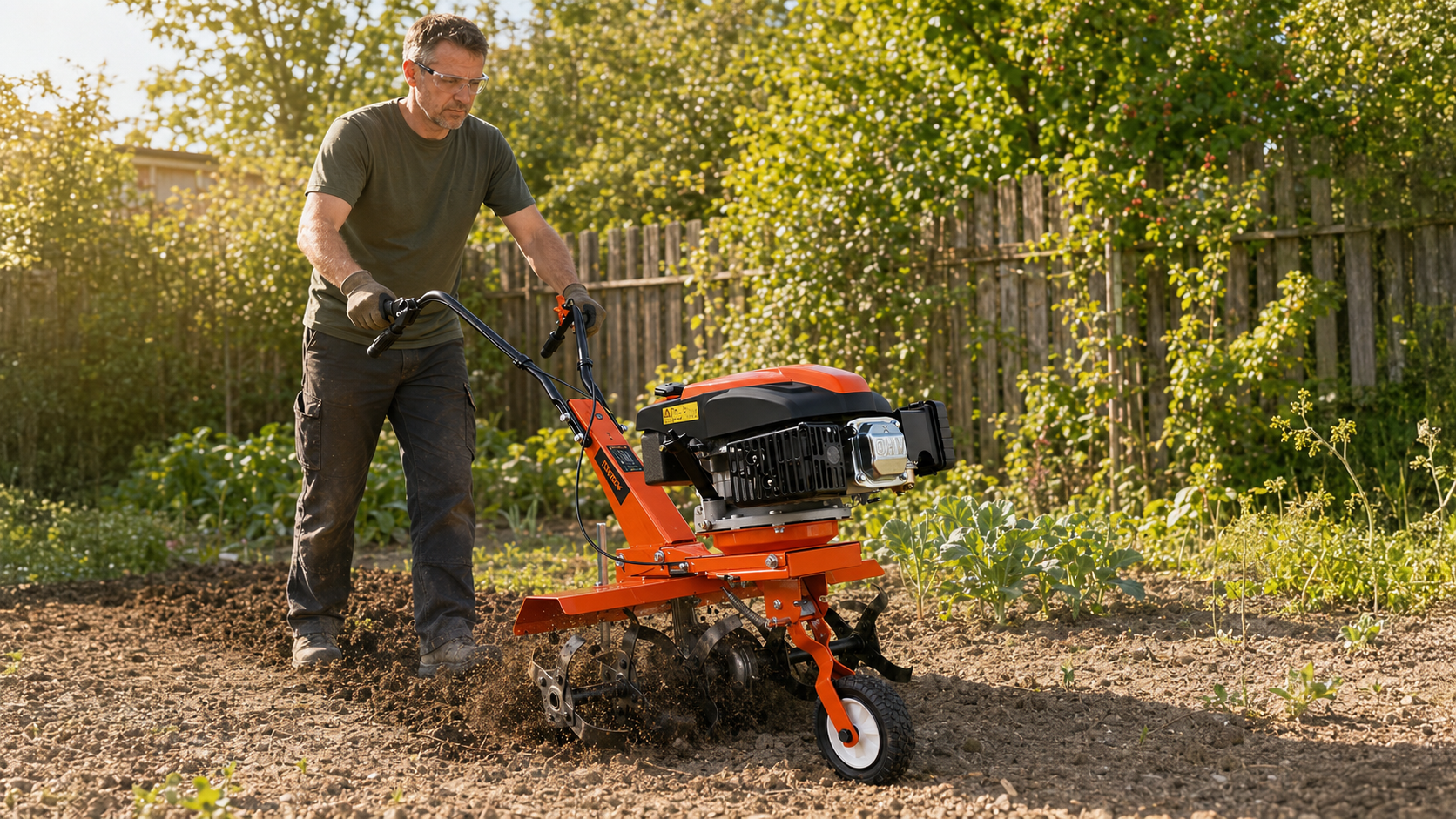
Trockenheit im Garten: Boden lockern, richtig gießen und mit Mulch Wasser sparen
Du gießt das Beet, doch das Wasser bleibt auf der harten Erdoberfläche stehen oder läuft zur Seite ab. Schon nach kurzer Zeit wirkt der Boden wieder trocken, obwohl Du gerade erst zur Gießkanne g...
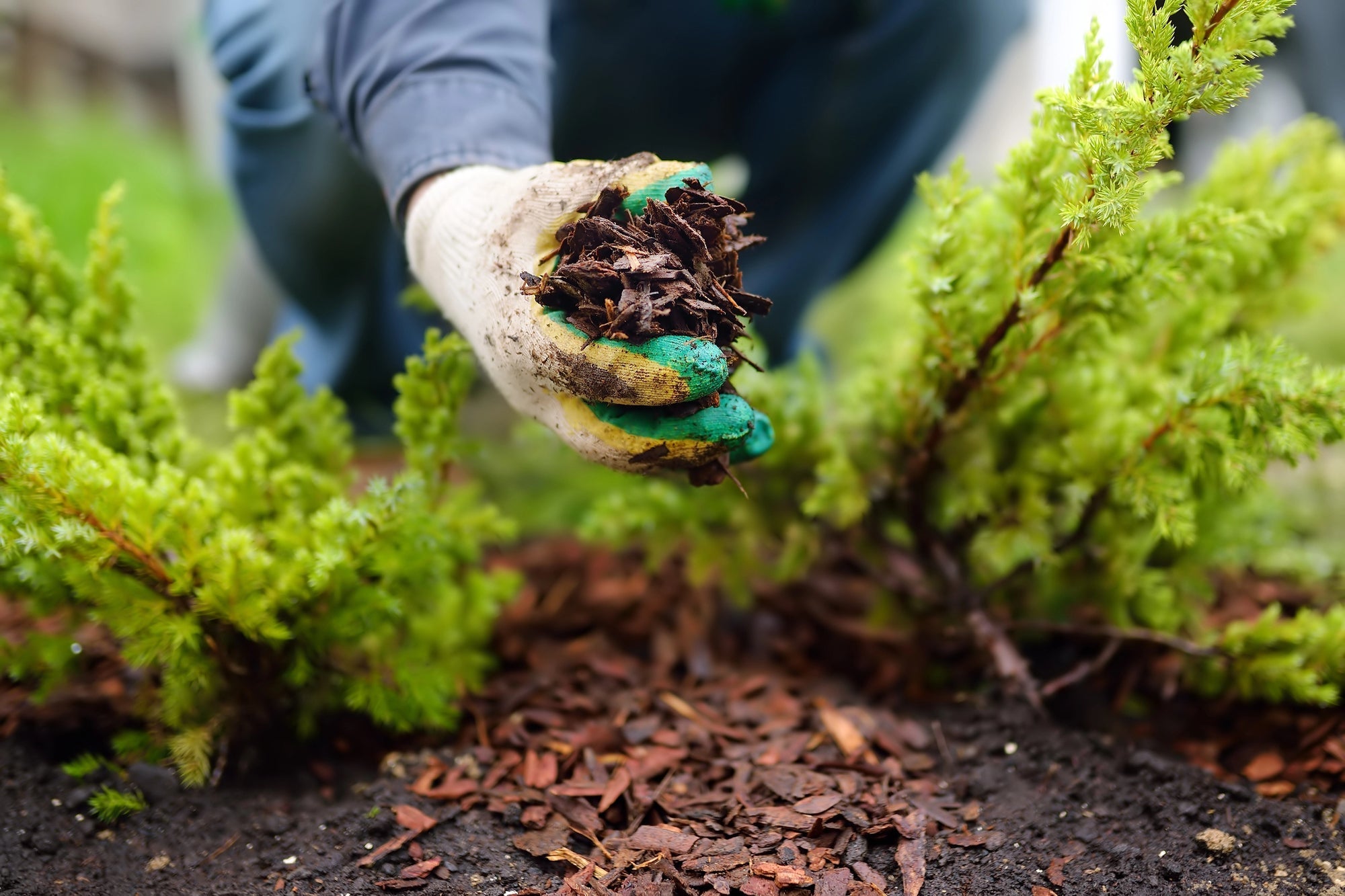
Pine Bark Mulch: The Complete Gardening Guide
Mulching with pine bark is one of the most effective methods in modern gardening and sustainable horticulture. A layer of mulch material is applied to the soil surface to protect and improve the so...
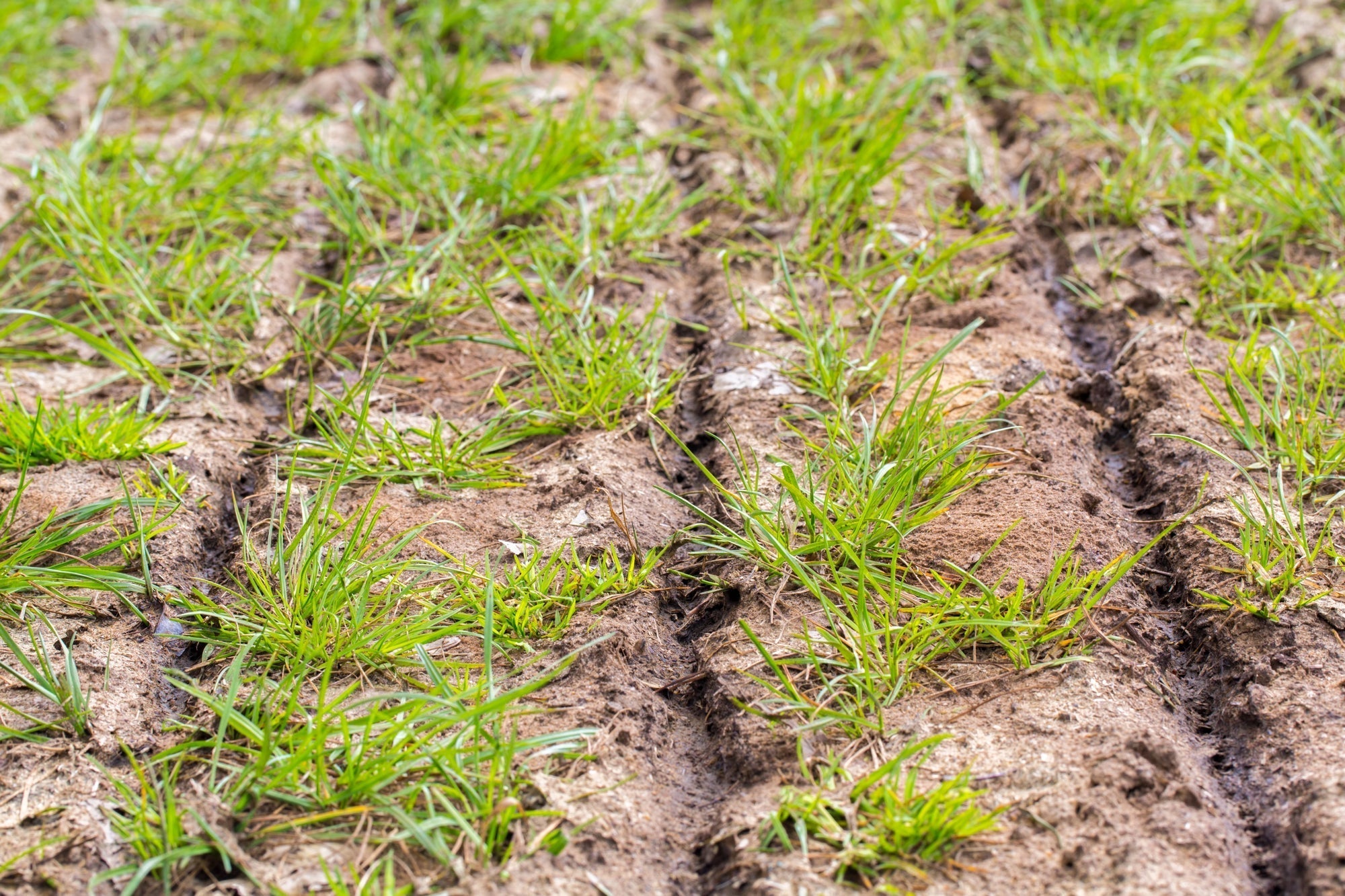
Spring Soil Improvement: Prepare Your Garden Soil
Inhaltsverzeichnis Warum Bodenverbesserung im Garten im Frühjahr so wichtig für einen gesunden Gartenboden ist Gartenboden nach dem Winter prüfen: Bodenstruktur, Verdichtung und Bodenart erke...


