
Halte deine Zimmerpflanzen gesund!
Houseplant Pests: Identify, Treat & Prevent
Every pest poses a potential threat to your houseplants. Aphids, spider mites, mealybugs and thrips can appear throughout the year. However, the situation becomes particularly critical between late autumn and late winter. During this period, plants are weakened by dry central heating air and low light levels.
In this FUXTEC gardening guide, we show you how to spot pests early, tackle them effectively and prevent them in the long term. The strategies are based on practical experience and can be put into action straight away.
Why houseplants are particularly vulnerable
Houseplants grow under artificial conditions that differ greatly from their natural habitat. Heating systems often reduce humidity to 20–30%, whilst many plants actually need 50–70%.
This causes stress and weakens leaf structure. At the same time, natural predators such as ladybirds and lacewings — which maintain a balance outdoors — are absent. Pests can therefore multiply unchecked.
At FUXTEC, we have found that even a minor infestation can escalate within just a few days. Poor air circulation also encourages the spread of fungal diseases.
Identifying the most common pests
Aphids
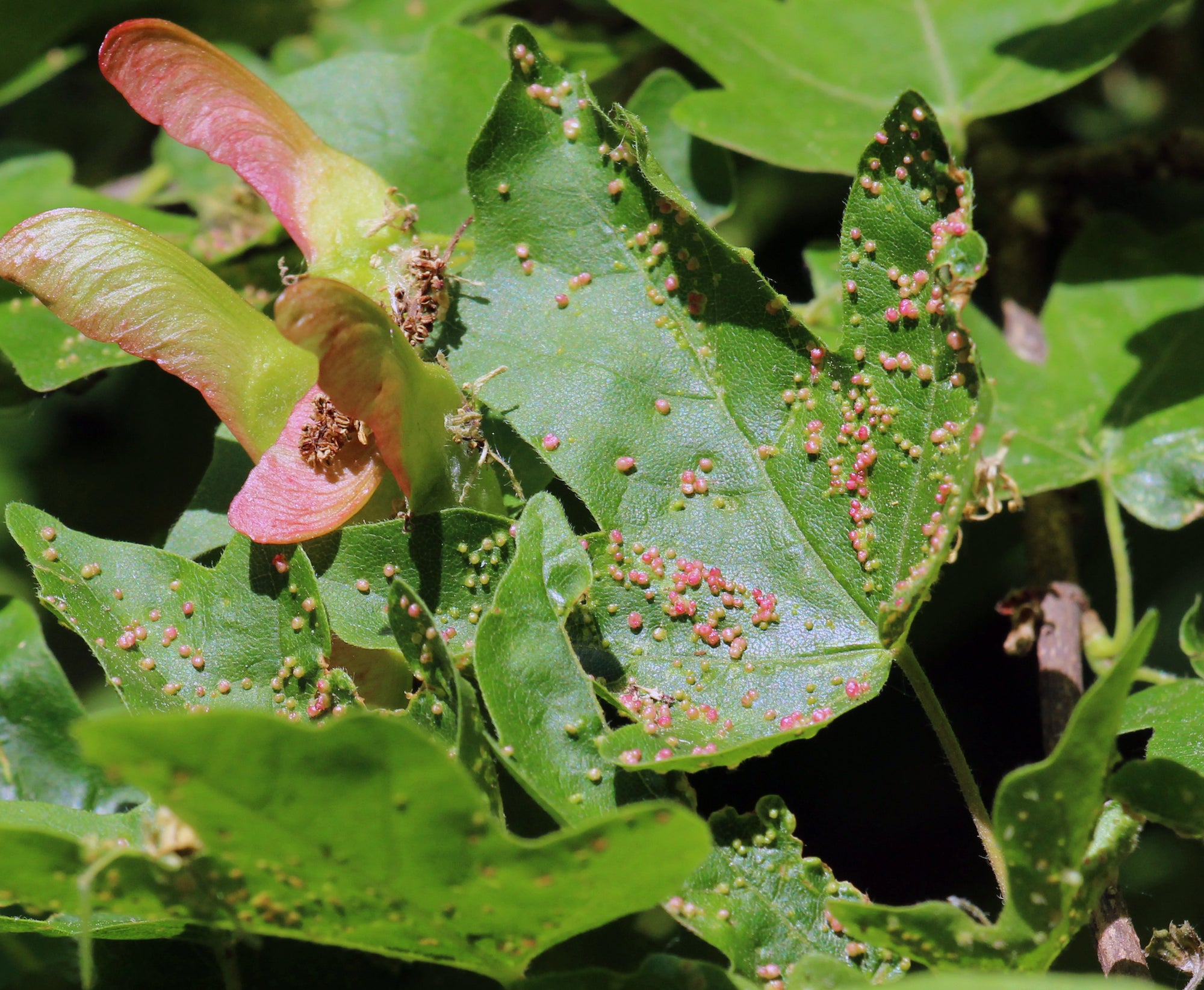
Aphids are small insects that come in green, black or yellow. They typically gather on young shoots and on the undersides of leaves. Common signs include sticky residue (honeydew), distorted leaves and stunted growth.
Spider mites
Spider mites are barely visible to the naked eye, but they cause fine webbing and pale stippling on the leaves. They are particularly prevalent in dry air conditions.
Mealybugs
Mealybugs are identifiable by white, cotton-wool-like deposits or brown scale on stems and leaves. They are difficult to control, as they tend to hide in protected spots.
Thrips

Thrips leave behind silvery streaks and tiny black dots. They can also transmit plant diseases and are particularly persistent.
Fungi and mould — an underestimated threat
Not all problems are caused by insects. Fungi such as powdery mildew or grey mould (botrytis) develop in conditions of high humidity and poor air circulation.
Avoid waterlogging, refrain from watering over the leaves, and ensure regular ventilation. The same principles apply in the garden. FUXTEC recommends good soil structure and adequate airflow to prevent fungal infections.
Why late winter is a particularly critical period
Between February and March, plants begin to grow again. New shoots are especially vulnerable to pest attack.
At the same time, indoor conditions remain ideal for pests: warm and dry. You should therefore inspect your plants especially thoroughly during this phase.
Acting early will save you a great deal of effort later on. In many cases, an infestation can be brought under control within one to two weeks.
Natural remedies for pests
Before reaching for chemical treatments, you can solve many problems naturally.
- Neem oil inhibits pest development and is applied by spraying regularly.
- Soft soap (potassium soap) destroys the protective coating of insects and works on direct contact.
- Rubbing alcohol is particularly effective against mealybugs.
- A garlic solution acts as a deterrent against many pests.
- Beneficial insects such as predatory mites are especially helpful against spider mites.
Chemical treatments — when they make sense
When a large portion of the plant is affected, natural methods are often no longer sufficient.
Systemic treatments work through the plant itself, combating pests from within. For indoor use, spikes or granules are more suitable than sprays.
Always follow the usage instructions and keep treated plants out of reach of children and pets.
Prevention: how to protect your plants in the long term
The most important step is prevention. As this FUXTEC gardening guide clearly shows: those who check their plants regularly have significantly fewer problems.
New plants should initially be kept in quarantine. Inspect your plants weekly and pay particular attention to the undersides of leaves.
Higher humidity helps guard against spider mites. At the same time, keeping leaves clean improves photosynthesis and makes it easier to spot problems early.
Comparison: pests and appropriate treatments
| Pest | Symptoms | Natural remedy | Chemical treatment |
|---|---|---|---|
| Aphids | Sticky leaves, distortion | Neem oil, soap | Systemic treatment |
| Spider mites | Webbing, pale stippling | Increase humidity | Acaricides |
| Mealybugs | White deposits | Rubbing alcohol, soap | Systemic treatment |
| Thrips | Silvery streaks | Neem oil | Specialist insecticides |
| Fungi | Grey or white coating | Improved ventilation | Fungicides |
Avoiding common mistakes
Many people stop treatments too early. Because eggs often survive, multiple applications are necessary.
Using too high a dosage can cause additional harm to the plant. It is equally problematic not to isolate affected plants.
The compost is also frequently overlooked. Many pests develop within the growing medium.
Particularly susceptible plants
Some plants are more vulnerable than others. Ficus is prone to mites, orchids to mealybugs, and succulents are generally susceptible to pest infestations.
Herbs and soft-leaved plants are also frequently affected. Knowing the weak points allows you to take more targeted preventive action.
Houseplant pests can be stopped. With vigilance, the right measures and consistent care. As this FUXTEC gardening guide makes clear: acting early saves time and effort, and protects your plants in the long run.
Discover our range of garden tools

What are the main signs that my houseplant has spider mites?
Spider mites are barely visible but leave behind fine webbing and pale, stippled marks on leaves. They thrive in dry air conditions and can spread rapidly if not treated promptly.
Why do houseplants get pests more easily than outdoor plants?
Indoor conditions lack natural predators like ladybirds and lacewings that control pests outdoors. Additionally, central heating reduces humidity to 20–30%, causing stress that weakens plants and allows pests to multiply unchecked.
Is neem oil safe for use on indoor houseplants?
Yes, neem oil is a natural remedy that inhibits pest development and can be applied by regular spraying. However, always follow usage instructions and keep treated plants away from children and pets.
How often should I inspect my houseplants for pests?
Weekly inspections are recommended, with particular attention to the undersides of leaves where many pests hide. Early detection allows infestations to be controlled within one to two weeks.
What should I do with a new houseplant before placing it with my other plants?
Keep new plants in quarantine initially to check for any existing pest infestations before introducing them to your collection.
Why is late winter a critical time for houseplant pests?
Between February and March, new vulnerable shoots appear whilst indoor conditions remain warm and dry—ideal for pests. Plants are also weakened by low light levels during this period.
Can I treat mealybugs without using chemicals?
Yes, rubbing alcohol is particularly effective against mealybugs when applied directly. For larger infestations, soft soap or potassium soap can destroy their protective coating on contact.
More articles about garden care
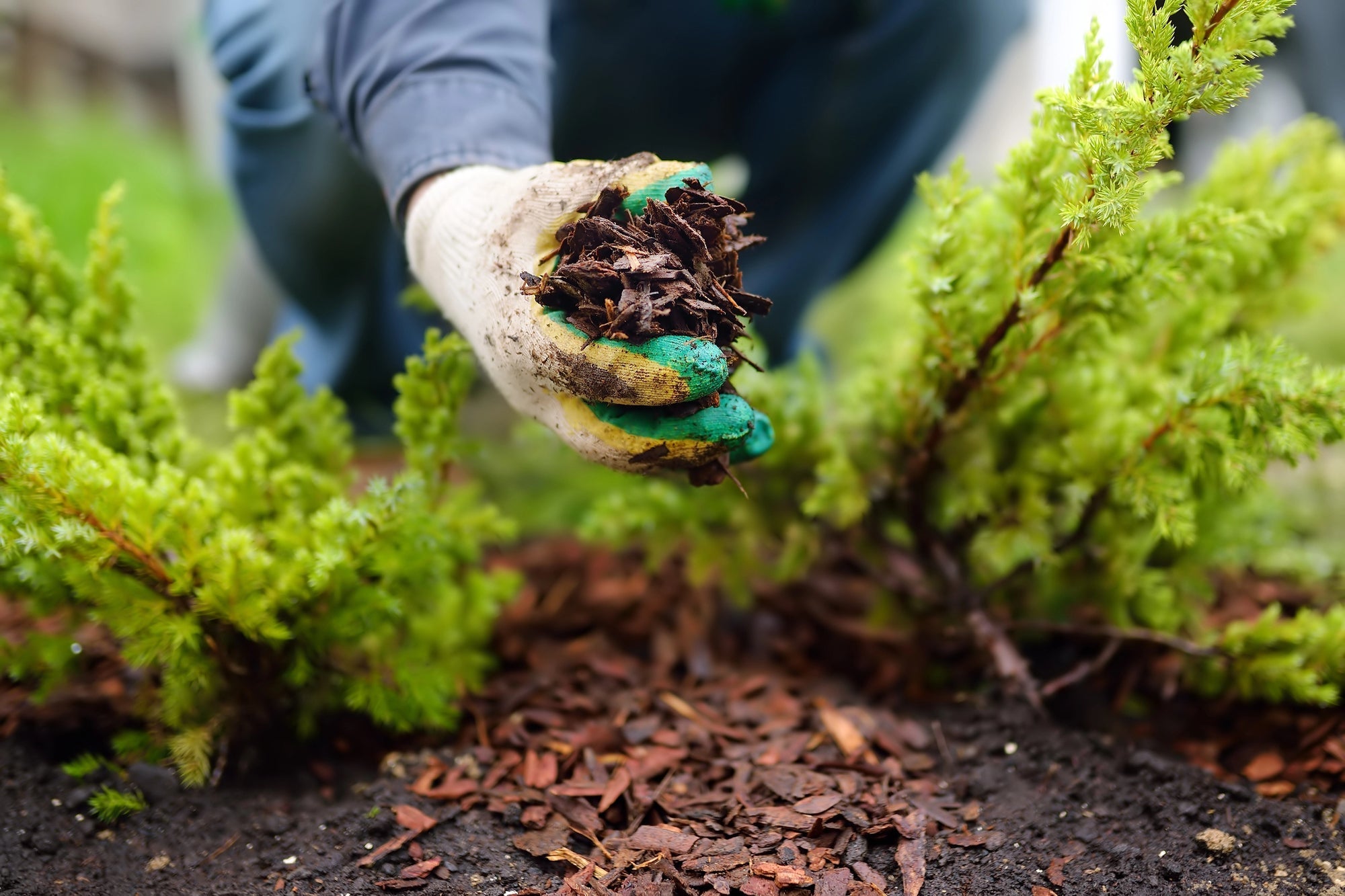
Mulchen mit Pinienrinde: So nutzt du organischen Mulch, um Unkraut zu verhindern
Das Mulchen mit Pinienrinde gehört zu den effektivsten Methoden im modernen Gartenbau und in der nachhaltigen Landwirtschaft. Dabei wird eine Schicht Mulchmaterial auf die Bodenoberfläche aufgebrac...
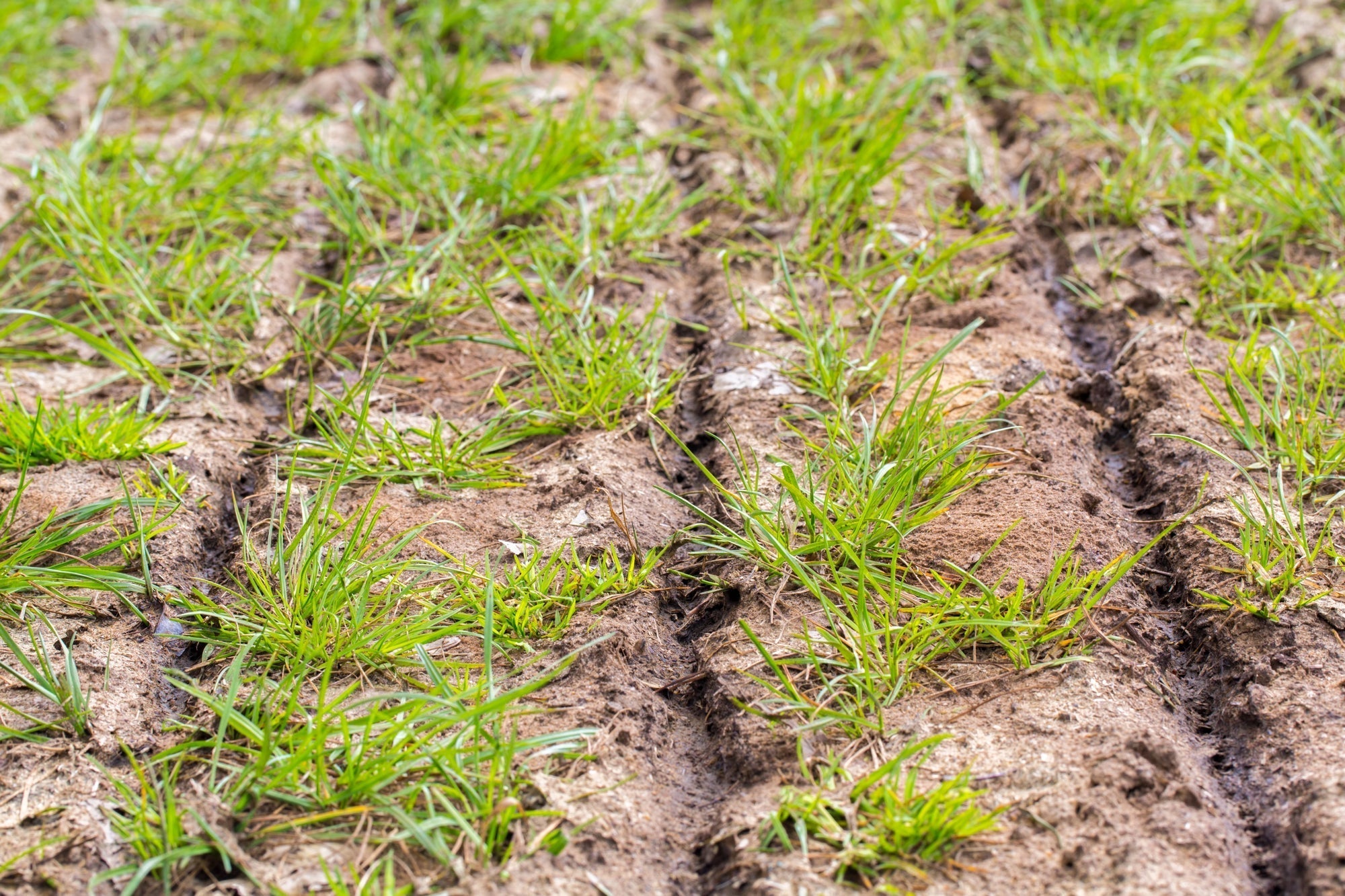
Bodenverbesserung im Garten: So verbesserst du deinen Gartenboden im Frühjahr für gesunde Pflanzen
Inhaltsverzeichnis Warum Bodenverbesserung im Garten im Frühjahr so wichtig für einen gesunden Gartenboden ist Gartenboden nach dem Winter prüfen: Bodenstruktur, Verdichtung und Bodenart erke...
Richtig Düngen im Garten: Schritt für Schritt erklärt
Inhaltsverzeichnis Warum Düngen im Garten so wichtig ist Bodenanalyse: Grundlage für die richtige Düngung Organische vs. mineralische Dünger: Was ist besser? Kompost, Hornspäne & Co.: Organi...


