




Holzterrasse reinigen
How to Clean Wooden Decking – Complete Guide
- Warum die regelmäßige Reinigung Deiner Holzterrasse so wichtig ist
- Holzterrasse reinigen: Mit diesen Methoden bekommst Du alles wieder sauber
- Terrassenholz reinigen mit dem Hochdruckreiniger – aber richtig!
- Mit Hausmitteln und einfachen Tricks Deine Holzterrasse reinigen
- Nach der Reinigung: Pflegen, ölen und schützen
- Fehler vermeiden: So bleibt Deine Terrasse lange schön
- So reinigst Du spezielle Holzarten richtig: Lärche, Douglasie und Bangkirai im Fokus
- Fazit: Mit dem richtigen Werkzeug und Know-how zur gepflegten Holzterrasse
- FAQ
Summer is here, the evenings are getting longer, and there's nothing better than walking barefoot across a freshly cleaned wooden deck. But before you set out the garden furniture and fire up the barbecue, it's time to get cleaning.
Let's be honest: with dirt, green algae, and greyed-out boards, that summer feeling quickly disappears.
In this guide, you'll find out how to clean and maintain your wooden decking – gently, effectively, and with as little effort as possible.
Why regularly cleaning your wooden decking matters so much

Regularly cleaning your wooden decking not only keeps it looking great, but also extends the life of the deck boards. Over time, dirt, dust, and moisture settle into the grooves – creating the perfect conditions for algae and green moss growth.
This not only looks unsightly but also makes the surface dangerously slippery. Particularly with softwoods such as larch or Douglas fir, moisture can penetrate deep into the wood, causing long-term damage.
Compared to stone or concrete, wood is more sensitive to the elements. Without regular maintenance, it can develop surface cracks, discolouration, and even mould.
The rule of thumb: You should thoroughly clean your wooden decking at least twice a year – in spring before the season begins and in autumn after its last use. This protects the material from frost, rain, and intense sun exposure.
Cleaning wooden decking: the methods that get it spotless again
There are several ways to clean your wooden decking – and each has its pros and cons. The classic approach uses a brush and broom, while a pressure washer delivers more powerful results.
Here at FUXTEC, we offer a range of models such as the FX-HDR1800 and the FX-HDRP2500 professional pressure washer, both suitable for use on delicate decking wood.
A word of caution: High water pressure can damage the wood surface, especially on softwoods.
Alternatively, you can opt for eco-friendly household remedies – for example, washing soda, washing-up liquid, soft soap, or a mixture of hot water and white vinegar.
These solutions are particularly gentle and won't harm your deck boards or the environment. Ideal if children or pets use the decking area.
- The FX-HDR1400 pressure washer lets you reach even hard-to-access corners.
- The rotary brush FX-HDR-RB provides a thorough clean without the elbow grease.
- Household remedies such as washing soda are well suited for light soiling and green algae.
| Cleaning Method | Advantages | Disadvantages |
|---|---|---|
| Pressure washer | Fast, thorough, effortless | Risk of damage if pressure is too high |
| Brush & household remedies | Eco-friendly, cost-effective | Time-consuming, less thorough |
| Specialist wood cleaners | Particularly effective against stubborn dirt | Chemical-based, potentially harmful to the environment |
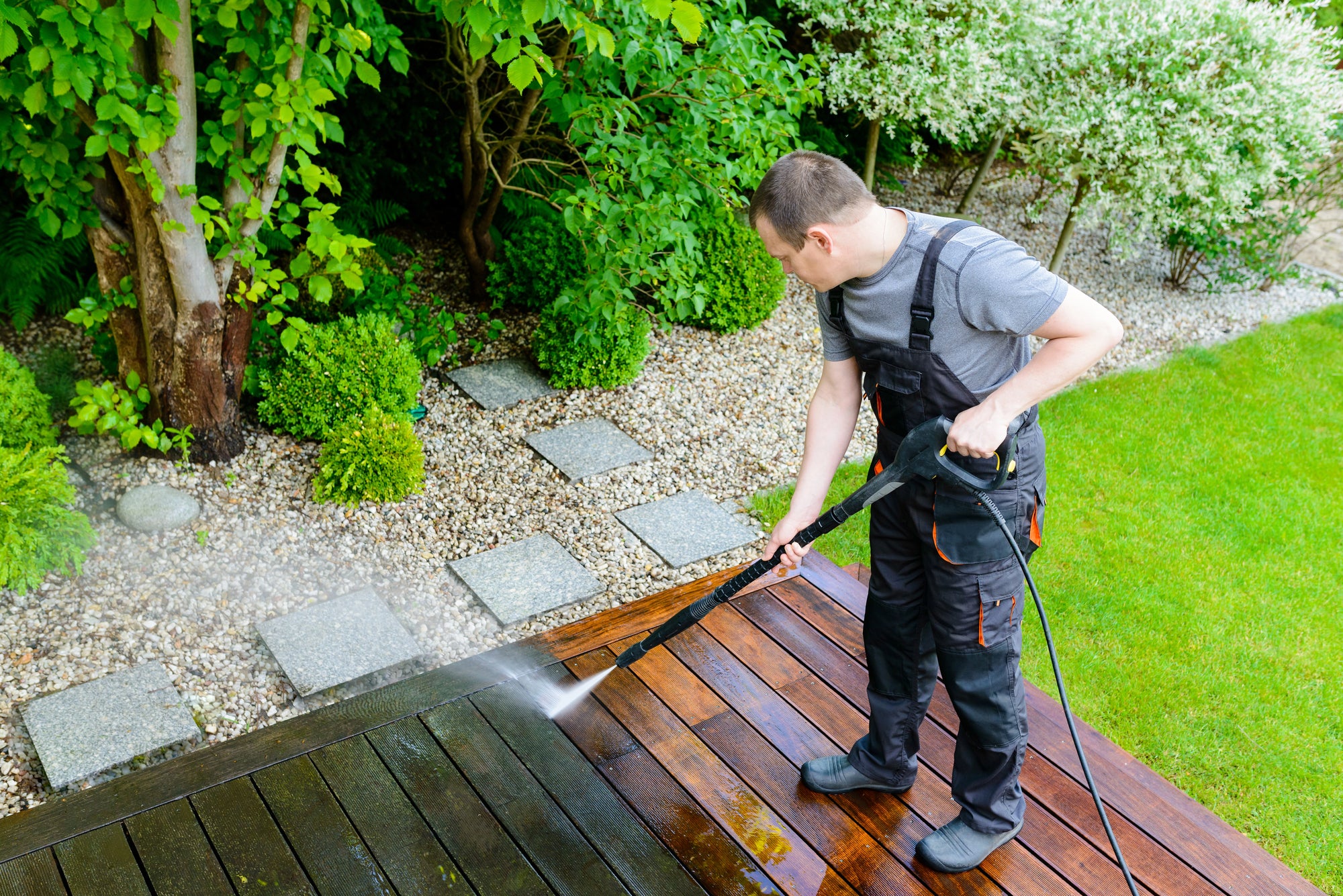
Cleaning decking with a pressure washer – done properly!

Using a pressure washer can work wonders – as long as you do it correctly.
It's essential to use the right water pressure: too high a water pressure can damage the wood, leaving the surface rough and splintered.
Start on a low pressure setting and gradually work your way up. Hold the nozzle at a distance of at least 20 cm from the wood and move it in the direction of the grain. This avoids damage and ensures an even result.
Particularly handy: Our rotary brush FX-HDR-RB attaches directly to the pressure washer and is ideal for applying and scrubbing cleaning products.
If your decking is already heavily soiled or has a build-up of deep-set green algae, you can apply a cleaning solution beforehand and leave it to soak for a few hours. Then clean with the pressure washer – and your boards will look as good as new.
Cleaning your wooden decking with household remedies and simple tricks
If you'd rather avoid chemical cleaners, household remedies offer an eco-friendly yet effective alternative.
Washing soda, soft soap, or washing-up liquid combined with warm water have all proven very effective. These are easy to find in any home and simple to use – perfect if you want a gentle approach.
Here's how it works:
- Mix warm water with one to two tablespoons of washing soda per litre of water.
- Apply the solution using a watering can over the entire surface and leave it to work for at least 30 minutes.
- Then scrub with a deck brush or firm bristle brush along the grain and rinse off thoroughly with clean water.
- Make sure no residue is left on the boards, as this can cause long-term surface damage.
Alternatively, you can use soft soap. It's particularly gentle on the wood and works brilliantly at removing green algae or greasy dirt.
Apply it undiluted to the deck boards, leave it to soak briefly, then scrub vigorously. This method is especially ideal for more sensitive wood types such as larch or Douglas fir.
After cleaning: condition, oil, and protect

Once the cleaning is done, the job isn't quite finished. To ensure long-lasting results and prevent the decking from becoming heavily soiled or weathered again, applying the right oil is crucial.
Wood oil protects the surface from moisture, UV rays, and general wear and tear.
Important: The decking must be completely dry before oiling – allow the wood to dry for at least 24 hours.
When applying, use a brush or a suitable cloth and spread the oil evenly along the grain. Take care not to use too much oil, as this can leave unsightly shiny patches.
Allow the oil to soak in fully and keep off the surface for at least another 24 hours. This not only keeps your decking looking great, but also extends the life of your boards.
A quick tip: Wood types such as Bangkirai require specialist oils formulated for tropical hardwoods.
Avoid these mistakes: keep your decking looking great for longer
Although cleaning and maintaining wooden decking is generally straightforward, there are a few classic mistakes you should avoid.
The most common one: too much water pressure. As mentioned above, this can damage the surface and, over time, even cause the wood to splinter. Always make sure you set your pressure washer correctly and use a suitable nozzle.
Another common mistake: not cleaning the decking often enough, or cleaning it at the wrong time of year. Ideally, you should clean your wooden decking twice a year – in spring and in autumn. This not only prevents the build-up of dirt, but also protects against damage from moisture, UV exposure, and frost.
- Avoid harsh chemicals.
- Don't use wire brushes – they can scratch the wood.
- Don't leave damp furniture or plant pots sitting for too long – this encourages mould growth.
- Always allow the decking to dry thoroughly after cleaning.
With these maintenance tips, your wooden decking will stay in excellent condition for years to come – and you'll save yourself the hassle and cost of repairs or replacement boards.
Cleaning specific wood types correctly: larch, Douglas fir, and Bangkirai
Not all decking wood is the same. Depending on the wood type, you'll need a tailored approach to care.
Softwoods such as larch or Douglas fir are particularly popular because they're affordable and attractive. At the same time, they're more sensitive to moisture and require a gentler touch.
Never use high water pressure on these woods – it can damage the surface. Instead, use a FUXTEC pressure washer with adjustable pressure and work with the rotary brush to protect the wood structure.
With hardwoods such as Bangkirai, the situation is somewhat different. The material is more robust and less prone to cracking or greying. That said, correct cleaning and maintenance still matter.
Specialist oils for tropical timber not only protect the boards from the elements but also restore their natural colour.
Clean Bangkirai with a mild cleaner and a brush, then oil it carefully afterwards – ideally with a brush applied along the direction of the grain.
A brief overview:
| Wood Type | Recommended Cleaning | Key Notes |
|---|---|---|
| Larch | Gently with a brush and household remedies | Very sensitive – avoid high water pressure |
| Douglas Fir | Lukewarm water and mild soap | Prone to cracking – thorough drying essential |
| Bangkirai | Pressure washer with rotary brush | Hardwood, low-maintenance, requires specialist oil |
Keep these differences in mind if you want your wooden decking to stay beautiful and functional for the long term.
Summary: the right tools and know-how for well-maintained wooden decking

A regularly cleaned wooden deck is not only a visual highlight in your garden, but also contributes to your quality of life outdoors.
Whether larch, Douglas fir, or Bangkirai – each wood type has its quirks, but with the right knowledge and the right products, upkeep is no great challenge.
FUXTEC supports you with pressure washers, brushes, and accessories tailored to your needs.
What matters is not just the immediate result, but making maintenance part of your annual routine. Twice a year – in spring and in autumn – the decking should be cleaned and oiled where necessary. This protects your wood from long-term damage and preserves its natural beauty.
If you'd like to learn more about cleaning exterior walls, paving, or creating the perfect outdoor space, take a look at these articles from our advice centre:
- Cleaning exterior walls with a pressure washer
- Cleaning paving slabs: here's how
- Decking design – tips & inspiration
- Mediterranean garden design made easy
Now you're fully prepared – for a deck that not only looks the part, but stands the test of time!
Discover our range of garden tools
How often should I clean my wooden decking?
You should thoroughly clean your wooden decking at least twice a year – in spring before the season begins and in autumn after its last use. This protects the material from frost, rain, and intense sun exposure.
Can I use a pressure washer on wooden decking?
Yes, a pressure washer works well on wooden decking, but you must use the correct water pressure to avoid damage. Start on a low setting, hold the nozzle at least 20 cm from the wood, and move in the direction of the grain.
What household remedies can I use to clean my decking?
Washing soda, soft soap, and washing-up liquid mixed with warm water are all effective eco-friendly options. Mix one to two tablespoons of washing soda per litre of water, apply it, leave for 30 minutes, then scrub along the grain and rinse thoroughly.
How do I protect my wooden decking after cleaning?
Apply a suitable wood oil once the decking is completely dry – allow at least 24 hours after cleaning. Use a brush or cloth to spread the oil evenly along the grain, allow it to soak in fully, and keep off the surface for another 24 hours.
What's the best way to clean larch and Douglas fir decking?
Softwoods like larch and Douglas fir are sensitive to moisture and require a gentler approach. Use a brush with household remedies like mild soap and lukewarm water rather than high-pressure washing, and always allow the wood to dry thoroughly.
Can I leave damp furniture on my wooden decking?
No, you should avoid leaving damp furniture or plant pots sitting for too long on your decking, as this encourages mould growth and can cause long-term damage to the wood.
More articles about garden care
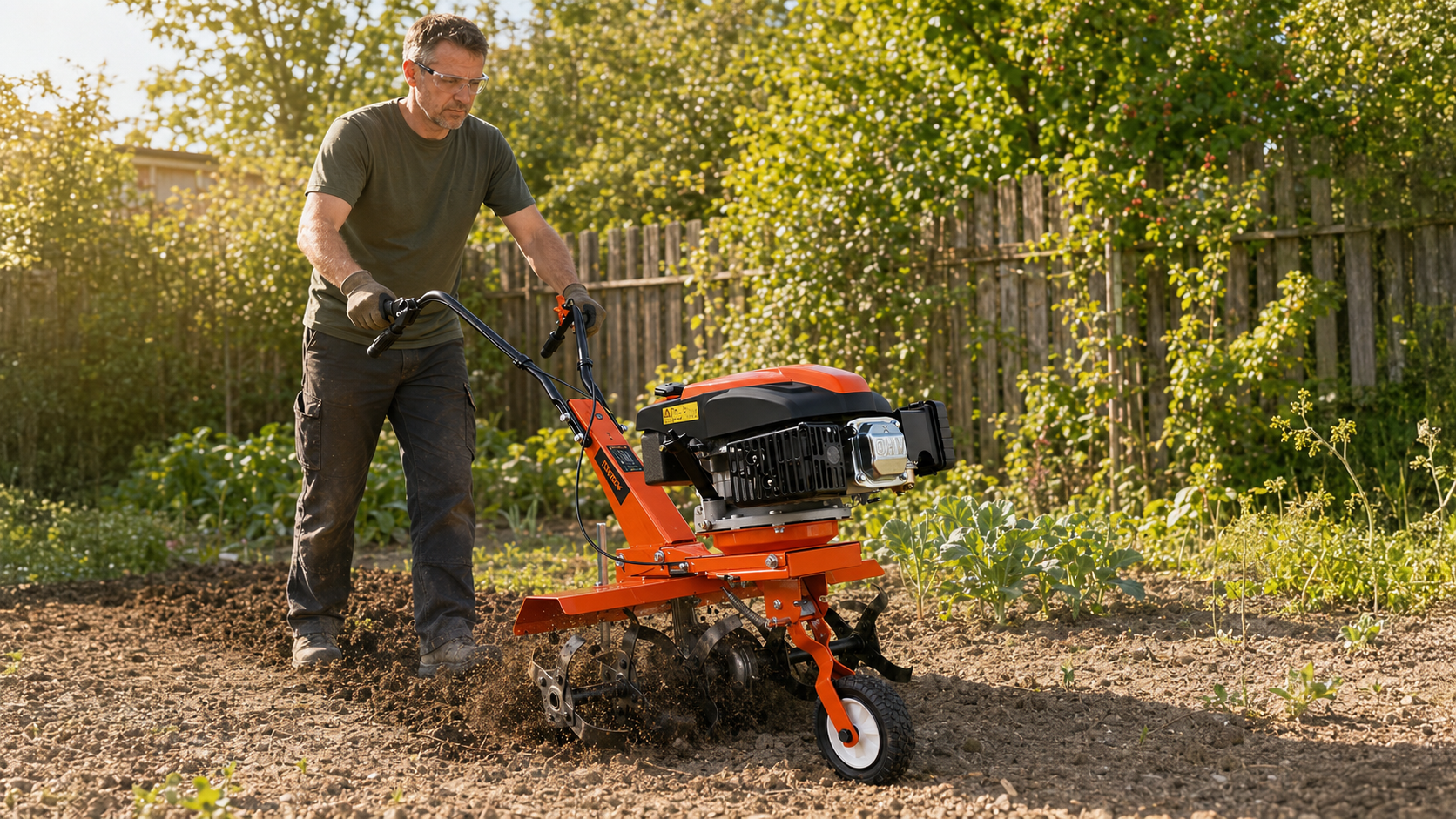
Trockenheit im Garten: Boden lockern, richtig gießen und mit Mulch Wasser sparen
Du gießt das Beet, doch das Wasser bleibt auf der harten Erdoberfläche stehen oder läuft zur Seite ab. Schon nach kurzer Zeit wirkt der Boden wieder trocken, obwohl Du gerade erst zur Gießkanne g...
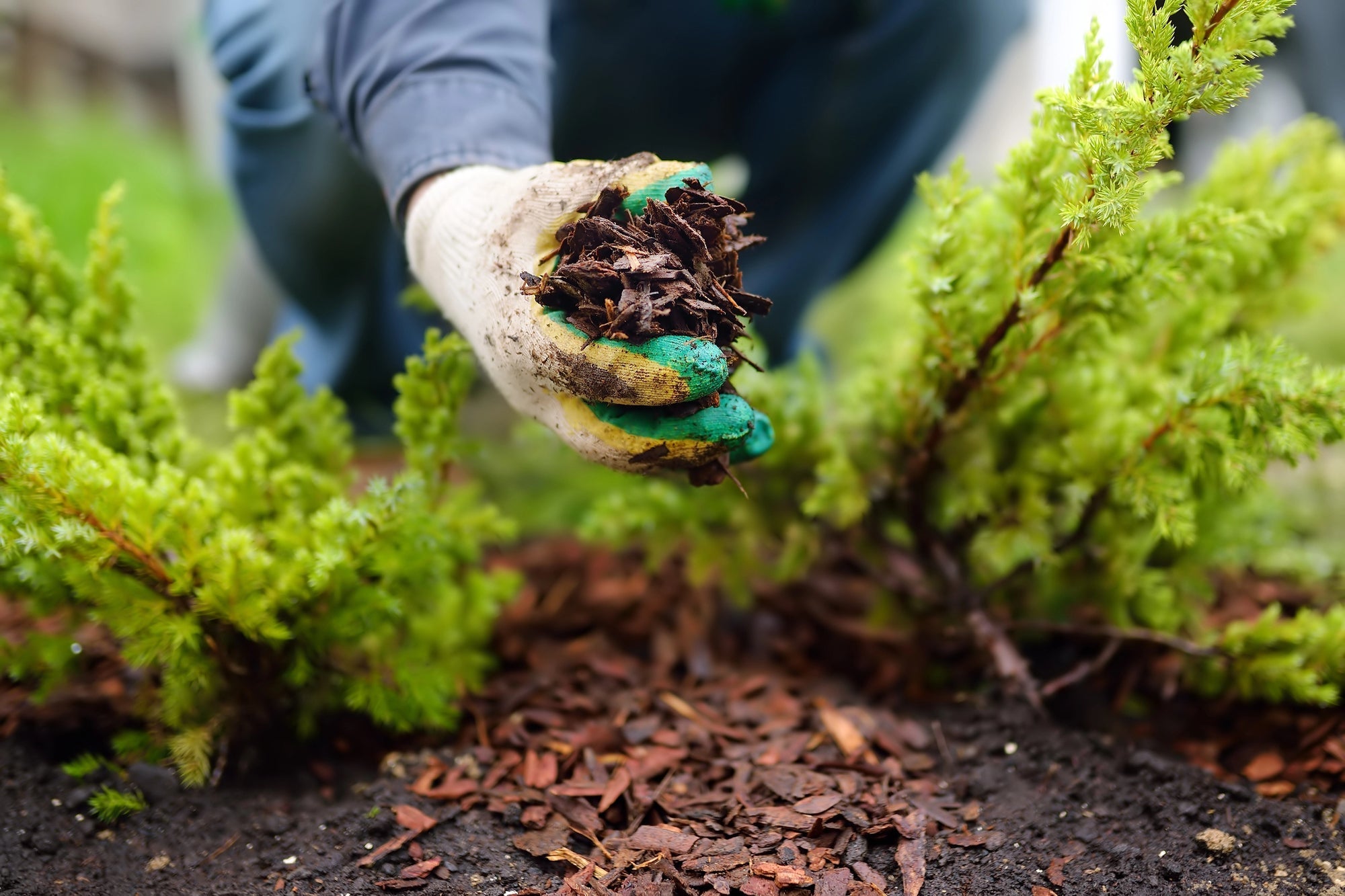
Pine Bark Mulch: The Complete Gardening Guide
Mulching with pine bark is one of the most effective methods in modern gardening and sustainable horticulture. A layer of mulch material is applied to the soil surface to protect and improve the so...
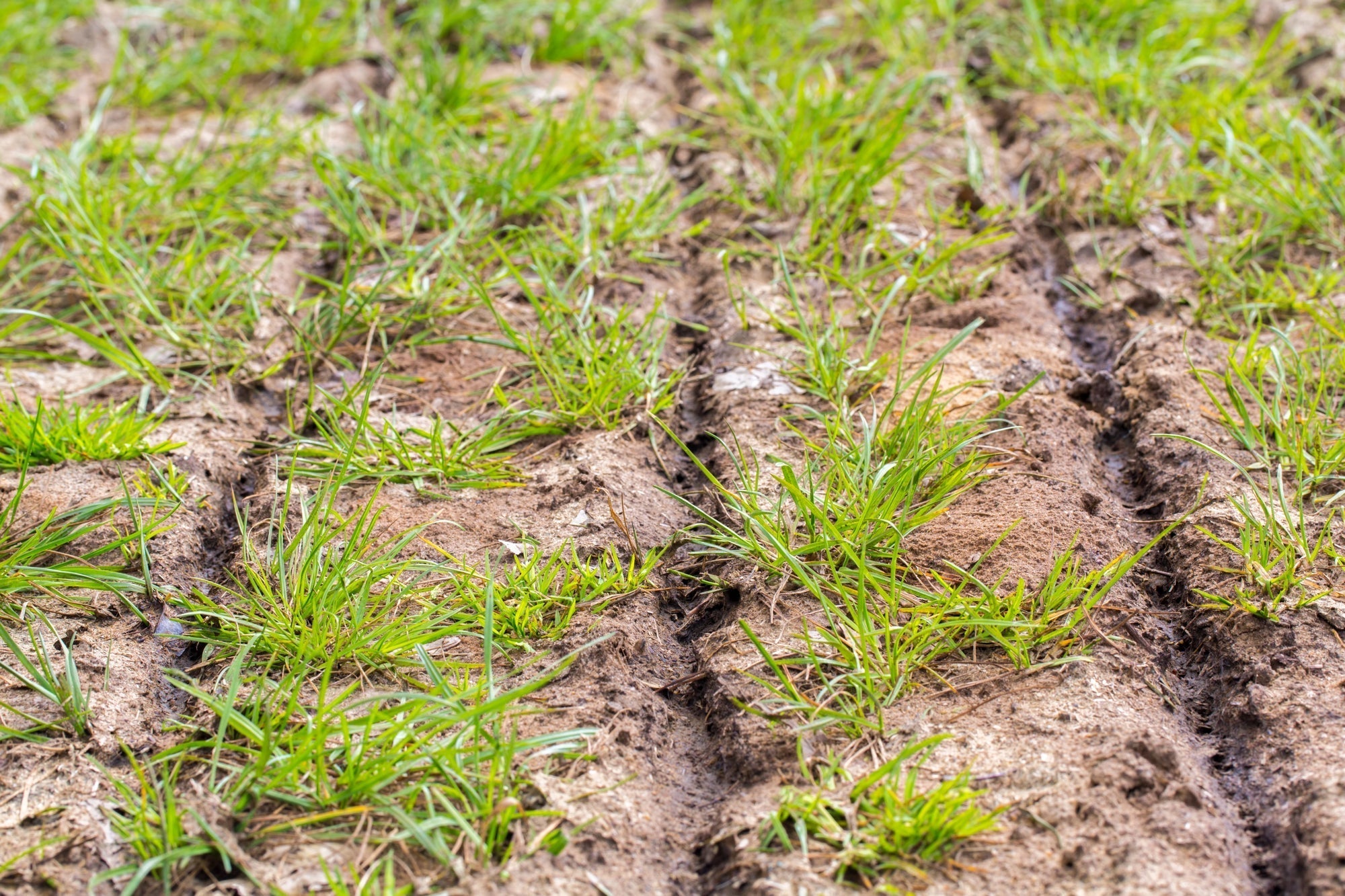
Spring Soil Improvement: Prepare Your Garden Soil
Inhaltsverzeichnis Warum Bodenverbesserung im Garten im Frühjahr so wichtig für einen gesunden Gartenboden ist Gartenboden nach dem Winter prüfen: Bodenstruktur, Verdichtung und Bodenart erke...


