


Rasenpflege im Sommer Titelbild
Summer Lawn Care Tips for a Lush Green Lawn
A well-kept, lush green lawn in summer isn't just a real showstopper – it's also a place to relax, play, or enjoy a barbecue with friends.
But high temperatures, drought, and intense sunshine put your lawn under serious pressure during the warmer months.
So that you don't have to go without your green lawn during the hottest time of year, we've put together the best tips for lawn care in summer – complete with handy FUXTEC product recommendations and genuine pro hacks!
1. Watering Your Lawn Correctly – Here's How

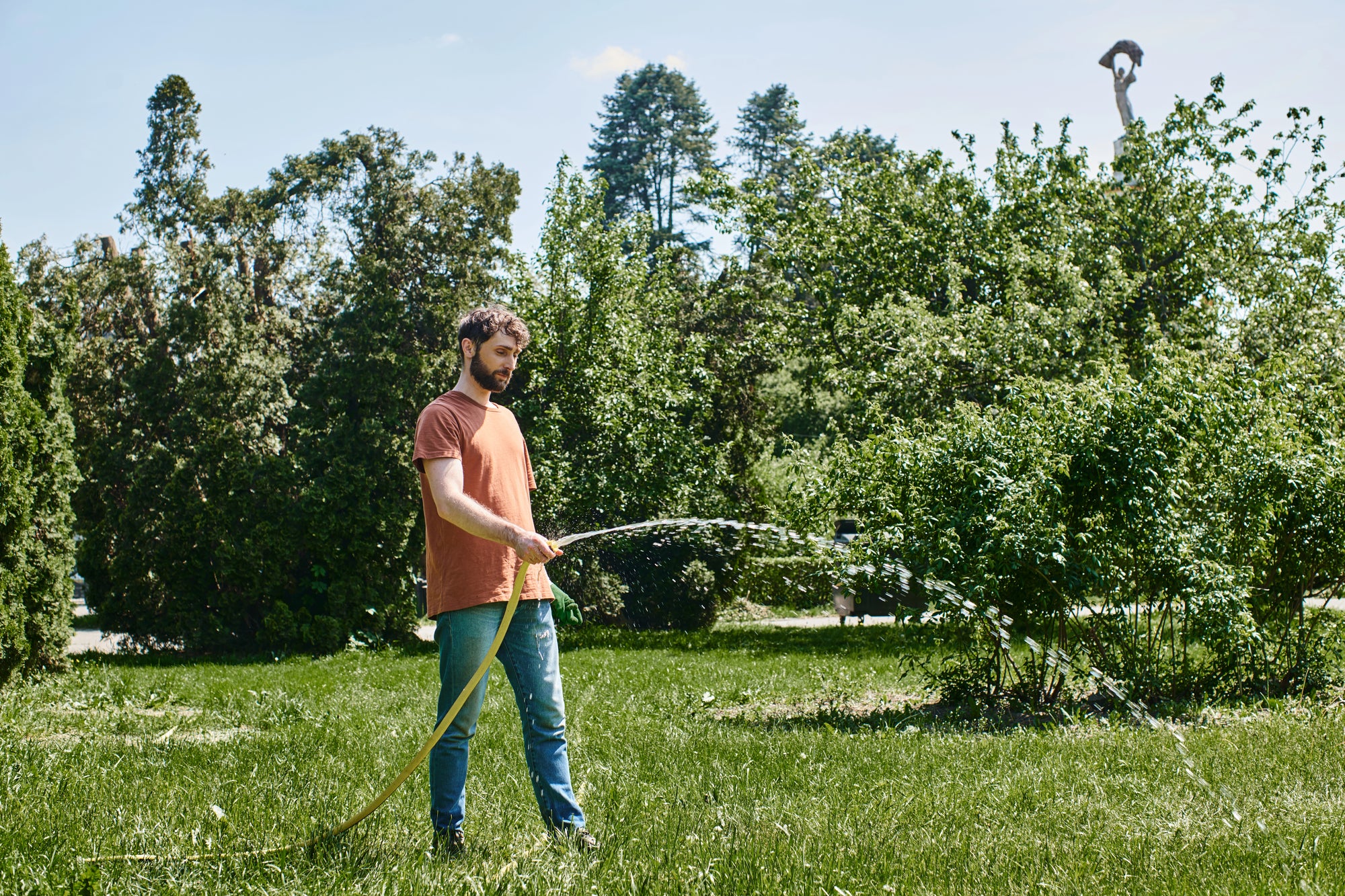
Watering is absolutely essential during the summer months. Especially during prolonged dry spells, your lawn needs plenty of water to stay green and dense.
The best time to water your lawn is early in the morning – the soil is still cool and the water won't evaporate straight away.
Avoid watering during the midday heat, as water droplets on grass blades can act like a magnifying glass and scorch the lawn.
The ideal amount: 10 to 20 litres per square metre, roughly every four to seven days – depending on weather conditions and soil type. Sandy soils may need watering more frequently; clay soils usually only need it once a week.
- Use our garden watering products for even distribution.
- An automatic irrigation system saves time and helps prevent watering mistakes.
2. Mowing in Summer – Don't Cut Too Short!
Even though a closely cropped lawn looks smart, you should avoid cutting your lawn too short in summer.
The ideal cutting height is 4 to 5 centimetres, so the blades cast enough shade on the soil to help prevent it from drying out.
On particularly hot days, avoid putting unnecessary stress on your lawn. The rule is: mow early in the morning or in the evening, when the sun is less intense.
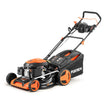
For the best results, we recommend our Cordless Lawn Mower FX-E1RM20 Set – powerful, quiet, and very easy to use.
- Regular mowing encourages healthy growth.
- Mowing frequently, ideally at least once a week, prevents grass blades from getting too long, which can cause them to flop over and create bare patches.
3. Feeding Your Lawn in Summer – Give Your Grass a New Lease of Life

Summer takes a real toll on your lawn. High temperatures, strong sun, and frequent mowing deplete the grass of vital nutrients. That's why targeted feeding is essential during the summer months.
A word of caution: In summer, you should use a fertiliser that is lower in nitrogen but higher in potassium. This strengthens the cellular structure of the grass and makes it more resilient against heat and drought.
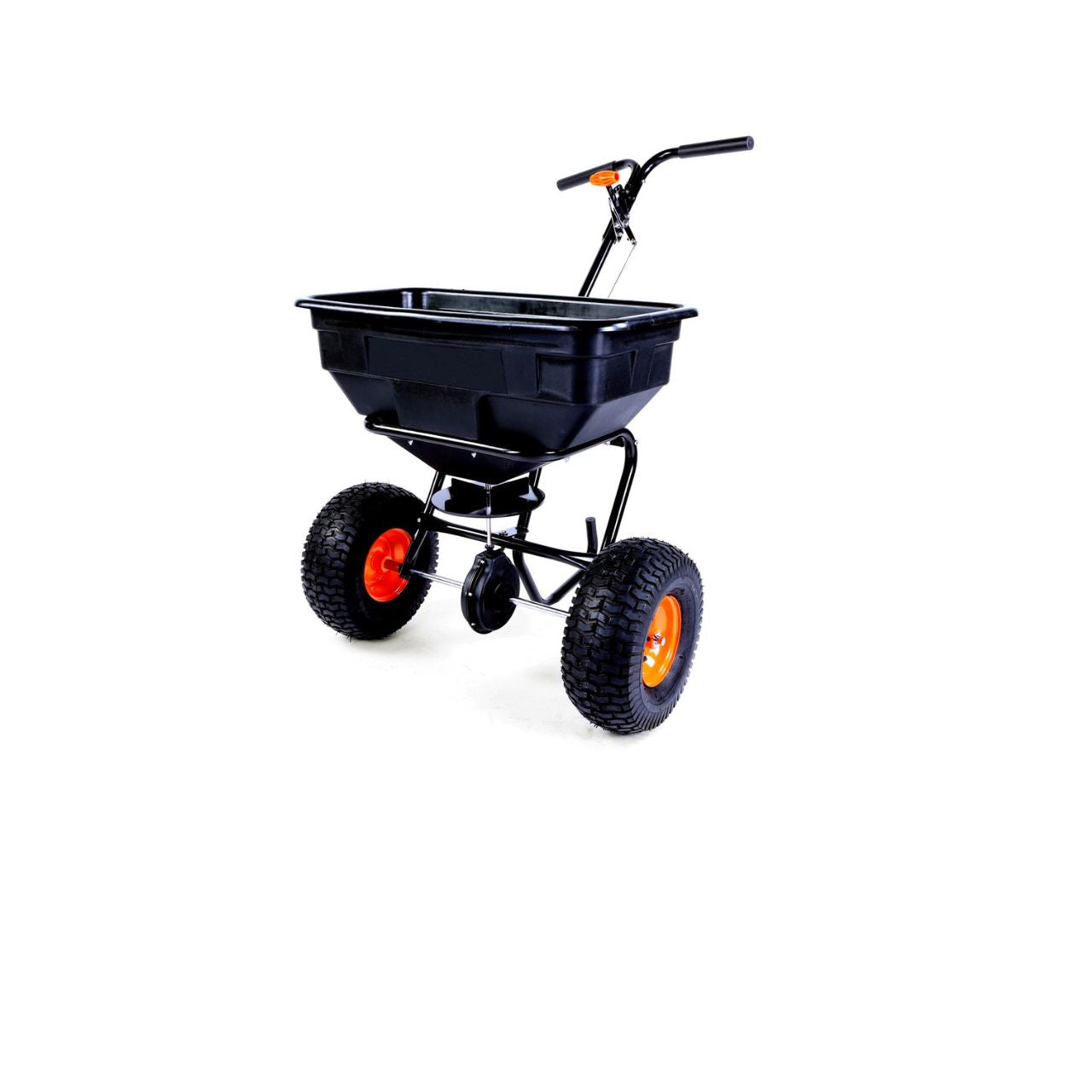
Ideal for summer lawn care: use our Spreader FX-GS36S for even application. And don't forget to water thoroughly after feeding in summer to prevent the grass blades from scorching.
- Feed your lawn one to two times between June and August.
- Use a specialist summer lawn feed, as recommended in our lawn feeding guide.
4. Scarifying – But Not at the Wrong Time!
Scarifying aerates the soil, removes moss, and allows air and nutrients to reach the roots more effectively.
However, be careful: scarifying in the summer heat is often too stressful for your lawn. The ideal time is late spring or early autumn – so not necessarily in July or August.
If you do want to scarify in summer, only do so during mild weather and follow up with thorough watering.
| Month | Scarifying Recommended? | Notes |
|---|---|---|
| Mar–May | ✅ | Spring – best time to scarify |
| June | ⚠️ | Only if necessary and after rainfall |
| July/Aug | ❌ | Too hot, too dry |
| Sept–Oct | ✅ | Second opportunity before winter |
- Hold off on scarifying in extreme heat.
- Support recovery with overseeding using seeds from our grass seed range.
5. Lawn Care in a Heatwave – How to Protect Your Lawn from Stress
When the sun is blazing and temperatures climb above 30°C, your lawn can quickly reach its limits.
Sun and heat don't just dry out the upper grass blades – they also strip the soil of its moisture.
The result: brown patches, bare spots, and an overall limp appearance.
What helps? First and foremost, the right care:
- Don't cut the grass too short – avoid mowing too low!
- Water your lawn generously and regularly.
- Avoid walking on it during extreme heatwaves.
6. Repairing Bare Patches – How to Get Your Lawn Looking Full Again
Despite your best efforts, bare patches in the lawn can still appear – caused by heat, too much shade, or heavy use. Don't simply put up with them; take active steps to fix them.
The best time to do this is in late summer or early autumn, when temperatures become milder. But you can also start overseeding in August, as long as the lawn is watered regularly.
Use high-quality grass seed and choose a variety suited to your location. After sowing, press the seeds in lightly – a spreader is a real help here. Then it's all about: watering daily for at least two weeks.
7. Mowing in the Heat – With Care and the Right Equipment

Mowing in the heat requires a careful touch. Many people make the mistake of mowing as normal – but at temperatures above 28°C, the lawn suffers enormously from the additional stress.
So: Adapt your mowing routine to the weather conditions! Mow less frequently if needed and reduce how often you mow during prolonged dry spells.
The best time to mow is early in the morning or late in the evening, when the lawn handles the stress most easily. And where possible, leave the grass clippings on the lawn – they protect the soil and provide extra nutrients.
- For large lawns, our Robot Mower FX-RB218 is ideal – reliable and time-saving.
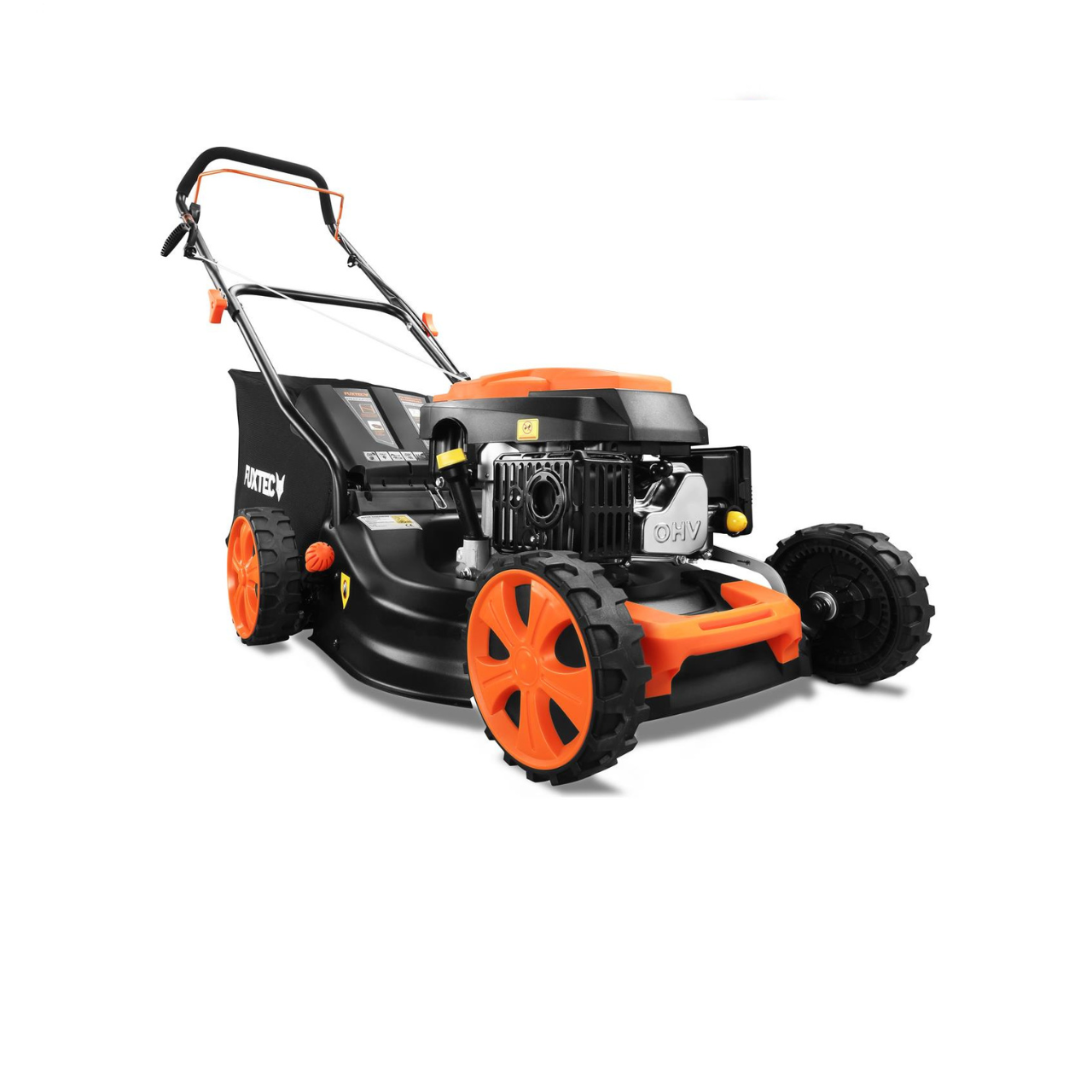
- Smaller lawns? Then we recommend the Petrol Lawn Mower FX-RM5196SL with a handy mulching function.
For more information on the topic, check out our article on Mowing Your Lawn.
8. Regular Maintenance – A Plan to See You Through Summer
Regular care is the key to a healthy lawn. Anyone who thinks one mow and one watering session is enough is very much mistaken. Maintenance should take place throughout the entire season – from June through July and into September. Only then will your lawn stay dense, green, and healthy.
The following tasks should be firmly scheduled in:
- Mow twice a week, depending on growth rate.
- Feed one to two times with a specialist summer lawn feed.
- Water every seven days, more often during heatwaves.
- Don't cut the grass too short – keep an eye on the cutting height!
- If needed: overseed bare patches.
9. Advanced Summer Lawn Care Tips – For the Enthusiast
If you're already a seasoned lawn care enthusiast, a few extra tips can help you get the very best out of your lawn in summer. Especially during extremely hot periods or with heavily used areas of grass, the finer details really matter.
Here are our pro tips:
- Liming your lawn in spring can help improve nutrient uptake. Read our article "Liming Your Lawn – Why and When It Makes Sense".
- Top-dressing with sand loosens the soil and improves drainage – perfect for waterlogged areas. Find out more: "Top-Dressing with Sand – Guide & Benefits".
- For heavily used areas, opt for a hard-wearing variety such as utility turf. Our guide on the topic: "Utility Turf – Hard-Wearing & Easy to Maintain".
- Want to improve shaded areas? Then our shade lawn guide is just what you need.
To get your lawn back to green quickly, the right combination of feeding, tailored watering, and controlled use is key. Don't forget to check your lawn regularly – early signs of damage are much easier to address.
10. Consistency is King – How to Keep Your Lawn Lush All Summer Long

As you can see, the right summer lawn care can make a real difference.
It's often the small, consistent actions that determine whether you end up with a lush green lawn or a brown, parched patch in front of your home.
Above all, regularity is key – whether it's mowing, watering, or feeding!
Discover our range of garden tools
More articles about garden care
Mulchen mit Pinienrinde: So nutzt du organischen Mulch, um Unkraut zu verhindern
Das Mulchen mit Pinienrinde gehört zu den effektivsten Methoden im modernen Gartenbau und in der nachhaltigen Landwirtschaft. Dabei wird eine Schicht Mulchmaterial auf die Bodenoberfläche aufgebrac...
Bodenverbesserung im Garten: So verbesserst du deinen Gartenboden im Frühjahr für gesunde Pflanzen
Inhaltsverzeichnis Warum Bodenverbesserung im Garten im Frühjahr so wichtig für einen gesunden Gartenboden ist Gartenboden nach dem Winter prüfen: Bodenstruktur, Verdichtung und Bodenart erke...
Richtig Düngen im Garten: Schritt für Schritt erklärt
Inhaltsverzeichnis Warum Düngen im Garten so wichtig ist Bodenanalyse: Grundlage für die richtige Düngung Organische vs. mineralische Dünger: Was ist besser? Kompost, Hornspäne & Co.: Organi...


