
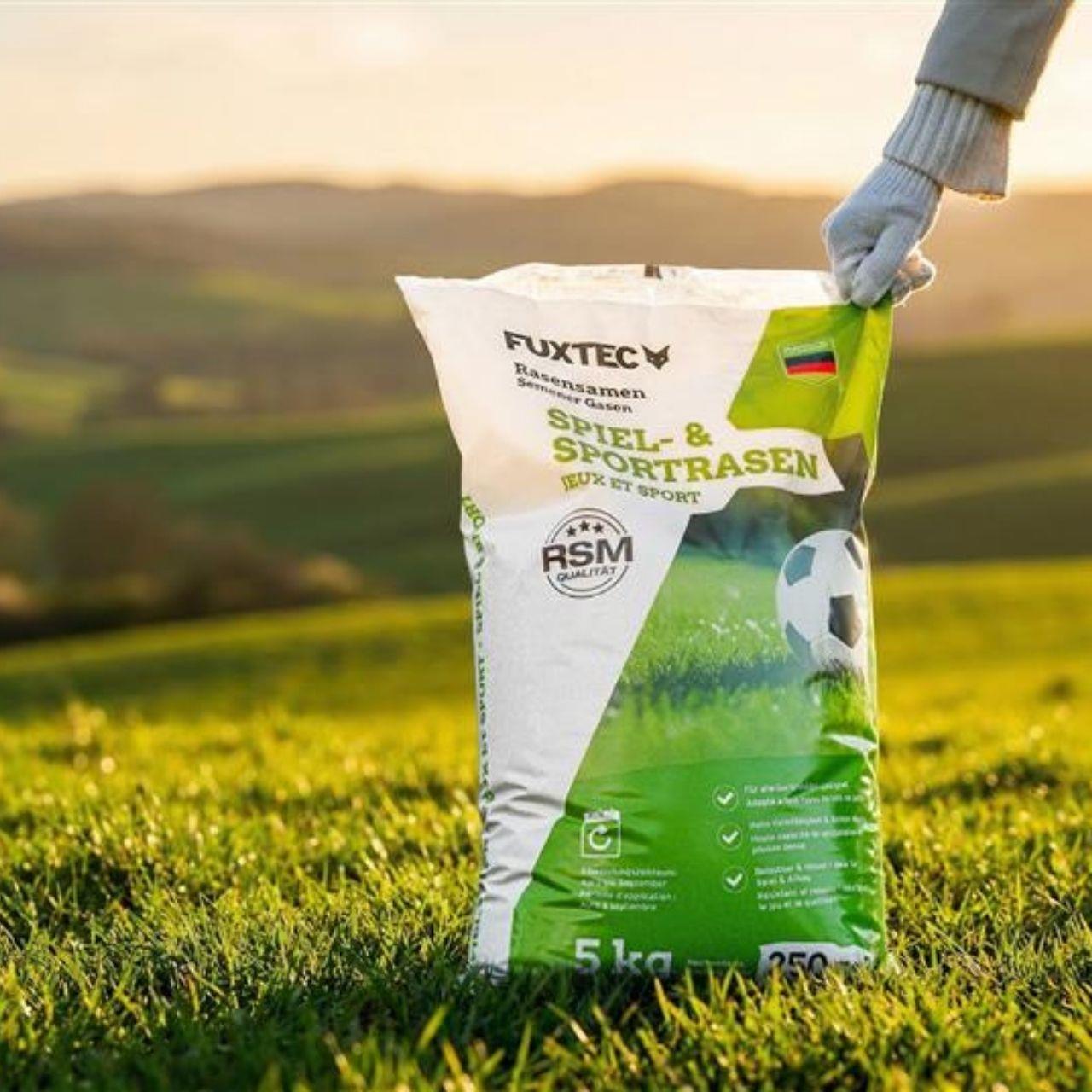
How to Lay a Sports Lawn: 7 Simple Steps
A thick, hardwearing lawn is something many families simply can't do without in their garden. Children play football on it, dogs tear around and in summer the garden quickly becomes the heart of family life. That's exactly what a sports lawn is designed for. This seed mixture withstands far greater wear than a delicate ornamental lawn and recovers more quickly after heavy use.
If you're looking to sow a new lawn from scratch, it's worth choosing robust grass seed varieties right from the start. High-quality sports lawn seed doesn't just give you a beautiful green surface — it stays resilient even with frequent use. In this FUXTEC garden guide, we'll show you the benefits of a sports lawn, how to lay one in just 7 easy steps, and which grass seeds are the best.
When does a sports and play lawn make sense?
A play lawn is ideal whenever your garden lawn is used regularly. Boisterous children, playful dogs, birthday parties or a small football pitch all put far more strain on the surface than a traditional ornamental lawn. That's precisely what sports and play lawn seed was developed for: it stays strong, recovers more quickly and stands up to heavy use far better.

Laying a new lawn works particularly well on a sunny to partially shaded area with average soil. Very sandy or heavy clay soils often need extra preparation so that the grass seed germinates well and establishes a consistently dense sward. High-quality grass seed with a well-matched seed mixture will later produce a resilient, consistently green lawn.
A play lawn is also ideal for families who want a low-maintenance new lawn. Compared with a delicate ornamental lawn, it needs far less intensive care and forgives minor wear and tear much more readily. That said, regular mowing, occasional feeding and good watering remain important to keep the lawn looking great and staying tough in the long run.
Benefits of sports and play lawn
It offers many advantages for families, pet owners and anyone who makes active use of their garden. The special mixture of robust grass varieties creates a hard-wearing, low-maintenance lawn that copes well with heavy use.
- Hard-wearing: Ideal for children playing, dogs and frequent use in general
- Fast germination: High-quality grass seeds often begin to sprout within just a few days
- Tough: The resilient grass sward stands up better to regular use
- Self-repairing: Small patches of damage and bare spots close over more quickly
- Low maintenance: Less sensitive than ornamental lawns and easier to care for
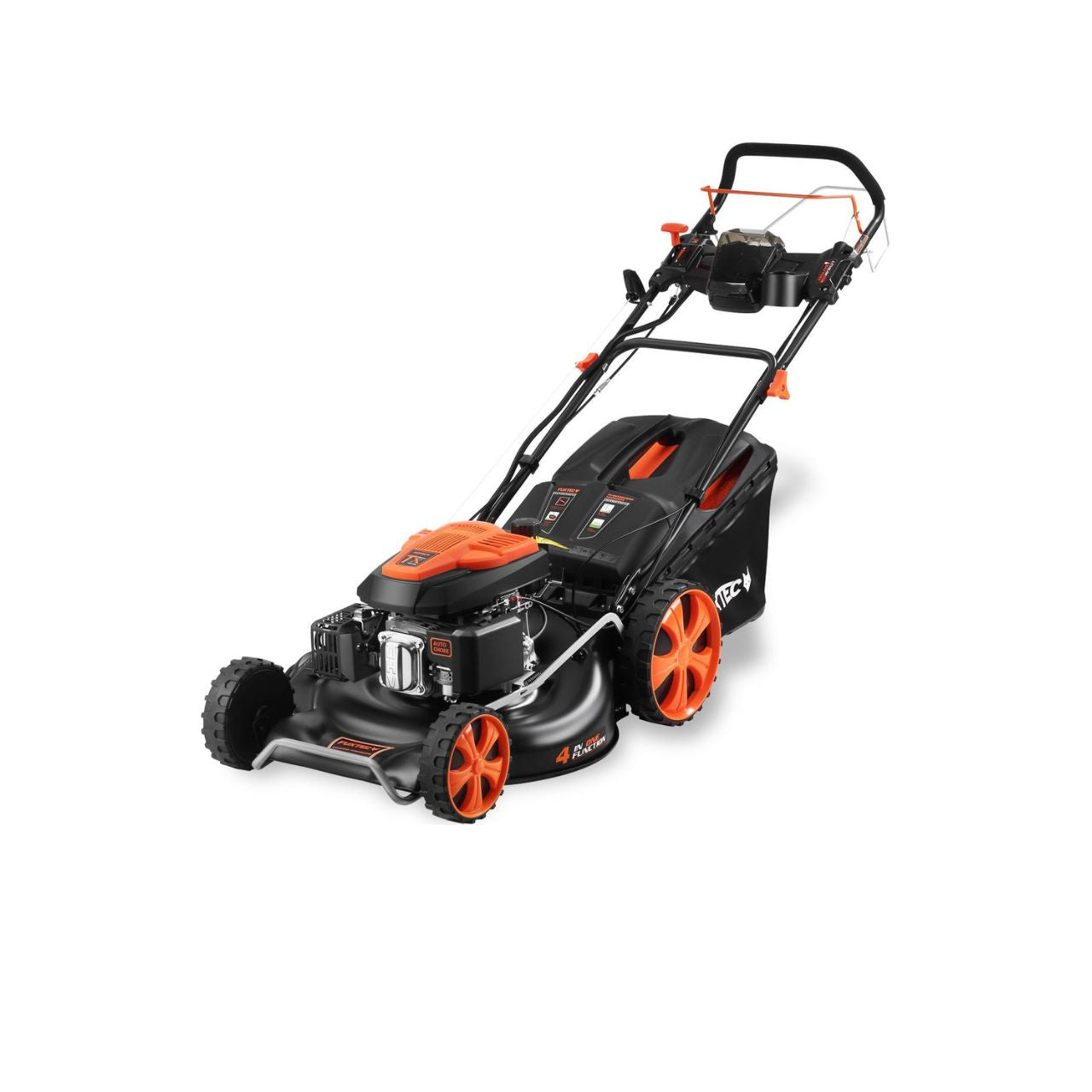
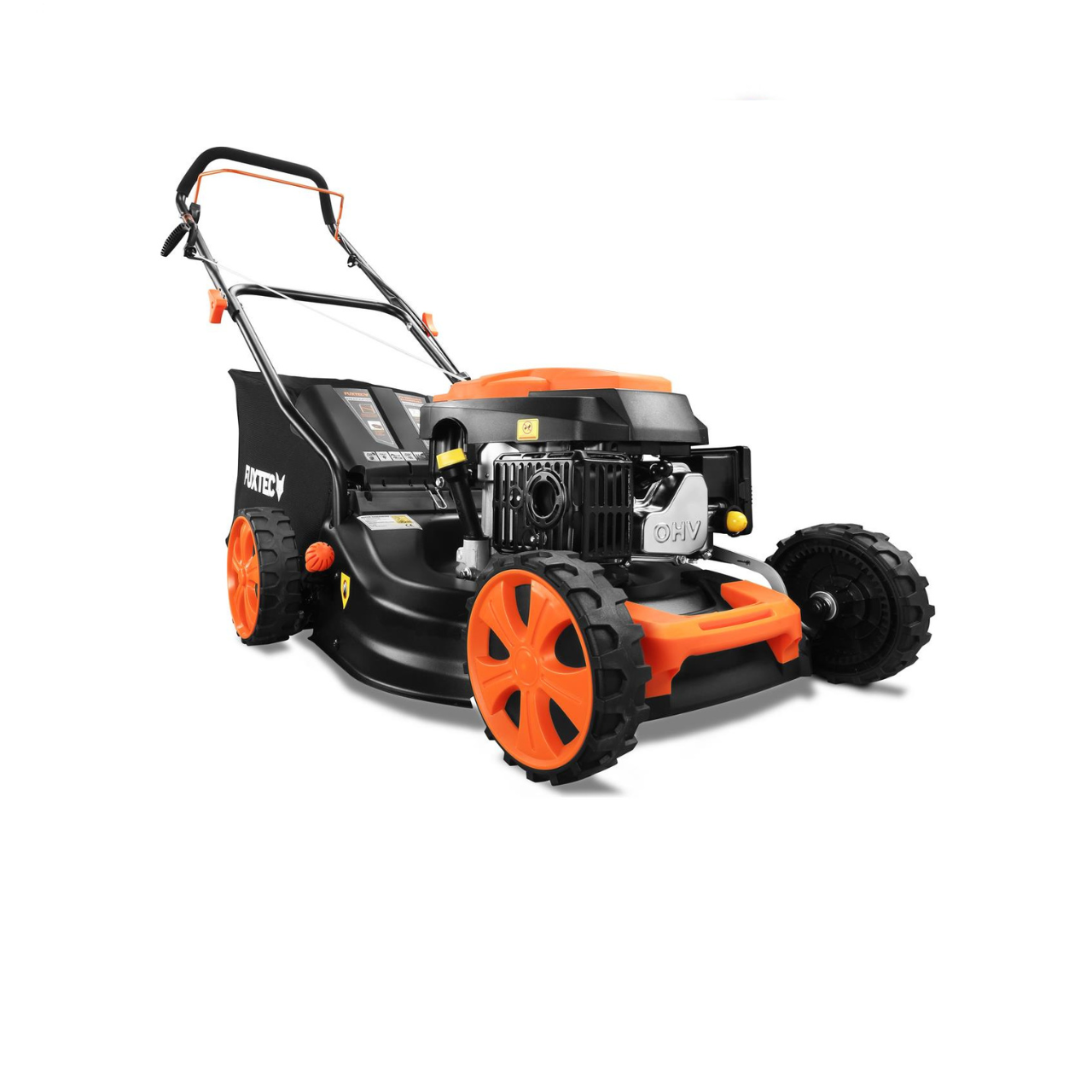
- Mowing tolerant: Regular mowing with your FUXTEC lawn mower encourages a dense, green lawn
- Durable: Even during garden parties or football, the grass stays resilient
- Consistent growth: The grass seed establishes densely and evenly
- Versatile: Suitable for small gardens as well as larger areas
- Long-lasting: With the right lawn care, a sports lawn stays attractive for many years


Entdecke unsere Auswahl an Gartengeräten
What is the best time of year to sow a sports lawn?
The ideal time to sow is in spring between late March and May, or in late summer/early autumn between late August and September. A soil temperature of at least 10°C is essential for reliable germination and establishment.
Do I need to remove old turf before laying a new sports lawn?
Yes, you should thoroughly remove any old turf, roots, stones and weeds before preparation. This is the single most important factor in how well your new lawn will grow and establish properly.
How often should I water a newly sown sports lawn?
Water thoroughly straight after sowing and maintain consistent moisture during the first few weeks, as young grass shoots are fragile and must not be allowed to dry out. Once the grass reaches eight to ten centimetres, it is ready for its first cut.
What is the difference between a sports lawn and an ornamental lawn?
A sports lawn is designed for heavy use and recovers more quickly after wear from children, dogs or parties. It requires less intensive care than an ornamental lawn and forgives minor damage much more readily, whilst still staying resilient and green.
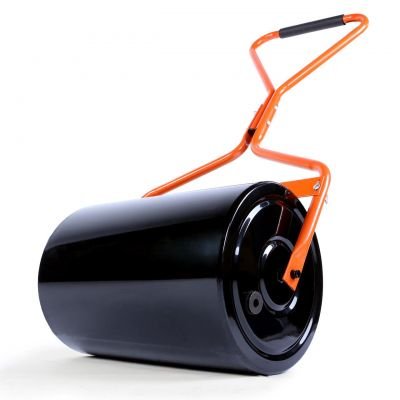
Why should I use a lawn roller after sowing grass seed?
A lawn roller gently presses the seed into the soil, improving contact between seed and soil, which aids germination and helps it establish more evenly. It also lightly firms the ground without compacting it too much.
What cutting height is best for a hard-wearing sports lawn?
A cutting height of around 3 to 4 centimetres is recommended for a hard-wearing lawn. Regular mowing at this height encourages the grass to grow more densely and stay strong and resilient.
Is a sports lawn low-maintenance compared to other lawn types?
Yes, a sports lawn is less sensitive than ornamental lawns and easier to care for overall. However, regular mowing, adequate watering during dry spells and appropriate feeding are still important to keep it healthy and long-lasting.
Alles, was dein Rasen braucht

Weitere Beiträge zum Thema Rasenpflege
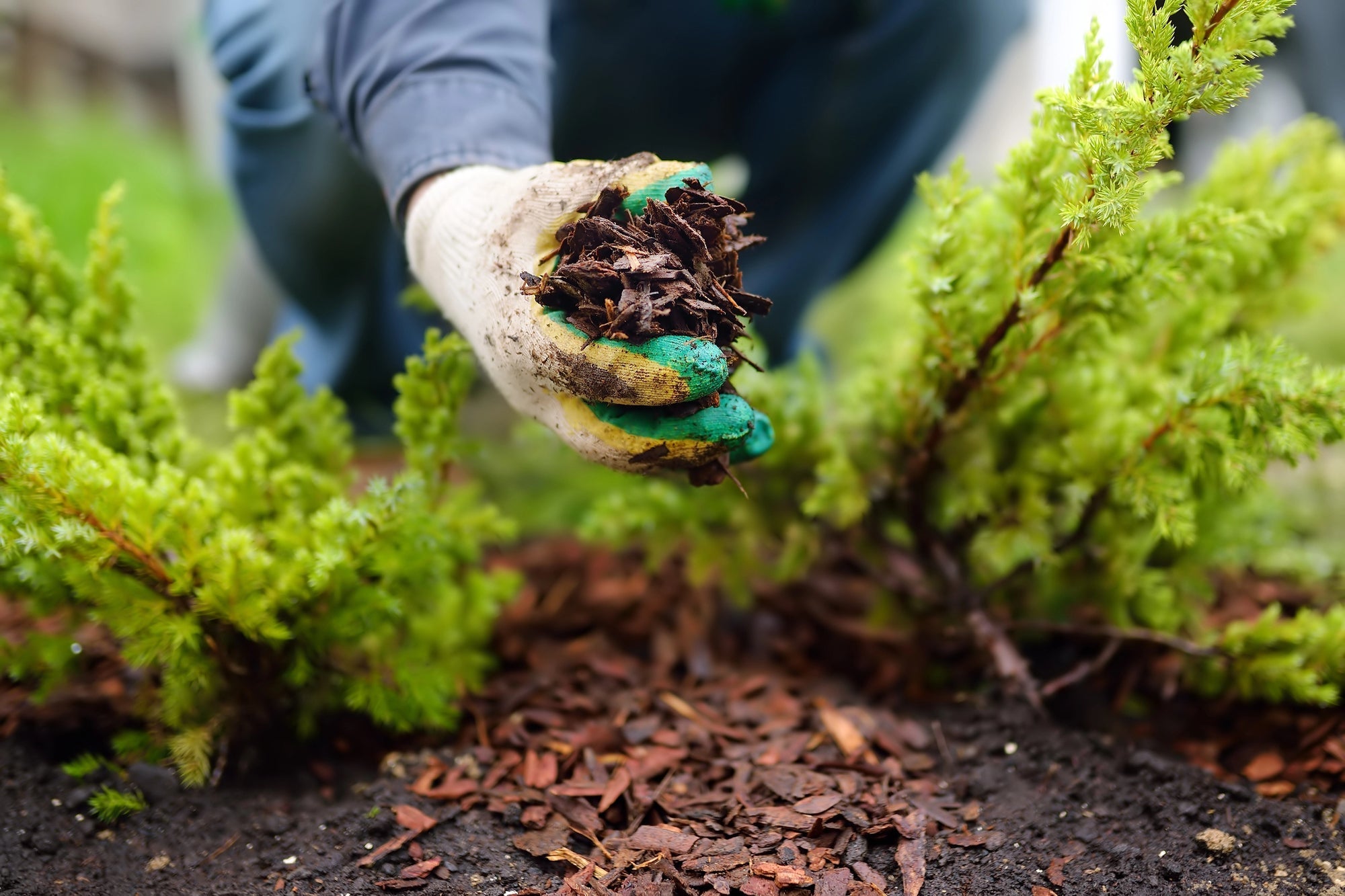
Mulchen mit Pinienrinde: So nutzt du organischen Mulch, um Unkraut zu verhindern
Das Mulchen mit Pinienrinde gehört zu den effektivsten Methoden im modernen Gartenbau und in der nachhaltigen Landwirtschaft. Dabei wird eine Schicht Mulchmaterial auf die Bodenoberfläche aufgebrac...
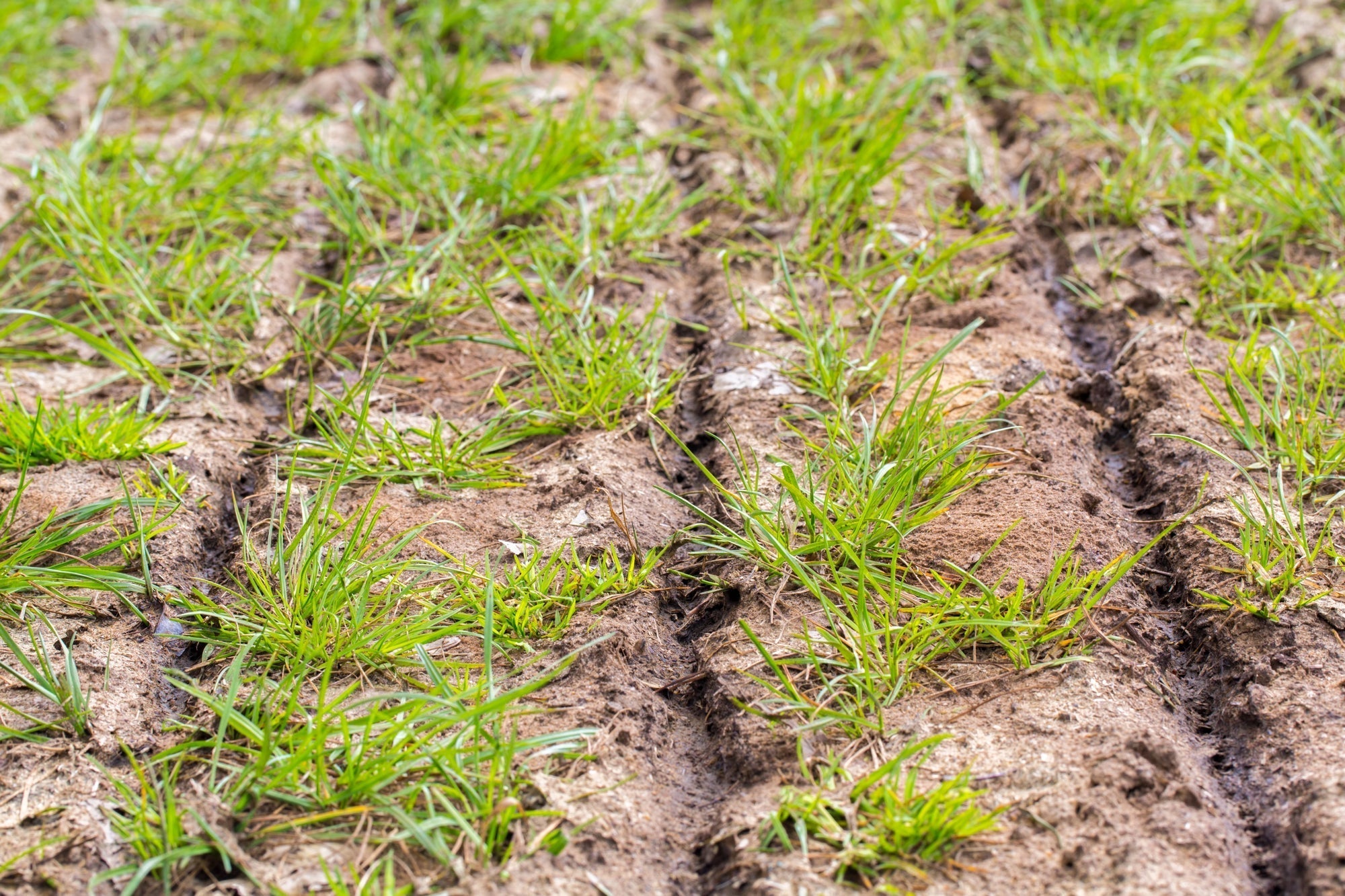
Bodenverbesserung im Garten: So verbesserst du deinen Gartenboden im Frühjahr für gesunde Pflanzen
Inhaltsverzeichnis Warum Bodenverbesserung im Garten im Frühjahr so wichtig für einen gesunden Gartenboden ist Gartenboden nach dem Winter prüfen: Bodenstruktur, Verdichtung und Bodenart erke...
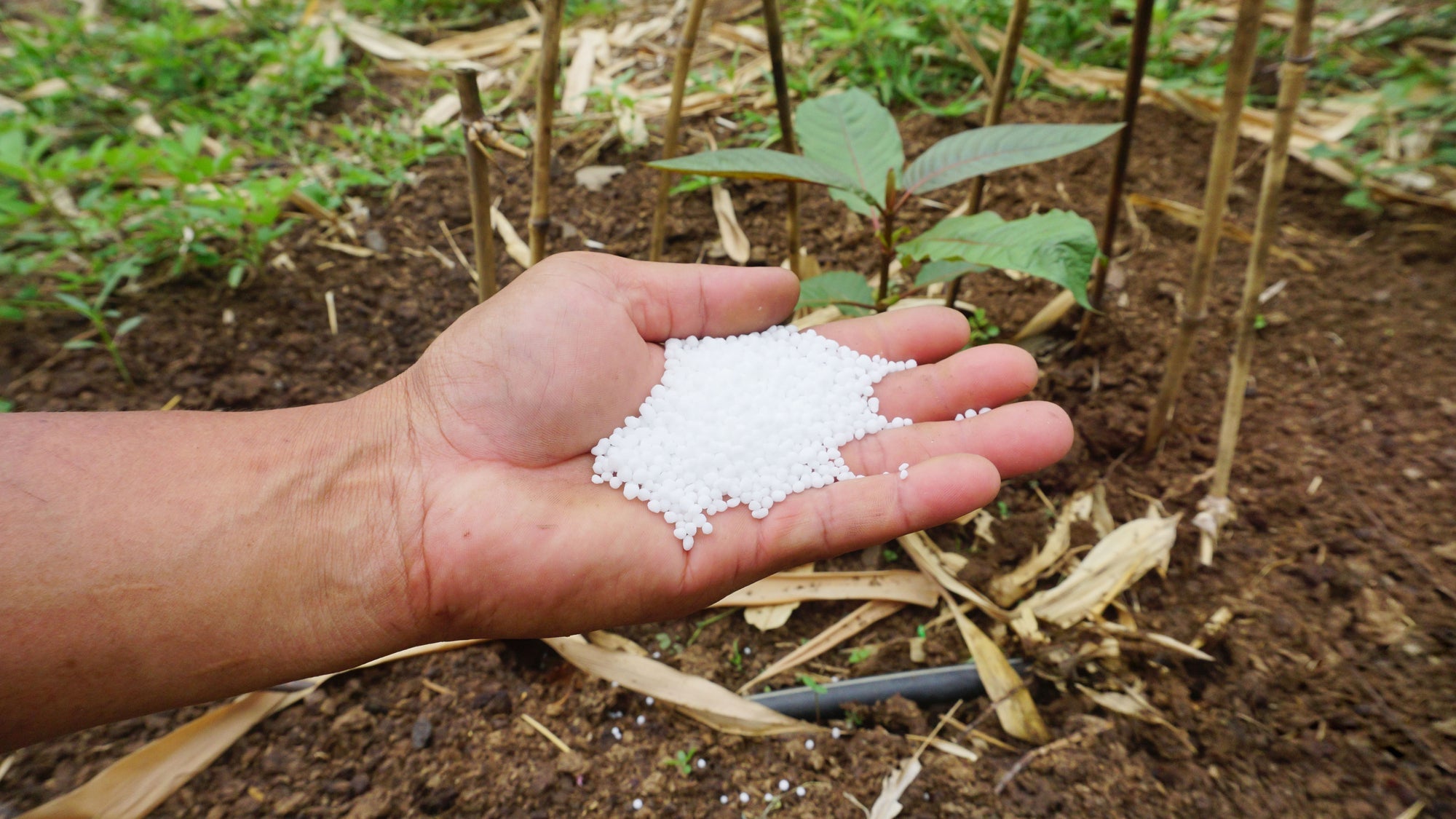
Richtig Düngen im Garten: Schritt für Schritt erklärt
Inhaltsverzeichnis Warum Düngen im Garten so wichtig ist Bodenanalyse: Grundlage für die richtige Düngung Organische vs. mineralische Dünger: Was ist besser? Kompost, Hornspäne & Co.: Organi...


