





Shade Lawn Guide: Sowing & Care Tips
Shade Lawn Guide – Top Tips for Sowing and Care
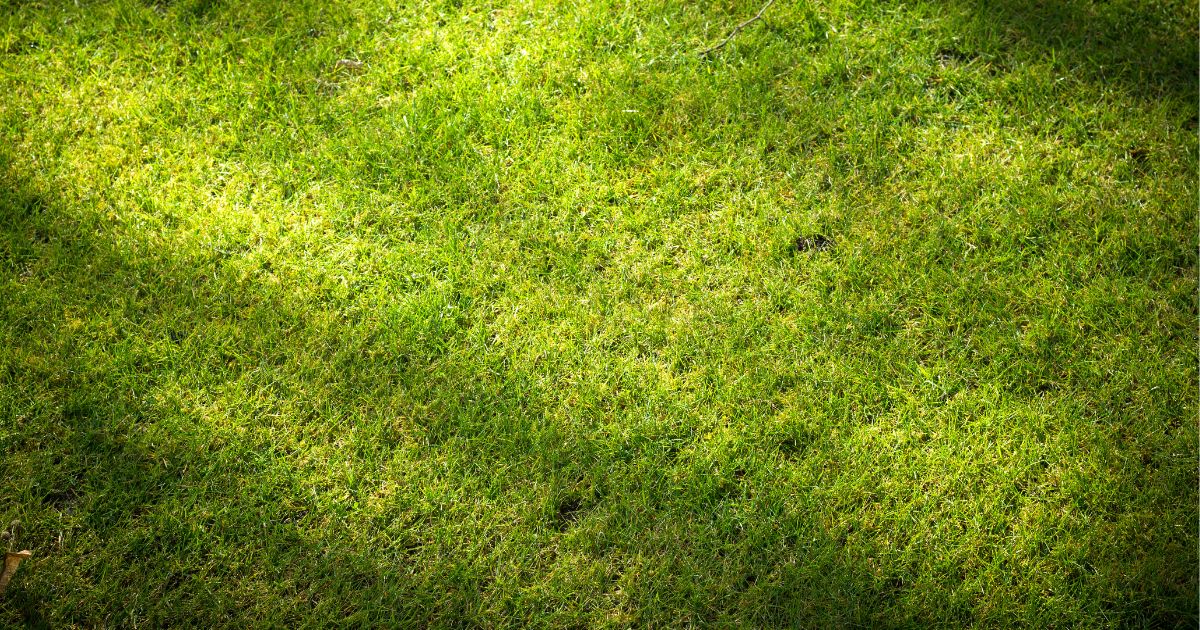
In the shade of trees, shrubs and buildings, growing a healthy lawn can be a real challenge. As well as the right soil conditions and nutrients, grass needs plenty of light to thrive. Where light is insufficient, grass struggles and weeds and moss quickly take over — both being far better adapted to low-light conditions.
Shade lawn grass and what it can do
Whilst most grass varieties love full sun, there are some that manage perfectly well with relatively little. These are what make it possible for a shade lawn to grow and thrive in darker areas of the garden. The exact characteristics of a shade lawn depend on the particular grass species used in the mix:

Supina Bluegrass (Poa supina)
Supina Bluegrass is one of the most important components of shade lawn seed mixes. It is widely considered the grass species best suited to difficult light conditions, thanks both to its broader leaves and its tolerance of the moist conditions that often prevail in shaded spots. It requires high nutrient levels to grow well — in nature it is often found on grazed pastures, where it benefits from animal manure. This hard-wearing grass species is also resilient and, given the right conditions, can compete very effectively against other grasses. Its proportion in seed mixes therefore tends to be kept relatively low, as it would otherwise crowd out other species. The seeds of Supina Bluegrass are also comparatively expensive, as the plant flowers late and propagation is accordingly labour-intensive.
Smooth-Stalked Meadow Grass (Poa pratensis)
Smooth-stalked meadow grass, also known as Kentucky bluegrass, is one of the most widely used lawn grasses. It is undemanding and robust, particularly in terms of withstanding heavy use. At the same time, it forms a dense sward, making the mix less susceptible to weeds. It is also readily available and relatively affordable due to its widespread cultivation. It is particularly well suited to dry shaded areas, such as under trees, where the canopy intercepts much of the rainfall.
Wood Bluegrass (Poa nemoralis)
Wood bluegrass also features in shade lawn mixes primarily because of its remarkable ability to cope with low light levels. The Latin term nemoralis means roughly 'of the woodland', so its shade tolerance is essentially built into its name. It has comparatively shallow roots and therefore requires a moist, nutrient-rich soil. It grows in tufts and contributes to a pleasingly dense lawn appearance. Unfortunately, wood bluegrass is not particularly robust under foot. Even relatively light weight can damage its surface-level roots. Mixes containing wood bluegrass are therefore best suited to ornamental shade lawns. It also dislikes frequent close mowing and will gradually disappear if cut too short, giving way to better-adapted species.
Common Bent (Agrostis capillaris)
Common bent, sometimes called colonial bent, is also native to woodland habitats and has earned its place in shade lawn mixes through its exceptional adaptability. It is not only shade-tolerant but, thanks to roots reaching up to 50 cm deep, is also resistant to drought and nutrient deficiency. It copes well with frequent mowing to a relatively low cutting height. It is generally included only in small proportions to improve the appearance of lawns in difficult conditions. Although common bent does form tufts, it produces only short underground runners and therefore spreads rather slowly. On very fertile or heavily fertilised soils, its ability to compete against other grasses is significantly reduced.
Perennial Ryegrass (Lolium perenne)
Perennial ryegrass, as a true all-rounder, is also present in shade lawn mixes. It helps to establish a dense, hard-wearing sward and, in sunnier spots, can outcompete the more shade-adapted species. Where less light reaches the ground, however, its growth is inhibited and it cannot take advantage of its normally vigorous nature — here it simply fills the gaps left by less densely growing varieties. As perennial ryegrass handles dry conditions very well, it is particularly suited to areas under trees that intercept rainfall.
Red Fescue (Festuca rubra)
Red fescue, another versatile all-rounder, is also well represented in shade lawn seed mixes. Its creeping varieties help the lawn to spread and fill out, creating a dense sward. It favours slightly moister soils, as are often found in the shade of walls and fences. When it comes to soil fertility, red fescue is fairly undemanding and will quickly be outcompeted by other grasses if over-fertilised. Its fine-leaved texture gives lawns a rich, deep-green colour, so its proportion in a mix has a significant influence on the overall appearance of the finished lawn.
How much shade can a shade lawn tolerate?
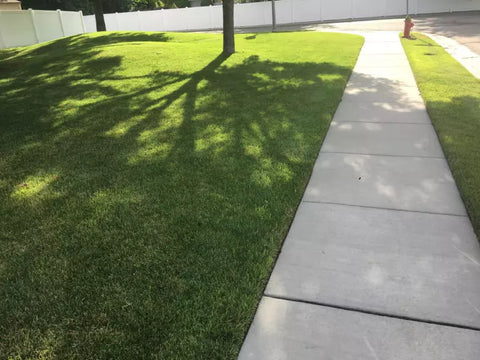
Even though a shade lawn is comparatively undemanding when it comes to light, it cannot survive without any at all. A certain minimum level of brightness is still required for it to grow well. You can easily measure the light levels at specific spots in your garden using a dedicated light meter, available from most good garden centres or DIY stores. A shade lawn needs around 1,000 to 2,000 lux to grow successfully. Below this threshold, even the most shade-tolerant grasses can no longer photosynthesise and will die off. For context: on a bright sunny day in February, a lawn in full sun in the UK receives around 11,500 lux — and considerably more in summer.
Can a shade lawn be used in sunny spots?
Sowing sun-loving grasses in shade is never a good idea — but what about the other way around? If you have a lawn area with both sunny and shaded patches, do you need to use two different seed mixes?
The answer is no. Shade lawn grass grows perfectly well in full sun too. This is because shade lawn mixes typically contain a wide range of grass species. Depending on the conditions, the varieties best suited to that particular spot will naturally assert themselves. In full sun, for example, supina bluegrass and wood bluegrass will quickly be outcompeted by perennial ryegrass — which, in turn, forms a wonderfully dense sward in those areas. In the shade, where ryegrass struggles, the other species fill the gaps and ensure a thick, even lawn. A shade lawn mix is therefore the ultimate all-rounder, suitable for areas with any light conditions. If you prefer to create your own custom mix, pay attention to how moist or dry the soil is at the intended location and choose your grass species accordingly.
Cost of shade lawn seed
Because shade lawn mixes contain grass species that are less widely produced and sometimes more labour-intensive to propagate, they tend to be more expensive than standard lawn seed. It is worth noting that the term 'shade lawn' is not a protected designation, so manufacturers can market virtually any mix under this label. If a product contains only standard grass species, however, results are likely to be disappointing. When choosing your shade lawn seed, therefore, look not just at the price but above all at the composition of the seed mix. It should contain at least one — and ideally two — grass species such as supina bluegrass, wood bluegrass or common bent that are well adapted to low light. The remainder of the mix should consist of varieties that form a dense sward — ideally not just perennial ryegrass but also red fescue and/or smooth-stalked meadow grass. The more balanced the mix, the better the resulting lawn will cope with the varying demands of its location.
Mixing shade lawn and sports/play lawn seed?
A common question is whether it makes sense to combine shade lawn and sports or play lawn mixes to create a more robust shade lawn. The idea of blending different grass species is a sound one in principle and does indeed play an important role in selecting the right seed. However, the logic here is too simplistic and does not hold up in practice: in most cases, the grass species in the two mixes are not all that different. Since the proportion of strongly shade-tolerant grasses in a shade lawn mix is already relatively low, mixing it with a play lawn seed would only dilute it further. The shade lawn would actually become even more vulnerable, as the proportion of grasses poorly adapted to low light would increase still further. A shade lawn mix already contains the right balance to make it as robust as possible. Combining it with play lawn or utility lawn seed is therefore unnecessary. If you do want to save money, you could sow shade lawn seed only in the shaded areas and use a different lawn mix for the sunny parts of the garden. Just make sure that both seed mixes produce a similar shade of green once established.
Establishing and caring for a shade lawn
In general, establishing a shade lawn is no different from laying any other type of lawn. The main additional consideration is selecting the right seed mix — which requires rather more careful thought than for a lawn in a more straightforward location. Sowing is best carried out in spring, as shade lawn grass takes considerably longer to establish than grass grown in full sun. Autumn sowing is therefore less than ideal, as the young grass may not have sufficient time to develop before temperatures drop and the first frosts arrive. Light levels in the second half of the year are also noticeably lower than in spring, when the days are progressively lengthening. In sunny positions this makes little difference, but in shade every bit of extra light counts for the lawn to establish successfully.
The right soil for a shade lawn
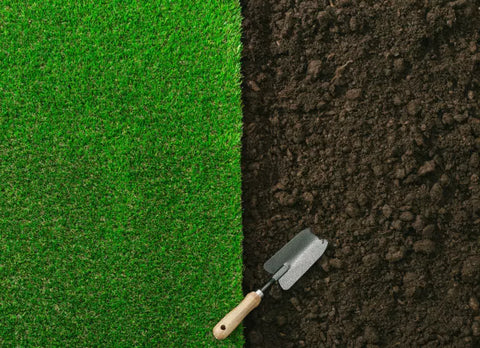
The best soil preparation for sowing a shade lawn depends on the specific conditions of the site. In moister areas, it can be worth incorporating some horticultural grit or sharp sand to improve drainage. This prevents waterlogging, which can damage grass roots and encourage moss growth. In very dry areas — for example at the base of large trees — it may help to incorporate some topsoil, which retains moisture more effectively and reduces the need for frequent watering. Overall, the soil should have a pH of around 6 and be neither too sandy nor too heavy with clay.
Caring for your shade lawn
After sowing, a shade lawn needs appropriate care and, above all, one thing: plenty of time to grow. Only once the young grass has reached a height of around ten centimetres should you bring out the mower for the first cut. At this stage, keep the cutting height generous — around eight centimetres. Cutting any lower risks weakening the delicate young plants and jeopardising the long-term success of your shade lawn. Even once established, it is best to keep shaded areas a little longer than you might elsewhere, to allow the grass blades to absorb as much light as possible for photosynthesis. The recommended mowing height for shade lawn grass is six to eight centimetres.
Like its counterpart in sunny spots, a shade lawn needs regular feeding to thrive. Because shade — particularly in damp conditions — tends to encourage moss, shade lawns should be scarified at least once a year, or twice if necessary. If scarifying removes moss, weeds or thatch and leaves bare patches, be sure to oversow with shade lawn seed. In autumn, if your lawn is situated beneath trees, you will also need to rake up fallen leaves once or twice a week. Left in place, they will block out what little light the shade lawn receives and the individual grass plants will struggle to survive. When it comes to watering, always check carefully whether a shaded area is moist or dry before irrigating. In shade, particularly during summer, moisture from watering evaporates far more slowly than in open, sunny spots.
Discover our range of garden tools
Everything your lawn needs


More articles about lawn care

Mulchen mit Pinienrinde: So nutzt du organischen Mulch, um Unkraut zu verhindern
Das Mulchen mit Pinienrinde gehört zu den effektivsten Methoden im modernen Gartenbau und in der nachhaltigen Landwirtschaft. Dabei wird eine Schicht Mulchmaterial auf die Bodenoberfläche aufgebrac...
Bodenverbesserung im Garten: So verbesserst du deinen Gartenboden im Frühjahr für gesunde Pflanzen
Inhaltsverzeichnis Warum Bodenverbesserung im Garten im Frühjahr so wichtig für einen gesunden Gartenboden ist Gartenboden nach dem Winter prüfen: Bodenstruktur, Verdichtung und Bodenart erke...
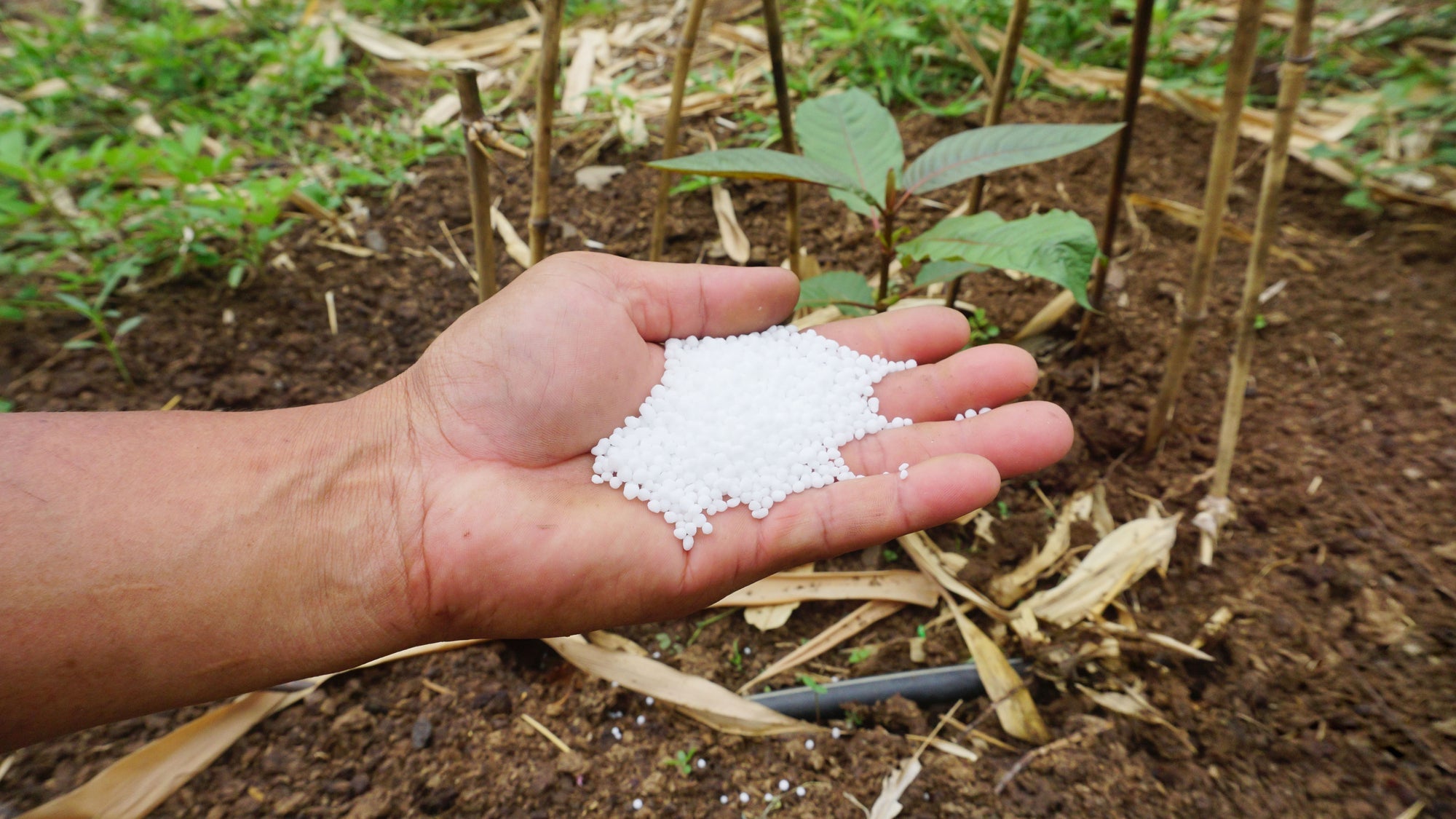
Richtig Düngen im Garten: Schritt für Schritt erklärt
Inhaltsverzeichnis Warum Düngen im Garten so wichtig ist Bodenanalyse: Grundlage für die richtige Düngung Organische vs. mineralische Dünger: Was ist besser? Kompost, Hornspäne & Co.: Organi...


