
Repair Bare Patches in Your Lawn | FUXTEC Guide


Entdecke unsere Auswahl an Gartengeräten
What are the main causes of bare patches in sports lawns?
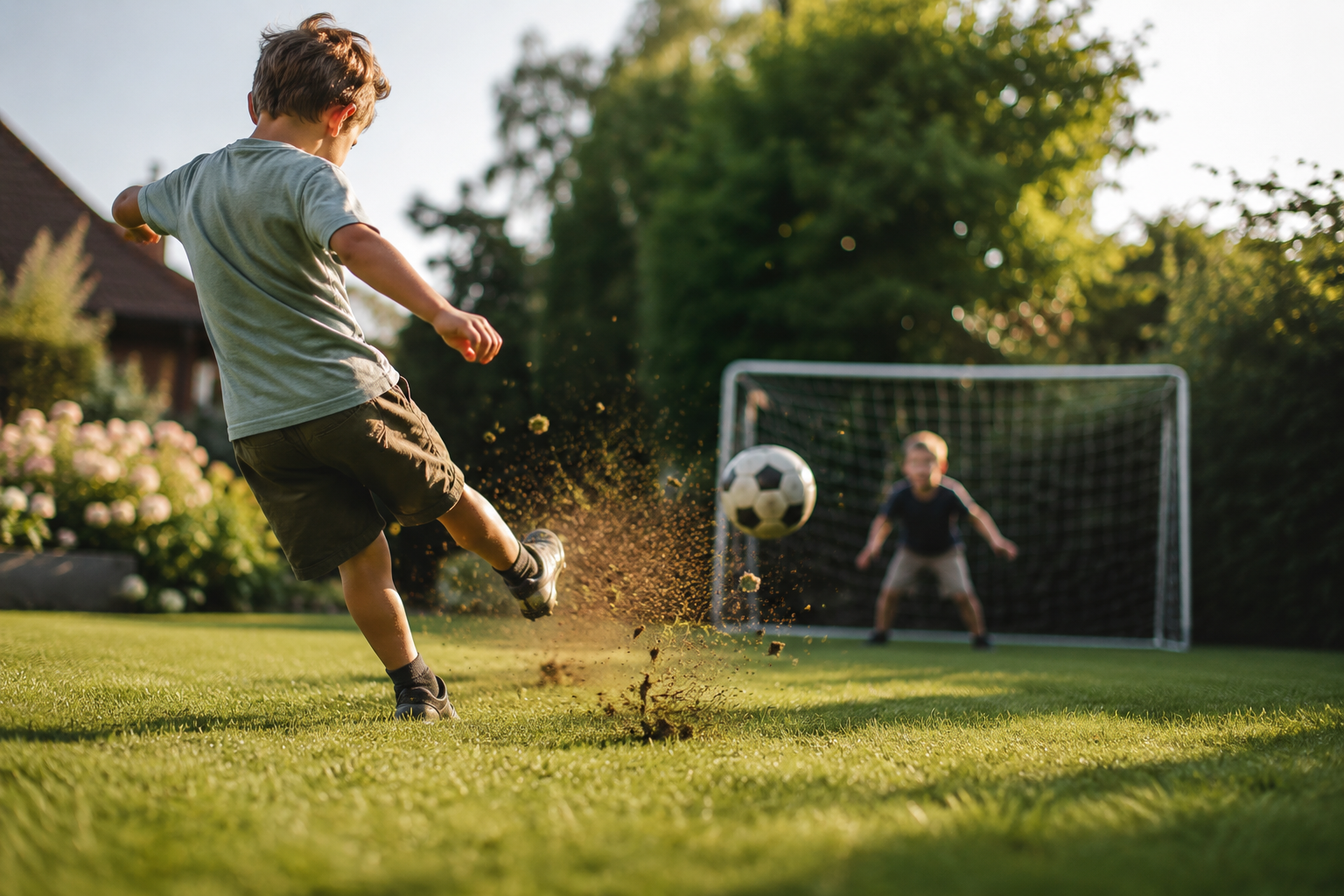
Bare patches typically result from heavy wear in high-traffic areas, soil compaction, unsuitable grass seed, waterlogging, insufficient sunlight and the spread of weeds or moss. Identifying the underlying cause is essential for long-term lawn recovery and preventing patches from returning.
How quickly should I repair a bare patch in my football lawn?
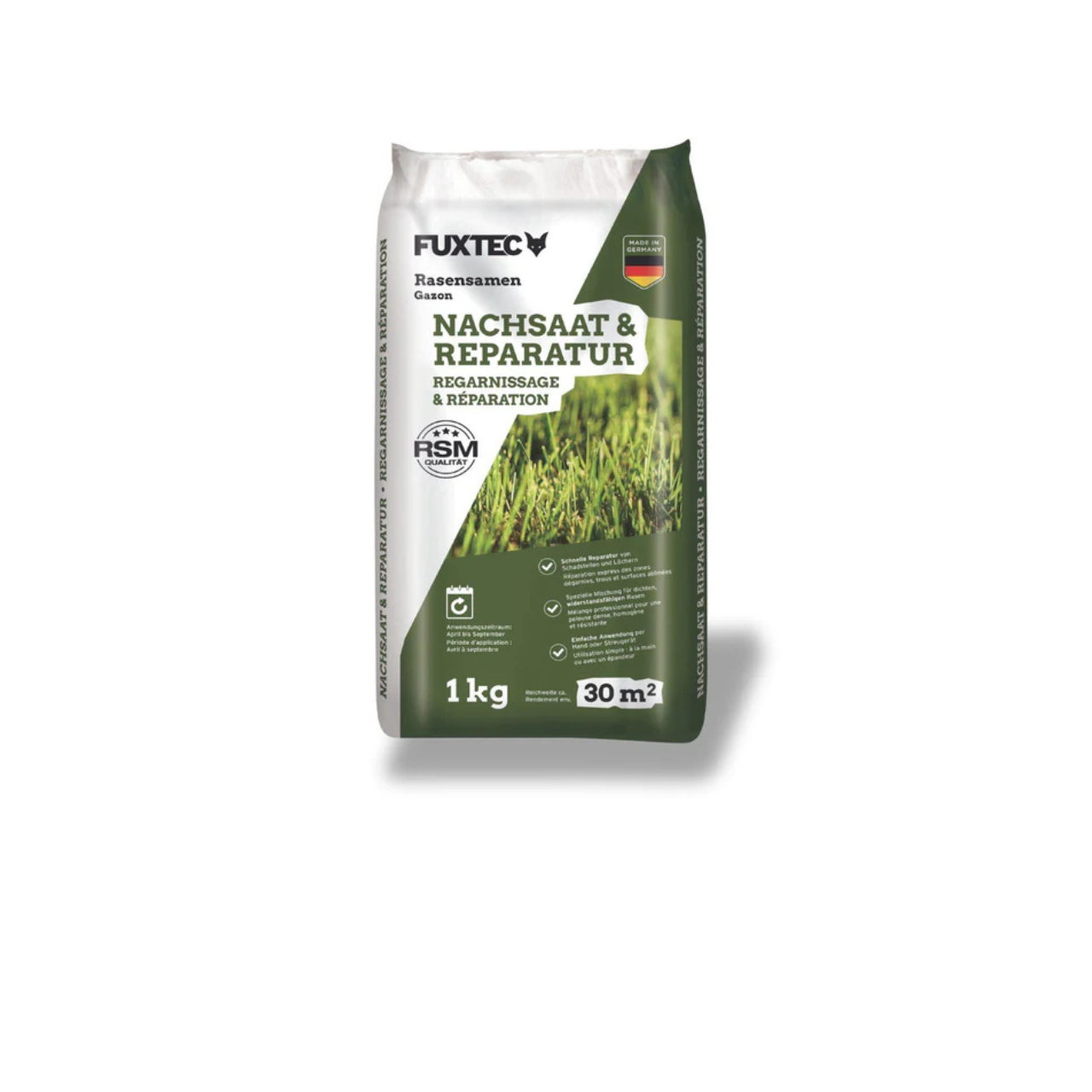
You should address bare patches as soon as possible, as small areas are much easier and quicker to repair than larger damaged zones. Leaving patches unrepaired allows weeds and moss to spread rapidly, making restoration considerably more difficult later on.
Can I overseed a lawn in summer or must I wait until autumn?
Whilst you can overseed in summer, spring and autumn are the ideal times for overseeding in the UK. If you do overseed during summer, it is especially important to keep the area consistently moist to ensure good seed germination.
How long should newly reseeded areas rest before children can play on them again?
Freshly repaired lawn areas should ideally rest for a few weeks to allow young seedlings to establish properly. A simple barrier can help protect the area during this period, as immediate use can create new holes and prevent proper growth.
What tools are best for fixing compacted soil in a play lawn?
A lawn aerator or scarifier works well for addressing soil compaction in heavily used areas. These tools create holes that allow air, water and nutrients to penetrate the soil more easily, helping grass roots to develop properly.
Is it dangerous to leave bare patches in a family garden?
Yes, bare patches and holes create a genuine safety hazard for children playing or kicking a football, as they make it much easier to slip, twist an ankle or lose footing unexpectedly. Damaged grass is particularly hazardous when children are running or playing.
What should I do if a piece of turf gets torn up during play?
Press the loose turf section back into place as soon as possible using a lawn aerator to gently loosen the area, then firm it down so that roots make proper contact with the soil again. Quick action gives the turf the best chance of re-establishing successfully.
Alles, was dein Rasen braucht

Weitere Beiträge zum Thema Rasenpflege
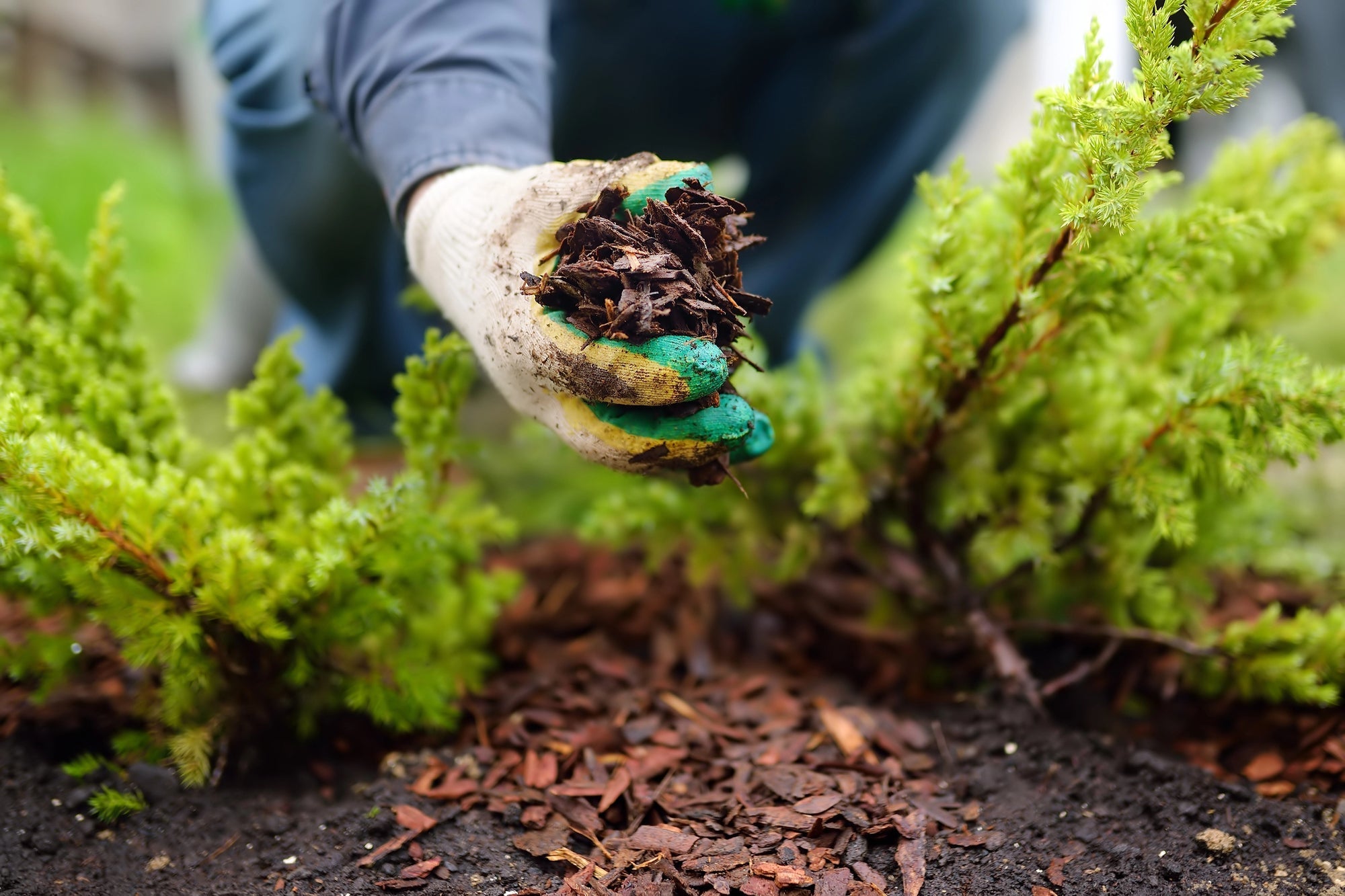
Mulchen mit Pinienrinde: So nutzt du organischen Mulch, um Unkraut zu verhindern
Das Mulchen mit Pinienrinde gehört zu den effektivsten Methoden im modernen Gartenbau und in der nachhaltigen Landwirtschaft. Dabei wird eine Schicht Mulchmaterial auf die Bodenoberfläche aufgebrac...
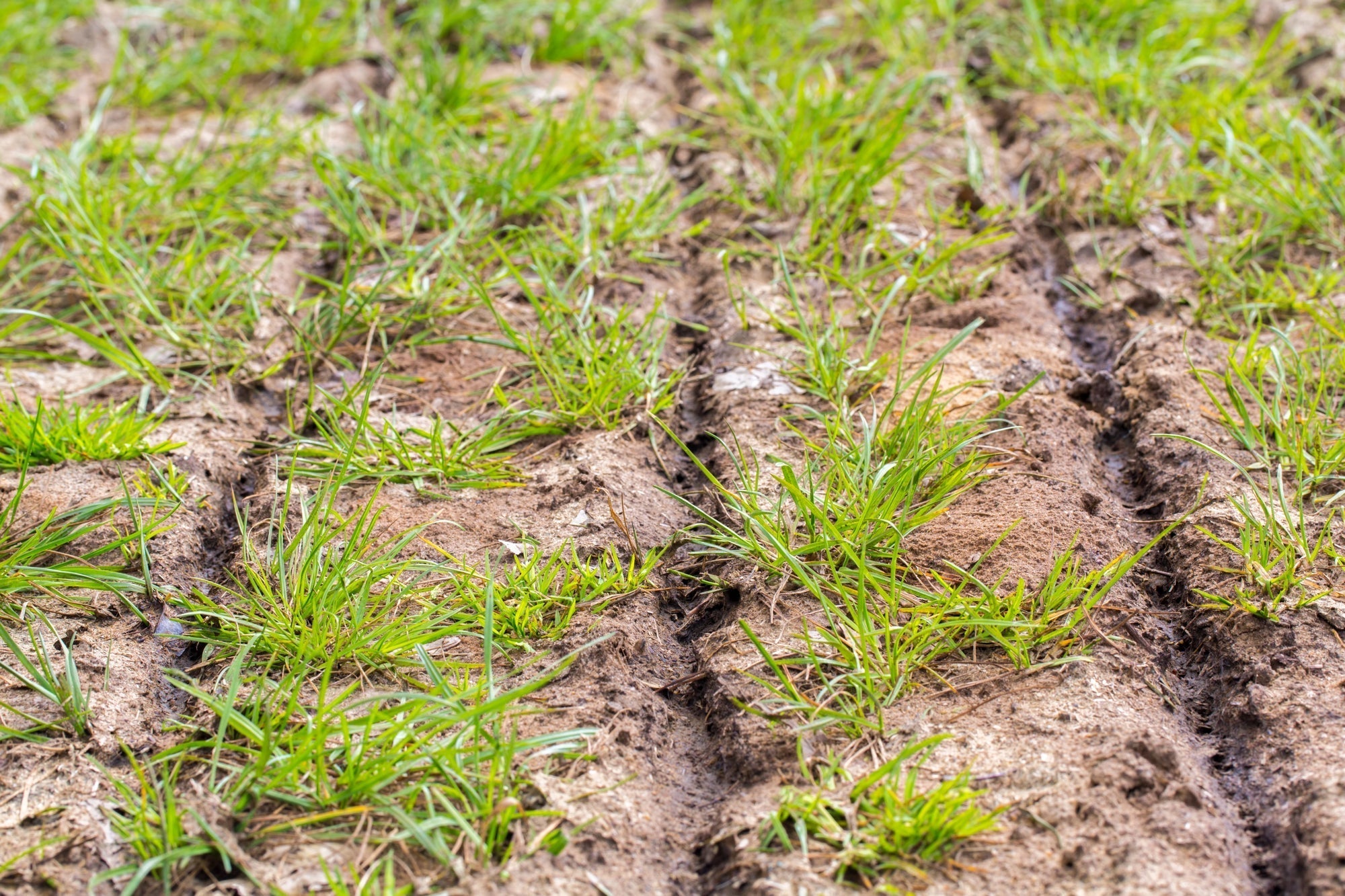
Bodenverbesserung im Garten: So verbesserst du deinen Gartenboden im Frühjahr für gesunde Pflanzen
Inhaltsverzeichnis Warum Bodenverbesserung im Garten im Frühjahr so wichtig für einen gesunden Gartenboden ist Gartenboden nach dem Winter prüfen: Bodenstruktur, Verdichtung und Bodenart erke...
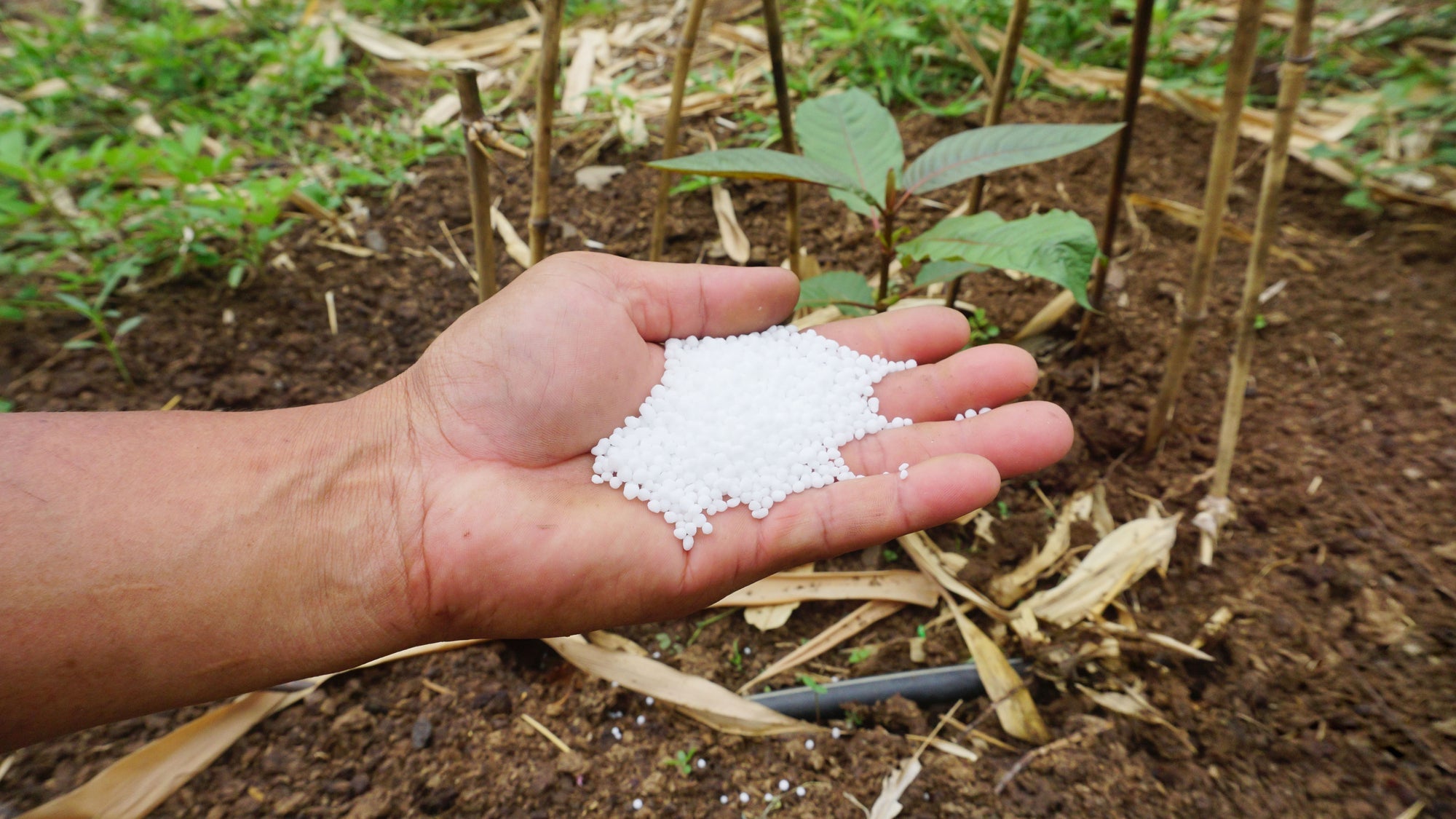
Richtig Düngen im Garten: Schritt für Schritt erklärt
Inhaltsverzeichnis Warum Düngen im Garten so wichtig ist Bodenanalyse: Grundlage für die richtige Düngung Organische vs. mineralische Dünger: Was ist besser? Kompost, Hornspäne & Co.: Organi...


