

Ornamental Lawn Guide: Tips for Establishment & Care
Ornamental Lawn Guide – Essential Tips for Establishment and Care
An ornamental lawn is always the right choice when the appearance of your lawn takes centre stage. When it comes to looks, no other type of lawn can hold a candle to an ornamental lawn. However, you should be aware that achieving that perfect appearance demands a high level of maintenance. In addition, any unnecessary wear and tear on the pristine turf should be avoided. If you have pets or children, you should therefore think twice before laying an ornamental lawn — unless it's for a front garden that nobody walks on.
Ornamental Lawn and Its Characteristics

An ornamental lawn, often referred to as an English lawn, spreads like a smooth green carpet across the garden. This impression is created because ornamental lawns are almost exclusively established using grass varieties with very fine blades that grow densely together. Unlike many other types, ornamental lawn can be cut extremely short, making it pleasantly soft underfoot. The downside: ornamental lawn should not be subjected to heavy use, as the slender stems break easily and the grass is weakened as a result. The grasses are generally not particularly robust when it comes to temperature fluctuations, drought, or poor soil. This doesn't mean you can never walk on it, but it simply won't withstand your children playing football on it every day. Over time, bare patches will appear, where at best nothing grows — and at worst, weeds move in and gradually spread.
For your ornamental lawn to grow and thrive at its best, it requires thorough and consistent care. In terms of demands, the beautifully green grasses of an ornamental lawn are among the most exacting of all. They need plenty of light to grow and must be watered sufficiently. Without this, brown or bare patches appear quickly, and what was once a dream lawn becomes a nightmare. Whilst a healthy ornamental lawn is relatively resistant to weeds, a weakened lawn gives weeds an easy foothold and they spread rapidly.
The Best Seed for an Ornamental Lawn: Varieties and Mixtures
In the UK, ornamental lawn seed mixtures are commonly classified as fine lawn or luxury lawn blends, broadly equivalent to the German RSM 1 standard. There are two main subcategories:
Luxury Ornamental Lawn (Fine/Luxury Blend)
This is a mixture of various red fescue grasses (Festuca Rubra) with a 10–20% proportion of perennial ryegrass (Lolium Perenne). The ryegrass makes the lawn more resilient through its rapid growth. Perennial ryegrass is also very well suited to the UK climate and is known for its high durability. It thrives in nitrogen-rich soils, which can be slightly compacted, and helps to form a very dense sward, though it is susceptible to frost and therefore less suitable for exposed or elevated areas. This blend is the right choice for a front garden or decorative garden that is entered occasionally — for example, for tending to plants. The higher the proportion of ryegrass, the better the lawn copes with wear and the quicker it recovers. However, since ryegrass is lighter in colour than the red fescue it is blended with, a higher proportion will also lighten the overall colour of the mixture.
Fine Ornamental Lawn (Premium Fine Blend) These seed mixtures consist entirely of different cultivars of red fescue (Festuca Rubra). Using a single cultivar alone would not achieve the desired result, as some form tufts — growing closely together — whilst others spread via stolons to ensure good coverage and branching of the turf. Only in combination do you get the sought-after dense carpet lawn, which is popular not only in gardens but also on golf courses. Varieties frequently combined for this purpose include creeping red fescue (Festuca Rubra Rubra), Chewings fescue (Festuca Rubra Commutata), and slender creeping red fescue (Festuca Rubra Trichophylla). The very fine blades are relatively vigorous and can therefore, compared to other grass types, be mown very short. Although not particularly demanding and tolerant of slightly shadier spots, red fescue does not compete well against other grass varieties. The perfect picture of a flawless ornamental lawn is therefore only achieved when red fescue is sown without other grass species. The greatest drawback of this blend is its unfortunately low wear tolerance. That said, it transforms purely ornamental areas into a real showstopper with its exceptional blue-green hue.
Establishing an Ornamental Lawn – Choosing Quality Seed
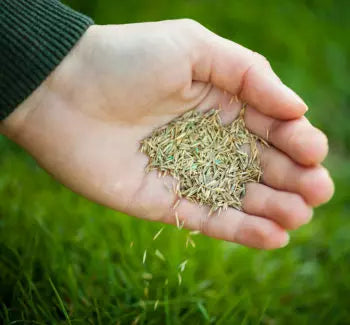 Now that you know more about the different grass varieties and lawn seed mixture classifications, you'll be much better equipped when reading the labels at a garden centre or DIY store. Pay close attention to how products differ in their composition. If a noticeably cheaper product uses different cultivars than a seed mixture from a reputable manufacturer, you can assume the latter contains higher-quality lawn seed. Even within the same grass species, there are significant differences between cultivars in terms of germination rate, growth, and spread. The purity of the seed, as well as how it has been stored and processed, also plays a major role in sowing success. These are things you simply cannot tell at a glance from the seed mixture packaging. Budget products from discount retailers tend to fall short in precisely these areas. When many seeds fail to germinate, gaps appear in the ornamental lawn where weeds quickly take hold. Choosing the wrong seed can make your life considerably harder and take the pleasure out of your new lawn. Investing in high-quality seed is always worthwhile.
Caring for Your Ornamental Lawn Properly
No outstanding lawn without outstanding lawn care – if you want a flawless ornamental lawn, you will unfortunately need to put in the effort. Of all lawn types, ornamental lawns are among the most maintenance-intensive. Laying the lawn once and then neglecting it would be a serious mistake. Left to its own devices, even the most perfect English lawn will quickly deteriorate into an unsightly sea of weeds. But if you do everything right, you'll be rewarded with enduringly beautiful green turf.
Mowing Your Ornamental Lawn to the Correct Height
Red fescue is used in ornamental lawns not only for its refined colour, but also because it is one of the few grasses that handles being kept very short well. The recommended mowing height for ornamental lawns is 2–3 centimetres. This is what creates the coveted impression of a perfect green carpet. To maintain this height, you will typically need to mow your lawn once a week, and twice a week during periods of vigorous growth. The slow-growing nature of red fescue — which can feel like a drawback when establishing the lawn — actually works in your favour here. It also means that grass clippings don't accumulate excessively on an ornamental lawn. The best tool for the job is a cylinder mower. Unlike the widely used rotary mowers, a cylinder mower cuts the grass using a scissor-like action rather than rotating blades. This produces a particularly even and level cut that emphasises the well-groomed appearance of the lawn. Since cylinder mowers are typically unpowered, however, they are less suitable for larger gardens. In that case, a robotic mower is a better option. Not only does it save time, but it also keeps your ornamental lawn at a consistently even cutting height. Because the robot automatically mulches the clippings, it also provides a regular supply of nitrogen that your ornamental lawn needs for healthy growth.
Watering Your Ornamental Lawn
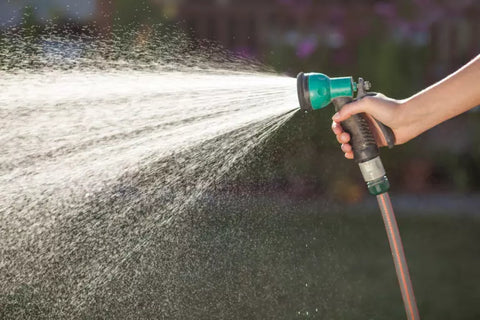 Watering your ornamental lawn is of course essential during summer. However, ornamental lawns may also require supplemental watering in spring or even into autumn, at times when rainfall would be sufficient for other lawn types to thrive. This is due to the particularly low mowing height of ornamental lawns. Because the grass doesn't shade itself, moisture evaporates from the soil more quickly than it does with longer grass. In summer, raising the cutting height by one to two centimetres can help to mitigate this. You should also try to water the lawn in the early morning, as evaporation losses are lowest at that time. Even so, during hot and dry spells in summer you should water approximately twice a week. Only then will your ornamental lawn remain a rich, deep green and stay free from unsightly brown patches.
Feeding Your Ornamental Lawn
Due to the frequent close mowing of ornamental lawns, they require more fertiliser than lawns that are left longer. As a rule, you should feed it four to five times per year, always paying attention to the correct nutrient balance. For complete peace of mind, a professional soil analysis is the best approach. Only then will you know exactly which minerals are present in the soil and in what quantities, and what your lawn may currently be lacking. It is sufficient to have the analysis carried out every two to three years, as soil composition does not change dramatically in a short space of time. Which nutrients your lawn needs and when is covered in our article on feeding your lawn correctly.
How to Keep Your Ornamental Lawn Weed-Free
The biggest nightmare for any gardener with an immaculate ornamental lawn is, of course, weeds. They destroy the entire aesthetic that depends on the perfection of an even surface. The good news: if you maintain your ornamental lawn well, weeds have very little chance of taking hold. The dense sward means there is barely any space for them to germinate. Furthermore, very few plants tolerate regular mowing to a low height as well as red fescue grass. Skipping a mow is therefore something you should avoid at all costs. That one small time saving could end up costing you many hours later when you have to laboriously pull weeds by hand. Against certain species such as dandelions or daisies, mowing unfortunately offers little help, as their leaves grow so flat against the ground that the mower simply passes over them. If these begin to appear, act quickly and remove them by hand before they have a chance to spread.
Regular scarifying in spring also helps to reduce weed invasions in your ornamental lawn. By removing moss and thatch, you improve the supply of nutrients and oxygen to the grass, which strengthens its resilience. At the same time, you remove any seeds that may have settled in the soil during the previous year, depriving weeds of the opportunity to germinate. If you use a robotic mower, you may find that you need to scarify again in autumn due to mulching. Depending on how well the clippings decompose, they can settle on the soil surface and accumulate over time. This is harmful not only to the health of the lawn but, in more advanced cases, to its appearance too. Although the need for additional scarifying as a result of using a robotic mower can be seen as a drawback, the time saved on such a high-maintenance lawn type is nonetheless considerable.
Discover our range of garden tools
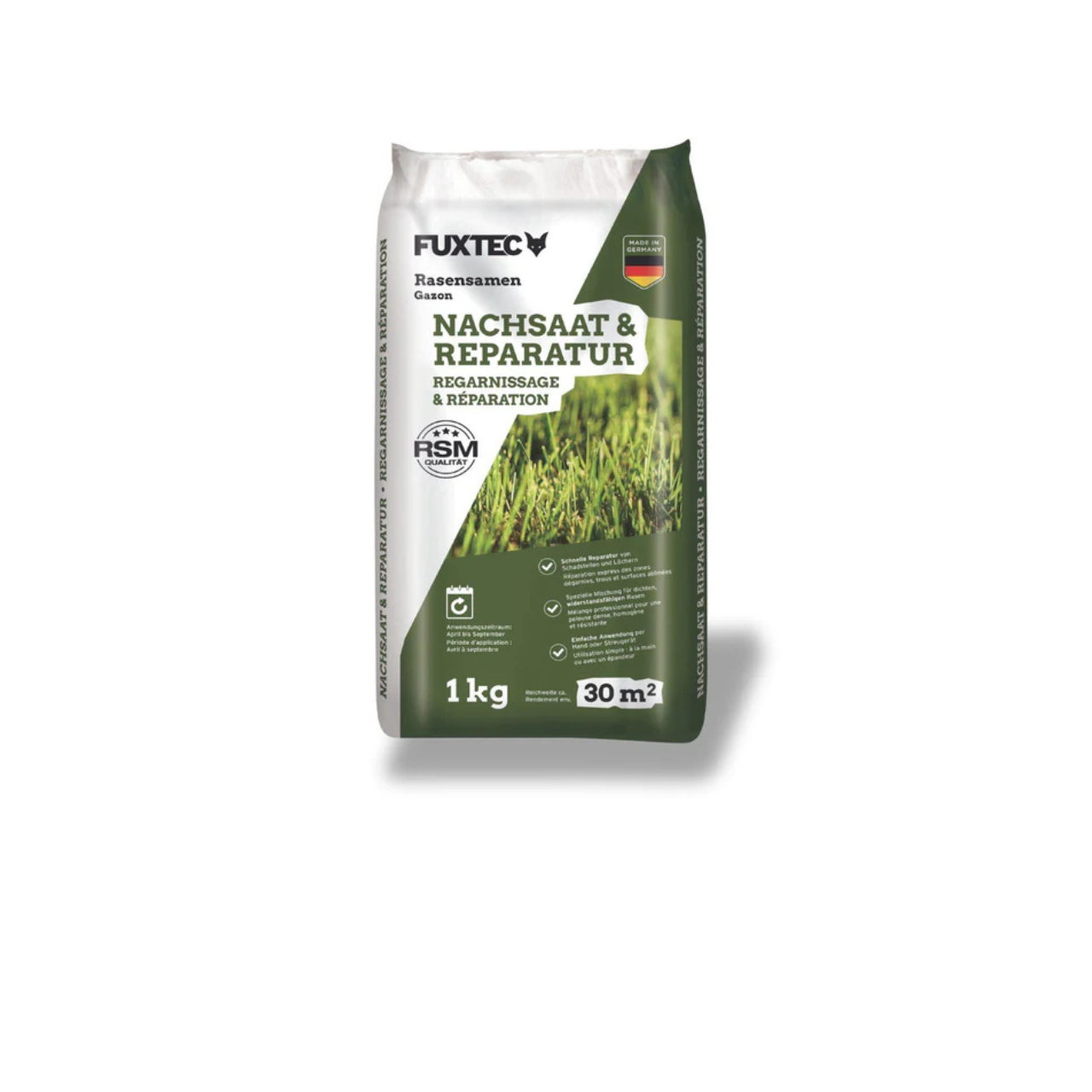
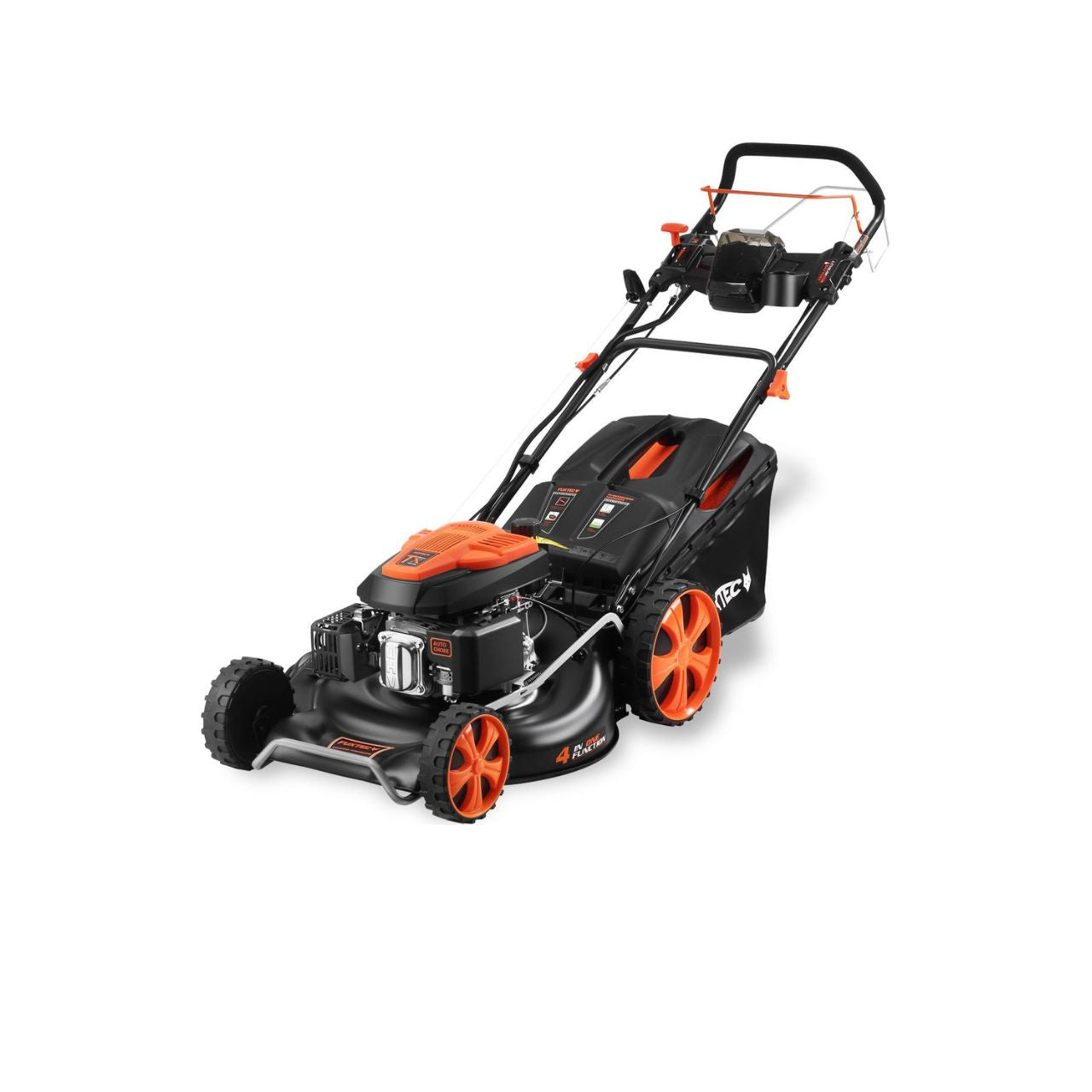
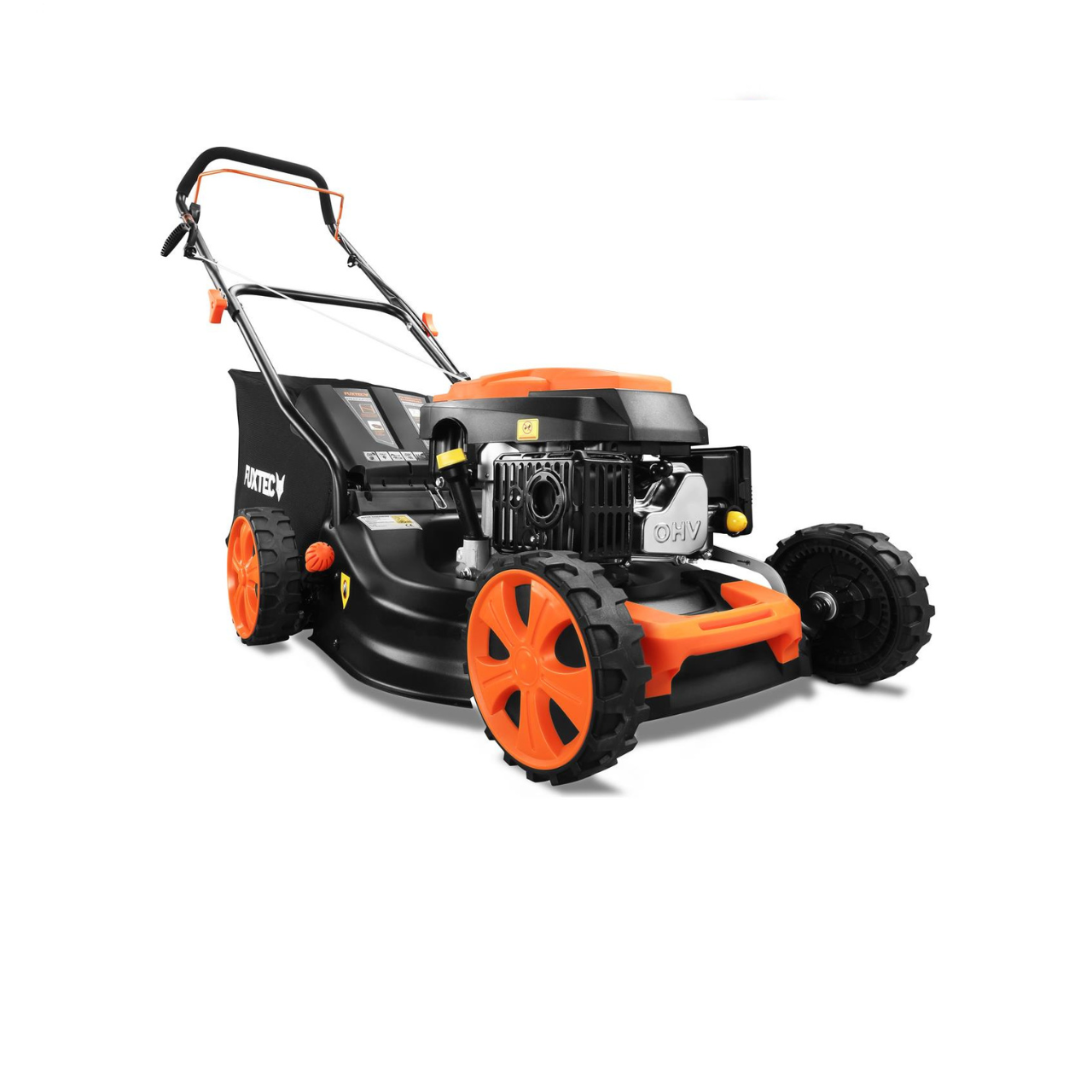
Everything your lawn needs

More articles about lawn care

Mulchen mit Pinienrinde: So nutzt du organischen Mulch, um Unkraut zu verhindern
Das Mulchen mit Pinienrinde gehört zu den effektivsten Methoden im modernen Gartenbau und in der nachhaltigen Landwirtschaft. Dabei wird eine Schicht Mulchmaterial auf die Bodenoberfläche aufgebrac...
Bodenverbesserung im Garten: So verbesserst du deinen Gartenboden im Frühjahr für gesunde Pflanzen
Inhaltsverzeichnis Warum Bodenverbesserung im Garten im Frühjahr so wichtig für einen gesunden Gartenboden ist Gartenboden nach dem Winter prüfen: Bodenstruktur, Verdichtung und Bodenart erke...
Richtig Düngen im Garten: Schritt für Schritt erklärt
Inhaltsverzeichnis Warum Düngen im Garten so wichtig ist Bodenanalyse: Grundlage für die richtige Düngung Organische vs. mineralische Dünger: Was ist besser? Kompost, Hornspäne & Co.: Organi...


