
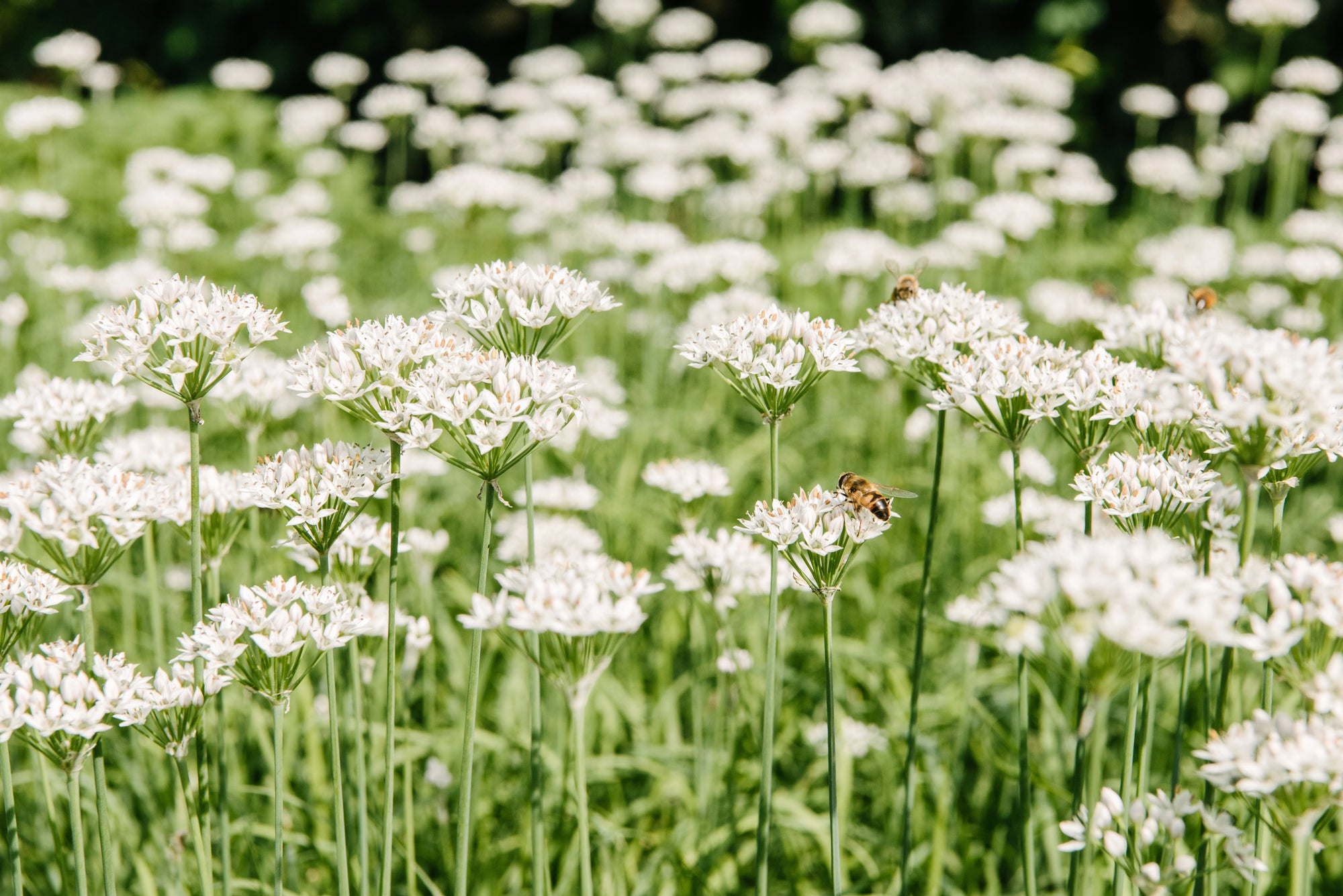
No Mow May: Benefits, Criticism & Garden Tips
By late April, nature is visibly coming back to life: trees are budding, shrubs are filling out, and plants are beginning to grow. Yet something stands out: the number of insects in the garden remains noticeably low. You might still spot the occasional bee or bumblebee, but overall their numbers have been declining steadily for years. And they are indispensable — without pollination there are no harvests, and without pollinators there are no stable ecosystems.
For this reason, the conservation charity Plantlife has in recent years established "No Mow May" — a campaign encouraging people to deliberately stop mowing their lawns throughout May and simply let the grass grow. What might sound unusual at first is intended to help create more habitat for all kinds of wildlife and to counteract the decline in biodiversity.
The Benefits and Importance of No Mow May: More Biodiversity, Less Work
No Mow May. The campaign originated in the UK and has since gained popularity across Europe. But why should you specifically avoid cutting your lawn during this month?
In spring, plants shoot upwards and insects become active. Many species that overwintered as larvae in the soil or under leaf litter are now emerging from dormancy and are particularly vulnerable at this stage. If the lawn is cut regularly during this period, many of these creatures can be disturbed or even harmed.
At the same time, the campaign allows more wildflower meadows to re-establish themselves. Plants such as dandelions, daisies and clover begin to flower and provide vital food sources for pollinators. Herein lies a key benefit: more blooms mean more food and, in turn, more insects.

No Mow May therefore has a clear aim: to counteract the sharp decline in wild plants and to preserve the native diversity of species. At the same time, it makes a meaningful contribution to creating more habitat for wildlife.
Why an Untrimmed Lawn is More Insect-Friendly
A perfectly manicured lawn may look appealing to us, but for wildlife it is often of little value. It is only when areas are not constantly trimmed that a diverse habitat can develop.
Those who consciously intervene less during No Mow May and take a more relaxed approach to gardening give nature more room to breathe. On patches of lawn that are simply left to grow, wildflowers and herbs can establish themselves — a vital foundation for flower-visiting insects such as bees and bumblebees.
Imperfect patches with dandelions, daisies or clover are particularly valuable. They provide food and shelter for a wide range of species, contributing to greater biodiversity in the garden. This also has a direct impact on harvests: many food crops rely on pollination. Without these small creatures, there would be far fewer apples, cherries, tomatoes or runner beans.
No Mow May can therefore be a simple first step towards making your own garden more insect-friendly and fostering a stable, thriving ecosystem in the long term.
Criticism of No Mow May
As sensible as the campaign appears at first glance, it is not without its critics. Sceptics point out that a single month without mowing is often not enough to create lasting biodiversity or stable habitats for every insect. Whilst an untrimmed lawn can attract more wildlife in the short term, without sustainable measures beyond May this effect quickly fades.
So Should You Simply Put the Mower Away in May?
Not quite. Experts argue that the alternative is to manage lawn areas in a permanently different and more sustainable way, striking a balance between a well-kept garden and greater habitat for insects.

Entdecke unsere Auswahl an Gartengeräten
What is No Mow May and why should I participate?
No Mow May is a campaign that encourages gardeners to stop mowing their lawns throughout May to create habitat for wildlife and support pollinators. By leaving your grass to grow, wildflowers like dandelions, daisies and clover can flower and provide vital food sources for bees and other insects during a vulnerable time in spring.
Will not mowing my lawn in May really help insects?
Yes, leaving your lawn unmown in May helps insects in two important ways: it prevents disturbing vulnerable species that are emerging from dormancy, and it allows wildflowers to establish and bloom. These flowers provide essential food sources for pollinators like bees and bumblebees, which directly supports biodiversity in your garden.
Is a month without mowing enough to make a real difference?
Critics argue that one month alone is not sufficient for lasting biodiversity benefits. However, No Mow May works best as the start of a broader approach to lawn care throughout the year, combined with other sustainable practices like leaving unmown sections and creating wildflower strips.
Do I have to leave my entire garden unmown during May?
No, you do not need to stop mowing everywhere. A balanced approach works better: you can use selective mowing to maintain some areas while leaving sections unmown to create wildlife refuges. This combines a neat garden appearance with valuable habitat for insects.
Can mowing actually be good for biodiversity?
Research shows that how and how often you mow matters more than whether you mow at all. Cutting grass to around six centimetres at regular intervals can encourage plants to spread and flower more consistently, supporting greater variety. The key is using a thoughtful approach rather than constant close cutting.
How does letting wildflowers grow benefit my food crops?
Many food crops like apples, cherries, tomatoes and runner beans rely on pollination from insects. Unmown areas with wildflowers provide pollinators with essential food and habitat, which directly boosts their populations and improves pollination rates across your entire garden and local area.
What is the best balance between a tidy garden and wildlife habitat?
The ideal approach is thoughtful lawn management that combines both needs: leave some sections unmown or create wildflower strips, manage larger areas with gentle, regular cutting, and avoid constant close mowing. This creates a vibrant, insect-friendly space that still looks well-kept throughout the year.
Alles, was dein Rasen braucht
Weitere Beiträge zum Thema Rasenpflege
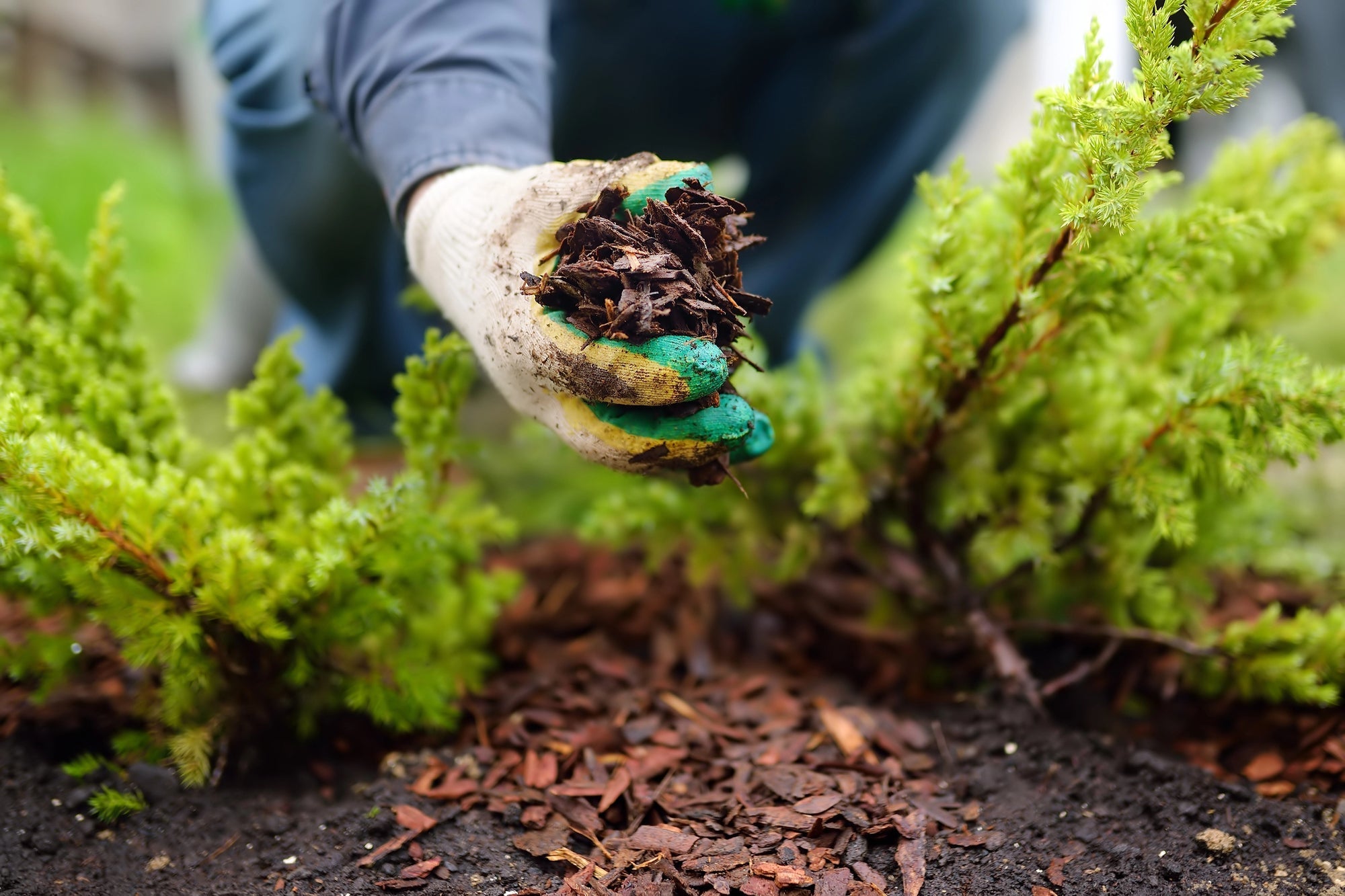
Mulchen mit Pinienrinde: So nutzt du organischen Mulch, um Unkraut zu verhindern
Das Mulchen mit Pinienrinde gehört zu den effektivsten Methoden im modernen Gartenbau und in der nachhaltigen Landwirtschaft. Dabei wird eine Schicht Mulchmaterial auf die Bodenoberfläche aufgebrac...
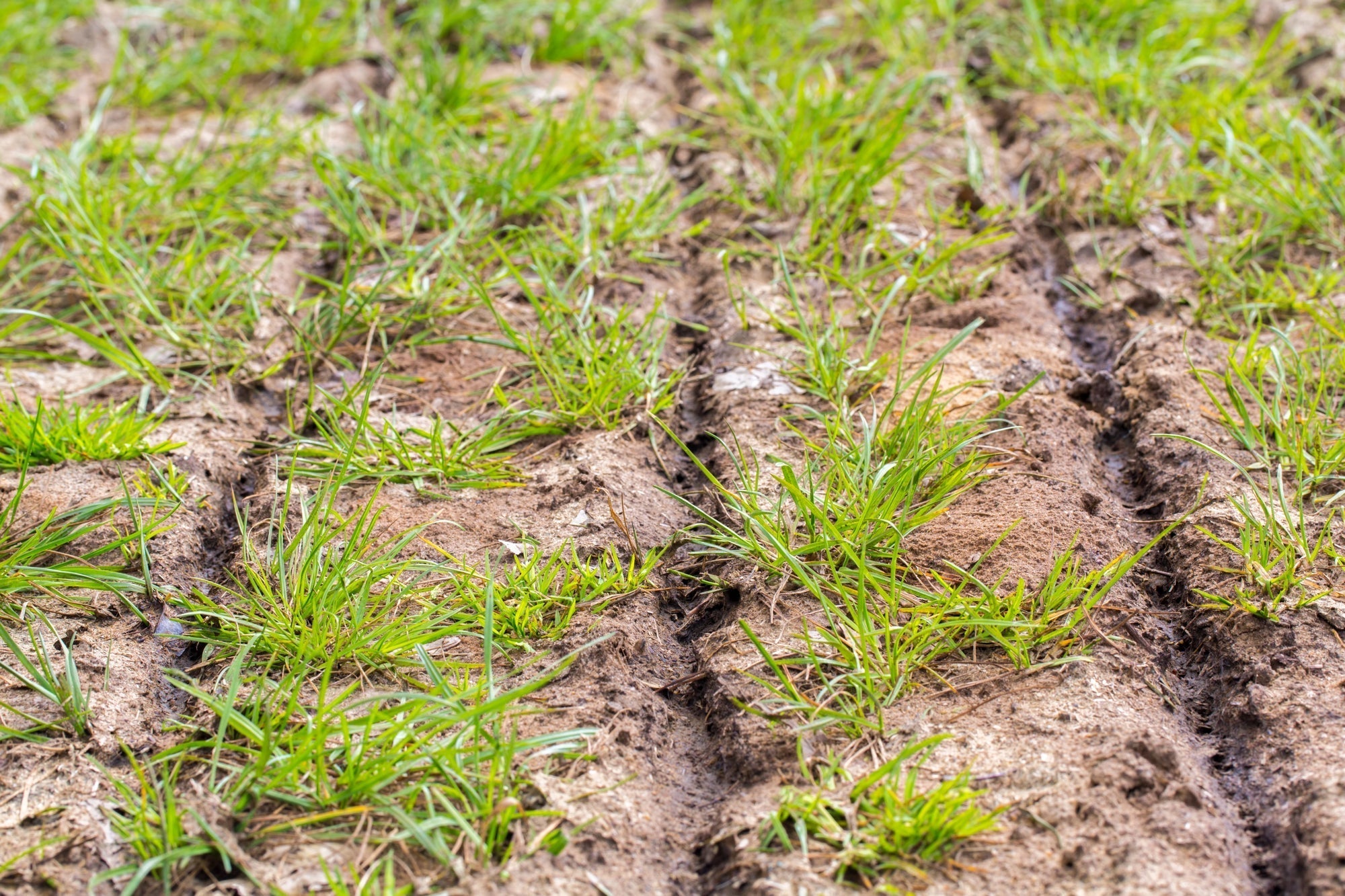
Bodenverbesserung im Garten: So verbesserst du deinen Gartenboden im Frühjahr für gesunde Pflanzen
Inhaltsverzeichnis Warum Bodenverbesserung im Garten im Frühjahr so wichtig für einen gesunden Gartenboden ist Gartenboden nach dem Winter prüfen: Bodenstruktur, Verdichtung und Bodenart erke...
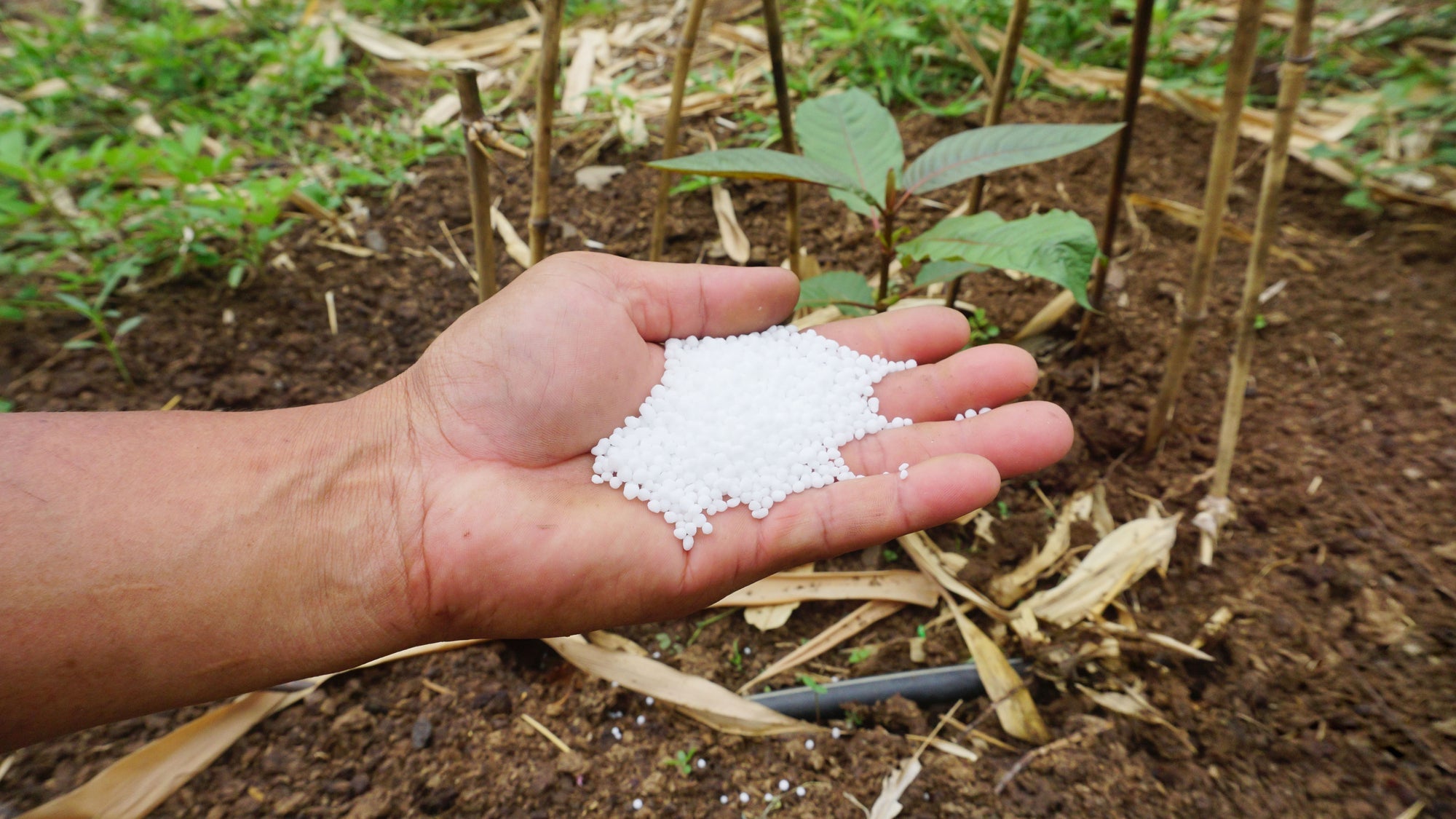
Richtig Düngen im Garten: Schritt für Schritt erklärt
Inhaltsverzeichnis Warum Düngen im Garten so wichtig ist Bodenanalyse: Grundlage für die richtige Düngung Organische vs. mineralische Dünger: Was ist besser? Kompost, Hornspäne & Co.: Organi...


