


Liming Your Lawn – Get a Healthy, Green Lawn
Liming Your Lawn – How to Keep Your Lawn Healthy and Lush Green
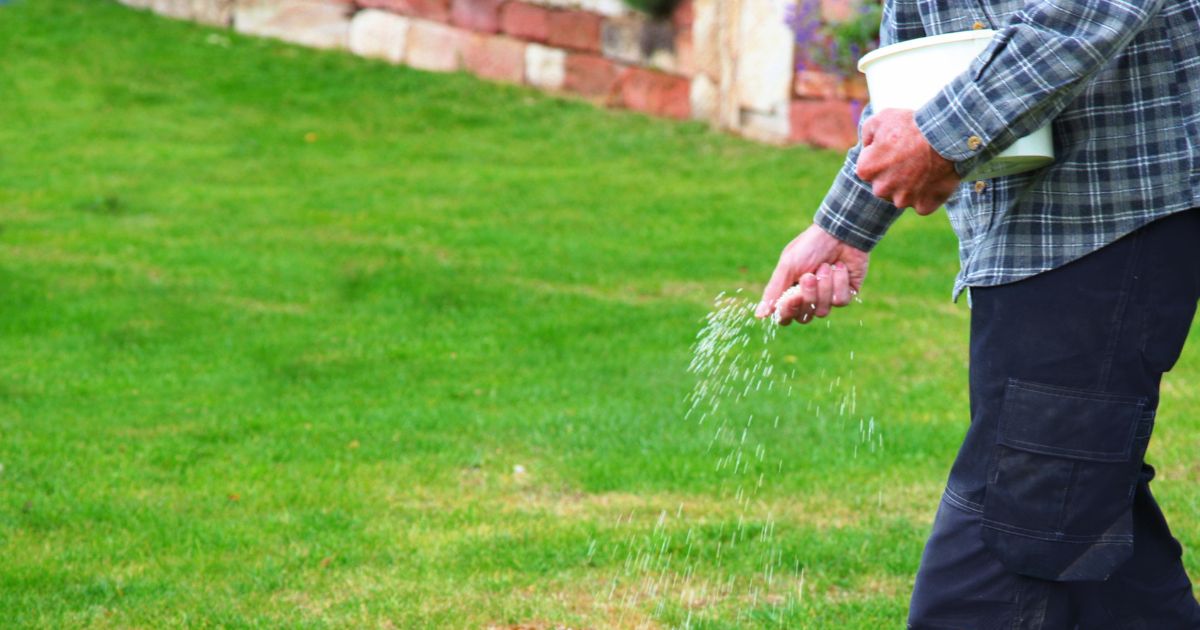
A lush, green lawn free from weeds and moss is the dream of every garden owner. But for your lawn to truly thrive, it needs the right care – and that includes liming. In this comprehensive guide, you'll find everything you need to know about liming your lawn, from preparing the soil to choosing the right lime.
Why Lime Is So Important for Your Lawn
Every soil has its own pH level, which is crucial for the growth of lawn grasses. The soil pH should ideally sit between 6 and 7 so that nutrients can be absorbed effectively. Soil that is too acidic – with a pH below 6 – creates the perfect conditions for moss and weeds to thrive, while lawn grasses struggle and weaken.
Did you know? Regular liming helps to maintain the natural balance of the soil. This allows nutrients from fertiliser to be absorbed more efficiently, promoting healthier, stronger lawn growth.
Signs That Your Soil May Be Too Acidic
- Increased moss growth in the lawn
- Weak and sparse grass growth
- Frequent appearance of weeds
- Yellow or brown patches in the lawn
A soil test kit will quickly tell you whether your soil is too acidic. These kits are widely available at garden centres and DIY stores such as B&Q or Homebase.
The Right Amount of Lime: How Much Does Your Lawn Need?
The amount of lime required can vary depending on your soil type and pH level. Here are some general guidelines:
- Light, sandy soil: 150 to 200 g/m²
- Medium soil: 250 to 300 g/m²
- Heavy, clay soil: 350 to 400 g/m²
Caution: Never apply more lime than necessary. Soil that is too alkaline can be just as harmful as soil that is too acidic!
The Best Time to Lime Your Lawn
- Early spring: After the last frosts, before the first fertiliser application.
- Autumn: After the final lawn maintenance of the season and before winter sets in.
Liming in spring helps to optimise nutrient uptake and prepares the soil for fertilising. In autumn, it helps to keep the soil in good condition throughout winter.
An Overview of the Different Types of Lime
- Ground limestone (calcium carbonate): Natural and gentle in its action. Ideal for regular lawn maintenance, especially on slightly acidic soils.
- Quicklime (burnt lime): Very fast-acting but caustic. Only use on strongly acidic soils and in small quantities.
- Slaked lime (hydrated lime): Slightly less potent than quicklime; suitable for experienced gardeners.
- Garden lime: Versatile and easy to apply – perfect for hobby gardeners.
Preparation: How to Lime Your Lawn Correctly
- Mow the lawn: Cut the grass short so that the lime can penetrate the soil more easily.
- Scarify: Remove moss and thatch to prepare the soil for liming.
- Carry out a soil test: Check the pH level of your soil to determine how much lime is needed.

Step-by-Step Guide to Applying Lime
- Calculate the lime quantity: Follow the manufacturer's guidance and consider your soil type.
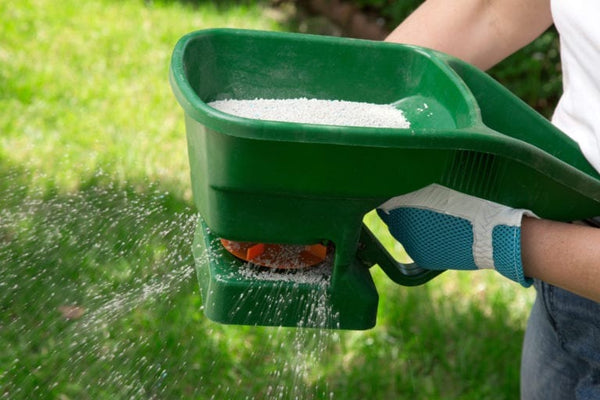
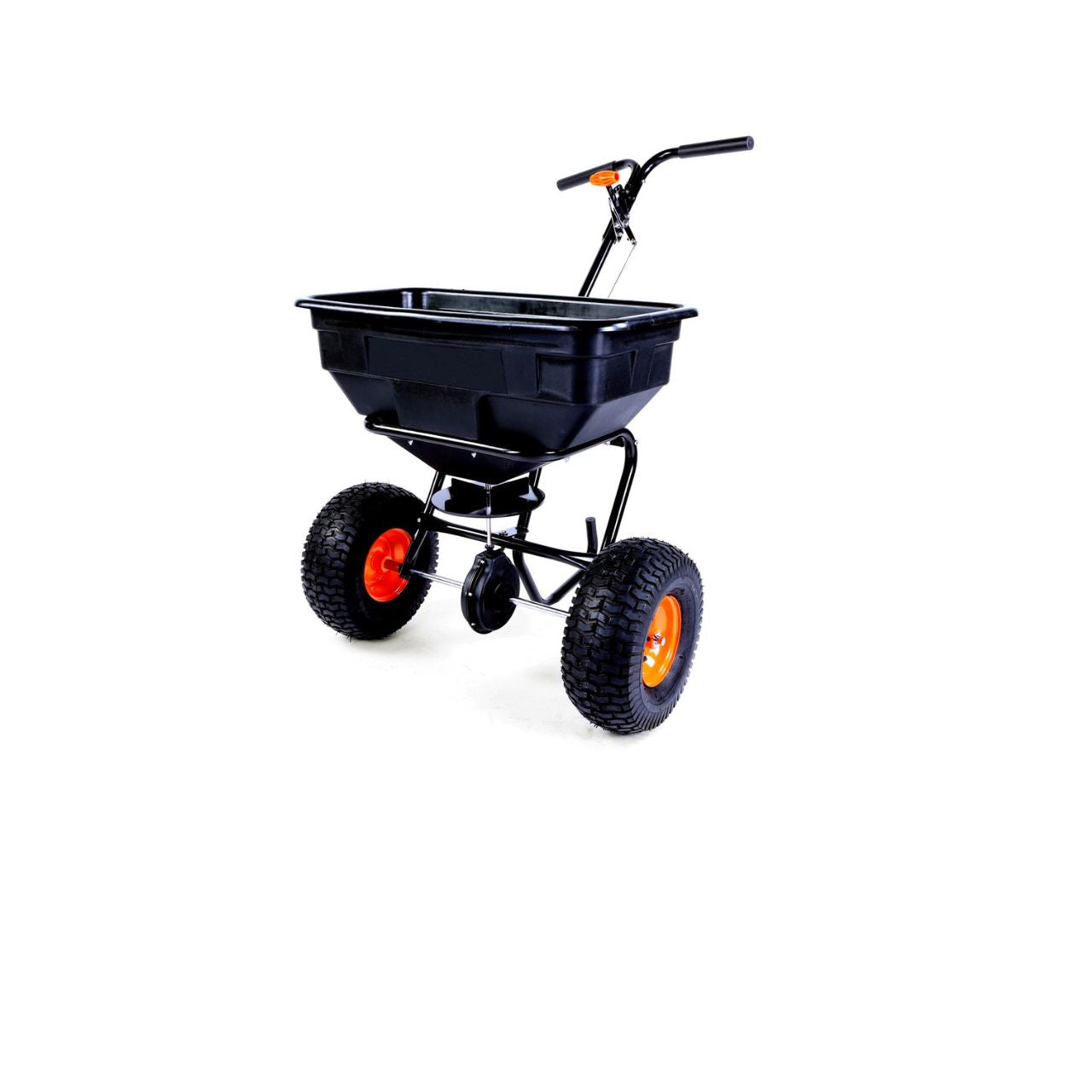
- Use a spreader: For an even distribution of lime across the lawn.
- Water lightly: If rain is not forecast, give the lawn a gentle watering after application.
- Wait six to eight weeks: Only then should you apply fertiliser.
Liming and Fertilising: How to Combine Both Treatments
Lime can reduce the effectiveness of fertiliser if both are applied at the same time. The chemical reactions can partially cancel each other out, making the fertiliser less efficient.
Here's how to do it correctly:
- Leave a gap of at least 6–8 weeks between liming and fertilising.
- Apply lime in spring or autumn and water in well afterwards.
- Only fertilise once the lime has fully worked its way into the soil.
Tip: Consider using combination products such as lawn lime with added nutrients, or apply garden lime first, followed by a high-quality lawn fertiliser.
Smart Tools to Maximise the Effect of Liming
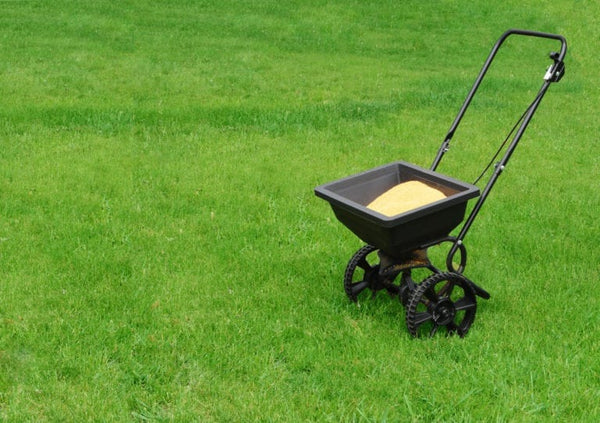
One of the most important aspects of liming is ensuring even coverage across the entire lawn. Only then can you be confident that the soil is treated consistently throughout. Using aids such as a battery-powered spreader or a wheeled spreader makes this process much simpler and more efficient. These tools ensure an even application of lime and help to prevent patchy or inconsistent results.
Common Problems and How to Avoid Them
- Too much lime: Excess lime can make the soil too alkaline. Test the pH level regularly.
- Uneven distribution: Use a spreader for best results.
- Wrong timing: Avoid liming when the ground is frozen or during hot, dry spells.
Benefits of Regular Liming
- Healthy growth and a dense, thick lawn
- Less moss and fewer weeds
- Optimal nutrient uptake
- Stable soil pH level
Spring Lawn Care: Liming, Scarifying, Fertilising
- Mow the lawn: Cut the grass before you begin any treatment.
- Scarify: Remove moss and thatch to aerate the grass roots.
- Lime the lawn: Adjusts the pH level and prepares the soil for fertilising.
- Fertilise the lawn: Apply a slow-release fertiliser six to eight weeks after liming.
Why You Should Lime Your Lawn
A well-maintained lawn is not only a pleasure to look at – it is also healthy and resilient. Liming is an essential step in regulating soil pH, combating moss and weeds, and strengthening your grass. With the right preparation and a good-quality garden lime, there is nothing standing between you and a beautifully lush, green lawn.
Discover our range of garden tools
What is the ideal pH level for lawn grass?
The ideal soil pH for lawn grass is between 6 and 7, which allows nutrients to be absorbed effectively. Soil with a pH below 6 becomes too acidic and creates ideal conditions for moss and weeds to thrive at the expense of healthy grass growth.
When is the best time to lime a lawn?
The best times to lime your lawn are early spring after the last frosts or in autumn after your final lawn maintenance. Spring liming optimises nutrient uptake before fertilising, whilst autumn liming keeps your soil in good condition throughout winter.
How much lime do I need for my lawn?
The amount depends on your soil type: light sandy soil needs 150–200 g/m², medium soil requires 250–300 g/m², and heavy clay soil needs 350–400 g/m². Always use a soil test kit first to check your pH level and determine the right amount.
Can I apply lime and fertiliser at the same time?
No, lime can reduce the effectiveness of fertiliser due to chemical reactions between them. Wait at least 6–8 weeks after liming before applying fertiliser to ensure both treatments work efficiently.
What are the signs of too acidic soil?
Signs include increased moss growth, weak and sparse grass, frequent weeds, and yellow or brown patches in your lawn. A soil test kit from a garden centre or DIY store will confirm whether your soil is too acidic.
What types of lime can I use on my lawn?
Ground limestone is natural and gentle for regular maintenance, quicklime is fast-acting but caustic for strongly acidic soils, slaked lime is slightly less potent, and garden lime is versatile and easy to apply for hobby gardeners.
What should I do before liming my lawn?
Mow the lawn short to help lime penetrate the soil, scarify to remove moss and thatch, and carry out a soil test to check the pH level. These steps ensure the lime can work effectively once applied.
Everything your lawn needs
More articles about lawn care
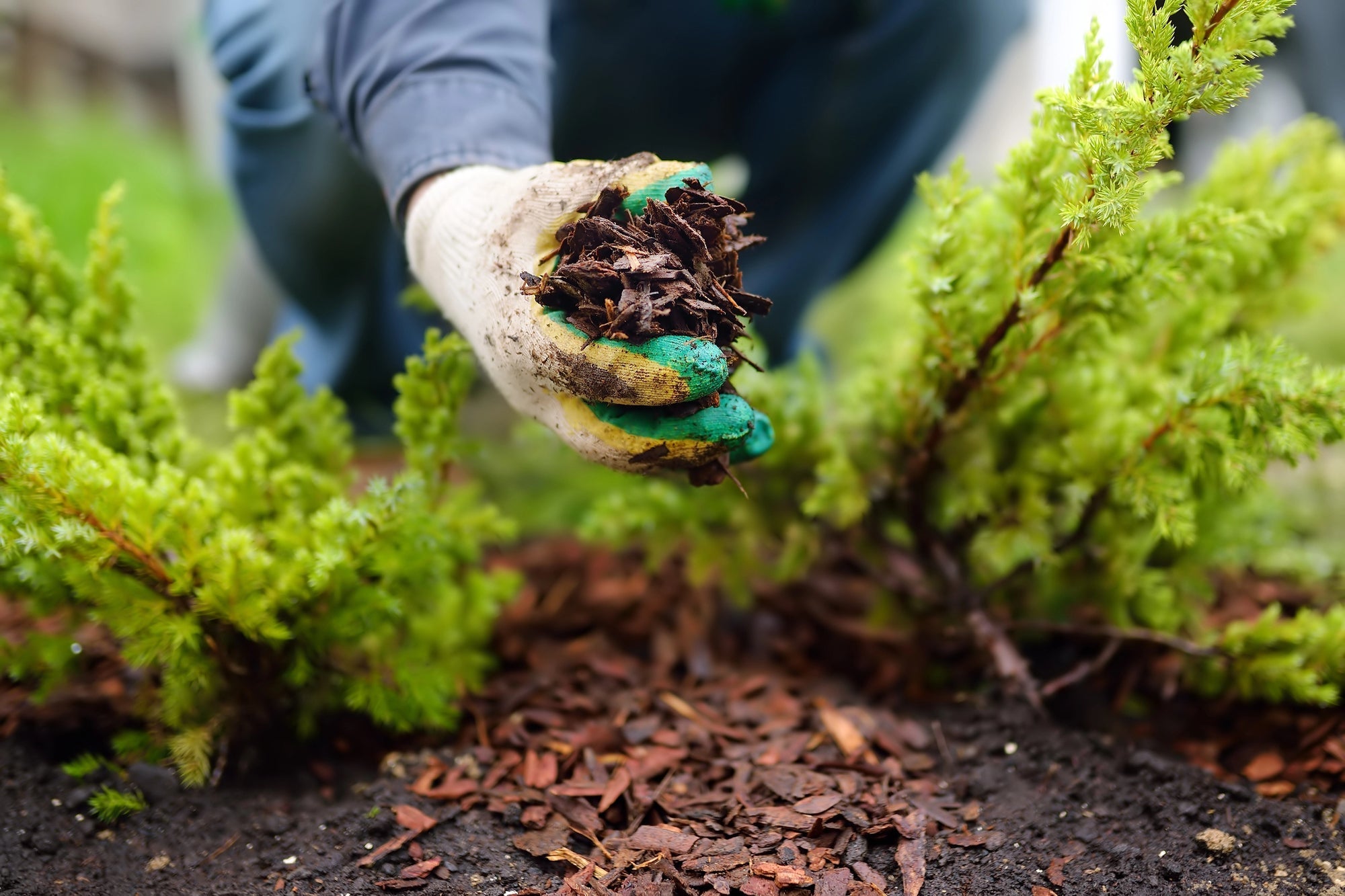
Mulchen mit Pinienrinde: So nutzt du organischen Mulch, um Unkraut zu verhindern
Das Mulchen mit Pinienrinde gehört zu den effektivsten Methoden im modernen Gartenbau und in der nachhaltigen Landwirtschaft. Dabei wird eine Schicht Mulchmaterial auf die Bodenoberfläche aufgebrac...
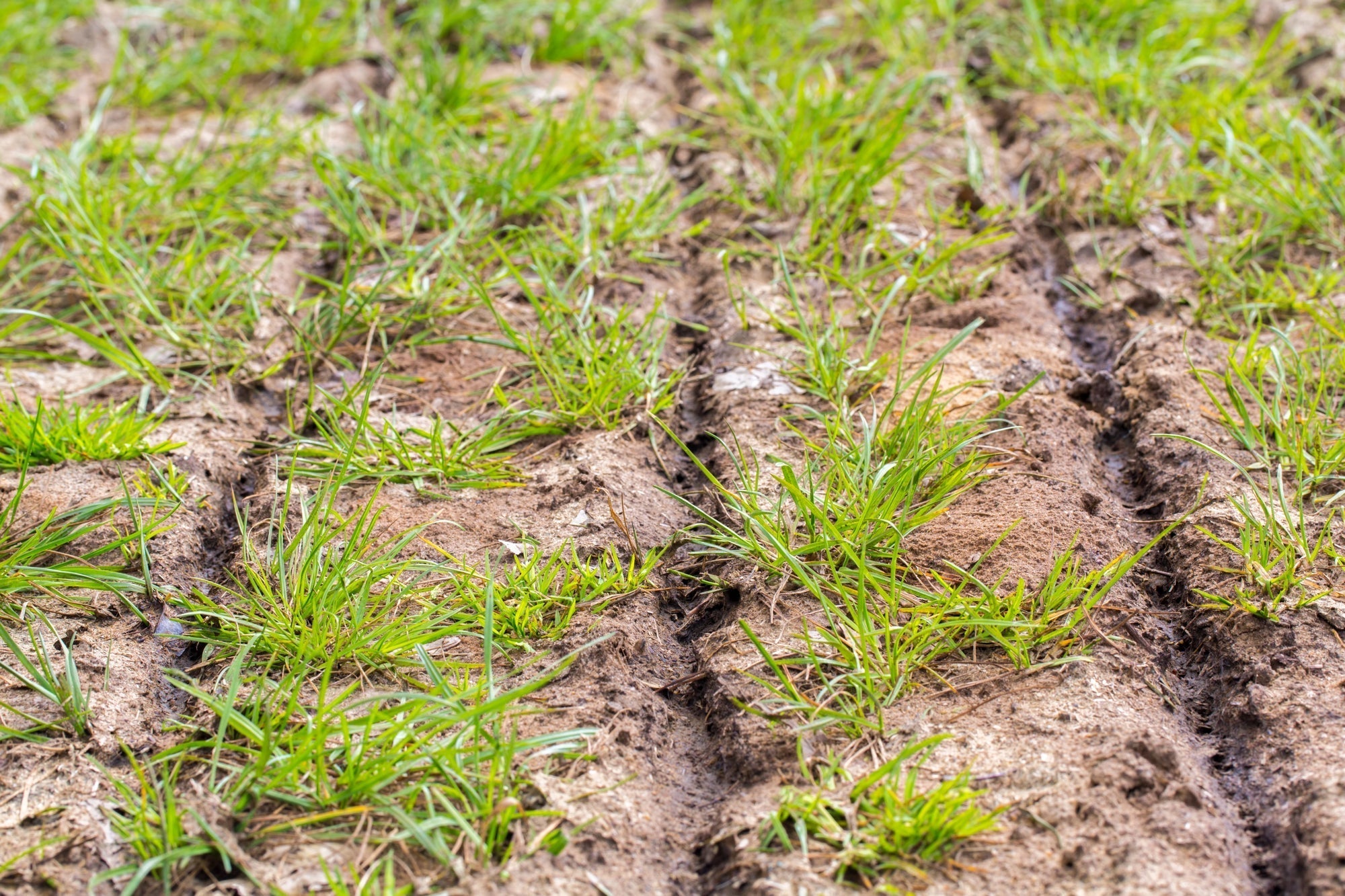
Bodenverbesserung im Garten: So verbesserst du deinen Gartenboden im Frühjahr für gesunde Pflanzen
Inhaltsverzeichnis Warum Bodenverbesserung im Garten im Frühjahr so wichtig für einen gesunden Gartenboden ist Gartenboden nach dem Winter prüfen: Bodenstruktur, Verdichtung und Bodenart erke...
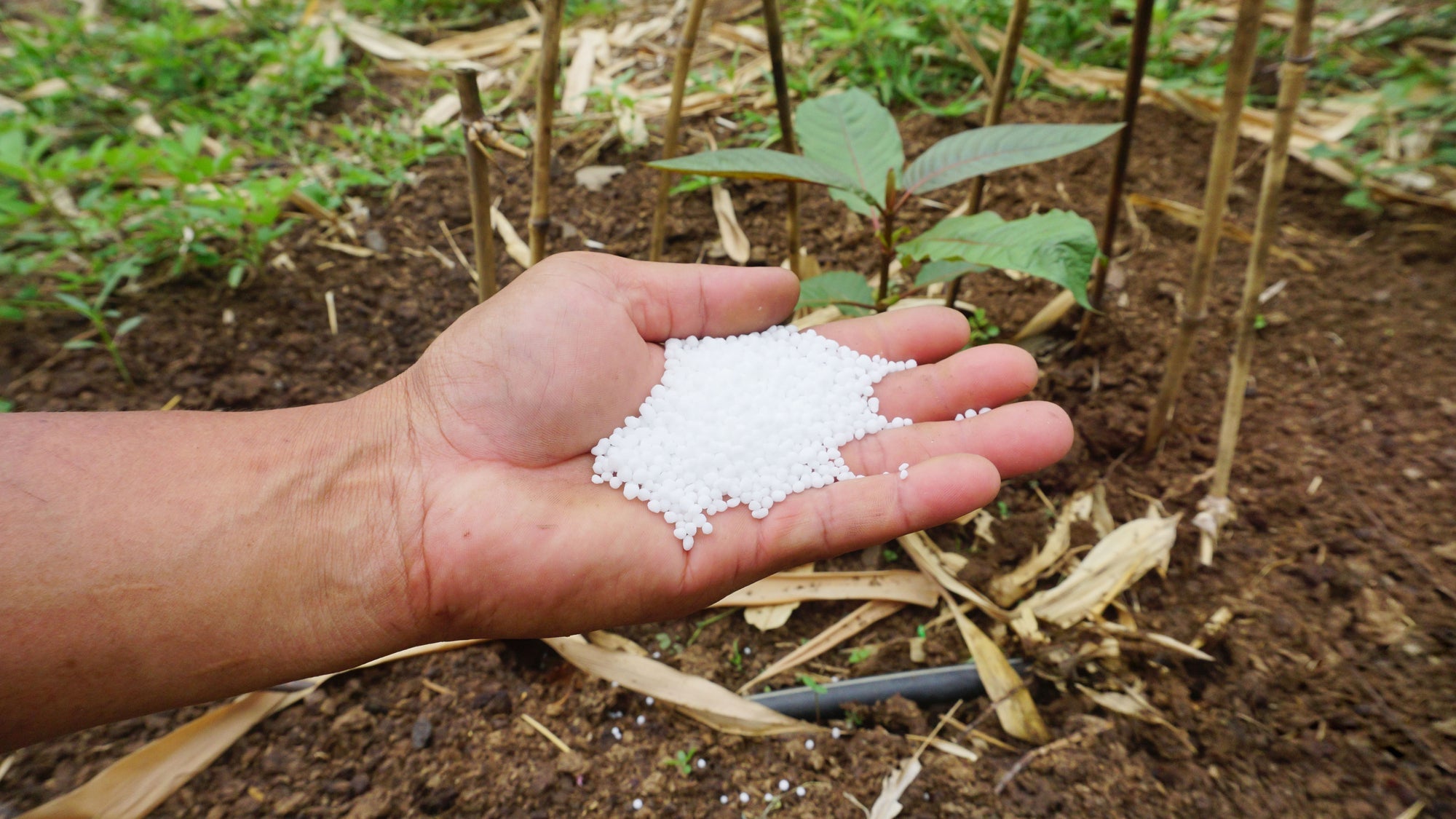
Richtig Düngen im Garten: Schritt für Schritt erklärt
Inhaltsverzeichnis Warum Düngen im Garten so wichtig ist Bodenanalyse: Grundlage für die richtige Düngung Organische vs. mineralische Dünger: Was ist besser? Kompost, Hornspäne & Co.: Organi...


