





Turf Laying Guide – Tips for Laying & Care
Turf Roll Guide – Essential Tips for Laying and Care
Strictly speaking, turf rolls are not a specific grass variety or seed mixture, but rather a special form of ready-grown lawn. Also known as ready-to-lay turf, this product carries its greatest advantage in the very concept: instead of waiting for grass seed to germinate and establish, your new lawn looks inviting immediately after laying and can be lightly used straight away. Ready-to-lay turf is therefore the ideal solution for anyone who wants to enjoy their new lawn as quickly as possible.
Turf – Instant Green Perfection
The origins of laying turf date back to the Middle Ages. As early as 1613, an Englishman recommended using cut pieces of turf to create a lawn. Since then, a great deal has changed in the development of lawn grasses in general and turf rolls in particular. As demand for easy lawn solutions grew – especially for private gardens – so too did the number of turf suppliers. The foundations of today's turf trade were laid around fifty years ago. While supply was initially limited both regionally and in terms of grass varieties, today's gardeners have a wide choice of turf suppliers. Many now deliver nationwide, particularly via the internet, so you are no longer necessarily dependent on a local turf producer. Many garden centres and DIY stores also offer customers the option of ordering turf through them, though the range may be more limited than buying directly from the producer. When purchasing turf, you will typically have the choice of buying it yourself and handling everything else, or having it delivered and perhaps even laid for you. This naturally costs considerably more, but saves a great deal of effort. It also means you can be confident the turf will establish well. Some suppliers even offer a take-root guarantee on turf they deliver and lay themselves.
How Turf Is Produced
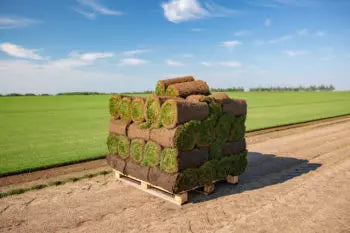
Turf is pre-grown on large fields, much like cereal crops or other agricultural produce. The grower sows grass in spring or autumn and ensures it thrives through high-quality care. With their specialist expertise, they can tend the demanding young grass under ideal conditions. Over time, through regular feeding, watering, and mowing, the grass develops a dense, compact sward. After a minimum of one year, the turf can be harvested. Many producers, however, allow it to grow for up to two years. This improves quality, as the grasses have more time to spread and thicken. At harvest, a specialist machine peels the turf away from the soil along with its upper root layer and rolls it into strips – hence the name turf rolls. Thanks to the two to three centimetre thick root layer, the grasses survive being transplanted to a new location without dying off. Nevertheless, the process puts considerable stress on the plants, and freshly laid turf requires particularly intensive care to establish. Even so, establishment is faster than sowing from seed. The thicker the layer of soil transported with the turf, the better – though turf cannot be cut with too deep a root layer, as the rolls would become too heavy. Even so, one square metre of turf weighs, depending on thickness and moisture content, between 15 and 20 kilograms. Ready-to-lay turf gives you a dense carpet of grass from day one, rather than sparse individual blades that still need to spread and thicken. It is therefore resilient and considerably more robust than freshly sown seed from the outset. Turf is the first choice for anyone who wants to enjoy their garden as soon as possible.
A Wide Variety of Turf Types Available
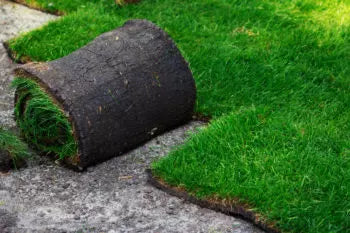
In theory, virtually all grass varieties available as seed are also available as turf. Standard ornamental lawns, shade-tolerant turf, or popular utility lawns are stocked by almost every supplier as a matter of course. However, if you are looking for a specific blend of grass varieties, this can sometimes be more difficult to source. Larger turf producers are increasingly offering grass mixes tailored to very specific site and environmental conditions. If you have a clear idea of what you want from your future lawn, it is worth asking the supplier about the composition of the seed mixture used. Whilst the names of different turf types are not always precisely defined, understanding the established characteristics of particular grass species will give you a good idea of how your turf will behave in terms of growth and maintenance requirements. When it comes to grass types, a reputable turf supplier will usually offer excellent advice on which variety is best suited to your garden, and will provide important care guidance at the point of purchase.
How Much Does Turf Cost?
The cost of turf depends on several factors. The key considerations are the variety you choose and the quality. How long the turf has been growing before being cut has a significant impact on price. Well-established turf with a dense sward that has been left to grow for longer is generally more expensive than younger turf with a less dense root structure that was cut as early as possible. If your newly laid turf will not be subjected to particularly demanding conditions straight away, you can save money by opting for younger turf. It may not be as lush initially, but with the right care it will continue to thicken and fill out over the coming seasons.
Turf is priced per square metre. Budget suppliers advertise prices of around £2 per square metre. Premium blends with a very dense sward that meet the highest standards can cost up to £10 per square metre. By comparison, sowing a square metre from grass seed costs, depending on quality, roughly 10 to 20 pence. The price range on the market is therefore enormous – as are the differences in quality. If you want a flawlessly green, dense lawn immediately after laying, premium turf that has been growing for longer may well be worth the investment. If a slightly less dense sward at the outset doesn't concern you, you can make compromises on quality – but never on the type of turf you choose. If the variety is not suited to the location and the level of use it will receive, a healthy, attractive lawn will simply not develop over time. While large national suppliers often offer more competitive prices, it is also worth obtaining a quote from a local supplier, where you can inspect the quality of the turf in person before committing to a purchase.
Laying Turf – How to Get It Right
There is no reason why you cannot lay turf yourself. Professionals are generally faster at the job, but the results show no significant difference. As long as you follow a few key steps, laying turf should be well within your reach, and you will soon be enjoying your new green space.
Preparing the Ground
The most important factor for successfully laying turf is thorough preparation. Moss and certain weeds thrive in waterlogged soil and leave no room for grasses that dislike wet feet. After removing any existing plants and digging over the future lawn area, it is essential to adapt the soil to the needs of the turf. This is a one-off effort that will save you a great deal of trouble in the years to come. If the soil is excessively clay-like and poorly draining, mix in washed sharp sand from a builders' merchant. Ideally, the soil should have a slightly crumbly texture. However, too much sand is also problematic, as it retains very little water. If the ground is very free-draining, enrich it with topsoil. Remove as many stones, roots, and plant debris as possible from the soil. This minimises competition for your new lawn from the outset and gives it the best possible start. Finally, firm the soil evenly with a roller. This is important to prevent the ground from settling unevenly under later use, which would lead to an uneven surface.
To prepare the ground ideally for your new lawn, it may be necessary to fertilise it. Depending on how the area was previously used, the soil may be depleted and low in nutrients. The turf would then struggle to establish and could quickly develop yellow or brown patches. A nitrogen-rich organic fertiliser will help prevent this. You can test the pH of your soil using test strips available from garden centres or DIY stores. For lawn use, the ideal pH is approximately 5.5 to 6.5. If it is too low, raise it by applying garden lime; if it is too high, clover will quickly take hold. You can lower the pH by incorporating organic matter or compost into the soil.
Laying the Turf
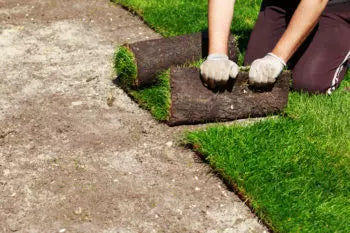
Once the ground is ideally prepared, level and even, you can begin the actual laying process. This needs to be planned carefully, because once turf has been cut it must be laid without delay. Most suppliers therefore only harvest their turf to order and deliver it on an agreed date. Make sure you have enough helpers and the right tools on hand. The sooner the turf is back on the ground, the less stress the transplanting process causes. Never attempt to store turf – always lay it within one day of delivery! Ideally, prepare the ground the day before so you can begin laying as soon as the turf arrives.
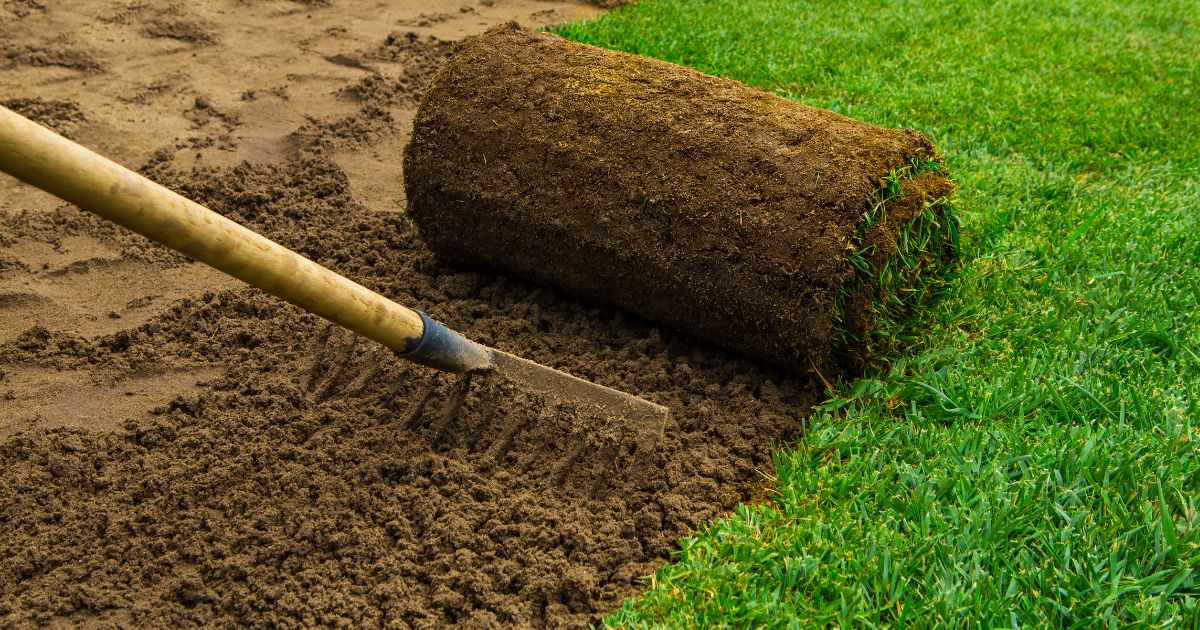
Depending on the condition of the soil, it may be worth watering the ground before laying. It should be thoroughly moist so that the roots can immediately begin to absorb water upon contact with the soil and the grasses do not dry out. Rake over the surface just before laying each strip to help the soil of the turf bond as effectively as possible with the ground beneath. Start laying from the corner of the area furthest from where the turf rolls are stacked. This has the simple benefit of avoiding unnecessary foot traffic over already-laid strips. If the rolls are delivered stacked on a pallet, it is important to relieve the pressure on the turf at the bottom of the stack. To do this, you can distribute the rolls across the area first before you start laying. Begin along the longest straight edge of the garden to minimise the amount of cutting required. Cutting is not a problem in itself, but it does mean extra work. Joints between strips are also always particularly susceptible to weeds, so try to keep them as tight as possible by pushing strips together firmly using a plank. At the end of a strip, simply cut off the remainder with a garden knife or sharp knife and use it to start the next row. The one thing to avoid entirely is cross-joints, where the corners of four different strips meet. Use the same approach to fit rectangular pieces around curved or angled bed borders. Some wastage is perfectly normal. When ordering, factor this in and order approximately 5% more than you actually need.
Once laid, press the fresh turf firmly against the ground using a roller or a plank. Make sure all edges are either butted up against a border or have a little soil covering them. Otherwise they will dry out quickly and the edges are prone to shrivelling. After laying, it is absolutely essential to water the turf thoroughly. To start with, it requires approximately 15 to 20 litres per square metre to recover from the drying effect of transport.
Caring for Newly Laid Turf
For the first two to three weeks after laying, turf requires a great deal of attention. Since it needs to re-establish deep roots into the soil, it is vital during this period to keep the soil surface consistently moist. During the warm summer months, when moisture evaporates quickly, this may mean watering up to three times a day. If the turf starts turning a greyish colour, it urgently needs water and cannot wait until evening. Take care, however, not to water too shallowly. If only the very top layer of soil is moist whilst the deeper layers remain dry, the turf has no incentive to push roots deeper, and it will not do so. It will then turn brown and wilt as soon as daily watering stops.
After approximately one to two weeks, you can mow your new lawn for the first time. Make sure the blades of your mower are sufficiently sharp. Blunt blades do not cut cleanly but rather tear the grass, which on freshly laid turf can cause it to be pulled up from the ground. The ideal cutting height depends on the grass variety and its intended use. If the grass has grown very long, you should never remove more than one third of the blade length in a single cut. Instead, gradually work down to the desired height over several mowing sessions. After a few weeks, once the turf has established well, it will no longer require any special treatment. Feed for the first time approximately four to six weeks after laying, and thereafter as required.
The Best Time to Lay Turf
Unlike grass seed, which should only be sown in spring or autumn, turf can be laid throughout the year. The only conditions are that the ground is not frozen and that sufficient water is available for thorough irrigation during summer. Since grass enters a period of semi-dormancy with significantly reduced growth at temperatures below 8°C, winter is not the ideal time for laying turf. Where possible, it is better to wait for spring, with its milder temperatures and more reliable rainfall. The grasses will naturally be growing more vigorously by then and, provided they receive adequate nutrients, will establish well after transplanting without significant damage.
Discover our range of garden tools

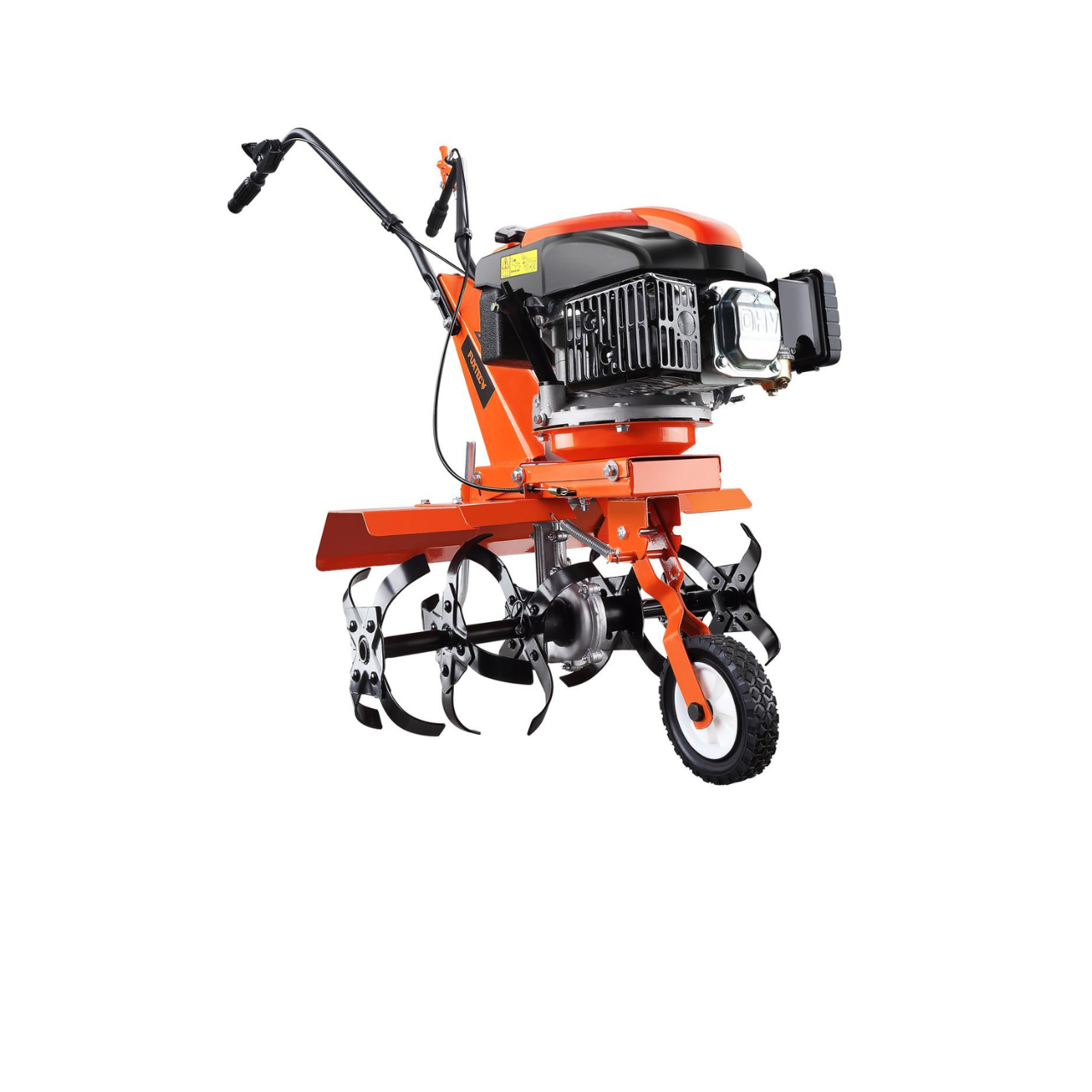
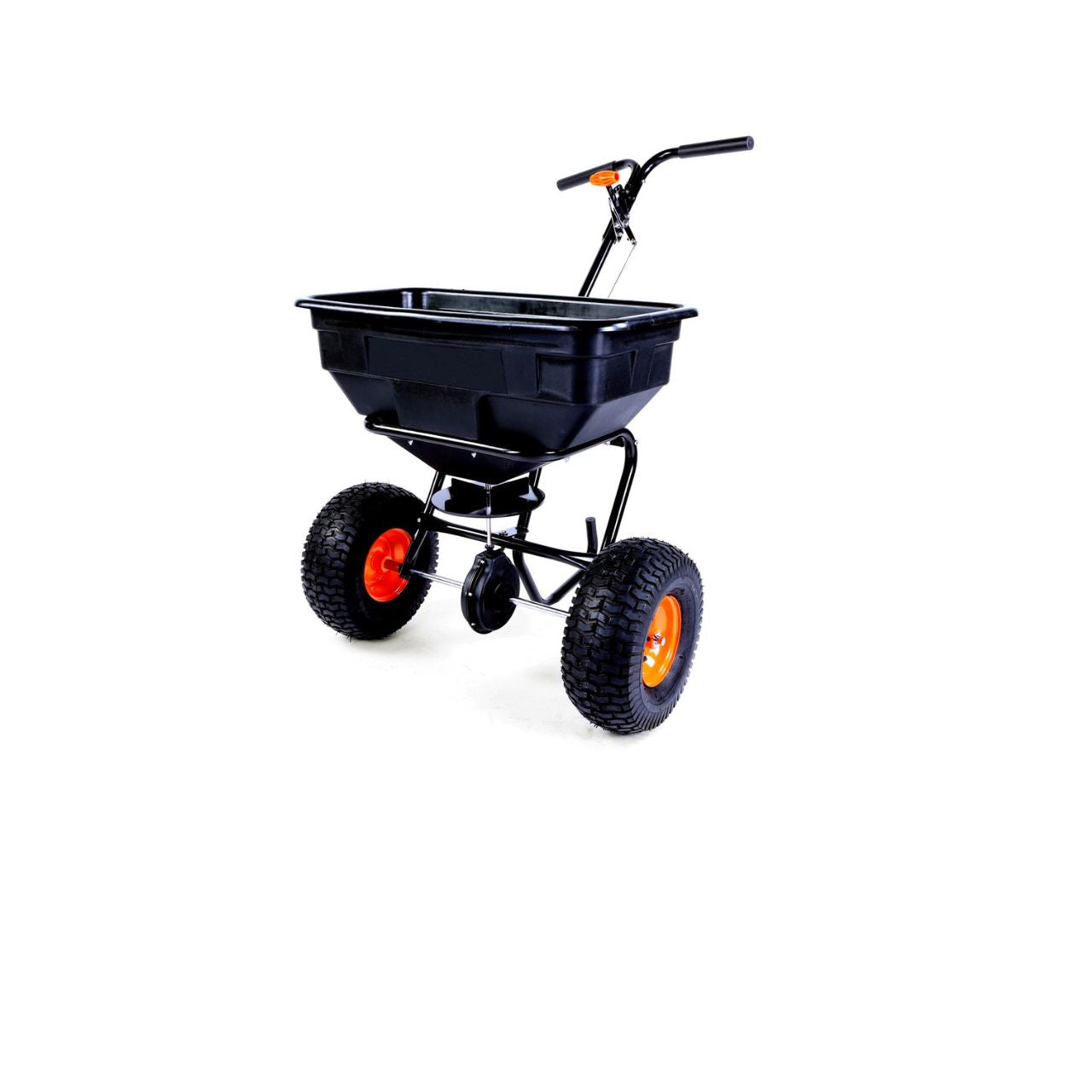
Everything your lawn needs



More articles about lawn care
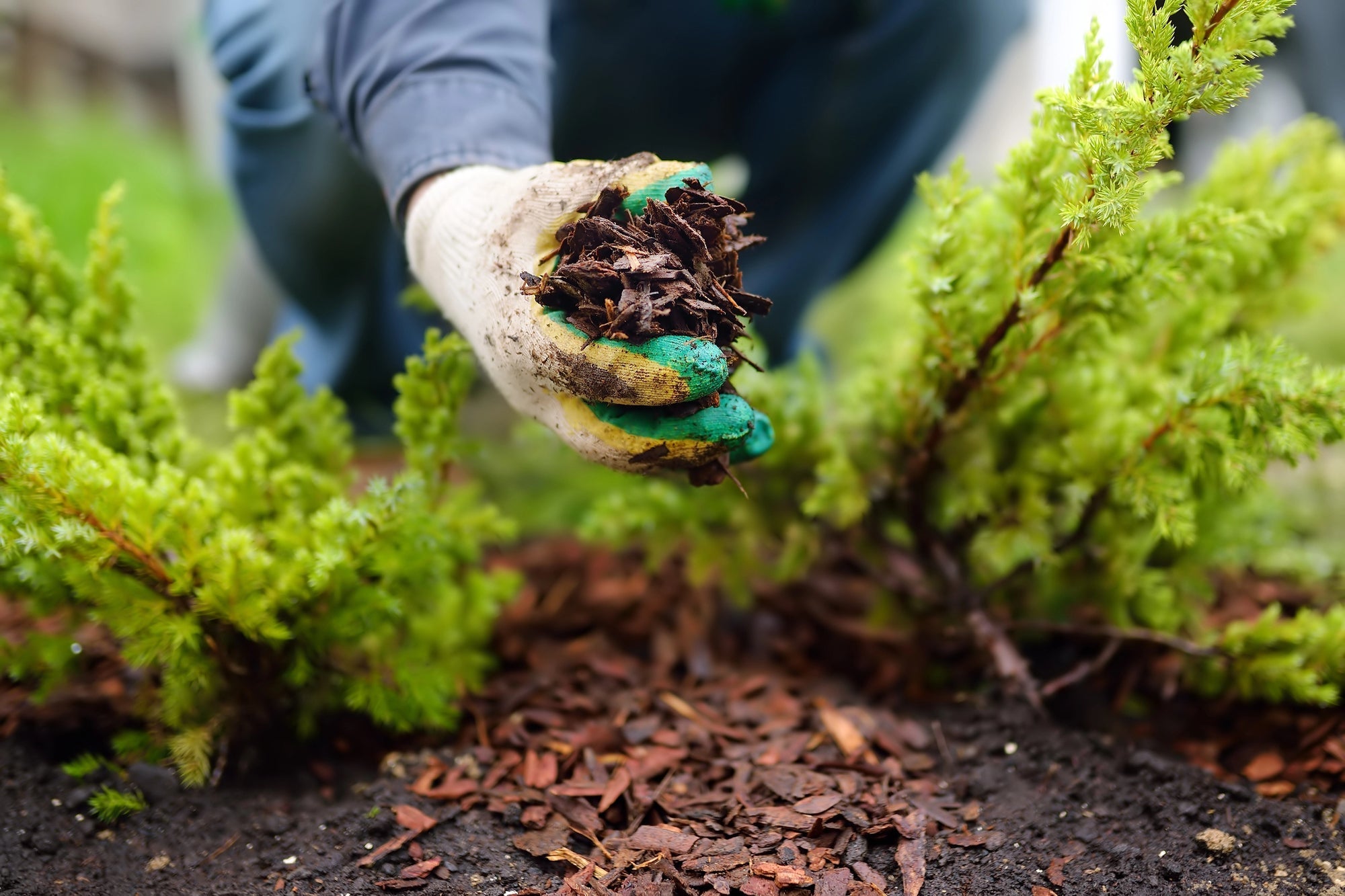
Mulchen mit Pinienrinde: So nutzt du organischen Mulch, um Unkraut zu verhindern
Das Mulchen mit Pinienrinde gehört zu den effektivsten Methoden im modernen Gartenbau und in der nachhaltigen Landwirtschaft. Dabei wird eine Schicht Mulchmaterial auf die Bodenoberfläche aufgebrac...
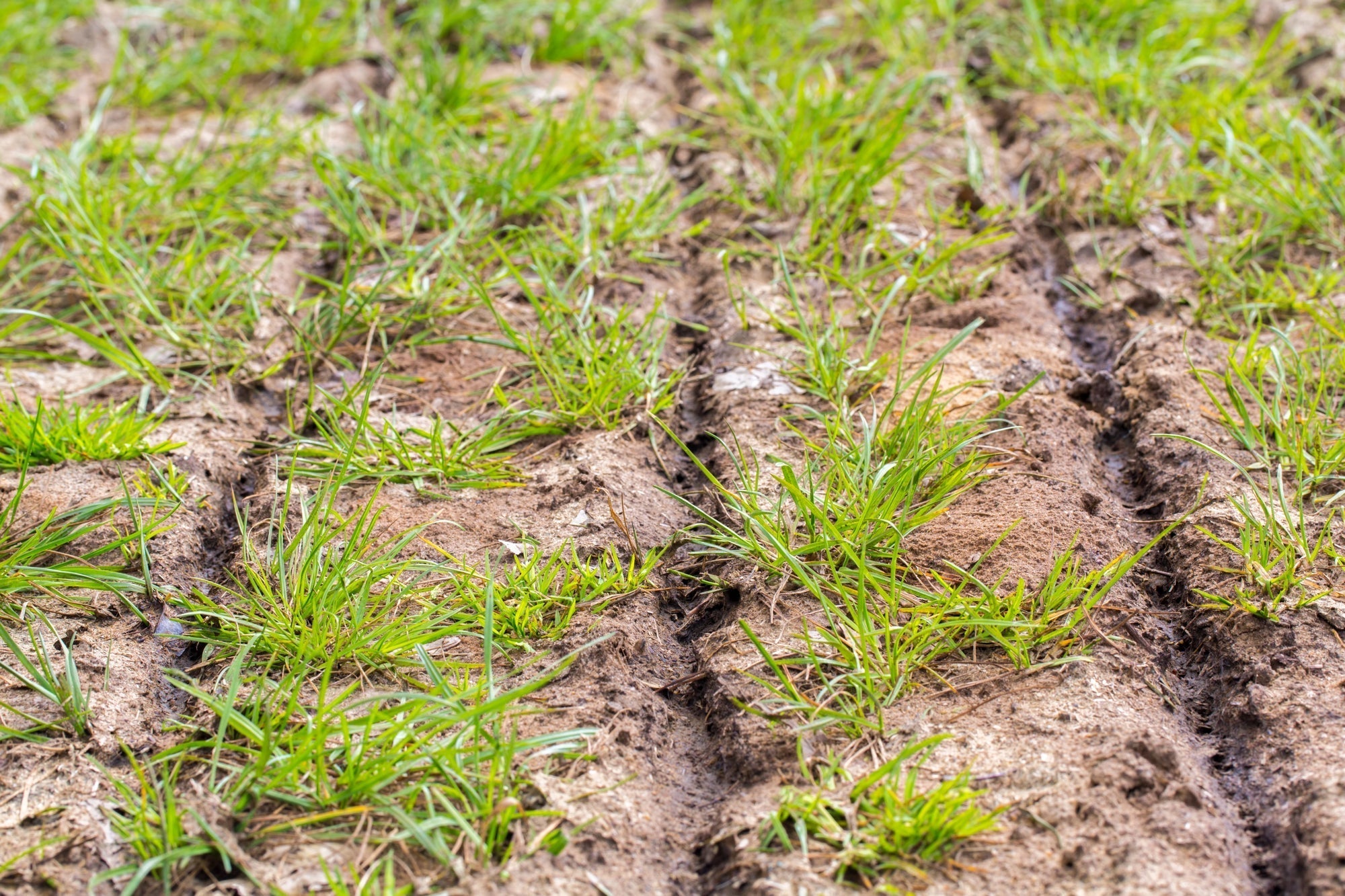
Bodenverbesserung im Garten: So verbesserst du deinen Gartenboden im Frühjahr für gesunde Pflanzen
Inhaltsverzeichnis Warum Bodenverbesserung im Garten im Frühjahr so wichtig für einen gesunden Gartenboden ist Gartenboden nach dem Winter prüfen: Bodenstruktur, Verdichtung und Bodenart erke...
Richtig Düngen im Garten: Schritt für Schritt erklärt
Inhaltsverzeichnis Warum Düngen im Garten so wichtig ist Bodenanalyse: Grundlage für die richtige Düngung Organische vs. mineralische Dünger: Was ist besser? Kompost, Hornspäne & Co.: Organi...


