vertikutieren-ratgeber.jpg__PID:ab6af722-c9dd-4639-bbc8-52f4ee11a864

Lawn Scarifying – Tips for a Healthy Lawn

Lawn Scarifying – The Most Important Tips for a Healthy Lawn

Lawn areas rarely look as pristine as they do immediately after seeding or laying fresh turf. This is not only down to weeds, which can quickly take hold if care is not quite right. Over time, a layer known as lawn thatch also builds up. This is a layer of dead grass and dead roots that can thicken over time. If it does not break down quickly enough, it effectively suffocates the lawn beneath, as the grass can no longer receive sufficient water, oxygen, and other nutrients.


Scarifying – what exactly is it?

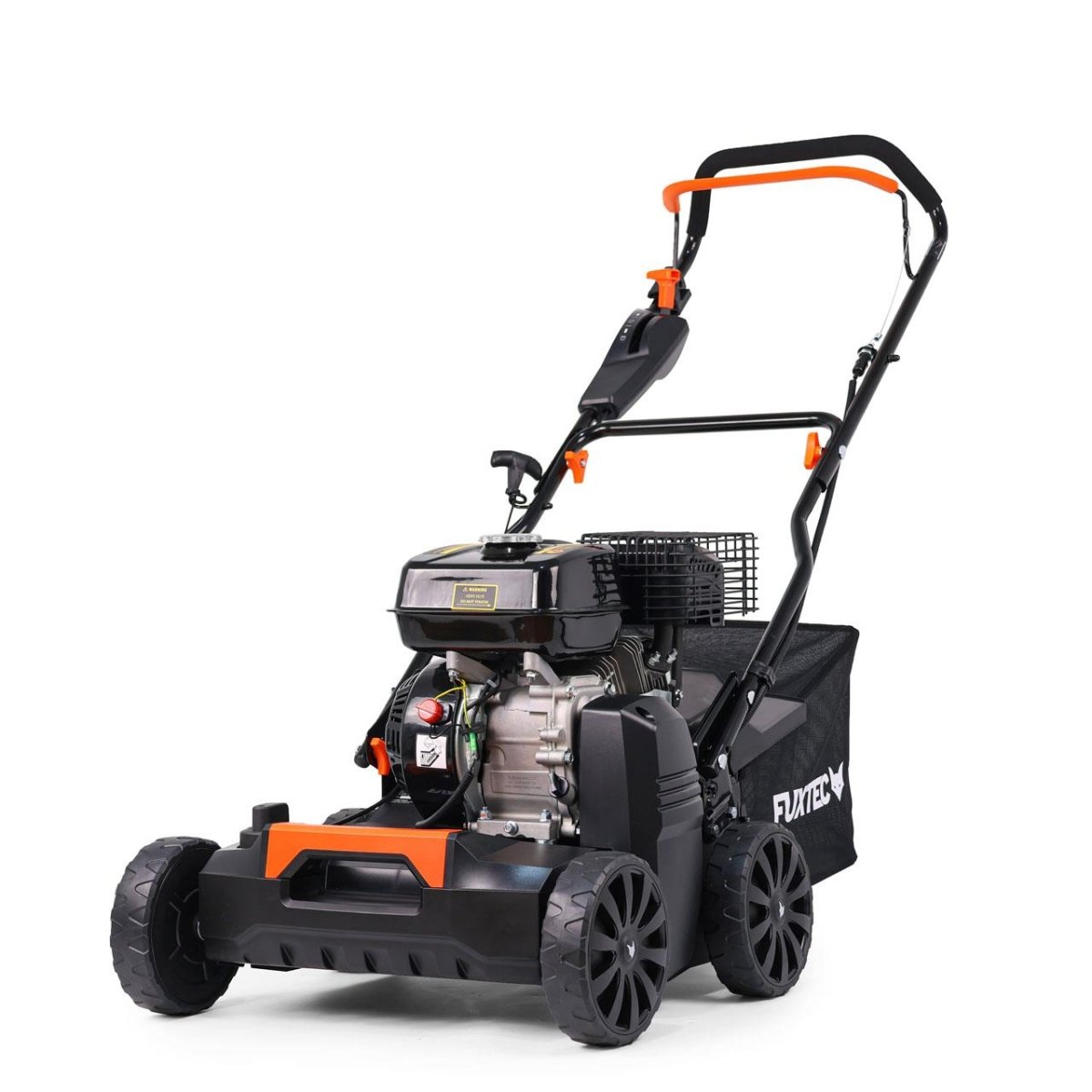
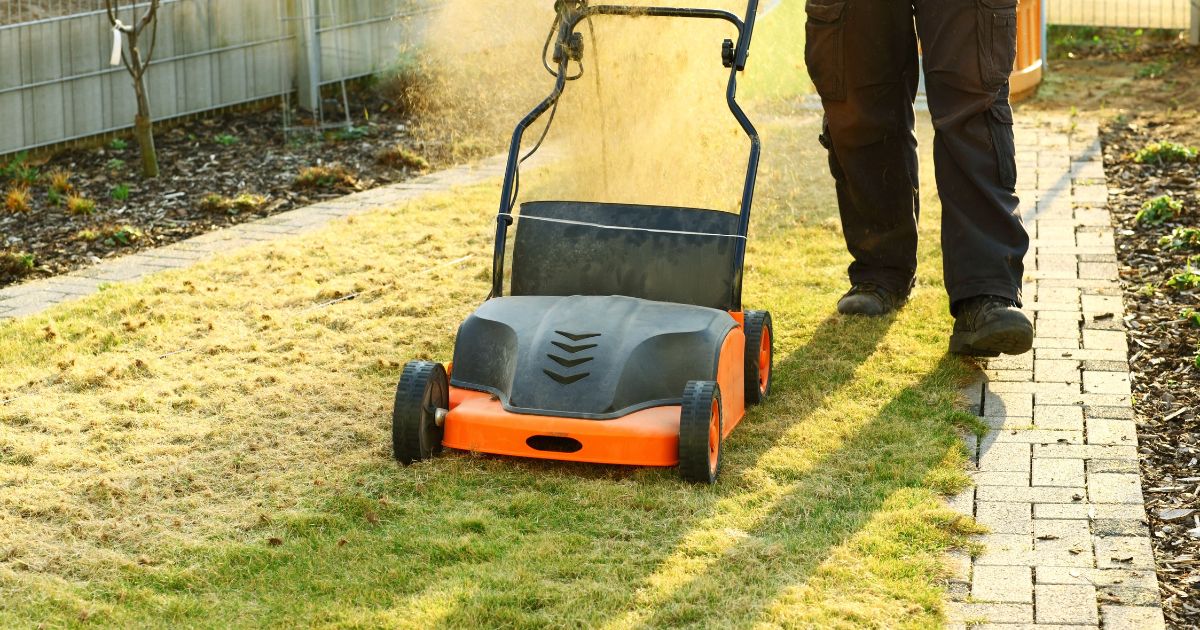
The term "scarifying" comes from the Latin scarificare, meaning to scratch or score. The name describes the process well: a rotating drum fitted with sharp, pointed tines is drawn across the lawn surface. The blades cut a few millimetres into the soil and tear out thatch as well as any moss that may be present. Depending on the type of scarifier, the loosened material either remains on the lawn and needs to be raked up afterwards, or it is collected directly in a grass box.

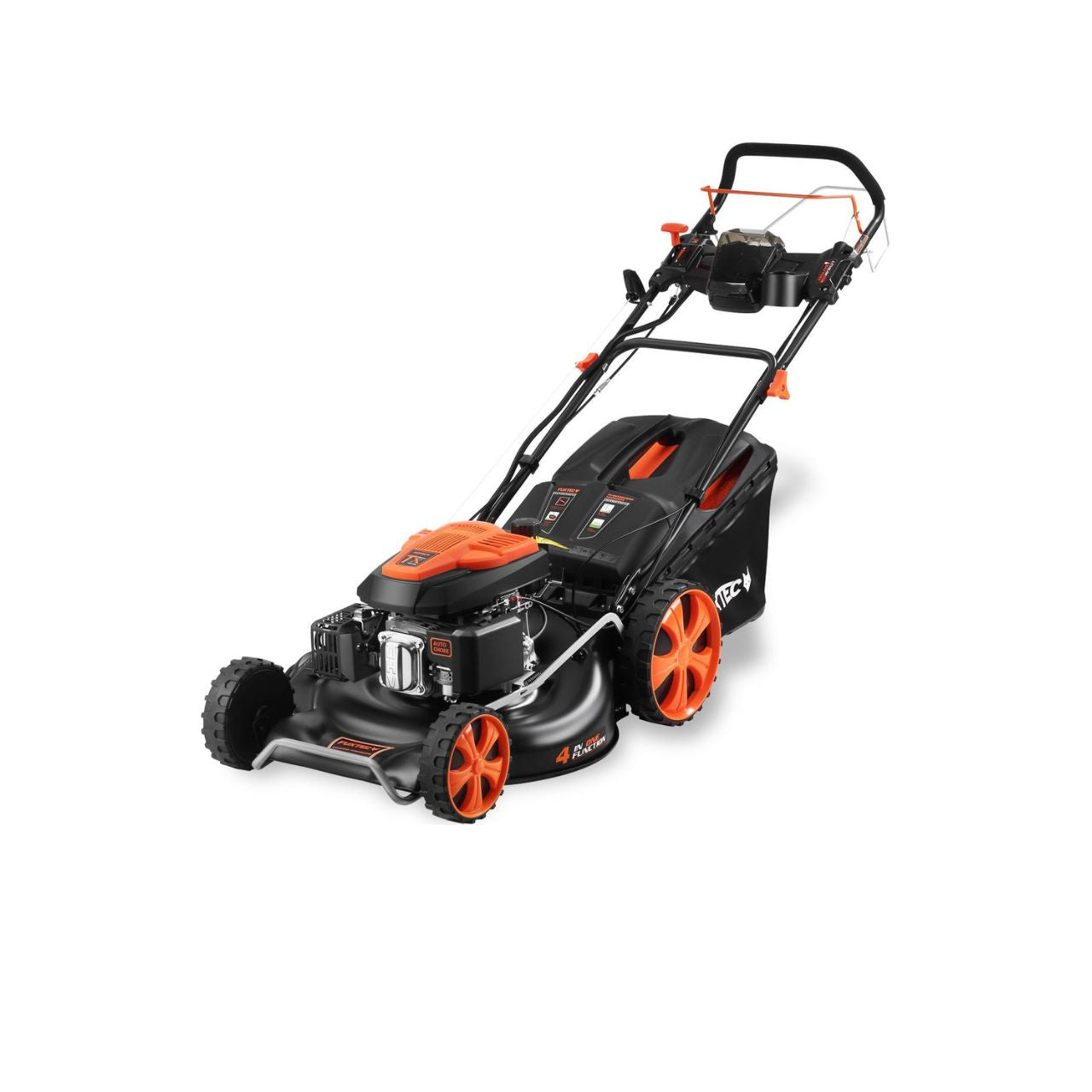
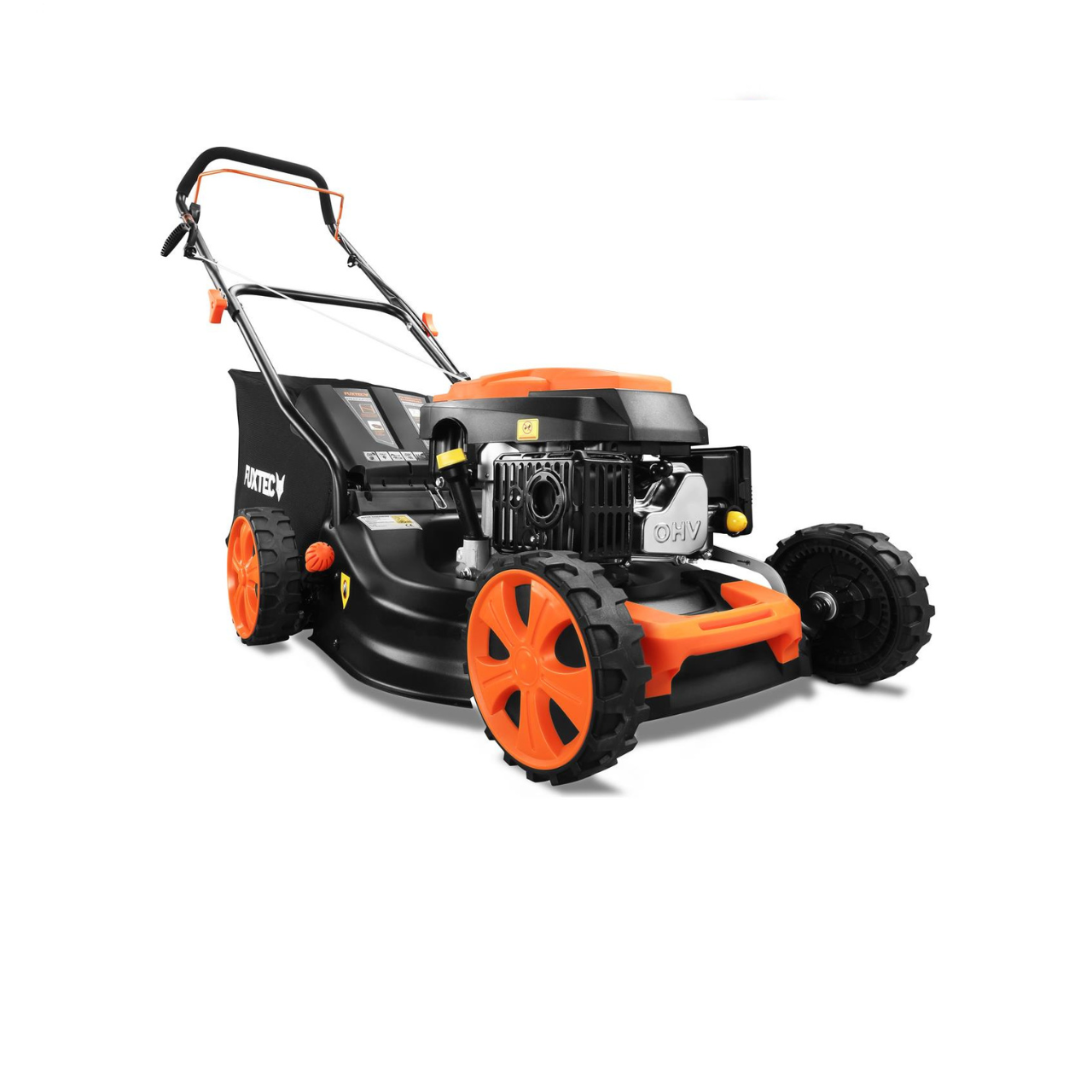
As with lawn mowers, scarifiers are available with either a petrol or electric motor. Which is better suited to you and your lawn depends primarily on the size of the area. For very large lawns, a petrol scarifier is often worth the investment, as its range is not limited by a cable or battery charge. For smaller patches of grass, hand scarifiers are also an option. They are very affordable and require nothing more than your own muscle power. For larger areas, however, manual scarifying is not really recommended, as it can be quite tiring. If you do not want to invest in an expensive machine straight away, you can also hire a scarifier.

When should you scarify your lawn?
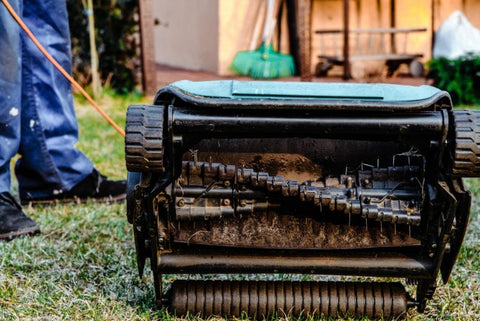
Lawn scarifying FUXTEC

Young lawns should not be scarified during the first two to three years. During this period, there is a risk of damaging the still-tender turf or pulling up grass plants whose roots have not yet established properly. This is usually not a major problem, as a dense layer of thatch or moss rarely develops in the early years anyway. If it does, you can try other methods of moss control in the meantime.

To check whether your lawn needs scarifying or whether everything is still in good shape, you can carry out a simple test: take a small metal rake and draw it lightly through the turf. If noticeable amounts of dead grass and moss cling to the tines, your lawn will benefit from scarifying. Heavy soils that are already poorly aerated and prone to waterlogging are particularly susceptible to moss and thatch. The same applies to shaded areas. Pay particular attention to these spots when checking your lawn!


Scarifying as part of your annual spring lawn care routine

In theory, you can scarify your lawn throughout the growing season, from March to September. However, as the treatment puts the grass under stress and it requires particularly intensive care afterwards, the warm summer months are not ideal. Heat and dry spells make it harder for the lawn to recover, and weeds are given the opportunity to establish. You should also avoid heavy use of the lawn immediately after scarifying.

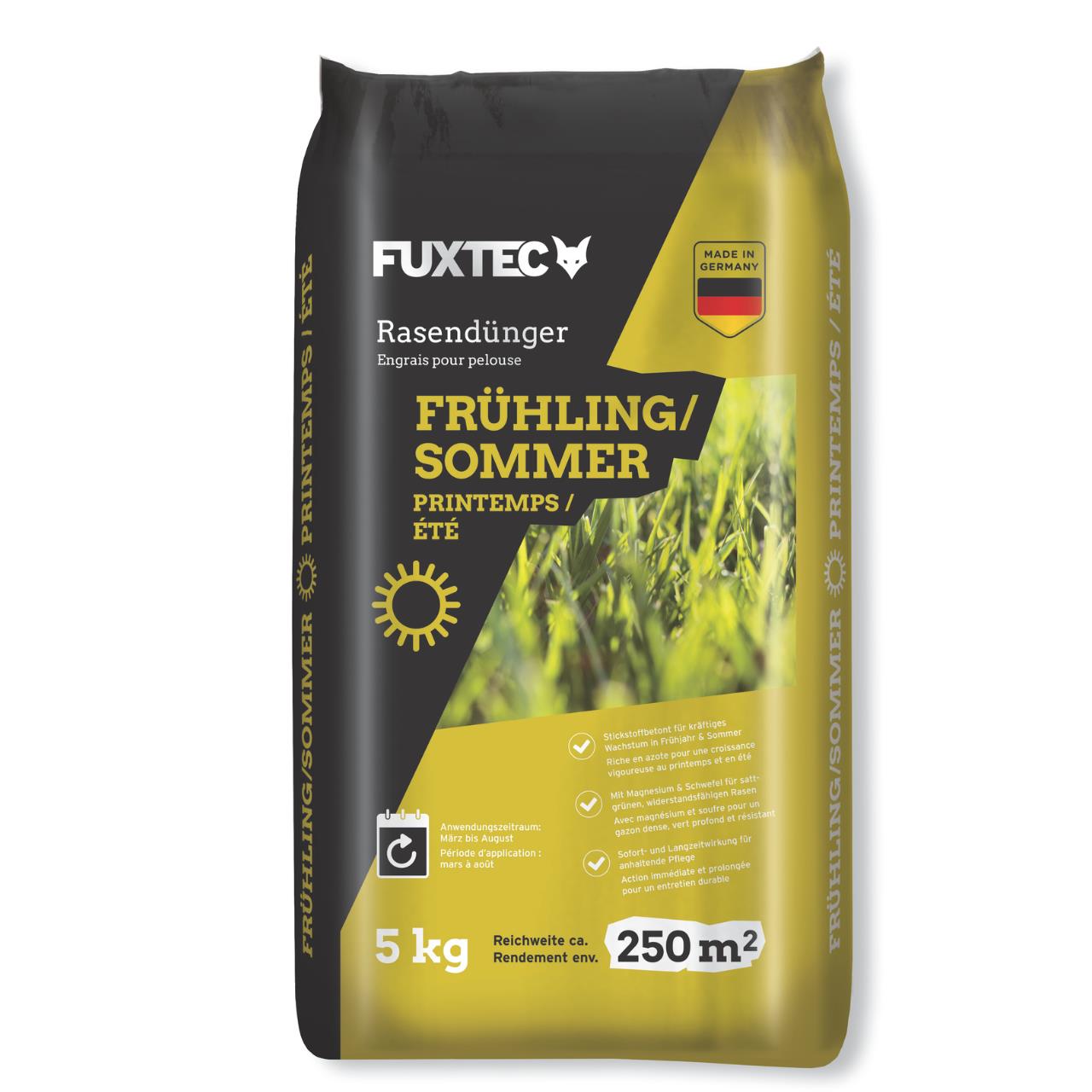
Since the lawn needs plenty of nutrients after scarifying in order to recover, it makes sense to combine the process with a fertiliser application — specifically the spring feed. When the first daffodils start to bloom in March and April, the grass also wakes from its winter dormancy and begins to grow again. The correct order of lawn care tasks depends largely on the condition of your lawn: if it looks visibly weakened after winter, it is advisable to fertilise first and then mow and scarify around two weeks later. The added nutrients allow the lawn to recover well and quickly fill in any bare patches. If your lawn is in good condition after winter, you can scarify first and then feed. This ensures that nutrients are not held up in the thatch layer and reach the roots more quickly. You can find more information on feeding your lawn here.

Scarifying – getting the conditions right
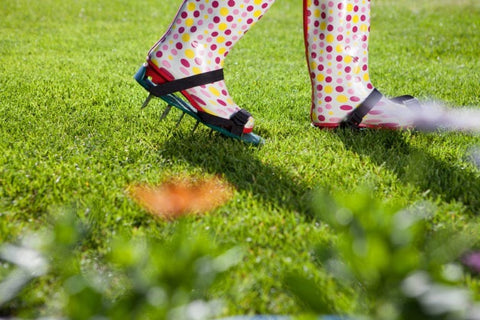
Lawn scarifying

When scarifying, the soil should not be wet, but it should not be completely dried out either. If it is waterlogged, the work may feel easier, but there is a real risk of pulling grass out by the roots and destroying the turf structure. At temperatures between 10 and 20 °C, the ground should be fully thawed and no further hard frosts expected. The grass should also not be too long, as the tines of the scarifier will otherwise cause unnecessary damage to the blades. Plants lose a great deal of water through these wounds, yet they need that moisture to recover. Cut the lawn to two to four centimetres before scarifying. Before you start, make sure your scarifier is correctly set up. Most machines offer an adjustable cutting depth. This should not exceed three millimetres, as greater depths will damage too much of the grass root system.

How to scarify your lawn correctly

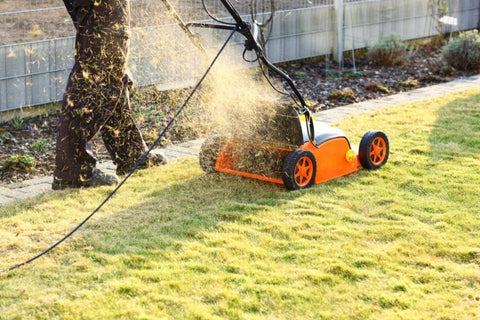
Once you are ready to go, make sure you move the scarifier across the lawn at a steady, even pace. If you stop, the blades will cut deeper and deeper into the soil, damaging the turf. Most machines have a built-in function to raise the blades when turning, so that corners and edges are not subjected to excessive stress.
Work the lawn first in lengthways runs, then in crossways runs to create a criss-cross pattern, then clear the loosened thatch from the surface. A metal rake is best for this. If patches of stubborn moss or thatch remain, you can go over those specific spots again with a greater cutting depth. However, you should on no account go over the entire lawn again — work only on the affected areas.
The right aftercare following scarifying

If you have not already done so beforehand, you should always apply a nitrogen-rich fertiliser to your lawn after scarifying. Watering it is also usually advisable. Take care, however, that no puddles form. Because the soil has been scored, it will absorb water considerably more quickly and efficiently than before. Standing water is therefore a clear sign of overwatering, which you should avoid.

If the lawn shows obvious bare patches after scarifying, the best course of action is to overseed those areas. It is important to choose the right seed mixture. For shaded areas, for example, use a shade-tolerant grass seed, as this is more resilient. There are usually also specific varieties for different uses and levels of wear. Since these often differ in their shade of green as well, it is a good idea not only to overseed the bare patches but also to scatter some seed over the surrounding healthy turf. This helps the joins blend in more naturally. Overseeding is also the ideal opportunity to loosen the soil with a little horticultural sand. No more than one to two centimetres should be applied, however.

Scarifying in autumn

Lawn scarifying

Under certain conditions, your lawn can also benefit from scarifying in autumn. If the summer has been prolonged and wet, for example, moss or a dense thatch layer often develops more heavily than usual. Removing this material helps the lawn to recover before entering its winter dormancy. The basic rules are the same as in spring: the soil should be neither too warm nor at risk of frost. Crucially, the turf must have enough time to recover and stabilise before the first hard frosts arrive.

In autumn especially, the right aftercare determines how successful the treatment will be. After scarifying, the lawn's nutrient requirements are higher, yet at the same time it is preparing for the cold season. A targeted autumn feed with a suitable nutrient composition supports root strengthening and improves winter hardiness. An autumn-specific lawn fertiliser, such as the FUXTEC Autumn Lawn Fertiliser, is ideal for this phase, helping to prepare the lawn for the stresses ahead.


Scarifying or aerating: what is the difference?

Scarifying and aerating are often confused. The two processes are indeed very similar, but their purposes differ. With scarifying, the primary aim is to remove moss and thatch. The blades do penetrate the soil slightly, which loosens it a little, but this is not the main objective. The key goal is to improve oxygen supply to the plants by removing the dead organic material. Aeration, on the other hand, focuses primarily on loosening compacted soil. By spiking small holes with the FUXTEC lawn aerator, soil compaction is broken up and gas exchange at the roots is promoted, which has a positive effect on growth.
Scarifying is carried out only once or twice a year, depending on the extent of the thatch build-up. Aeration is not always necessary but is particularly important on heavily used areas. Frequent foot traffic on sports pitches and golf courses tends to compact the soil significantly. While in use, these surfaces typically need to be aerated every six weeks. In private gardens, aeration remains relatively uncommon, partly due to the effort involved and the equipment required.

Discover our range of garden tools

More articles about lawn care

View all
Mulchen mit Pinienrinde: So nutzt du organischen Mulch, um Unkraut zu verhindern

Mulchen mit Pinienrinde: So nutzt du organischen Mulch, um Unkraut zu verhindern

Das Mulchen mit Pinienrinde gehört zu den effektivsten Methoden im modernen Gartenbau und in der nachhaltigen Landwirtschaft. Dabei wird eine Schicht Mulchmaterial auf die Bodenoberfläche aufgebrac...

Bodenverbesserung im Garten: So verbesserst du deinen Gartenboden im Frühjahr für gesunde Pflanzen

Bodenverbesserung im Garten: So verbesserst du deinen Gartenboden im Frühjahr für gesunde Pflanzen

Inhaltsverzeichnis Warum Bodenverbesserung im Garten im Frühjahr so wichtig für einen gesunden Gartenboden ist Gartenboden nach dem Winter prüfen: Bodenstruktur, Verdichtung und Bodenart erke...

Düngen im Garten Titelbild

Richtig Düngen im Garten: Schritt für Schritt erklärt

Inhaltsverzeichnis Warum Düngen im Garten so wichtig ist Bodenanalyse: Grundlage für die richtige Düngung Organische vs. mineralische Dünger: Was ist besser? Kompost, Hornspäne & Co.: Organi...