

Lawn Not Growing? Causes & Fixes for Bare Patches
You've just sown grass seed and you're waiting for it to take off? In practice, it soon becomes clear: the lawn is one of the most sensitive areas in any garden. If growth fails to appear, you end up with bare patches, uneven colour differences, or areas that simply won't get going no matter how well you care for them.
In this FUXTEC Garden Guide, we get to the root of why lawns fail to thrive. We explain why your lawn isn't growing, which mistakes are made most often, and how you can step by step restore a strong, resilient lawn surface.
Lawn Not Growing – The Most Common Causes of Bare Patches, Gaps and Uneven Growth
When a lawn doesn't grow evenly, it's rarely down to a single mistake. Usually several factors combine: soil structure, moisture, nutrient supply and usage all interact with one another. That's precisely why it's important not just to look at the surface, but to analyse the whole growing environment.
Uneven Lawn Growth: How to Read Typical Patterns (Gaps, Patches, Bare Areas)
Uneven growth follows patterns. Long, narrow bare patches tend to appear along pathways or where equipment is regularly turned. Isolated gaps, on the other hand, are more likely to point to localised soil problems or waterlogging.

Colour differences are also an important signal. Paler or duller growth shows that the nutrient supply in that area is poorer. Such patches are particularly prone to weed invasion and will gradually lose more substance over time if nothing is done to address the underlying cause.
Why Is My Lawn Only Growing in Patches? A Quick Check on Soil, Watering and Fertiliser
A simple comparison helps with diagnosis: does the soil feel harder in the problem areas? Does it stay wet longer or dry out more quickly? Was fertiliser or water applied unevenly in those spots?
At FUXTEC, we've found that with larger lawn areas in particular, small differences in care can have a significant impact over several months. What barely registers at first can develop into clearly visible problem patches over time.
Lawn Care Mistakes: Why Your Lawn Isn't Growing Despite Fertilising, Mowing and Watering
If you've laid a new lawn, invested plenty of time in care, and are still puzzled by the lack of growth, here's the reason: care alone isn't enough if it doesn't match the actual condition of your lawn.
Mowing Mistakes: Cutting Height, Mowing Frequency and Blade Condition
One of the most common mistakes is mowing too infrequently and then cutting back drastically. The lawn loses a large proportion of its leaf surface and with it the ability to generate energy. The result isn't vigorous new growth – it's stress.
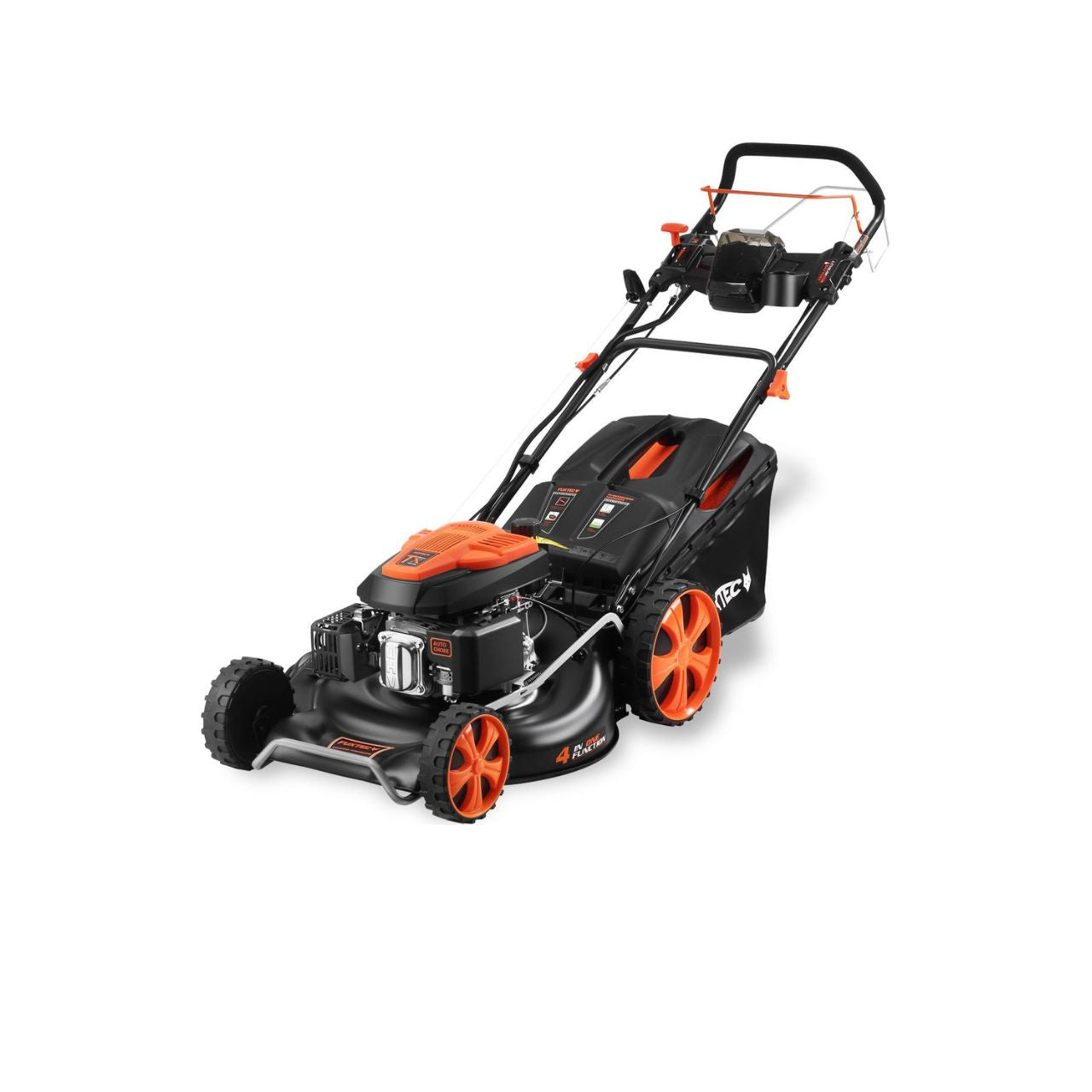
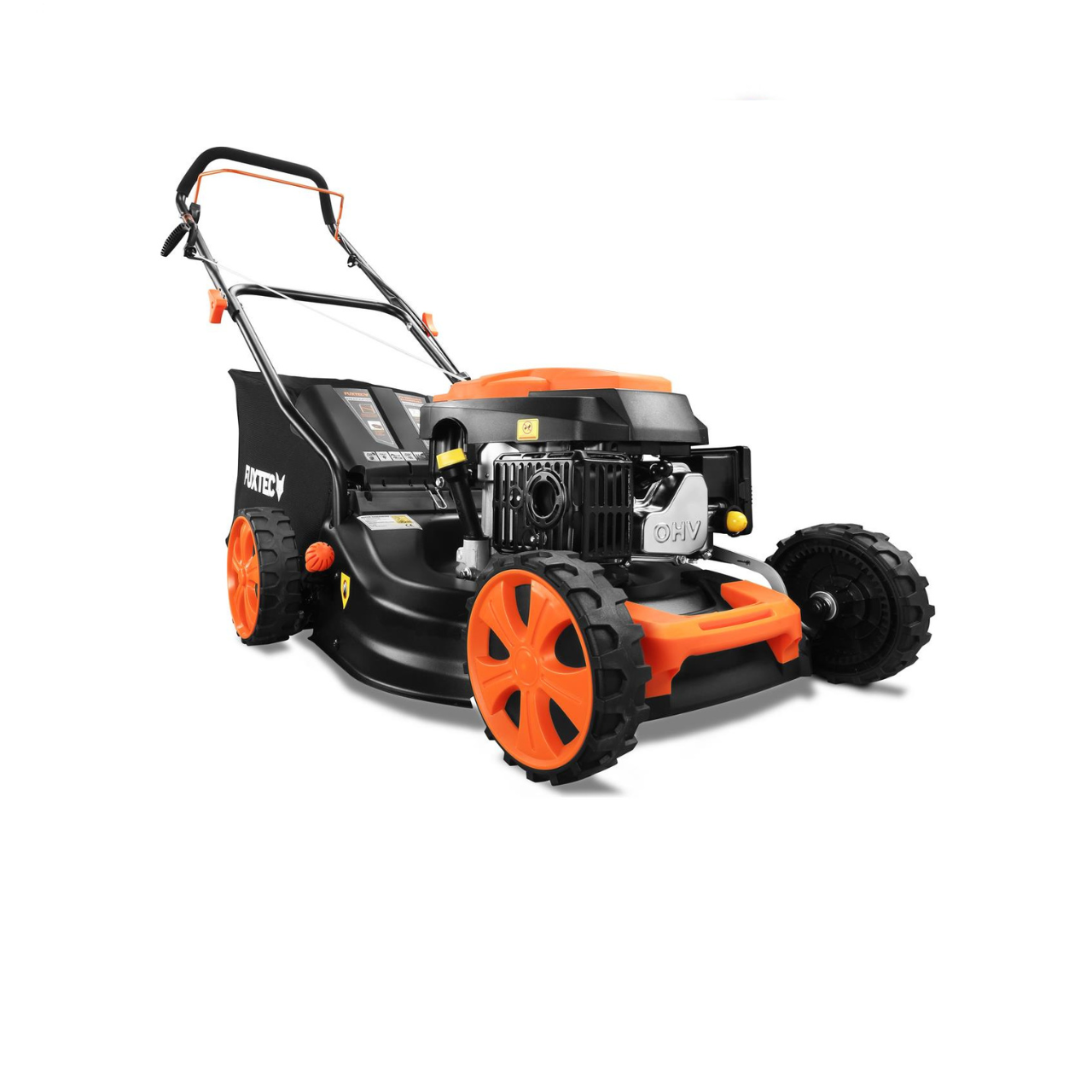
Blunt blades also play a significant role. They tear the grass stems unnecessarily, which slows down recovery and makes the lawn more vulnerable. We recommend using a FUXTEC lawn mower for the best results!
Watering Mistakes: Too Brief, Too Frequent or at the Wrong Time
Watering is one of the most frequent problem factors. Short bursts of water only dampen the surface. The roots stay shallow, and the lawn becomes sensitive to dry spells.
It's better to water less often but more deeply. This encourages a deeper root system that copes better with changing conditions. The ideal time is early in the morning, when the soil can absorb moisture before it evaporates.
Fertilising Your Lawn: Common Mistakes with Fertiliser, Dosage and Timing
Fertiliser only works when the soil is able to absorb it. If it's applied during cold conditions or to stressed areas, the effect will be minimal. Over-application also damages soil biology.
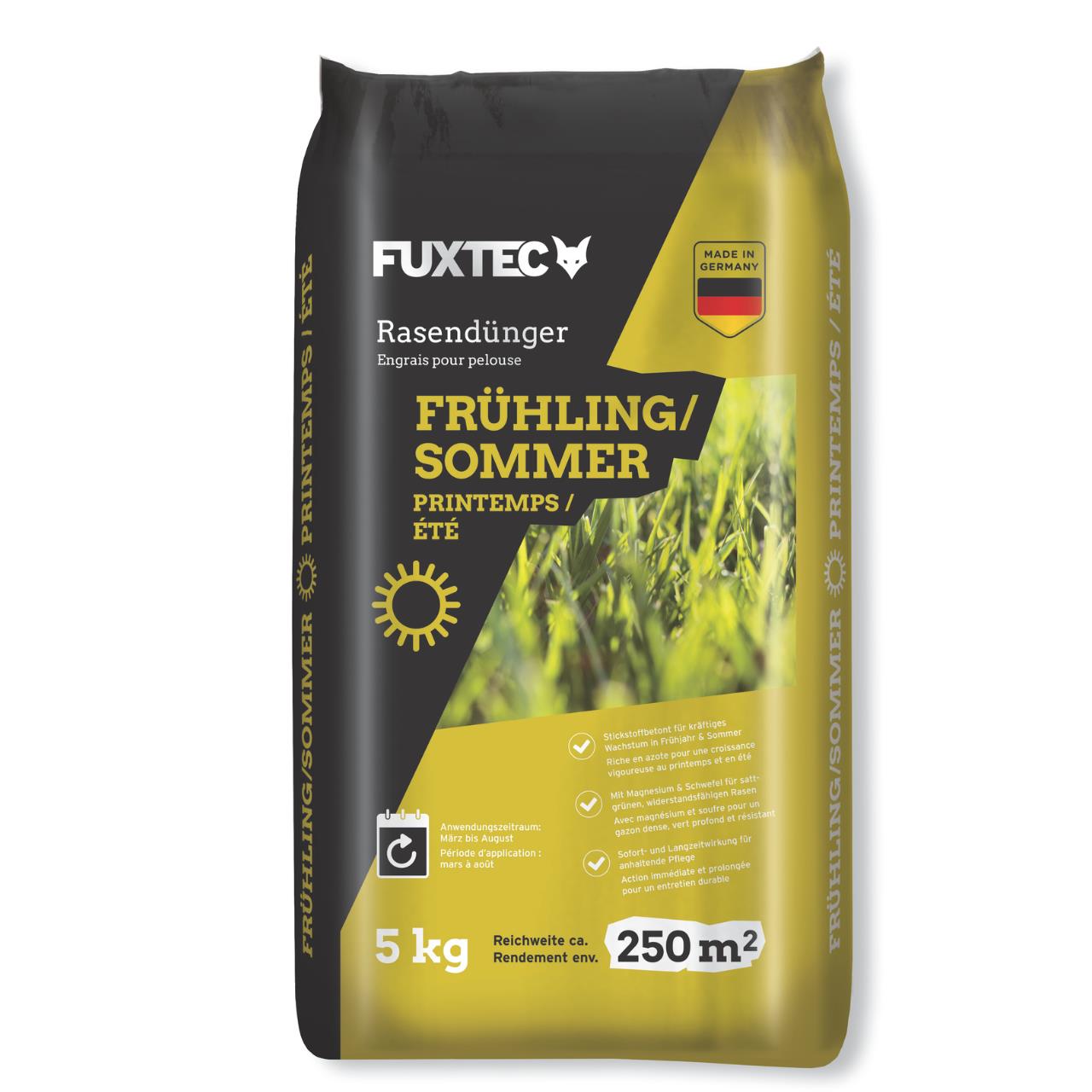
FUXTEC recommends always basing fertilising on the actual growth of the lawn rather than the calendar. A healthy lawn clearly shows when it's able to make use of nutrients. You can find more advice on feeding your lawn in our FUXTEC Garden Guide "Fertilising Your Lawn in Spring: The Right Feed for a Lush Green Lawn!".
The Soil as the Cause: Why Lawns Fail to Grow with Waterlogging, Compaction or the Wrong pH
The soil is the foundation of any healthy lawn. If something isn't right here, all other measures will only have limited effect.
Waterlogging: When the Lawn Doesn't Drain and Grass Growth Stops
Waterlogging often develops unnoticed. In hollows, at the junctions between soil layers, or on compacted ground, water cannot drain away properly. The result is a lack of oxygen, and the roots suffer.
Such areas are particularly prone to moss and other opportunistic plants that cope with these conditions far better than conventional lawn grasses.
Compacted Soil: Why Grass Seed Fails to Germinate and the Lawn Stays Bare

Compacted soil allows very little air or water to pass through. Even if seeds do germinate, they lack the space to develop stable roots. Growth remains weak, and the area looks permanently thin.
The only remedy here is targeted soil aeration before any new care or seeding measures can take proper effect.
Soil pH: When Lime Helps and Why Nutrients Can Otherwise Be Locked Out
The pH level has a major influence on soil biology. If it falls outside the optimum range, available nutrients cannot be released for the lawn to use. The grass suffers even though there may be plenty of reserves in the soil.
Find out how to get your soil ready for the new growing season in our FUXTEC Garden Guide "Improving Garden Soil: How to Prepare Your Garden Soil in Spring for Healthy Plants".
Grass Seed and Overseeding: Why You've Sown but the Lawn Still Isn't Growing
The establishment phase determines how resilient your lawn will be in the years ahead.
Grass Seed and Seed Mixes: Quality, Age and Why Germination Is Often Uneven
Not every mix is suitable for every purpose. Fast-growing varieties provide green coverage quickly but don't build a stable structure. High-quality mixes develop more slowly but deliver density and durability in the long run.
Sowing Grass: Mistakes with Spreading, Seed Rate, Wind and Soil Contact
Uneven spreading leads to competition between seedlings. Where seeds are sown too densely, the plants weaken one another. Where too few seeds land, gaps remain.
Good soil contact is crucial so that seeds can absorb moisture and establish reliably.
Overseeding Bare Patches: How to Fill Gaps and Achieve a Dense Lawn
Bare patches won't repair themselves. Targeted overseeding is needed to stabilise the area again. It's important to protect young plants during this phase and not subject them to full use again straight away.
Weeds, Pests and Disease: When Lawn Growth Is Held Back by Infestation
A weakened lawn loses its competitive vigour. Other plants and pests consistently exploit this weakness.
Weeds Crowding Out the Lawn: Why Growth Stalls and Bare Patches Appear
Unwanted plants are almost always a sign of unfavourable conditions. Without addressing the root cause, problems will quickly return – even after thorough removal.
Lawn Pests: Chafer Grubs and Other Causes of a Bare, Spongy Turf
Root-dwelling pests often go undetected for a long time. It's only when larger areas die off or can be lifted away easily that the extent of the damage becomes apparent. Early detection is key to preventing more serious harm.
Fungal Disease: Typical Patches, Triggers and What Really Helps in Lawn Care
Fungi are usually a secondary problem. They thrive on moisture, poor air circulation and weakened growth. Prevention through appropriate care is far more effective than trying to treat an established infection.
Scarifying, Aerating and Overseeding: An Action Plan for Even, Dense Lawn Growth
Manual effort and the right garden tools are always worthwhile when the exchange between soil, water, air and roots has been disrupted. This is precisely where it's decided whether a newly sown lawn remains stable in the long term or whether typical lawn problems such as gaps, weak growth or weed invasion take hold.
Scarifying or Aerating: Which Treatment Improves Lawn Growth and When
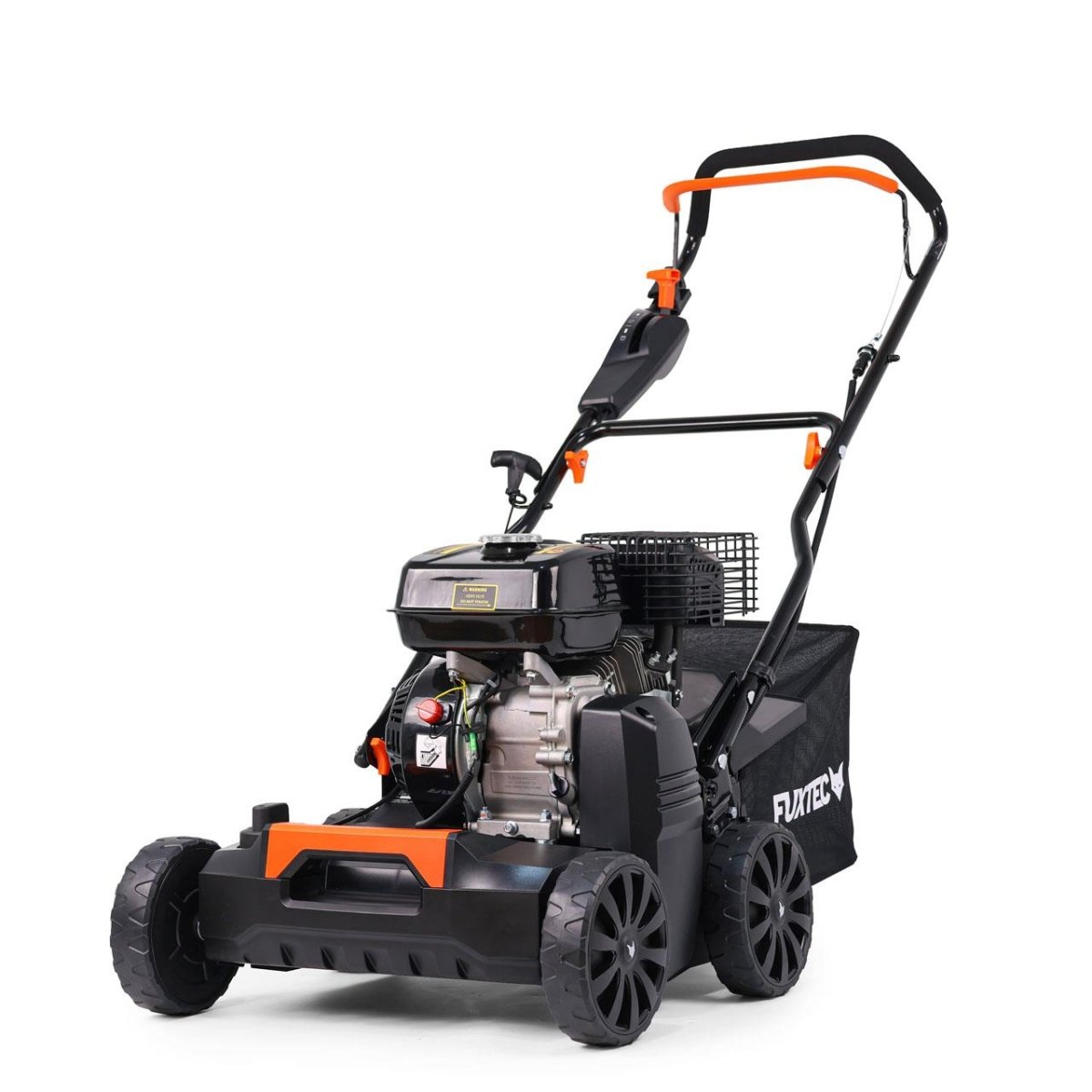
Not every lawn needs intensive treatment straight away. However, if the lawn shows signs of thatch, poor aeration, or remains weak despite regular care, using a good-quality scarifier is well worthwhile. If the lawn has already been scarified thoroughly, a gentler aeration is often sufficient in subsequent years to keep the soil open.
Scarifying removes dead plant material that would otherwise act as a barrier layer. This improves nutrient uptake and ensures that water and oxygen can penetrate deeper into the soil. Immediately after scarifying the lawn will look worse, but it can recover significantly better if the follow-up care is right. The long-term goal is a dense sward that crowds out moss and weeds.
Overseeding and Watering: Keeping Grass Seed Moist for Even Establishment
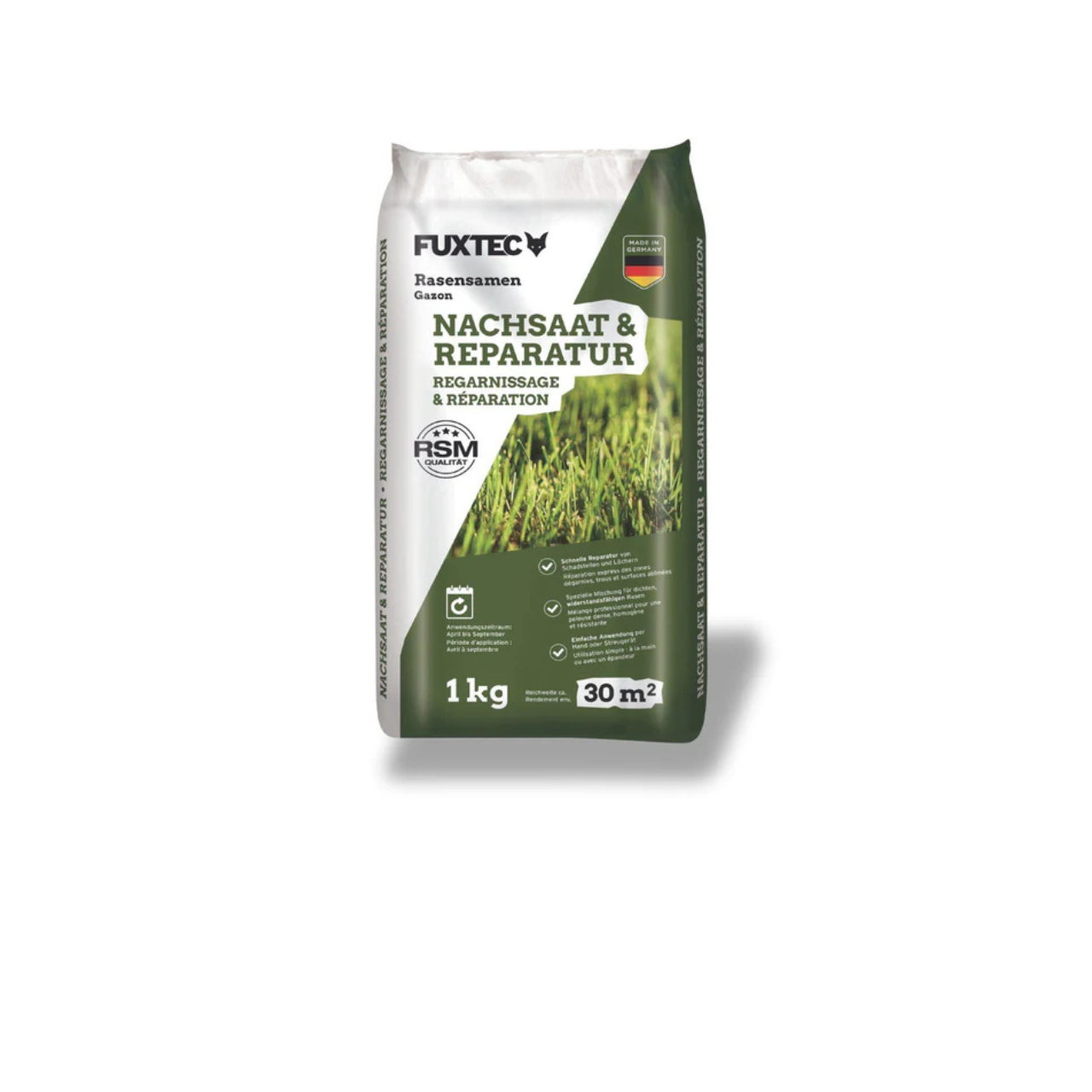
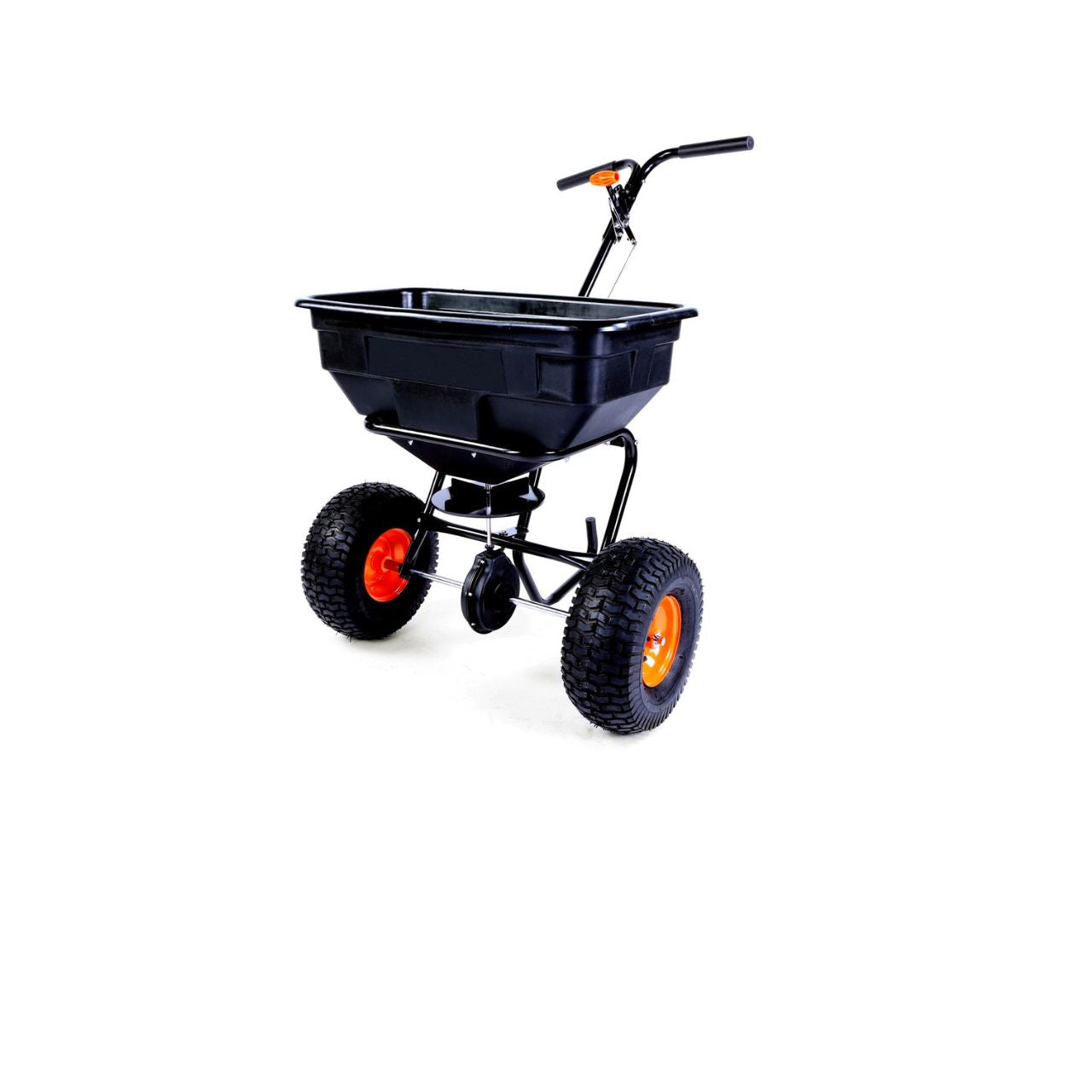
After scarifying or aerating, the soil is open and receptive – the ideal time for targeted overseeding. It's important to use high-quality seed, as inferior grass seed often germinates unevenly and causes problems later on. The seed should be spread evenly, ideally with a spreader, to avoid dense clumps and bare zones.
Germination is the critical factor for success. The area must be kept consistently moist without allowing waterlogging to develop. Particularly with a freshly sown lawn, if the soil dries out during the first few weeks it interrupts the growth process. The optimum soil temperature for germination is around 10°C – only then will the lawn establish reliably.
Regular Maintenance: A Lawn Care Routine to Keep Grass Growing and Gaps at Bay
In the long run, a proper lawn care routine is essential. A lawn needs consistent attention, tailored to growth and weather conditions. This includes appropriate mowing, targeted feeding and even watering. Without adequate nutrition, nutrient deficiency soon takes hold, weakening the lawn and encouraging unwanted plants such as clover, weeds and moss.
A healthy lawn is one that recovers quickly after wear, grows evenly and shows a rich, vibrant colour. The goal of every care routine should be a stable, green lawn that grows properly and remains resilient over the long term – that's the foundation of a beautiful garden.
Lawn Growth and the Weather: Drought, Cold and Stress in Context
Weather plays a bigger role than many people realise. Even a perfectly cared-for lawn reacts sensitively to temperature and moisture levels.
Drought: Why the Lawn Stops Growing and How to Adjust Your Watering
During prolonged dry spells, the lawn deliberately slows its growth. The grass reduces its activity to conserve water. During this phase the lawn grows more slowly or appears to stop growing altogether – this is a natural defence mechanism. What's important now is not to add further stress, and to water regularly but with restraint.
Cold: When the Lawn Is Genuinely Dormant and Why Patience Is the Best Approach
When temperatures drop persistently, the lawn enters a dormant phase. Particularly in spring or autumn, the surface can look uneven or show yellow patches even though no care mistakes have been made. In these phases, patience is more helpful than intervention – once it warms up again, growth will resume.
Conclusion: Getting Your Lawn Growing Again – By Combining the Right Diagnosis, Soil Care and Maintenance
A thick, even lawn isn't the result of one-off actions – it comes from understanding and consistency. Those who identify root causes rather than just treating symptoms will achieve stable, long-lasting lawn surfaces.
In this FUXTEC Garden Guide you have everything you need to rebuild your lawn step by step. For more articles on lawn care, visit our FUXTEC Lawn Care Blog!
Entdecke unsere Auswahl an Gartengeräten
Why is my lawn growing in patches instead of evenly?
Patchy lawn growth usually results from a combination of factors like soil compaction, uneven watering or fertilising, and poor drainage. The patterns themselves are telling—long narrow bare patches often indicate heavy foot traffic or equipment wear, whilst isolated gaps suggest localised soil problems or waterlogging.
What's the best way to water a new lawn so it grows properly?
Water less frequently but more deeply to encourage deeper root growth that's more resilient to dry spells. Short, frequent watering only dampens the surface and leaves roots shallow and vulnerable. The ideal time to water is early in the morning before evaporation occurs.
Can mowing mistakes actually stop my lawn from growing?
Yes, mowing too infrequently and then cutting drastically removes too much leaf surface, which the grass needs to generate energy. Blunt mower blades also tear grass stems unnecessarily, which slows recovery and stresses the lawn. Regular mowing with sharp blades encourages healthier growth.
How do I know if my soil is compacted and what can I fix it?
Compacted soil prevents air and water penetration, so grass seeds struggle to germinate and roots can't develop properly. The only effective remedy is targeted soil aeration before applying any new care or reseeding measures.
Should I fertilise my lawn if it's not growing well?
Fertiliser only works when the soil can actually absorb it, so applying it to stressed or cold areas is largely ineffective. FUXTEC recommends basing fertiliser timing on your lawn's actual growth rather than the calendar, as a healthy lawn will show you when it can use nutrients effectively.
Why does my lawn have moss and weeds even though I'm caring for it?
Weeds and moss are almost always signs of unfavourable conditions—waterlogging, poor drainage, nutrient deficiency, or weakness in the grass itself. Without addressing the root cause, problems return quickly even after removal, so focus on improving drainage, aeration and overall lawn health.
Is it normal for a newly sown lawn to look worse after scarifying?
Yes, your lawn will temporarily look worse after scarifying because it removes dead plant material. However, this opens up the soil so water, oxygen and nutrients penetrate deeper, allowing the grass to recover significantly better. Follow up with overseeding and proper watering for best results.
Alles, was dein Rasen braucht

Weitere Beiträge zum Thema Rasenpflege
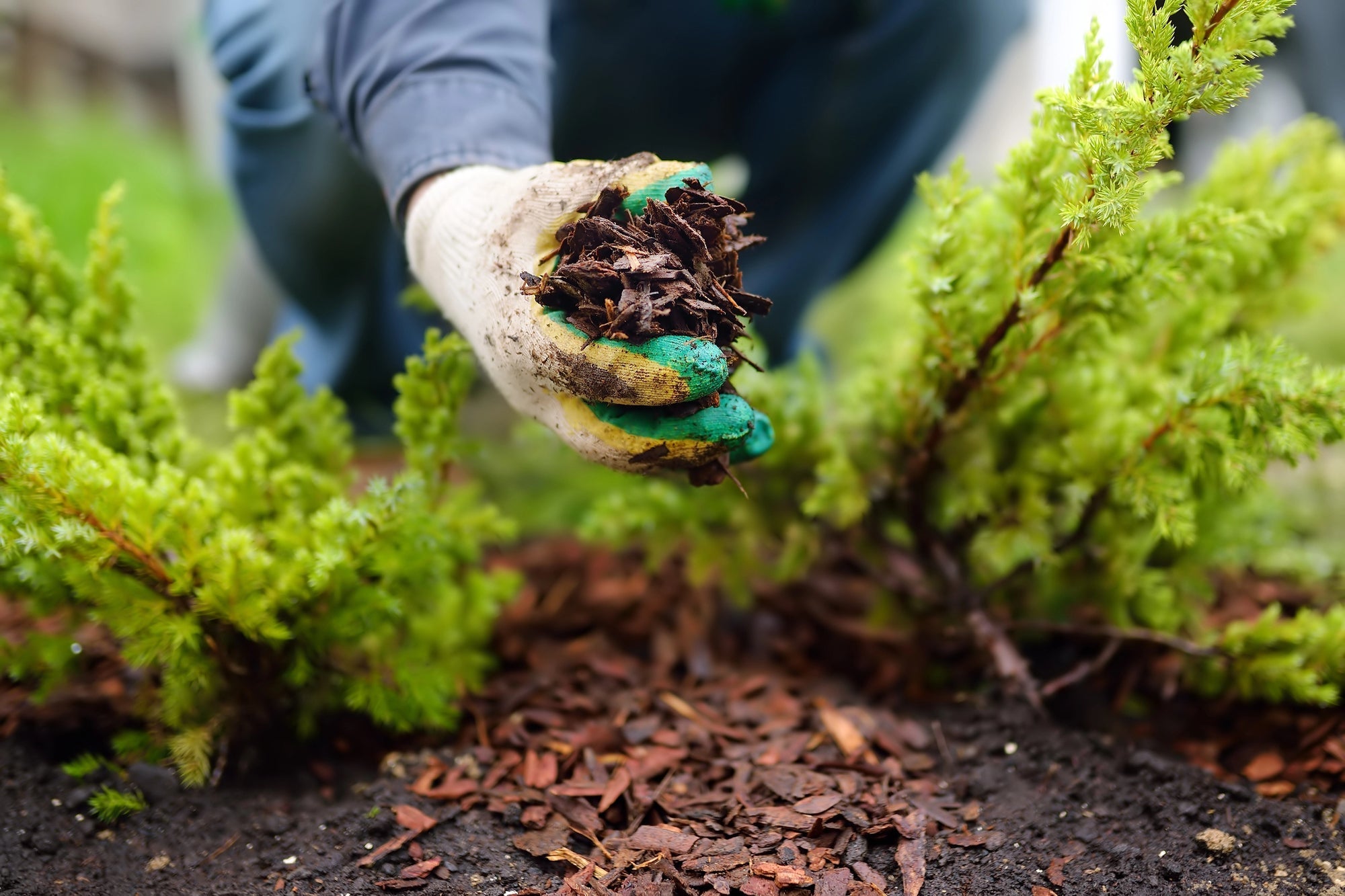
Mulchen mit Pinienrinde: So nutzt du organischen Mulch, um Unkraut zu verhindern
Das Mulchen mit Pinienrinde gehört zu den effektivsten Methoden im modernen Gartenbau und in der nachhaltigen Landwirtschaft. Dabei wird eine Schicht Mulchmaterial auf die Bodenoberfläche aufgebrac...
Bodenverbesserung im Garten: So verbesserst du deinen Gartenboden im Frühjahr für gesunde Pflanzen
Inhaltsverzeichnis Warum Bodenverbesserung im Garten im Frühjahr so wichtig für einen gesunden Gartenboden ist Gartenboden nach dem Winter prüfen: Bodenstruktur, Verdichtung und Bodenart erke...
Richtig Düngen im Garten: Schritt für Schritt erklärt
Inhaltsverzeichnis Warum Düngen im Garten so wichtig ist Bodenanalyse: Grundlage für die richtige Düngung Organische vs. mineralische Dünger: Was ist besser? Kompost, Hornspäne & Co.: Organi...


