



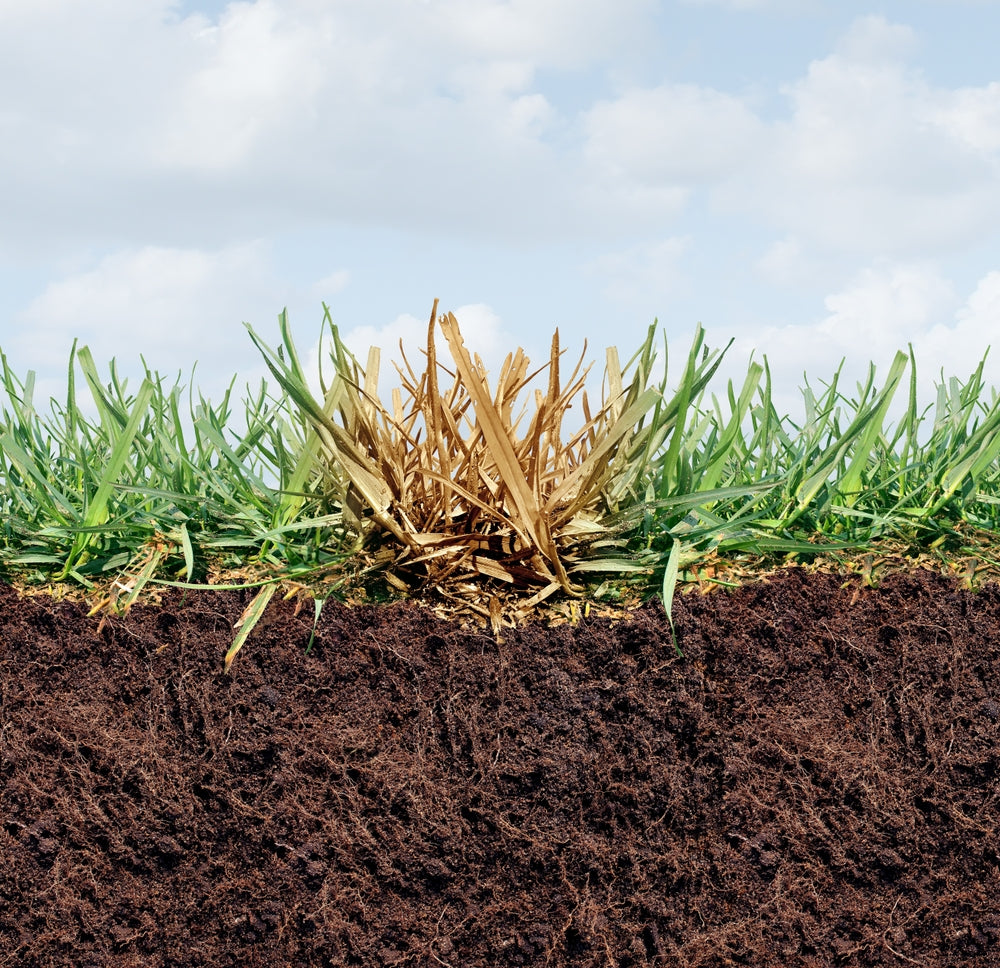
Beseitige Rasenpilz und schütze deine Grünflächen!
Lawn Fungus: Identify, Treat & Prevent It
Inhaltsverzeichnis
- Was ist ein Rasenpilz? Pilzerkrankungen & Pilzarten im Rasen verstehen
- Pilz im Rasen erkennen: Symptome, Flecken und typische Rasenkrankheiten
- Ursachen & Auslöser: Wie entsteht ein Pilzbefall im Rasen?
- Pilz im Rasen vorbeugen: Die besten Tipps zur Rasenpflege
- Pilz im Rasen bekämpfen: Methoden gegen Pilzerkrankungen
- Nach dem Pilzbefall: Rasen regenerieren und Rasenkrankheiten vermeiden
- Schritt-für-Schritt-Anleitung zur Bekämpfung von Rasenpilz
- Pflanzen und Sträucher – Harmonische Gewächse für den Japangarten
- Häufige Fehler bei der Bekämpfung von Pilzen im Rasen vermeiden
- Fazit: Rasenpilz dauerhaft verhindern und Grünflächen gesund erhalten
Lawn fungus, lawn diseases and fungi in your lawn are a nuisance familiar to many garden owners, and the number of lawn diseases increases rapidly in damp conditions or with improper care. Particularly feared problems such as red thread, snow mould and fairy rings leave unsightly patches in the lawn, cause the grass to die back and spoil the appearance of your turf. But how can you spot a fungal infection early, and how can you effectively treat fungi in the lawn?
In this FUXTEC guide, you'll learn how to correctly identify typical symptoms such as light or brown patches, cotton-like growth and weakened grass. We explain the causes that encourage fungal diseases such as thatch build-up, red thread or snow mould, how to scarify your lawn and improve the soil structure, and which maintenance measures and FUXTEC tools will help you get lawn fungus under control with ease. Your lawn will be lush, healthy and the envy of the neighbourhood!
What Is Lawn Fungus? Understanding Fungal Diseases & Types of Fungi in Your Lawn

Fungi in the lawn are a common cause of brown or discoloured patches in the grass and affect the overall appearance of the entire lawn area. Lawn fungal diseases can be triggered by various types of fungi. The most common include snow mould, red thread, fairy rings and various toadstools. Fungal spores tend to establish themselves in already weakened or stressed lawns, particularly where the soil is compacted or persistently damp. The mycelium — the underground fungal network — grows in the soil and, in wet conditions, produces fruiting bodies that emerge as visible fungi on the surface. Fungal infection in the lawn is not a rare phenomenon; it can occur on all types of turf, from ornamental lawns to play areas.
Identifying Lawn Fungus: Symptoms, Patches and Common Lawn Diseases
An infection with lawn fungi presents through typical symptoms: irregular patches in the lawn, dead grass, pinkish or whitish mycelium and, in the worst cases, visible fruiting bodies. Red thread, for example, shows up as reddish-pink tips on grass blades, while snow mould appears as grey-white or reddish patches in the grass. Fairy rings in the lawn usually form circular dark or light green rings accompanied by toadstools or denser-growing grass. The affected areas are often laced with thatch, the roots are wet and beginning to rot. Leaves that are not removed in autumn also encourage fungal growth, as they increase humidity and allow the fungal network to spread.
Causes & Triggers: How Does Lawn Fungal Infection Develop?
Fungi in the lawn occur most frequently when growing conditions are unfavourable. The main causes are waterlogged soil, insufficient aeration, poor nutrient supply and an incorrect soil pH. Prolonged moisture — through high humidity, frequent watering or persistent rain — also encourages the growth of fungal spores. A deficiency in nitrogen and potassium makes grass more susceptible, while compacted soil or soil riddled with thatch restricts air circulation. The lawn is often further weakened by improper scarifying, irregular fertilising or cutting the grass too short, providing fungi with ideal conditions. Snow mould frequently develops in winter when the grass remains long and damp.
Preventing Lawn Fungus: Top Tips for Lawn Care
A healthy, well-maintained lawn is the best protection against fungal diseases. Regular scarifying removes thatch and promotes soil aeration. Top-dressing with sharp sand improves drainage so that water runs away quickly and waterlogging is avoided. Correct fertilising with a slow-release fertiliser supplies the grass with all the essential nutrients. Pay particular attention to adequate nitrogen and potassium applications! The soil pH should also be tested and adjusted with lime if necessary. Choose the right time to scarify — spring and autumn are ideal, when the soil is moist but not saturated. Keep the lawn mown to the recommended height at all times and remove any fallen leaves after mowing. Moderate watering in the morning allows the grass to dry out during the day, preventing fungal spores from spreading.
Treating Lawn Fungus: Methods for Combating Fungal Diseases

When fungal diseases such as red thread, snow mould or fairy rings appear in the lawn, the cause should be analysed first. Remove affected grass along with the underlying soil and introduce fresh topsoil. Scarify the lawn thoroughly to eliminate the mycelium. Lawn fungi can be suppressed through targeted nutrient applications, particularly nitrogen fertiliser. Chemical fungicides are generally not approved for private lawns in the UK and should only be used as a last resort. Organic measures such as top-dressing with sand, targeted lime applications and improving the soil structure (aeration, hollow-tine aerating) provide lasting results. Toadstools and fruiting bodies can be carefully removed from the lawn using a rake or by hand. Loosen the soil in affected areas so that excess water can drain away more effectively. This helps prevent re-infection and strengthens the grass sward.
After a Fungal Infection: Restoring Your Lawn and Avoiding Future Lawn Diseases

After successfully treating fungi in the lawn, restoring the lawn area takes priority. Remove all dead plant material and loosen the affected areas with a garden fork or an aerator. Overseeding with quality lawn seed fills any bare patches that have appeared. Ensure a good nutrient supply through organic fertiliser and compost. Regular watering should be carried out in moderation so that the soil never becomes too wet. Sand the lawn if necessary to further improve drainage. After heavy rainfall, always check that water drains away quickly. Scarify in spring and autumn to keep your lawn healthy and free of thatch. The soil should remain loose and free-draining at all times — this also reliably prevents fungal spores and future lawn diseases.
Step-by-Step Guide to Treating Lawn Fungus
So that you can effectively tackle fungal diseases in your garden, we've summarised all the tips in this step-by-step guide:
1. Identify the causes and assess the lawn
Check whether various fungi — such as fairy rings or red thread — are present in your lawn. Spores can often be spotted as white deposits or individual fruiting bodies on the grass surface. Look out for patches, yellowing grass blades and areas where the grass has died back. Fungi of the genus Marasmius or Cladobotryum commonly establish themselves in damp, poorly aerated soils.
2. Prepare the lawn correctly: scarify and aerate
Start in autumn or spring: the lawn should first be mown thoroughly, then treated with a FUXTEC scarifier. Scarifying removes old thatch, moss and loosens the soil, giving spores that cause lawn fungi no chance to take hold. After this, it is advisable to use a FUXTEC lawn aerator to create holes in the soil and further improve aeration. This gives the root system more oxygen and allows excess moisture to drain away — ideal conditions to keep your lawn healthy and rid it of fungi.
3. Water the lawn regularly but in moderation
Make sure the lawn is watered well after treatment, but not too frequently. Too much water encourages the growth of fungal diseases, as spores thrive in moist conditions. Rather than watering daily, water deeply once or twice a week so that water penetrates deep into the soil and promotes root growth.
4. Overseeding and targeted fertilising
If larger areas have died back, you should overseed these spots after scarifying. Choose a quality lawn seed and work it lightly into the soil. With a light watering, a strong lawn will quickly return, capable of standing up to new fungal spores. In addition, targeted fertilising with organic or mineral fertiliser helps ensure your lawn has everything it needs to remain resistant to fungal diseases.
5. Remove fungi from the lawn and prevent re-infection
Fungi in the garden are easily removed by pulling out fruiting bodies or visible fungi from the lawn and disposing of them in general waste. Make sure the lawn is regularly aerated and scarified at the correct intervals, so fungi and spores are less likely to establish themselves. With these measures, you can minimise damage to the lawn and enjoy a healthy, resilient lawn for the long term.
Avoiding Common Mistakes When Treating Lawn Fungi
Many lawn owners make mistakes when tackling fungal problems. Mowing too frequently, incorrect fertilising or improper scarifying can weaken the lawn further. Avoid over-fertilising with nitrogen and use slow-release fertilisers in a targeted way. Water the lawn in the morning rather than in the evening to reduce humidity overnight. Remove fallen leaves regularly, as mycelium and fungal networks thrive beneath them. Avoid chemical treatments wherever possible and opt for organic, soil-friendly methods. After scarifying, check the pH level and adjust it with lime if needed. Patience is often required: fungal infection tends to subside slowly when conditions are sustainably improved.
Conclusion: Permanently Preventing Lawn Fungus and Keeping Your Lawn Healthy
A fungal disease in the lawn is certainly frustrating, but with the right care and prompt action, lawn fungi can be eliminated for good. If you regularly scarify and aerate your lawn, you deny fungal spores an ideal habitat — making it much harder for fungi to re-establish themselves. Remove visible fruiting bodies promptly so that the fungi simply cannot spread further. Bear in mind that fungi in the soil are also a natural part of the garden ecosystem, and many fungi are actually beneficial there, as long as they don't get out of hand. With targeted aeration, correct watering and regular maintenance, you can ensure that your lawn is home to healthy grass rather than harmful fungi — for a permanently vibrant, green lawn!
Discover our range of garden tools
What does lawn fungus look like and how do I spot it?
Lawn fungus typically shows up as irregular patches in brown or discoloured grass, often with pinkish or whitish mycelium visible. You may also see circular dark or light green rings (fairy rings), reddish-pink tips on grass blades (red thread), or grey-white patches (snow mould), sometimes accompanied by visible fruiting bodies or toadstools.
Why is my lawn getting fungus?
Lawn fungus thrives in waterlogged soil, poorly aerated areas, and nutrient-deficient conditions. Common triggers include prolonged moisture from high humidity or frequent watering, compacted soil, thatch build-up, incorrect cutting height, and fallen leaves that increase humidity. Nitrogen and potassium deficiencies also make grass more susceptible.
Can I use chemical fungicides to treat lawn fungus in the UK?
Chemical fungicides are generally not approved for private lawns in the UK and should only be used as a last resort. Instead, organic measures such as scarifying, top-dressing with sand, improving soil aeration, and targeted nutrient applications provide lasting results without harming your garden ecosystem.
How often should I water my lawn to prevent fungus?
Rather than watering daily, water deeply once or twice a week so moisture penetrates the soil and promotes root growth. Water in the morning rather than evening to allow the grass to dry during the day, which prevents fungal spores from spreading in overnight humidity.
Will scarifying my lawn help get rid of fungus?
Yes, scarifying is one of the most effective treatments for lawn fungus as it removes thatch, moss and the mycelium network whilst loosening the soil and improving aeration. This denies fungal spores the damp, compacted conditions they need to thrive and should be done in spring or autumn when the soil is moist but not saturated.
What should I do after treating fungal patches in my lawn?
After removing affected grass and scarifying, overseed bare patches with quality lawn seed and ensure good nutrient supply through organic fertiliser. Keep watering moderate so the soil never becomes too wet, and check that water drains away quickly after rainfall. Regular scarifying and aeration in spring and autumn will keep your lawn healthy and prevent re-infection.
Are all fungi in my lawn harmful?
No, many fungi in the soil are actually beneficial to your garden ecosystem. The key is preventing harmful fungi like red thread, snow mould and fairy rings from taking hold by maintaining good drainage, aeration and nutrient levels so healthy grass outcompetes the problematic species.
Everything your lawn needs

More articles about lawn care
Mulchen mit Pinienrinde: So nutzt du organischen Mulch, um Unkraut zu verhindern
Das Mulchen mit Pinienrinde gehört zu den effektivsten Methoden im modernen Gartenbau und in der nachhaltigen Landwirtschaft. Dabei wird eine Schicht Mulchmaterial auf die Bodenoberfläche aufgebrac...
Bodenverbesserung im Garten: So verbesserst du deinen Gartenboden im Frühjahr für gesunde Pflanzen
Inhaltsverzeichnis Warum Bodenverbesserung im Garten im Frühjahr so wichtig für einen gesunden Gartenboden ist Gartenboden nach dem Winter prüfen: Bodenstruktur, Verdichtung und Bodenart erke...
Richtig Düngen im Garten: Schritt für Schritt erklärt
Inhaltsverzeichnis Warum Düngen im Garten so wichtig ist Bodenanalyse: Grundlage für die richtige Düngung Organische vs. mineralische Dünger: Was ist besser? Kompost, Hornspäne & Co.: Organi...


