
Rasenkrankheiten erkennen & bekämpfen Titelbild
Lawn Diseases: Identify, Prevent & Treat Them
- Rotspitzigkeit, Schneeschimmel & Co: Die häufigsten Rasenkrankheiten im Überblick
- Rasenkrankheiten erkennen: So entlarvst Du die ersten Warnzeichen frühzeitig
- Pilz, Myzel, Sporen – Wie Pilzkrankheiten Deinem Rasen zusetzen
- Rasenkrankheiten vorbeugen: Mit guter Pflege und den richtigen Produkten
- Rasen retten leicht gemacht: So behandelst Du betroffene Flächen richtig
- Wenn der Rasen wieder aufatmet – Was nach der Behandlung wichtig ist
- Fazit: So bleibt Dein Rasen dauerhaft gesund und widerstandsfähig
- FAQ
If you lovingly tend your lawn, you expect lush green grass and an even surface that's perfect for walking barefoot. But sometimes nature has other ideas: patches suddenly appear, the grass looks dead or has taken on a strange colour.
These are all classic signs of lawn diseases – and unfortunately they're far from rare. Particularly in summer and autumn, when high humidity and warm temperatures combine, many lawn diseases are at their peak.
With the right know-how, however, you can nurse your lawn back to health. In this guide, we show you how to identify, prevent and treat lawn diseases!
Red Thread, Snow Mould & More: The Most Common Lawn Diseases at a Glance

The list of possible lawn diseases is long – but don't worry, many of them are perfectly treatable if you spot them early enough.
Let's start with one of the most common culprits: Red Thread. This fungal disease tends to appear when the lawn is lacking nutrients and shows itself as pink mycelium threads on the tips of the grass blades.
Red Thread is often encouraged by high moisture levels and inadequate feeding – so a timely autumn feed with potassium and magnesium can make a real difference.
Another classic lawn disease is Snow Mould. As the name suggests, it typically appears during the colder months – usually at temperatures between 0 and 8 °C and in high humidity.
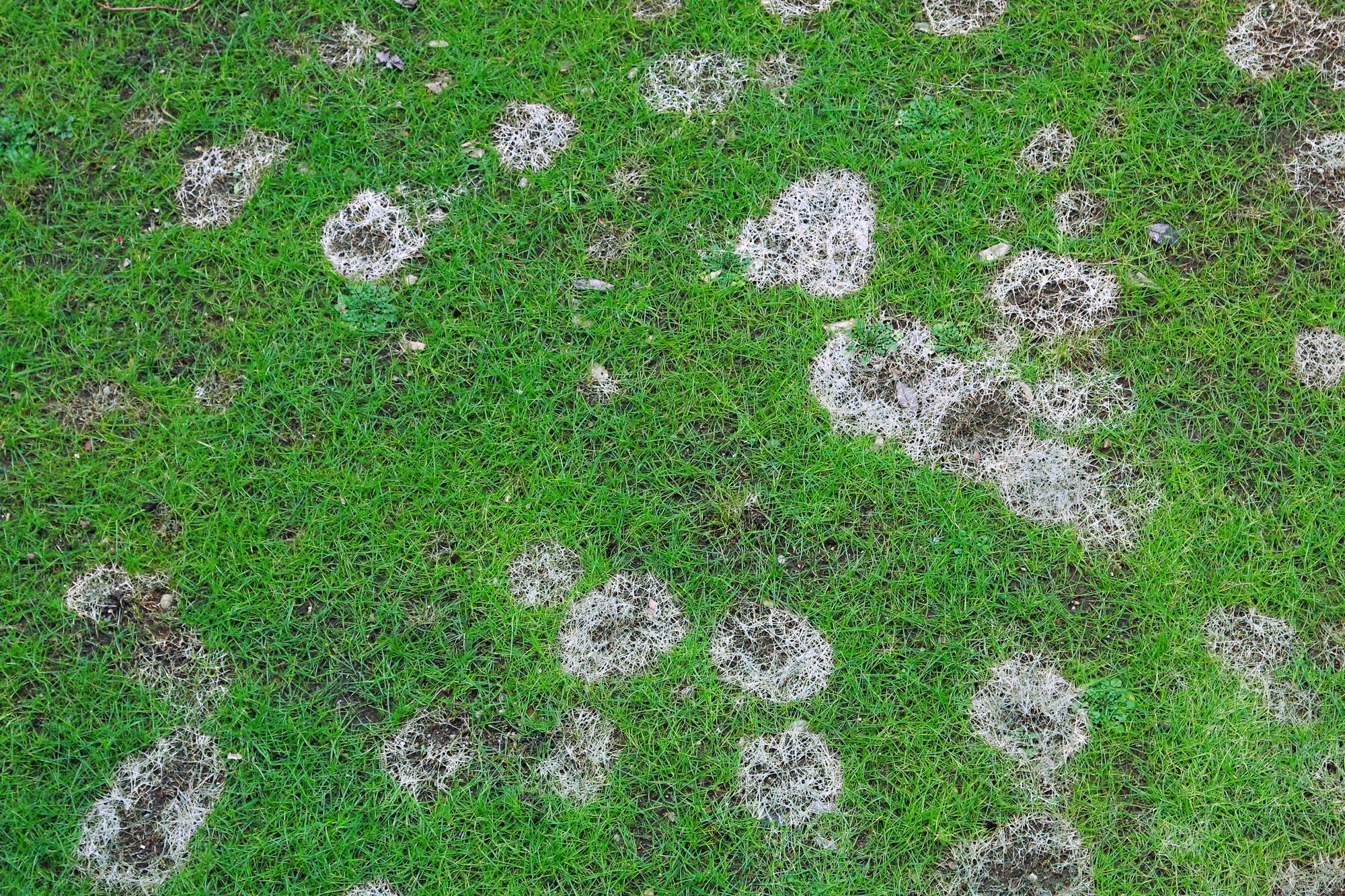
You can identify Snow Mould by its white to light-brown mycelium spreading across larger areas of lawn. The affected patches look dead, and can be very difficult to save if you don't act quickly.
Here is an overview of the most common lawn diseases and their characteristics:
| Disease | Symptoms | Contributing Factors |
|---|---|---|
| Red Thread | Pink mycelium, bent, reddish-brown grass blades | Nutrient deficiency, high humidity |
| Snow Mould | White mycelium, dead, merged patches | Temperatures of 0–8 °C, high moisture |
| Root Rot | Discoloured blades, brown roots | Waterlogging, poor aeration |
| Fairy Rings | Dark green rings, dead centre | Fungal mycelium in soil, thatch build-up |
Identifying Lawn Diseases: How to Spot the Early Warning Signs
A healthy lawn is robust, dense and a vibrant green. As soon as irregular patches appear or the grass starts to discolour, it's time to take a closer look.
Many lawn diseases begin with small visual changes that are easy to overlook. But the sooner you spot the signs, the better placed you are to step in and prevent more serious damage.
Importantly: Check your lawn regularly – especially after prolonged wet spells or during periods of unusually high humidity.
Classic warning signs include:
- Grass blades that are dead at the tips or discoloured reddish-brown
- Irregular patches of discoloured or dead grass
- Fungal threads or mycelium spreading in wet conditions
- Brown, irregular patches that are spreading quickly
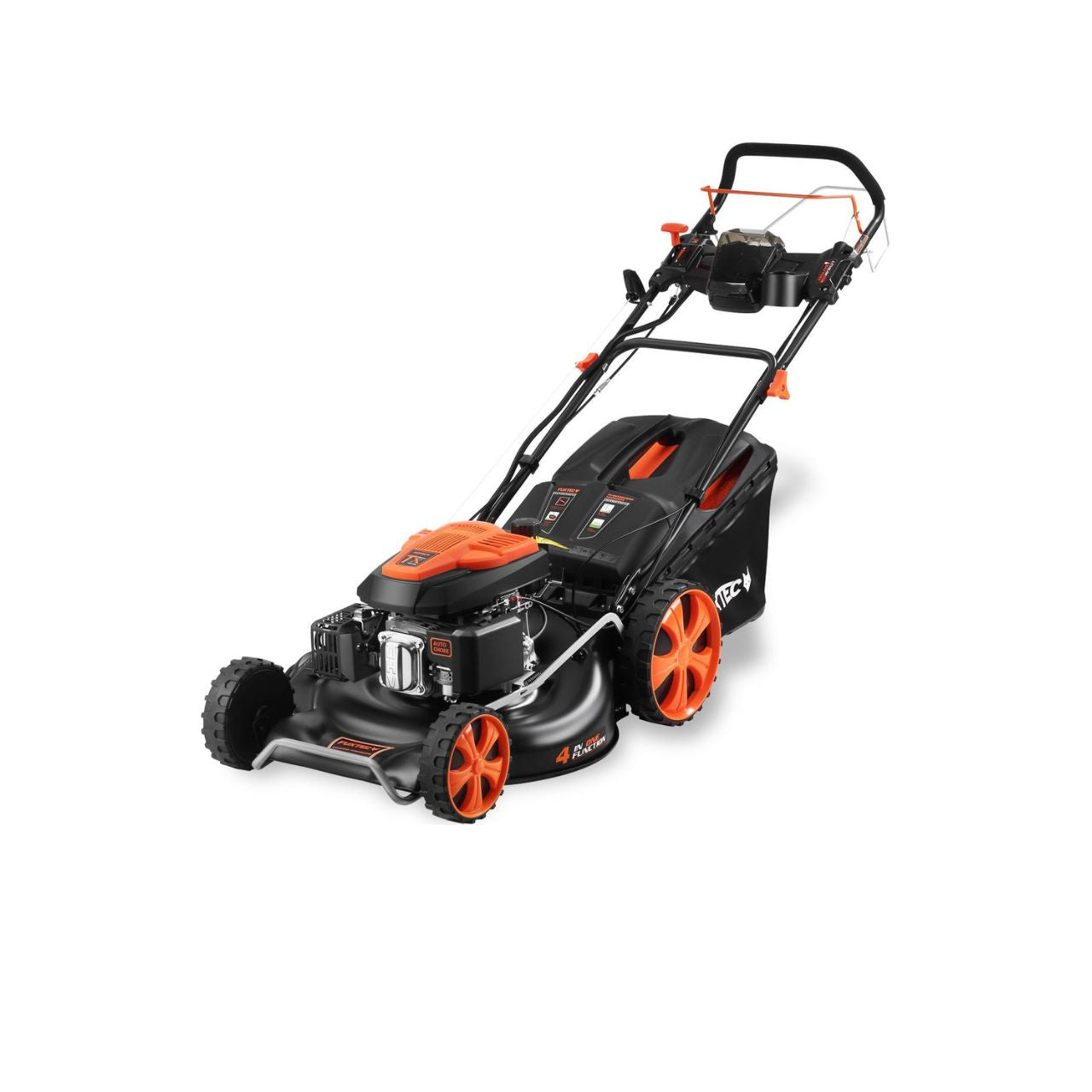
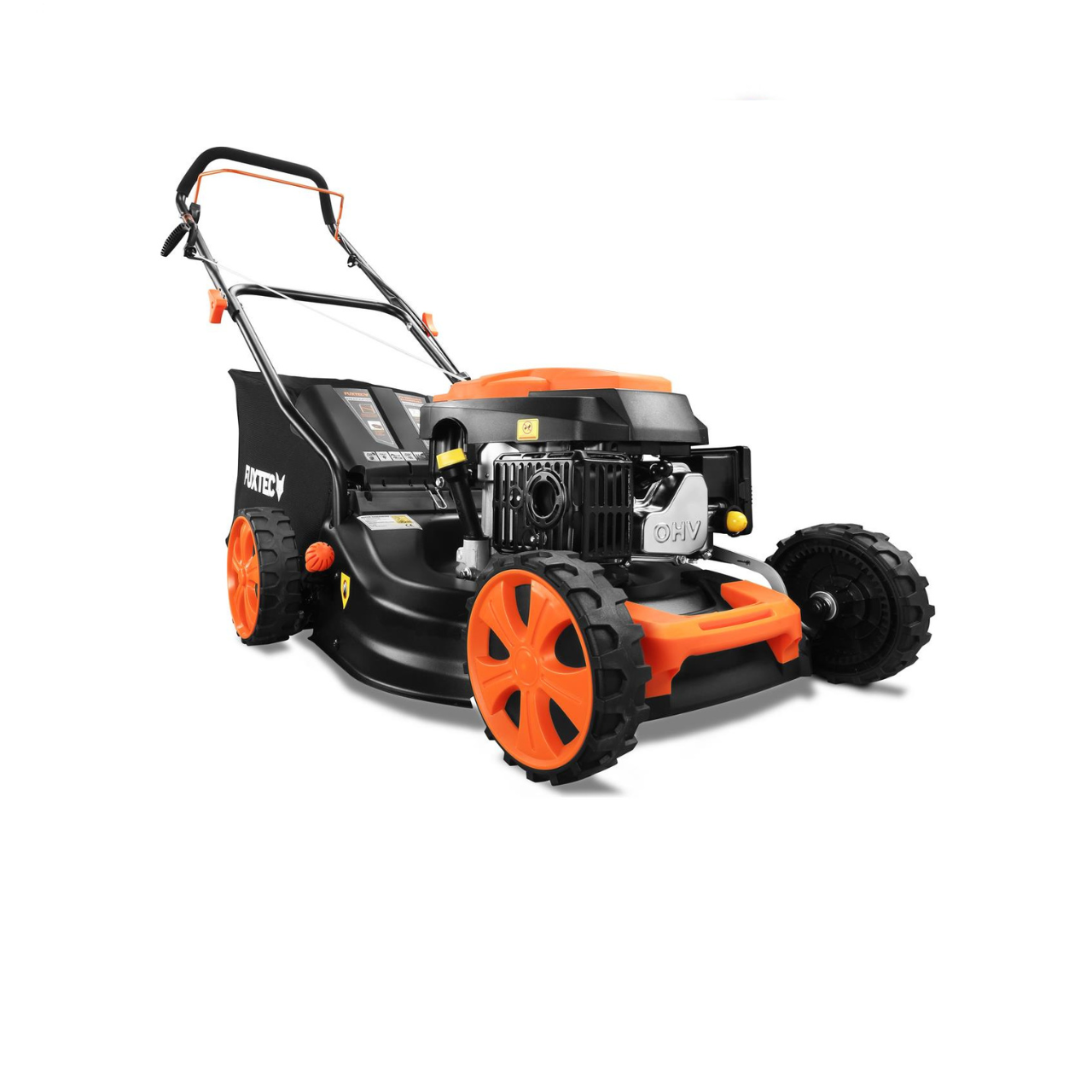
For the best chance of early detection, we recommend mowing your lawn regularly – ideally with one of our petrol lawn mowers or an efficient robotic mower. This way you can keep a close eye on the turf at all times.
Inadequate nutrition, old or unsuitable grass seed, and excessive thatch build-up can all increase the risk of fungal infection and disease.
Make sure your lawn has good aeration and take a look at our guide on lawn scarifying for more advice.
Fungi, Mycelium, Spores – How Fungal Diseases Damage Your Lawn

Fungal diseases are among the most common causes of a weakened or infected lawn.
But what exactly happens?
Many fungi lie dormant and invisible in the soil or thatch, waiting for the right conditions – moisture, warmth and neglect.
Then spores form, spreading rapidly and often only becoming visible to the naked eye once the damage is already done.
Particularly dangerous is the combination of high humidity and temperatures between 0 and 8 °C. This is when Snow Mould is most likely to strike.
Other fungal species prefer summer conditions: Red Thread, for example, thrives in nitrogen-poor soil with prolonged moisture.
Root Rot, triggered by waterlogging, is also a frequent visitor on over-used lawns.
If your lawn is affected by fungi, it will typically show these symptoms:
- White or pink mycelium on the surface
- Dead or limp grass blades
- Irregular patches with clearly defined edges
- Discoloured or brown roots in the case of Root Rot
Whether Snow Mould, Red Thread or Fairy Rings – the symptoms vary depending on the type of fungus, but they all have one thing in common: they are much easier to tackle if you identify the problem early and treat it promptly.
Using a good mower and scarifying regularly is invaluable here. Our FUXTEC lawn mowers are perfectly suited to the task.
Preventing Lawn Diseases: Good Maintenance and the Right Products
Prevention is always better than cure – and that's especially true when it comes to your lawn. Regular lawn care not only protects against fungal infection but also strengthens the grass and promotes a healthy, resilient surface.
You don't have to do a great deal, but you do need to be consistent. A combination of mowing, feeding, scarifying and adequate watering is the key to success.
Here's how to effectively prevent the most common lawn diseases:
- Feed correctly: Ideally fertilise your lawn in spring and autumn with a potassium-rich fertiliser. Potassium strengthens cell structure and makes the grass more resistant to fungal spores.
- Scarify: Remove thatch and moss regularly – this allows air to reach the roots and encourages healthy growth. It significantly reduces the risk of fungal mycelium building up in the soil or thatch.
- Water wisely: Use a FUXTEC sprinkler and make sure waterlogging doesn't occur. It's better to water in the morning rather than the evening – this helps prevent excessive dew formation overnight.
- Mow at the right frequency: The lawn should be mowed regularly and at the correct cutting height. Our cordless lawn mowers can help with adjustable cutting heights and reliable power.
- Choose suitable grass seed: Use high-quality grass seed suited to your location and intended use. This makes the lawn denser and more resilient against disease.
A well-maintained lawn is less susceptible to infection, fungal disease and other damage. By improving overall growing conditions, you can nip many lawn diseases in the bud.
Particularly important: Ensure your lawn receives adequate nitrogen, as a nutrient deficiency encourages almost all diseases.
Lawn Rescue Made Easy: How to Treat Affected Areas Properly
If the lawn is already affected, you need to act quickly!
The treatment depends heavily on the cause. If the lawn has been affected by a fungus, you should first mow all affected patches generously and dispose of the clippings – ideally away from the compost heap to avoid spreading spores. Then focus on targeted recovery.
The most important treatment steps:
- Scarify and aerate the lawn: Remove thatch thoroughly. A scarifier ensures the grasses can breathe more freely again.
- Adjust feeding: An autumn feed with potassium is particularly important at this stage. It supports recovery and strengthens weakened grasses.
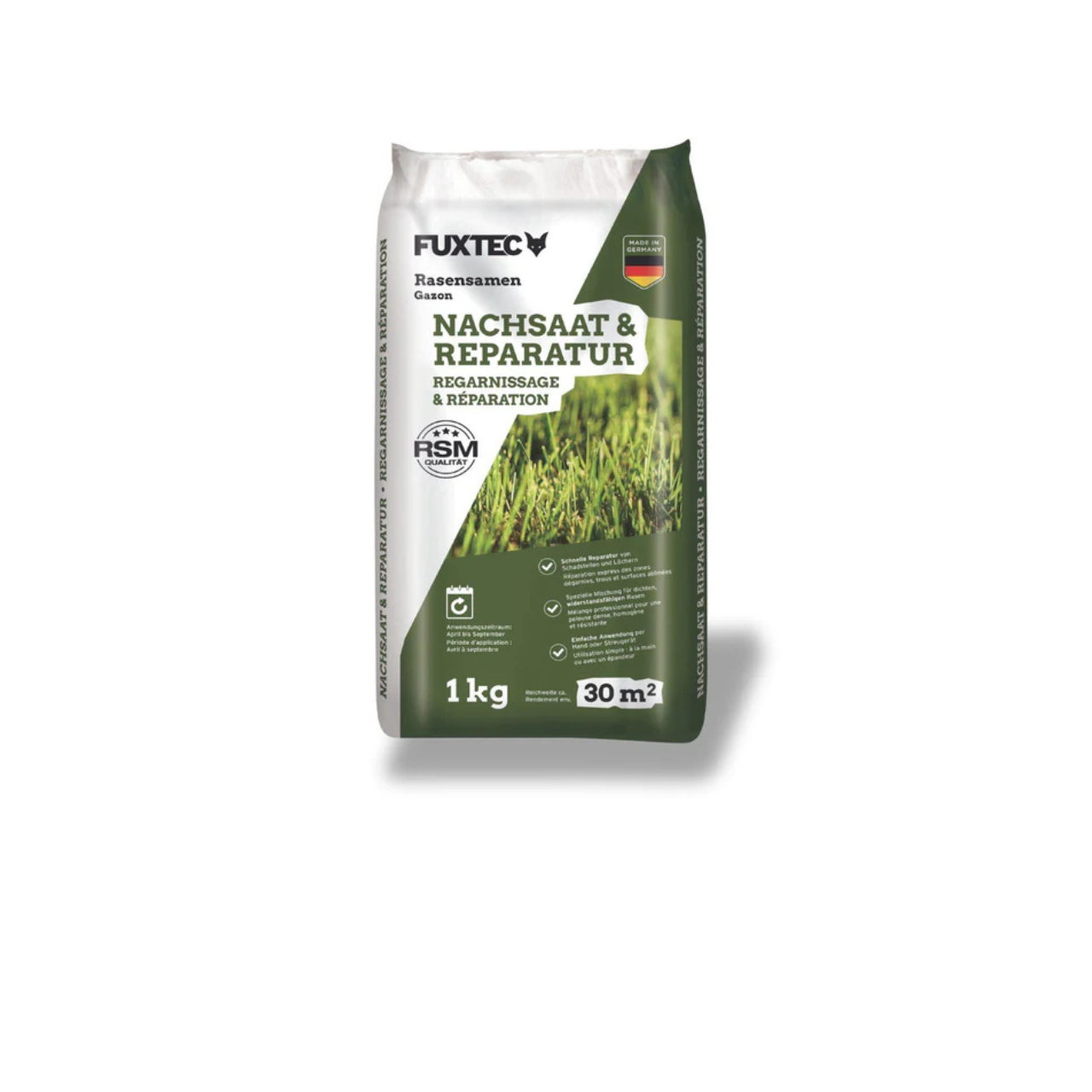
- Don't forget to overseed: Where bare patches have appeared, overseeding with high-quality grass seed will help. Our FUXTEC grass seed encourages even growth and dense coverage.
Don't forget: The soil also plays an important role. If the pH level is off or the soil is compacted, recovery can be delayed. Have a read of our tips on lawn liming to restore the right soil balance.
When Your Lawn Starts to Breathe Again – What Matters After Treatment

After successfully treating a lawn disease, the crucial phase begins: recovery.
Because an affected lawn needs time, care and the right conditions to recover fully.
It's important not to make any care mistakes now – such as mowing too soon, overwatering or applying the wrong amount of fertiliser. Instead, give your lawn enough rest without neglecting regular maintenance.
Particularly helpful during this phase is targeted nutritional support. After diseases such as Red Thread or Snow Mould, grasses primarily need potassium and magnesium to strengthen their cell structure and root growth.
Also ensure adequate but not excessive watering – a FUXTEC sprinkler works perfectly here, delivering an even, efficient distribution of water.
One more thing: Keep a close eye on your lawn even after the recovery phase. Many lawn diseases return when maintenance slips or old mistakes are repeated. So continue to watch out for:
- Regular mowing at the appropriate cutting height
- Soil aeration, especially after wet periods
- Avoiding waterlogging and compaction
- Controlled feeding and overseeding bare patches
When you notice your lawn turning green again, growing denser and the grass blades standing upright – you'll know: the effort was worth it!
Summary: Keeping Your Lawn Healthy and Resilient Long-Term
Whether Snow Mould, Red Thread or Fairy Rings – many lawn diseases can not only be identified in good time but also treated effectively with a little knowledge and the right equipment.
Those who tend their lawn regularly will be rewarded with a dense, robust and healthy surface that stands up to fungi and other threats.
The key preventive measures at a glance:
- Choose high-quality grass seed suited to your location and usage
- Maintain the correct cutting height
- Ensure adequate air circulation through regular scarifying
- Water evenly and avoid waterlogging
- Apply a targeted autumn feed with potassium and magnesium
Do also browse our other articles on our lawn care blog, for example:
- Tips for lawn care in summer
- How to lay and maintain turf
- Comparison of utility lawn and ornamental lawn
With the right care and the support of our FUXTEC products, your lawn will recover – and stay healthy and beautiful for the long term.
Discover our range of garden tools
What are the early warning signs that my lawn has a disease?
Early signs include irregular patches of discoloured or dead grass, grass blades that are reddish-brown or dead at the tips, and fungal threads or mycelium spreading across the turf. Check your lawn regularly, especially after wet spells or during periods of high humidity, to spot these changes before they worsen.
What causes Red Thread in grass?
Red Thread is a fungal disease that appears when your lawn lacks nutrients and has high moisture levels. It shows as pink mycelium threads on grass blade tips and is particularly encouraged by inadequate nitrogen feeding, but an autumn feed with potassium and magnesium can make a real difference.
When is Snow Mould most likely to appear on my lawn?
Snow Mould typically appears during colder months when temperatures are between 0 and 8°C and humidity is high. You can identify it by white to light-brown mycelium spreading across larger lawn areas, and affected patches may look dead and be difficult to save if you don't act quickly.
How can I prevent lawn diseases in my garden?
Prevention requires consistent care: feed your lawn with potassium-rich fertiliser in spring and autumn, scarify regularly to remove thatch and improve air circulation, water wisely in the morning to avoid excessive dew, mow at the correct height, and use high-quality grass seed suited to your location. A well-maintained lawn is far less susceptible to fungal infections.
What should I do if my lawn already has a fungal disease?
Act quickly by mowing affected patches generously and disposing of clippings away from your compost heap. Then scarify and aerate the lawn, apply an autumn feed with potassium to support recovery, and overseed bare patches with high-quality grass seed to encourage dense regrowth.
How long does it take for a lawn to recover from disease?
Recovery time varies depending on the severity and type of disease, but requires ongoing care and patience. Provide targeted nutritional support with potassium and magnesium, ensure adequate but not excessive watering, and continue regular maintenance such as mowing and scarifying to prevent the disease from returning.
Everything your lawn needs
More articles about lawn care
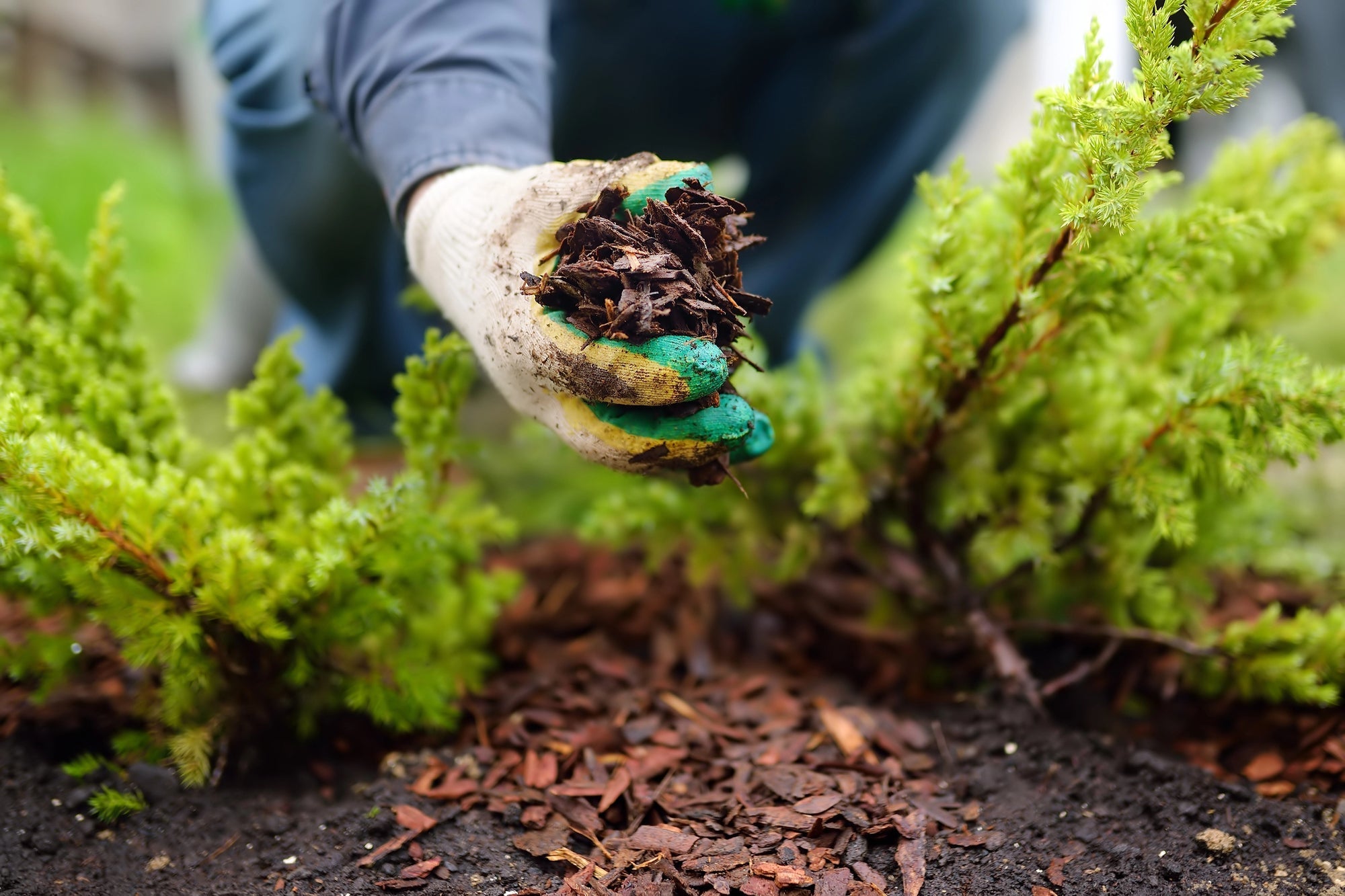
Mulchen mit Pinienrinde: So nutzt du organischen Mulch, um Unkraut zu verhindern
Das Mulchen mit Pinienrinde gehört zu den effektivsten Methoden im modernen Gartenbau und in der nachhaltigen Landwirtschaft. Dabei wird eine Schicht Mulchmaterial auf die Bodenoberfläche aufgebrac...
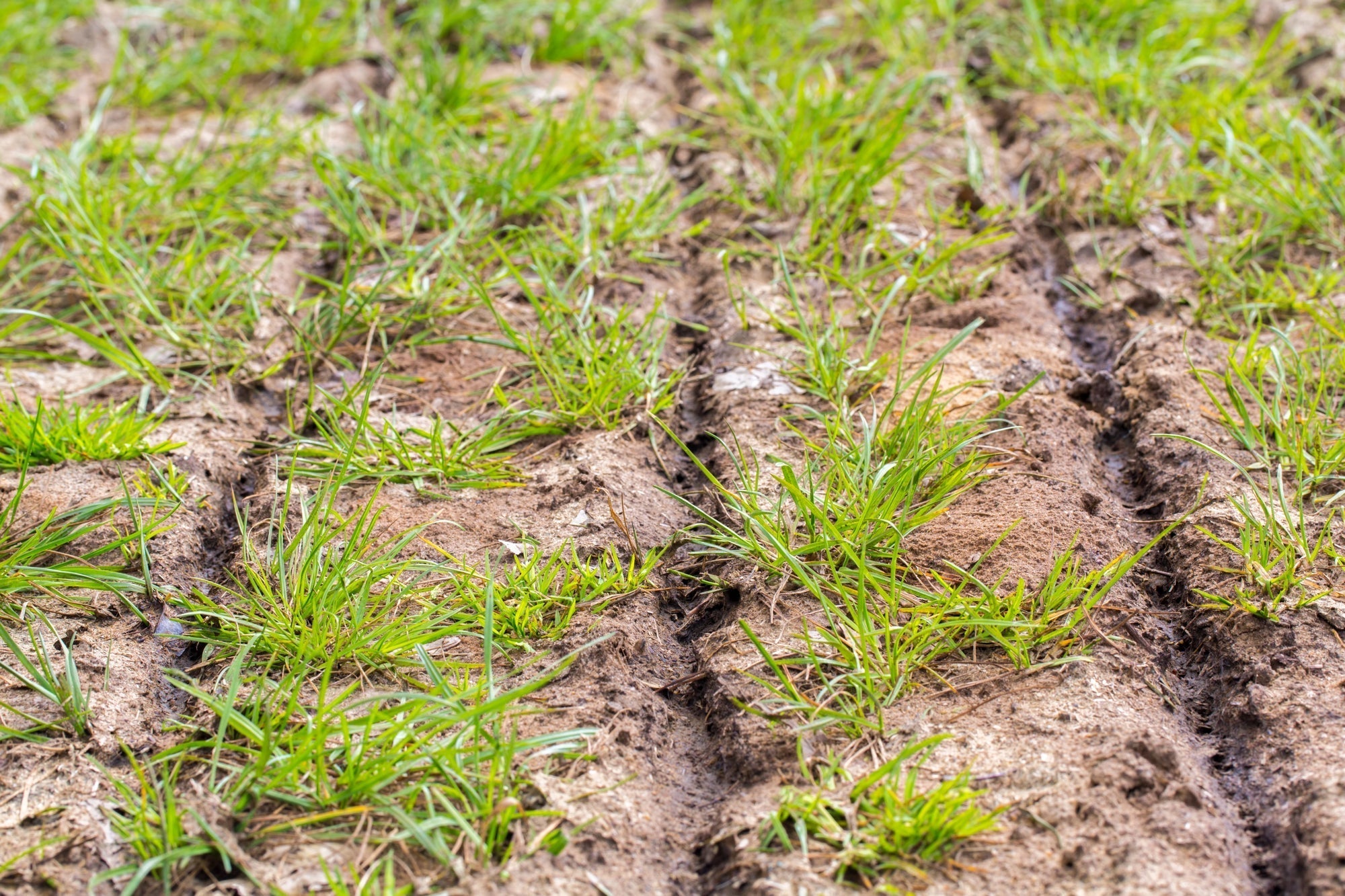
Bodenverbesserung im Garten: So verbesserst du deinen Gartenboden im Frühjahr für gesunde Pflanzen
Inhaltsverzeichnis Warum Bodenverbesserung im Garten im Frühjahr so wichtig für einen gesunden Gartenboden ist Gartenboden nach dem Winter prüfen: Bodenstruktur, Verdichtung und Bodenart erke...
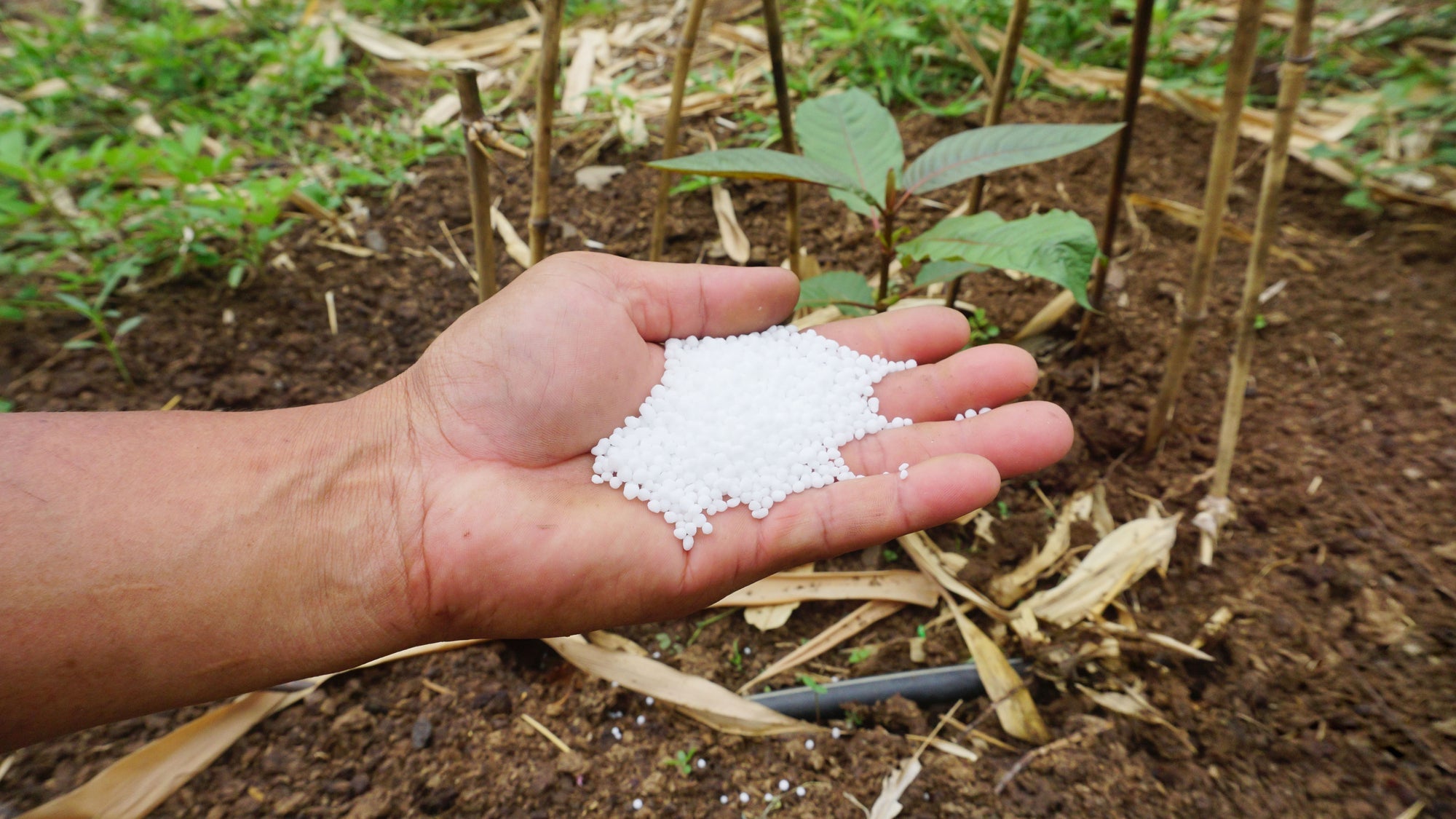
Richtig Düngen im Garten: Schritt für Schritt erklärt
Inhaltsverzeichnis Warum Düngen im Garten so wichtig ist Bodenanalyse: Grundlage für die richtige Düngung Organische vs. mineralische Dünger: Was ist besser? Kompost, Hornspäne & Co.: Organi...


