Lawn Care in May: Mow, Scarify, Feed & Water

May is the month when your lawn really hits its stride. With rising spring temperatures, grass grows vigorously, making the results of your earlier care clearly visible. To keep your lawn healthy and dense, the right maintenance is still essential. Right now, it all comes down to a few key things: mowing, scarifying, feeding, and watering. This supports growth, strengthens your lawn, and ensures it can develop to its full potential.

In this FUXTEC Garden Guide, we show you how to encourage growth and spot minor problems early so you can address them quickly — keeping your lawn lush, green, and resilient all season long.

Lawn Care Made Easy: What Does Your Lawn Need in May?

May is a critical period for your lawn. Growth increases significantly, and your lawn now needs targeted support to stay lush and healthy.

To help your lawn thrive, the following steps are important right now:

  • Regular mowing: Your lawn should now be mown consistently using a suitable lawn mower, encouraging it to grow back thick and dense.
  • Sufficient water: Dry spells can occur even in May, so targeted watering is important to prevent the grass from drying out.
  • Nutrients through fertiliser: If you haven't yet fed your lawn in late spring, a suitable fertiliser will give it everything it needs to grow strong and healthy.
  • Weed removal: Plants such as dandelions and clover should be removed early to prevent them from spreading.
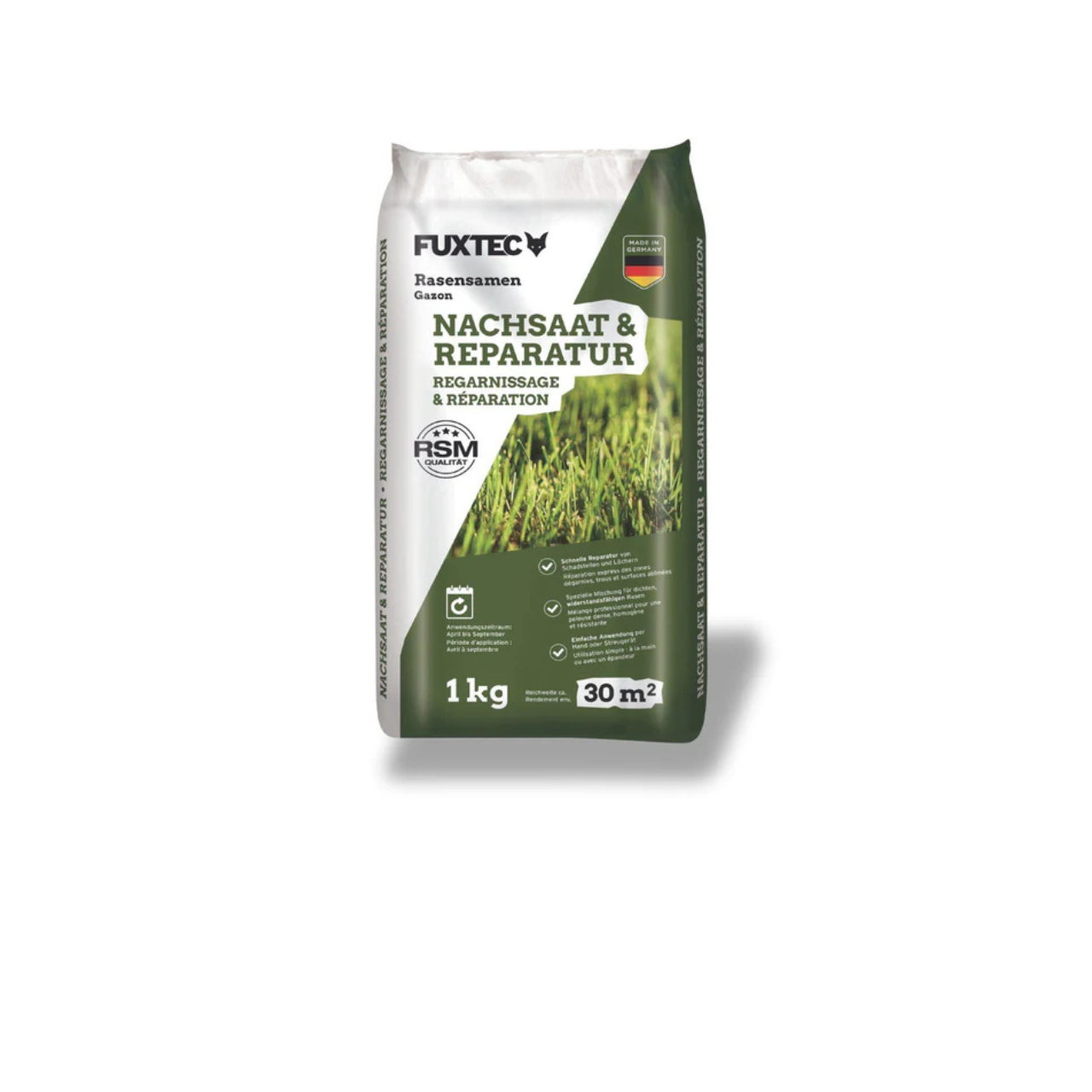
  • Overseeding bare patches: Bare areas can be filled in now to create an even, uniform lawn surface.

Lawn Care in May: Mowing, Scarifying, Feeding and Watering

This is the time for intensive lawn care. Thanks to the strong spring growth, your lawn now needs a combination of mowing, feeding, scarifying where necessary, and regular watering.

Mowing Your Lawn in May

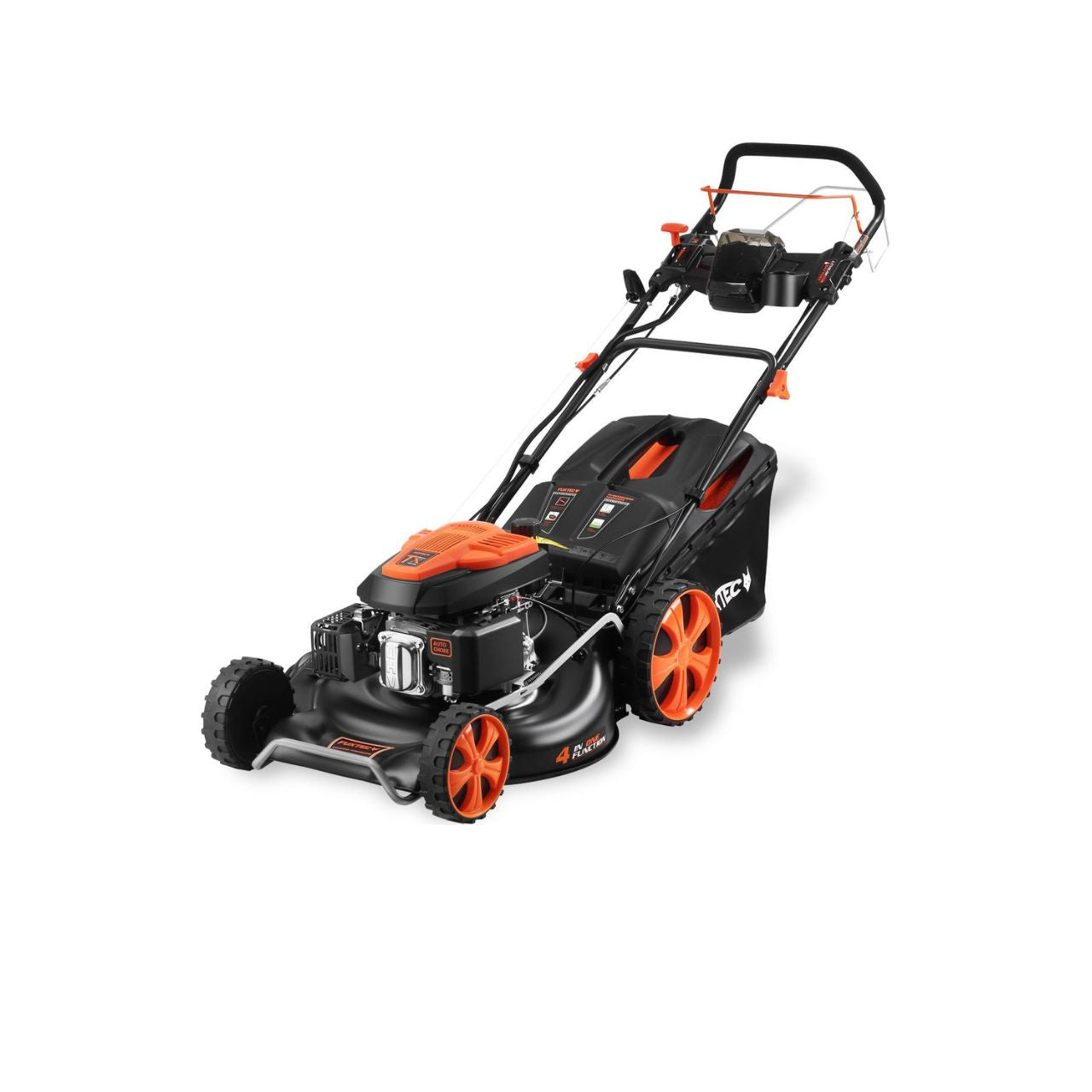
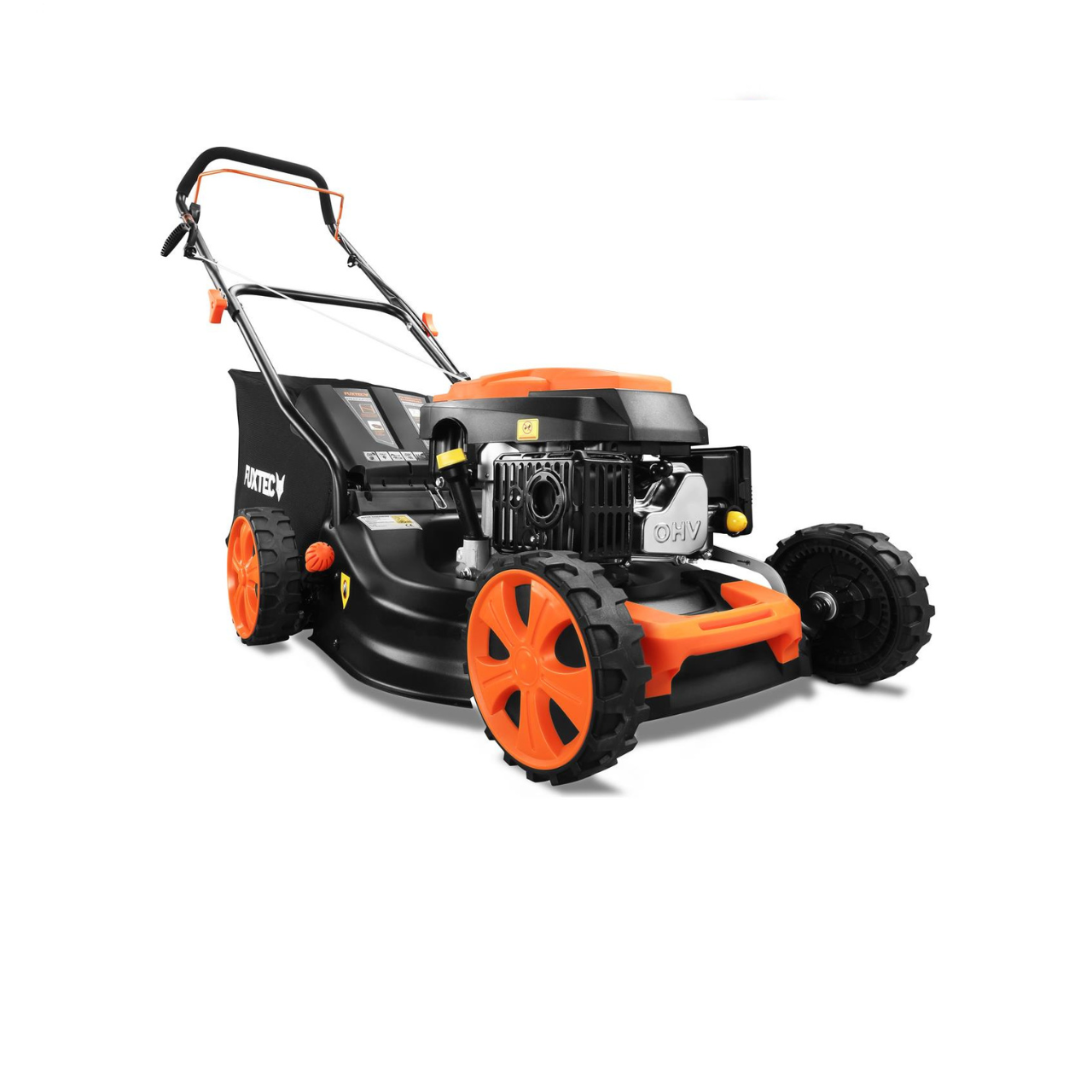
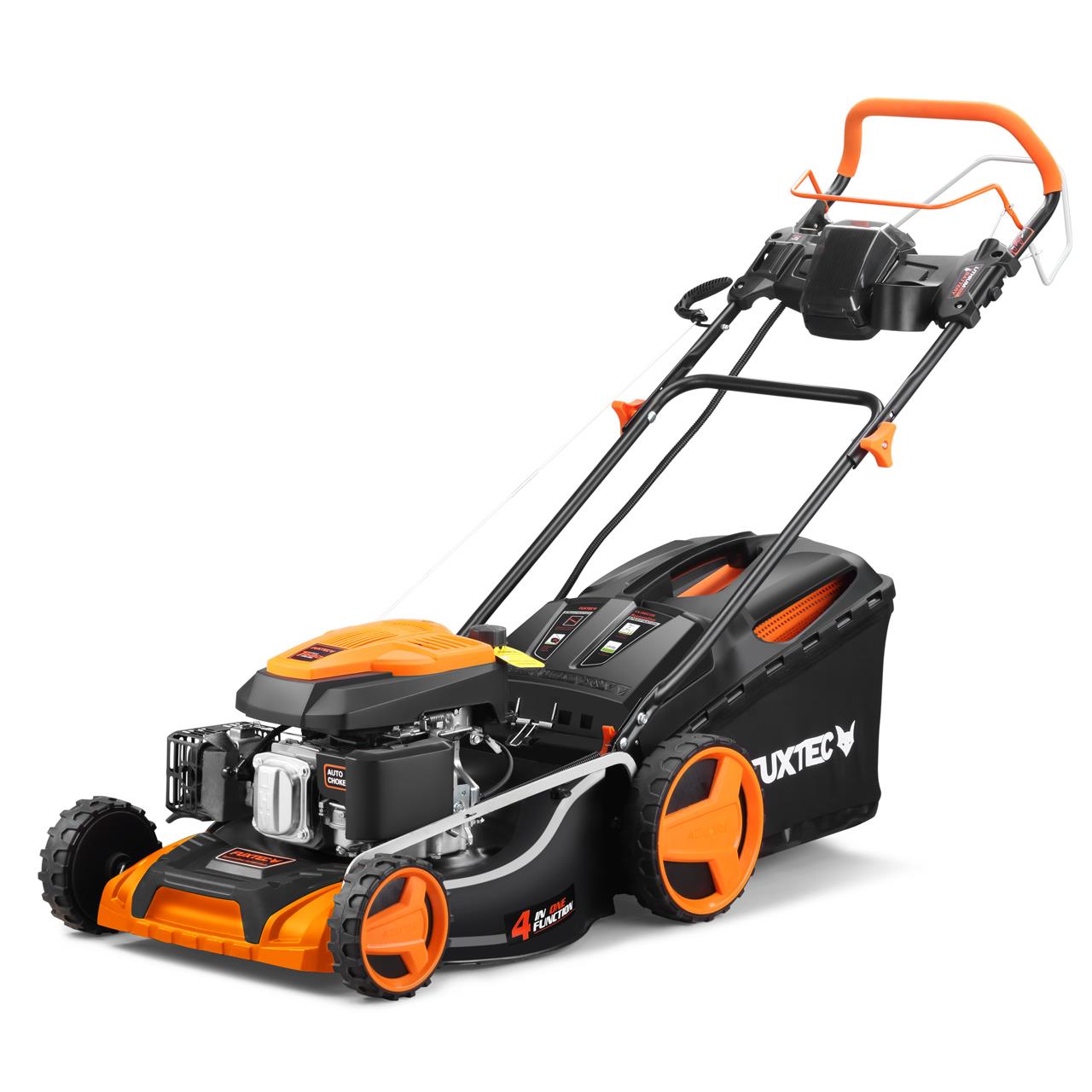
As everything grows particularly quickly in May, you should mow your lawn once or twice a week. A few tips: only mow in dry conditions and avoid mowing on waterlogged ground or in scorching midday sun, as this puts unnecessary stress on the grass. Our FUXTEC lawn mowers deliver a clean, even cut without straining the grass.

Lawn mower on a green lawn in May

The correct cutting height in May is around 3.5–4 cm, and slightly higher at around 5 cm in shaded areas. Be careful never to remove more than one third of the grass blade length in a single cut — this keeps the turf stable and allows the grass to continue growing healthily.

An extra tip: leaving your grass clippings on the lawn from time to time creates a natural mulch layer, helping to return nutrients to the soil.

Scarifying Your Lawn

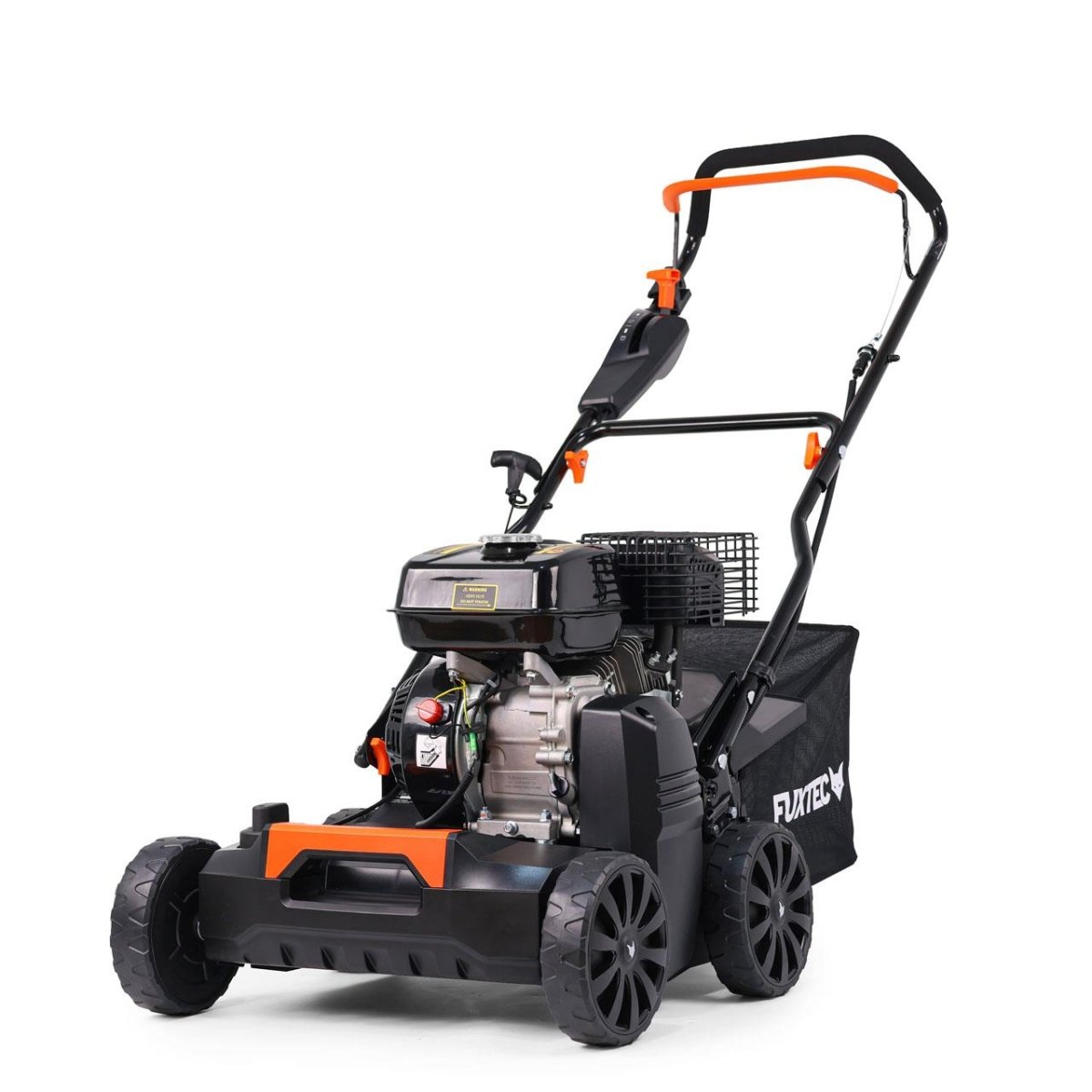
Scarifying is particularly worthwhile now, as the lawn can still recover well. A FUXTEC scarifier removes moss and weeds whilst aerating the turf.

This is also a good time to overseed, filling in sparse patches and restoring an even, dense surface. From June onwards, scarifying should be avoided as the lawn recovers less readily in the summer heat.

Feeding Your Lawn

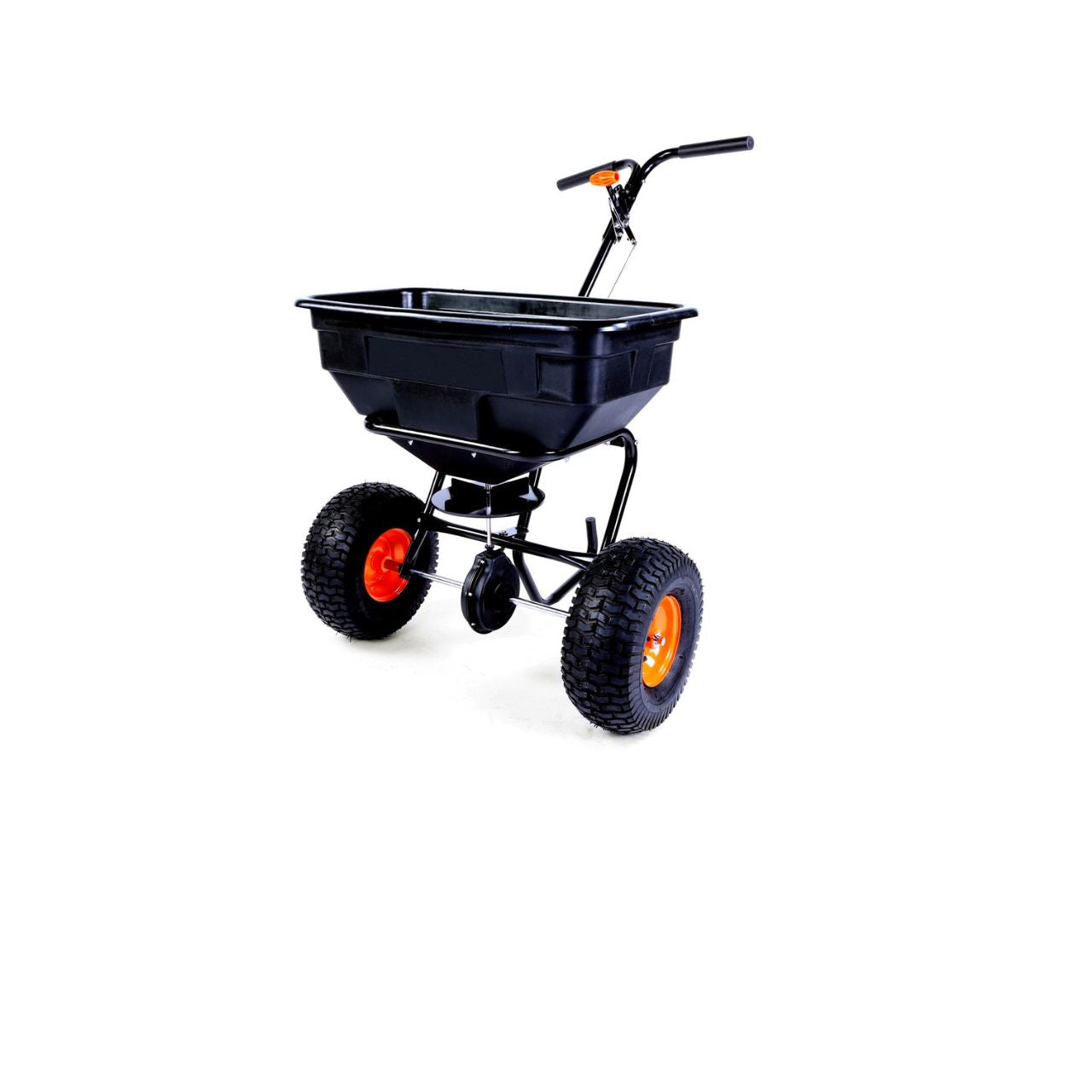
If you haven't yet applied fertiliser this spring, May is the ideal time to top up. A suitable lawn fertiliser — such as a slow-release feed or a combined lawn feed and weed — provides essential nutrients including nitrogen, keeping growth steady and your lawn thick and strong.

Targeted feeding in May ensures your lawn is well nourished heading into summer. Ideally, choose a lawn fertiliser with a balanced ratio of nitrogen, phosphorus, and potassium, as these support germination and encourage root development.

Watering Your Lawn in May

Garden care tips: during longer dry spells, make sure you water your lawn regularly to prevent it from drying out and to keep it looking lush and green.

Identifying, Fixing and Preventing Common Lawn Problems

In May your lawn grows vigorously, but it is also susceptible to a range of problems. Spotting typical issues early and acting quickly will keep your lawn healthy and well maintained.

Weeds and Moss in the Lawn

Weeds and moss compete with grass for vital nutrients and can quickly crowd it out. Dandelions and clover in particular spread rapidly. Remove them early using our FUXTEC weed remover, or use a selective weedkiller for more severe infestations, so your lawn looks beautifully green come summer.

Repairing Bare Patches in Your Lawn

Bare patches can appear due to heavy use, dry weather, or after scarifying. In May you can quickly fill these in with overseeding. For a healthy, dense lawn, it's important to prepare the patches properly and water them regularly afterwards.

Dry Weather and Insufficient Watering

The first warm days of May can bring dry conditions. Without enough water, the lawn suffers, becomes thin, and loses its colour. Make sure you water your lawn early and regularly whenever needed.

Chafer Grubs in Your Lawn

Chafer grubs are one of the most commonly underestimated causes of lawn damage. The larvae of various chafer beetle species feed on grass roots, causing the lawn to lose its connection to the soil. The result: yellow, dry, or sparse-looking patches that can be lifted away easily.

A telltale sign is when the turf can be lifted like a carpet. If you carefully dig into the affected areas, you will often find the characteristic white, C-shaped larvae.

Nematodes are particularly effective for treating an infestation safely. These natural beneficial organisms penetrate the larvae and halt their development. It is important to water the lawn thoroughly after application to ensure the treatment works as effectively as possible.

Encouraging Biodiversity in Your Garden

May is also the ideal time to support biodiversity. Rather than mowing the entire lawn uniformly, you can deliberately leave small areas uncut — in the spirit of No Mow May. These unmown patches provide habitat for insects and help promote a natural balance in your garden.

Entdecke unsere Auswahl an Gartengeräten
How often should I mow my lawn in May?

In May, you should mow your lawn once or twice a week due to rapid spring growth. Always mow in dry conditions and avoid waterlogged ground or intense midday sun to prevent stress on the grass.

What is the correct cutting height for May?

The ideal cutting height in May is around 3.5–4 cm, and slightly higher at about 5 cm in shaded areas. Never remove more than one third of the grass blade in a single cut to keep the turf stable and healthy.

Should I scarify my lawn in May?

Yes, May is an excellent time to scarify as the lawn recovers well from the treatment. A scarifier removes moss and weeds whilst aerating the turf, and you can overseed bare patches immediately after to create a uniform surface.

What fertiliser should I use on my lawn in May?

Use a slow-release lawn fertiliser or combined feed with balanced nitrogen, phosphorus, and potassium to support steady growth and strong root development. This is ideal timing if you haven't fed your lawn earlier in spring.

How much should I water my lawn in May?

Water your lawn regularly during dry spells to prevent it from drying out and losing colour. Water early in the day when possible, and ensure thorough watering to keep the grass lush and green.

What are chafer grubs and how do I treat them?

Chafer grubs are beetle larvae that feed on grass roots, causing yellow, dry patches that lift easily like carpet. Nematodes are an effective natural treatment—apply them and then water the lawn thoroughly to ensure maximum effectiveness.

Can I leave grass clippings on my lawn?

Yes, occasionally leaving grass clippings on the lawn creates a natural mulch layer that returns valuable nutrients to the soil, supporting healthy growth.

Weitere Beiträge zum Thema Rasenpflege
Alle ansehen
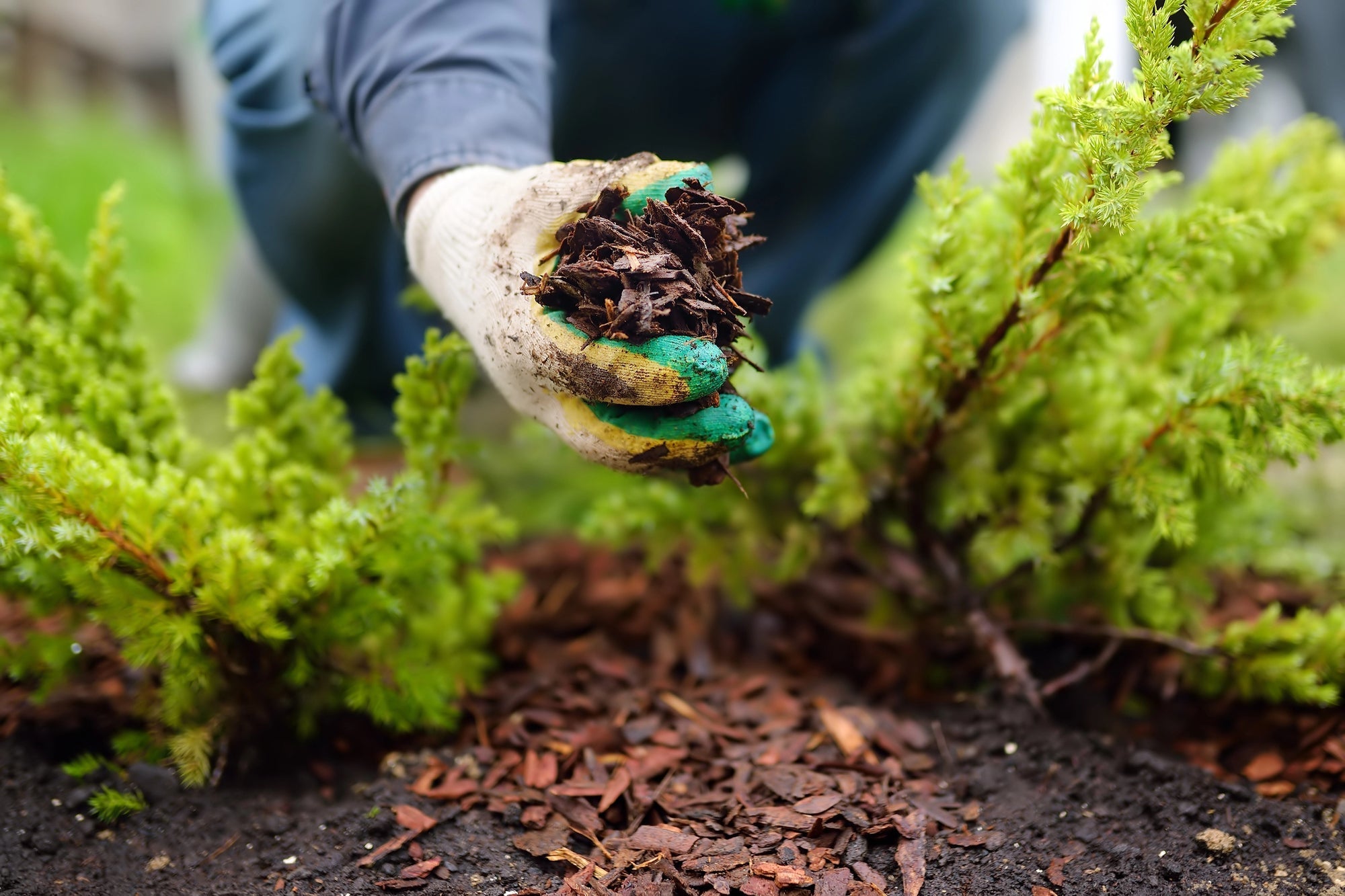
Mulchen mit Pinienrinde: So nutzt du organischen Mulch, um Unkraut zu verhindern

Mulchen mit Pinienrinde: So nutzt du organischen Mulch, um Unkraut zu verhindern

Das Mulchen mit Pinienrinde gehört zu den effektivsten Methoden im modernen Gartenbau und in der nachhaltigen Landwirtschaft. Dabei wird eine Schicht Mulchmaterial auf die Bodenoberfläche aufgebrac...
Bodenverbesserung im Garten: So verbesserst du deinen Gartenboden im Frühjahr für gesunde Pflanzen

Bodenverbesserung im Garten: So verbesserst du deinen Gartenboden im Frühjahr für gesunde Pflanzen

Inhaltsverzeichnis Warum Bodenverbesserung im Garten im Frühjahr so wichtig für einen gesunden Gartenboden ist Gartenboden nach dem Winter prüfen: Bodenstruktur, Verdichtung und Bodenart erke...
Düngen im Garten Titelbild

Richtig Düngen im Garten: Schritt für Schritt erklärt

Inhaltsverzeichnis Warum Düngen im Garten so wichtig ist Bodenanalyse: Grundlage für die richtige Düngung Organische vs. mineralische Dünger: Was ist besser? Kompost, Hornspäne & Co.: Organi...