
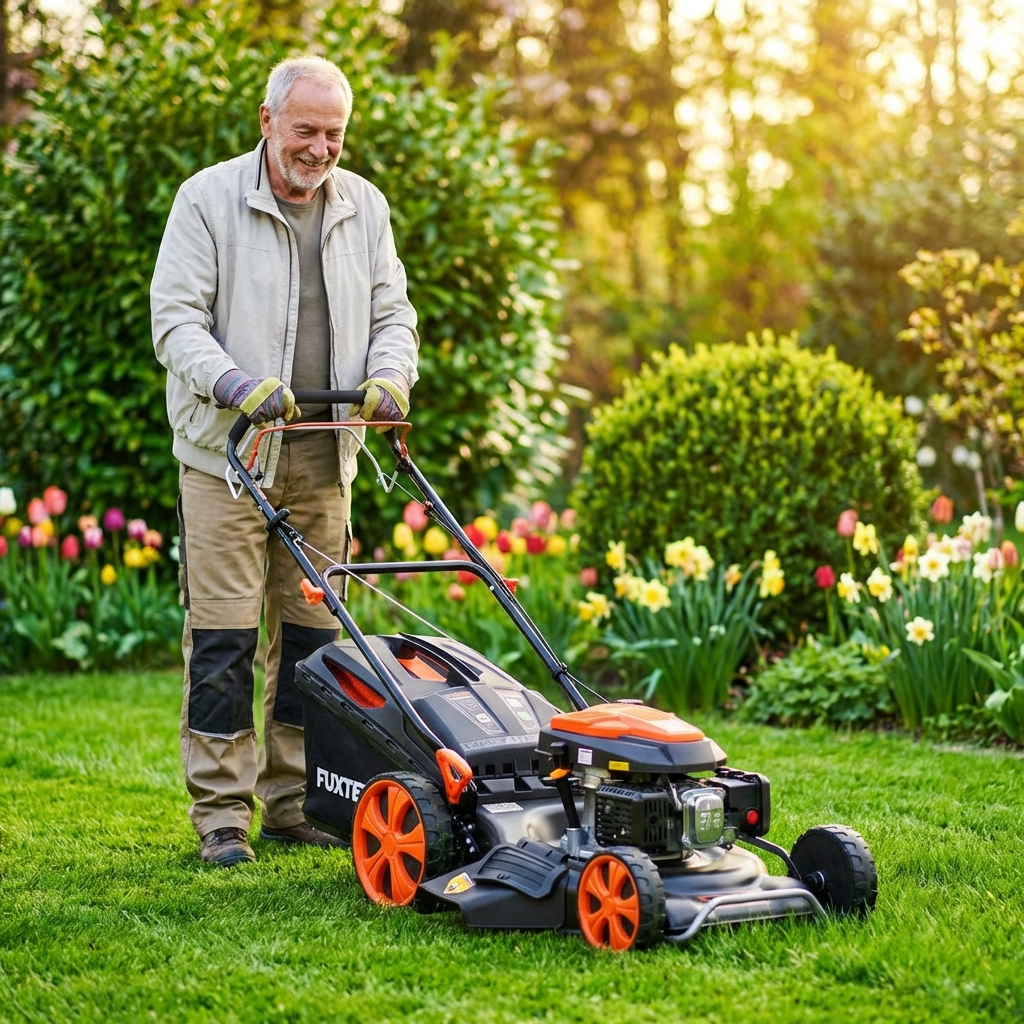
Das letze Mal Rasen mähen vor dem Winter: Das ist zu beachten!
Last Lawn Cut of Autumn: Tips for Winter
Caring for your lawn in autumn means, above all, planning the last cut at the right time. This isn't just a routine task — it's one of the most important steps for keeping your lawn healthy throughout the winter months. Getting the timing or cutting height wrong can seriously weaken your lawn's resilience and encourage the growth of moss, fungal diseases, or snow mould. In this article, you'll find out when and how to carry out the last cut of the season, and which additional measures are worth taking.
Why the last lawn cut in autumn matters so much
Many garden owners underestimate the importance of the final cut. Yet it directly affects how well your lawn survives winter and bounces back in spring. Grass left too long traps moisture between the blades, creating ideal conditions for fungal diseases and snow mould. Cutting too short, on the other hand, strips the lawn of its natural protective layer and leaves it vulnerable to frost damage. Getting the cutting height right is therefore essential.
When to carry out the last lawn cut
The ideal timing depends on temperature. Once the average daytime temperature consistently drops below around 8 to 10 °C, growth slows considerably. At that point, you should stop mowing. Depending on your region in the UK, this typically falls between October and November. It's important that the ground is not yet frozen and that the lawn still has a little time to recover after cutting.
The right cutting height in autumn
The ideal cutting height in autumn is between 4 and 6 centimetres. You should not cut below 3 cm, as this leaves the roots exposed and unprotected. If the grass is left higher than 7 to 8 cm, the risk of thatch build-up and fungal infection increases. A lawn cut evenly to this height stays stable and resilient in cold conditions.
Setting your lawn mower correctly
Before the last cut, check the blades on your mower and sharpen them if needed. Blunt blades tear the grass rather than cutting it cleanly, which encourages disease. Set your desired cutting height and only mow in dry conditions. For more lawn care tips, take a look at our guide to mowing your lawn correctly.
Only mow when the lawn is dry
A dry lawn is essential for a clean cut. Wet grass gets compressed under the weight of the mower, resulting in an uneven cut and an increased risk of fungal disease. Plan the last cut after at least one or two dry days, and ideally around midday when any remaining moisture has fully evaporated.
Scarifying and aerating your lawn in autumn
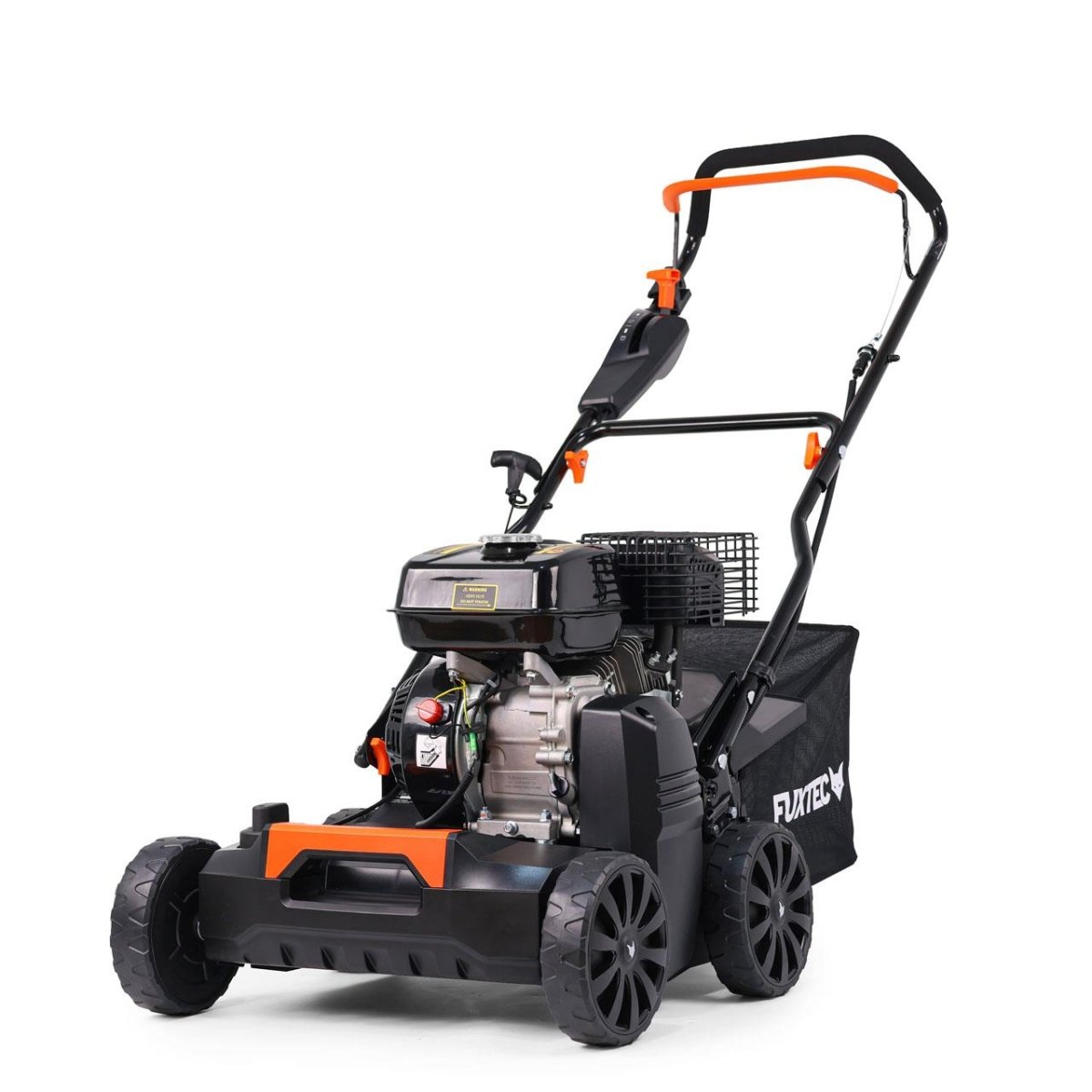
Aerating the lawn with a scarifier before the last cut improves soil structure and promotes better water drainage. It also removes the thatch that accumulates over the course of the year. Particularly in autumn, when rainfall increases, a well-aerated lawn prevents waterlogging and root rot.
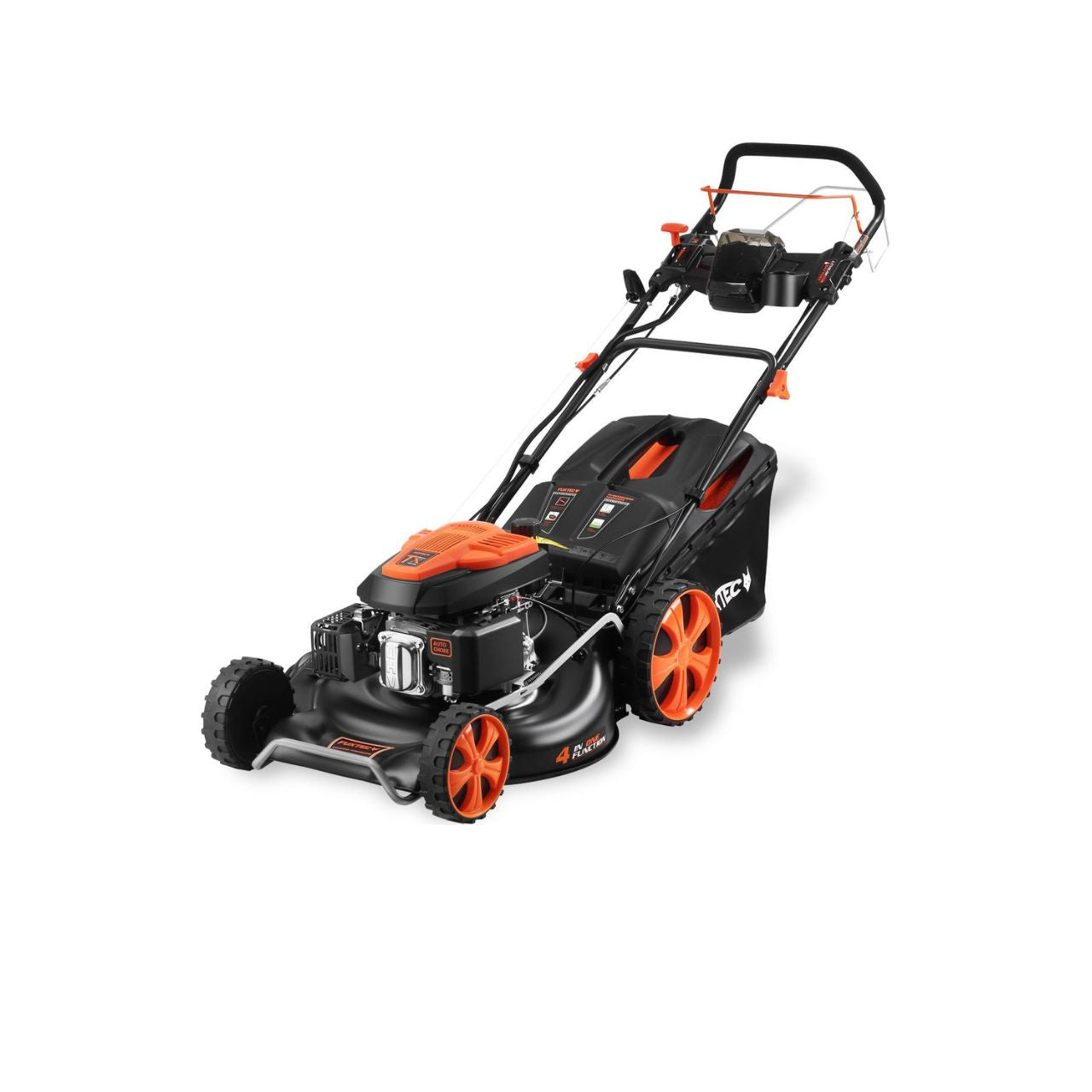
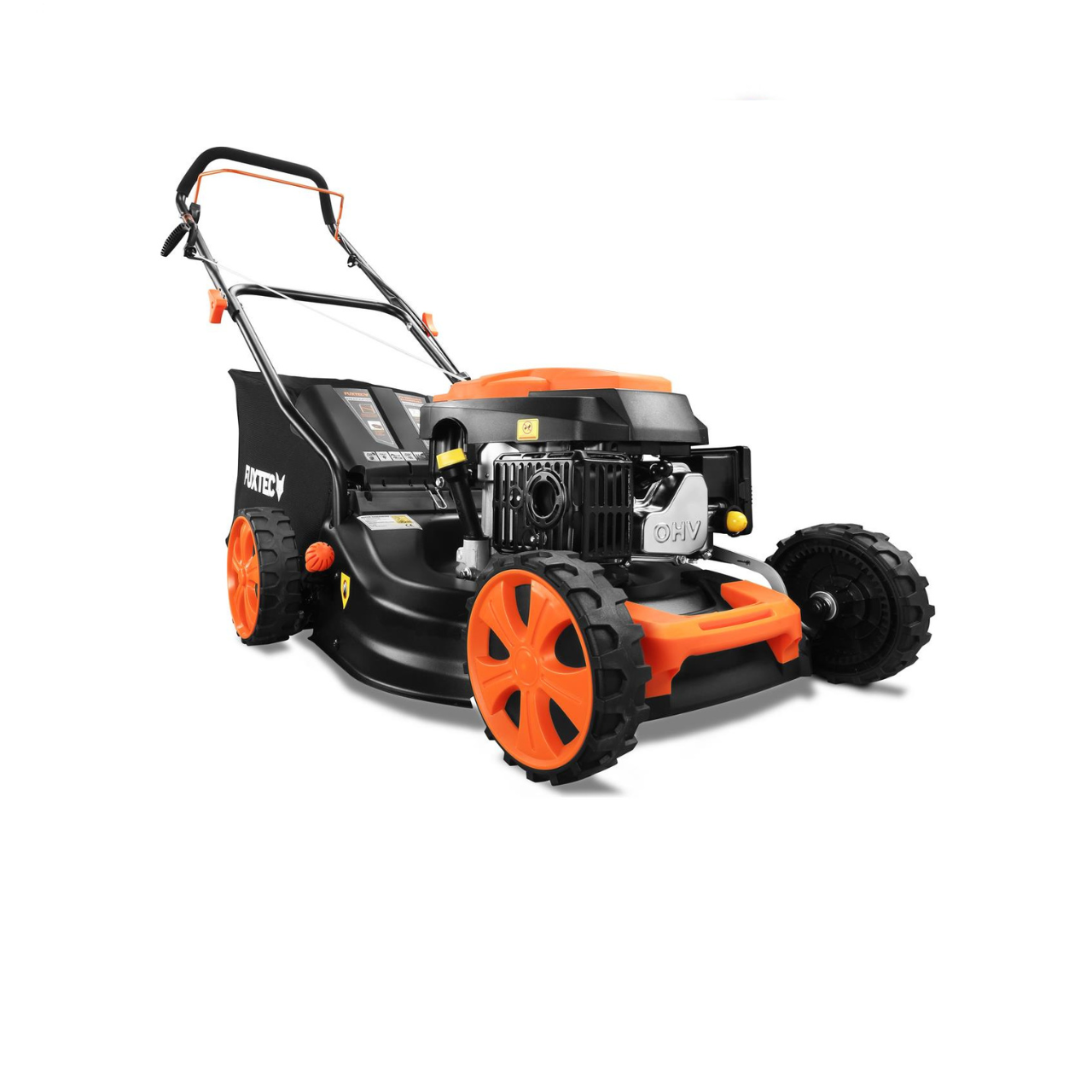
The last lawn cut of autumn starts with the right mower
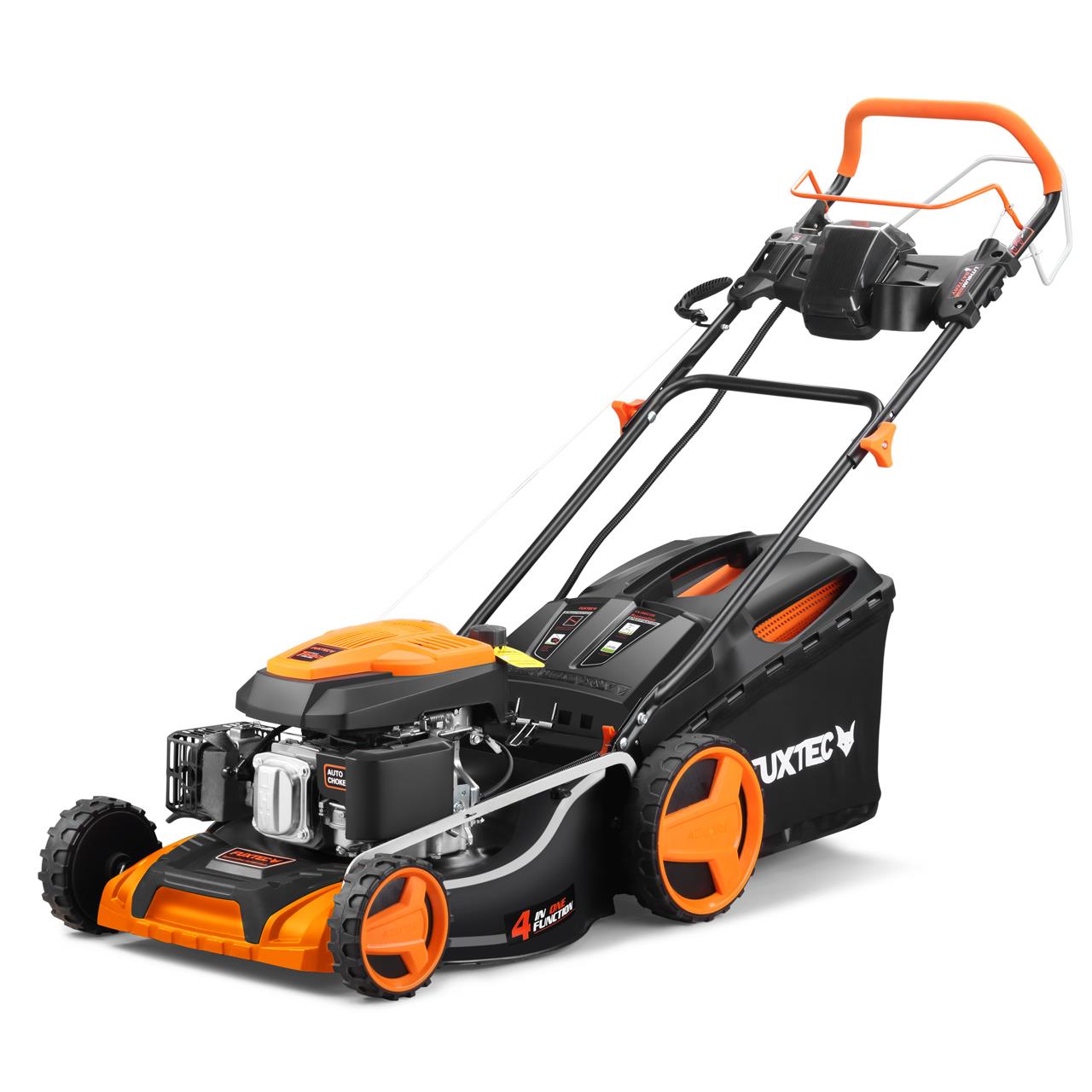
Whether it's a classic petrol mower, a versatile mulching model, or a flexible cordless mower: with the right machine, you'll get your lawn neatly put to bed for winter and set yourself up for a great start to next season.
FX-RM4839P
The classic all-rounder for the last cut before winter. Robust, straightforward, and reliable — at its best when you need your lawn tidied up properly before the cold sets in.
FX-RM5396P
For larger lawns and anyone who wants more flexibility on the last mow of the year. This model combines impressive area coverage with side discharge and mulching capability.
FX-E1RM20
The smart choice for small to medium-sized gardens. Cordless, lightweight, and pleasantly quiet — ideal if you want to get the autumn cut done without any fuss or petrol fumes.
Dealing with moss in your lawn
Moss spreads particularly in autumn, when light levels drop, temperatures fall, and grass loses its competitive edge. Common causes include compacted soil, poor drainage, or nutrient deficiency. Treating affected areas with an iron-based lawn treatment can effectively remove moss. The dead material should then be raked out to clear the way for new grass growth.
Applying autumn lawn fertiliser correctly
A balanced feed supports your lawn as it prepares for winter. Look for a product with a low nitrogen content and a higher level of potassium. Potassium strengthens cell structure and improves frost resistance. Typical autumn lawn fertilisers have a ratio such as 5-5-20. Apply evenly to avoid any scorching or damage from over-feeding.
Preventing fungal disease and snow mould
Snow mould often appears in spring, but its origins lie in autumn conditions. Grass left too long, fallen leaves, and excess moisture all encourage it to spread. Rake up leaves regularly and keep the lawn at the right height. Good autumn lawn care significantly reduces the risk. For detailed advice on dealing with lawn diseases, take a look at our Fuxtec garden guide on identifying and treating lawn fungus, red thread, and other common lawn problems.
Removing leaves and organic debris
Autumn leaves can smother the lawn and trap moisture in the soil. Remove larger accumulations regularly. Finely shredded material, however, can act as a natural fertiliser if spread evenly across the lawn. For more ideas on what to do with autumn leaves in the garden, see our Fuxtec garden guide "Using autumn leaves wisely: tips for frost protection, mulching, and composting".
Autumn lawn care checklist
- Aerate or scarify the lawn
- Treat and remove moss
- Apply autumn lawn fertiliser
- Remove leaves regularly
- Carry out the last cut at 4–6 cm
- Sharpen the mower blades
- Optionally apply a preventative fungal treatment
A well-structured autumn lawn care routine ensures your lawn comes through winter in good health. The last cut of the season is the key step. Combined with aeration, fertilising, and leaf removal, it lays the foundations for a thick, resilient lawn come spring.
Entdecke unsere Auswahl an Gartengeräten
Alles, was dein Rasen braucht
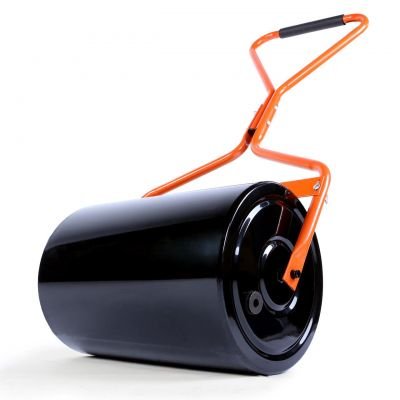
Weitere Beiträge zum Thema Rasenpflege
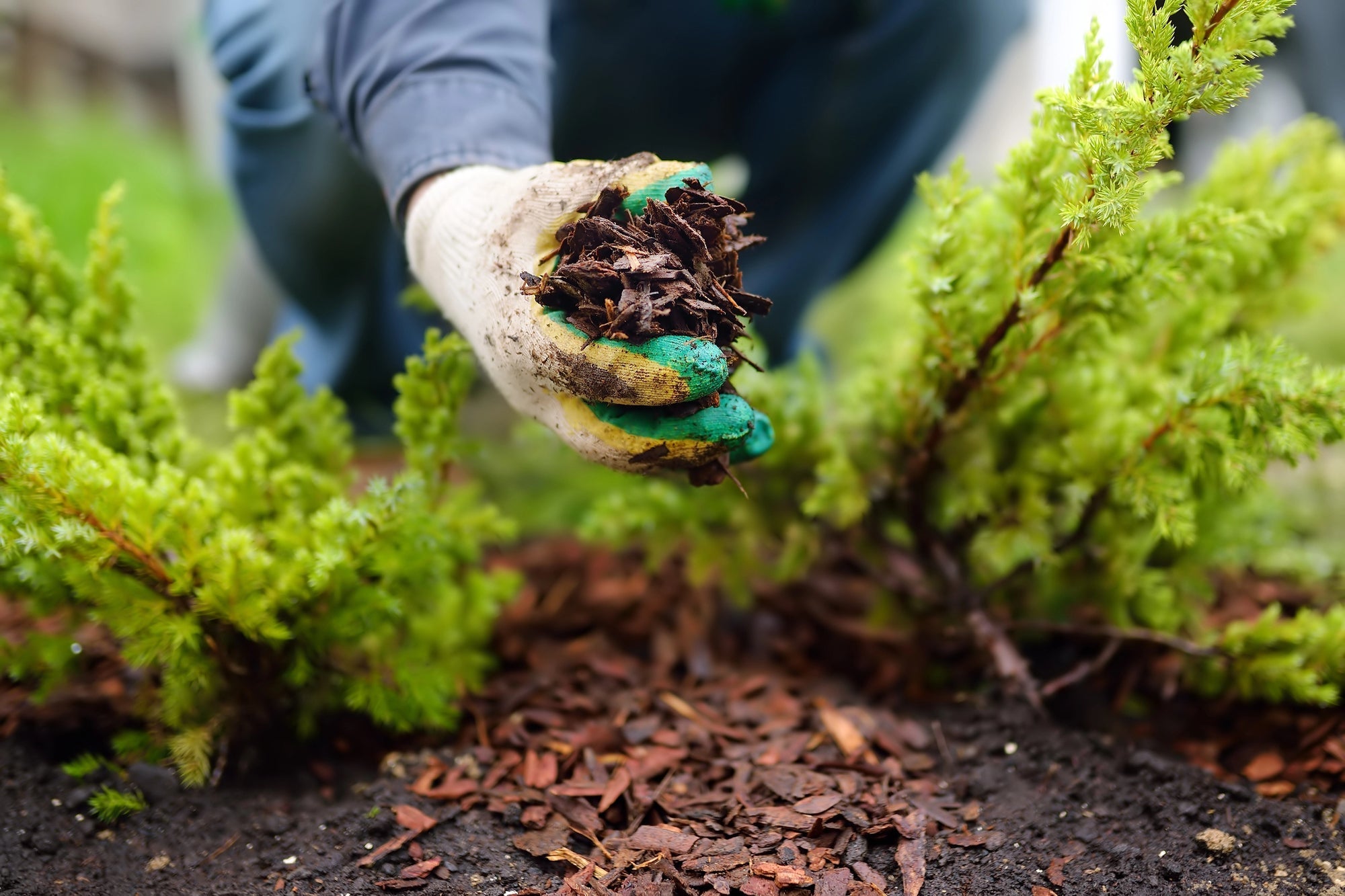
Mulchen mit Pinienrinde: So nutzt du organischen Mulch, um Unkraut zu verhindern
Das Mulchen mit Pinienrinde gehört zu den effektivsten Methoden im modernen Gartenbau und in der nachhaltigen Landwirtschaft. Dabei wird eine Schicht Mulchmaterial auf die Bodenoberfläche aufgebrac...
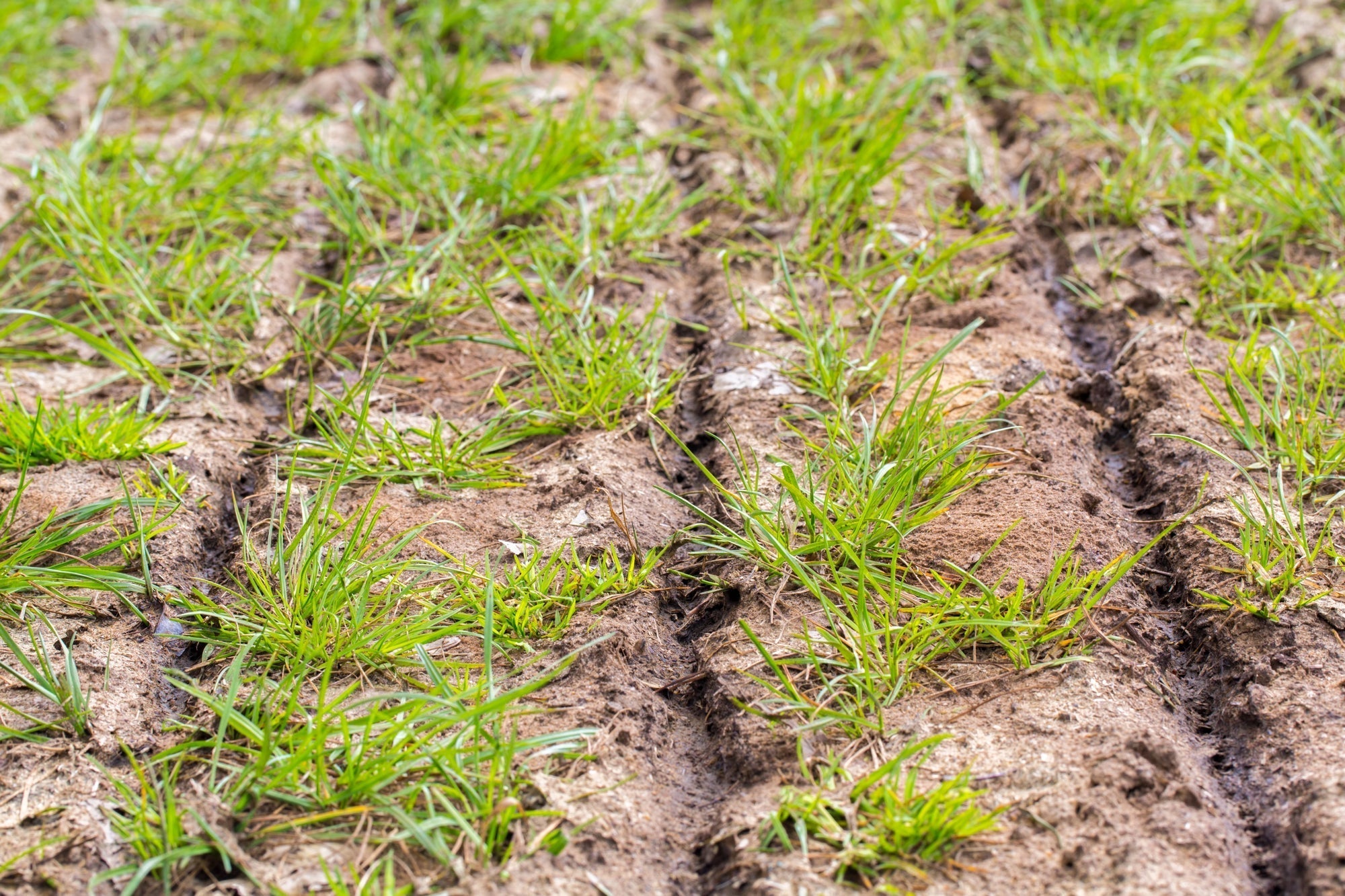
Bodenverbesserung im Garten: So verbesserst du deinen Gartenboden im Frühjahr für gesunde Pflanzen
Inhaltsverzeichnis Warum Bodenverbesserung im Garten im Frühjahr so wichtig für einen gesunden Gartenboden ist Gartenboden nach dem Winter prüfen: Bodenstruktur, Verdichtung und Bodenart erke...
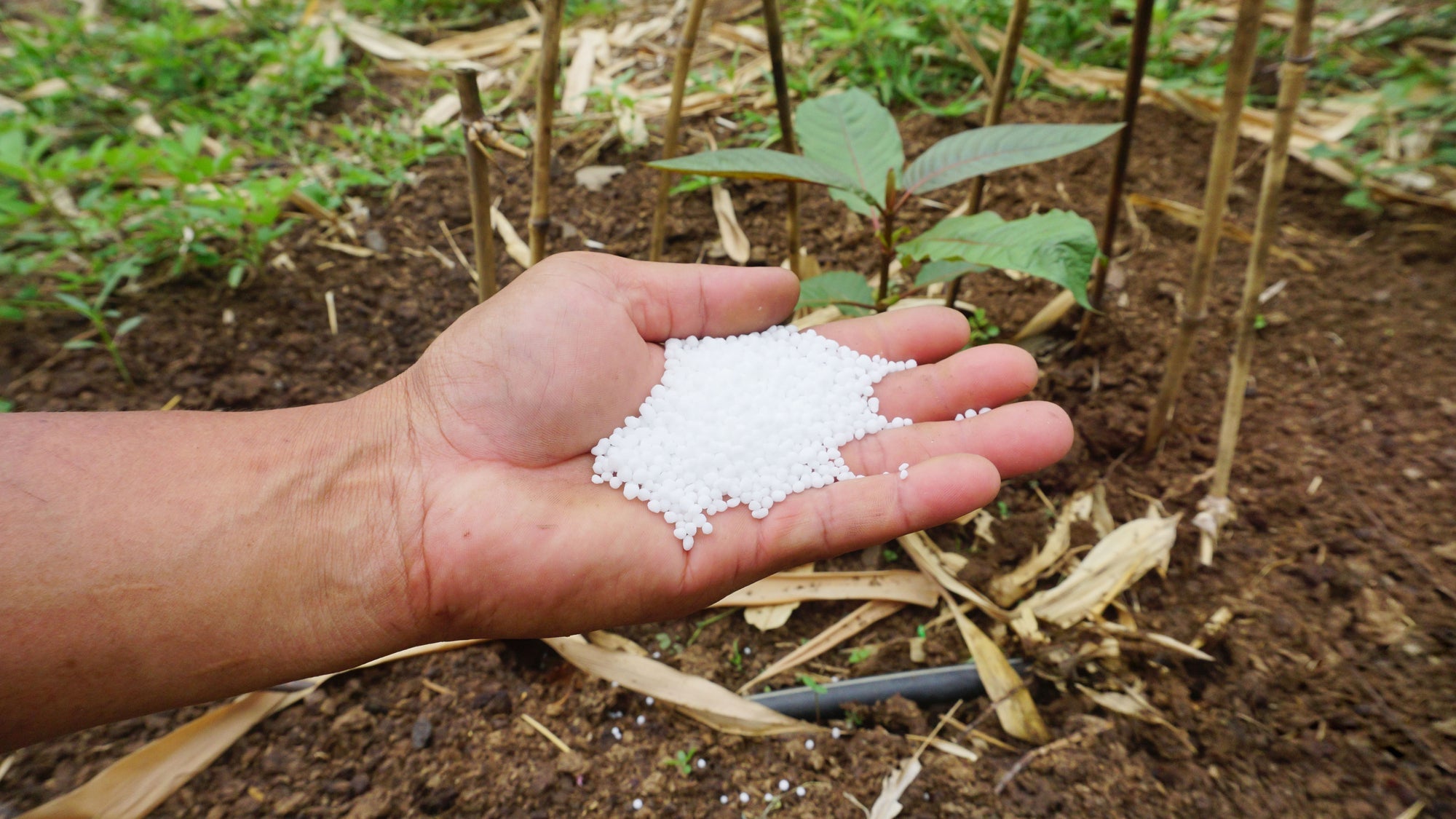
Richtig Düngen im Garten: Schritt für Schritt erklärt
Inhaltsverzeichnis Warum Düngen im Garten so wichtig ist Bodenanalyse: Grundlage für die richtige Düngung Organische vs. mineralische Dünger: Was ist besser? Kompost, Hornspäne & Co.: Organi...


