
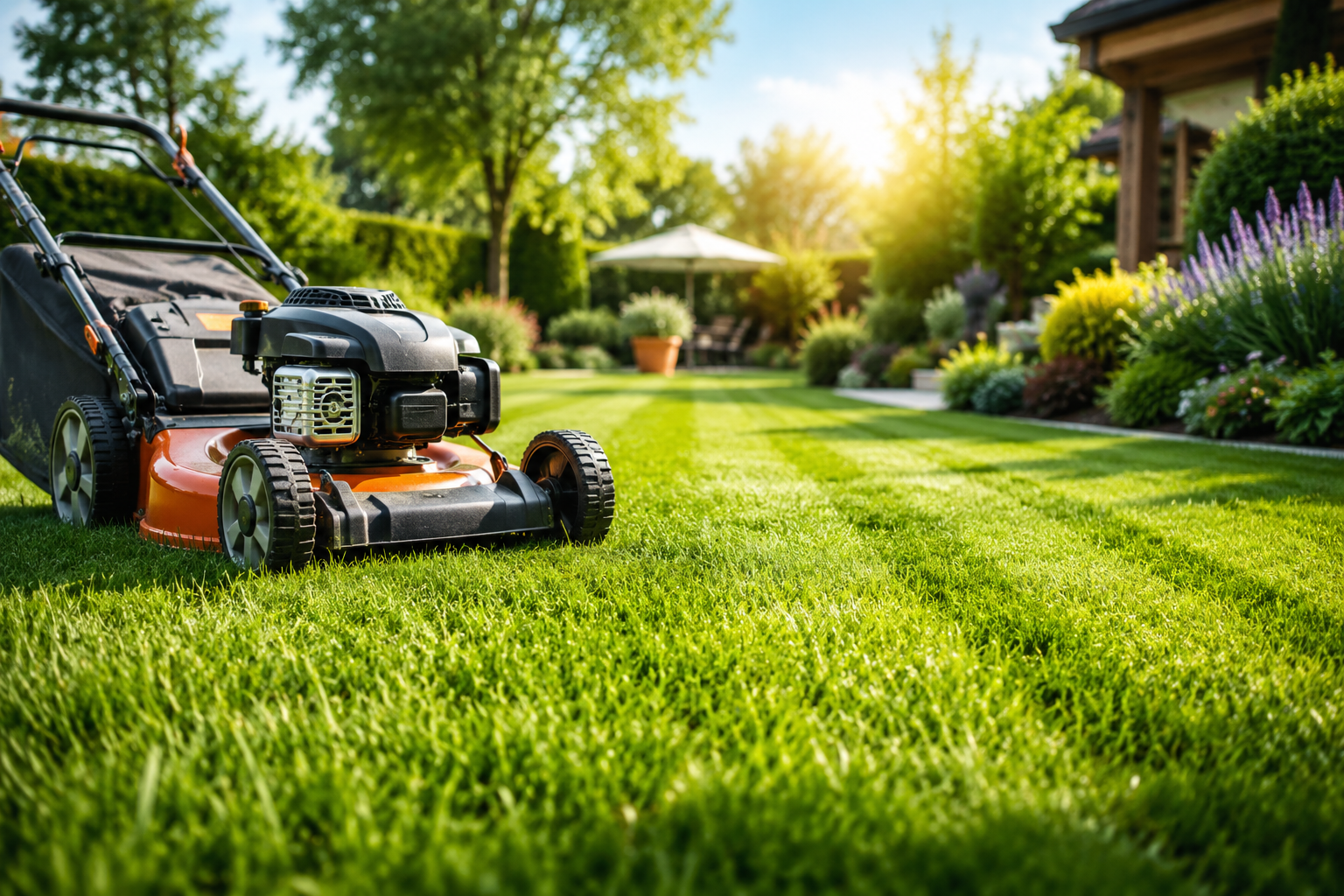
June Lawn Care: 7 Summer Tips for a Healthy Lawn
June quickly reveals how well prepared your garden is for summer. The days grow longer, the sun becomes stronger, and temperatures begin to rise. This is precisely when it matters whether your lawn stays thick, healthy, and lush — or whether the first dry, pale, and thin patches start to appear. Lawn care in spring and June is therefore especially important: in June, grass still grows vigorously, while heat, drought, and intense sunshine are on the increase. When the first hot days arrive, the soil loses moisture rapidly. Anyone who mows regularly, waters correctly, and feeds the lawn with the right nutrients now is laying the best possible foundation for a healthy lawn throughout the summer months ahead.
In this FUXTEC garden guide, you'll learn how to care for your lawn properly in June, what matters when mowing, when fertilising makes sense, and how to water correctly.
Proper Lawn Care in Summer: 7 Tips to Keep Your Lawn in Shape Despite the Heat
June marks the transition from vigorous spring growth to the real demands of summer. With the right care, your lawn will stay thick, healthy, and strong — perfectly prepared for July and August.
#1 Spot and Remove Weeds and Disease Early
In June, it's not just your lawn that grows — weeds do too. Remove dandelions, clover, and other unwanted plants as early as possible, and ideally before mowing, so that seeds don't spread further across the lawn. This keeps the turf dense and gives weeds less room to establish. A FUXTEC weeding tool helps you remove individual plants along with their roots cleanly and precisely.

Lawn diseases can also appear more quickly in June. The combination of heat, high humidity, and a weakened lawn is particularly conducive to fungal disease. If the grass also lacks key nutrients, it becomes more susceptible to problems such as red thread, rust, or dollar spot.
- Red thread can be identified by fine, pinkish-red threads visible between the grass blades.
- Rust appears as orange to brown, powdery patches that can partially rub off onto shoes or hands.
- Dollar spot typically starts as small, round, pale areas that gradually spread.
To help prevent disease, mow your lawn regularly but avoid cutting it too short. A balanced fertiliser, good air circulation, and appropriate watering also help to keep your lawn healthy and resilient.
#2 Mow the Lawn Regularly in June
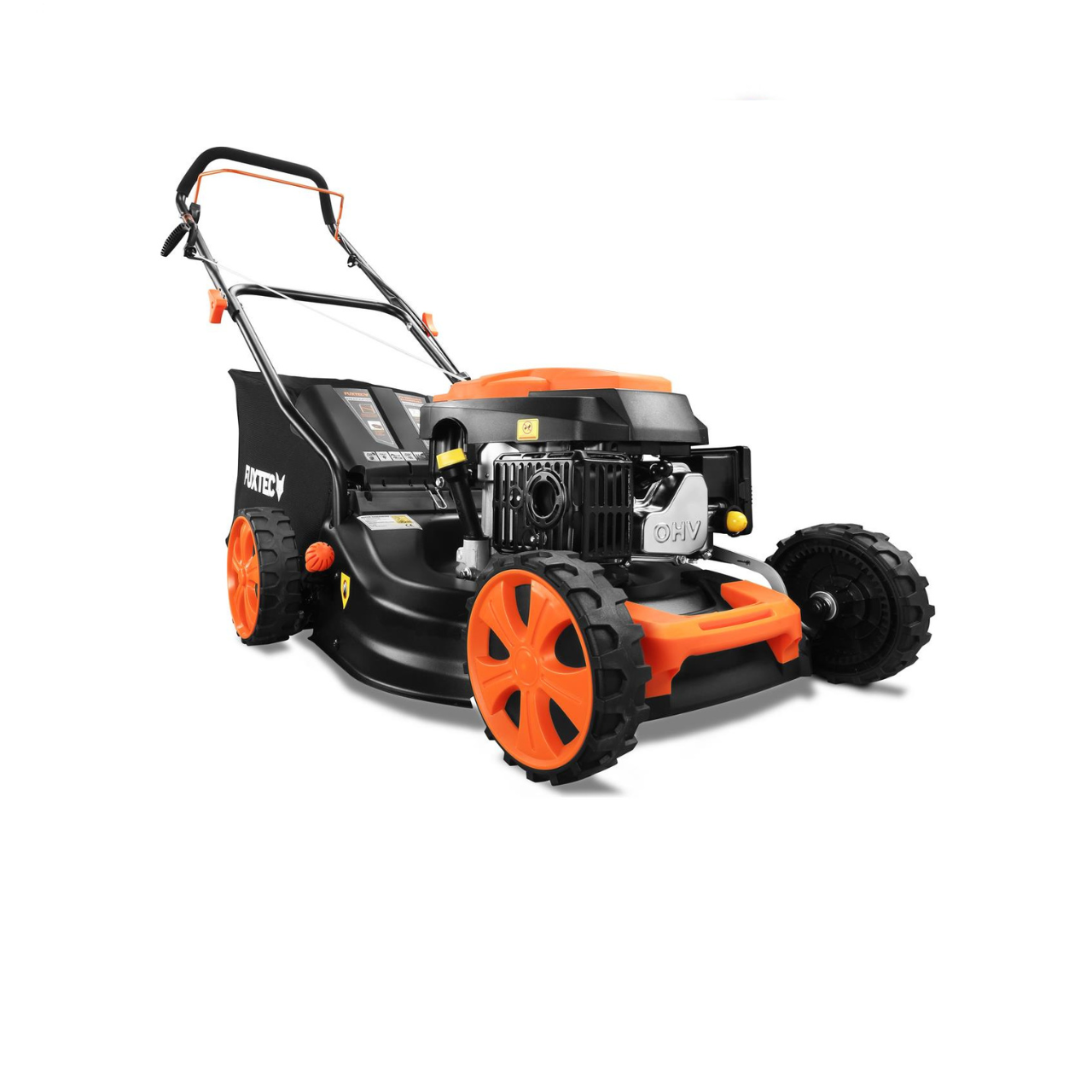
In June, the lawn should continue to be cut regularly. Mowing every four to seven days is usually sufficient, depending on how vigorously the grass is growing. It's important not to cut the lawn too short — remove no more than one third of the blade length at a time. The correct cutting height in summer is around four to five centimetres, which helps protect the turf from drying out. During high temperatures, avoid mowing at midday when the sun is at its strongest. Early morning or evening is preferable, as the sunshine is less intense and the grass blades can recover more easily from being cut.
#3 Trim Lawn Edges to Keep the Lawn Looking Neat
After mowing, it's also worth trimming the lawn edges. A FUXTEC grass trimmer or garden shears will help you do this with ease. It keeps the lawn neatly defined, looking well maintained, and prevents it from creeping uncontrolled into adjacent borders.
#4 Don't Forget to Fertilise as Part of Your June Lawn Care
Your lawn needs sufficient nutrients in June, such as nitrogen and potassium. A suitable summer fertiliser supports growth and makes the grass more resilient against drought stress, wear, and high temperatures. Once you've fertilised, make sure to water the lawn thoroughly afterwards. This helps the nutrients penetrate deeper into the soil so the roots can absorb them effectively.

#6 Water Your Lawn Correctly in Summer
Watering also becomes increasingly important in June. When rainfall is scarce, you should give your lawn a thorough soaking rather than applying a light sprinkle every day. Around 10 to 20 litres per square metre is ideal, allowing the water to penetrate deeply into the soil. The best time to water is early in the morning or late in the evening. This minimises evaporation and gives the roots sufficient time to absorb moisture. Careful watering with a FUXTEC irrigation set helps your lawn withstand heat and drought more effectively.
#7 Overseed the Lawn and Fill in Bare Patches
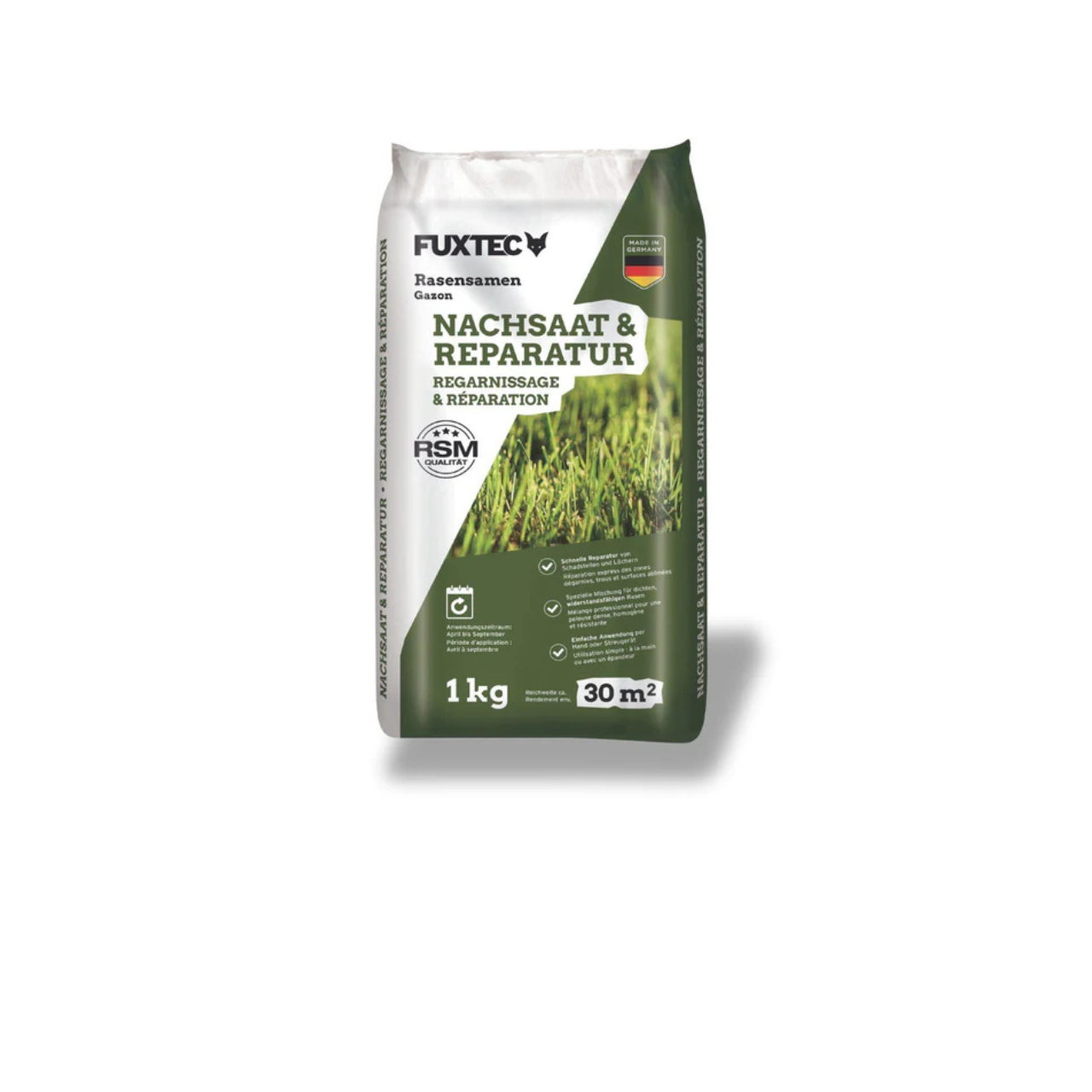
If your lawn looks patchy after spring, you can still overseed individual bare areas in June. It's important to keep the soil sufficiently moist and ensure that the young FUXTEC grass seed doesn't dry out. During periods of intense heat, it's better to wait for cooler conditions before overseeding. Small gaps can still be filled successfully in June, as long as you water the area regularly and protect it from heavy use.
Making Use of Grass Clippings After Mowing
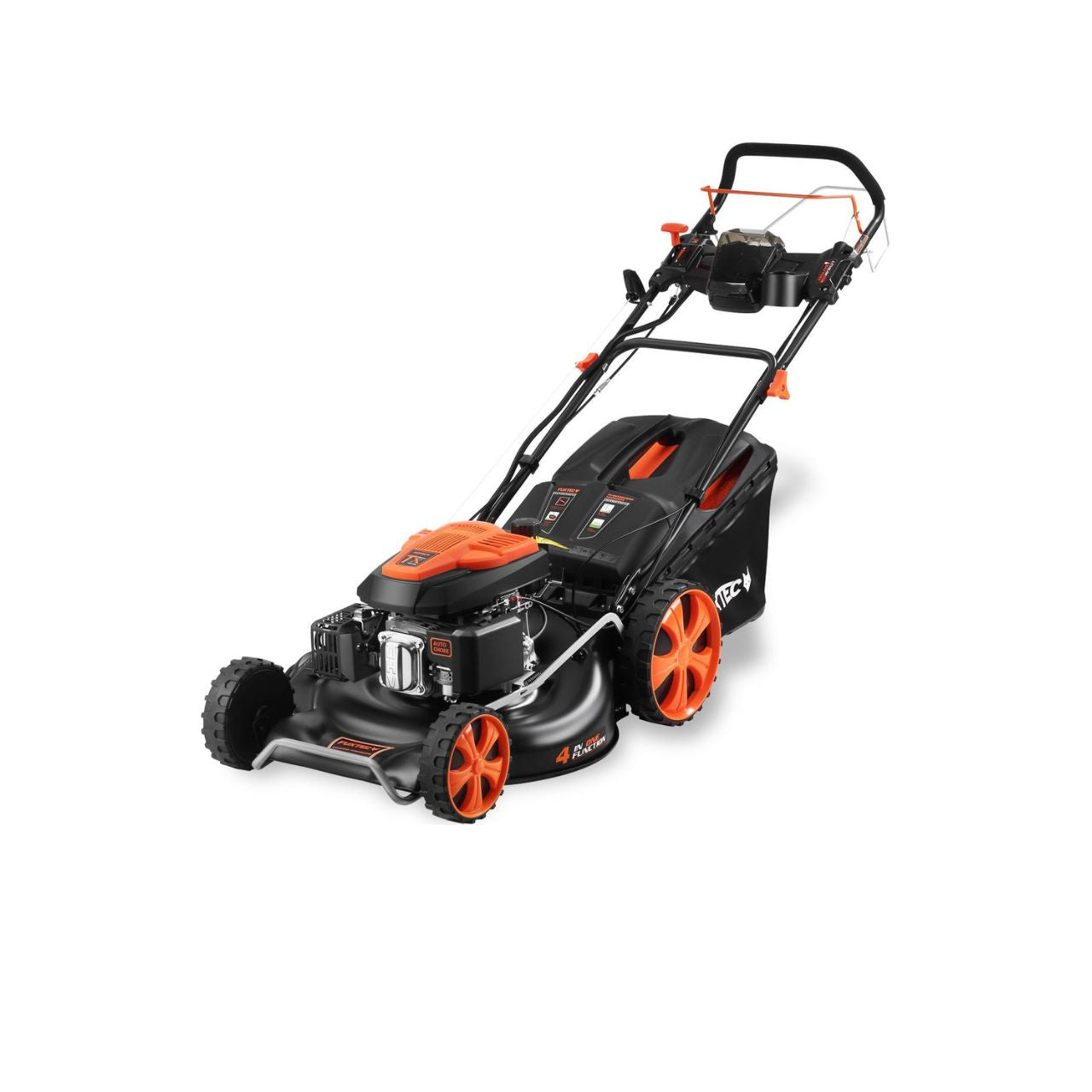
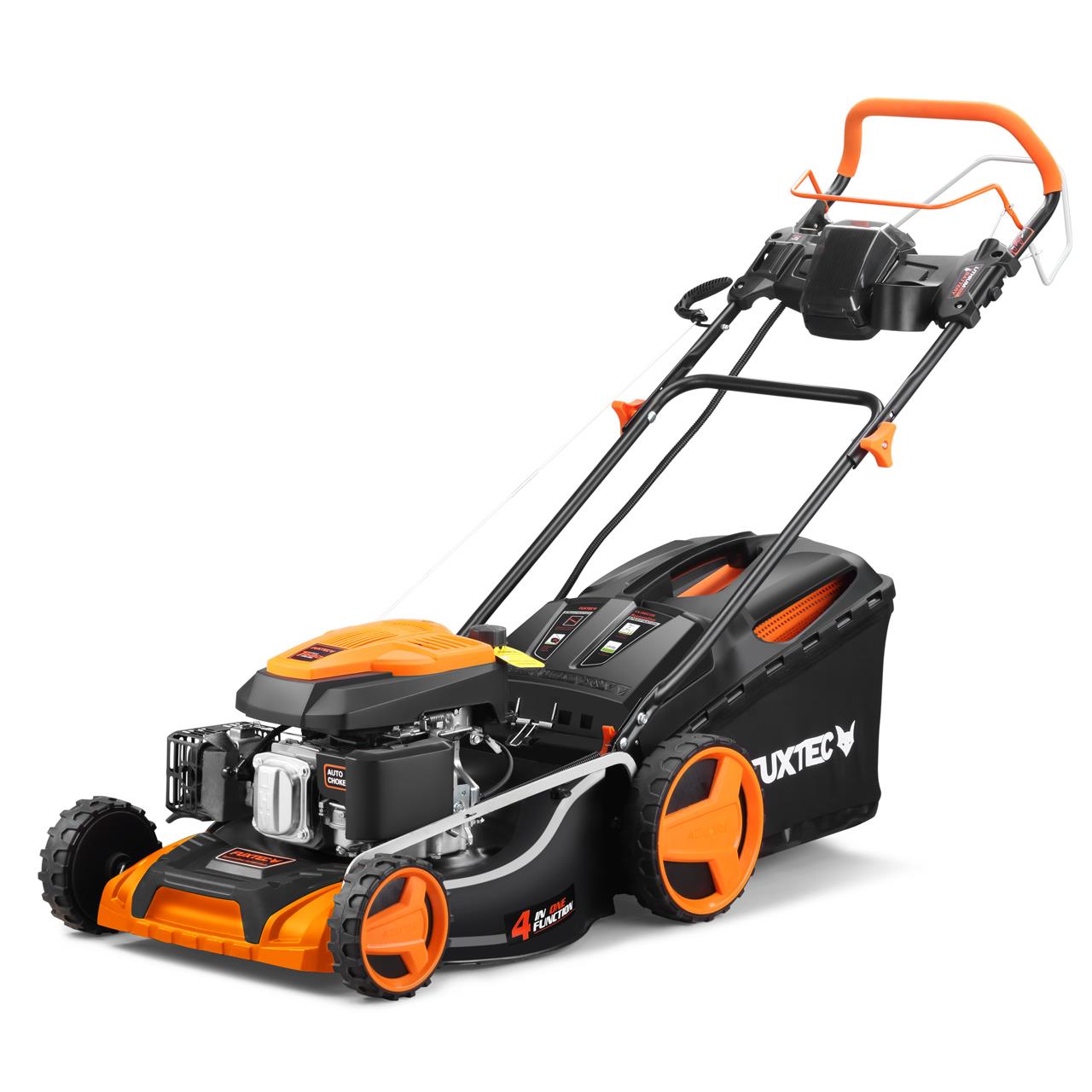
Regular mowing remains important throughout summer to keep your lawn green, dense, healthy, and strong. When mulch mowing with your FUXTEC mulching mower, the amount of clippings produced will vary depending on growth rate and cutting height. Small amounts can be left on the lawn briefly as mulch, but should not be allowed to build up in thick layers. If a large volume of clippings is produced, these should be removed. Too much grass residue can suffocate the blades beneath, begin to rot, and encourage fungal growth in warm, humid conditions. It is better to collect excess clippings and add them to the compost heap.
Mowing, Watering, Fertilising: Key Tasks at a Glance
| Task | Recommendation for June | What to Bear in Mind |
|---|---|---|
| Mowing | Mow once or twice a week, depending on how vigorously the grass is growing | Never remove more than one third of the blade length |
| Fertilising | Feed the lawn adequately, but only when needed, using a summer or slow-release fertiliser | Do not apply to dry soil, and water thoroughly after fertilising |
| Watering |
Water less frequently but thoroughly — up to 20 litres per square metre |
Water in the early morning or late evening to reduce evaporation |
| Checking | Inspect the lawn thoroughly once a week | Look out for colour, density, weeds, dry patches, and early signs of disease |
Lawn Care Done Right: Shopping List for Your Garden
- Lawn fertiliser
- Grass seed / overseeding mix
- Aerator
- Irrigation set
- Weeding tool
- Lawn mower
- Grass trimmer or garden shears
Entdecke unsere Auswahl an Gartengeräten
How often should I mow my lawn in June?
In June, you should mow your lawn every four to seven days, depending on how vigorously the grass is growing. Always cut no more than one third of the blade length at a time, maintaining a height of around four to five centimetres to protect the turf from drying out.
What's the best time of day to water my lawn during summer?
Water your lawn early in the morning or late in the evening to minimise evaporation and allow the roots sufficient time to absorb moisture. Apply around 10 to 20 litres per square metre in a thorough soaking rather than daily light sprinkles.
Can I scarify my lawn in June?
No, June is not suitable for scarifying as the heat and dry conditions make it difficult for grass to recover from this intensive treatment. Aerate your lawn instead with a gentler approach, or wait until autumn when conditions are more favourable for scarifying.
What lawn diseases should I look out for in June?
Common June lawn diseases include red thread (fine pinkish-red threads between grass blades), rust (orange to brown powdery patches), and dollar spot (small, round, pale areas). Prevent these by mowing regularly without cutting too short, fertilising appropriately, and maintaining good air circulation.
When should I fertilise my lawn in June?
Fertilise your lawn in June with a suitable summer or slow-release fertiliser to provide nitrogen and potassium, which support growth and drought resilience. Apply fertiliser to moist soil and water thoroughly afterwards so nutrients penetrate deeply and roots can absorb them effectively.
Is it too late to overseed bare patches in June?
You can still overseed individual bare areas in June, but you must keep the soil sufficiently moist and protect young grass seed from drying out. During intense heat, it's better to wait for cooler conditions, though small gaps can be filled successfully if watered regularly.
Should I remove grass clippings after mowing in June?
Small amounts of clippings can be left as mulch if you use a mulching mower, but they should not build up in thick layers. Remove excess clippings to prevent them from suffocating the grass beneath and encouraging fungal growth in warm, humid conditions.
Alles, was dein Rasen braucht

Weitere Beiträge zum Thema Rasenpflege
Mulchen mit Pinienrinde: So nutzt du organischen Mulch, um Unkraut zu verhindern
Das Mulchen mit Pinienrinde gehört zu den effektivsten Methoden im modernen Gartenbau und in der nachhaltigen Landwirtschaft. Dabei wird eine Schicht Mulchmaterial auf die Bodenoberfläche aufgebrac...
Bodenverbesserung im Garten: So verbesserst du deinen Gartenboden im Frühjahr für gesunde Pflanzen
Inhaltsverzeichnis Warum Bodenverbesserung im Garten im Frühjahr so wichtig für einen gesunden Gartenboden ist Gartenboden nach dem Winter prüfen: Bodenstruktur, Verdichtung und Bodenart erke...
Richtig Düngen im Garten: Schritt für Schritt erklärt
Inhaltsverzeichnis Warum Düngen im Garten so wichtig ist Bodenanalyse: Grundlage für die richtige Düngung Organische vs. mineralische Dünger: Was ist besser? Kompost, Hornspäne & Co.: Organi...


