When weeds invade your lawn or moss takes hold, these unwanted plants compete with your grass for light, water and nutrients. That's why it's important to remove weeds and tackle the problem at its root, so your lawn stays lush, resilient and well-kept all year round. Find out how to go about it and how to achieve a weed-free lawn in this FUXTEC Garden Guide.

How do weeds get into your lawn?
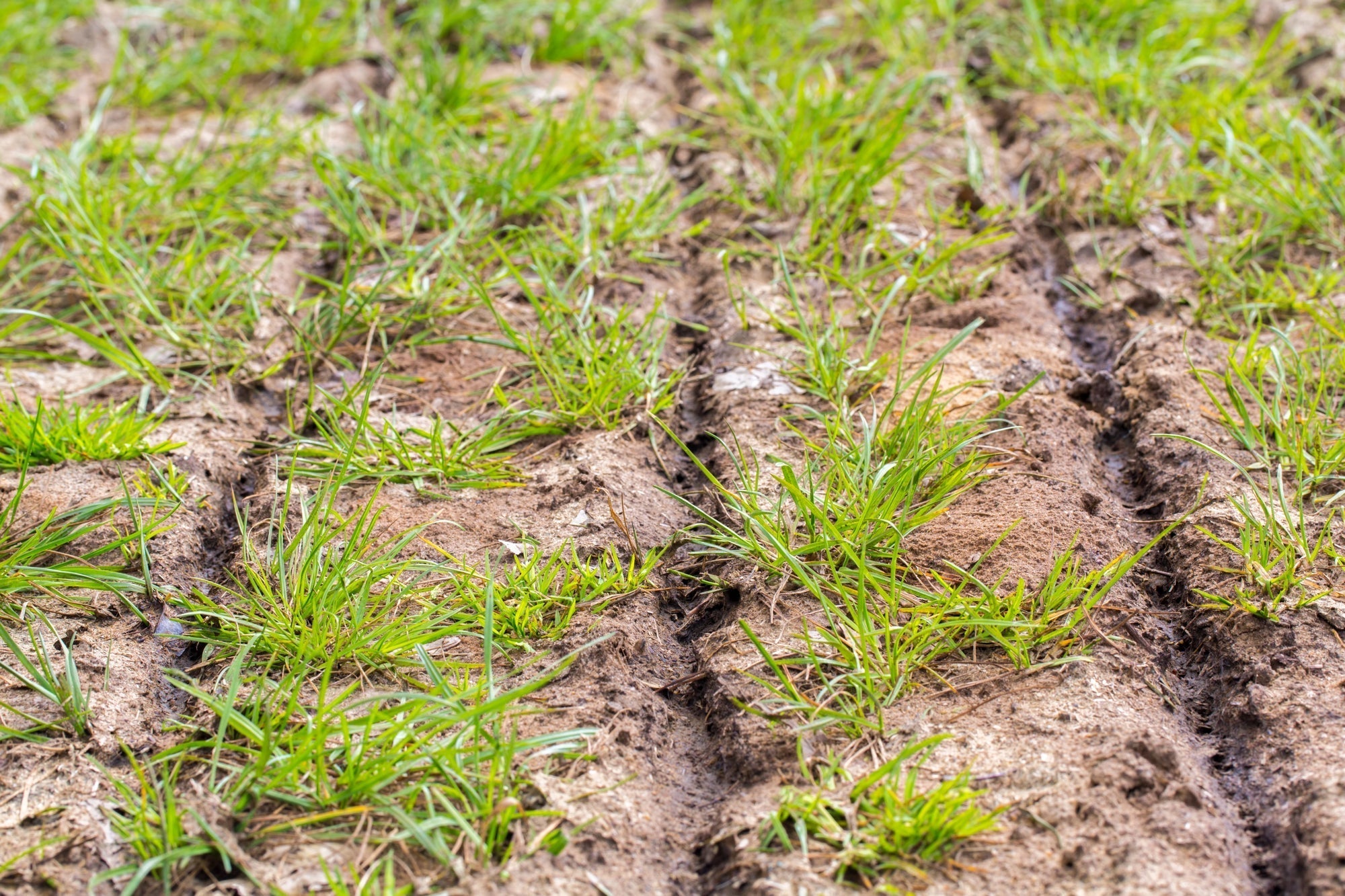
Weeds typically establish themselves where the lawn is weak or bare patches have appeared. In particular, nutrient deficiencies, an incorrect soil pH or compacted soil weaken the grass and encourage unwanted plants such as dandelions, clover or moss.
Hand-weeding or digging out? 4 tips for removing weeds from your lawn
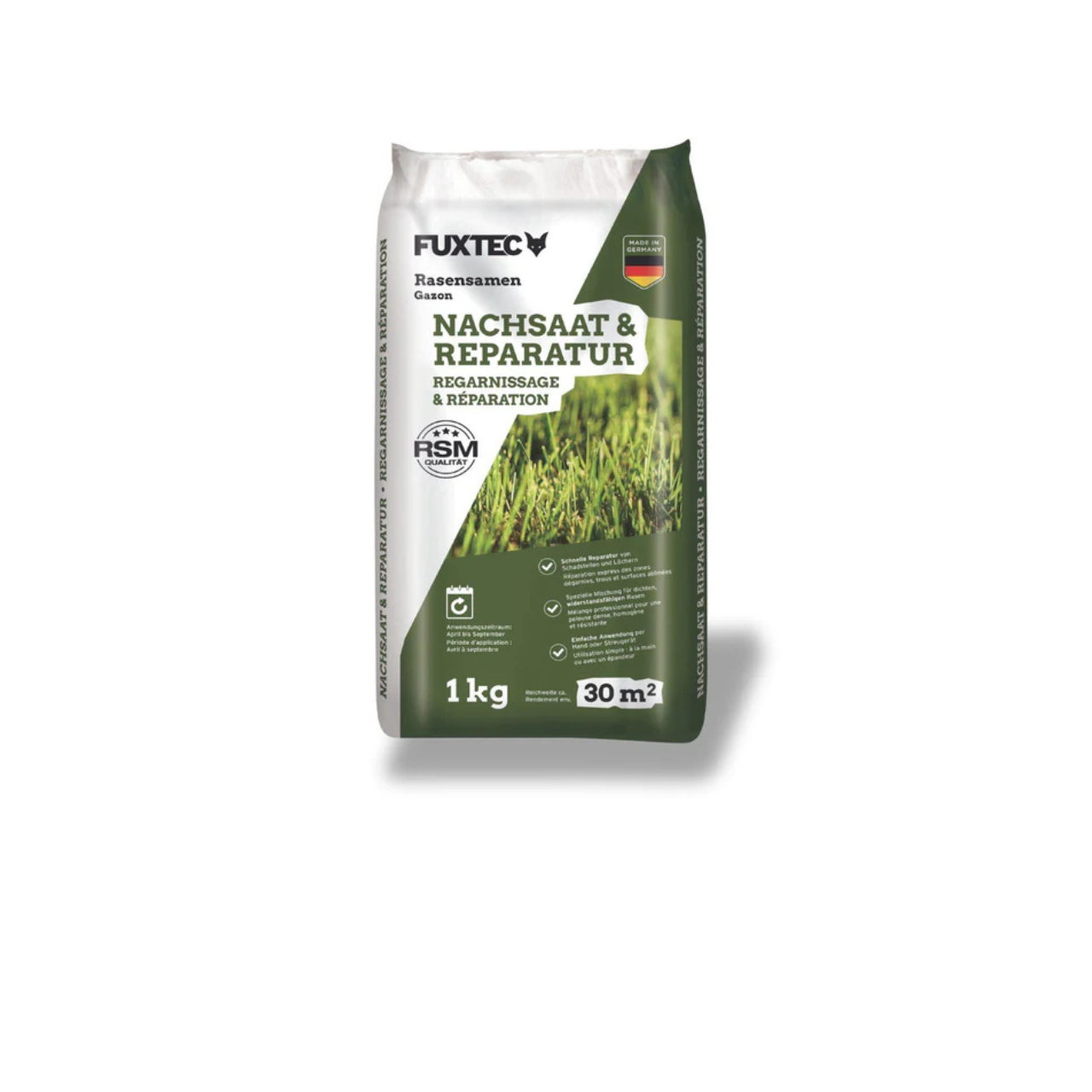
If you want to get rid of lawn weeds for good, you should not only remove the visible plants but also address the underlying cause. Depending on the type of weed, the size of the lawn and personal preference, different methods may be appropriate — from natural control through to chemical weedkillers. It is particularly important to fill any gaps left behind with FUXTEC grass seed or an overseeding mix straight away.
1. Digging out weeds: Simple, effective and completely chemical-free
If you'd prefer to avoid chemical weed control, you can remove weeds by hand using a FUXTEC weed puller. This is particularly effective as it penetrates deep into the soil and extracts the entire root.
Dandelions and other deep-rooted plants in particular should be removed as completely as possible. If any root remains in the ground, the weed will often regrow.
Key points to remember:
- Use the weed puller regularly
- Remove the root crown before seeds have a chance to form
- Reseed bare patches immediately

2. Chemical weedkillers for moss and lawn weeds
For heavy infestations or particularly stubborn species, a lawn weedkiller may be the right choice. Modern herbicides target the plant's metabolism specifically, killing off weeds without causing significant harm to the grass.
Commonly used active ingredients include:
- MCPA, MCPP-P, 2,4-D and dicamba: These substances mimic natural plant growth hormones, disrupting the plant's metabolism.
- Combined active ingredient systems: For difficult-to-control species such as ground ivy, products containing several active ingredients are particularly effective.
- Diflufenican: This active ingredient is absorbed through the roots and is effective against, among other things, speedwell species.
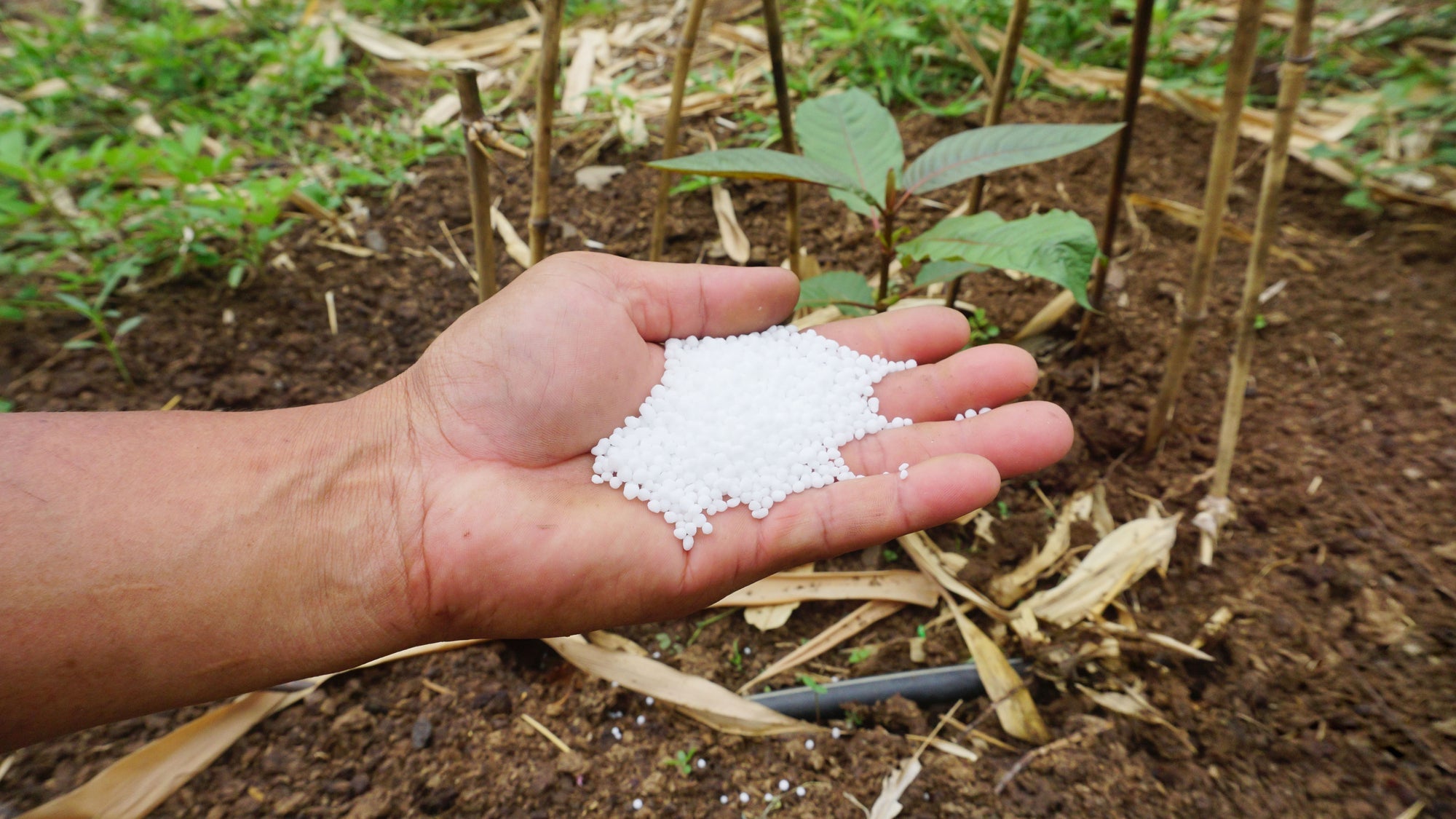
- Lawn feed with weedkiller: This combination provides the lawn with essential nutrients whilst supporting dense, healthy growth.
After applying, check the lawn regularly. Dead material and bare patches should be cleared away and reseeded with fresh FUXTEC grass seed.
3. Ground cover plants instead of weeds and moss: protecting areas naturally
You don't always need to actively fight weeds. In the garden, dense planting can help prevent bare soil from appearing in the first place. Where there's no open ground, weeds find it much harder to spread.
Popular ground cover plants include:
- Ivy
- Periwinkle
- Pachysandra
- Hardy geranium (Cranesbill)
- Yellow archangel
Over time, they form an attractive green carpet that naturally suppresses many types of weed.
4. Mulching as a method of weed control
A layer of mulch can also help to keep weeds down over the long term. Beneath shrubs and trees, a layer of bark chippings or compost mulch several centimetres thick protects the soil and inhibits new plant growth.
Additional benefits:
- the soil stays moist and workable
- less evaporation during summer
- protection against moss and weeds
- organic material improves soil quality in the long run
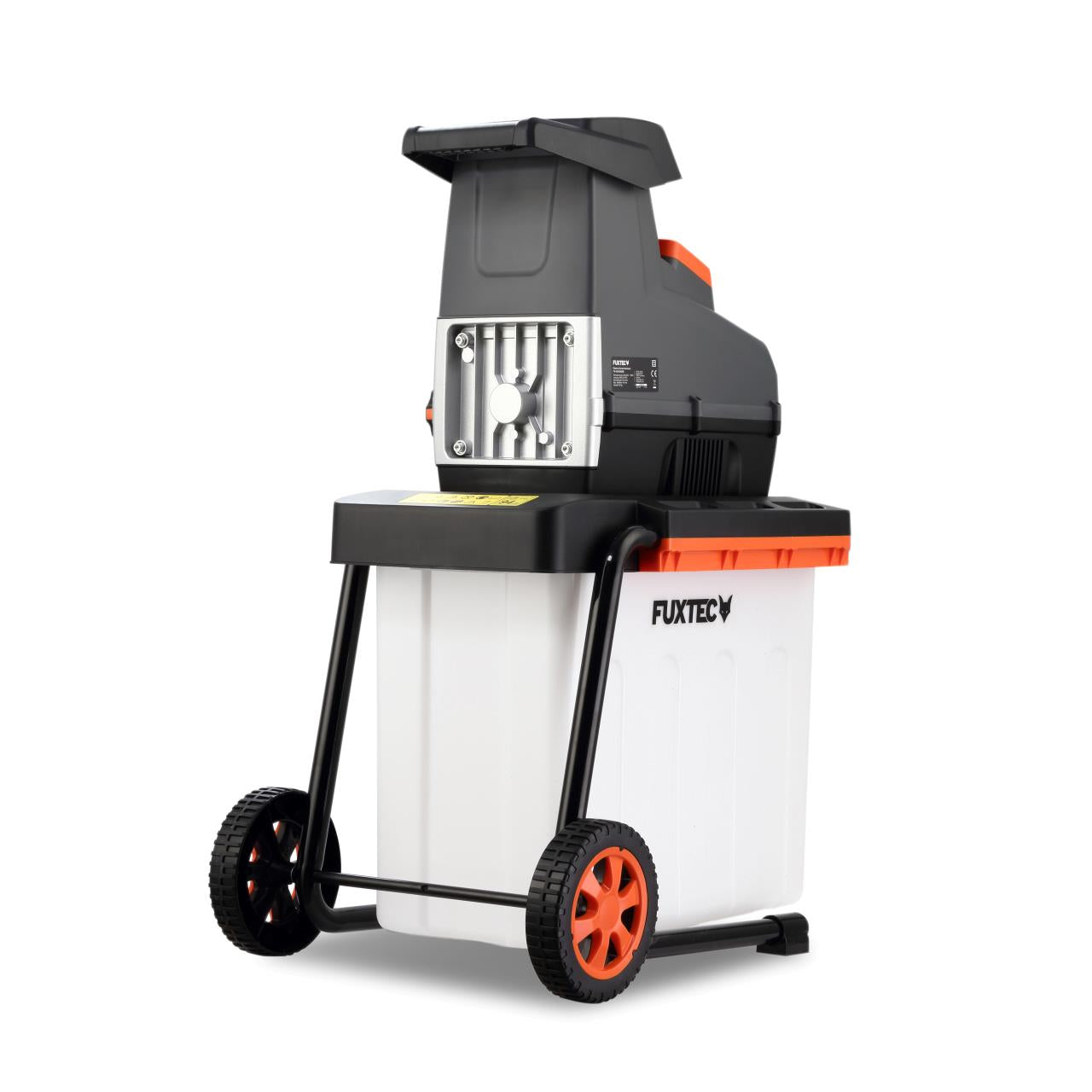
If you fancy having a go, you can even make your own mulch using a FUXTEC garden shredder.
Lawn weeds: identify and tackle 10 common species
Some lawn weeds are relatively straightforward to deal with, whilst others are notoriously persistent and difficult to eradicate. The key to successful weed removal is spotting unwanted plants in your garden early and applying the right care or suitable treatments. On weakened or patchy lawns in particular, unwanted plants can spread rapidly.
Daisy (Bellis perennis)

Daisies are common in ornamental and amenity lawns on nutrient-rich soil. The small flowers spread via wind, earthworms and short runners. Treatment is most effective during flowering, when sufficient leaf mass is present. A lawn feed with weedkiller can also help.
- This weed is considered easy to control.
- Flowering period: Until late November
Ground ivy (Glechoma hederacea)

This plant spreads extremely rapidly via creeping runners and can colonise entire sections of a lawn. It thrives especially where lawn care has been neglected, quickly forming a dense mat. Always use an appropriate combination of active ingredients when treating this weed.
- Ground ivy is considered one of the more difficult lawn weeds to control.
- Flowering period: March to July
Bird's-foot trefoil (Lotus corniculatus)

Bird's-foot trefoil favours slightly acidic soils and spreads quickly via seeds and root fragments. It can establish itself rapidly on weakened lawns, and multiple treatments are often necessary due to its strong root system.
- This lawn weed is considered difficult to control.
- Flowering period: May to October
White clover (Trifolium repens)

White clover is very tolerant of foot traffic and is often found on heavily used areas. It spreads via runners and forms dense patches. Clover in the lawn is especially common where nutrients are lacking. Regular feeding and maintaining a dense sward help to prevent it.
- Moderately difficult to remove.
- Flowering period:May to September
Broadleaf plantain (Plantago major)

Broadleaf plantain is extremely resilient and develops deep roots of up to 80 centimetres. Its seeds stick to shoes, wheels and animal paws, spreading quickly throughout the garden. Individual plants can be removed effectively with a FUXTEC weed puller.
- This weed is easy to remove.
- Flowering period: June to October
Slender speedwell (Veronica filiformis)

This weed favours semi-shaded, lime-poor locations. Its vigorous runners quickly colonise gaps in the lawn, spreading further from there. A healthy, frequently mown lawn makes it considerably harder for this weed to establish.
- This weed is considered difficult to eradicate.
- Flowering period: May to September
Creeping buttercup (Ranunculus repens)

Creeping buttercup thrives in moist, nutrient-rich soil. It can spread particularly quickly in waterlogged conditions. Improving drainage and aerating the lawn are the most effective countermeasures.
- This species is considered difficult to eradicate.
- Flowering period: May to August
Dandelion (Taraxacum officinale)

The dandelion is one of the most recognisable lawn weeds in the UK. Its seeds are carried on the wind and quickly take root in bare patches.
- Its deep taproot makes it robust, but dandelions can usually be dealt with successfully — the entire root must be removed.
- Flowering period: April to June
Common chickweed (Stellaria media)

Chickweed prefers nutrient-rich, patchy ground. Even small fragments of the plant can re-root and establish new growth, so it is important to remove it completely.
- Chickweed is considered a relatively easy weed to control.
- Flowering period: March to October
Creeping thistle (Cirsium)

Even tiny root fragments are enough for new plants to regenerate. Early intervention and a dense, healthy sward are particularly important to prevent the thistle from spreading further.
- Creeping thistle is one of the most difficult weeds to control.
- Flowering period: July to September
Preventing lawn weeds: how to keep your lawn dense and healthy all year round
The best defence against lawn weeds starts with proper lawn care. Thick, healthy grass leaves little room for unwanted plants to take hold. If bare patches, nutrient deficiencies or care mistakes go unnoticed for too long, lawn weeds can appear surprisingly quickly.
It is especially important to mow regularly and to keep on top of lawn maintenance. However, if you only mow after weeds have already set seed, the mower will spread those seeds across the entire lawn — allowing new weeds to establish and making control considerably more effort.
The following measures will help keep your lawn free of weeds:
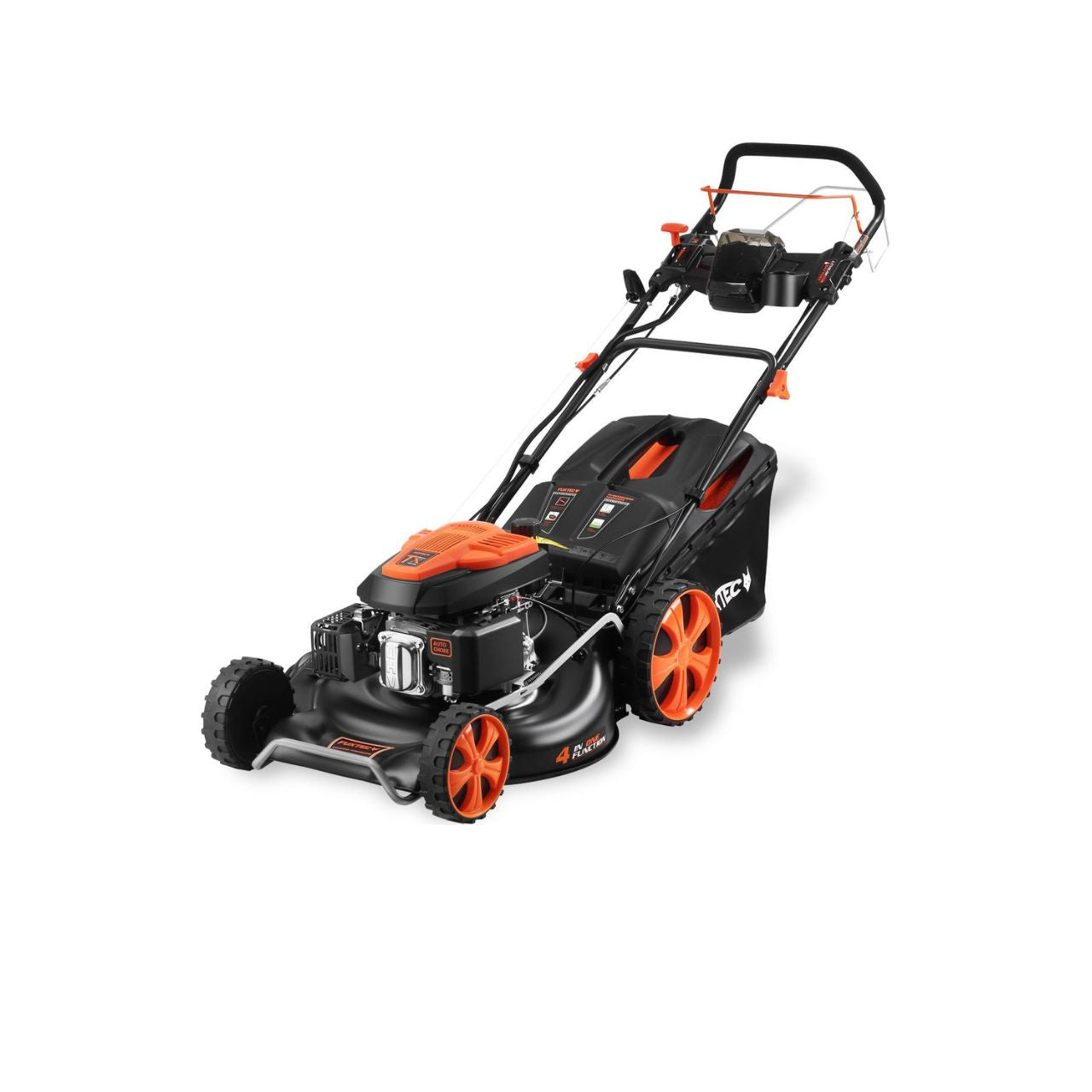
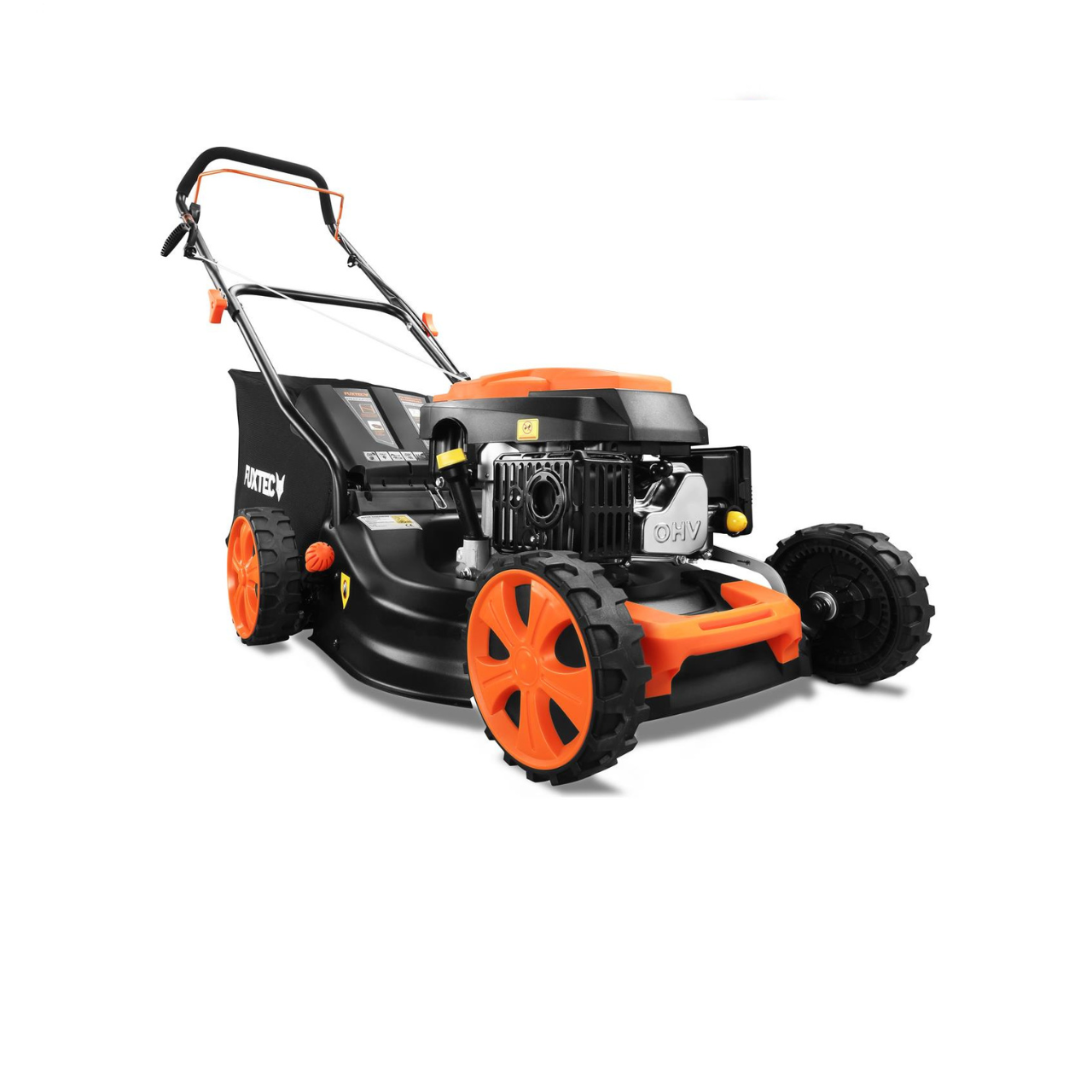
- Mow regularly with your FUXTEC lawn mower, but don't cut the grass too short
- Remove flowerheads before they set seed
- Feed the lawn adequately with a FUXTEC fertiliser to avoid nutrient deficiencies
- Fill bare patches with grass seed
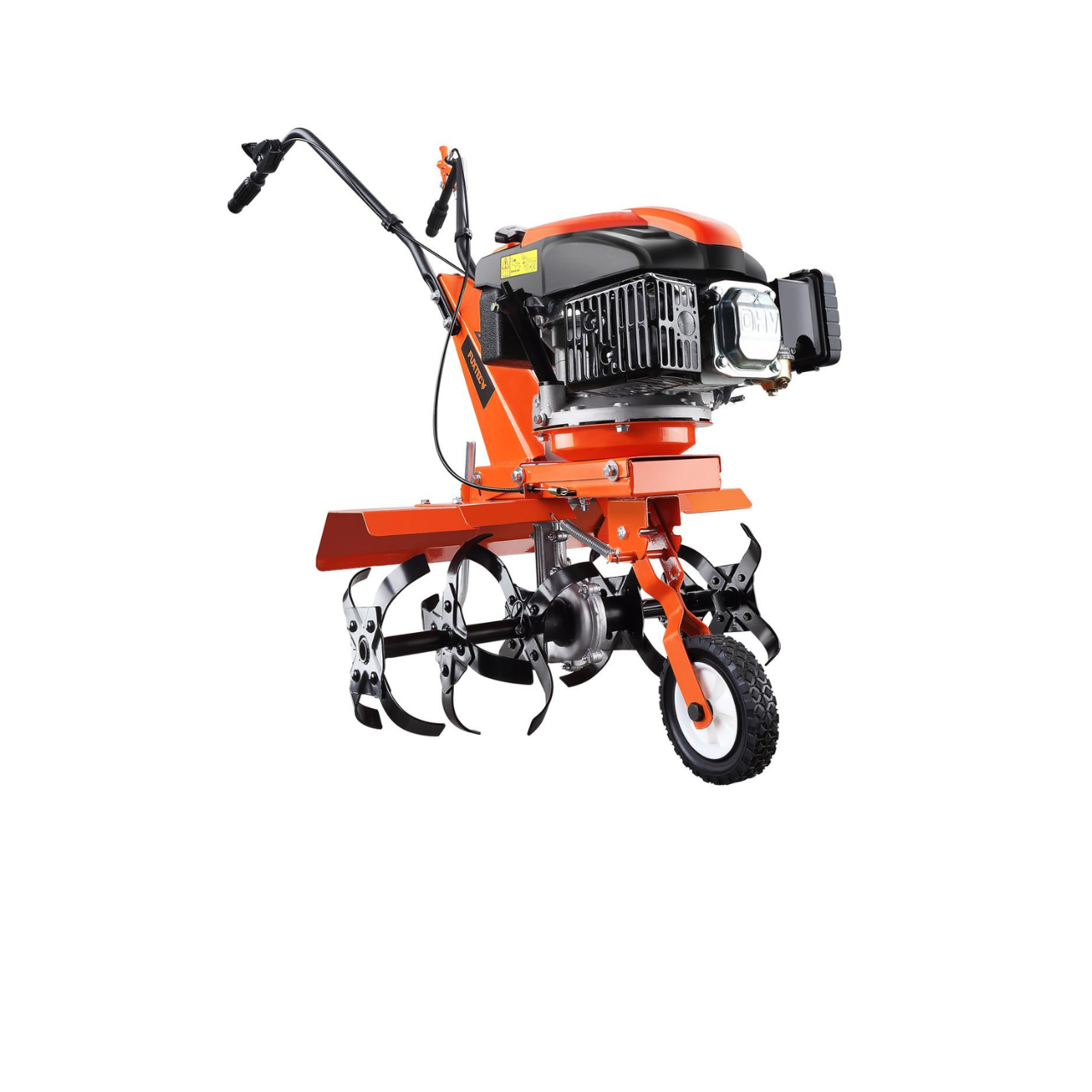
- Improve compacted soil by scarifying and aerating
- Plant ground cover plants