
How to Mow Your Lawn: The Complete Guide
Das Wichtigste zum Rasenmähen
- Achte beim Mähen auf moderate Temperaturen.
- Kürze Deinen Rasen maximal um ein Drittel seiner Ausgangslänge.
- Mähe den Rasen erst, bevor Du ihn düngst.
- Mähe Rasen nur in trockenem Zustand.
- Rasenkanten mähst Du besser nicht, sondern trimmst
- Achte darauf, dass die Schneidemesser Deines Rasenmähers scharf
Why mowing your lawn matters
In principle, you could sow grass and then never bother with it again. Wildlife, bees, and other insects would be delighted. But after a short time you would end up with an unsightly patch of weeds rather than a beautiful lawn.
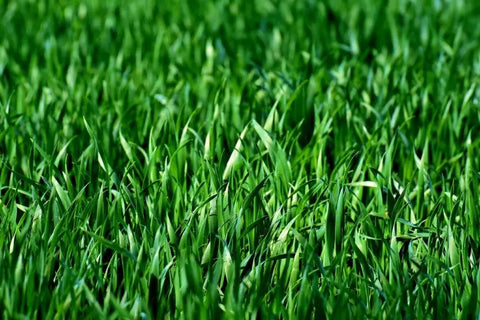
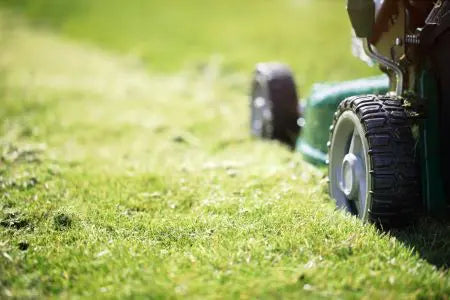 Regular mowing encourages the grass to branch out and spread, resulting in a dense lawn. Young grass typically still consists of visibly individual blades. Over time, the growth becomes denser. The grasses spread horizontally, since upward growth is kept in check.
Regular lawn mowing also helps to ensure that weeds don't get the upper hand. Because grass only produces blades and not large leaves, it recovers from cutting more quickly than other plants. It then overtops weeds and deprives them of light, preventing them from taking hold. But be careful – mowing incorrectly weakens the lawn rather than strengthening it, causing it to lose too many nutrients.
Further measures in lawn care
Mowing is not the only thing to consider when caring for your lawn. Depending on the situation, additional measures are important. These include:
- scarifying and aerating
- trimming and maintaining lawn edges
- fertilising
- overseeding
- removing fallen leaves
Scarifying loosens the soil and removes moss, thatch, and partially decomposed grass. The plant roots receive more oxygen again and your lawn subsequently grows more densely.
 When you trim the lawn, you are essentially doing the same as mowing – cutting the grass back to a comfortable length. However, a trimmer is better suited to hard-to-reach areas and tidying up lawn edges. This ensures the edges are also kept neatly short without being damaged by the mower.
To keep your lawn looking great in the long term, it makes sense to fertilise it regularly. This provides it with essential nutrients and encourages denser growth. It is especially advisable to feed the soil after scarifying. If bare patches remain, it is worth overseeding. This will give you a lush, green carpet of grass that lasts.
A heavy covering of leaves on the lawn, especially when wet, can cause damage. It blocks sunlight and may trap moisture underneath. Remove leaves regularly so they don't build up and cause problems.
The one-third rule for mowing
The one-third rule is also important when mowing. It states that you should only ever cut a maximum of one third of the current grass height at a time. If your grass is 6 cm tall, you should cut it down to no shorter than 4 cm. If it has grown even taller – say 12 cm – you must first cut it to 8 cm. It then needs some time to recover before you can trim it further following the one-third rule. This ensures that mowing does not drain too much energy and nutrients from your lawn at once, which would put it under stress.
The right timing for mowing
Time of day plays an important role in determining when you mow your lawn – both from the plants' perspective and in terms of being considerate to your neighbours. As lawn mowers can be very noisy, it is generally considered good practice to avoid using them early in the morning, late in the evening, or on Sundays and bank holidays. In the UK, while there is no single national law banning mowing at specific times, local councils may have noise nuisance regulations, and many areas follow guidance to avoid using petrol or electric mowers before 8 am or after 8 pm on weekdays, or at all on Sundays before 10 am. Reel (manual push) mowers can generally be used at any time. As a general guide for powered mowers:
- Petrol lawn mowers: Monday to Saturday, approximately 9 am–8 pm (check your local council guidelines)
- Electric or battery mowers: Monday to Saturday, 8 am–8 pm (quieter models may be more flexible)
Mowing correctly in summer
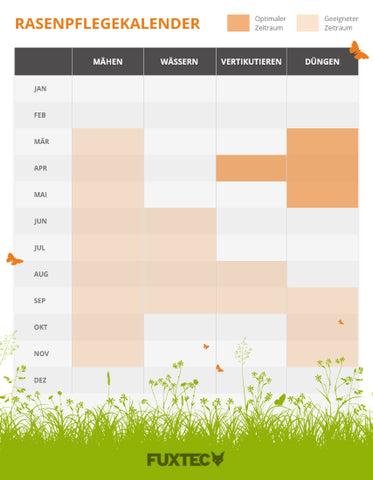 In terms of what's best for your grass, try to avoid late morning and midday during summer. This is when the sun is at its highest and the heat is most intense, leaving the lawn fully exposed to direct sunlight. Mowing or trimming at this time causes the grass to lose a great deal of moisture through the cut blades, putting it at risk of scorching. The late afternoon and early evening, when temperatures begin to cool, are much better times to mow.
In general, it is important in summer to water your lawn sufficiently, ideally in the morning. To help it retain moisture, avoid cutting it too short – longer grass stores water more effectively and requires less frequent watering. If you really want to give your lawn a boost after mowing, apply a suitable summer lawn fertiliser.
Observing the winter rest period
As grass stops growing in winter, mowing during this period is unnecessary. In fact, it can be actively harmful, as the lawn loses vital resources at a time when it is already weakened by cold, frost, and potentially snow. Other interventions are equally inadvisable, as many treatments will not be absorbed effectively. For advice on when to carry out your final mow of the year, refer to our garden guide "When should you do your last mow of the year?".
Mowing during the transition seasons
Bear in mind that your lawn is coming out of its winter dormancy in spring. Only begin mowing again once the risk of ground frost has passed and overnight temperatures no longer fall below 5°C. In the UK, this is typically around late March to mid-April, though this can vary by region – Scotland and northern England may need to wait a little longer. For your first mow of the year, it is particularly important not to cut the grass too short. Otherwise it will take longer to recover, leaving the door open for weeds to establish. The transition period also brings cool, often overcast mornings, making early morning an ideal time to mow and trim.
Spring is the best time to scarify your lawn. As the soil emerges from its winter dormancy and begins to rebuild, scarifying gives it a helping hand. It is especially important now to apply a suitable fertiliser. The nutrients from winter are exhausted and your lawn urgently needs replenishment. Again, wait until the last frost has passed before doing so. If you spot any bare patches, now is a great time to overseed.
Preparing your lawn for winter
Once temperatures drop below 7°C, the grass enters its winter dormancy. From this point on, stop mowing. As in spring, mornings are a good time for the final cut, as it is cooler than at midday. The last mow before winter typically takes place in October or November in the UK, depending on the season. Bear in mind that the cutting height matters: if the grass is cut too short, it may struggle to survive winter. If it is left too long, it may flatten under frost or wet conditions and encourage fungal growth. Four to five centimetres is a good height for the final cut of the year.
To prepare the soil effectively for winter, it is also worth scarifying at this time – particularly if you did not do so in spring. Removing fallen leaves is especially important now to protect the lawn. To give your lawn the best possible send-off into its winter rest, apply an appropriate autumn lawn fertiliser. We have developed exactly the right product for this purpose:
The carefully balanced formulation of the FUXTEC Autumn Lawn Fertiliser combines an elevated potassium content to improve winter hardiness with organically bound nitrogen, enabling a controlled, sustained release of nutrients through to spring. This specifically strengthens the root system, supports recovery after the stresses of summer, and maintains a rich green colour well into the colder months.
Mowing according to grass type and condition
 There are many ways to cut your lawn, depending on its use and the desired grass length. Personal preference plays a role here. If you are unsure, you can refer to the different grass types and their intended uses. The surrounding conditions also influence the right mowing approach. The weather and the time elapsed since sowing are key factors.
Mowing an ornamental lawn correctly
An ornamental lawn is characterised by a cutting height of two to four centimetres. This means it needs to be mowed once a week. Heavy use should be avoided, as it detracts from the primarily aesthetic appeal of the lawn. The fine grasses allow for a very short cut, though this also makes the lawn less robust.
If you opt for the classic formal style, bear in mind that it requires a particularly high level of maintenance. The low cutting height ensures the grass forms a perfect green carpet. However, at less than 4 cm in height, it becomes difficult for the grass to produce sufficient nutrients through photosynthesis. Short ornamental grass requires special attention in the form of appropriate fertiliser to stay green and healthy. It is also more prone to scorching in summer, so pay close attention to regular and thorough watering.
Mowing a family or utility lawn correctly
A family or utility lawn has a cutting height of three to five centimetres. It is particularly hardwearing and stands up well to children playing on it in summer. It is equally sensible to mow it once a week to maintain the desired length. Watering is just as important, and it will also benefit from fertilising and aeration with a scarifier.
Mowing a shade lawn correctly
A shade lawn is kept at a cutting height of around seven centimetres. If your garden is shaded, it is a great choice, as it grows well with limited light. Since it also thrives in the sun, it is an ideal solution if you have varying light conditions. Mow this type of lawn once a week as well to maintain its length.
New grass – the first mow is crucial
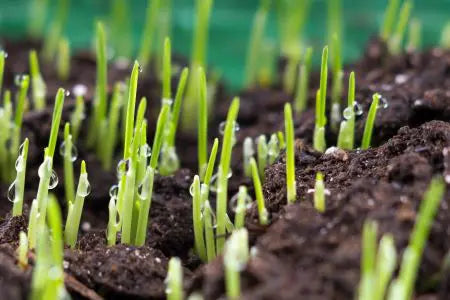 Anyone mowing freshly sown grass should bear in mind that it is still extremely delicate: allow the grass to develop adequate roots and become firmly established in the soil before mowing for the first time. The best way to tell when it is ready is by its growth height. It is best to switch on the mower only once the grass has reached a height of 7 to 8 centimetres. Shade lawn often regenerates more slowly due to its growing conditions, so it may be left to grow up to 10 centimetres before the first cut.
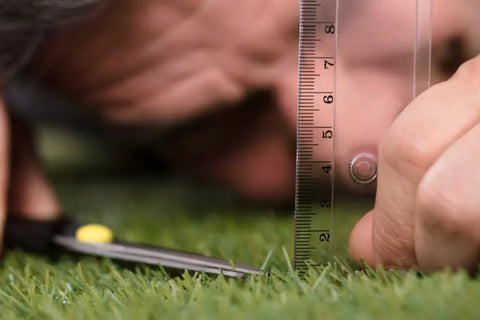
If you are unsure, feel free to measure with a ruler. Judging grass height accurately by eye takes practice. In any case, you should avoid letting the grass grow too tall before the first mow. If it does, cutting will remove too many nutrients at once and individual plants may even die off. Growth also tends to focus upwards rather than outwards. Timely mowing encourages the grass to branch out more strongly and promotes a uniformly dense turf.
In addition to choosing the right moment, it is equally important not to over-stress the grass by cutting it too short. The one-third rule applies here too: for a lawn that is 10 cm tall, trim it at the first mow to approximately 70 to 75 millimetres. This means you are gradually approaching the ideal height rather than getting there in one go. If mowing removes too many nutrients, the grass will struggle to recover properly and gaps or brown patches are likely to appear. It is therefore best to bring a tall lawn – whether freshly sown or established – down to the desired height gradually through regular mowing.
Mowing wet grass
Make sure that both the grass and the soil are dry when you mow. This prevents grass clippings from sticking to the cutting blade and results in a more even cut than when conditions are wet. During and after rain, the saturated soil is typically soft and vulnerable. In the worst case, the sinking wheels of the mower can damage the grass roots, leaving unsightly bare patches.
Mowing a fertilised lawn
Fertiliser is designed to deliver nutrients to your lawn. Bear in mind, therefore, that you should only mow again once the fertiliser has fully dissolved. Otherwise the soil will not be able to absorb the nutrients properly. To check, look to see whether any fertiliser granules are still visible on the grass.
Mowing in heat and drought
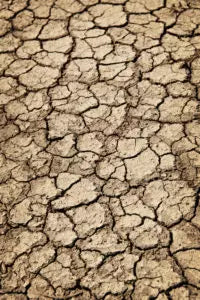 You should pay particular attention to timing during the height of summer and during prolonged dry spells. Water your lawn regularly and generously. That said, it is also advisable not to put your lawn under further stress by mowing during very hot weather. When the grass is slightly longer in summer, the blades provide shade for each other and for the soil, slowing the evaporation of moisture and keeping the lawn hydrated for longer.
In the height of summer, it is advisable to observe a gentle cut, not going below a cutting height of 4 centimetres. Although grass grows more quickly in warm conditions, it virtually stops growing altogether when temperatures climb to around 30°C. If there is a prolonged heatwave, you can safely skip a week's mowing.
In strips, in circles, or at random?
Opinions differ on the best way to go about mowing. What is clear is that it is best to start mowing at the edges, so that you don't need to walk across the lawn beforehand. After being walked on, individual grass blades need a little time to stand back up. Mowing the lawn shortly after someone has walked across it will result in an uneven cut.
The correct mowing direction
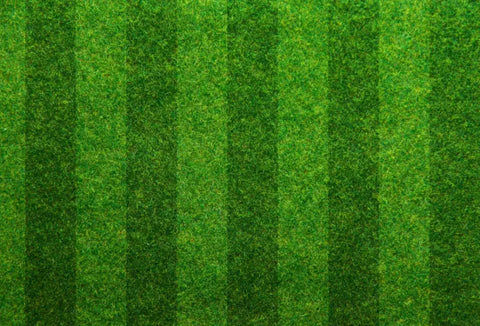 There are two main methods of mowing the lawn: in strips or in a spiral. When mowing in strips, start at one end of the lawn and mow in straight lines back and forth. Make sure the cut strips do not overlap too much. This wastes time and often results in an uneven finish. Ideally, position each strip right next to the previous one, keeping one wheel's width on the already-cut strip. If this is difficult to achieve – for example, if the lawn is tightly enclosed and you don't have enough room to turn – mowing in a spiral from the outside in is a practical alternative. Keep one wheel's width on the already-mown section here too.
Mowing without a plan means twice the work
Mowing randomly back and forth across the lawn is not recommended. Going over the same patch multiple times puts unnecessary stress on the grass. It also tends to show that no clear lines were followed once you are done. On uneven ground in particular, the result looks less neat than if you work systematically. What's more, mowing haphazardly means you may end up missing a small patch. You then either have to get the mower out again, or you will have a few tufts of grass standing taller than the rest until the next mow.
Lawn edging – an art in itself
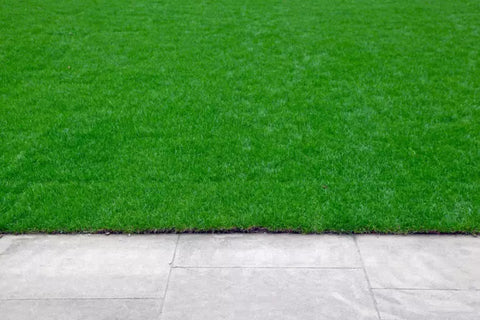 Particular care is needed when it comes to the lawn edge. The outermost border of the lawn is often difficult to reach with a large mower. Avoid tilting the machine to get at the last few blades of grass. When the mower is on an angle, the blades can dig into the ground and potentially damage the turf along the edge. It is better to leave a narrow strip and go over it afterwards with a trimmer. Everything you need to know about cutting lawn edges can be found in our guide "Lawn Edging: How to Do It Easily!".
Grass clippings – problem or resource?
Weekly mowing generates a considerable amount of clippings over time that either need to be used or disposed of. To avoid filling your green bin too quickly, consider getting a small compost bin. Grass clippings are excellent for composting as they are rich in nitrogen. The only thing to bear in mind is not to add too many clippings at once. The decomposition process requires oxygen, and if the grass compacts too much it will start to rot rather than compost. Always mix your grass clippings with chipped branches, twigs, and woody material.
Even if your mower does not have a grass collection box, you should not leave the clippings lying on the lawn. They block light from reaching the grass and contribute to the build-up of thatch, which – if allowed to accumulate – can damage your lawn.
Lawn mower quality and maintenance
Ultimately, all the knowledge in the world won't help if your equipment isn't in good working order. Most lawn mowers work with one or more rotating blades that cut the grass as you pass over it. Over time, these blades lose their sharpness and what was once a clean cut becomes more of a tearing and hacking action. Frayed blade tips cause the grass to lose significantly more moisture, leading to unsightly brown discolouration.
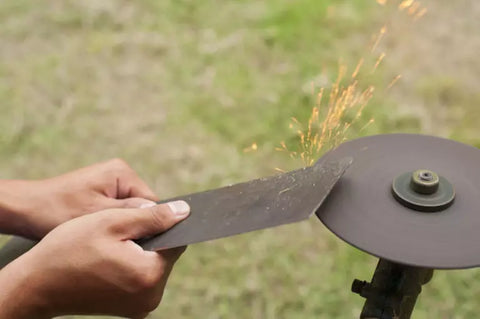 To avoid this, make sure to have your mower blades sharpened regularly. Winter, when the lawn is dormant, is the ideal time to do this. This of course requires that you have a good-quality machine that is designed to be resharpened and cuts reliably in general. It is also important to clean the mower after every use. Remove grass from the housing and from the cutting blades. Depending on your model, make sure to top up the fuel or charge the battery in good time. For electric mowers, ensure you have a working socket within reach.
Discover our range of garden tools
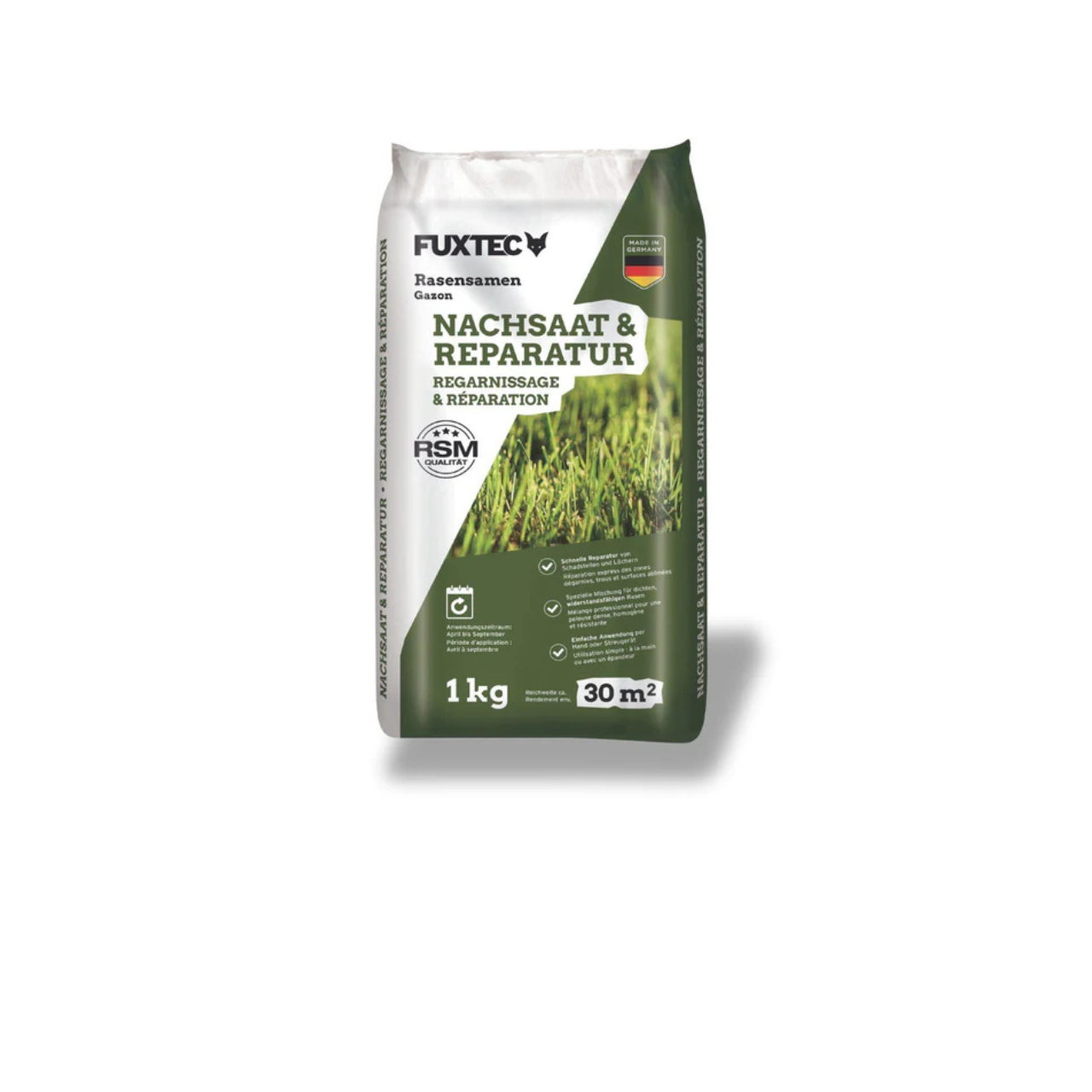
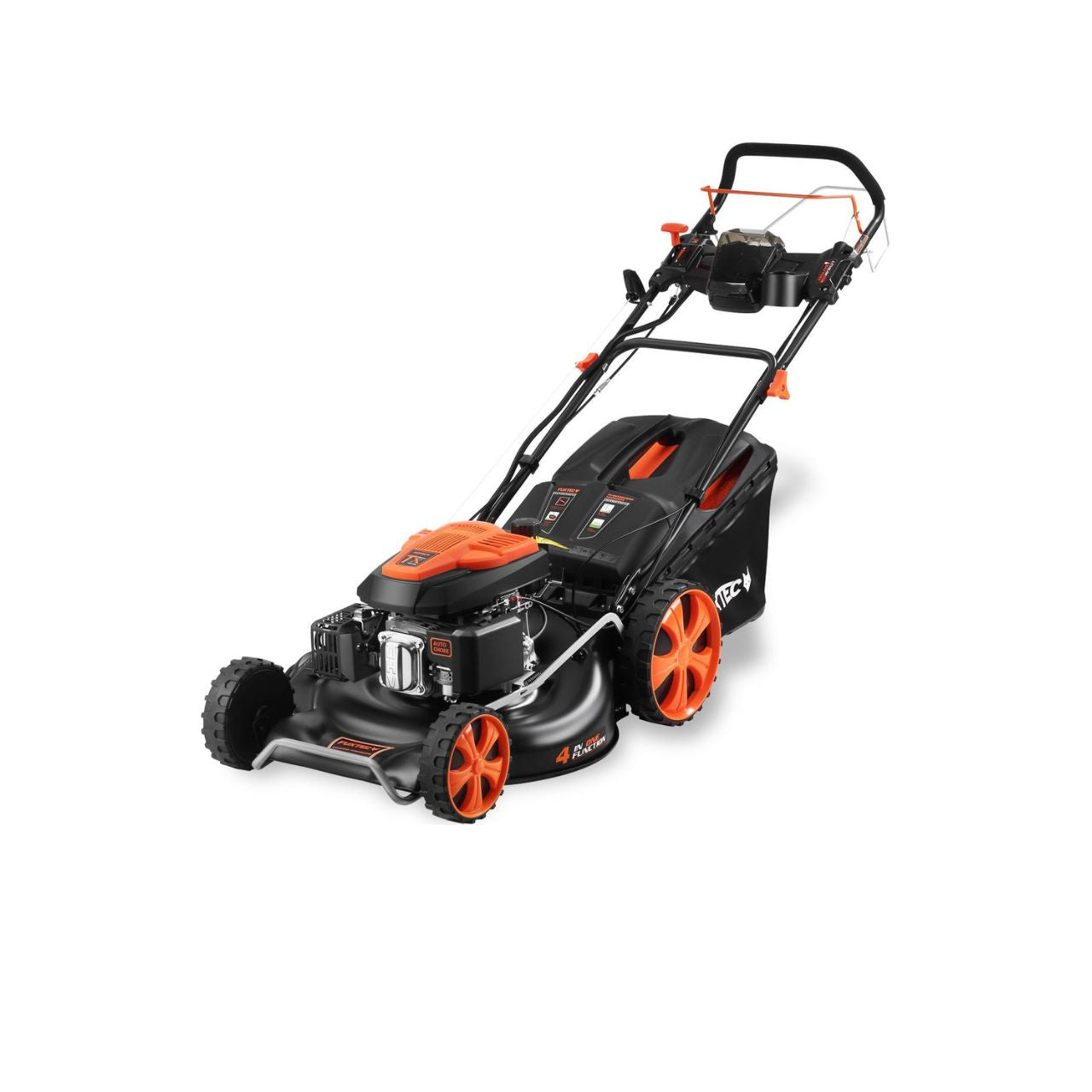
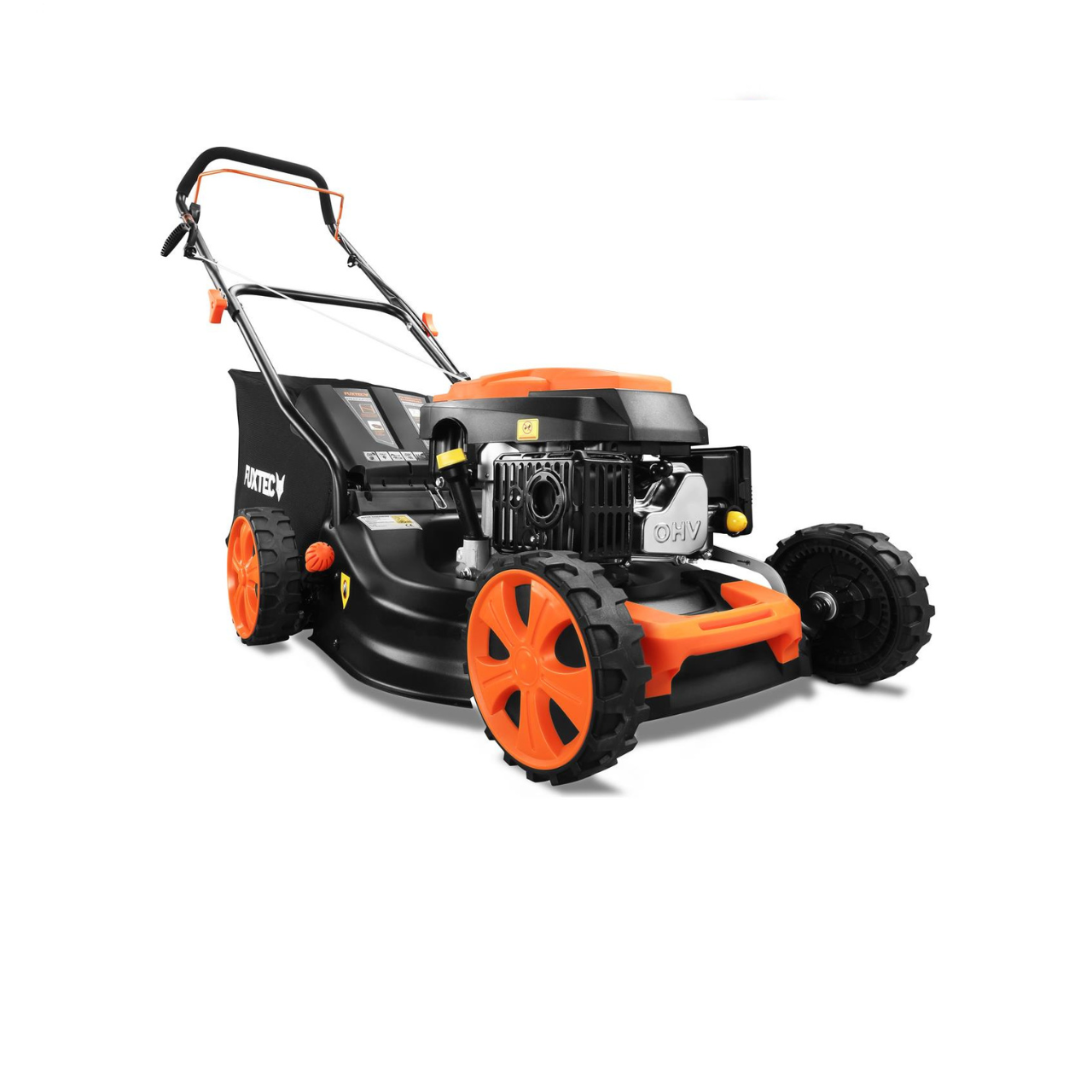
Everything your lawn needs
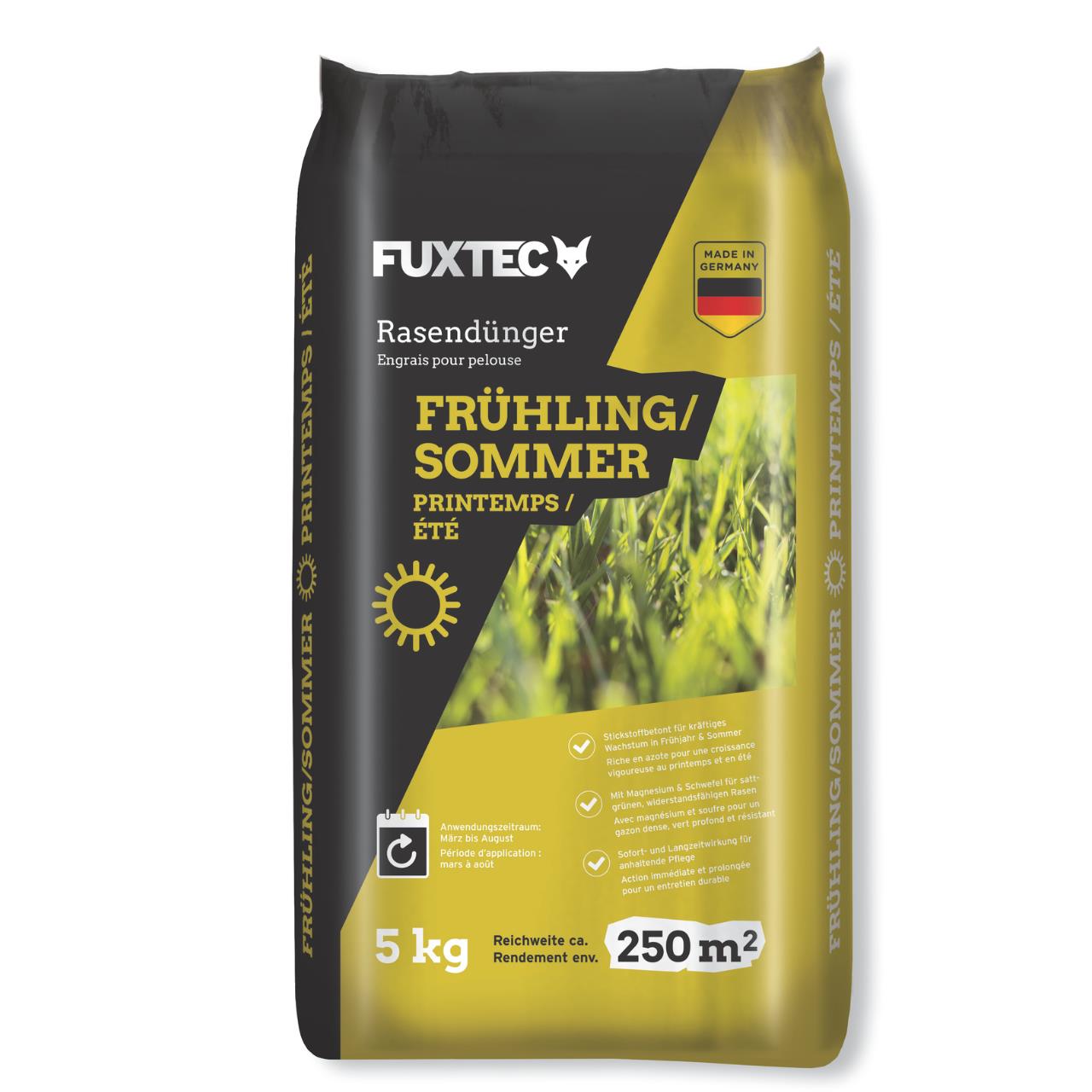
More articles about lawn care

Mulchen mit Pinienrinde: So nutzt du organischen Mulch, um Unkraut zu verhindern
Das Mulchen mit Pinienrinde gehört zu den effektivsten Methoden im modernen Gartenbau und in der nachhaltigen Landwirtschaft. Dabei wird eine Schicht Mulchmaterial auf die Bodenoberfläche aufgebrac...
Bodenverbesserung im Garten: So verbesserst du deinen Gartenboden im Frühjahr für gesunde Pflanzen
Inhaltsverzeichnis Warum Bodenverbesserung im Garten im Frühjahr so wichtig für einen gesunden Gartenboden ist Gartenboden nach dem Winter prüfen: Bodenstruktur, Verdichtung und Bodenart erke...
Richtig Düngen im Garten: Schritt für Schritt erklärt
Inhaltsverzeichnis Warum Düngen im Garten so wichtig ist Bodenanalyse: Grundlage für die richtige Düngung Organische vs. mineralische Dünger: Was ist besser? Kompost, Hornspäne & Co.: Organi...


