





How to Lay a Lawn: Sow & Establish Grass | Guide
How to Lay a Lawn – Sowing and Establishing a Lush Green Lawn the Right Way
A beautiful, well-kept lawn is a wonderful thing — provided you know how to establish and maintain it properly. We're not talking about turf here, but about a "proper" lawn that is sown from seed, scarified, aerated, and fertilised. You might think that every garden owner already knows what needs to be done — but in our experience, that's unfortunately not always the case. Our guide helps all lawn enthusiasts avoid common mistakes when establishing and caring for a lawn, and get perfect results first time. Step by step, we'll explain what tasks need doing, when to do them, and what tools and materials you'll need.
Laying a Lawn – The Right Time and Soil Preparation
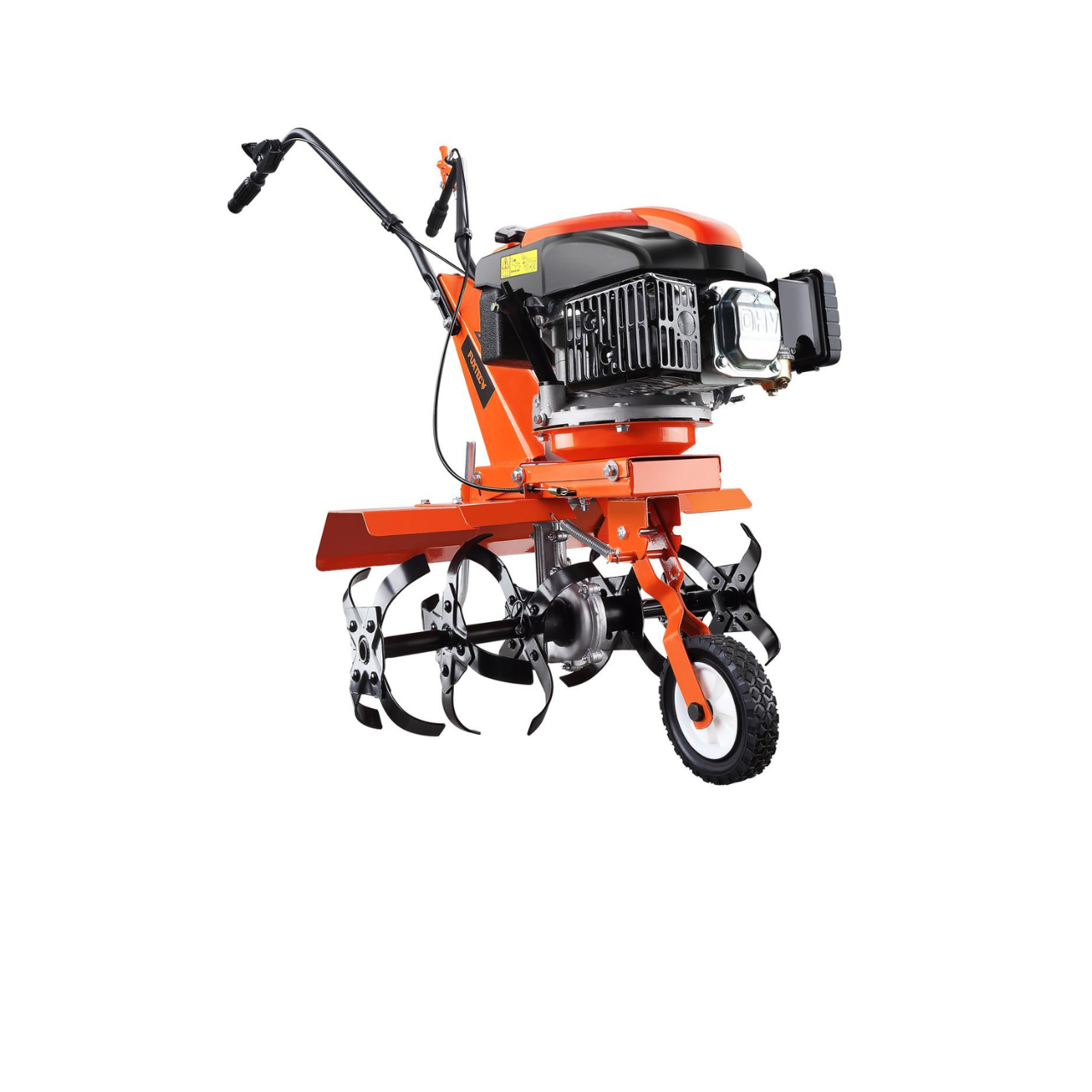
Perhaps the most important question is when to sow grass seed. Whilst hardy grass seed can technically be sown at any time of year, fast germination works best when the soil temperature is at least 10°C. The best results are therefore achieved in spring during April and May, and again in late summer/early autumn during August and September. In midsummer, there is a risk that the seed will dry out in the heat, and in winter frost will prevent germination altogether. It's therefore best to follow the spring or autumn rule. Before you can sow the seed, however, you first need to prepare the ground. Make sure the area is completely cleared of weeds. A spade or a hoe will do the job well. For very large areas, you can also use a rotary cultivator (rotavator), which you can hire from a garden centre or tool hire shop.
Step 1:

Prepare the Soil and Remove Root Pieces and Stones
Tools: spade, hoe or rotavator
Time required: 2 hours
Period: April/May or September
Step 2:
Level Out Any Unevenness
Tools: wide rake
Time required: 1 hour
Period: April/May or September
Apply Topsoil if Needed – Firm the Ground
The topsoil layer for your lawn should be at least 15 cm deep. Ideally, aim for a depth of 20–30 cm. If the topsoil layer is too shallow, you will need to add sufficient topsoil first. If the existing topsoil is heavily compacted, it must be loosened before sowing. Make sure all roots and stones are removed from the seeding area. The next step is to level the surface — a wide rake is best for this. Rake back and forth until all unevenness has been eliminated, so that water cannot pool in any low spots later on. To firm the ground, you should use a lawn roller, which can also be hired from a tool hire shop or garden centre. Firm the area thoroughly with the roller until it is level. Allow the area to settle for a few days before sowing, so the soil can bed down.
Sowing Grass Seed Made Easy
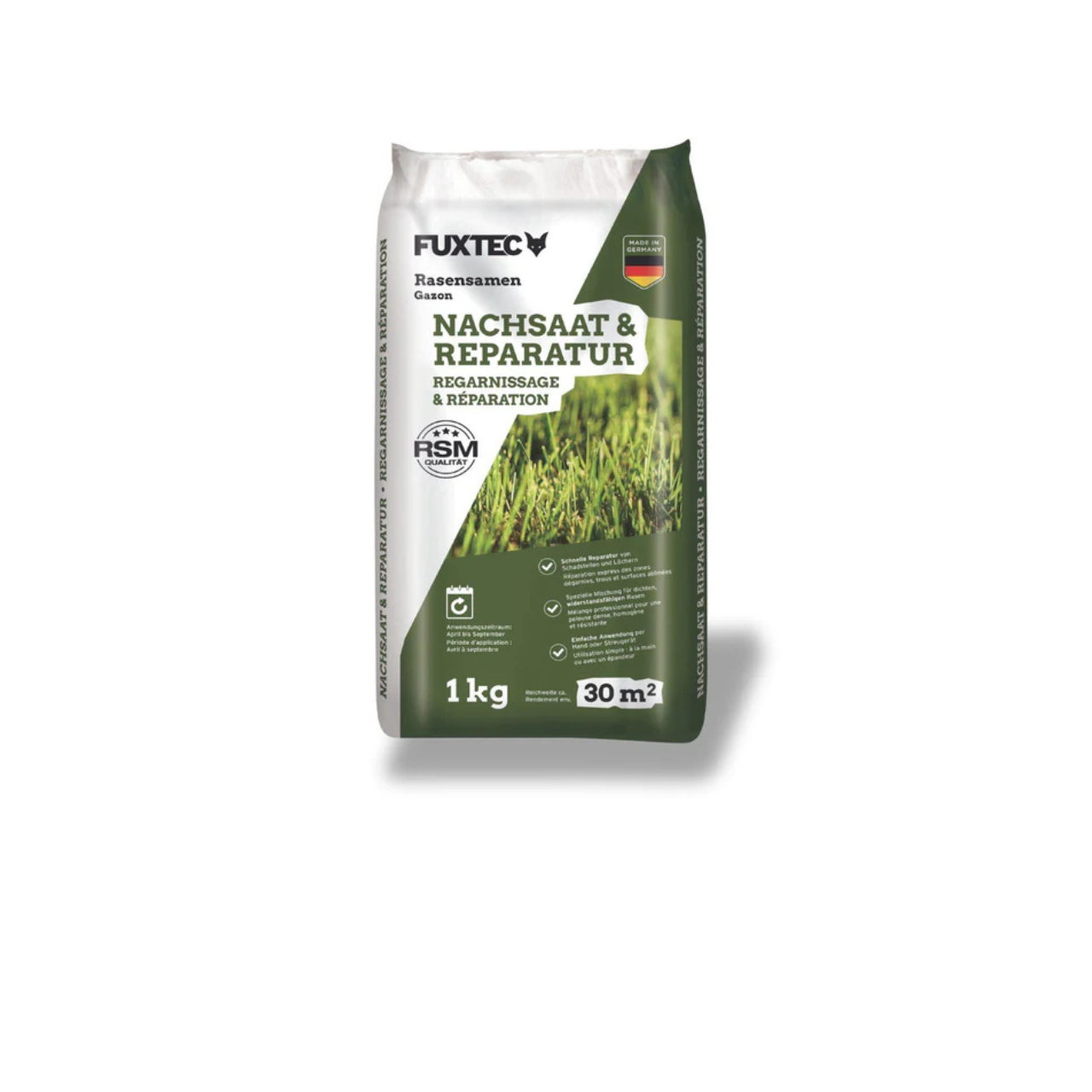
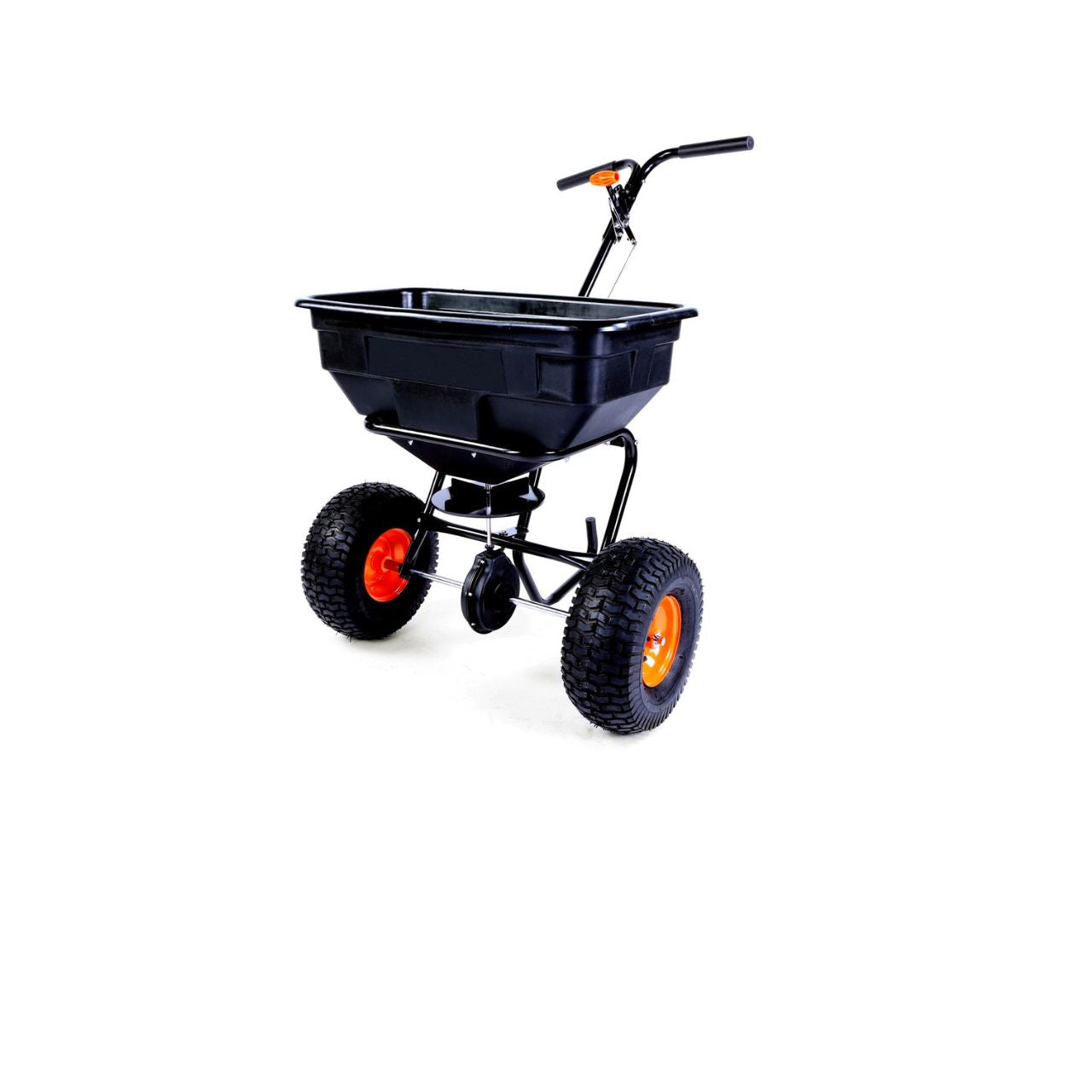
Choose a grass seed mix that establishes a good, dense sward. Before you start sowing, read the instructions on the seed packet carefully. A spreader or hand broadcaster is the best way to achieve an even distribution of grass seed. For very large areas, you will need a wheeled spreader.
Using a wheeled spreader or hand broadcaster, you can apply not only grass seed but also lime and fertiliser — more on that later. Try to sow on a calm, wind-free day to help achieve an even spread. After sowing, rake the lawn back and forth so the seeds make contact with the soil and can establish more easily once they germinate.
Make sure you only use high-quality grass seed. Expect to pay around 30 to 40 pence per square metre for good grass seed — for a 100 m² lawn, the seed would cost between £30 and £40.
Many gardeners swear by rolling the lawn after spreading the seed. This presses the seed into the soil and firms the loosened ground, helping to prevent the seed from blowing away or being washed off. Opinion is divided on this, however, and some manufacturers even state on their packaging that rolling after sowing is not recommended. It's best to follow the manufacturer's instructions.
Fertilising After Sowing
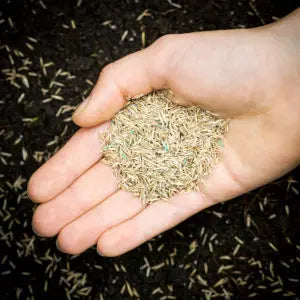 How long germination takes depends on various factors, including the grass variety and the weather conditions. The seed should have germinated within two weeks, or three weeks at the very latest. If it hasn't, something has gone wrong — the seed may have dried out. In that case, you will need to resow with viable seed. To help your lawn grow thick and lush green, it needs fertiliser after sowing. This provides essential nutrients for healthy grass growth. There are two ways to fertilise when establishing a new lawn: either fertilise one week before sowing, or immediately after. Use the same spreader as for sowing and distribute the fertiliser evenly across the lawn. You'll need approximately 3–4 kg of fertiliser per 100 m². For new lawns, there are specially formulated starter fertilisers with a high phosphorus content. Phosphorus promotes rapid root and shoot development in newly sown grass.
If the Soil Is Acidic, Liming Will Help
Liming the lawn is particularly important when the soil is too acidic, i.e. when the pH value is too low. Acidic soils encourage the growth of weeds and mosses, which can eventually take over the lawn. Test kits are available from garden centres that allow you to check the soil pH yourself. If the soil is too acidic, lime will help neutralise the pH. If the soil is overly acidic, it's best to lime before sowing in order to adjust the pH first. Lime is applied using a wheeled spreader or hand broadcaster. Further details on liming your lawn can be found in the section "Liming the Lawn When Needed".
Watering a New Lawn Thoroughly
Like all plants, a lawn needs not only good soil quality but also adequate moisture to thrive. After sowing in particular, it must be watered thoroughly. The easiest way to water evenly is with a sprinkler. Position it so that all parts of the lawn receive water. Alternatively, you can use a watering can — but make sure you use the rose attachment. After sowing, in dry conditions water at least three times a day to prevent the young grass seeds from drying out — around ten minutes each time. Once the first grass shoots appear, you can reduce the watering frequency slightly.
When Should You Overseed?
If you've done everything correctly, you should be enjoying a lush green lawn within a few weeks. Avoid walking on the lawn until it has grown sufficiently dense — at least six to eight weeks after sowing. Under ideal conditions (not too hot and not too wet), it may be possible to walk on it carefully after four weeks. However, if it has been very rainy and windy, or very hot after sowing, the lawn may not have grown evenly in all areas. Bare patches may appear, in which case you will need to overseed. Overseeding should only be done after the lawn has been mown for the first time. Make sure the grass is at least 8–10 cm tall, and do not cut it shorter than 5 cm. After mowing, prepare the bare patches: remove any weeds and loosen the soil. Then sow the bare patches evenly. Bear in mind that overseeding should be completed before the end of September, to allow the new seed to germinate and the grass to establish before winter.
Top-Dressing with Sand for Better Soil Structure
Top-dressing a lawn with sand is a widely used method to combat excessive soil compaction beneath the turf. If your lawn receives heavy use or has heavy objects permanently sitting on it, compaction can occur, leading to waterlogging. This causes bare patches in the lawn that are unsightly. To protect the grass roots from the damaging effects of waterlogging, lawn sand is an effective remedy. This involves using extremely fine, low-lime horticultural sharp sand. Top-dressing with sand has a drainage effect: the soil beneath the lawn is broken up and water can drain away more easily. Before top-dressing, you need to mow the lawn down to 3–4 cm and scarify it thoroughly, so the sand grains can reach the soil. Use a wheeled spreader to apply the sand and distribute it evenly across the entire lawn surface. For lightly compacted soil, 1.5 kg of sand per m² is sufficient. For heavily compacted soil, you may need up to 3 kg per m². The aim is to achieve a good mix of sand throughout the soil profile. If no improvement is visible after a few weeks, you will need to top-dress again. The best time to top-dress is during the active growing season, from March to September.
Overseeding the Lawn When Needed
A harsh winter or other unfavourable weather conditions can damage even a well-maintained lawn. If it is no longer growing densely in many places, or bare patches appear, overseeding is called for. Before you begin, you need to prepare the soil. First, mow the lawn as short as possible — down to 3–4 cm — then scarify it thoroughly. The best results are achieved by working in both directions, lengthways and crossways. Use a spring-tine rake to clear the lawn of grass clippings, weeds, and moss before sowing. Lightly scratching the surface of the turf during scarification helps the grass seed make better contact with the soil, so it can germinate more easily. Mix the seed in a container and distribute it evenly across the lawn using a hand broadcaster or wheeled spreader. Apply 20 g of grass seed per m² — for 100 m², you will need 2 kg of seed. Raking afterwards ensures better soil contact for the seeds. In dry weather, make sure to water the lawn daily after sowing. After approximately 4–7 days, the first new grass shoots should appear. Wait another two to three weeks before walking on the lawn. The best time to overseed is during April and May. You can also overseed in September.
Mulching the Lawn Instead of Mowing and Fertilising
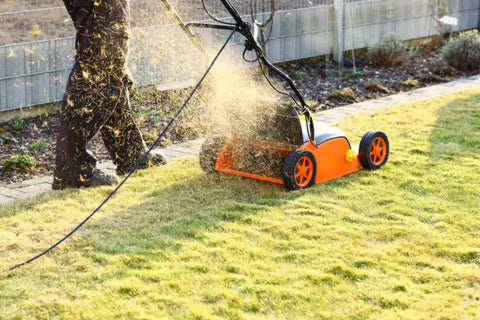
Mulching is an interesting alternative to conventional mowing. With this technique, the grass clippings are not collected in the mower's grass box and disposed of, but are left on the lawn to return nutrients to the soil. This is, of course, the biggest advantage — mulching the lawn saves on fertiliser. Mulch mowing also helps prevent the growth of moss and weeds. Special mulching mowers are available for this purpose. Unlike standard lawn mowers, they not only cut the grass but also finely chop the clippings. Once the grass has reached a height of seven to eight centimetres after winter, it's time to mulch for the first time. Guide the mulching mower across the lawn just as you would a regular mower. As a rule, only mulch in dry conditions, so the cut grass doesn't clump together. Spread the clippings evenly with a rake and work them into the lawn. During the growing season, you should mulch once or twice a week. Even though scientific comparative studies attest to significantly better lawn quality with mulching, you will ultimately need to decide for yourself whether you prefer to mow and fertilise, or mulch.
Fertilising Your Lawn – Bringing Out Its Best
For your lawn to grow at its best, it needs not only regular mowing but also regular feeding. Especially after a long winter, it requires plenty of nutrients to turn lush green again and for the grass to grow strongly. You should wait to fertilise until the temperature reaches around 15°C. Fertilising should always take place before the first mow, as the lawn needs to build up its strength first in order to resist disease and pests. Fertilise only in dry conditions, preferably in the evening, and water the lawn afterwards so the fertiliser can gradually soak into the soil. You can apply fertiliser using a hand broadcaster or wheeled spreader. Do not fertilise on wet grass, as the product will stick to the blades. A lawn fertiliser contains nitrogen, phosphorus, magnesium, and potassium in varying proportions. If you want to know exactly what your lawn is lacking, you can have soil samples analysed by a soil testing laboratory. The more intensively the lawn is used, the higher its annual nitrogen requirement. Whilst a heavily used utility or play lawn requires 1.8–2.5 kg of fertiliser per 100 m² per year, an ornamental lawn only needs 1–1.5 kg per 100 m² annually. Do not apply the entire annual amount of fertiliser in one go — split it into several smaller applications throughout the year. Don't forget to give the lawn a final feed in autumn before the colder months set in, to prepare it for the following spring. The best time for an autumn feed is late August to early November.
Liming the Lawn When Needed
Whether a lawn needs liming depends entirely on the soil composition and pH value of the soil beneath it. If the pH of your lawn soil falls below 6.5, the soil is acidic and liming may well be beneficial to help neutralise it. If you're unsure, it's worth having the soil tested. Take a few soil samples from different areas of the lawn and send them to a soil testing laboratory — this typically costs around £20–£30. Test kits are also available from garden centres so you can carry out the analysis yourself. If your lawn does need liming because the soil is too acidic, proceed as follows: first, scarify the lawn thoroughly. Then leave it to rest for a few days before you begin liming. Apply the lime evenly across the lawn using a wheeled spreader. The amount of lime needed depends on the soil type. For light, sandy soils, apply 15–20 kg per 100 m²; for medium loamy soils, 30–40 kg per 100 m²; and for heavy clay soils, around 40 kg per 100 m². The best time of year for liming is spring, though liming in autumn at the end of the growing season is also worthwhile. Important: as the lime products sold for lawn treatment can irritate the skin, always wear gloves when applying lime.
Weeds in the Lawn – It Doesn't Have to Be That Way
First of all: chemical weed killers should always be the very last resort when it comes to lawn care. There are far gentler ways to prevent unwanted plants from spreading across your lawn. The simplest method to prevent and control weeds is simply frequent mowing. Unlike grass plants, which are strengthened by regular cutting, weeds struggle to cope and, having less resilience, will often disappear on their own after a few weeks of repeated trimming. If the lawn is already heavily infested with weeds, however, you'll need to take further action. Scarifying is an excellent method not only for removing moss and thatch but also for tackling weeds. It's important to scarify the weedy patches particularly thoroughly, working in both directions — lengthways and crossways. After the work is done, remove all weed debris carefully from the lawn. Mechanical weed control is also possible in summer. If you do use chemical treatments, make sure the soil is warm, moist, and frost-free. Always follow the manufacturer's instructions precisely.
Quick Guide – How to Lay a Lawn in 7 Steps
Step 1:
Prepare the Soil and Remove Root Pieces and Stones
Tools: spade, hoe or rotavator
Time required: 2 hours
Period: April/May or September
Step 2:
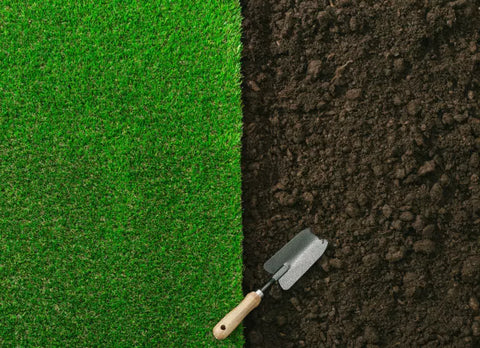
Level Out Any Unevenness
Tools: wide rake
Time required: 1 hour
Period: April/May or September
Step 3:
Apply Topsoil (ideally 20–30 cm deep)
Tools: spade, wide rake
Time required: 2 hours
Period: April/May or September
Step 4:
Firm the Ground
Tools: lawn roller
Time required: 1 hour
Period: April/May or September
Step 5:
Sowing – Spreading the Grass Seed
Tools: wheeled spreader or hand broadcaster, rake
Materials: grass seed
Cost: £30–£40 per 100 m²
Time required: 1 hour
Period: April/May or September
Step 6:
Fertilising the New Lawn
Tools: wheeled spreader or hand broadcaster
Materials: lawn fertiliser
Quantity: 3–4 kg per 100 m²
Time required: 1 hour
Period: April/May or September
Step 7:
Watering the New Lawn
Tools: garden hose or sprinkler
Materials: tap water (rainwater is preferable)
Time required: 5–10 minutes daily (several times a day in dry conditions)
Period: immediately after sowing
Discover our range of garden tools


What is the best time to sow grass seed?
The best time to sow grass seed is spring (April and May) or late summer/early autumn (August and September), when soil temperature reaches at least 10°C. Avoid midsummer when seed may dry out in the heat, and winter when frost prevents germination.
How deep should topsoil be for a new lawn?
Topsoil should be at least 15 cm deep, with an ideal depth of 20–30 cm for optimal lawn establishment. If your existing layer is too shallow, you'll need to add additional topsoil before sowing.
How often should I water a newly sown lawn?
In dry conditions, water at least three times daily for about ten minutes each time after sowing. Once the first grass shoots appear, you can reduce the watering frequency slightly. Use a sprinkler for even distribution.
When can I walk on my newly sown lawn?
Avoid walking on the lawn for at least six to eight weeks after sowing. Under ideal conditions, you may be able to walk on it carefully after four weeks, but wait for the grass to establish properly first.
Do I need to lime my lawn before sowing?
Only if your soil is too acidic (pH below 6.5). Use a soil test kit from a garden centre to check the pH. If liming is needed, do it before sowing to neutralise the soil and prevent moss and weed growth.
How much fertiliser do I need for a new lawn?
You'll need approximately 3–4 kg of fertiliser per 100 m² for a newly sown lawn. Use a starter fertiliser with high phosphorus content, applied either one week before or immediately after sowing.
What should I do if bare patches appear after sowing?
Overseed the bare patches after the lawn has been mown for the first time, ensuring grass is at least 8–10 cm tall. Prepare the patches by removing weeds and loosening soil, then sow evenly. Complete overseeding by the end of September for the grass to establish before winter.
Everything your lawn needs



More articles about lawn care
Mulchen mit Pinienrinde: So nutzt du organischen Mulch, um Unkraut zu verhindern
Das Mulchen mit Pinienrinde gehört zu den effektivsten Methoden im modernen Gartenbau und in der nachhaltigen Landwirtschaft. Dabei wird eine Schicht Mulchmaterial auf die Bodenoberfläche aufgebrac...
Bodenverbesserung im Garten: So verbesserst du deinen Gartenboden im Frühjahr für gesunde Pflanzen
Inhaltsverzeichnis Warum Bodenverbesserung im Garten im Frühjahr so wichtig für einen gesunden Gartenboden ist Gartenboden nach dem Winter prüfen: Bodenstruktur, Verdichtung und Bodenart erke...
Richtig Düngen im Garten: Schritt für Schritt erklärt
Inhaltsverzeichnis Warum Düngen im Garten so wichtig ist Bodenanalyse: Grundlage für die richtige Düngung Organische vs. mineralische Dünger: Was ist besser? Kompost, Hornspäne & Co.: Organi...


