
Grass Seed Types – Which Lawn Is Right for You?
Grass Seed Types – Which Lawn Is Right for You?
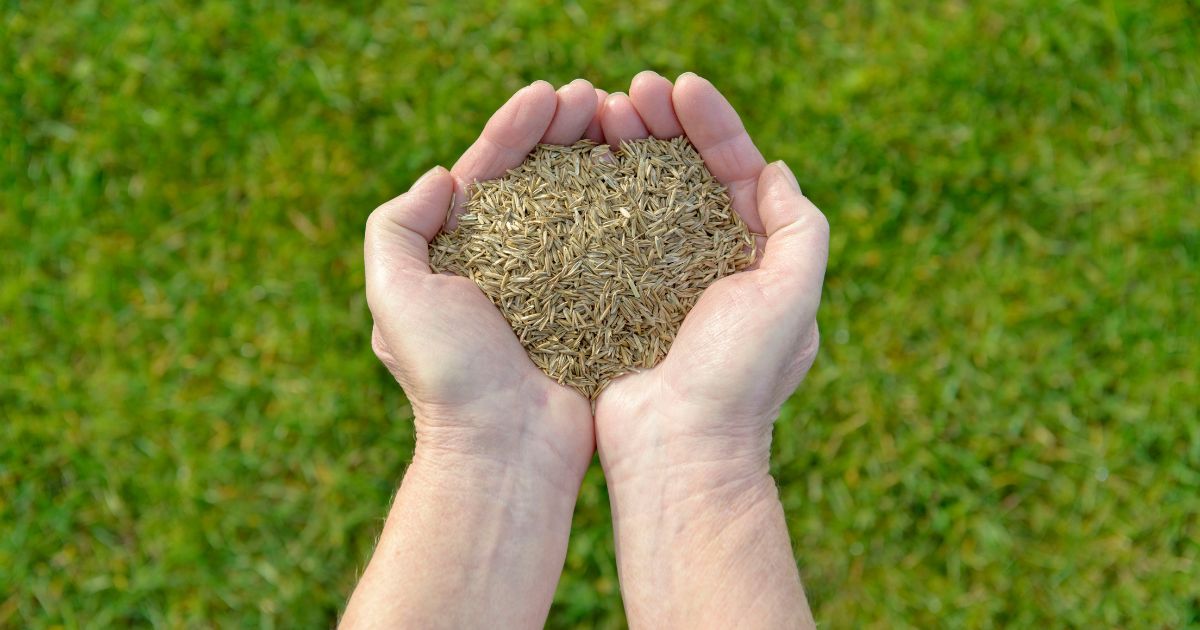
Different grass seed types are seed mixtures composed of grasses with specific characteristics. If you think carefully about how you want your new lawn to look and what it needs to do before you lay it, you will be much better placed to choose the most suitable variety. This way you can avoid disappointment later if the grass seed you have chosen does not grow the way you had hoped.
Certified Seed Mixtures – What Does That Mean?
Finding the right seed mixture for a new lawn is a science in itself. This is not only because there are so many different factors to consider. To make matters more complex, while there are recognised standards for grass seed mixtures, these are not legally binding. Suppliers of grass seed can therefore offer any grass variety or blend they choose and label it, for example, as ornamental lawn, play lawn, or garden lawn. Discount retailers often take advantage of this by offering low-quality mixtures at very low prices. At first glance these appear to be great bargains, but the lush green result you were hoping for often fails to materialise — leaving you to spend even more money on quality seed, as well as a great deal of additional time and effort.
In Germany, the Bundessortenamt (Federal Plant Variety Office) tests new grass cultivars for their suitability for various types of lawn and publishes its assessments once a year. On the basis of these tests it also draws up the so-called Regelsaatgutmischungen (RSM) – standardised seed mixtures. These are recommendations for combining different varieties to meet precisely defined requirements for particular situations. Manufacturers have some flexibility in which grass varieties they blend and in what proportions, but the overall mixture must comply with the guidelines in order to be marketed as a certified seed mixture (Regelsaatgut). When you buy grass seed carrying this designation, you can be confident that it does not contain cheap grass varieties that serve only to maximise the manufacturer's profit but ultimately result in bare patches on your new lawn. Even though not all grass seed suppliers in the UK follow this German classification system, it still provides a useful overview of the different types and their characteristics.
RSM 1 – Ornamental / Fine Lawn
- RSM 1.1 Premium Ornamental Lawn
- RSM 1.2 Fine Ornamental Lawn
RSM 2 – Utility / General-Purpose Lawn
- RSM 2.1 Standard Utility Lawn
- RSM 2.2 Utility Lawn for Dry Conditions
- RSM 2.3 Play Lawn
- RSM 2.4 Utility Lawn with Herbs
RSM 3 – Sports Turf and Play Turf
- RSM 3.1 Sports Turf – New Establishment at Sports Facilities
- RSM 3.2 Sports Turf – Renovation
RSM 4 – Golf Turf
- RSM 4.1 Golf Turf – Green
- RSM 4.2 Golf Turf – Approach
- RSM 4.3 Golf Turf – Tee
- RSM 4.4 Golf Turf – Fairway
- RSM 4.5 Golf Turf – Semi-Rough
- RSM 4.6 Golf Turf – Pathways
RSM 5 – Car Park Turf
- RSM 5.1 Car Park Turf
RSM 6 – Green Roof
- RSM 6.1 Green Roof Mixture
RSM 7 – Landscape Turf
- RSM 7.1 Landscape Turf Standard
- RSM 7.2 Landscape Turf for Dry Conditions
- RSM 7.3 Landscape Turf for Wet Conditions
- RSM 7.4 Landscape Turf for Semi-Shade
RSM 8 – Wildflower & Habitat Mixtures
- RSM 8.1.1 Species-Rich Habitat Mixture
- RSM 8.1.2 Habitat Mixture for Low-Nutrient Sites
- RSM 8.1.3 Habitat Mixture for Very Low-Nutrient Sites
- RSM 8.1.4 Habitat Mixture for Shaded and Semi-Shaded Sites
Which Seed Mixtures Are Suitable for a Home Garden?
As you can see, there is an extraordinary variety of seed mixtures for the most diverse locations and purposes. However, not all of them are intended or suitable for a home garden.
For domestic use, the most relevant categories are RSM 1 for ornamental lawns, RSM 2 for lightly to moderately used areas, and in exceptional cases RSM 3. You should only opt for the latter if your lawn will be subject to very intensive use. For average use, the widely popular RSM 2.3 play lawn is perfectly adequate; it is far easier to maintain than the high-performance grasses of sports turf. Landscape turf plays no role in private gardens — it is used primarily for greening large areas such as agricultural pastures, meadows, or areas within nature reserves. The wildflower and habitat mixtures of RSM 8 are partially suitable for creating a wildflower lawn, which can significantly increase biodiversity in your garden. Unlike many other flower seed mixtures, they contain exclusively native species. This helps to avoid disrupting the local flora and fauna and also ensures that bees, bumblebees, and other insects receive exactly the flowers they can use as a food source.
The Key Factors When Choosing the Right Type of Grass
Although it may seem straightforward at first glance to decide which type of grass to use, in practice it is often more complicated. Many lawns are used in a variety of ways, and it is not always immediately clear which type of grass copes best with multiple competing demands. In principle it is also possible to mix several grass types — after all, the seed mixtures available in garden centres are themselves blends of different grasses. For a truly tailored mixture, it is best to consult a local landscape gardener or garden centre. They will be well acquainted with the conditions in your area and, based on your information about soil type, intended use, location, and how much maintenance you are prepared to do, will be able to put together an individually suited seed blend.
Location and Soil Conditions
Grasses love sunshine and thrive best when they receive plenty of light and warmth. Some varieties, however, also do well in increasing shade. If parts or all of your garden are heavily shaded by house walls, trees, or shrubs, you should definitely look for a shade-tolerant lawn mix. This is specially adapted to low-light conditions and will grow where other grass types struggle. If you choose the wrong variety for a shady spot, weeds will quickly take hold, as they cope better with the difficult conditions than most grass species.
Another important factor for your lawn is soil type. Depending on how much sand, clay, or organic matter the soil contains, it can retain more or less water. Because grasses generally do not root very deeply, they depend on a good water supply in the upper layers of the soil. You can of course achieve this through irrigation — but the better the soil retains moisture, the less frequently you will need to water. Sandy soils retain very little water. In this case you will either need to improve the soil with topsoil, or, if that is not possible, choose a drought-tolerant grass variety. Very clay-heavy soils, particularly in shady spots, do not suit all grass types equally. During heavy rainfall, water can become waterlogged in clay soil, which causes the roots of some grass species to rot and the plants to die off.
Equally important are the correct soil pH and nutrient levels for a successful lawn. Grasses prefer slightly acidic soil with a pH of around 6. If the pH drops too far below this, it is time to apply lime. However, if the pH is too high, this encourages the growth of certain weeds. In that case you should enrich the soil with compost or organic matter to bring the pH back down. You can quickly and easily determine the pH of your garden soil using test strips available from any garden centre or DIY store.
In terms of nutrients, grass primarily needs nitrogen for healthy growth. How much depends on how fast the grass grows and how frequently it is mown. The more biomass lost as grass clippings, the more nitrogen needs to be returned to the plants through fertiliser. A particularly gentle and labour-saving approach is to return the clippings using a mulching mower.
Use and Wear Tolerance
The more hard-wearing a grass type needs to be, the faster and more vigorously it tends to grow — after all, it must quickly fill in any gaps or bare patches caused by heavy use. This, however, often leads to a higher maintenance requirement, as you will need to mow and fertilise more frequently. The different grass types also vary considerably in their resilience underfoot. While some grass varieties handle foot traffic with ease, even light pressure can be fatal for the delicate flowers of a wildflower lawn, for example.
Particularly sensitive to wear are wildflower and ornamental lawns, which should therefore only be planted in areas of the garden where people will not spend prolonged periods of time. The especially fine grasses may even object to having a sun lounger placed on them. They look wonderful but are better suited to front gardens and decorative planting areas. If you want to actively use your lawn — for example as a play area for children and pets or for garden parties — you should opt for a utility lawn or a hardwearing lawn. Hardwearing turf has been specifically bred for use on sports pitches and heavily trafficked surfaces and is virtually indestructible. At the same time, it requires intensive maintenance to fully realise its potential. Utility lawn, which is better suited to gardens and public open spaces, offers moderate durability. It is not quite as robust as sports turf, but considerably easier to maintain.
Maintenance Requirements and Options
If the appearance of your lawn is not your top priority and you would rather not spend more time on lawn care than is strictly necessary, then a utility lawn is exactly the right choice for you. These seed mixtures are formulated to be as robust as possible while at the same time not being too demanding. Depending on the blend, a utility lawn need only be mown every one to two weeks and fertilised just once or twice a year. Even lower maintenance is the wildflower lawn. From the second year onwards, it is generally sufficient to cut it once a year in September and otherwise leave it to its own devices. Fertilising is rarely, if ever, needed.
However, if you place great importance on how your lawn looks and do not mind investing a little more time to achieve this, you should choose an ornamental lawn or a hardwearing lawn. Both look very elegant with their dense sward and fine grass blades and come closest to the ideal of a pristine green carpet. Which of the two types is right for your garden ultimately depends on how you intend to use the lawn. The very fine grass varieties in ornamental lawn are generally sensitive to foot traffic, whereas hardwearing turf is robust against all kinds of wear and tear.
The Differences Between Ornamental, Sports, and Play Turf
For a quick overview, here is a comparison of the main types:
| LAWN TYPE: | APPEARANCE: | DURABILITY: | MAINTENANCE: | SUITABLE FOR: |
|---|---|---|---|---|
| Ornamental Lawn | Elegant, dark green, even, fine-bladed | Low | High | Front gardens, decorative areas, feature lawns |
| Utility Lawn | Medium density, lush green | Medium | Medium | Back gardens, public green spaces, residential areas |
| Hardwearing Turf | Very dense | High to very high | High | Heavily used lawns, sports pitches, recreational areas, car parks |
| Golf Turf | Dense, very even | High | Very high – not suitable for home gardens | Golf courses |
| Wildflower Lawn | Natural with colourful wildflowers | Low | Low | Garden areas that do not need to be walked on, front gardens |
Discover our range of garden tools
Everything your lawn needs
More articles about lawn care
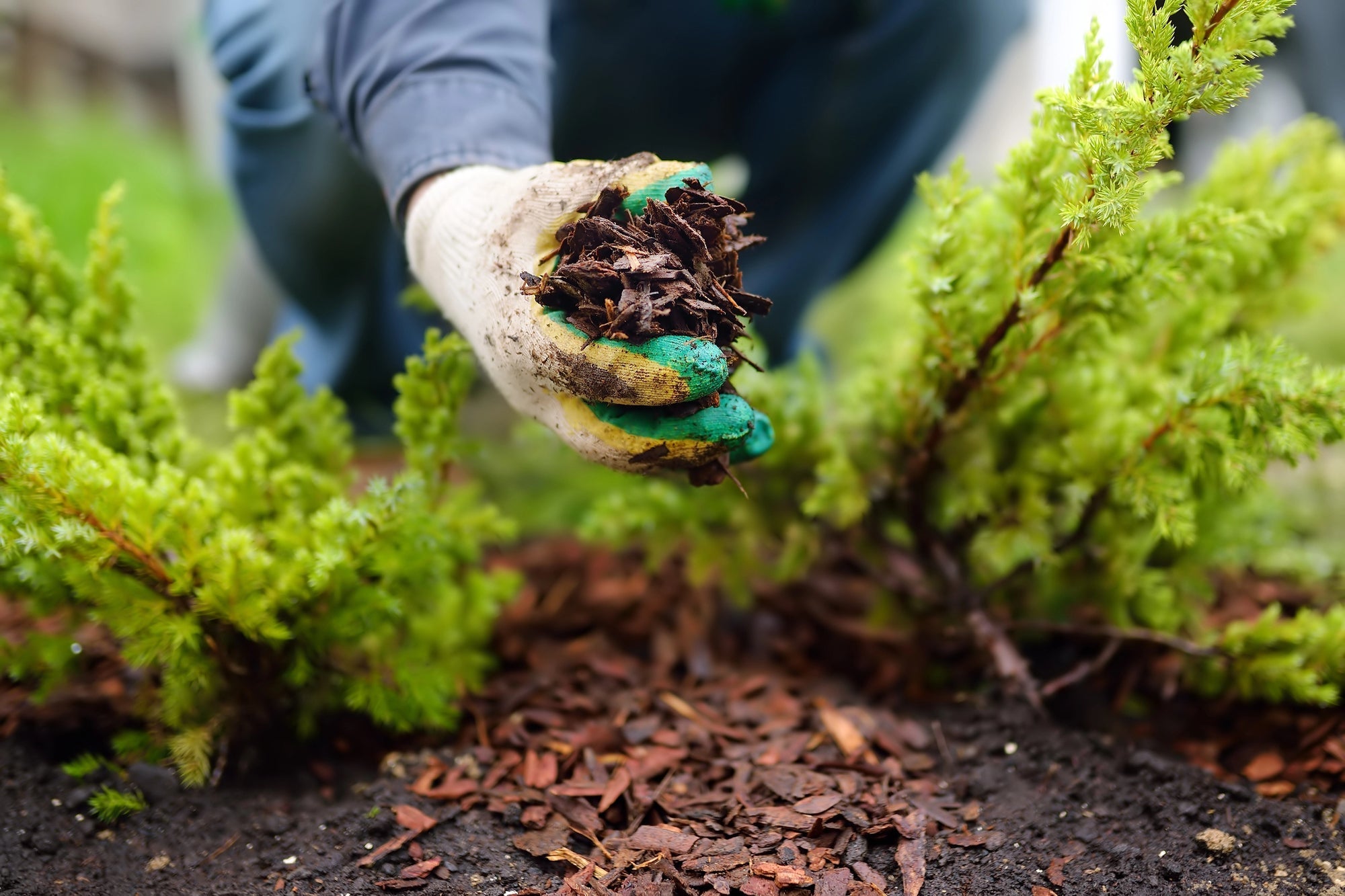
Mulchen mit Pinienrinde: So nutzt du organischen Mulch, um Unkraut zu verhindern
Das Mulchen mit Pinienrinde gehört zu den effektivsten Methoden im modernen Gartenbau und in der nachhaltigen Landwirtschaft. Dabei wird eine Schicht Mulchmaterial auf die Bodenoberfläche aufgebrac...
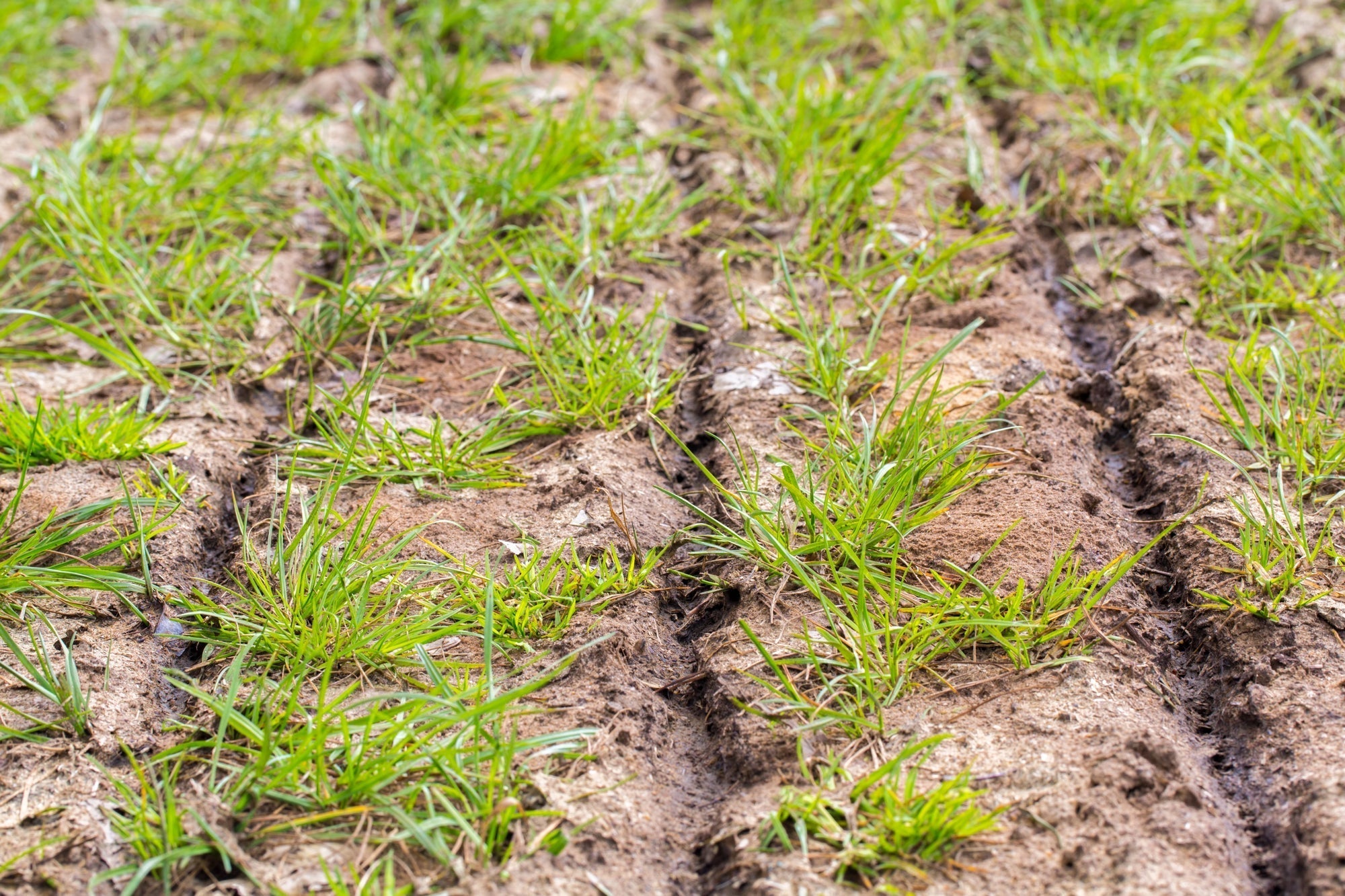
Bodenverbesserung im Garten: So verbesserst du deinen Gartenboden im Frühjahr für gesunde Pflanzen
Inhaltsverzeichnis Warum Bodenverbesserung im Garten im Frühjahr so wichtig für einen gesunden Gartenboden ist Gartenboden nach dem Winter prüfen: Bodenstruktur, Verdichtung und Bodenart erke...
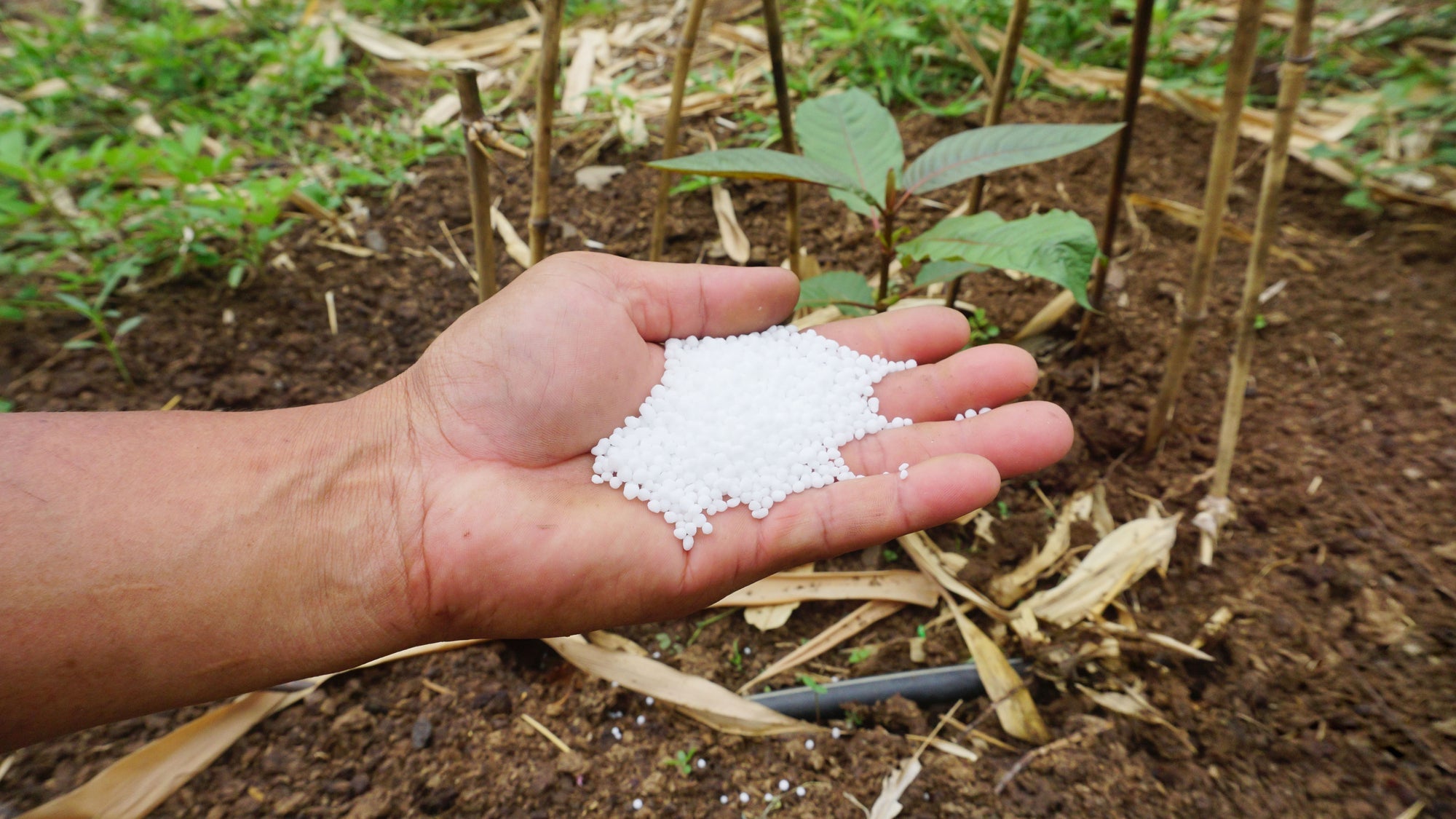
Richtig Düngen im Garten: Schritt für Schritt erklärt
Inhaltsverzeichnis Warum Düngen im Garten so wichtig ist Bodenanalyse: Grundlage für die richtige Düngung Organische vs. mineralische Dünger: Was ist besser? Kompost, Hornspäne & Co.: Organi...


