

Rasenkanten schneiden
How to Cut Lawn Edges: Tools, Tips & Techniques
- Warum Rasenkanten schneiden so wichtig ist
- Mit diesen Werkzeugen gelingt das Schneiden der Rasenkanten
- So gelingt das Schneiden der Rasenkante: Schritt für Schritt
- Die verschiedenen Techniken beim Kantenschneiden im Überblick
- Rasenkanten perfekt schneiden: Welche Geräte sich wirklich eignen
- Trimmen oder abstechen? Der Unterschied macht’s
- Worauf Du beim Schneiden der Rasenkanten achten solltest
- Diese Fehler solltest Du beim Schneiden vermeiden
- Tipps und Tricks für die langfristige Pflege der Rasenkante
- Was Du noch wissen solltest, bevor Du zur Schere greifst
- FAQ
If you take pride in a well-kept lawn, cutting lawn edges is simply part of the job. It might sound like a minor detail – but the difference that neat edges make is enormous!
The perfect transition between lawn and border, a clean line along the patio or around a tree – it's these finishing touches that turn your garden into something truly eye-catching.
In this guide, you'll find everything you need to know about cutting lawn edges. We'll show you which tools you need and share tips and tricks for a clean, professional result!
Why cutting lawn edges matters

At first glance, they might seem insignificant. But lawn edges are the frame for your lawn – much like a picture frame is to a painting. When they start to fray, spread, or encroach on your borders, your garden quickly loses its structure.
Well-maintained lawn edges, on the other hand, show: someone cares! They keep your lawn looking sharp, protect borders from encroaching grass, and make mowing more efficient.
There's another benefit: Regular edge trimming keeps your lawn denser, because it prevents the grass from spreading unchecked.
This is especially useful for beds without edging strips – otherwise the grass will eventually creep through everything. A clean cut prevents exactly that – and with the right tool, it's really no trouble at all.
The tools you need to cut lawn edges
There are several ways to cut your lawn edges – depending on the size of your garden, your expectations, and how much time you want to spend.
From classic grass shears to a motorised brushcutter or a dedicated lawn edger, there's something for every need. The choice of tools is wide – what matters most is picking the right one for your situation.
Here are the most common options:
- Grass shears & cordless grass shears: Ideal for small gardens and detailed work.
- Manual or electric lawn edgers: For precise lines along paths and borders.
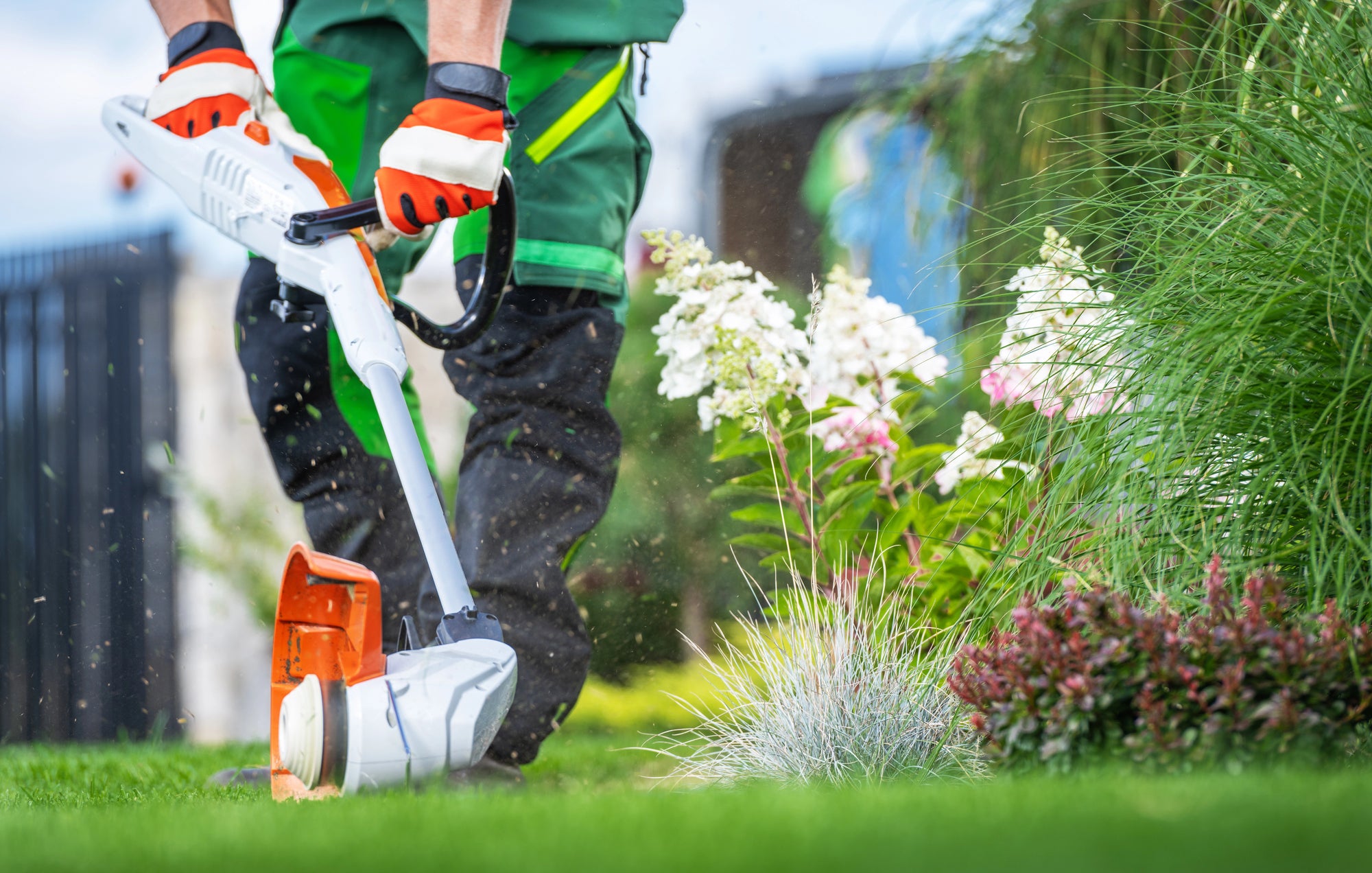
- Brushcutters & lawn trimmers: Perfect for larger areas or vigorous grass growth.
- Cordless lawn trimmers, such as the FUXTEC FX-E1RT20, for cable-free freedom and powerful performance.
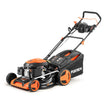
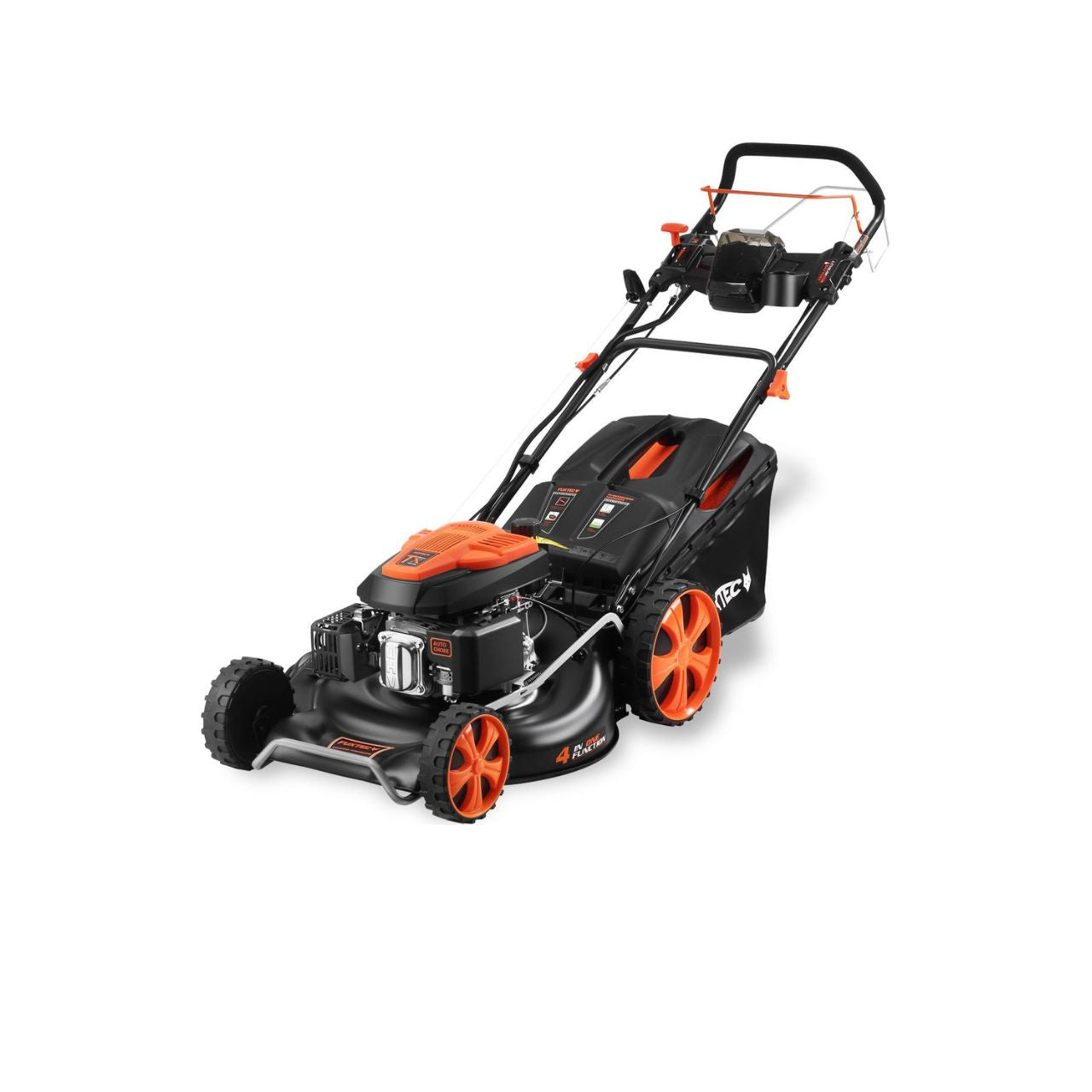
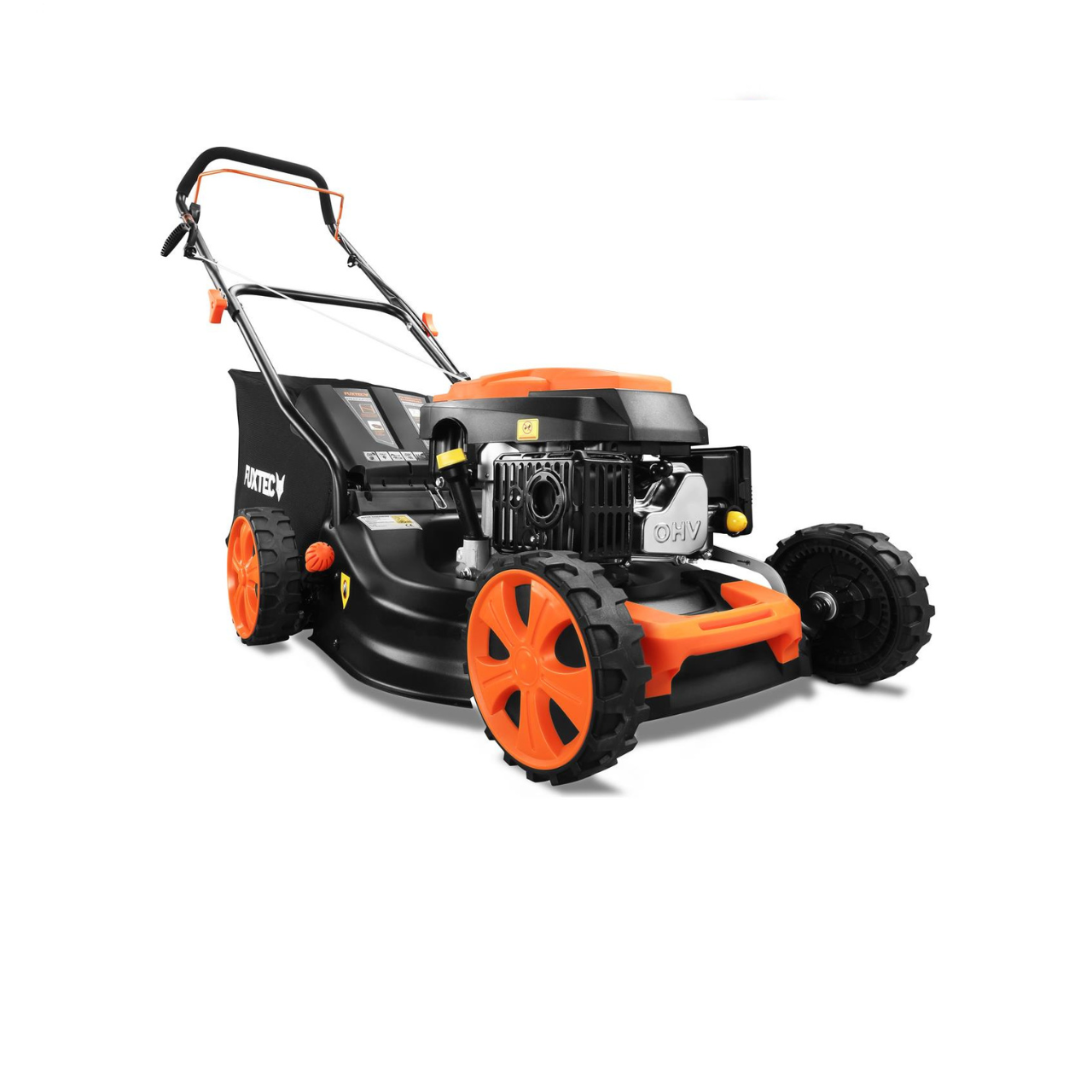
Depending on the size of your lawn and personal preference, one tool will suit you better than another. And if you want to mow the lawn at the same time, take a look at our bestselling cordless lawn mower.
How to cut lawn edges: a step-by-step guide

Sounds straightforward – and it is, once you know what to look out for. When cutting a lawn edge, the key is achieving clean transitions.
The technique varies slightly depending on the tool. Here are some general tips and tricks:
- Mark the edge: A taut string line or garden hose helps you follow a clean, straight line.
- Choose the right tool: Use grass shears for curves, and a trimmer for straight runs.
- Don't cut too deep: Only trim the overhanging turf – don't dig into the soil.
- Trim regularly: Especially during the growing season, aim for roughly every 2 weeks.
- Sweep up afterwards: This immediately gives your garden that extra polished look.
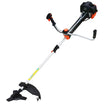
If you're unsure whether a trimmer or a brushcutter is the better choice: for precise work in tight corners, our cordless brushcutter FX-E2MS is a great option, while for larger areas you should go for the petrol brushcutter FX-MT252ER.
An overview of different lawn edging techniques
| Technique | Description | Best for |
|---|---|---|
| Half-moon edger / spade | Classic method for sharp, "English-style" edges | Small gardens |
| Cutting with shears | For fine detail work, manual or electric | Short edges |
| Using a trimmer | Fast, flexible, ideal for curved lines | Medium-sized areas |
| Brushcutter or lawn edger | For large gardens & thick grass | Large areas |
Tip: Cut your lawn edges before mowing, so you can collect the clippings with the lawn mower at the same time – ideal for a tidy finish.
Cutting lawn edges perfectly: which tools really work
The range of garden tools for cutting lawn edges is huge. And choosing the right one isn't always easy – it depends on the size of your lawn, the type of edge, and how much physical effort you want to put in. If you'd rather not keep bending down, opt for a model with a telescopic handle. If you prefer working without cables, cordless grass shears and cordless lawn trimmers are the way to go.
Some tried-and-tested tools from the FUXTEC range include:
- The cordless brushcutter FX-E2MS: powerful, lightweight, and easy to handle – perfect for larger plots.
- The petrol brushcutter FX-MT252ER: for when you need serious power. Particularly effective on long grass and heavy overgrowth.
- The cordless grass shears set: ideal for precise trimming along lawn edges – including alongside borders.
Depending on the size of your garden, a cordless trimmer or an electric grass shear may be the better choice. For curved edges, rotating trimmer heads are ideal, whilst for straight lines fixed blades make more sense.
If you have a large area, a brushcutter or strimmer is the better bet – they can handle thicker stems and won't let the edges run away from you after the next bout of rain.
Trimming or edging? Understanding the difference
Before you start, it's worth asking yourself: do you simply want to trim – that is, cut back the overhanging blades – or do you want to properly re-edge, creating new, defined contours? Re-edging cuts the turf back sharply at the edges, creating a clear definition. It gives a great result, but does take a bit more effort.
- Trimming: quick and ideal for weekly lawn edge maintenance. Perfect with a trimmer or grass shears.
- Re-edging: thorough, for consistently crisp edges – around 2–3 times per season.
Particularly for that finishing touch in spring or before summer, re-edging your lawn edges is well worth the effort. Even better: combine both methods – with the right tool, it won't take long at all.
Those who maintain their edges regularly can achieve perfectly neat lawn edges through trimming alone. For new lawns or heavily overgrown areas, re-edging is worthwhile – for example with a half-moon edger or a sharp spade.
What to watch out for when cutting lawn edges

Even experienced gardeners can overlook a few things. Here are the details that really make a difference:
- Don't cut on wet or waterlogged ground – this quickly leads to ragged, uneven tears in the turf.
- Never cut too deep, as you risk damaging the roots and causing the edges to turn brown.
- Wear appropriate safety gear: when using a brushcutter or strimmer, always wear protective clothing – grass stems, small stones, and soil can be thrown up at speed.
And don't forget: Think about the surroundings too. Particularly along paths or between the lawn and a border, lawn edging strips can be a great idea.
They not only protect the edges but also make mowing easier – with a lawn mower like the FX-E2RM37SET, you can mow right up to the edge in one pass.
Common mistakes to avoid when cutting lawn edges
Even though cutting lawn edges looks simple enough, there are a few classic pitfalls. Here are some common mistakes you're better off avoiding:
- Wrong timing: Cutting straight after rain or when the ground is soft? Not a good idea. The soil breaks up and the lawn edge becomes uneven.
- Wrong tool: Using blunt shears or an underpowered trimmer will quickly result in a ragged finish – the opposite of neat.
- Not cutting often enough: Ignore your lawn edges for months and you'll end up with twice the work. Better to invest a few minutes every fortnight.
Also important: When cutting lawn edges, make sure you don't encroach into the border. If grass blades are growing into your flower bed, that's not charming naturalism – it's simply neglect.
Use a precise trimmer like our FX-E1RT20 cordless lawn trimmer to keep clean, defined lines.
Tips and tricks for long-term lawn edge care

To ensure your lawn edges don't just look good today, but remain perfectly trimmed in a fortnight's time, regular upkeep is key.
It sounds like a lot of effort – but it really isn't. With a good tool and a bit of discipline, you'll reap the rewards in the long run.
Lawn edge care – how to do it right:
- Trim every 2 weeks, especially during the main growing season (April to August)
- Re-edge 1–2 times per season, e.g. in spring and late summer
- After mowing, touch up the edges, to keep them consistently even
- Clean your cutting tools regularly – this extends their lifespan and ensures clean cuts every time
What you should know before you pick up the shears
Achieving perfectly neat lawn edges is no great secret. You don't need to be a professional – but you do need to use the right tools.
Our FUXTEC products are designed for maximum performance and ease of use – for large and small gardens alike, for beginners and more experienced gardeners.
If you'd like to learn more about lawn care in general, browse our guides – you'll find plenty more tips and tricks on the topic:
- Lawn care in summer
- How to mow your lawn properly
- Watering your lawn made easy
- Turf or ornamental lawn?
- How to use a brushcutter correctly
Whether it's a trimmer, brushcutter, grass shears, or cordless lawn mower – at FUXTEC you'll find everything you need for beautifully maintained lawn edges. With a little know-how and the right tool, you'll have the neatest edges on the street.
Discover our range of garden tools
What's the best tool for cutting lawn edges?
The best tool depends on your garden size and edge type. Use grass shears for small areas and detailed work, a trimmer for straight runs and medium-sized gardens, and a brushcutter for larger areas with thicker grass. Cordless options like the FX-E1RT20 offer cable-free convenience without compromising power.
How often should I cut my lawn edges?
Trim your lawn edges every 2 weeks during the growing season, particularly from April to August. For a more defined, crisp appearance, re-edge your lawn 1–2 times per season in spring or late summer. Regular maintenance prevents grass from spreading unchecked into borders.
Can I cut lawn edges after rain?
No, avoid cutting on wet or waterlogged ground as it leads to ragged, uneven tears in the turf and breaks up the soil. Wait until the ground has dried out for clean, sharp edges. Timing makes a significant difference to the final result.
What's the difference between trimming and re-edging?
Trimming involves cutting back overhanging grass blades and is quick, ideal for weekly maintenance with a trimmer or shears. Re-edging creates new, defined contours by cutting the turf back sharply, giving a crisp, polished look but requiring more effort – typically 1–2 times per season.
Should I cut lawn edges before or after mowing?
Cut your lawn edges before mowing so you can collect the clippings with the lawn mower at the same time, giving you a tidy finish in one go. This is more efficient and keeps your garden looking polished.
How deep should I cut when edging?
Only trim the overhanging turf – never cut too deep or dig into the soil. Cutting too deep risks damaging the roots, causing the edges to turn brown and creating an uneven appearance. A shallow, careful cut is always better.
Everything your lawn needs
More articles about lawn care
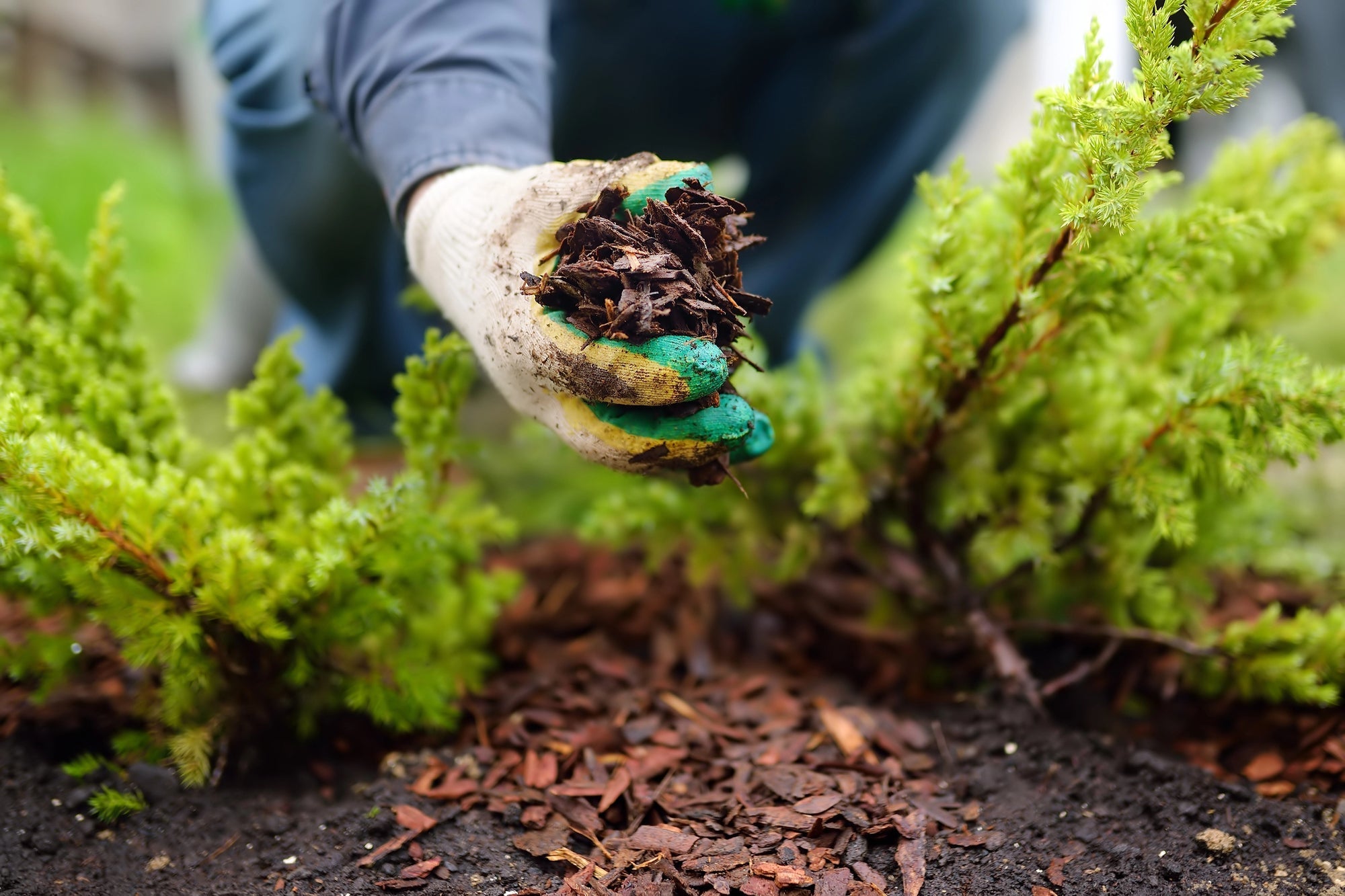
Mulchen mit Pinienrinde: So nutzt du organischen Mulch, um Unkraut zu verhindern
Das Mulchen mit Pinienrinde gehört zu den effektivsten Methoden im modernen Gartenbau und in der nachhaltigen Landwirtschaft. Dabei wird eine Schicht Mulchmaterial auf die Bodenoberfläche aufgebrac...
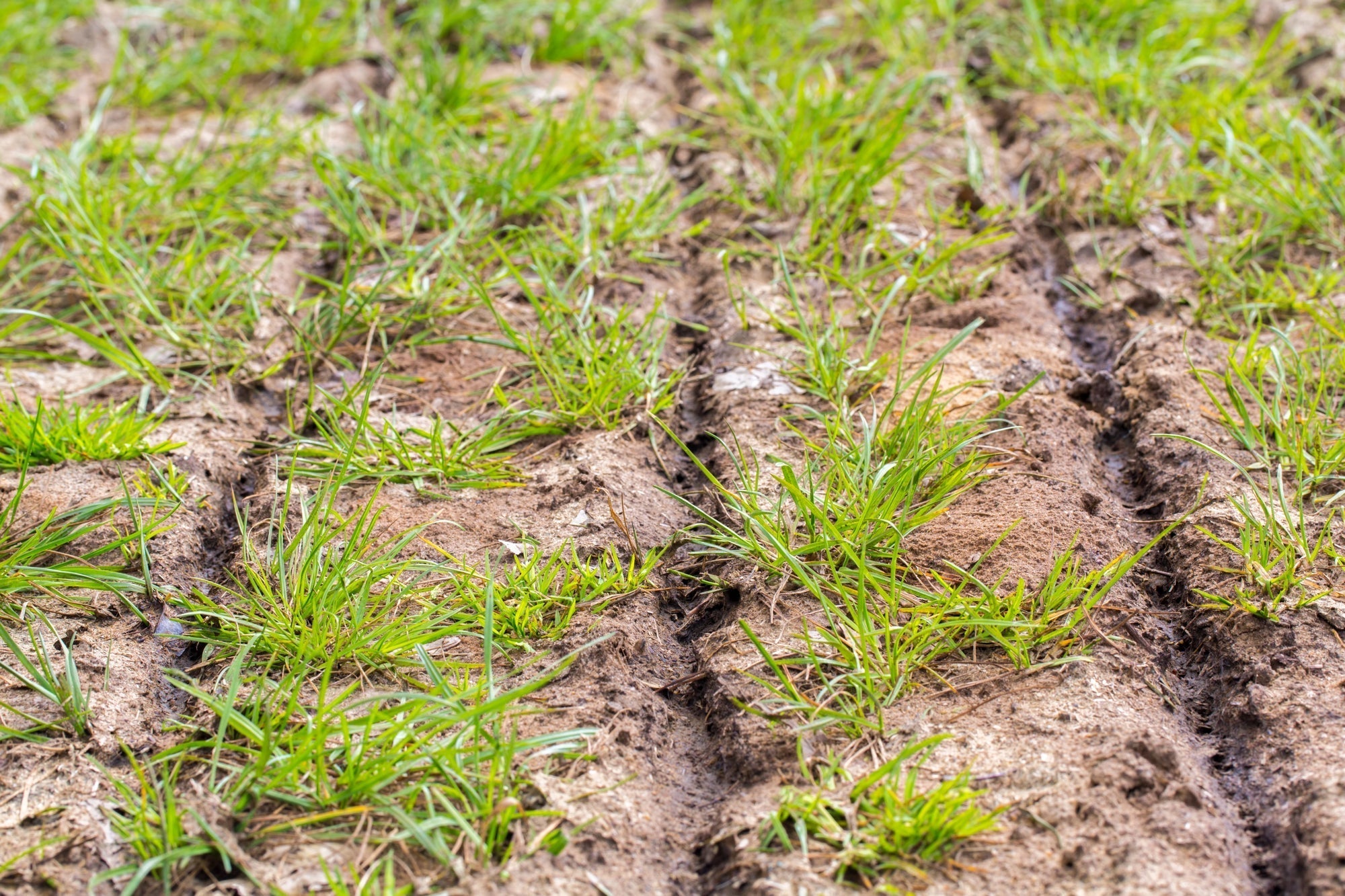
Bodenverbesserung im Garten: So verbesserst du deinen Gartenboden im Frühjahr für gesunde Pflanzen
Inhaltsverzeichnis Warum Bodenverbesserung im Garten im Frühjahr so wichtig für einen gesunden Gartenboden ist Gartenboden nach dem Winter prüfen: Bodenstruktur, Verdichtung und Bodenart erke...

Richtig Düngen im Garten: Schritt für Schritt erklärt
Inhaltsverzeichnis Warum Düngen im Garten so wichtig ist Bodenanalyse: Grundlage für die richtige Düngung Organische vs. mineralische Dünger: Was ist besser? Kompost, Hornspäne & Co.: Organi...


