
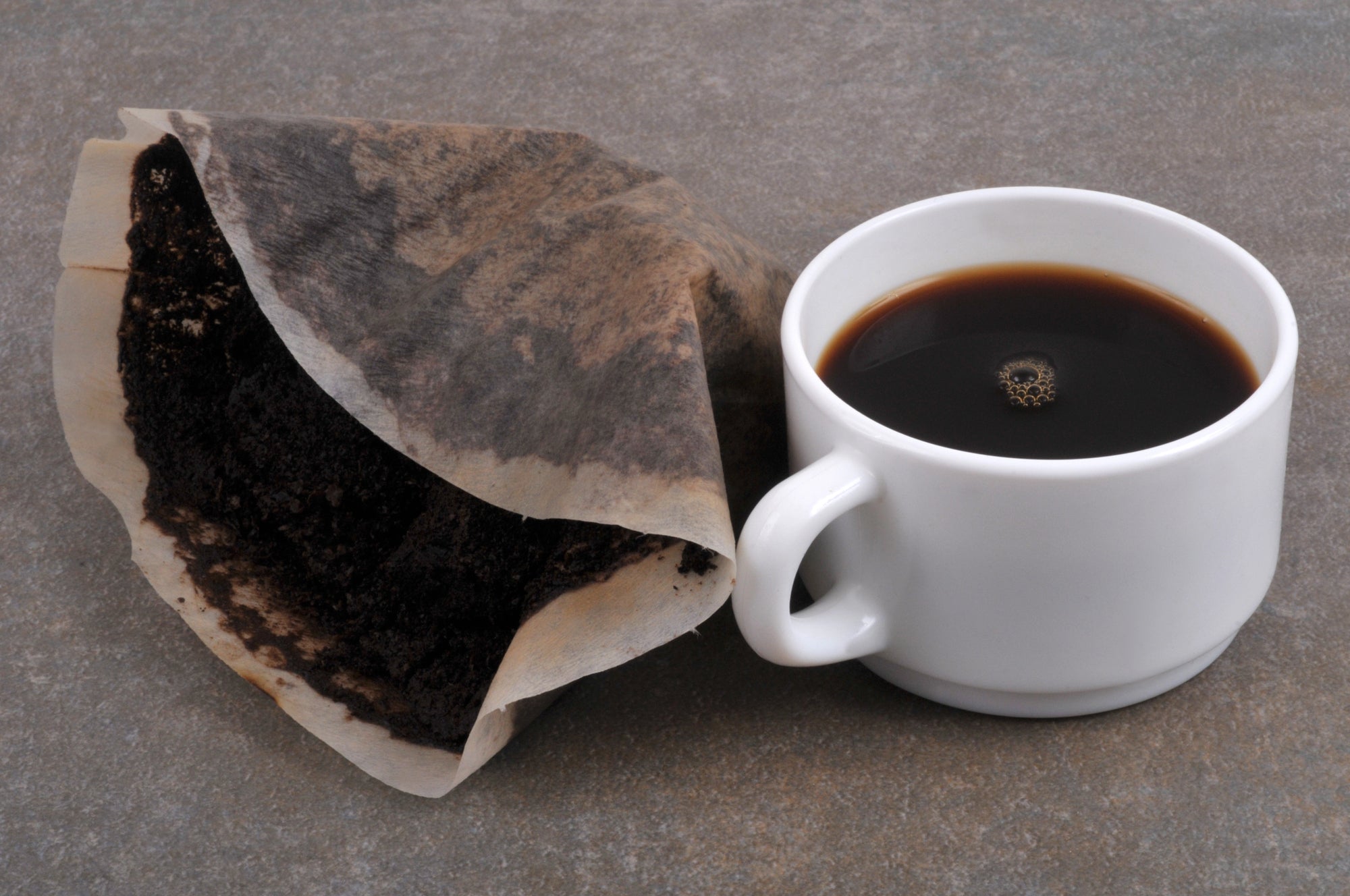
Coffee Grounds as Fertiliser: Which Plants Benefit?
If you drink coffee every day, you'll know the feeling: used grounds are left behind in the filter or the coffee machine on a regular basis. Instead of throwing them straight away, you can put your coffee leftovers to good use — around the house or outdoors. Coffee grounds are particularly popular as a fertiliser, as they contain nitrogen, phosphorus, potassium, and sulphur, among other nutrients. These can support the growth of many green plants and improve soil quality. Coffee grounds are also natural, biodegradable, and a simple way to make the most of something you'd otherwise bin.
In particular, plant species that prefer a slightly acidic pH or soil can benefit from being fed with coffee grounds. Other garden plants and houseplants, however, can be more sensitive. In this FUXTEC gardening guide, we explain when you can use coffee grounds as a fertiliser, which plant species enjoy them, and when you'd be better off reaching for a conventional fertiliser.
Feeding Plants with Coffee Grounds: Which Plants Are They Good For?
Many plants that prefer a slightly acidic pH can benefit from coffee grounds. These include, above all, ericaceous plants and some heavy-feeding vegetables. It's important to note, however, that coffee grounds are only suitable as a supplementary natural fertiliser and should not be applied in excessive quantities. You should therefore never skip feeding with a proper, dedicated fertiliser.
These plants appreciate coffee grounds:
- Azaleas
- Blackberries
- Strawberries
- Ferns
- Orchids
- Geraniums
- Cucumbers
- Blueberries
- Raspberries
- Hydrangeas
- Jasmine
- Camellias
- Pumpkin
- Peonies
- Cranberries
- Rhododendrons
- Roses
- Tomatoes
- Courgettes
Hydrangeas, rhododendrons, blueberries, and camellias in particular love acidic soil. Coffee grounds are therefore a great natural supplement as part of their regular care routine.
Plants You Should Not Feed with Coffee Grounds
Seedlings and young plants should not be treated with coffee grounds, as the caffeine content can interfere with delicate growth. Plants that prefer chalky or more alkaline soil also tend to react poorly to coffee.
Coffee grounds are unsuitable for these vegetables and flowers:
- Apple
- Asters
- Chrysanthemums
- Clematis
- Bellflowers
- Crocuses
- Lavender
- Carrots
- Daffodils
- Tulips
Lavender in particular prefers lean, well-draining, chalky soil. Coffee grounds are too acidic and would gradually degrade the soil, making them a poor choice here. For plants that do not prefer acidic soil, you should avoid using coffee grounds.
How to Use Coffee Grounds as a Fertiliser in the Garden
Coffee grounds give you a simple natural fertiliser straight from the kitchen. Before applying them in the garden, you should let the grounds dry out first. Damp grounds near the root zone can quickly clump and go mouldy. It's best to collect the grounds over a few days and spread them out on a flat plate or baking tray to dry out completely before using them safely around your plants.

Once dry, you can distribute the coffee grounds around the plant and work them lightly into the soil. This prevents them from sitting as a dense layer on the surface and allows them to break down gradually. In a border, a small amount of coffee grounds is sufficient — simply mix them loosely into the top layer of soil using a garden rake. For container and potted plants, you can mix a little dried coffee grounds into the compost before repotting. It's important to use them sparingly so the soil doesn't become too acidic.
Coffee Grounds on the Compost Heap
Alternatively, you can compost coffee grounds. There's no need to dry them out beforehand when adding them to the compost heap. There, they break down alongside other organic materials and help to create nutrient-rich humus. This is a particularly straightforward way to make use of your coffee leftovers while also reducing kitchen waste.
Coffee Grounds in the Garden: Do They Help Against Slugs & Other Pests?
Coffee grounds are used in the garden not only as a fertiliser, but are also frequently recommended as a natural home remedy against pests. The tip is especially persistent when it comes to slugs and snails, as they dislike caffeine and find the smell off-putting. However, coffee grounds scattered around plants are not a reliable barrier. Rain, moisture, and the low concentration of active compounds mean the effect in a border is usually limited. Earthworms, on the other hand, benefit from the natural material in the soil and can help to break down coffee grounds properly and work them into the earth.
The situation is different for houseplants: cold black coffee diluted with water can help against fungus gnats, as the caffeine content can act on larvae in the root ball. Here too, it's important to use it sparingly so the potting compost doesn't become too acidic and mould doesn't develop. Cold black coffee is also occasionally used as a home remedy against aphids. It should be heavily diluted and applied carefully to the affected parts of the plant. Test on a small area first to check the plant tolerates the treatment.

Coffee Grounds as Fertiliser for Houseplants: Why Cold Coffee Is Better
With houseplants, you should be particularly cautious when using coffee grounds. In a pot, the damp powder often breaks down very slowly. If coffee grounds sit directly on the potting compost, mould can develop quickly. Coffee grounds are therefore only partially suitable for houseplants. A better alternative is cold black coffee. Dilute it 1:1 with water and use it sparingly to water your houseplants, container plants, or balcony flowers. A small amount of diluted coffee per plant is sufficient. Too much can make the root ball overly acidic over time and inhibit plant growth. Use cold coffee only occasionally as a supplement, not as your sole fertiliser.
Summary: Coffee Grounds Are a Useful Fertiliser, But Only as a Supplement
The leftovers from your morning coffee can genuinely benefit your garden, particularly as an organic supplement for green plants that enjoy acidic soil. They contain important nutrients such as potassium, nitrogen, and phosphorus, are easy to compost, and offer a sustainable way to make use of something that would otherwise go to waste. However, the nutrient content is usually not sufficient to reliably feed plants, borders, or lawns on its own. Not every plant tolerates coffee equally well, either. A proper fertiliser therefore remains important for a balanced nutrient supply — especially for heavy-feeding plants, larger garden areas, and lawns. You can use coffee grounds as a natural supplement, but you should not forgo a high-quality fertiliser.

With FUXTEC products, you're always in safe hands when it comes to garden care! Whether it's lawn fertiliser, garden tools, or other handy accessories, FUXTEC has everything you need to keep your outdoor space in great shape.
Entdecke unsere Auswahl an Gartengeräten

What nutrients do coffee grounds contain for plants?
Coffee grounds contain nitrogen, phosphorus, potassium, and sulphur, among other important nutrients that support plant growth and improve soil quality. These nutrients make them a valuable natural supplement for gardening.
Can I use coffee grounds on all plants?
No, coffee grounds are only suitable for plants that prefer slightly acidic soil, such as azaleas, blueberries, and rhododendrons. Plants that prefer chalky or alkaline soil, like lavender and tulips, should not be fed with coffee grounds.
How should I apply coffee grounds in my garden?
You should dry the grounds first by spreading them on a baking tray for a few days to prevent moulding. Once dry, distribute them around plants and work them lightly into the top layer of soil to allow them to break down gradually.
Are coffee grounds effective against slugs and garden pests?
Whilst slugs dislike caffeine, scattered coffee grounds are not a reliable pest barrier due to rain and moisture washing away their effect. For houseplants, diluted cold coffee can help against fungus gnats and aphids, but should be used sparingly and tested first.
Can I use fresh coffee grounds or wet grounds on plants?
Fresh, damp coffee grounds can quickly clump together and develop mould around plant roots. It's essential to dry them out completely first before applying them in the garden or to potted plants.
Should I use coffee grounds instead of regular fertiliser?
No, coffee grounds should only be used as a supplementary natural fertiliser and should never replace a proper, dedicated fertiliser. They lack sufficient nutrients to reliably feed plants on their own, especially for heavy-feeding plants and larger areas.
Can I add coffee grounds to my compost heap?
Yes, you can compost coffee grounds without drying them first. They break down alongside other organic materials to create nutrient-rich humus, making this a straightforward way to reduce kitchen waste.
Alles, was dein Rasen braucht



Weitere Beiträge zum Thema Rasenpflege
Mulchen mit Pinienrinde: So nutzt du organischen Mulch, um Unkraut zu verhindern
Das Mulchen mit Pinienrinde gehört zu den effektivsten Methoden im modernen Gartenbau und in der nachhaltigen Landwirtschaft. Dabei wird eine Schicht Mulchmaterial auf die Bodenoberfläche aufgebrac...
Bodenverbesserung im Garten: So verbesserst du deinen Gartenboden im Frühjahr für gesunde Pflanzen
Inhaltsverzeichnis Warum Bodenverbesserung im Garten im Frühjahr so wichtig für einen gesunden Gartenboden ist Gartenboden nach dem Winter prüfen: Bodenstruktur, Verdichtung und Bodenart erke...
Richtig Düngen im Garten: Schritt für Schritt erklärt
Inhaltsverzeichnis Warum Düngen im Garten so wichtig ist Bodenanalyse: Grundlage für die richtige Düngung Organische vs. mineralische Dünger: Was ist besser? Kompost, Hornspäne & Co.: Organi...


