





Urban Gardening als gemeinscahftliches Projekt.
Urban Gardening Ideas: Community Gardens in the City
- Was ist ein Vertikaler Garten
- Vorteile & Einsatzbereiche von Wandgärten für Balkon und Terrasse
- Vertikalen Garten anlegen: Planung & Vorbereitung
- Trägerstruktur & Materialien: Fundament für Deinen Vertikalen Garten
- Montage & Befestigung von Wandgärten und mobilen Systemen
- Bewässern & Pflege: Richtiges Bewässerungssystem für Deine grüne Wand
- DIY-Ideen & Inspiration: Vertikalen Garten selber bauen & verschönern
- Häufige Fehler & besten Tipps beim Anlegen eines Vertikalen Gartens
- Fazit: Deinen eigenen Vertikalen Garten anlegen und gärtnern
As cities grow ever denser, road networks, concrete developments and office blocks continue to expand. At the same time, there is a growing desire for nature, fresh fruit and vegetables, and social connection. Urban gardening — growing in city spaces — offers a real solution. Community gardens in particular pool resources and expertise, allowing hobby gardeners to plant, harvest and enjoy together, even in the smallest of spaces. Whether on a balcony, a rooftop terrace or neglected green spaces: our urban gardening ideas show you how to create green oases in the city and achieve outstanding results with minimal space. We also introduce you to tried-and-tested FUXTEC products that make community gardening even easier.
Gardening in the City: Community Gardens as Biodiversity Boosters
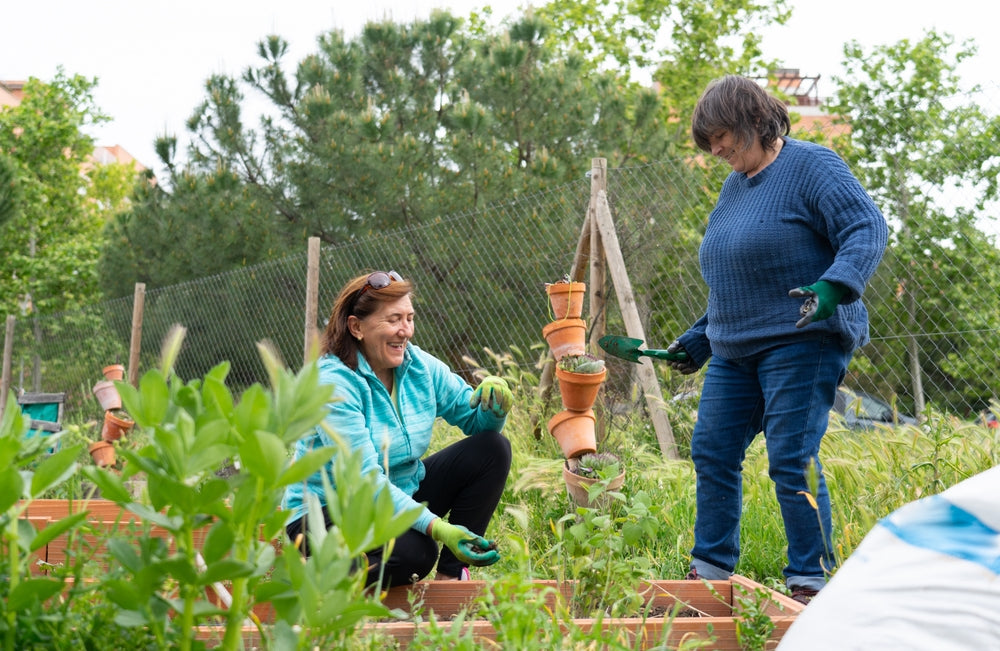
Community gardens are perfect places to experience urban gardening not just as a hobby, but as a tool for greater biodiversity and a greener cityscape. With urban gardening in community gardens, you make use of neglected plots, grass verges and tree pits to create wildflower meadows and herb islands that attract bees, butterflies and other beneficial insects. In this way, urban gardening serves not only your own harvest, but makes a genuine contribution to ecological connectivity within the city. Planters made from pallets and upcycled containers, or modular raised beds, create additional habitats and turn the urban garden into a vibrant mini-ecosystem in which many plants thrive alongside vegetables and fruit. By greening these spaces, a beautiful garden emerges in the heart of the concrete, improving the local microclimate and sustainably enhancing the urban environment.

A further benefit of community gardening: beginners can pick up invaluable tips and tricks on how to achieve more even in small plots. Vertical planting systems (vertical gardening) and creative containers such as modular window box systems can also be used in shadier parts of the garden to successfully grow perennials and ferns in a compact space. The combination of raised beds, pallets and vertical elements ensures that the beds are not only planted efficiently but remain visually appealing too. In this way, a simple community garden becomes an urban growing space that supplies delicious fruit and vegetables while making the cityscape greener.
Your steps in the community garden:
-
Choose planting areas (brownfield sites, grass verges, tree pits)
-
Create beds using raised beds or pallet modules
-
Use vertical systems for herbs and leafy vegetables
-
Garden sustainably: use compost & rainwater
-
Share knowledge and swap seeds as a community
With these ideas and methods, you will learn how urban gardening in community gardens works and how you can actively contribute to preserving biodiversity.
Why community gardens in particular?
-
Sharing resources: Tools, water and raised beds do not need to be sourced individually by every member.
-
Space efficiency: Urban gardening can be realised in a space-saving way across decentralised plots.
-
Knowledge transfer: Experienced gardeners share tips for growing tomatoes, basil and more.
-
Social connection: Community creates spaces for people to meet and strengthens neighbourly bonds.
Urban Gardening on the Balcony: Ideas for Small Spaces
Urban gardening can be practised even on the smallest balcony. With window boxes, planters and pot containers, you can create a variety of planting areas. When choosing suitable containers, make sure they offer sufficient volume to meet the nutritional needs of radishes, peppers or herbs. Vertical gardening with climbing tomatoes trained along a trellis rail, or hanging baskets planted with oregano and rosemary, makes excellent use of the available height.

FUXTEC Tip: The FUXTEC Cordless Sprayer FX-AD18 is ideal for watering your balcony plants evenly or applying organic plant protection products. It saves both time and water — perfect for gardening in a compact space.
Raised Beds and Vertical Systems in the Community Garden
Community gardens often provide space for larger raised beds. A raised bed requires less surface area than traditional row beds and warms up earlier in spring — ideal for urban gardening in city conditions. You can build raised beds from timber or stone in a central location. Our Cordless Combi Drill FX-E1SBS20 allows you to assemble the frames quickly and precisely. The FUXTEC Pruning Shears FX-AD20 help with cutting timber planks and branches for the bed edging.

Vertical planting systems on walls and fences take herbs and salad leaves to new heights:
-
Pallet garden: Fill old wooden pallets with pots.
-
Hanging pots: Attach with rope hangers to the balcony railing.
-
Modular planting columns: Use specialist systems to plant in a column format.
This way, even a small community garden can offer plenty of planting space and bring real variety into the mix.
Starting Your Community Garden Project
Setting up your own urban gardening project as a community requires planning. Look for suitable brownfield sites, tree pits or areas adjacent to existing green spaces, ideally in consultation with your local council. Lay out the plots on a simple grid and decide together on allocation, watering and a schedule. A FUXTEC Tipping Trolley FX-KW2175 makes it easy to transport soil, compost and tools between beds.
Start-up checklist:
-
Site assessment: hours of sunlight, soil quality, shaded spots
-
Partnerships: local council, neighbourhood groups, local initiatives
-
Resources: soil, compost, seeds, containers
-
Tools: garden trolley, wheelbarrow, multi-tool, sprayer
Sustainable Urban Gardening: Compost & Rainwater Harvesting
Sustainability plays a major role in community gardening. Leftovers from harvesting and pruning belong in the compost — this creates valuable humus for the following year. A FUXTEC Garden Waste Bin lets you collect organic waste cleanly and efficiently. Collecting rainwater using simple butts beneath downpipes saves mains water. A Sprayer FX-AD18 enables targeted watering directly to the roots, without waterlogging your plants.
Guerrilla Gardening: Help Make Your Environment Greener
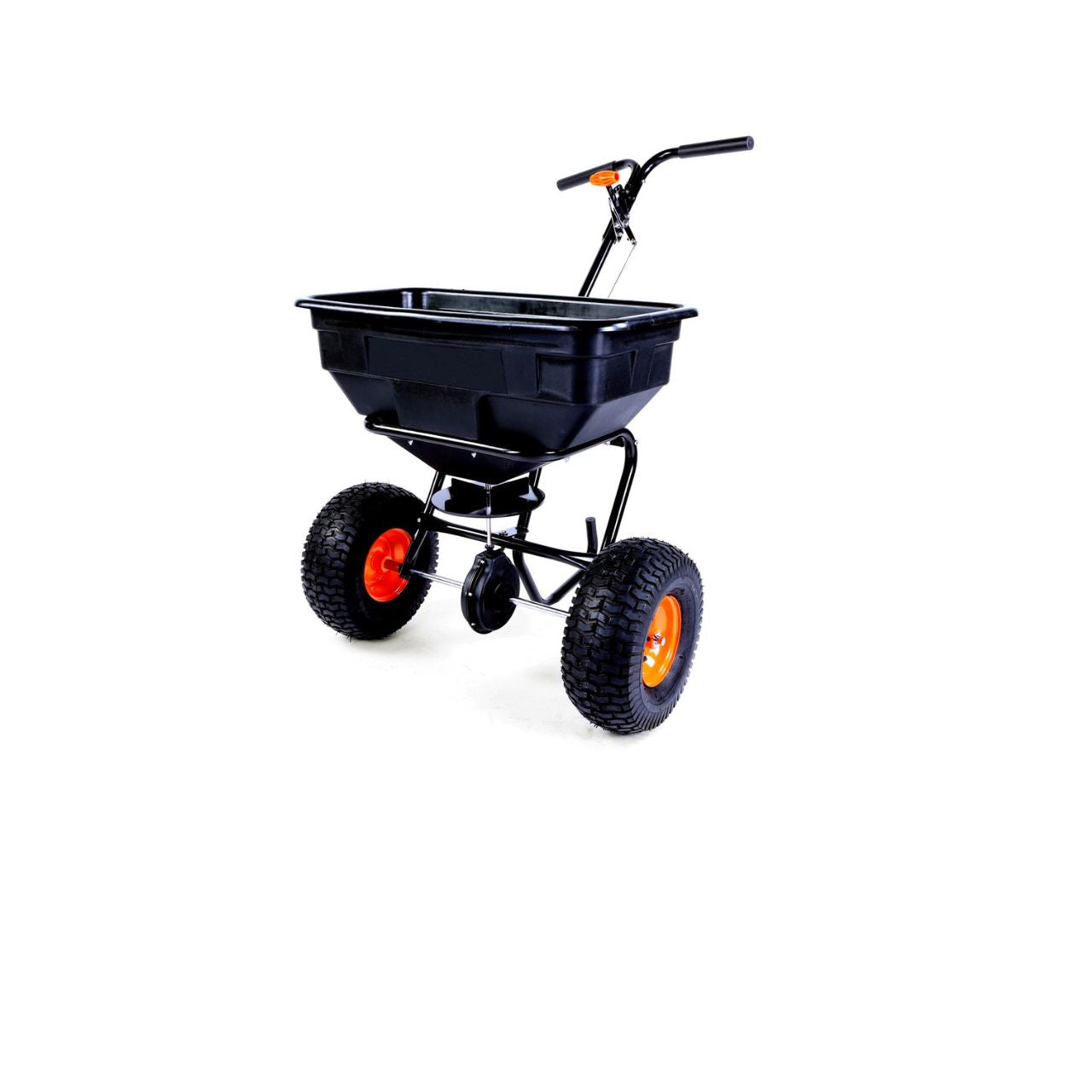
Guerrilla gardening means spontaneously planting on neglected urban spaces. Tree stumps, gaps along pavements or empty areas alongside car parks all lend themselves well. Use seeds for wildflowers or hardy vegetable varieties such as radishes and chard. A small Spreader FX-GS36S helps you sow seeds quickly. Unused grass verges — for example near an entrance or driveway to the community garden — are ideal spots. Do coordinate with others who also have access to these areas beforehand, and be aware that planting on land you do not own or have permission to use may require consent from the landowner or local authority.
Tips and Tricks for Beginners in the Urban Garden
-
Choosing containers: Look for good drainage and sufficient volume.
-
Seeds and young plants: Start with easy-to-grow vegetable and fruit varieties.
-
Create a care plan: Water regularly, feed with compost and check for pests.
-
Extend the season: Use cold frames or polytunnels in the community garden.
-
Share tools: Use FUXTEC cordless multi-tools and sprayers as a group to keep costs down.
Urban Gardening as Urban Farming
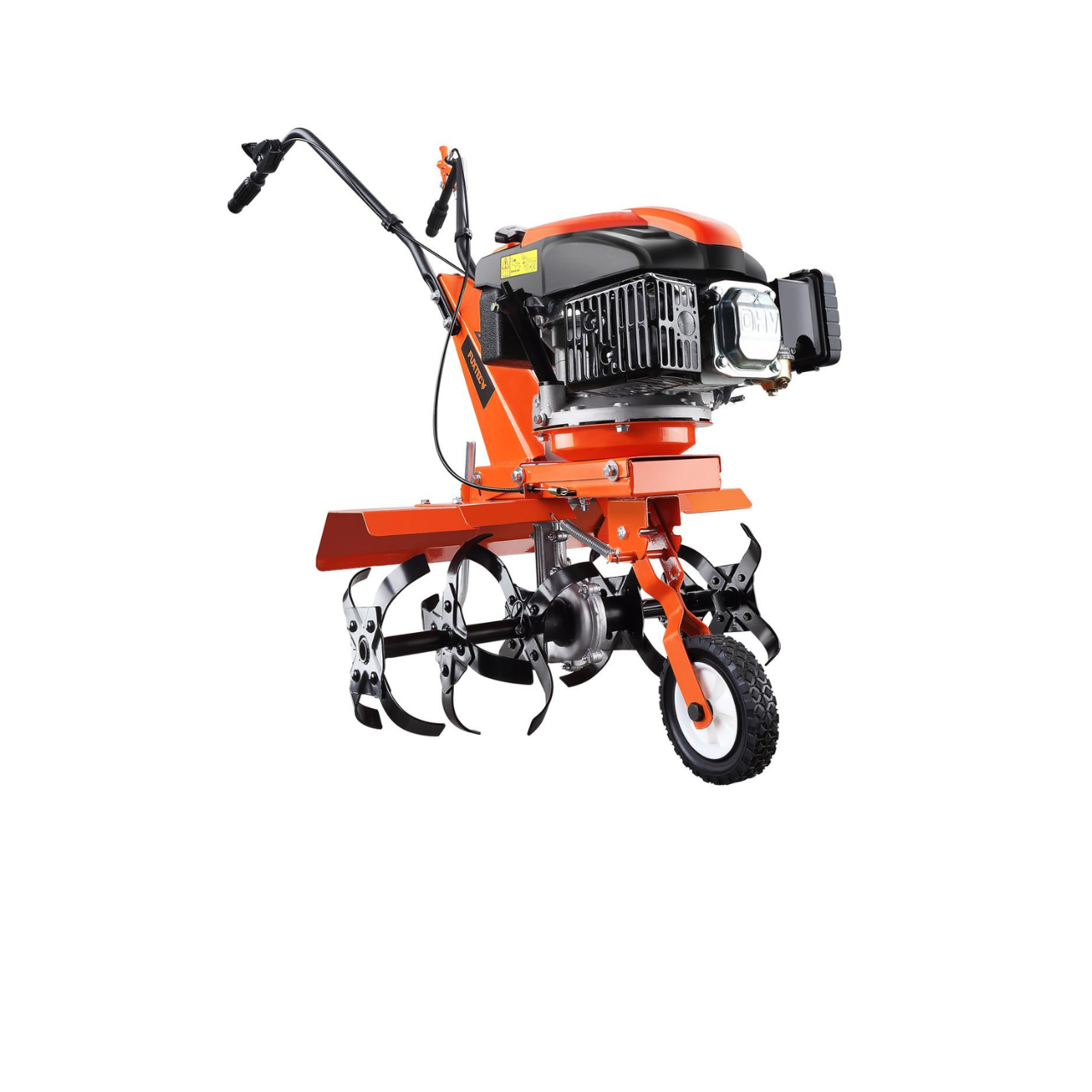
Urban farming is the next step beyond urban gardening: larger community plots are cultivated according to agricultural principles. Using systems such as raised bed arrangements and rotavators from FUXTEC, the soil can be prepared efficiently. Crops requiring more attention, such as chillies, peppers and tomatoes, thrive particularly well here. The harvest can be used directly at local farmers' markets or in community kitchens.
Conclusion: Creating Green Oases in the Heart of the City
Urban gardening means far more than a bit of greenery on the balcony. In community gardens, it develops into a social, ecological and creative project that transforms cities into more liveable and sustainable places. With space-saving ideas such as vertical systems, raised beds and shared growing areas, you actively contribute to the urban ecosystem. Use FUXTEC tools such as the Cordless Sprayer FX-AD18, the Spreader FX-GS36S and the Cordless Combi Drill FX-E1SBS20 to ensure your urban gardening project runs efficiently and enjoyably. The result: green oases in the city that enrich both your neighbourhood and the environment.
Discover our range of garden tools

What can I grow on a small balcony or patio?
You can grow a wide variety of plants on a small balcony using window boxes, planters and pot containers, including radishes, peppers, herbs like oregano and rosemary, and even climbing tomatoes on a trellis. The key is choosing containers with sufficient volume and making use of vertical space with hanging baskets and tall arrangements.
How do I start a community garden project in my neighbourhood?
Begin by assessing a suitable site such as a brownfield area, grass verge or tree pit, then consult with your local council and neighbourhood groups to get permission and support. Create a simple plan for plot allocation, establish a watering schedule, and gather resources like soil, compost, seeds and tools before launching your project.
What are the main benefits of joining a community garden?
Community gardens allow you to share resources like tools and water, learn growing techniques from experienced gardeners, make efficient use of small urban spaces, and build social connections with your neighbours. They also contribute to local biodiversity by attracting beneficial insects and improving the urban microclimate.
How do vertical gardening systems help in small spaces?
Vertical gardening systems such as pallet gardens, hanging pots and modular planting columns allow you to grow herbs, leafy vegetables and trailing plants upwards rather than outwards, maximising planting area in minimal floor space. This method is ideal for balconies, fences and walls in community gardens.
What sustainable practices should I use in urban gardening?
Create your own compost from harvest leftovers and plant trimmings, install rainwater collection butts to reduce mains water use, and water plants directly at the roots to avoid waste. These practices ensure your urban garden is environmentally responsible and cost-effective.
Can I do guerrilla gardening on public land?
Guerrilla gardening on neglected spaces like grass verges and tree stumps is possible, but you should coordinate with others and seek permission from the landowner or local authority first, as planting without consent may not be legally permitted. This ensures your gardening efforts are welcomed by the community.
More articles about garden care
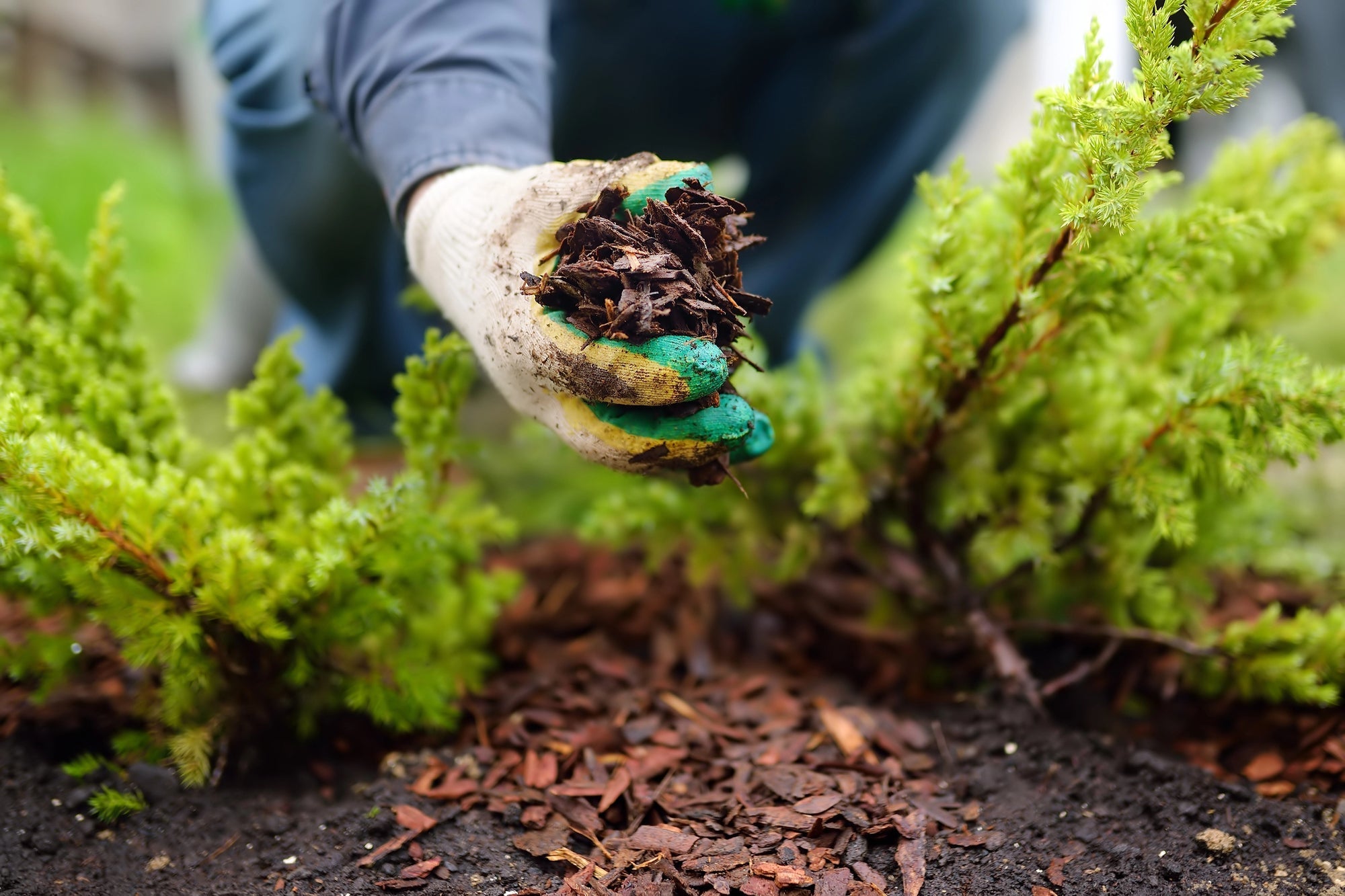
Mulchen mit Pinienrinde: So nutzt du organischen Mulch, um Unkraut zu verhindern
Das Mulchen mit Pinienrinde gehört zu den effektivsten Methoden im modernen Gartenbau und in der nachhaltigen Landwirtschaft. Dabei wird eine Schicht Mulchmaterial auf die Bodenoberfläche aufgebrac...

Bodenverbesserung im Garten: So verbesserst du deinen Gartenboden im Frühjahr für gesunde Pflanzen
Inhaltsverzeichnis Warum Bodenverbesserung im Garten im Frühjahr so wichtig für einen gesunden Gartenboden ist Gartenboden nach dem Winter prüfen: Bodenstruktur, Verdichtung und Bodenart erke...
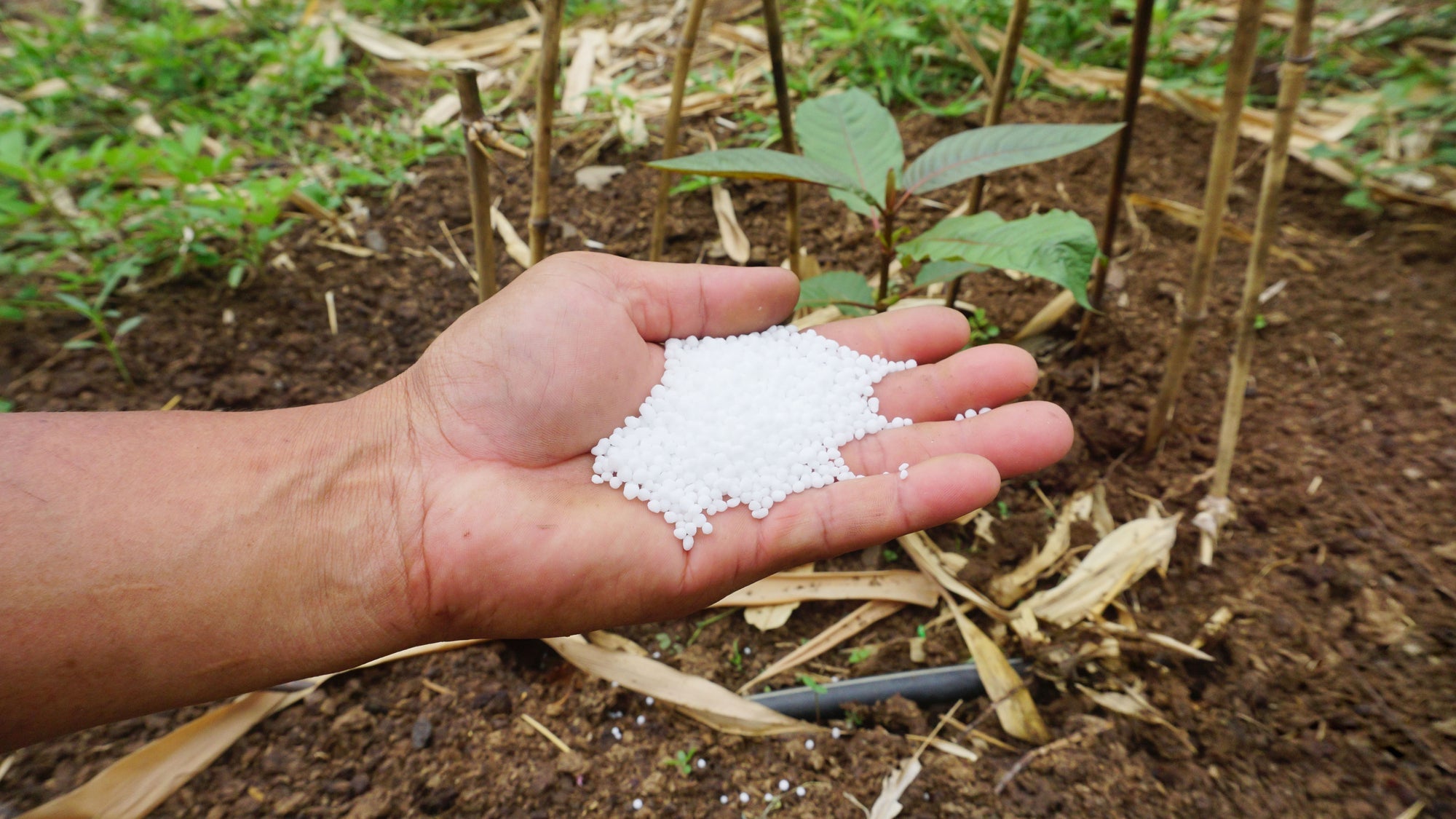
Richtig Düngen im Garten: Schritt für Schritt erklärt
Inhaltsverzeichnis Warum Düngen im Garten so wichtig ist Bodenanalyse: Grundlage für die richtige Düngung Organische vs. mineralische Dünger: Was ist besser? Kompost, Hornspäne & Co.: Organi...


