




Milpa Bed: Grow Maize, Beans & Squash Together
-
Was ist ein Milpa-Beet?
-
Die drei Schwestern: Mais, Bohne und Kürbis im Zusammenspiel
-
Warum eine Mischkultur aus Mais, Bohnen und Kürbis so gut funktioniert
-
Standort und Boden richtig vorbereiten
-
Milpa-Beet anlegen: Schritt für Schritt
-
Pflege der Milpa-Beete im Sommer
-
Milpa-Beet Ernte
-
Fazit: Milpa als nachhaltiges Gartensystem
The idea behind the milpa bed is several centuries old and yet remarkably relevant today. The Maya were already using this growing system to secure the long-term food supply of their civilisation and keep the soil fertile for many years. Unlike single-crop cultivation, three plants took centre stage here, deliberately grown together in the same plot and complementing one another.
This principle can easily be applied to your own garden today, provided you understand why each plant in the system fulfils a specific function. That is precisely the key difference between a conventional vegetable bed and a properly functioning milpa companion planting scheme.
In this FUXTEC gardening guide you will learn not only how to create a milpa bed, but also why certain steps are essential. We explain the role that soil, timing and planting distances play, and why this Mesoamerican growing system continues to impress in the modern kitchen garden.
What is a milpa bed?
The word milpa comes from the Nahuatl language. It roughly translates as "nearby field", which already describes its original purpose: the bed should be easy to reach and reliably provide food.
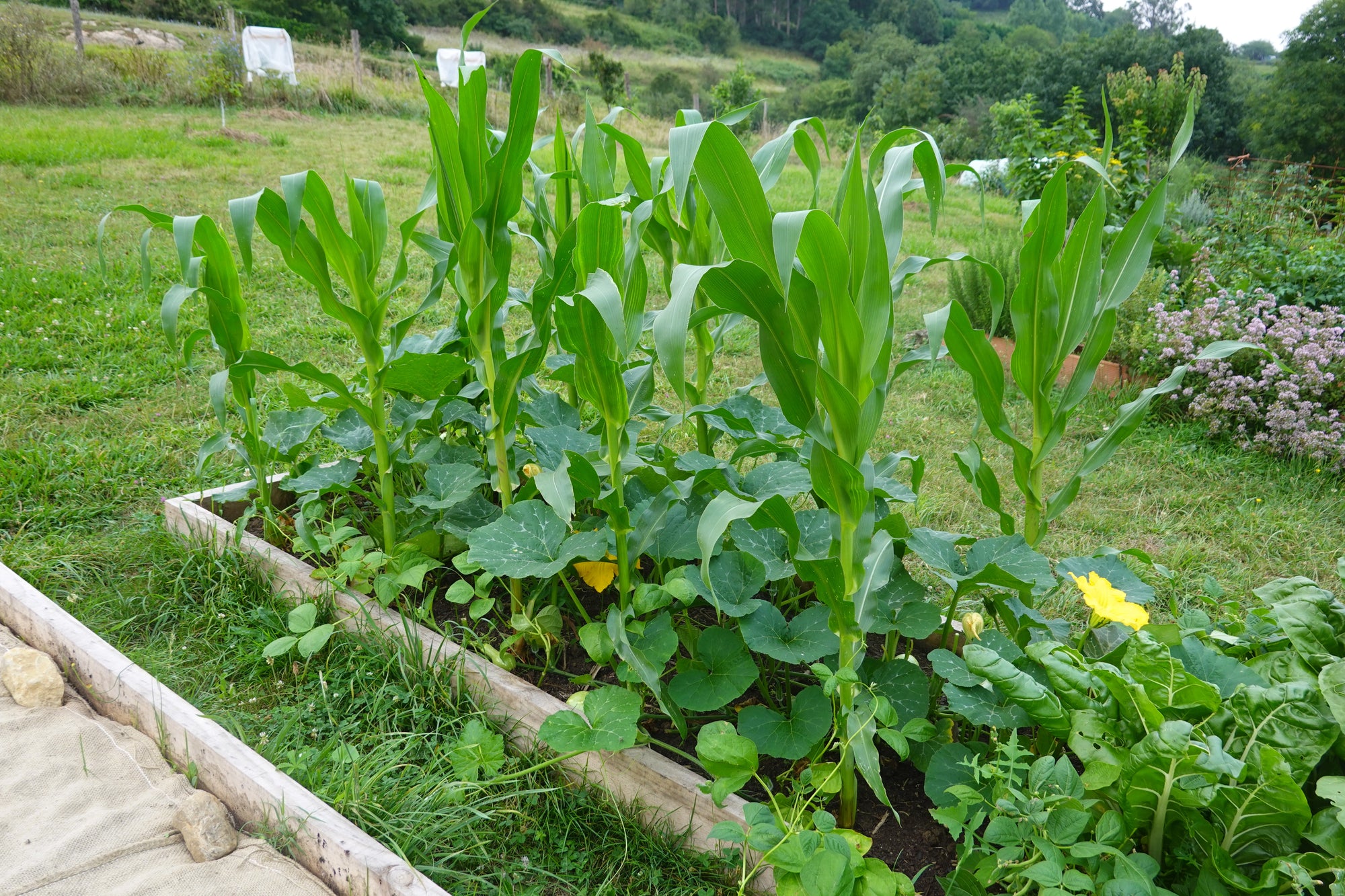
A milpa bed is, however, much more than just a location. It is a carefully considered growing system in which three vegetable plants are deliberately cultivated together. Maize, beans and squash do not grow side by side by chance, but in a clear sequence and spatial arrangement. The aim is a stable symbiosis in which each plant takes on tasks that benefit the others.

The system is also known as the Three Sisters bed or Native American bed. What all variations share is the ambition to keep the soil permanently fertile without exhausting it through intensive monoculture.
The Three Sisters: maize, beans and squash working together
Maize: the structural backbone of the bed
Maize forms the backbone of the planting. The maize plants grow upright, sturdy and deep-rooted. A single maize plant fulfils several functions: it makes optimal use of light at height whilst simultaneously providing a natural climbing support.
Maize serves as a climbing frame for the beans, with no additional structures needed. For this partnership to work, the maize must already be well established before the beans begin their rapid growth. The correct timing of indoor sowing is therefore crucial.
Beans: living soil improvers
Beans are legumes and play a key role in the milpa system. They form a symbiosis with rhizobium bacteria that fix nitrogen from the air and make it available to plants. This nitrogen is not only available to the bean plants themselves, but also supports the maize and squash.
In addition, beans loosen the soil through their root system and promote humus formation. Climbing beans are particularly suitable, as they grow vertically and make optimal use of the maize plants without competing with them for space.
Squash: systematic ground cover
The squash plants take on the role of soil guardian in the milpa bed. Their large leaves spread out across the ground, shading the soil. This reduces evaporation, retains moisture for longer and suppresses unwanted weeds.
The squash covers the ground completely, shades it further and protects it from drying out and erosion. This characteristic makes it a central element of the companion planting scheme.
Why a companion planting scheme of maize, beans and squash works so well
The classic Three Sisters combination of maize, beans and squash makes particularly efficient use of resources. Maize and beans do not compete for the same space in the soil, whilst squash and beans complement each other functionally. Maize and squash in turn benefit from the improved soil structure that the beans create.
This companion planting scheme reduces maintenance, saves space and delivers reliable yields. Together, maize, beans and squash form a system that largely regulates itself — a great advantage for amateur gardeners.
Preparing the right location and soil
A milpa bed requires a sunny, sheltered spot. The soil should be loose, nutrient-rich and free-draining. A high proportion of organic matter is particularly important, as all three vegetable crops are hungry feeders.
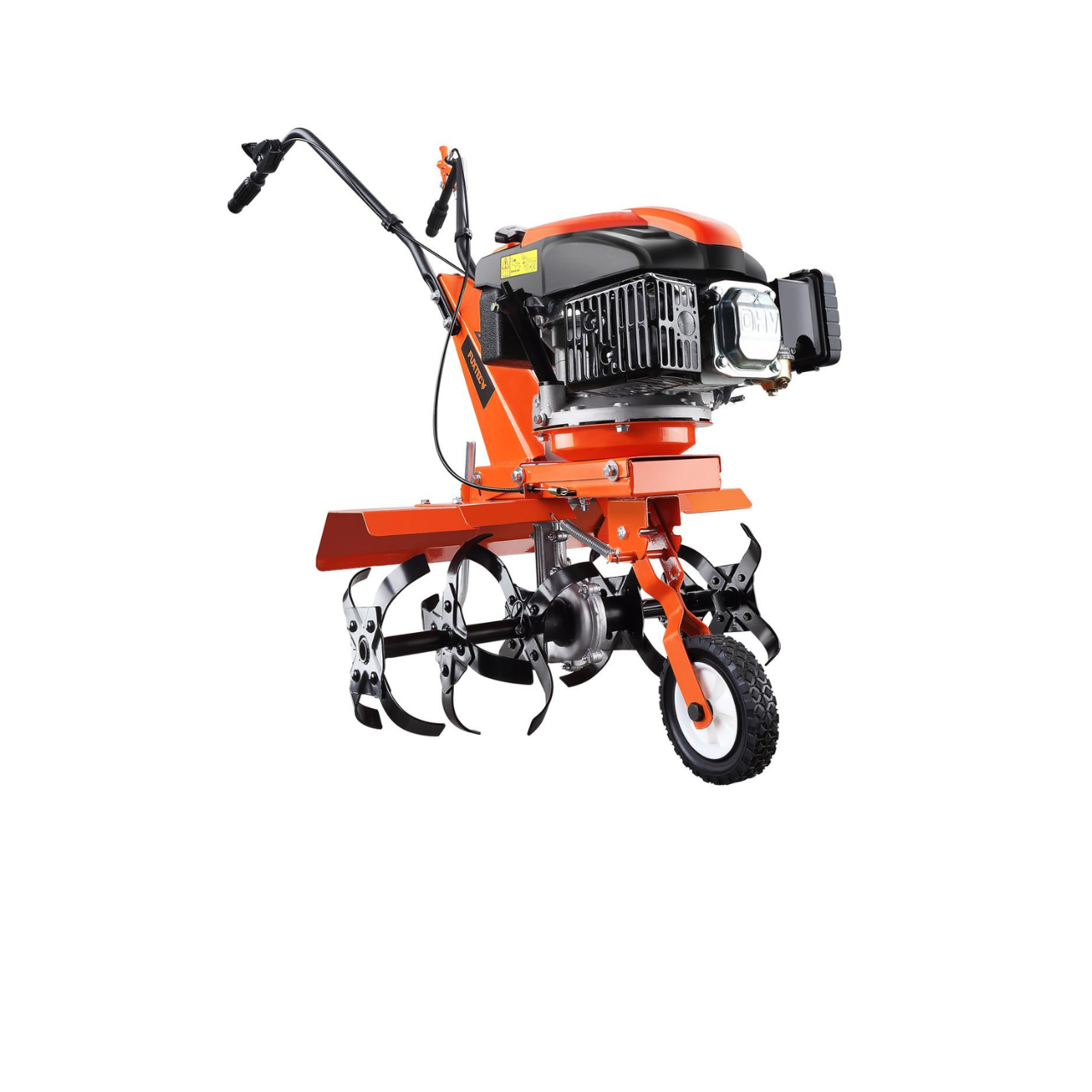
Historically, the ground was prepared by slash-and-burn to release nutrients. In a home garden, this is replaced by well-rotted compost, mulch or other organic soil improvers. For larger beds in particular, a FUXTEC rotary tiller makes loosening and preparing the soil considerably easier.
Creating a milpa bed: step by step
When creating a milpa bed, the aim is not to get as many plants into the ground as possible at once, but to respect the growth rhythm of each crop. The system only works if the sequence is right.
Suitable varieties for a stable milpa bed
Variety selection is a key factor for success. The maize should be sturdy but not extremely tall. Medium-growing sweetcorn or popcorn varieties have proved themselves well.
For beans, climbing varieties are particularly well suited. Colourful types such as runner beans or purple climbing beans are easier to spot in a dense stand. Dwarf beans are unsuitable for this system as they do not make use of the vertical structure.
For squash, compact-growing varieties such as Hokkaido (Red Kuri) or smaller butternut types are ideal. Vigorous spreading giant varieties would upset the balance in your milpa bed.
Sowing maize indoors
Maize is sown first, as it needs a longer development time. Sowing indoors begins from April, ideally individually in pots. This produces strong young plants that can later be transplanted without difficulty.
Planting out and bed structure
Once the risk of frost has passed, the maize plants are set out in the bed — usually from mid-May onwards. The planting distance should be generous enough to keep the plants stable as they grow. The maize now forms the central framework on which the other crops will climb.
Planting squash
After the maize, the squash is planted. It needs plenty of room as it spreads across the ground. The aim is for the beans and squash together to occupy the lower area of the bed without crowding one another out. As a rule, one squash plant is sufficient for several square metres.
Sowing beans
Only once the maize and squash are established are the beans sown. Sowing the beans directly into the bed is important, as they grow very quickly. Three bean seeds are pushed into the soil in a circle around each maize plant. This prevents the beans from smothering the maize before it is firmly established.
Caring for the milpa bed in summer
Regular weeding is necessary at the start. Once the plants are larger, they take over this task themselves. The soil should be kept evenly moist, particularly during the growing phase of the maize and squash. Consistent watering is essential, especially for maize and squash. FUXTEC watering solutions make this easy to manage efficiently.
Individual pests can appear, but serious problems are rare. Overall, milpa beds are considered resilient and low-maintenance. The biggest threat to your milpa bed is slugs. You can find advice on dealing with them in our FUXTEC gardening guide "Controlling slugs in the garden: effective methods against slugs and snails".
Milpa bed harvest
In a milpa bed you do not harvest everything at once, but gradually over several weeks. The beans are usually ready first. They can be picked regularly — the more often you harvest, the more new pods the plant produces. Any surplus can easily be frozen or stored as dried beans.
The maize is ready when the cobs are well filled and the silks have turned brown. This is when it tastes sweetest. It is best used promptly, as the sugar content decreases quickly after harvesting.
The squash ripens last. It is harvested when the skin is firm and the stalk looks dry. Stored correctly, it will often keep for several months. Your milpa bed will therefore provide food not just throughout summer, but well into autumn and beyond.
Conclusion: milpa as a sustainable gardening system
The milpa bed is not a short-lived trend, but a proven system. It combines centuries-old knowledge with modern gardening practice. Anyone who deliberately grows maize, beans and squash together creates a stable ecosystem that preserves the soil, reduces maintenance and secures yields over the long term.
At FUXTEC we have found that this form of companion planting is particularly well suited to gardeners who think sustainably and want to keep their soil healthy in the long run. At the same time, the milpa principle can be applied to smaller spaces — for example in raised beds or structured urban gardens. This makes the milpa bed an excellent choice for urban gardening, where space is used efficiently and soil resources are conserved.
Discover our range of garden tools
Why do maize, beans and squash grow well together in a milpa bed?
Each plant serves a specific function in the system. Maize provides a sturdy climbing support for beans, beans fix nitrogen in the soil to feed all three plants, and squash leaves shade the ground to retain moisture and suppress weeds. Together they create a stable ecosystem where each plant benefits from the others.
When should I sow maize for a milpa bed?
Maize should be sown indoors from April onwards, ideally in individual pots, as it needs a longer development time. The seedlings are then transplanted outdoors from mid-May once the risk of frost has passed, allowing the maize to be well established before the beans begin growing rapidly.
What size should my milpa bed be?
A milpa bed can be as small as a raised bed or as large as you have space for, as the system works efficiently in compact spaces. One squash plant typically needs several square metres to spread, and the spacing between maize plants should be generous enough to keep them stable as they grow.
How much do I need to water and weed a milpa bed?
Regular weeding is necessary at the start, but once the plants are larger they suppress weeds themselves. The soil should be kept evenly moist, particularly during the growing phase of maize and squash, with consistent watering being essential for success.
What varieties of maize, beans and squash work best for milpa?
For maize, choose sturdy medium-growing varieties such as sweetcorn or popcorn. For beans, use climbing varieties like runner beans or purple climbing beans as dwarf varieties cannot utilise the vertical structure. For squash, select compact-growing varieties such as Hokkaido or smaller butternut types rather than vigorous spreading giants.
When can I harvest from a milpa bed?
Beans are usually ready first and can be picked regularly throughout the season. Maize is ready when the cobs are well filled and the silks have turned brown. Squash ripens last and is harvested when the skin is firm and the stalk looks dry, often storing for several months.
Do milpa beds need special soil preparation?
The soil should be loose, nutrient-rich, free-draining and high in organic matter, as all three crops are hungry feeders. Add well-rotted compost, mulch or other organic soil improvers to prepare the bed, and choose a sunny, sheltered location for best results.
More articles about garden care
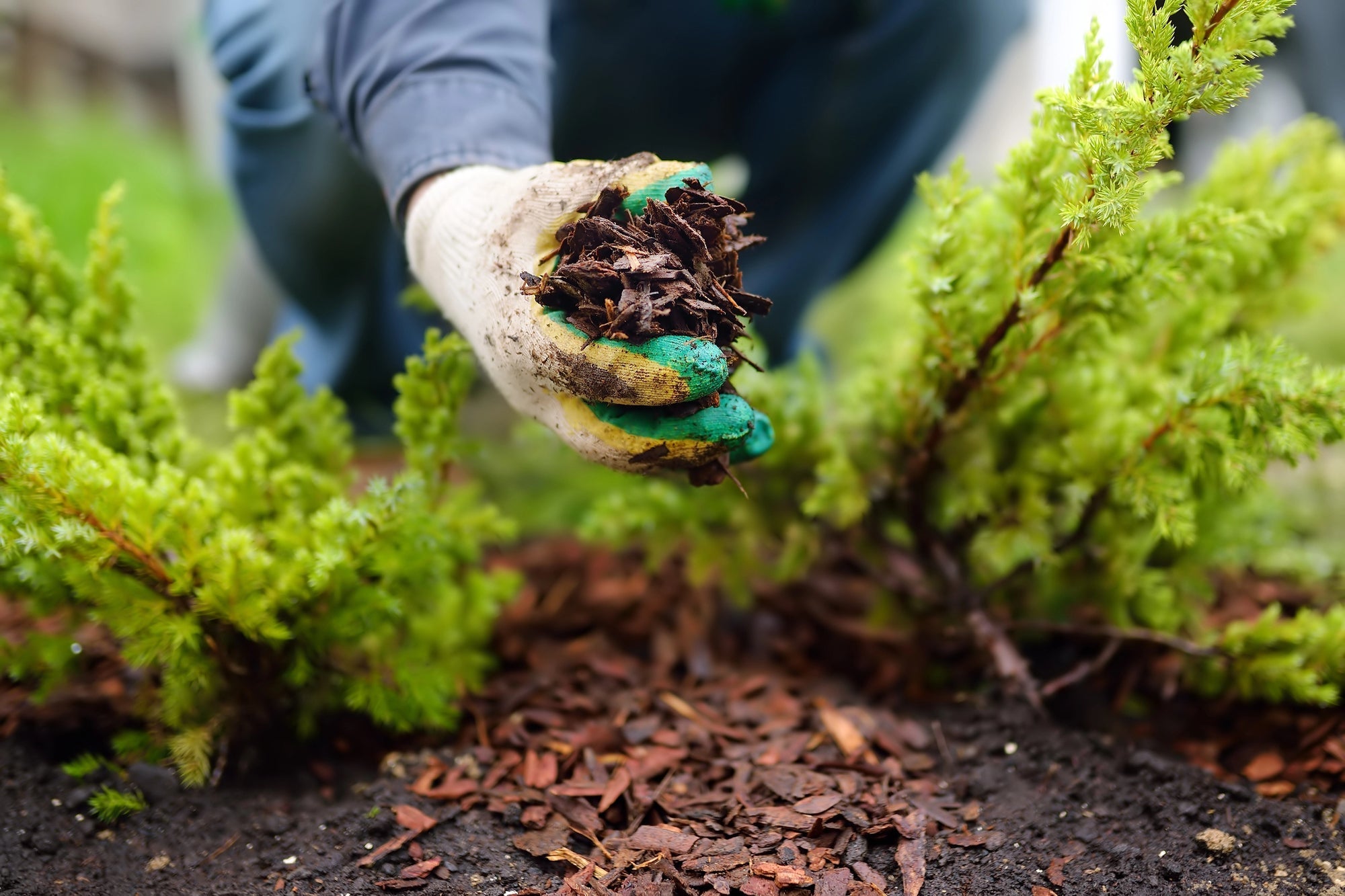
Mulchen mit Pinienrinde: So nutzt du organischen Mulch, um Unkraut zu verhindern
Das Mulchen mit Pinienrinde gehört zu den effektivsten Methoden im modernen Gartenbau und in der nachhaltigen Landwirtschaft. Dabei wird eine Schicht Mulchmaterial auf die Bodenoberfläche aufgebrac...
Bodenverbesserung im Garten: So verbesserst du deinen Gartenboden im Frühjahr für gesunde Pflanzen
Inhaltsverzeichnis Warum Bodenverbesserung im Garten im Frühjahr so wichtig für einen gesunden Gartenboden ist Gartenboden nach dem Winter prüfen: Bodenstruktur, Verdichtung und Bodenart erke...
Richtig Düngen im Garten: Schritt für Schritt erklärt
Inhaltsverzeichnis Warum Düngen im Garten so wichtig ist Bodenanalyse: Grundlage für die richtige Düngung Organische vs. mineralische Dünger: Was ist besser? Kompost, Hornspäne & Co.: Organi...


