

Sustainable Gardening: Eco-Friendly Tips for UK Gardens
- 1. Nachhaltigkeit im Garten: Warum ökologisches Gärtnern so wichtig ist
- 2. Wasser sparen im Garten: Regenwasser sammeln & umweltfreundliche Bewässerung
- 3. Kompost anlegen & Dünger sparen: Bodenpflege für den naturnahen Garten
- 4. Umweltschonende Gartenarbeit: emissionsarme Geräte & effizientes Gärtnern
- 5. Plastik & Torf vermeiden: Plastikfrei gärtnern mit natürlichen Pflanzgefäßen
- 6. Unkraut natürlich bekämpfen & Mulchen
- 7. Naturnahe Bepflanzung: Heimische Pflanzen, Mischkultur & Artenvielfalt
- 8. Lebensräume schaffen: Unterschlupf & Nahrung für Vögel und Nützlinge
- 9. Gartenmöbel & Accessoires: Umweltfreundlich wählen
- 10. Jahresplan für den ökologischen Garten: Pflanzenschutz, Pflege & Schnitt
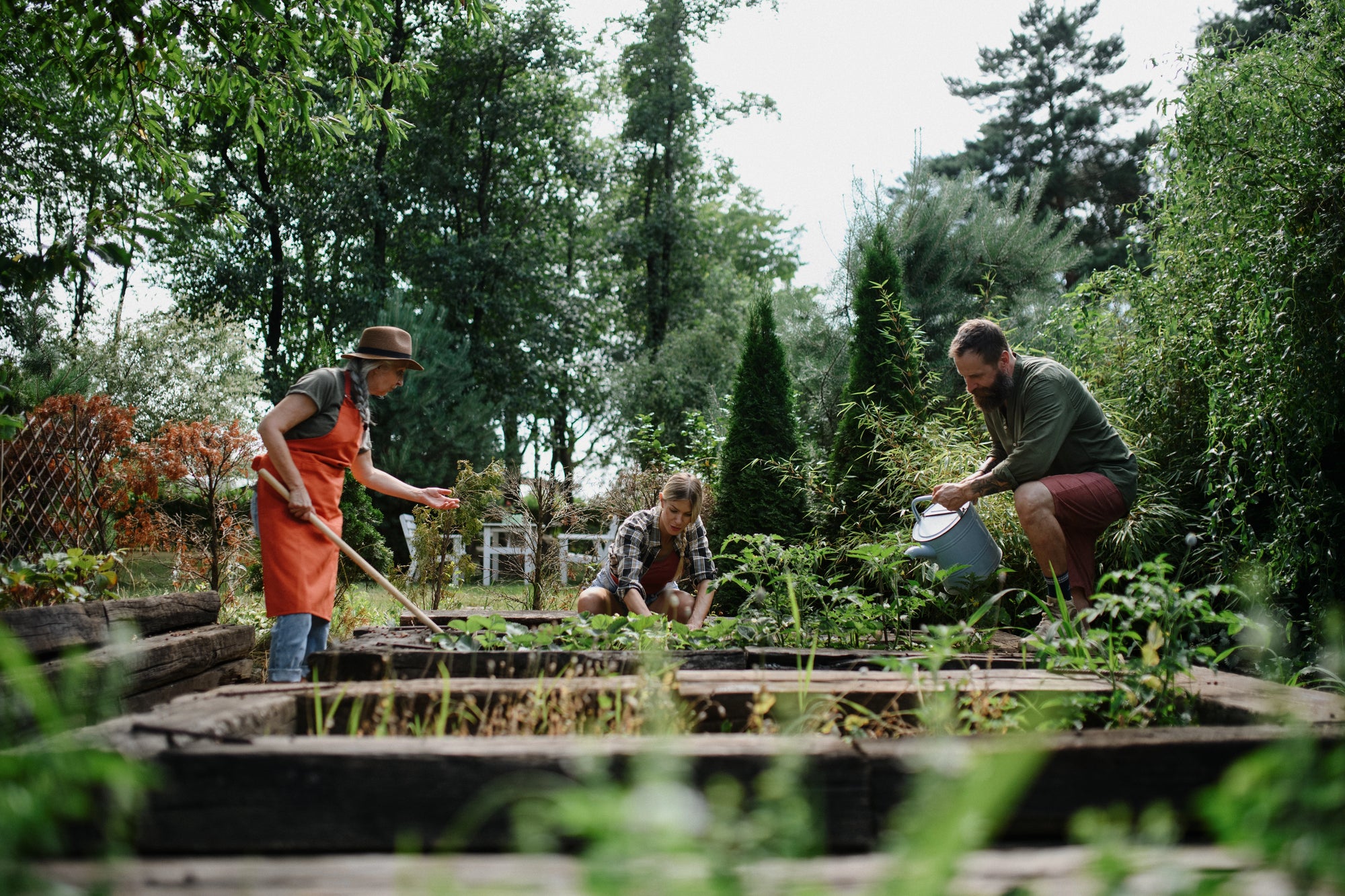
Sustainable gardening means designing your garden in a way that conserves resources, promotes biodiversity, and remains easy to maintain. In this guide to sustainable garden design, you'll find tips for eco-friendly gardening — from clever rainwater harvesting and making compost to using environmentally friendly alternatives to peat and plastic. We'll show you how to create a green haven using nature-friendly planting schemes, native plants, and a conscious move away from pesticides, where bees, solitary bees, and hedgehogs find a home just as you find rest and relaxation. Save water, reduce waste, and design your garden sustainably with FUXTEC to enjoy truly ecological gardening for years to come.
1. Sustainability in the Garden: Why Eco-Friendly Gardening Matters

A sustainable garden conserves resources, creates a nature-friendly space, and strengthens the local ecosystem. Even in your own garden, you can implement a nature-inspired design that promotes biodiversity and provides habitat for a wide range of wildlife. By planning your garden with the environment in mind, you actively contribute to protecting solitary bees, annual summer flowers, and hedgehogs — all without the use of pesticides or peat. This approach to sustainable gardening transforms every bed into a blooming oasis and makes a real contribution to greater ecological balance. The result is your very own wildlife garden that thrives and flourishes over the long term.
2. Saving Water in the Garden: Collecting Rainwater & Eco-Friendly Irrigation
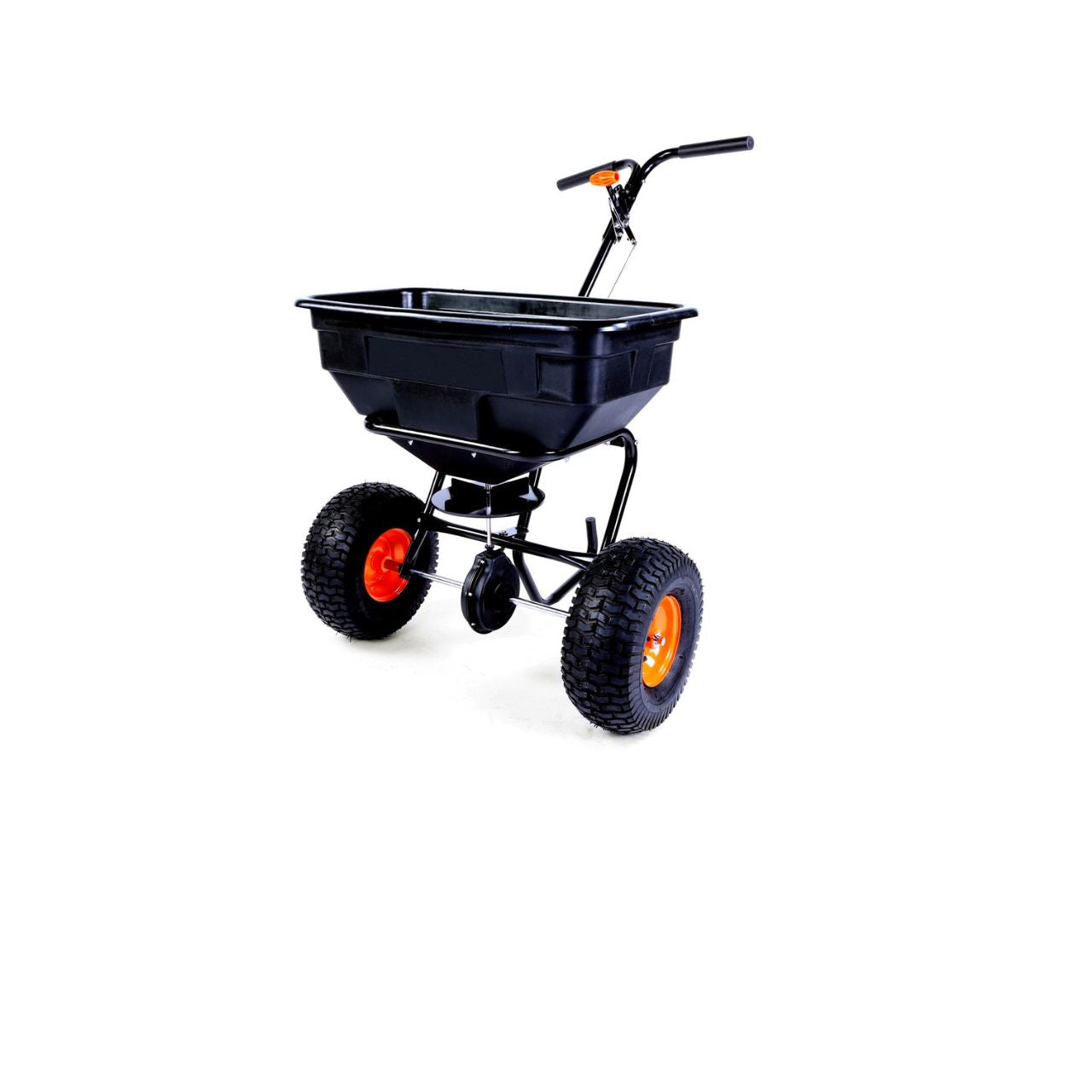
Rainwater is free and reduces evaporation. With a water butt and the FUXTEC water butt pump, you can ensure sustainable watering throughout the season. Drip lines laid beneath mulch prevent surface water loss and help beds and vegetables to thrive. This is ecological gardening at its most effective, minimising water consumption with minimal effort.
3. Making Compost & Reducing Fertiliser: Soil Care for a Nature-Friendly Garden
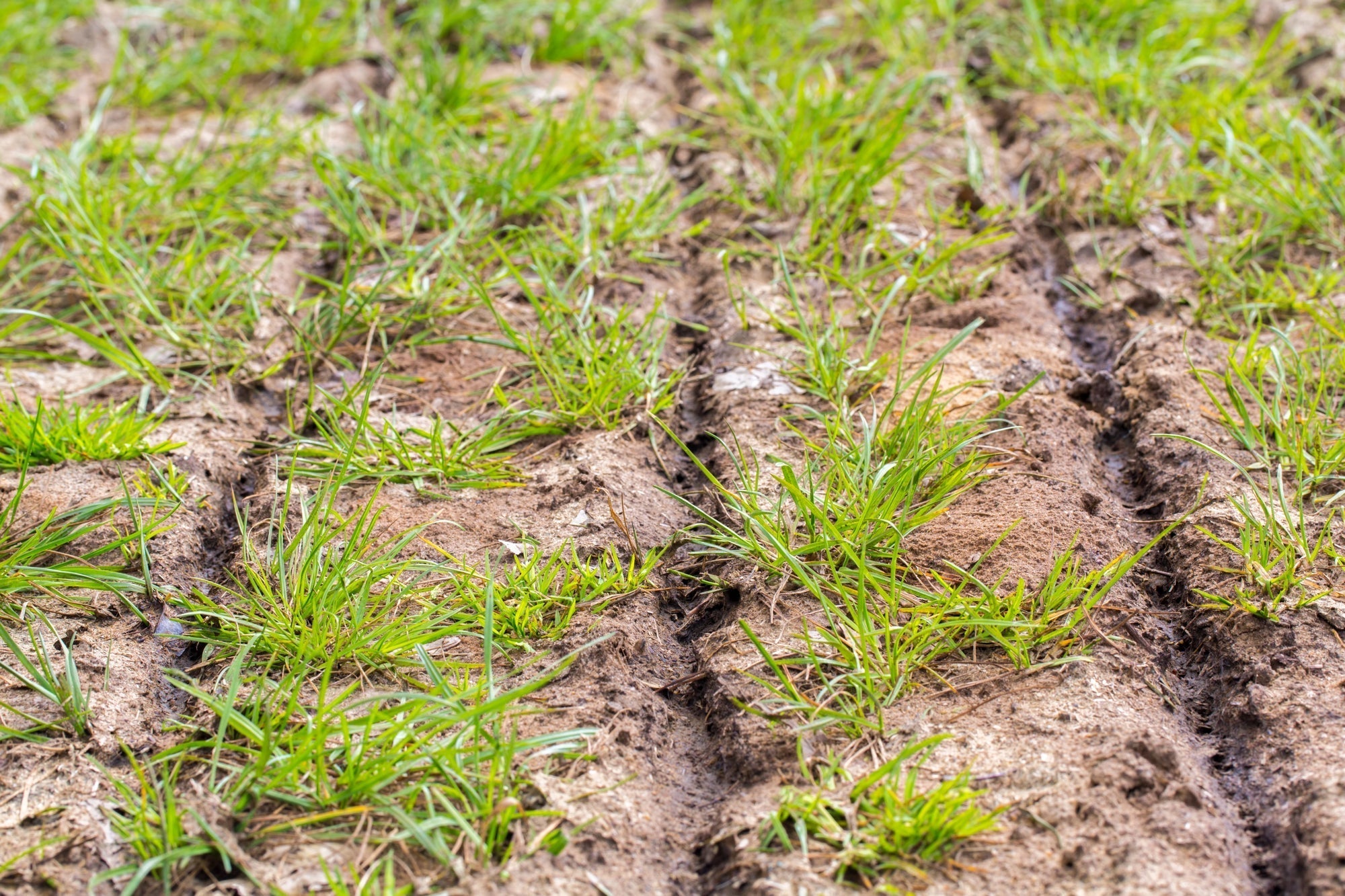
Your own compost heap turns organic waste into valuable humus. Collect kitchen and garden waste in the FUXTEC garden waste bin, mix it with leaves and shredded twigs, and support healthy, natural garden growth. Finished compost replaces chemical fertilisers and improves soil conditions over the long term. If you're planning to grow fruit trees, compost will reliably nourish the roots and prepare the soil for a bumper harvest.
4. Environmentally Friendly Gardening: Low-Emission Tools & Efficient Methods

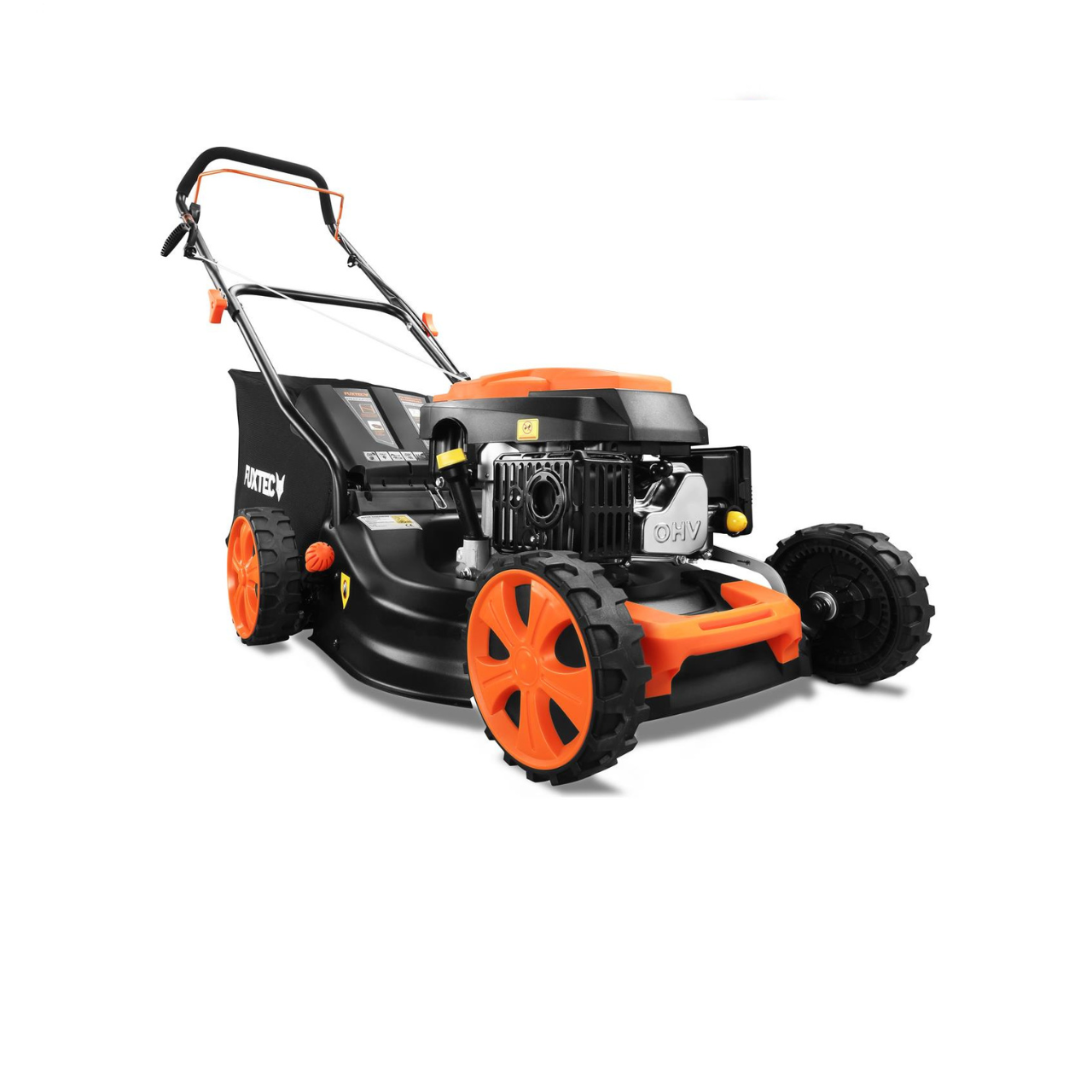
Reduce your CO₂ emissions by using battery-powered tools such as the FUXTEC grass trimmer for neat lawn edges. Instead of chemical pesticides, opt for mechanical weeding and trim your hedge with a FUXTEC hedge trimmer — emission-free and effortless. This keeps your gardening environmentally responsible and low-effort. At the same time, you allow beneficial insects unobstructed flight paths through your garden, which strengthens the natural cycle.
5. Avoiding Plastic & Peat: Plastic-Free Gardening with Natural Planters
Choose environmentally friendly alternatives to plastic pots and peat-based compost. Planters made from terracotta or coir allow moisture to evaporate, prevent waterlogging, and are ideal for balconies or patios. This lets you design your outdoor space sustainably and peat-free. These long-lasting containers mean you can use the same pots year after year, without having to buy new plastic ones.
6. Natural Weed Control & Mulching
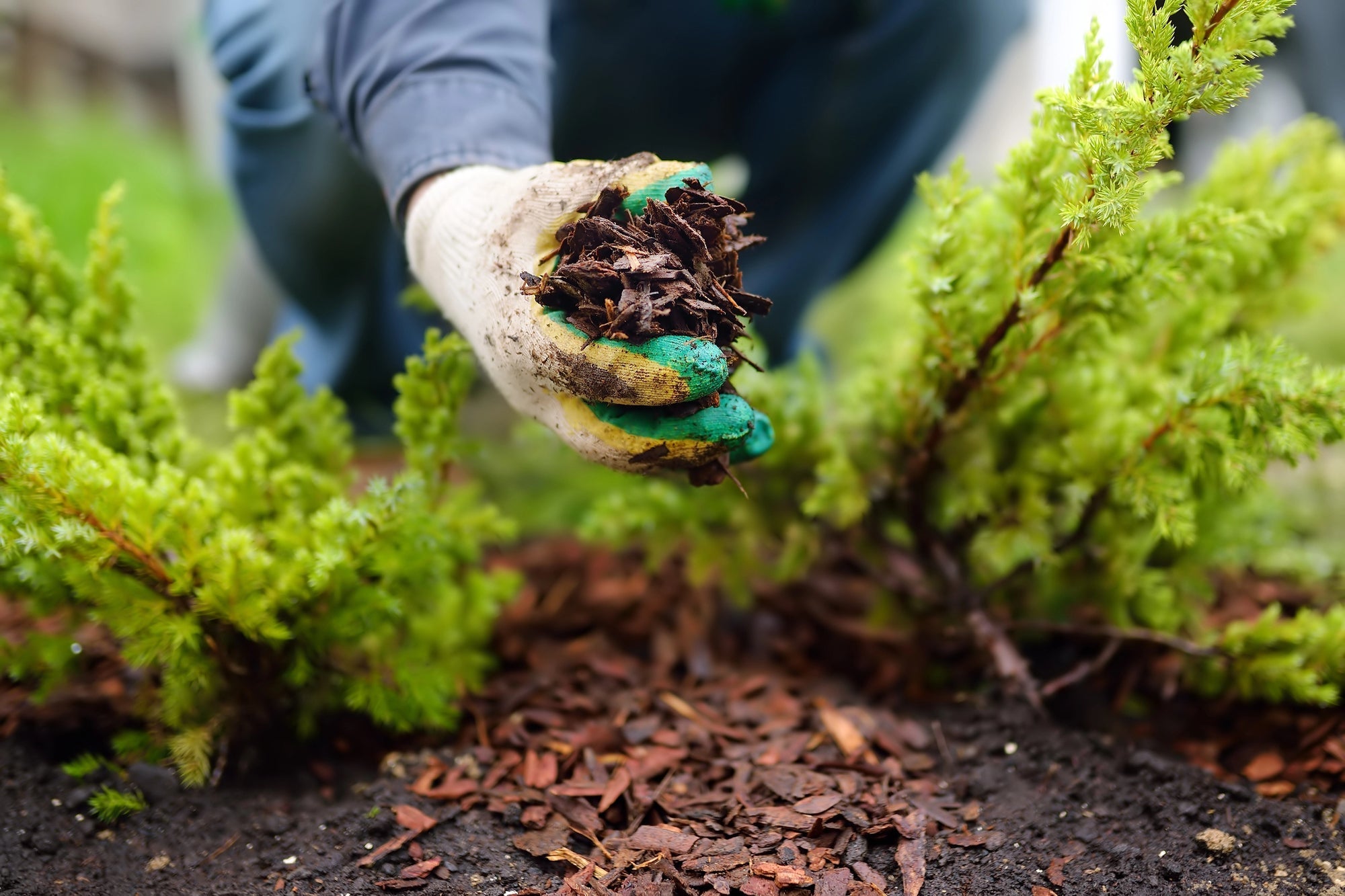
A thick layer of bark chip or wood chip mulch suppresses weeds and reduces weed seeds in the soil. Complement mulch with a weed-control membrane and create hedgehog hideaways from leaf piles as wildlife habitats. This embodies the principle of minimum effort, maximum effect. Applying nettle liquid feed to your plants strengthens them and reduces aphid infestations — no chemicals required.
7. Nature-Inspired Planting: Native Plants, Companion Planting & Biodiversity
Choose native plants — they are perfectly adapted to the UK climate and require very little maintenance.
They promote biodiversity, provide food for bees, bumblebees, butterflies, and birds, and bring your garden to life. Particularly recommended are:
-
Wild Teasel (Dipsacus fullonum): Biennial, flowering from July to September. A magnet for butterflies and solitary bees; in winter, goldfinches use the seedheads as a food source.
-
Meadow Clary (Salvia pratensis): Drought-tolerant and loves sunny spots. Its violet flowers are a feast for solitary bees and bumblebees.
-
Orange Coneflower (Rudbeckia fulgida): Robust, long-lived, and with vivid yellow flowers — a true eye-catcher and important for pollinating insects.
-
Orpine (Sedum telephium): Also known as livelong or stonecrop. Low-maintenance, hardy, and a late-season nectar source for insects well into autumn.
Tip: Plant these species in small groups (at least 3–5 plants per species). This helps insects navigate more easily and gives your beds a calmer, more cohesive look. Avoid non-native plants such as forsythia or cherry laurel — they often offer little benefit to native insects.
8. Creating Habitats: Shelter & Food for Birds and Beneficial Wildlife
Install insect hotels and log piles to attract wildlife such as bees, butterflies, and hedgehogs. Dense shrubs such as Cornus kousa var. and native hedging plants provide habitat for birds. A water feature and nectar-rich perennials will further support your local ecosystem. In this way, you nurture both plants and wildlife equally, enhancing the quality of life in your green space.
9. Garden Furniture & Accessories: Making Eco-Friendly Choices
Opt for weather-resistant modular wooden benches and upcycled pallet furniture rather than cheap plastic. Place a large planter filled with lavender beside your seating area to add fragrance and colour, and to attract insects with a valuable nectar source. This creates a green oasis where plants and wildlife coexist harmoniously.
10. Year Planner for the Ecological Garden: Plant Care, Maintenance & Pruning
Draw up a calendar: when to turn your compost heap, feed your beds, and carry out the annual rose pruning. Keep an eye on beds and lawns, and in autumn, collect fallen leaves efficiently using a compost bin or hot composter. This plan helps you structure your gardening in your nature-friendly space and ensures the health of all your plants. With the right approach, you can build a thriving garden — planted with the right species — and enjoy lasting biodiversity right on your doorstep.
Discover our range of garden tools
How do I start collecting rainwater for my garden?
Simply install a water butt to collect rainwater from your roof or guttering. You can then use a water butt pump to distribute this free water throughout your garden via drip lines or watering cans, reducing consumption and evaporation.
What native plants should I grow in a UK garden?
Wild Teasel, Meadow Clary, Orange Coneflower, and Orpine are excellent native choices that thrive in the UK climate and attract bees, butterflies, and other beneficial insects. Plant them in small groups of at least 3–5 per species for maximum impact.
Can I make my own compost at home?
Yes, collect kitchen and garden waste in a garden waste bin, mix it with leaves and shredded twigs, and let it decompose naturally. Your finished compost will replace chemical fertilisers and improve your soil's health over time.
What's the best way to control weeds without chemicals?
Apply a thick layer of bark or wood chip mulch with a weed-control membrane underneath to suppress weeds naturally. You can also use mechanical weeding methods and apply nettle liquid feed to strengthen plants and reduce pest infestations.
Should I use plastic pots or natural alternatives?
Choose terracotta or coir planters instead of plastic pots, as they allow moisture to evaporate and prevent waterlogging. These long-lasting containers can be reused year after year, eliminating the need for new plastic pots.
How can I attract hedgehogs and other wildlife to my garden?
Install insect hotels, log piles, and create leaf pile hideaways for hedgehogs. Dense native shrubs, a water feature, and nectar-rich plants like lavender will support your local ecosystem and encourage beneficial wildlife.
What battery-powered tools are best for eco-friendly gardening?
FUXTEC battery-powered tools such as grass trimmers and hedge trimmers reduce CO₂ emissions and are emission-free alternatives to petrol-powered equipment. They allow beneficial insects unobstructed flight paths through your garden while keeping maintenance effortless.
More articles about garden care
Mulchen mit Pinienrinde: So nutzt du organischen Mulch, um Unkraut zu verhindern
Das Mulchen mit Pinienrinde gehört zu den effektivsten Methoden im modernen Gartenbau und in der nachhaltigen Landwirtschaft. Dabei wird eine Schicht Mulchmaterial auf die Bodenoberfläche aufgebrac...
Bodenverbesserung im Garten: So verbesserst du deinen Gartenboden im Frühjahr für gesunde Pflanzen
Inhaltsverzeichnis Warum Bodenverbesserung im Garten im Frühjahr so wichtig für einen gesunden Gartenboden ist Gartenboden nach dem Winter prüfen: Bodenstruktur, Verdichtung und Bodenart erke...
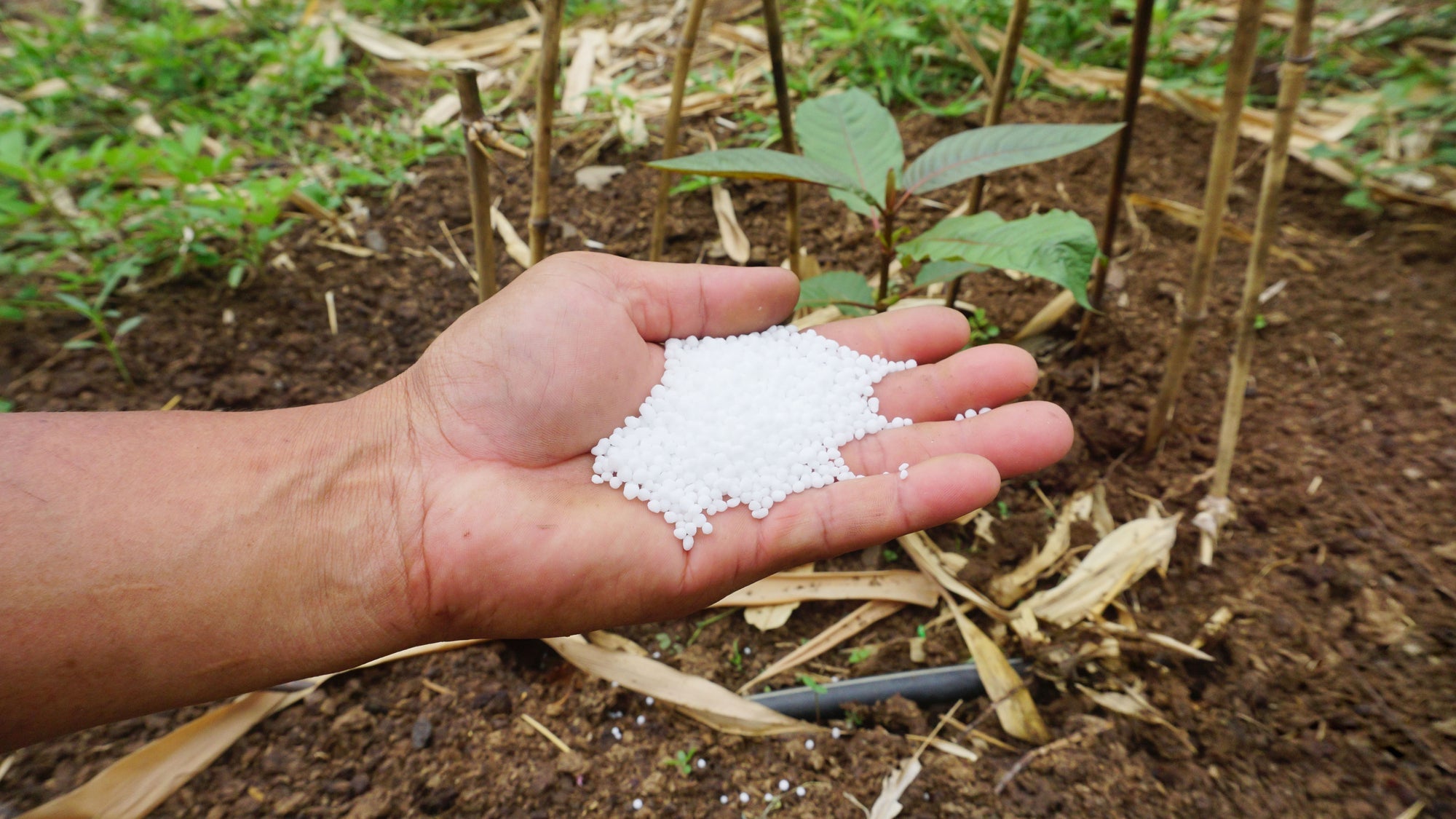
Richtig Düngen im Garten: Schritt für Schritt erklärt
Inhaltsverzeichnis Warum Düngen im Garten so wichtig ist Bodenanalyse: Grundlage für die richtige Düngung Organische vs. mineralische Dünger: Was ist besser? Kompost, Hornspäne & Co.: Organi...


