
Gestalte deinen Garten pflegeleicht mit Bodendeckern.
Low-Maintenance Garden: Tips & Ideas
- Gartengestaltung & Planung: Gartenarbeit mit wenig Aufwand
- Rasenfläche & Unkrautmanagement: Boden- & Flächenpflege
- Stauden und Bodendecker gegen Unkraut pflanzen
- Automatisierte Bewässerung & Wassersparen
- Werkzeug- & Geräteeinsatz: Gartenarbeit leichter machen
- Einfache Gartenpflege in jeder Jahreszeit
- Dekor & Ausstattung: Blühende Akzente und Wohlfühloasen
- Gestalte deinen pflegeleichten Garten einfach und individuell
A low-maintenance garden is entirely achievable without sacrificing colour and variety. With thoughtful garden design, careful plant selection, and clever use of technology, you can save time and money in the long run. In this guide, we share tips for a low-maintenance garden that thrives with minimal effort — a space where you can enjoy relaxed hours outdoors. Discover how to plan zones, choose the right plants, and install smart irrigation systems to make your garden easier to care for.
Garden Design & Planning: Less Effort, More Enjoyment
Assess Your Garden First
Before you begin making changes, carry out a thorough assessment of your garden. What is the soil like — sandy, clay, or loamy? Check the light conditions throughout the day and note where there is shade or full sun. Consider your existing water source as well. Mark any established shrubs, perennial borders, or containers so you can factor in their care requirements as part of your overall plan.
Divide Your Garden into Zones
Dividing your garden into distinct maintenance zones will help reduce the overall workload:
-
Easy-care areas: Gravel, mulch, and robust ground cover plants instead of lawn and delicate planting schemes.
-
Flower borders: Perennial beds with hardy plants such as peonies and hardy geraniums (cranesbill), which need only occasional cutting back.
-
Kitchen garden: Raised beds or containers for herbs and vegetables; minimal weeding thanks to mulch.
-
Relaxation area: A seating spot sheltered by evergreen shrubs or a hedge for privacy.
This clear garden layout allows you to target your resources and time more efficiently.
Lawn & Weed Management: Ground & Surface Care

Reduce Your Lawn Area
Lawn care takes up a great deal of time and water. Replace sections with:
-
Gravel garden areas planted with native rockery plants such as sedum or thyme.
-
Ground cover plants: Lady's mantle and daylilies form dense carpets, suppress weeds, and require very little trimming.
-
Gravel paths with weed-suppressing membrane underneath, to keep weeds at bay.
Bark Mulch Prevents Weed Growth
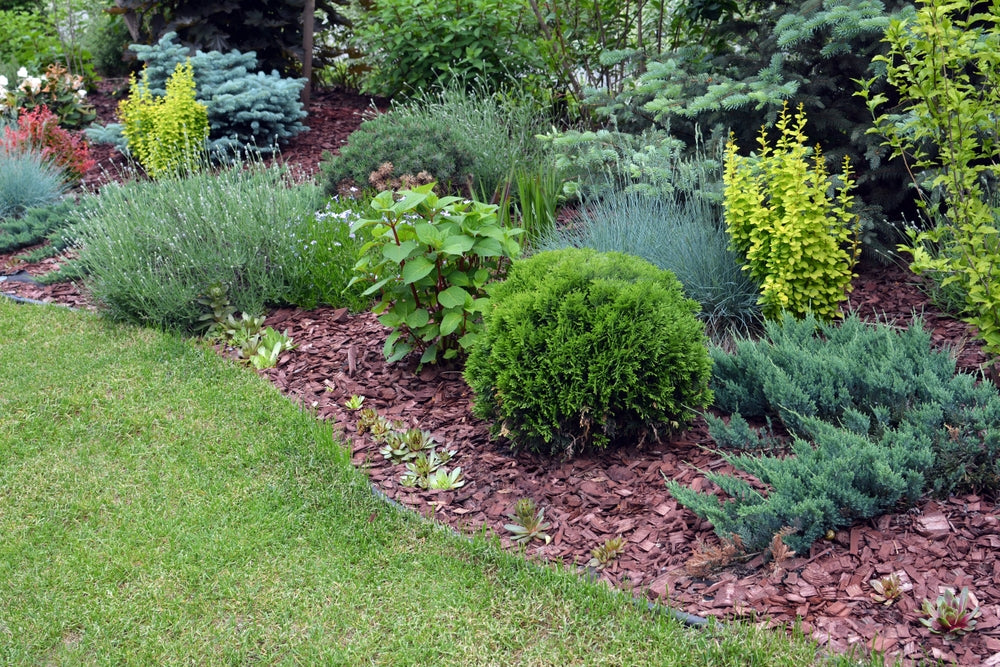
A mulch layer of bark chippings or compost retains moisture in the soil, encourages soil life, and reduces the need for additional feeding. Apply at least 5 cm of mulch and top it up annually. This cuts down on garden tasks such as weeding and watering, saving you both time and effort.
Planting Perennials and Ground Cover to Suppress Weeds
Perennials, Grasses & Ground Cover
Choose long-lived perennials such as peonies, hardy geraniums (cranesbill), and robust hardy grasses that put on new growth each year with very little attention. Plant young specimens in a suitable spot with well-cultivated soil so they can establish quickly and grow vigorously. Complement perennial borders with low-maintenance ground cover such as phlox subulata (creeping phlox) or saxifrage. These easy-care plants fill gaps quickly, suppress weed seeds, and mean you'll rarely need to weed. A few ornamental grasses or rushes at the border edge add visual interest and help retain moisture in the bed.

Shrubs & Hedges for Structure
Choose shrubs such as witch hazel (Hamamelis), magnolia, and Cornus kousa varieties, which provide colour and structure from early spring without needing regular pruning. For lasting privacy screening, native plants such as wild roses and privet hedges work particularly well. The combination of robust shrub roses and hardy shrubs creates colourful contrasts, while infrequent trimming keeps maintenance to a minimum.
Low-Maintenance Garden Concepts: Wildlife Garden & Wildflower Meadow Instead of a Traditional Lawn
A wildlife garden benefits greatly from a wildflower meadow: sow a colourful mix of annual wildflowers in spring, which will bloom through summer and can be cut back once in autumn. This meadow provides a permanent habitat for birds and insects, as well as beautiful colour in the garden. With minimal fertiliser and little watering, you save resources while creating a species-rich area that rarely needs re-sowing. For open areas without perennials, you could create a small gravel garden with individual rocks, where drought-tolerant herbs and annual flowers thrive and are almost completely care-free.
Automated Irrigation & Water Saving
Drip Irrigation & Timers
FUXTEC irrigation systems supply your plants with water via a soaker hose laid beneath the mulch. With programmable timers, you can schedule watering for exactly when it is needed, preventing overwatering.
Smart Solutions
Moisture sensors measure soil conditions and automatically regulate water flow. This means your garden practically looks after itself.
Tools & Equipment: Making Garden Work Easier
Hand Tools
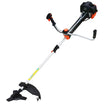
Choosing the right tools is essential for a low-maintenance garden. An ergonomic FUXTEC garden secateur makes cutting back roses and perennials much easier, without straining your back or wrists. The sharp blade allows you to neatly remove spent stems, encourage new growth, and save time in the garden. In addition, a cordless grass trimmer quickly tidies lawn edges and border margins, keeping your lawn looking neat and reducing weed encroachment.
Powered Garden Helpers
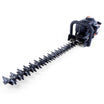
To keep larger shrubs such as magnolia or vigorous wild rose hedges in shape, the FUXTEC hedge trimmer is ideal: with a powerful motor and variable speed, you can match the cutting performance to the plant. This gives you clean, crisp edges with no touch-ups needed, as the electric drive does the hard work for you. A FUXTEC garden blower-vac collects fallen leaves in autumn and shreds them at the same time, ready for the compost bin — keeping your garden tidy, turning garden waste into valuable mulch, and contributing to a more natural, low-effort approach to gardening.
Easy Garden Care Through Every Season
Spring & Summer
In spring, start by checking the soil — take a handful and see whether it holds enough moisture. Enrich new beds directly with well-rotted compost, as the added nutrients support healthy growth. Make sure to cut roses back early so they break into strong, floriferous growth. Once the risk of frost has passed, apply a mulch layer to protect the soil from temperature fluctuations and prevent nutrients from being washed away. Every four to six weeks, remove spent flower heads and divide older perennials to maintain their vigour. These steps lay the foundation for a beautiful garden that will be in full bloom throughout summer.
Autumn & Winter
When the leaves fall in autumn, collect them in a compost bin or use them as a valuable mulch layer on your beds. This gives the soil time to break down organic matter into rich humus. Hardy shrubs such as Cornus kousa varieties will weather frosts better if you cover the root zone with a thick layer of straw or bracken. Protect tender young plants and spreading shrubs with fleece so they come to no harm and can put on strong growth again the following spring. With minimal effort, your garden can remain easy to manage through the colder months, ready for the next growing season. Design Features & Lasting Structures
Décor & Furnishings: Colourful Accents and a Garden Retreat
Paths & Surfaces: Low-Maintenance Garden Flooring
Choose especially robust, long-lasting materials for your garden paths and seating areas. Gravel offers an affordable, permeable solution that is easy to top up and rake over when needed. Natural stone slabs or block paving with a permeable gravel joint are sturdy enough for regular use and withstand temperature changes. Secure all joints with a geotextile weed-suppressing membrane to keep weeds down permanently, and finish the edges with narrow metal or stone edging strips to prevent lawn from encroaching. A well-constructed sub-base of compacted hardcore and sharp sand ensures your path surfaces remain level for years and require very little upkeep.
Simple Garden Décor & Furnishings
Opt for modular raised beds made from durable, weather-resistant timber or Corten steel, which can be reconfigured as needed. Integrated planters and raised bed modules make gardening easier and kinder on your back, while sturdy seating made from FSC-certified timber or aluminium and textilene weave requires very little maintenance. Optionally add a patio set and weatherproof cushions with removable, washable covers. A welcoming garden retreat is created through cohesive decorative touches such as stone water features or simple bird baths to attract wildlife, along with subtle solar lighting and all-weather textiles. This keeps your garden not only practical and easy to care for, but also atmospheric — a place to unwind and truly relax.
Create Your Own Low-Maintenance Garden — Simply and Individually
A low-maintenance garden is entirely achievable with thoughtful planning, resilient plants, and smart systems. Reduce lawn areas, embrace mulch and evergreen structure, and incorporate automated irrigation. That way, you'll have more time to enjoy your garden — and gardening becomes a pleasurable hobby once again!
Tips for a low-maintenance garden: less lawn, more mulch, robust native plants, and smart technology — all of these will give you a garden that demands little effort and rewards you with abundant blooms and beautiful structure.
Discover our range of garden tools
What plants are best for a low-maintenance garden?
Long-lived perennials such as peonies and hardy geraniums, ornamental grasses, and ground cover plants like creeping phlox are ideal. These plants establish quickly, require minimal attention, suppress weeds naturally, and provide colour and structure year after year without needing regular pruning or feeding.
How can I reduce the time I spend watering my garden?
Install a drip irrigation system with programmable timers or moisture sensors that automatically regulate water flow based on soil conditions. Apply mulch around your plants to retain moisture, and choose drought-tolerant species that need less frequent watering to establish a truly low-maintenance garden.
Should I keep a lawn in a low-maintenance garden?
Lawns require significant time and water, so consider reducing their size or replacing them with gravel areas, ground cover plants, or wildflower meadows. These alternatives provide colour and visual interest whilst requiring far less mowing, feeding, and maintenance.
What is the best way to prevent weeds in a low-maintenance garden?
Apply at least 5 cm of bark mulch or compost around your plants, and lay weed-suppressing membrane beneath gravel paths and surfaces. Dense ground cover plants naturally suppress weed seeds, so choose robust varieties like lady's mantle or daylilies that fill gaps quickly.
How should I plan my garden layout for easy maintenance?
Divide your garden into distinct zones such as easy-care gravel areas, perennial borders, a small kitchen garden, and a relaxation space. This focused layout allows you to target your time and resources efficiently, making the whole garden easier to manage.
What garden tools make low-maintenance gardening easier?
Invest in ergonomic hand tools like quality secateurs for clean cutting, a cordless grass trimmer for neat edges, and powered helpers such as a hedge trimmer and garden blower-vac. These tools reduce physical strain and complete tasks quickly, giving you more time to enjoy your garden.
Can a low-maintenance garden still look colourful and attractive?
Absolutely. Choose shrubs like witch hazel and magnolia for early spring colour, combine perennials with ornamental grasses for visual interest, and consider a wildflower meadow for summer blooms. With thoughtful plant selection and clever design, you can create a colourful, varied garden that requires minimal effort.
More articles about garden care
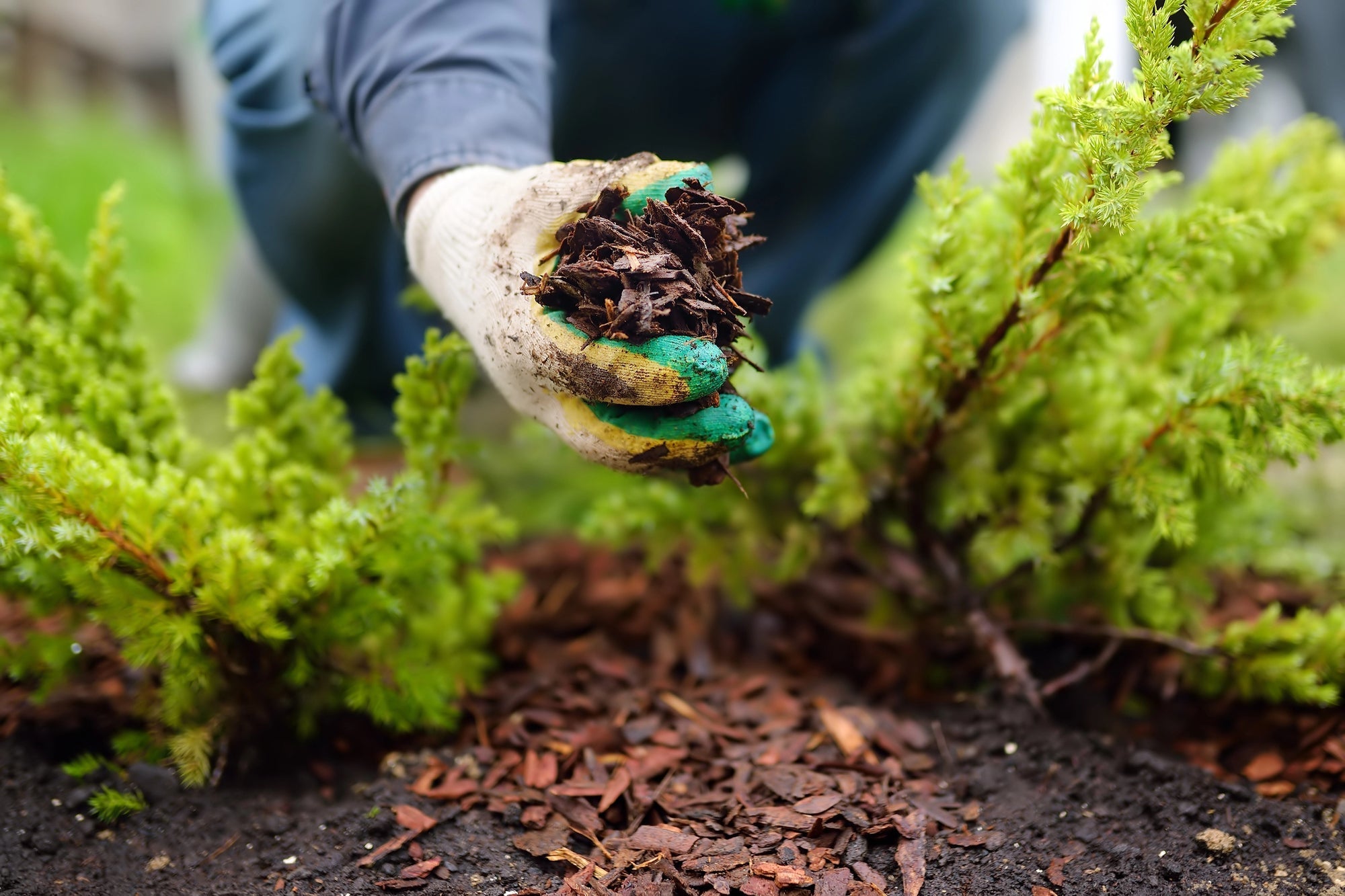
Mulchen mit Pinienrinde: So nutzt du organischen Mulch, um Unkraut zu verhindern
Das Mulchen mit Pinienrinde gehört zu den effektivsten Methoden im modernen Gartenbau und in der nachhaltigen Landwirtschaft. Dabei wird eine Schicht Mulchmaterial auf die Bodenoberfläche aufgebrac...
Bodenverbesserung im Garten: So verbesserst du deinen Gartenboden im Frühjahr für gesunde Pflanzen
Inhaltsverzeichnis Warum Bodenverbesserung im Garten im Frühjahr so wichtig für einen gesunden Gartenboden ist Gartenboden nach dem Winter prüfen: Bodenstruktur, Verdichtung und Bodenart erke...
Richtig Düngen im Garten: Schritt für Schritt erklärt
Inhaltsverzeichnis Warum Düngen im Garten so wichtig ist Bodenanalyse: Grundlage für die richtige Düngung Organische vs. mineralische Dünger: Was ist besser? Kompost, Hornspäne & Co.: Organi...


