


Kräutergarten anlegen Titelbild
How to Create a Herb Garden – Step-by-Step
- Die richtige Planung für Deinen Kräutergarten
- Kräutergarten anlegen im Garten oder auf dem Balkon
- Kräuterbeet, Hochbeet oder Kräuterspirale? So findest Du die passende Form
- Welche Kräuter passen zusammen? Tipps für die richtige Auswahl
- Pflege, Ernte und Düngung: So gedeihen Deine Kräuter richtig
- Inspiration für die Gestaltung Deines Kräutergartens
- Fazit: So legst Du Deinen Kräutergarten erfolgreich an
- FAQ
A herb garden is so much more than just a handy resource for the kitchen. It brings structure, fragrance, and fresh greenery to your garden or balcony. When you can harvest fresh herbs like thyme, basil, or chives straight from your own plants, your cooking tastes all the better for it.
And the best part: creating a herb garden isn't nearly as complicated as it sounds. With a little planning and the right tips, you can design your very own herb bed step by step. It doesn't matter whether you have plenty of space in the garden or just a small spot on the balcony – herbs grow almost anywhere.
In this guide, you'll find out how to plan your herb garden properly, which herbs grow well together, and how to care for them so they stay healthy for years to come.
Planning Your Herb Garden

Before you get started, it's worth thinking about what you want your herb garden to look like. Planning is the key to success. Start by asking yourself: where is the best place to create a herb garden?
Location is crucial, as herbs have different requirements when it comes to sunlight, soil, and moisture. Mediterranean herbs such as rosemary, thyme, and oregano thrive in sunny spots with well-drained soil. Parsley, chives, and coriander, on the other hand, prefer partially shaded areas where the soil stays a little moister.
It's also helpful to think in advance about which herbs you actually use most often. Ask yourself: do you mainly reach for culinary herbs like basil, dill, and parsley, or would you also like a medicinal herb such as sage or lemon balm?
Jot down your favourites and plan your herb bed so that the herbs work well together.
A tip: Annual herbs like basil or dill combine well with perennial herbs such as thyme – this way you'll have fresh plants every year, while the perennials keep the bed green all year round.
A handy planning guide:
- Sun lovers: Thyme, rosemary, oregano, lavender
- Partial shade preferred: Parsley, chives, mint, coriander
- Moist conditions: Watercress, chervil, peppermint
Creating a Herb Garden: In the Garden or on the Balcony
Whether you want to create your herb garden in the garden or on the balcony naturally depends on the space you have available. A bed in the garden offers plenty of room and the opportunity to grow a wide variety of herbs.
You can plant different herbs side by side that complement each other well, and even create a decorative herb spiral.
One advantage: In the garden, you have the option to create a proper herb bed directly in the ground or to build a raised bed, which is not only practical but also much easier on your back.
On the balcony, things look a little different – but you can still enjoy fresh herbs there too. Pots, tubs, or window boxes are ideal, and you can plant them up however you like.
Especially if you only have limited space on your balcony or patio, space-saving solutions such as vertical gardens are a brilliant idea.
With the right choice of containers and herbs, you can create a lush herb garden even in the smallest of spaces.
When it comes to a balcony herb garden, it's important to avoid waterlogging. Herbs do need watering regularly, but they won't tolerate constantly wet roots.
Good drainage in the pot is therefore essential. With a FUXTEC garden watering can, you can water your herbs gently and precisely – keeping them healthy and vigorous.
Herb Bed, Raised Bed, or Herb Spiral? Finding the Right Format

When creating a herb garden, one of the first questions is which format suits you best.
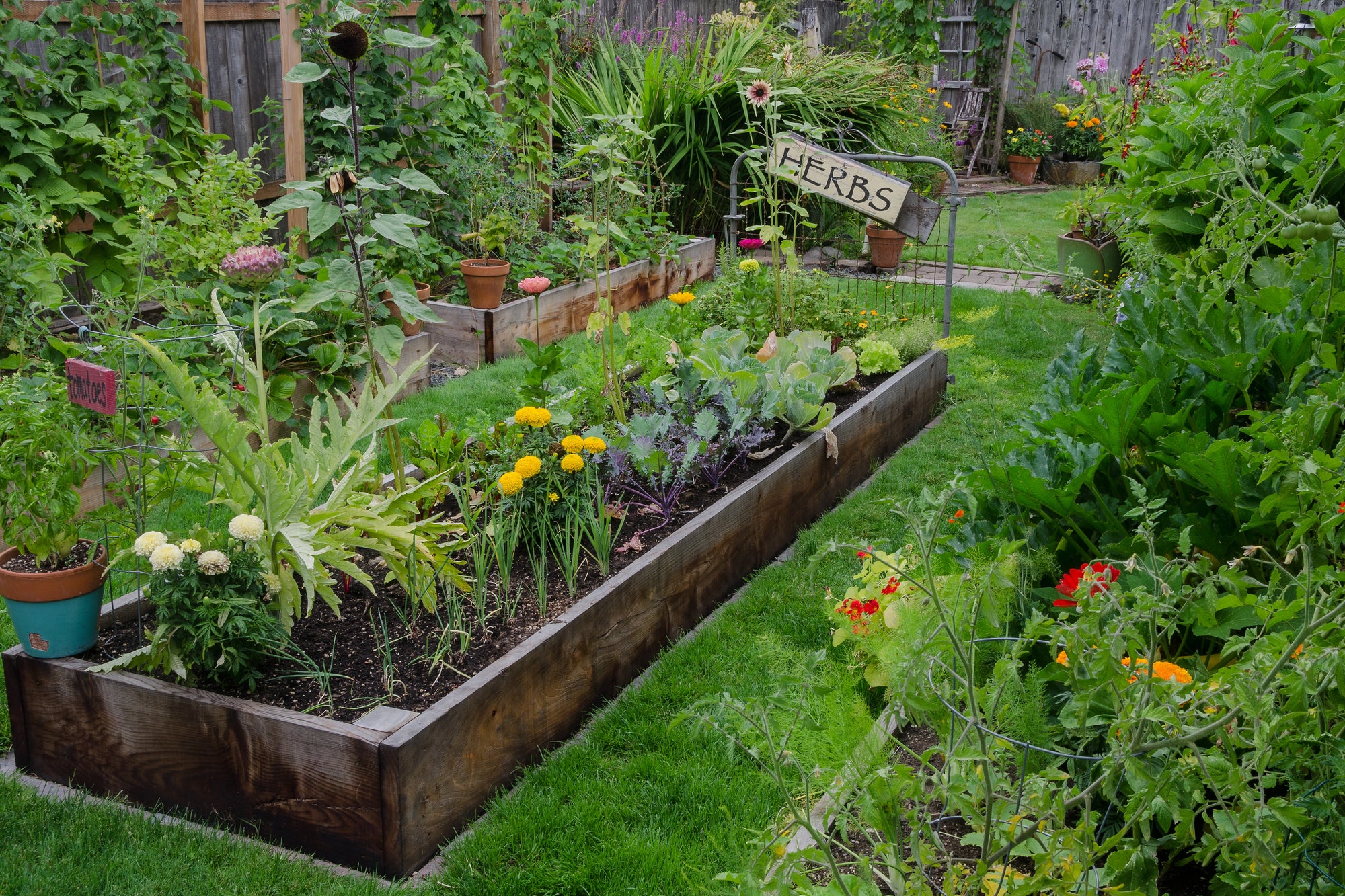
A classic herb bed in the garden is the simplest option. It gives you plenty of space to plant various herbs side by side and to create a clear, organised layout.
Particularly practical: You can design a herb bed in rows or groups, allowing you to position plants according to their light and soil needs. If you want to create a herb bed in your own garden, this is the ideal choice for fitting in a wide range of herbs while keeping everything easy to manage.
Another option is a raised bed. This is especially good if you want to work without bending down, or if you'd like to place your herb garden on a patio. A few benefits:
- In a raised bed, herbs have ideal conditions because the soil warms up more quickly and water drains away freely.
- The height also provides better protection against slugs.
- Raised beds are excellent for both annual and perennial herbs alike. Particularly popular choices include parsley, dill, chives, and mint – they grow abundantly here and are easy to harvest.
Particularly decorative and versatile is the herb spiral. It not only brings structure to your garden, but also creates different zones for different types of herbs.
At the top, in the sun, Mediterranean herbs like thyme, rosemary, and oregano flourish, while further down in the moister zone, herbs such as watercress, chervil, and peppermint thrive.
This means you can combine herbs with completely different requirements in a single spiral. A herb spiral is therefore not only practical but also a real focal point in any garden.
Which Herbs Grow Well Together? Tips for the Right Selection
Not all herbs are suited to growing side by side. Some herbs have very different needs and can interfere with one another if planted too closely together.
For your herb garden to flourish, you should ensure that herbs with similar requirements are grouped together. Mediterranean herbs such as rosemary, thyme, oregano, and lavender prefer dry, sunny positions and well-drained soils. They therefore work perfectly together and form a harmonious group.
Herbs such as chives, parsley, dill, and coriander, on the other hand, prefer moist, nutrient-rich soils. Mint and lemon balm are also happy in these conditions.
A tip: It's best to plant mint separately in its own pot or tub, as it spreads vigorously and can crowd out other herbs. Also bear in mind that not all herbs are perennial. Basil, for example, is an annual and needs to be grown from scratch each year.
Here's a handy overview table to help you with combinations:
| Herb Group | Position | Examples |
|---|---|---|
| Mediterranean herbs | Sunny, dry | Thyme, rosemary, oregano, lavender |
| Moisture-loving herbs | Partial shade, moist | Parsley, dill, chives, coriander |
| Vigorous spreaders | Best kept separate | Mint, lemon balm |
Once you follow these basic rules, you'll soon notice that herbs grow best when they have the right neighbours.
Particularly handy: With a FUXTEC garden tie tool, you can keep your plants neatly secured and add more structure to the bed – so you always have a clear overview of your herb garden.
Care, Harvesting, and Feeding: How to Keep Your Herbs Thriving

To keep your herbs fresh for as long as possible, the right care is essential.
Herbs require different amounts of water, but almost all are sensitive to waterlogging. You should therefore always ensure good drainage – whether in a bed, a pot, or a raised bed.
Water little and often rather than giving too much in one go. With a fine rose watering can such as the FUXTEC garden watering can, you can water your herbs especially gently, keeping the soil evenly moist without damaging the roots.
You should also be cautious when it comes to feeding. Herbs need far less fertiliser than many other plants. Organic fertiliser or compost is a good choice, as it releases nutrients slowly into the soil. Perennial herbs in particular benefit from this, as it encourages strong regrowth.
Cutting is another important consideration: Regular harvesting and trimming encourages many herbs – such as chives, basil, and mint – to grow back bushier than before. For clean cuts, a sharp FUXTEC garden shears is an indispensable tool.
When harvesting, you should also take care not to cut the entire plant at once. It is far better to harvest individual stems regularly.
Basil in particular grows back more vigorously if you pinch out the tips rather than removing whole stems. Herbs like rosemary or thyme are best harvested by cutting young shoots – this encourages fresh new growth.
Many herbs are also well suited to drying or freezing, meaning you'll have aromatic ingredients for your cooking right through the winter.
Inspiration for Designing Your Herb Garden
A herb garden is not only practical – it can also be a real design feature in your garden or on your balcony.
If you'd like to make a feature of your herb garden, there are countless possibilities to explore – from classic to contemporary. A herb spiral, for example, is not only functional but also a genuine eye-catcher. It brings together different microclimates in a single structure and makes your herb garden a true highlight.
Those who prefer a tidier look might opt for a neat, structured bed. With a defined edging, your herb bed will look smart and will sit perfectly within a formal garden. You can find ideas for this in our post on garden bed edging.
For those who love more unusual garden styles, Japanese or English garden aesthetics offer an exciting complement, into which a herb garden can be harmoniously integrated. You'll find inspiration in our articles on how to design a Japanese garden or how to create an English garden.
Things get even more creative when you plant your herb garden in unusual containers. Old wooden crates, galvanised tubs, or even pallets can be transformed into quirky herb beds. These DIY ideas not only add charm to your garden, but are also wonderfully sustainable.
If eco-friendly solutions matter to you, it's well worth checking out our guide on how to make your garden more sustainable. That way, you can combine pleasure with responsibility and create your own personal retreat.
Summary: How to Create a Successful Herb Garden

Creating a herb garden is easier than many people think – whether in the garden or on the balcony. Above all, good planning is key: think about which herbs you use most often and where they are likely to thrive best.
Mediterranean herbs like thyme or rosemary love sunny, dry spots, while parsley, chives, and dill prefer moist, partially shaded conditions. With the right combination, you'll ensure your herbs stay healthy and bring you joy for a long time to come.
The choice of format also matters: Whether a bed, raised bed, or herb spiral – each option has its own advantages and suits different needs. If space is limited, you can still create a herb garden on the balcony.
With pots, tubs, or vertical solutions, you can create a lush, green herb garden even in the smallest of spaces. Care, harvesting, and feeding all play an important role too, ensuring your herbs grow strongly and develop their full flavour!
Discover our range of garden tools
What is the best location for a herb garden?
Location depends on the herbs you want to grow. Mediterranean herbs like rosemary and thyme need sunny spots with well-drained soil, whilst parsley, chives, and coriander prefer partially shaded areas with moister soil. Choose a location that suits the majority of your preferred herbs.
Can I grow a herb garden on a balcony?
Yes, you can absolutely grow herbs on a balcony using pots, tubs, or window boxes. Vertical gardens and space-saving solutions work brilliantly for limited spaces. The most important thing is to ensure good drainage in your containers to avoid waterlogging.
Which herbs grow well together?
Mediterranean herbs such as rosemary, thyme, oregano, and lavender grow well together as they prefer sunny, dry conditions. Chives, parsley, dill, and coriander also pair well as they like moist, shaded spots. Mint should be kept separate in its own pot as it spreads vigorously.
How often should I water my herb garden?
Water little and often rather than giving large amounts at once, as most herbs are sensitive to waterlogging. Ensure good drainage in your beds or pots, and keep the soil evenly moist without letting it become soggy.
Do herbs need fertiliser?
Herbs need far less fertiliser than other plants. Organic fertiliser or compost is ideal as it releases nutrients slowly. Perennial herbs especially benefit from this approach, which encourages strong regrowth over time.
What is the best way to harvest herbs?
Harvest individual stems regularly rather than cutting the entire plant at once. Pinching out the tips of herbs like basil encourages bushier growth, whilst cutting young shoots from rosemary or thyme promotes fresh new growth.
What is an herb spiral and should I build one?
An herb spiral is a decorative spiral-shaped raised bed that creates different zones for different herbs. Mediterranean herbs thrive at the top in the sun, whilst moisture-loving herbs flourish lower down. It is both practical and visually striking, making it an excellent focal point for any garden.
More articles about garden care
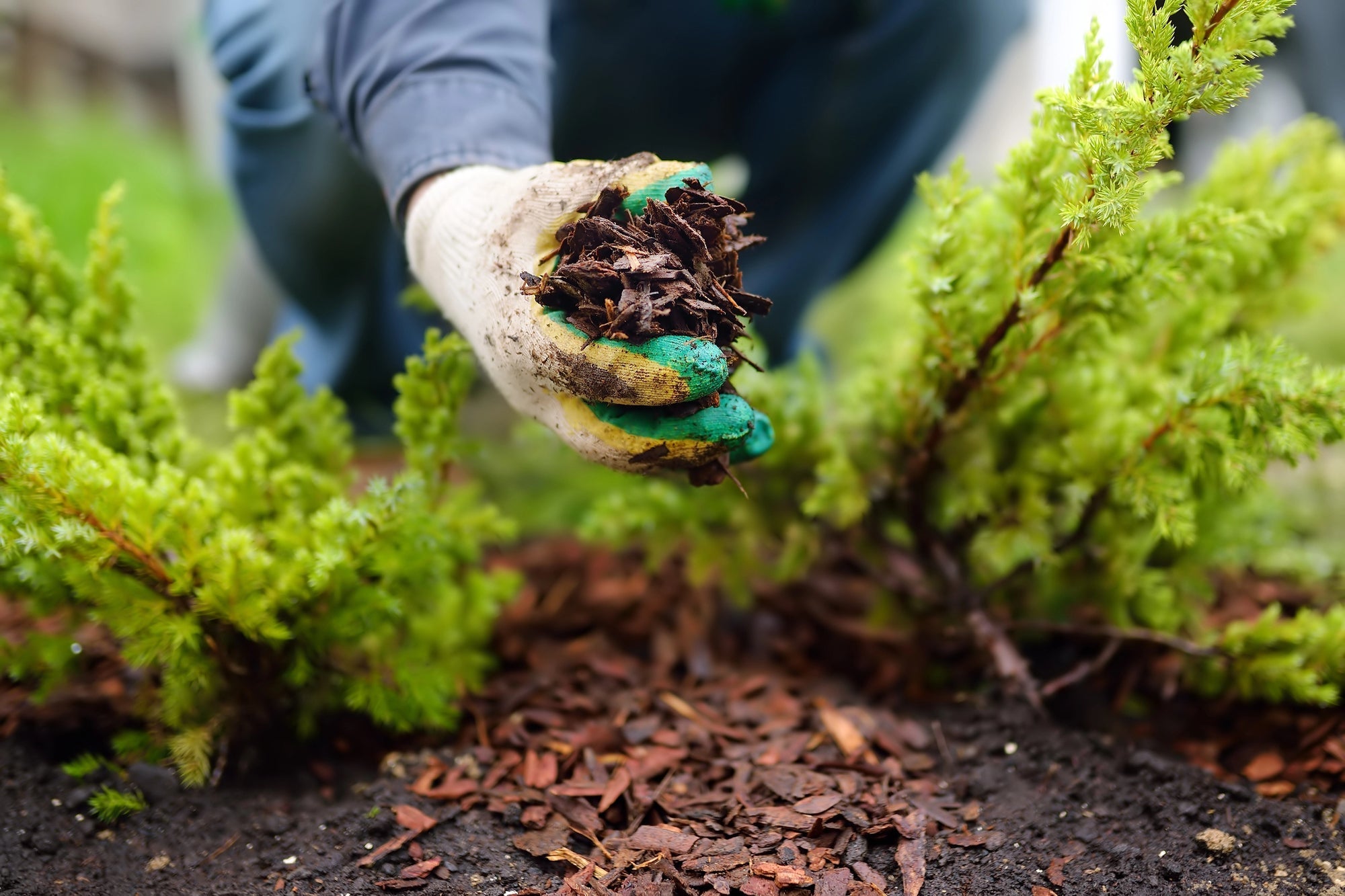
Mulchen mit Pinienrinde: So nutzt du organischen Mulch, um Unkraut zu verhindern
Das Mulchen mit Pinienrinde gehört zu den effektivsten Methoden im modernen Gartenbau und in der nachhaltigen Landwirtschaft. Dabei wird eine Schicht Mulchmaterial auf die Bodenoberfläche aufgebrac...
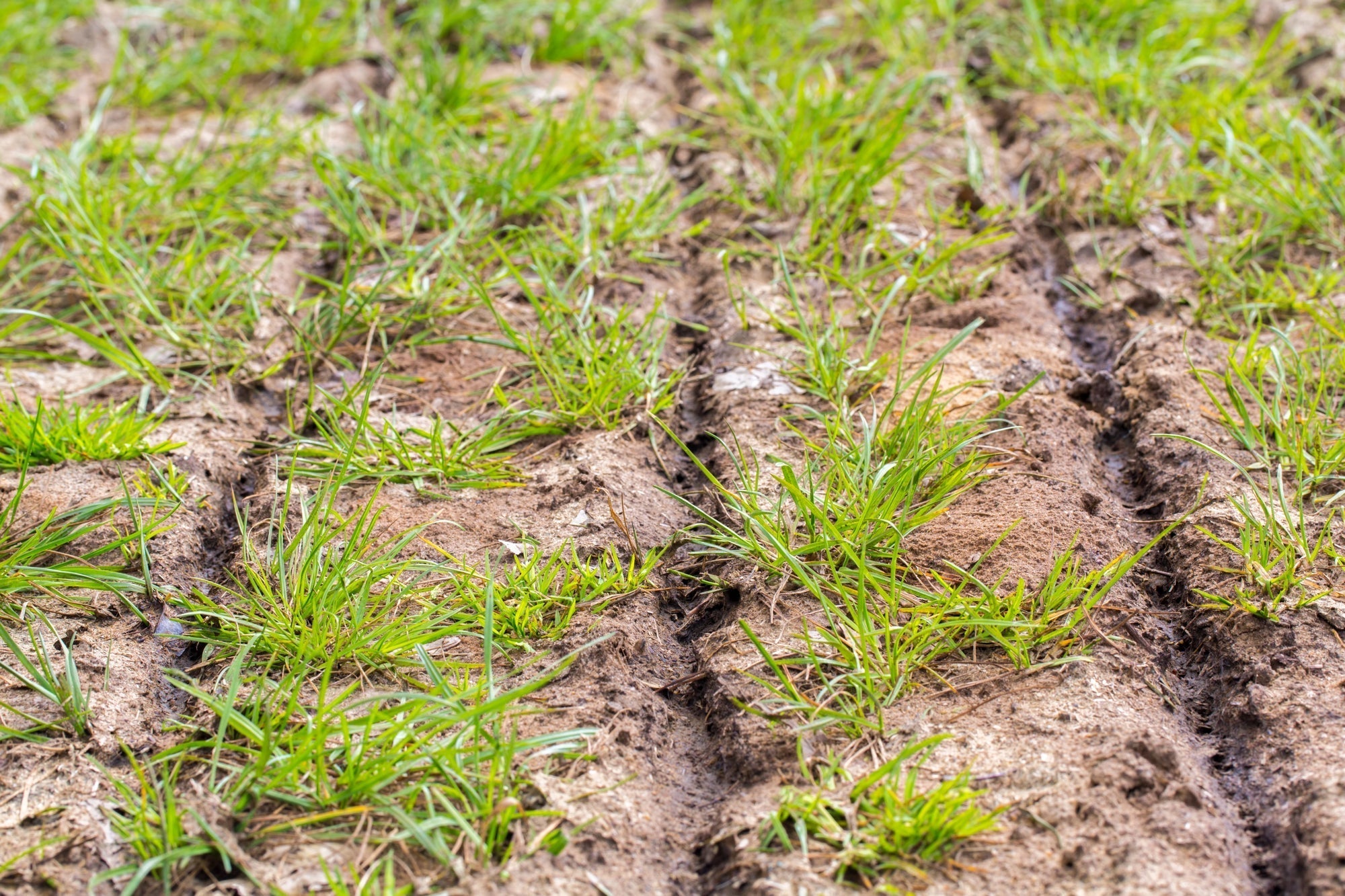
Bodenverbesserung im Garten: So verbesserst du deinen Gartenboden im Frühjahr für gesunde Pflanzen
Inhaltsverzeichnis Warum Bodenverbesserung im Garten im Frühjahr so wichtig für einen gesunden Gartenboden ist Gartenboden nach dem Winter prüfen: Bodenstruktur, Verdichtung und Bodenart erke...
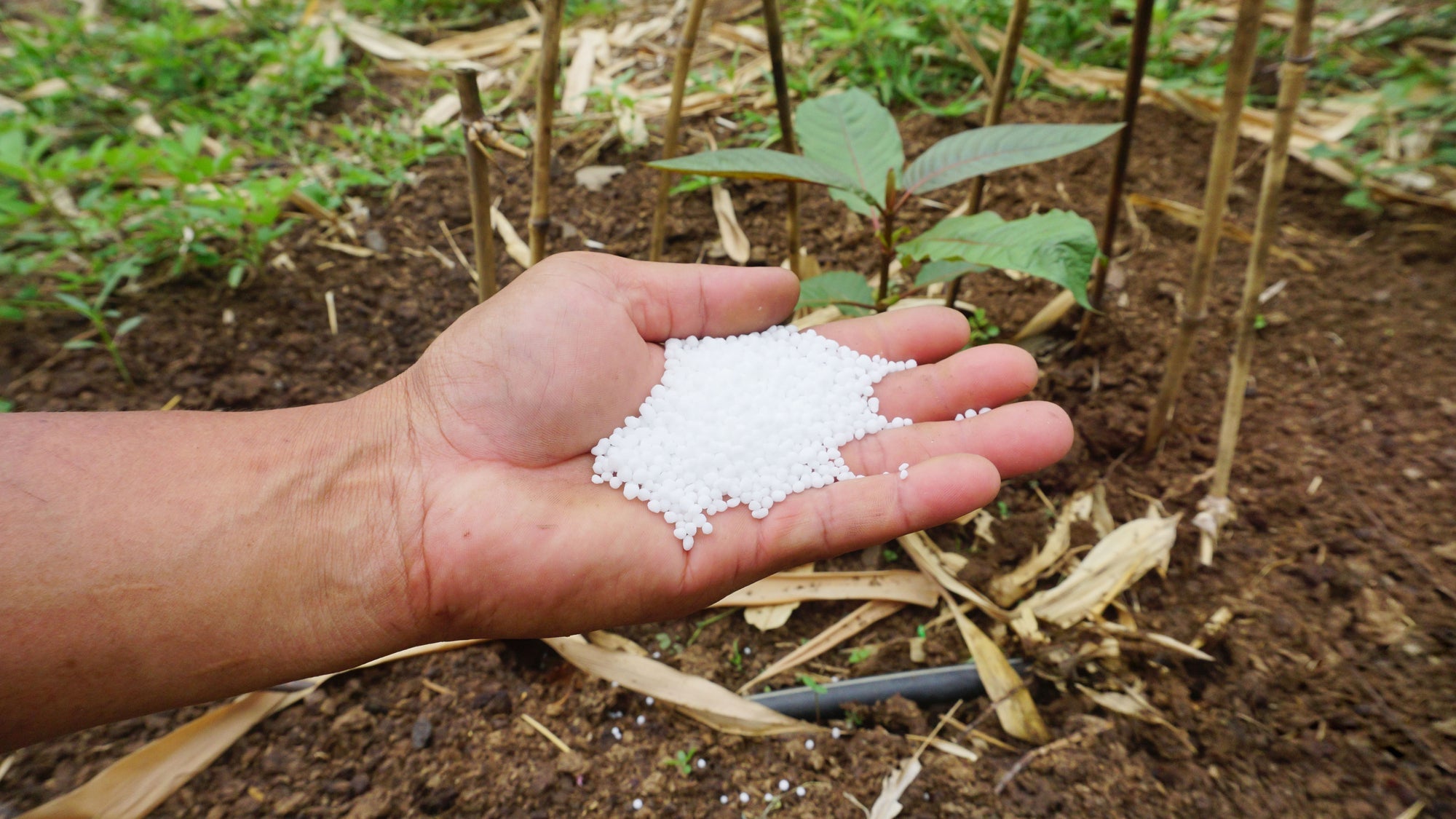
Richtig Düngen im Garten: Schritt für Schritt erklärt
Inhaltsverzeichnis Warum Düngen im Garten so wichtig ist Bodenanalyse: Grundlage für die richtige Düngung Organische vs. mineralische Dünger: Was ist besser? Kompost, Hornspäne & Co.: Organi...


