
The crocus is one of the most fascinating bulbous plants you can grow in the garden or in a pot. Whether it's the classic Crocus vernus with its lilac spring blooms or the prized Crocus sativus from which saffron is harvested – every variety rewards you with a spectacular display for relatively little effort.
Planting crocus corms is straightforward, but a few key factors deserve careful attention: planting depth, soil quality, and timing. In this FUXTEC gardening guide, we walk you through step by step how to grow crocuses and saffron successfully – from planting right through to harvest.
Understanding Crocuses: Characteristics and Key Varieties
The crocus belongs to the family Iridaceae and is a hardy, herbaceous perennial. Rather than true bulbs, it produces what are known as corms – compact storage organs that supply the energy needed for growth and flowering.
There are over 80 species, distinguished mainly by their flowering season. Spring-flowering varieties such as Crocus vernus produce violet, white, or lilac blooms. Autumn-flowering varieties such as Crocus sativus provide the basis for saffron – one of the most expensive spices in the world.
The plants reach a height of approximately 10 to 15 cm and thrive in both full sun and partial shade.
When to Plant Crocus Corms
The ideal planting time depends on the variety. Spring-flowering crocuses are planted in autumn, between September and November. Autumn-flowering varieties such as saffron crocus are planted in summer, typically between July and August.
Planting too late shortens the growing period and can impair flowering. Our experience at FUXTEC is that freshly purchased corms should be planted as soon as possible, as they lose vigour if left out of the ground for too long.
Preparing the Soil: The Foundation for Healthy Crocuses
Soil preparation plays a decisive role in the success of your cultivation. Crocuses prefer loose, free-draining soil with a moderate level of nutrients.
Waterlogging is one of the most common causes of failure, as it quickly leads to rot. Loosen the soil to a depth of at least 20 to 25 cm and mix in horticultural grit or perlite to improve drainage.
For container growing, a mix of approximately 60% multipurpose compost, 30% horticultural grit, and 10% perlite works well. You can also incorporate a slow-release fertiliser with a high potassium and phosphorus content. Nitrogen should be used sparingly, as it primarily encourages leafy growth rather than flowering.
Planting Crocus Corms: Depth and Spacing
The ideal planting depth is approximately three times the diameter of the corm. In practice, this means a depth of around 8 to 10 cm.
Plants should be spaced approximately 5 to 8 cm apart. For saffron cultivation, around 30 to 40 corms per square metre is recommended.
If you want a naturalistic look, scatter the corms irregularly. After planting, gently firm the soil and water moderately.
Growing Saffron: From Flower to Harvest
Flowering of Crocus sativus
The saffron crocus flowers in autumn, producing violet blooms with three vivid red stigmas. Each plant yields one to three flowers per season.
Harvesting is best done in the early morning. The stigmas are carefully removed by hand and then dried at a low temperature. It takes approximately 150 to 200 flowers to produce just one gram of saffron – one of the reasons for its exceptional price.
Care After Flowering
After flowering, the leaves continue to grow and store energy for the following year. Do not cut them back until they have turned completely yellow.
Gradually reduce watering. During the summer dormancy period, the corms prefer dry conditions.
Watering and Feeding
Crocuses cope far better with dry conditions than with overwatering. Water moderately and allow the soil to dry out slightly between waterings.
During the growing season, watering once or twice a week is usually sufficient. In summer, watering should be reduced significantly.
A liquid fertiliser suitable for bulbous plants can be applied every three to four weeks. In addition, a slow-release fertiliser applied in autumn will support root development and encourage the following season's blooms.
Propagation by Offsets
Each crocus produces several offsets (daughter corms) each year. These can be lifted every three to four years and replanted separately.
Smaller corms may take one to two years before they are ready to flower. This process also prevents established clumps from becoming overcrowded, ensuring they continue to flower vigorously.
Common Problems and Solutions
One of the most frequent problems is damage from rodents such as mice and squirrels, which dig up and eat the corms. Planting in wire mesh baskets is an effective deterrent.
Fungal diseases are usually caused by overly moist soil. Good drainage is therefore essential.
If flowers remain closed or develop poorly, the cause is often insufficient sunlight or incorrect planting depth. Crocuses need several hours of direct light each day.
Growing Crocuses in Containers
Crocuses can be grown very successfully in containers. Choose shallow, wide pots with good drainage holes.
Planting depth remains the same. A bright, sunny position is important. When temperatures drop below -5 °C, pots should be moved to a sheltered spot or given frost protection.
As nutrients in containers are used up more quickly, regular feeding is particularly important for potted crocuses.
Growing crocuses is a rewarding experience for beginners and seasoned gardeners alike. With the right preparation, a suitable position, and a little attentive care, you'll be treated to a stunning display of blooms year after year.
Those who grow saffron can combine the pleasure of gardening with a truly special culinary experience. As this FUXTEC gardening guide shows, impressive results are well within reach – even with minimal effort.
Entdecke unsere Auswahl an Gartengeräten



Weitere Beiträge zum Thema Gartenpflege
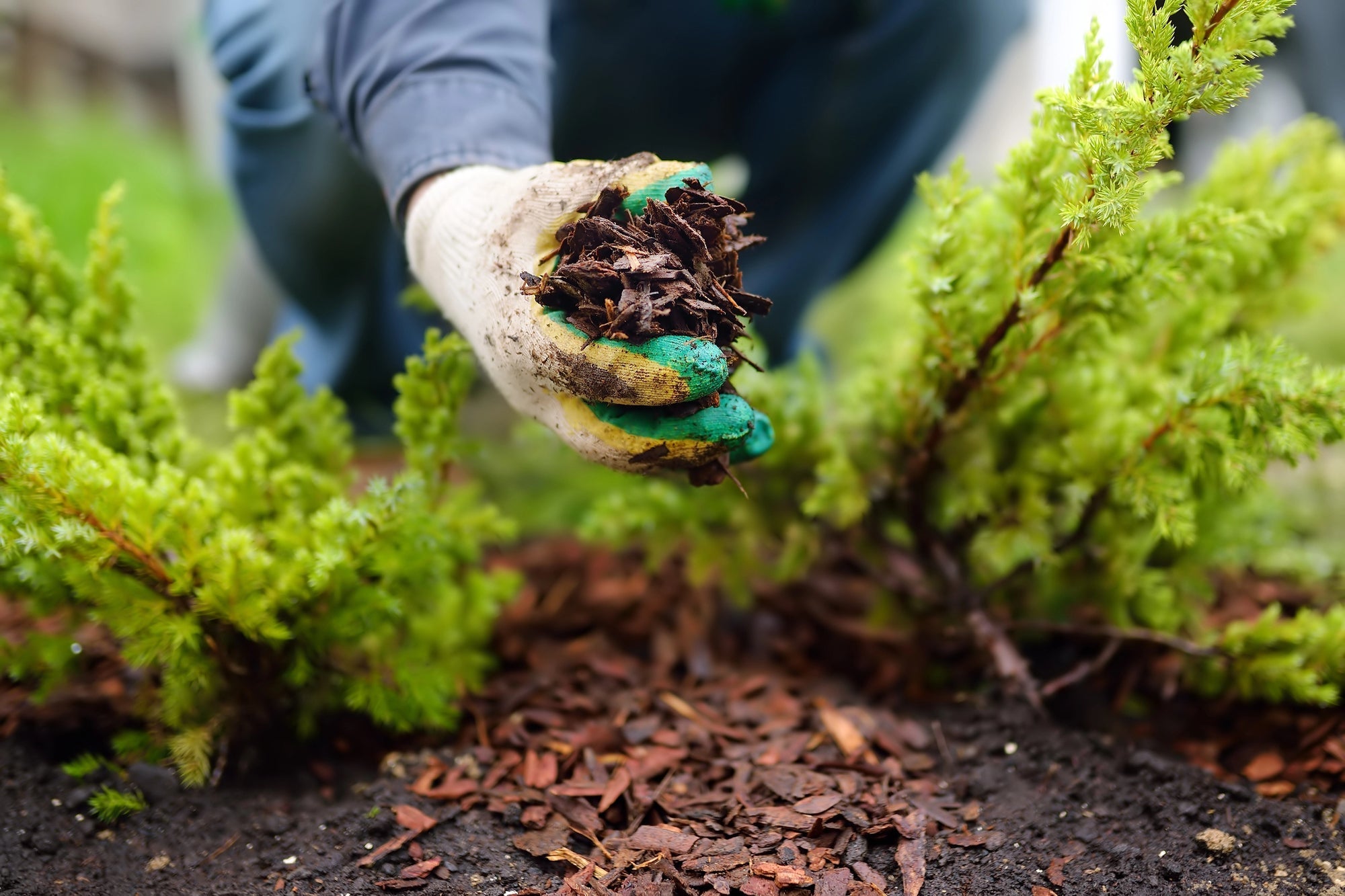
Mulchen mit Pinienrinde: So nutzt du organischen Mulch, um Unkraut zu verhindern
Das Mulchen mit Pinienrinde gehört zu den effektivsten Methoden im modernen Gartenbau und in der nachhaltigen Landwirtschaft. Dabei wird eine Schicht Mulchmaterial auf die Bodenoberfläche aufgebrac...
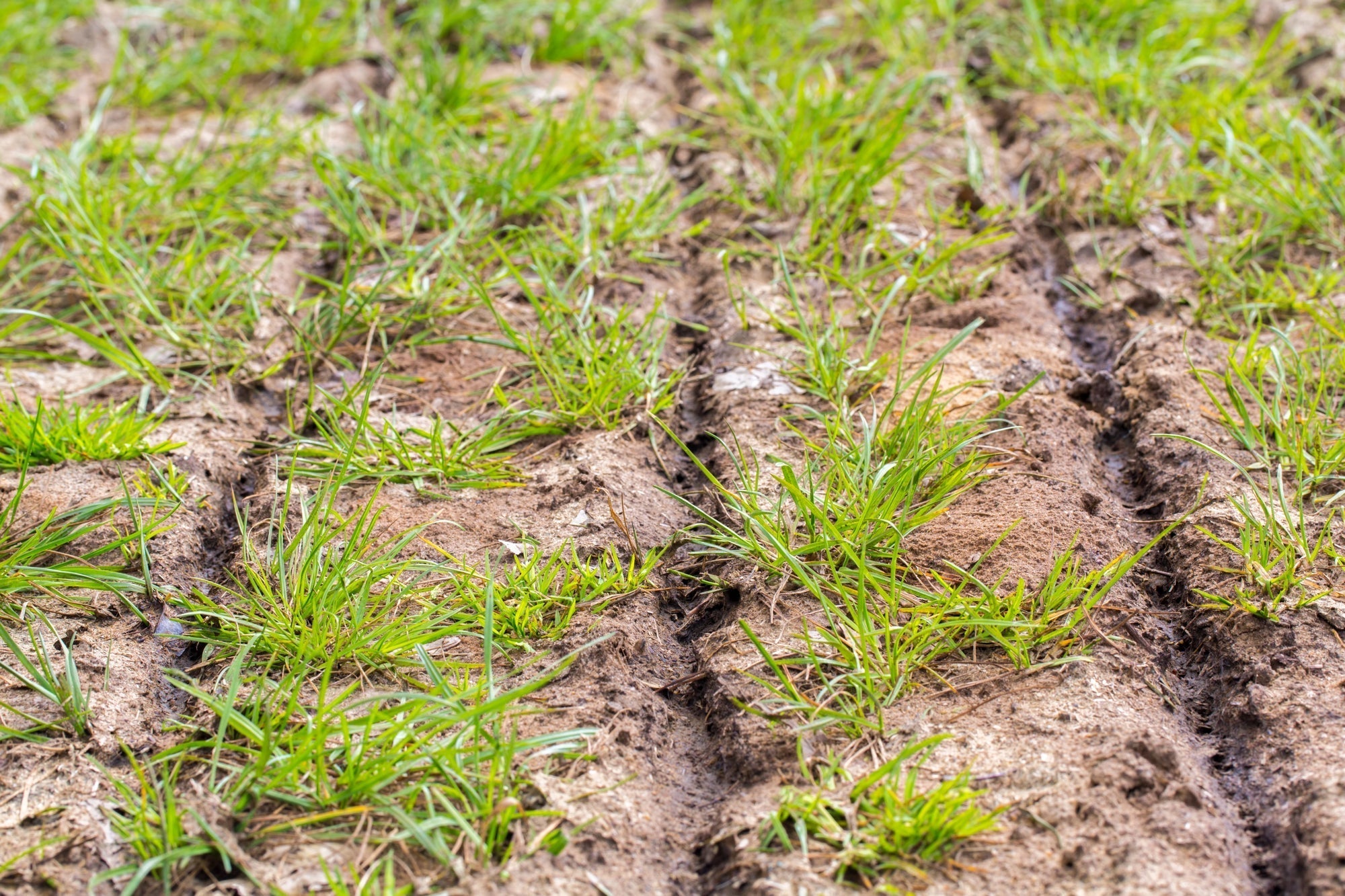
Bodenverbesserung im Garten: So verbesserst du deinen Gartenboden im Frühjahr für gesunde Pflanzen
Inhaltsverzeichnis Warum Bodenverbesserung im Garten im Frühjahr so wichtig für einen gesunden Gartenboden ist Gartenboden nach dem Winter prüfen: Bodenstruktur, Verdichtung und Bodenart erke...
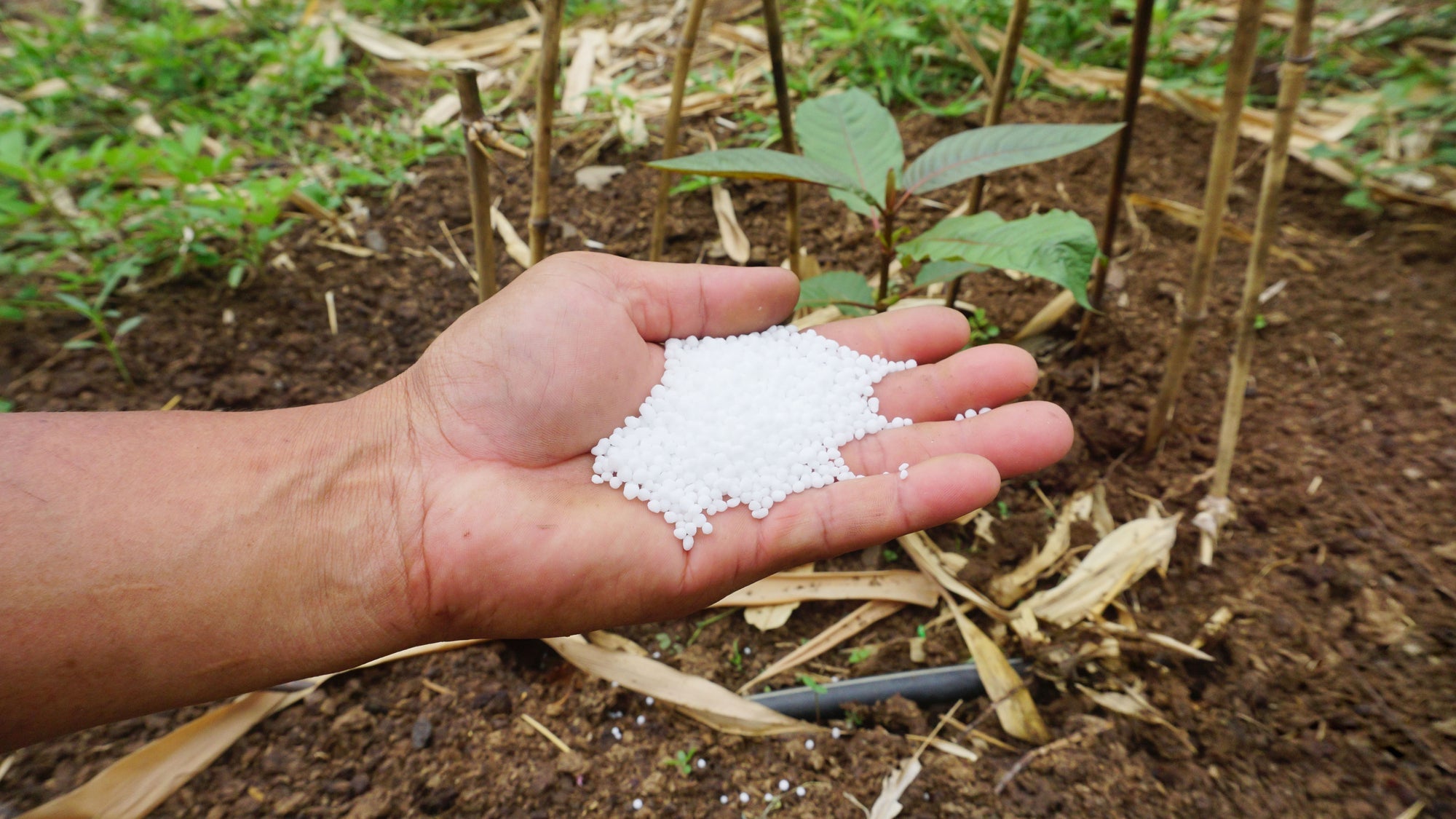
Richtig Düngen im Garten: Schritt für Schritt erklärt
Inhaltsverzeichnis Warum Düngen im Garten so wichtig ist Bodenanalyse: Grundlage für die richtige Düngung Organische vs. mineralische Dünger: Was ist besser? Kompost, Hornspäne & Co.: Organi...


