
Ein Ort der Entspannung: dein eigener Gartenteich
How to Build a Garden Pond: Step-by-Step Guide
-
Gartenteich planen: wann und wie den Teich anlegen?
-
Gartenteich anlegen mit Teichfolie oder Fertigteich: was ist besser?
-
Gartenteich anlegen: Schritt-für-Schritt erklärt
-
Gartenteich bepflanzen: die richtige Bepflanzung und Teichzonen
-
Mini-Gartenteich anlegen: kleiner Teich für Balkon oder Terrasse
-
Tiere und Fische im Gartenteich anlegen
-
Technik im Gartenteich: Pumpen und Filter richtig einsetzen
-
Algen im Teich bekämpfen: Probleme im Gartenteich vermeiden
-
Teich winterfest machen: so schützt du deinen Gartenteich
-
Kosten für den Gartenteich: was du einplanen solltest
-
Fazit: einen Gartenteich anlegen und die Natur genießen
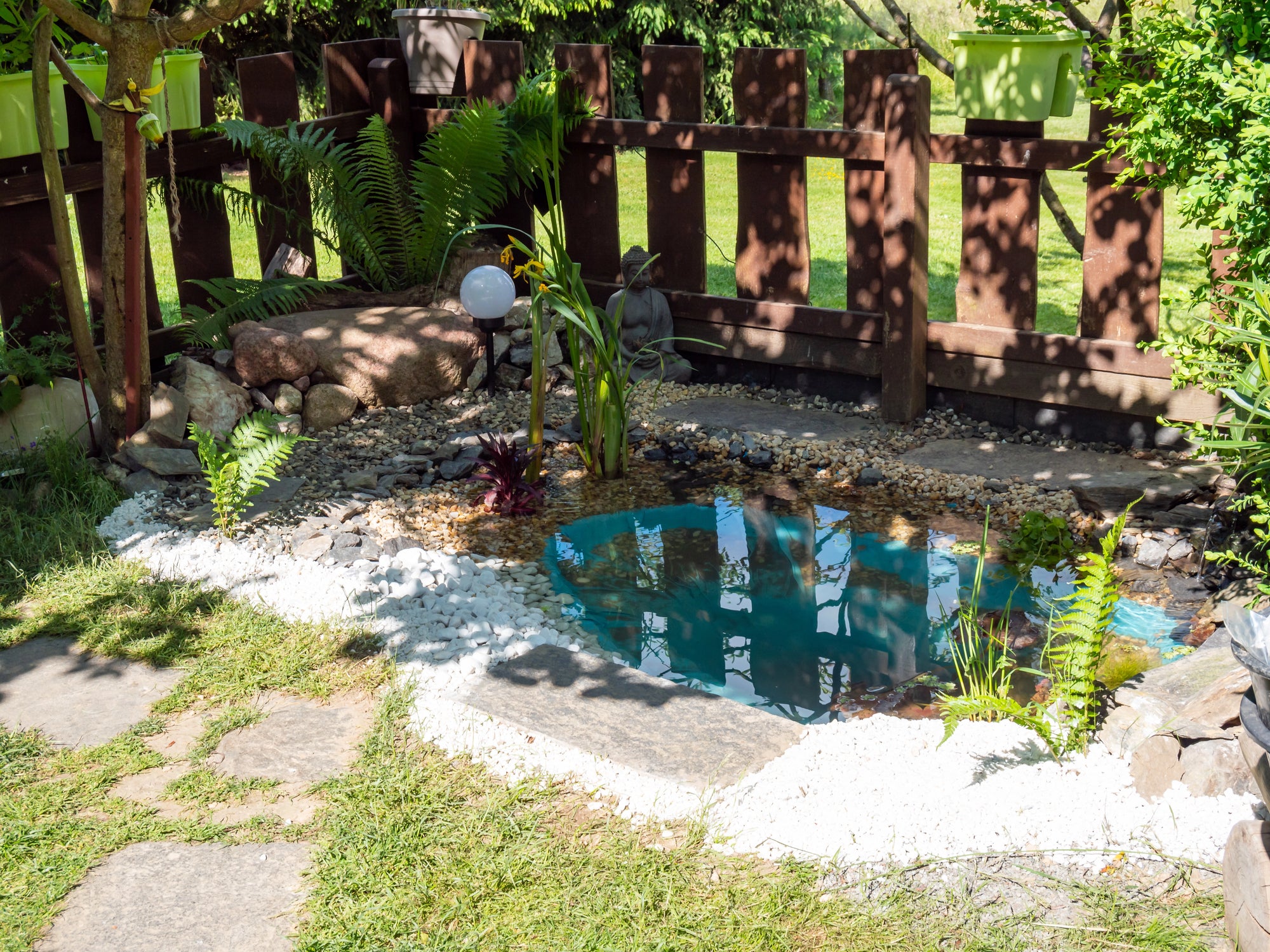
A garden pond brings life, tranquillity, and a touch of nature right into your garden. Whether you want to create a small pond or take on a larger project, with the right planning, suitable plants, and solid equipment you can establish a lasting wildlife habitat. FUXTEC pumps and garden tools help you keep your pond clean, well-maintained, and in ecological balance.
Planning a garden pond: when and how to build one?
If you want to create a garden pond, proper planning is essential. Start by thinking about the size and shape. A small pond for children requires less space and safety is the top priority. A larger garden pond, on the other hand, allows you to create different pond zones such as a bog zone, marginal zone, and deep-water zone. The larger the pond, the more easily a stable ecological balance will establish itself.
The location also plays a major role. A garden pond should neither sit in full sun all day nor be completely in shade. Ideally, it should receive four to six hours of sunlight per day. The transition between the pond and the garden can be enhanced later with plants or stones. Also plan the water depth: a minimum of 80 cm is advisable so that wildlife can survive the winter.
When planning your garden pond, you should also consider the time of year. The best time to have a pond built or to start one yourself is spring or early autumn. The ground is then in good condition and easy to work with.
Garden pond with liner or preformed shell: which is better?
Before you start building, you need to decide: pond liner or preformed pond shell? Both options have their pros and cons.
-
Preformed pond shell: A rigid, pre-shaped shell available in various sizes and forms. Ideal if you want to create a small garden pond. Advantages: quick to install and sturdy. Disadvantage: less flexible in terms of shape.
-
Pond liner: Here you determine the size and depth yourself. You can design complex pond zones with a bog zone, marginal zone, and deep-water zone. Care is important when laying the pond liner. Place geotextile fleece or sand underneath, otherwise sharp stones could damage the liner.
If you want to create a lined pond, you get maximum freedom. A preformed shell, on the other hand, is ideal if you want a straightforward, DIY build.
Building a garden pond: step-by-step guide
If you want to build a pond that will bring you lasting enjoyment, take your time with each step. If you'd like to build your garden pond yourself, here is a detailed guide.
1. Choose and mark the area
First, decide exactly where in the garden the pond should go. Pay attention to light and shade, and avoid trees directly at the water's edge so that too many leaves don't fall into the water later on. You can use a hose or marking spray to roughly outline the shape and size on the ground.
2. Prepare the excavation and dig out the pond

Now comes the excavation. Start at the edges and work your way inwards step by step. Plan the different pond zones from the outset:
-
Bog zone at 10–20 cm depth
-
Marginal zone up to 40 cm depth
-
Deep-water zone from 80 cm for water lilies or fish
This ensures the necessary depth zones. Make sure the pond base remains level and firm. The sides should be gently stepped, not vertical, so that the marginal zone looks natural later on.
3. Clean and prepare the base
Remove all stones, roots, or sharp objects from the hole. The base is then cleaned and protected with a layer of sand or a specialist geotextile fleece. This prevents sharp stones from potentially damaging the liner.
4. Lay the pond liner or place the preformed shell

Now you make your choice: will it be a pond liner or a preformed pond shell?
-
For a pond liner: unroll the liner loosely and lay it into the hole. Work with two or three people, as the liner is heavy and needs to be spread evenly. Make sure it overhangs generously at all edges. Small creases are normal — they can be fixed later with gravel or stones.
-
For a preformed shell: carefully lower the shell into the excavated hole. Use a spirit level to check it is sitting straight, and fill any gaps between the shell and the earth with sand.
Tip: When laying the liner, make sure it is not in direct sunlight — otherwise it will expand considerably.
5. Fill the pond with water slowly
Start with a garden hose and let the water in slowly. As you do so, the pond liner settles evenly and conforms to the base. Fill the pond in stages: about one third, then pause to allow the liner to settle, then continue. With a preformed shell, it stabilises automatically under the weight of the water.
6. Lay the pond base: gravel, stones, and aquatic compost
Spread a layer of gravel and larger stones across the base. These weigh down the liner and create a natural appearance. Use specialist aquatic compost in planting baskets if you want to introduce water plants. This prevents the compost from dispersing in the water and encouraging algae growth.
7. Design the marginal zone and transition area

Now create the transition between the pond and the garden. Build up the marginal zone with flat stones, gravel, or logs. Plant grasses or perennials that enjoy moisture, and place smaller water plants in the shallower zones.
Make sure there are gentle slopes so that wildlife can access the water. A shallow area is also perfect for birds that want to drink and bathe.
8. Add a stream feature or additional design elements
If you want your garden pond to feel especially lively, you can plan in a small stream or a bubble stone feature from the outset. For this you will need an additional pump to keep the water moving and introduce oxygen. This improves the biological balance.
9. Initial planting and settling-in period
After a few days, introduce the first plants to the pond. Start with hardy water plants for the marginal zone, then add species for the deep-water zone. Wait before introducing fish until the pond water has stabilised and the plants have become established.
Planting a garden pond: the right planting and pond zones
For a stable biological balance to establish itself, the right planting is crucial. A garden pond needs different zones, each planted with suitable species. This helps you avoid excessive algae growth and supports the pond's natural equilibrium.
-
Bog zone (0–10 cm water depth)
This zone sits right at the pond's edge and is periodically submerged. Bog plants thrive here, creating a harmonious transition between the pond and the garden.
Recommendations: Marsh marigold, Yellow flag iris (Iris pseudacorus), Water forget-me-not, Water plantain, Purple loosestrife. -
Marginal zone (10–20 cm water depth)
The marginal zone is suited to taller plants that help bind the water and provide shelter for small creatures.
Recommendations: Rushes, sedges, miniature bulrush (avoid the large varieties as they are very dominant), pickerelweed, dwarf reed. -
Shallow-water zone (20–40 cm water depth)
Low-growing water plants thrive in this zone, oxygenating the water and keeping the pond clear.
Recommendations: Sweet flag, Water horsetail, Water mint, Arrowhead, Water violet. -
Deep-water zone (from 80 cm water depth)
This zone is intended for larger plants with long stems or floating leaves. They provide shade and prevent the water from warming too much.
Recommendations: White or red water lilies (Nymphaea species), Fringed water lily, Water hawthorne.
Tip: Use planting baskets with low-nutrient aquatic compost to control the spread of plants. This keeps the pond water clear and allows plants to grow in their designated zones.
Mini garden pond: a small pond for a balcony or patio
Even if you don't have a large garden, you can still create a mini garden pond. Small ponds like these are ideal for a balcony, patio, or even a courtyard and make a wonderful decorative feature. Zinc tubs, half barrels, or terracotta containers are all great options for a small pond that both children and adults will enjoy.
1. Choose the right container
-
Zinc tub or builder's bucket: robust, affordable, and easy to set up.
-
Half wine barrel: looks particularly attractive and suits a natural, rustic setting.
-
Ceramic bowl or terracotta pot: ideal for very small spaces or as a table centrepiece.
It is important that the container is watertight. If it isn't, you can line it with pond liner.
2. Preparation and setup
-
Line the base with a thin layer of gravel for stability and a natural look.
-
Place planting baskets with aquatic compost inside to anchor the plants.
-
Fill the container carefully with water. A garden hose with a gentle spray setting is best, so that the compost and plants are not disturbed.
3. Suitable plants for a mini pond
A mini pond needs plants that don't spread too aggressively and can thrive in shallow water:
-
For the shallow zone (10–20 cm): Pygmy water lilies (Nymphaea tetragona), Water violet, Arrowhead.
-
For the edge zone: Water forget-me-not, Water plantain, Dwarf rush.
-
Floating plants: Duckweed (use sparingly), Water soldier, or pygmy water lily — they shade the water and help prevent algae.
-
Oxygenating plants: Hornwort or Canadian pondweed keep the water clear.
This ensures a small but stable biological balance is established.
4. Consider the location
A mini pond should not be in full sun all day, as this will encourage excessive algae growth. A spot with morning or evening sun is ideal.
5. Caring for your mini garden pond
-
Top up evaporated water regularly.
-
Remove dead plant material to keep the pond water clean.
-
In winter, empty the container or bring it somewhere frost-free, as small ponds are not deep enough to prevent freezing.
6. Wildlife in a mini pond
Fish are not suitable for small ponds, as the water depth is insufficient. However, insects such as dragonflies and pond skaters will feel right at home. Birds will also use the water surface for drinking and bathing.
Wildlife and fish in the garden pond
A wildlife-friendly garden pond quickly becomes a habitat for many species. Animals and plants form an important interplay here that contributes to the biological balance. Before long, dragonflies, water beetles, and birds will naturally take up residence, using the pond as a source of drinking water and for bathing. Frogs, newts, and toads are also welcome visitors — particularly if there are sheltered areas at the edge and a gently sloping marginal zone.
Which wildlife is suitable for garden ponds?
-
Insects: dragonflies, pond skaters, and beetles help to reduce pest populations.
-
Amphibians: frogs and toads love ponds with a bog zone and use them for breeding.
-
Birds: many species visit to drink or bathe. Shallow edge areas are important for this.
-
Small mammals: hedgehogs and even bats benefit indirectly from the greater variety of insects around the pond.
Which fish are suitable for a garden pond?
If you want to introduce fish, the deep-water zone must be at least 80 cm deep. Only then can the fish remain in the pond over winter and survive safely. Make sure the species don't grow too large and fit well into the pond's ecological balance:
-
Goldfish: hardy, low-maintenance, and popular in small to medium-sized ponds.
-
Shubunkin: a colourful, slender variety of goldfish that is lively and resilient.
-
Koi: suitable for very large ponds with a powerful pump and filter. They require a water depth of at least 1.2 metres.
-
Minnows: small, native fish that are kept in groups and feed on mosquito larvae.
-
Bitterling: also a native species, requires mussels for breeding and is very attractive in wildlife ponds.
Important notes
-
Don't introduce too many fish — this will quickly put strain on the water quality and risk excessive algae growth.
-
Native species are generally hardier than exotic ones and help support local biodiversity.
-
Bear in mind: in the UK, certain fish species — particularly non-native ones — may require a licence or permission before being introduced to a garden pond. Check with the Environment Agency if in doubt.
Garden pond equipment: using pumps and filters correctly
A garden pond will only stay looking its best if the water keeps moving and is cleaned regularly. Without a pump and filter, sediment quickly builds up, leading to algae growth and disrupting the biological balance.
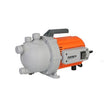
With the right FUXTEC pumps, you can keep your pond in excellent condition. Depending on the size and design of your pond, different models are suitable:
Submersible/dirty water pumps – for emptying, water changes, and temporary circulation
-
FX-TP1750 (750 W) – up to approx. 12,000 l/h, max. head 9.5 m; ideal for pumping out ponds, wells, sumps, or for water changes. With float switch.
-
FX-TP1250 (250 W) – more compact, up to approx. 6,000 l/h; for smaller draining and transfer tasks.
-
Set FX-SP11100 (1,100 W) – incl. 10 m hose, hose clips & storage basket; a practical emergency/drainage set.
Note: These pumps are primarily designed for pumping out, transferring water, and temporary circulation. For permanent 24/7 filter circuits in fish ponds, please observe the operating specifications or opt for a dedicated continuous-duty pond pump.
Electric garden pumps – for pressure/filtration from a water butt, rainwater tank, or pond
-
FX-GP1200N – surface pump for irrigation as well as pumping out containers (e.g. swimming pools and ponds) and drawing water from wells or rainwater tanks.
-
FX-GP1600 – more power, same applications; ideal if you want to supply a filter, irrigation system, or longer pipe runs.
-
FX-GP2800 – for higher demands and longer pipe runs.
In practice: these pumps are positioned dry beside the water (suction hose with pre-filter) and deliver pressure — for example to feed an external pressure filter or stream feature.
Petrol water pumps – large volumes, anywhere without mains power
-
FX-WP152 – approx. 15,000 l/h, 2-stroke, mobile use; e.g. pumping out ponds, irrigating large areas.
-
FX-WP143 – approx. 8,000 l/h, compact 2-stroke all-rounder for pond and emergency drainage.
Pressure system – constant pressure supply (e.g. filter circuit/irrigation)
-
FX-HWW2200 – 1,200 W, up to 3,800 l/h flow rate, suction lift up to 9 m, pressure up to 4.8 bar. For constant pressure from a well, rainwater tank, or pond.
Dealing with pond algae: preventing problems in your garden pond
Algae in a pond are usually caused by too many nutrients in the water. This often happens when creating a garden pond if too much plant debris or compost gets into the water. Anyone planning a mini pond should also take care to keep the water clean, as the biological balance in small containers can tip quickly.
A well-balanced planting scheme is one of the best remedies for excessive algae. Aquatic plants such as hornwort absorb nutrients and prevent algae from taking over. A filter and a small stream feature also help to maintain the water's equilibrium. It's worth remembering: the success of your garden pond depends greatly on choosing the right plants and maintaining them well.
Winter-proofing your pond: protecting your garden pond in cold weather
To help wildlife and plants survive the winter, you should winter-proof your pond. Regularly remove dead plant material and fallen leaves to keep the water clean. Fish and amphibians can overwinter in the deep-water zone.
A pond should neither freeze over completely nor be left entirely unattended. A pond de-icer (or ice preventer) ensures that gases can escape and that wildlife can overwinter safely. If you are planning a larger pond, it is well worth designing it from the outset with deep zones where fish can survive the winter. Small mini ponds must also be emptied or kept frost-free to prevent containers from cracking.
Garden pond costs: what you should budget for
Costs depend greatly on size and design. A preformed shell with a small rigid basin costs less, while a bespoke lined pond is more expensive. Materials such as liner, geotextile fleece, gravel, plants, a pump, and a filter should all be factored into your budget. There are suitable solutions across a range of price points for pond equipment as well.
If you want a pond built by a professional landscaping company, costs can quickly run into several thousand pounds. Building your garden pond yourself saves money, but requires more time. Also bear in mind: in the UK, you may need to check with your local planning authority or the Environment Agency if you are planning a very large pond, particularly if it involves watercourses or significant groundworks. Calculating costs realistically before you start will help you avoid any unwelcome surprises.
Build a garden pond and enjoy nature
A well-planned garden pond is more than just a visual highlight: it creates habitat, provides a cooling effect in summer, soothes with the sound of water, and supports the ecological balance in your garden. Whether mini or large — what matters is that you match the location, pond zones, equipment, and planting to one another. Taking it step by step, designing a natural marginal zone, working with suitable aquatic plants, and using the right pump and filter combination will keep the water clear and create a healthy habitat for wildlife.
Don't forget the legal side: in the UK, planning permission may be required for very large garden ponds, particularly where they affect drainage or watercourses. It's worth checking with your local planning authority early on to avoid any issues.
With the right tools from FUXTEC — such as powerful pumps, dirty water pumps for emptying, or garden equipment for maintenance around the pond — the work becomes easier and your project more efficient. Your pond will become not only a stunning focal point, but also a permanently functioning wildlife habitat.
When all is said and done: a carefully built pond pays dividends twice over — as an enhancement to your garden and as a valuable contribution to biodiversity.
Discover our range of garden tools
More articles about garden care
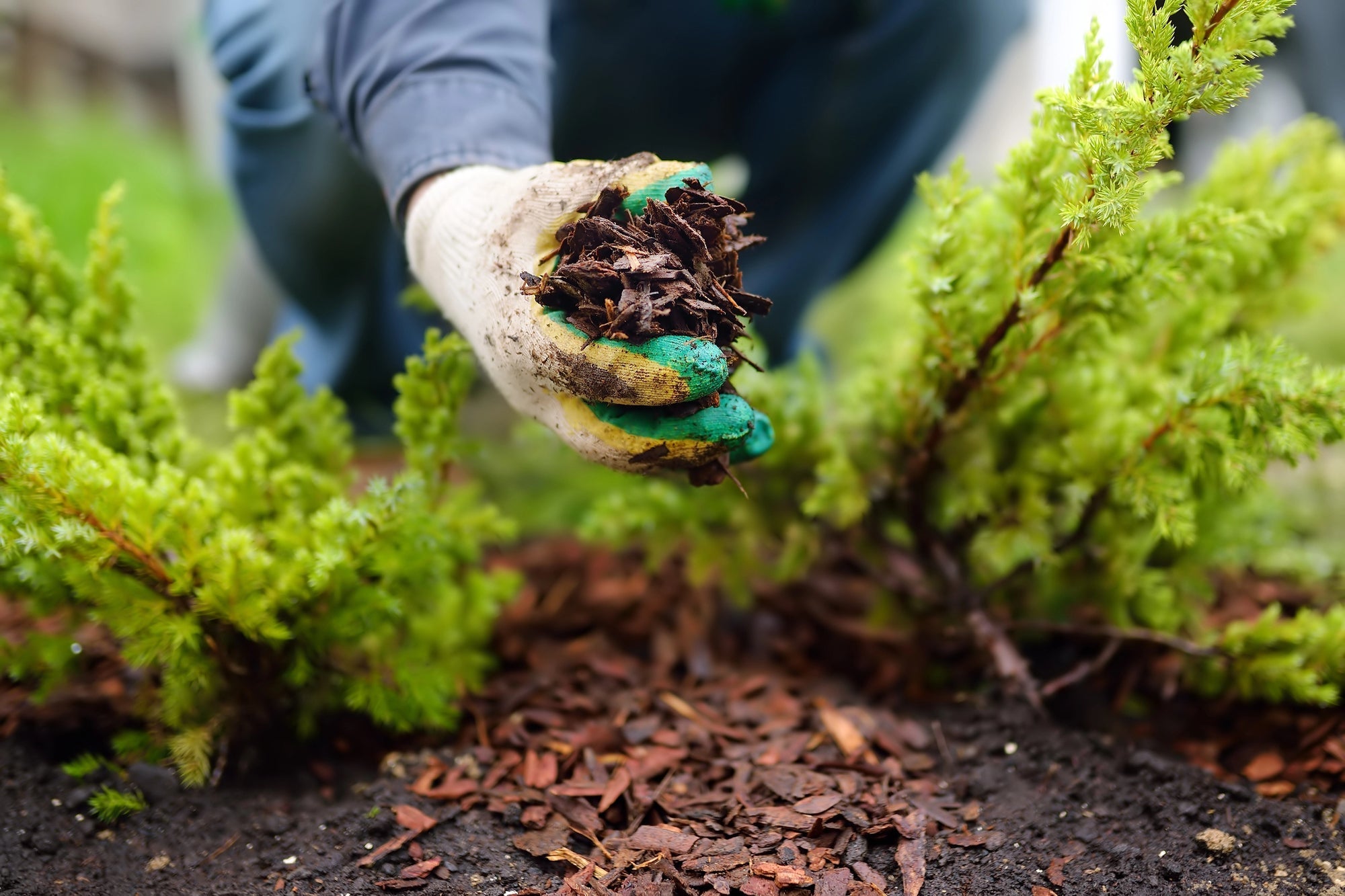
Mulchen mit Pinienrinde: So nutzt du organischen Mulch, um Unkraut zu verhindern
Das Mulchen mit Pinienrinde gehört zu den effektivsten Methoden im modernen Gartenbau und in der nachhaltigen Landwirtschaft. Dabei wird eine Schicht Mulchmaterial auf die Bodenoberfläche aufgebrac...
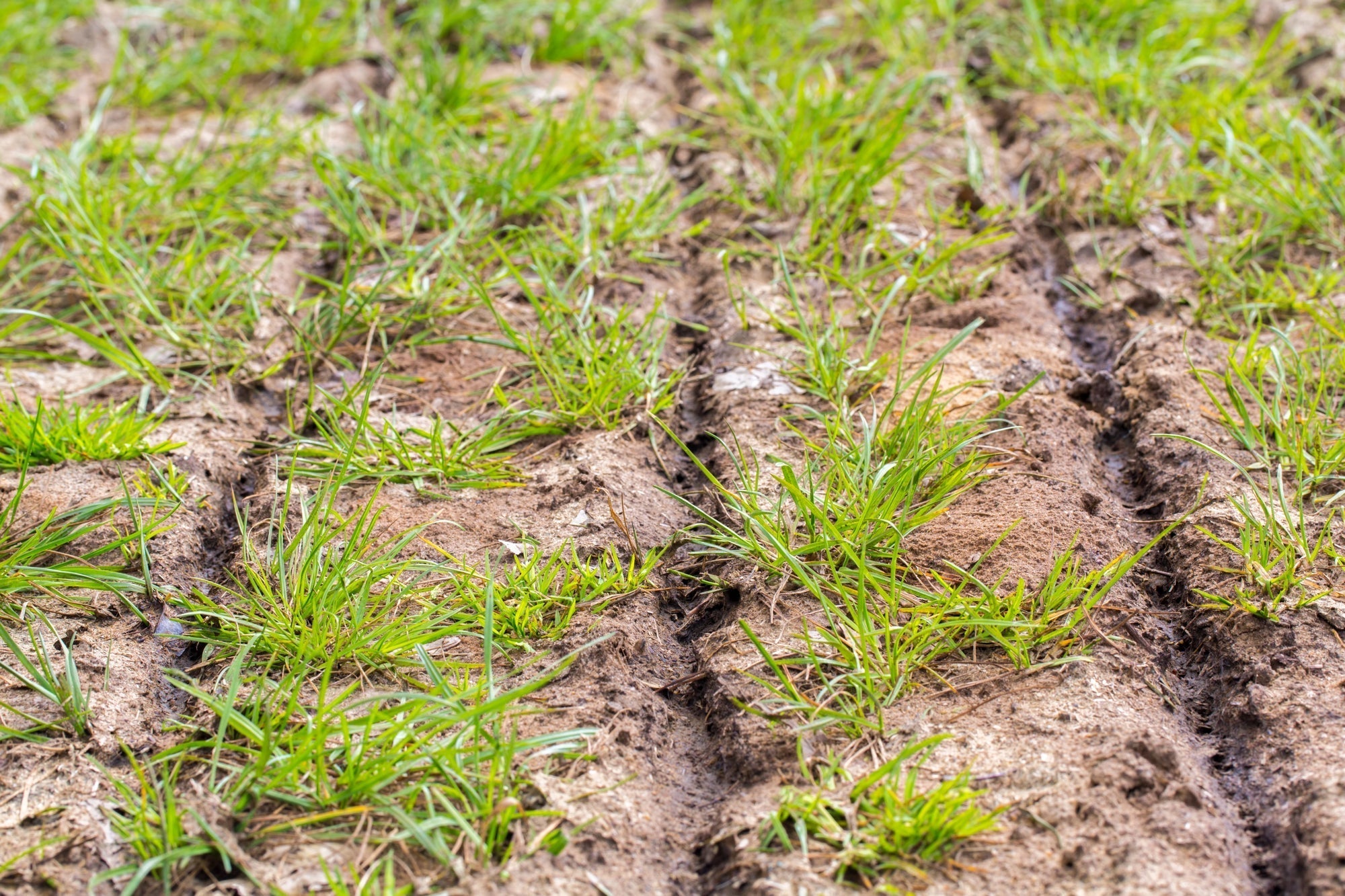
Bodenverbesserung im Garten: So verbesserst du deinen Gartenboden im Frühjahr für gesunde Pflanzen
Inhaltsverzeichnis Warum Bodenverbesserung im Garten im Frühjahr so wichtig für einen gesunden Gartenboden ist Gartenboden nach dem Winter prüfen: Bodenstruktur, Verdichtung und Bodenart erke...
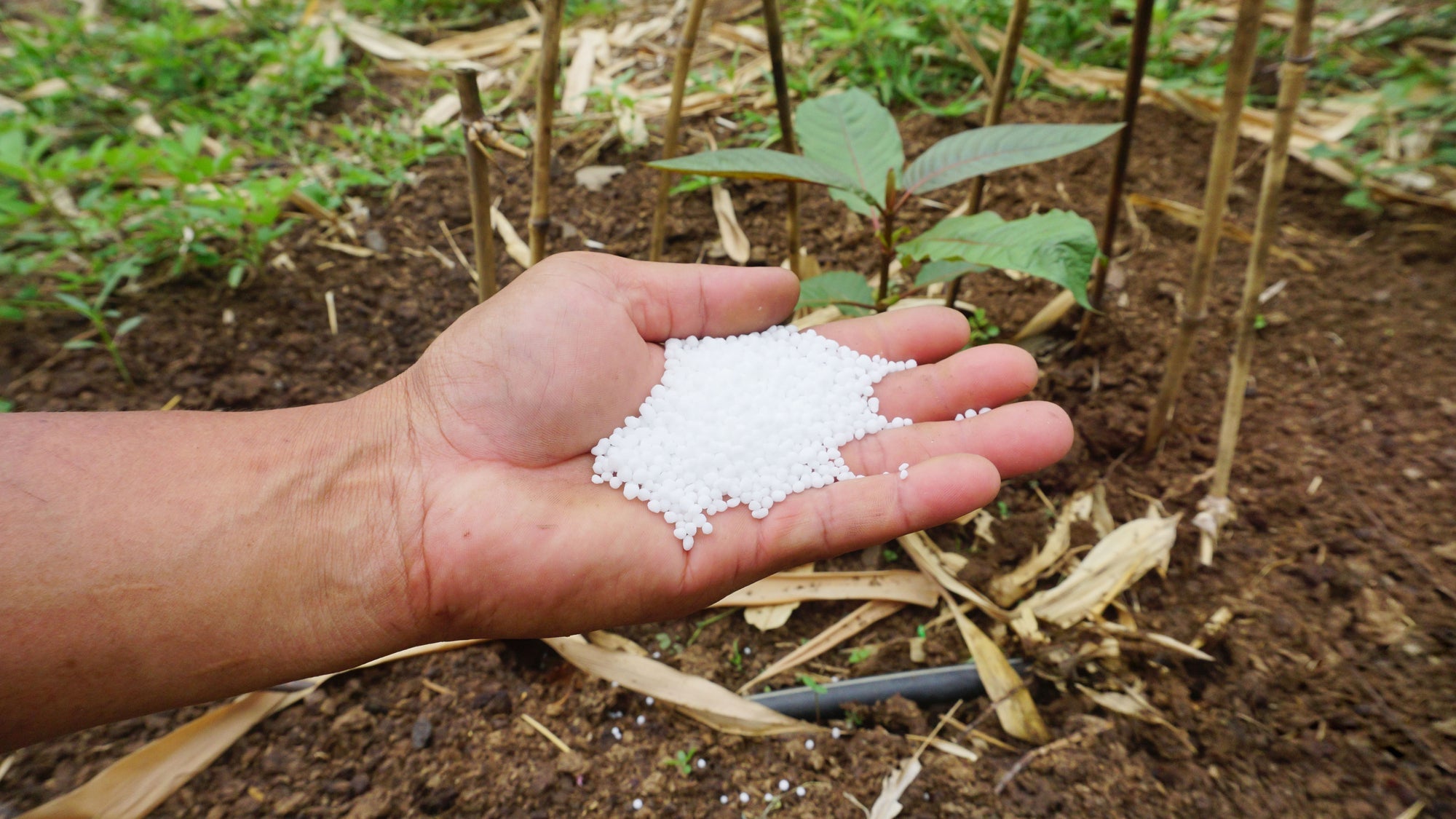
Richtig Düngen im Garten: Schritt für Schritt erklärt
Inhaltsverzeichnis Warum Düngen im Garten so wichtig ist Bodenanalyse: Grundlage für die richtige Düngung Organische vs. mineralische Dünger: Was ist besser? Kompost, Hornspäne & Co.: Organi...


