

Would you like to create a flower border that blooms lavishly even in partial shade and remains attractive throughout winter? Then an ever-blooming border with hardy perennials is exactly what you need. This approach to designing your beds relies on flowering perennials drawn from a diverse range of plants. Ideally, you should choose species and varieties that complement each other in colour and growth habit. The key is to combine plants that not only look good together but also thrive in the same conditions. Here at FUXTEC, we explain how you can create your flower border step by step using the right plants and a clever planting plan — so your garden brings joy all year round, thanks to a selection of hardy perennials with long flowering periods.
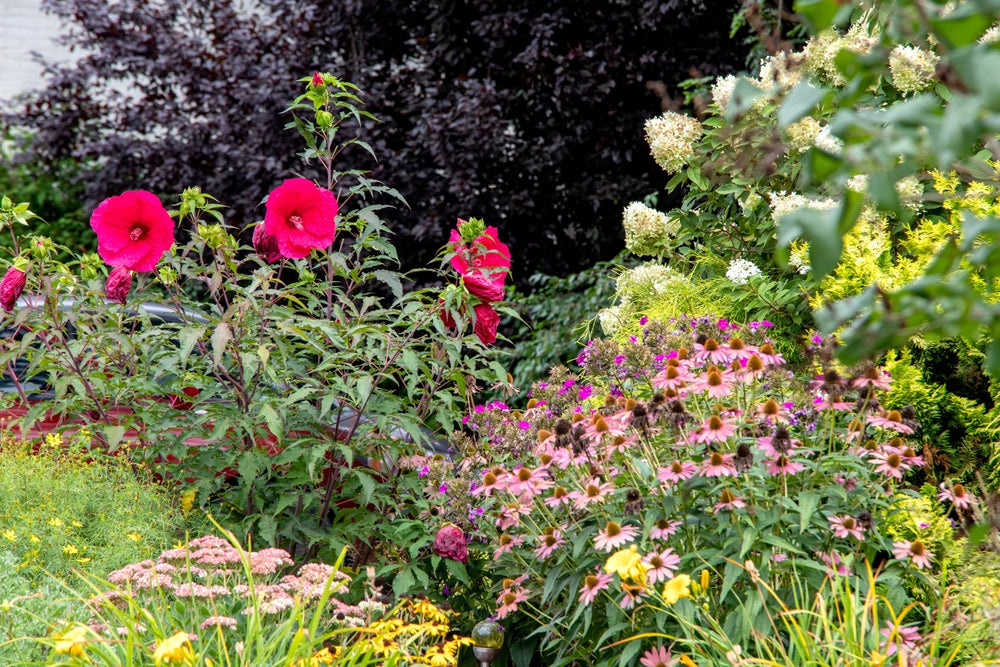
Ein immerblühendes Beet bringt ganzjährig Farbe in deinen Garten.
Ever-Blooming Perennial Border: Plant Plan & Tips
- Was ist ein immerblühendes Beet?
- Standort & Boden für Dein Beet anlegen
- Pflanzenauswahl für ein blühendes Staudenbeet
- Pflanzplan & Bepflanzung: Der perfekte Pflanzplan
- Beet pflegen & Rückschnitt: Pflegeleicht gärtnern
- Saisonale Gartenarbeit: Ganzjährig blühendes Beet
- Biodiversität & Nützlingsförderung im immerblühenden Beet
- Häufige Fehler im Staudenbeet anlegen und wie Du sie vermeidest
- Gestaltungstipps & Inspirationen für Dein Blumenbeet


Discover our range of garden tools
How do I keep a perennial border blooming all year round?
Choose a mix of spring bulbs like snowdrops and daffodils, summer-flowering plants such as coneflower and rudbeckia, and repeat-flowering perennials like catmint and phlox that bloom over extended periods. By selecting varieties with different flowering times and including evergreen elements, your border remains attractive from early spring through winter.
What's the best position and soil for an ever-blooming border?
An ideal location offers sunny to lightly semi-shaded conditions so plants receive sufficient light without suffering in intense midday heat. Well-draining soil enriched with organic matter and garden compost prevents waterlogging, which can damage even hardy perennials like phlox and cranesbill geranium.
Which plants work best in an ever-blooming perennial border?
Combine hardy perennials including coneflower, rudbeckia, catmint and phlox with spring bulbs like daffodils and snowdrops, plus ornamental grasses such as miscanthus for structure. Ground cover plants like cranesbill geranium and evergreens fill gaps, ensuring continuous colour throughout the seasons.
How should I arrange plants in my perennial border?
Plan your border by height, placing tall-growing plants such as coneflower and rudbeckia at the back, medium-height varieties like cranesbill in the middle, and ground cover and bulbs at the front. Position repeat-flowering perennials at several points throughout the border so they create abundant displays for months at a time.
How much maintenance does an ever-blooming border need?
Regular deadheading of spent flowers encourages new growth, and a light trim in late summer promotes fresh blooms into autumn. Feed sparingly with organic fertiliser, add bark mulch to suppress weeds and retain moisture, and watch for pests, using environmentally friendly treatments only when necessary.
What are common mistakes when planting a perennial border?
Planting too densely restricts air circulation and light, so leave adequate space for perennials to spread naturally. Another common error is neglecting flowering times, which can leave gaps without blooms; select diverse plant species so something is always flowering.
Can an ever-blooming border support wildlife?
Yes, continuously flowering perennials and ornamental grasses provide food for pollinators like bees and bumblebees throughout the year. Adding a log pile or insect hotel, a shallow water dish, and a layer of mulch creates shelter and encourages wildlife that helps control pests naturally.
More articles about garden care
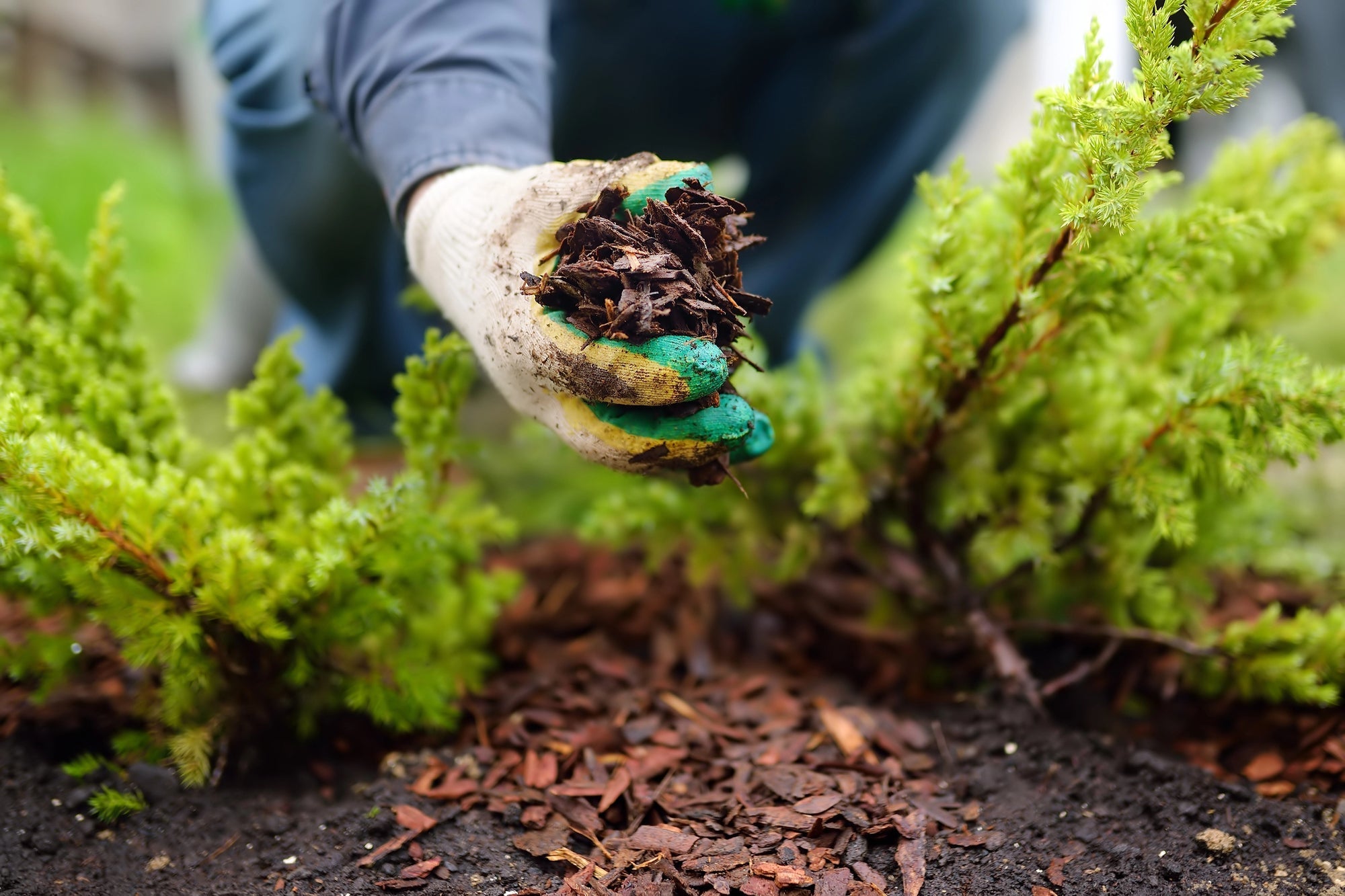
Mulchen mit Pinienrinde: So nutzt du organischen Mulch, um Unkraut zu verhindern
Das Mulchen mit Pinienrinde gehört zu den effektivsten Methoden im modernen Gartenbau und in der nachhaltigen Landwirtschaft. Dabei wird eine Schicht Mulchmaterial auf die Bodenoberfläche aufgebrac...
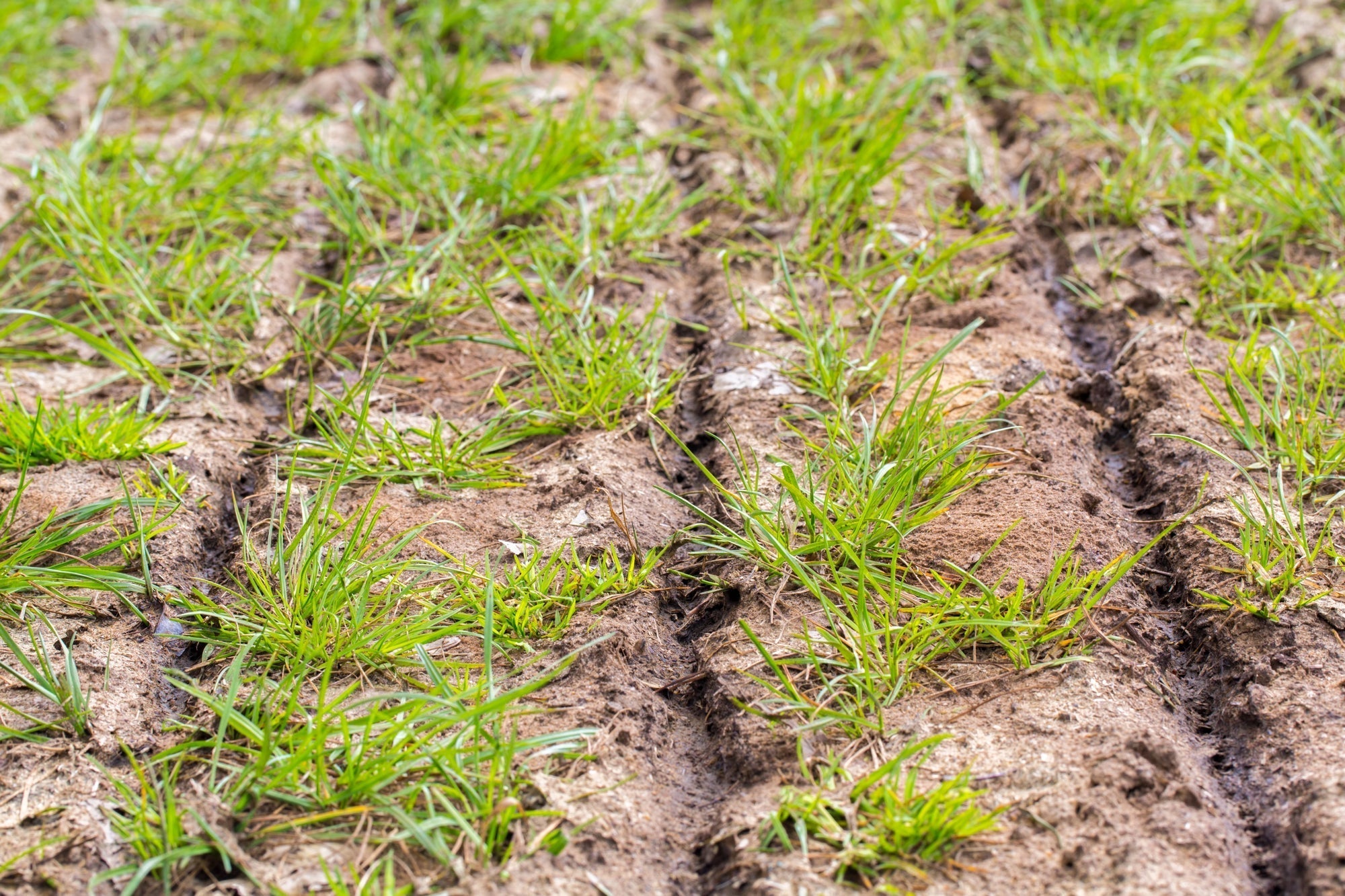
Bodenverbesserung im Garten: So verbesserst du deinen Gartenboden im Frühjahr für gesunde Pflanzen
Inhaltsverzeichnis Warum Bodenverbesserung im Garten im Frühjahr so wichtig für einen gesunden Gartenboden ist Gartenboden nach dem Winter prüfen: Bodenstruktur, Verdichtung und Bodenart erke...
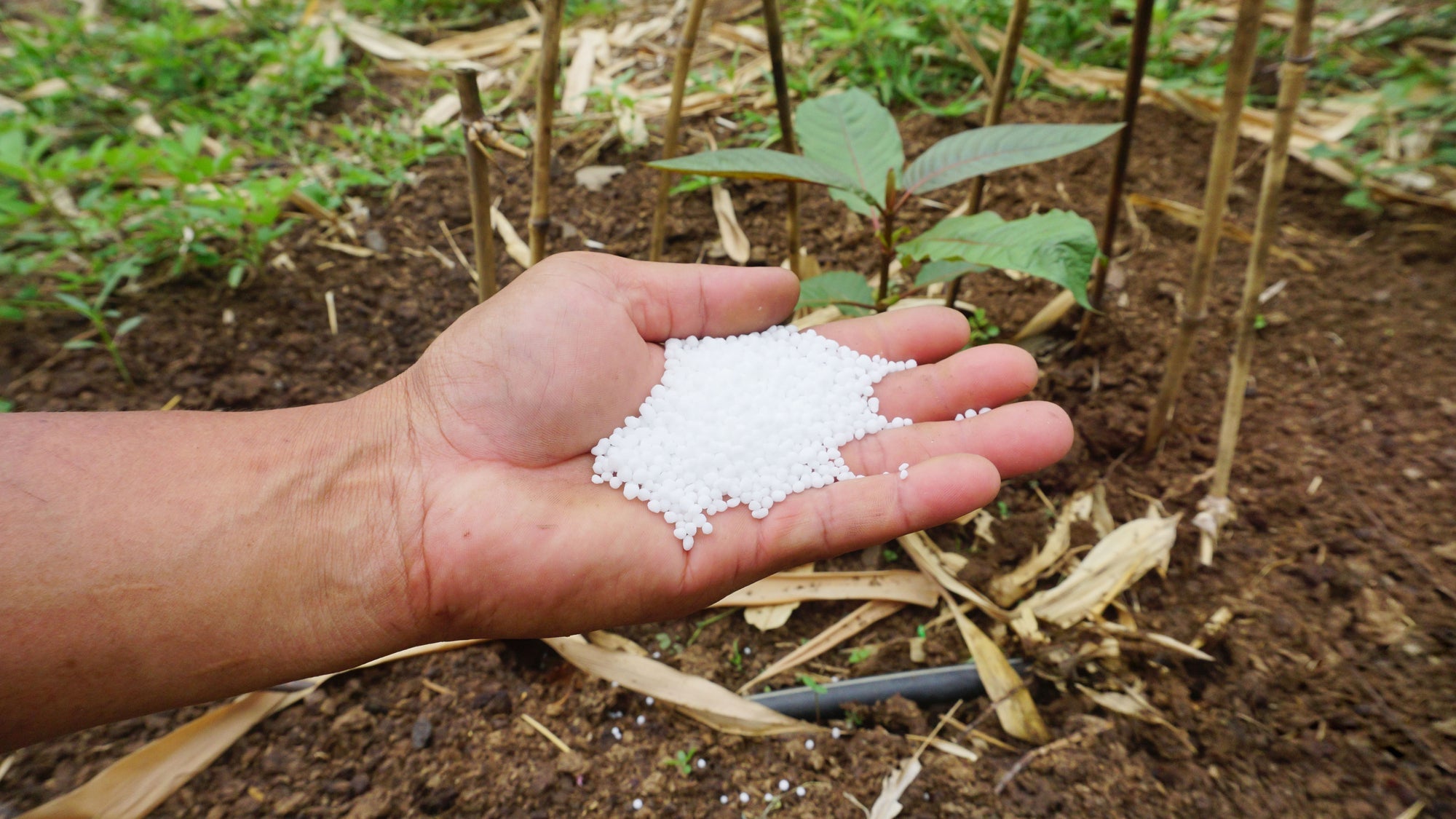
Richtig Düngen im Garten: Schritt für Schritt erklärt
Inhaltsverzeichnis Warum Düngen im Garten so wichtig ist Bodenanalyse: Grundlage für die richtige Düngung Organische vs. mineralische Dünger: Was ist besser? Kompost, Hornspäne & Co.: Organi...


