
Gestalte deinen Garten mit ADR-Kletterrosen und weiteren Kletterpflanzen.
Climbing Plants for Walls, Pergolas & Trellises
-
1. Warum Rankpflanzen & blühende Kletterpflanzen Deinen Garten verschönern
-
2. Selbstklimmer & immergrüne Kletterpflanzen: Efeu, Hedera und Wilder Wein
-
3. Spreizklimmer für Balkon & Pergolen: Clematis, Blauregen und Geißblatt
-
4. Gerüstkletterpflanzen & Schlingpflanzen: Kletterhortensie, Campsis und Waldrebe
-
5. Duftende Kletterrosen & ADR-Rosen: Pflegeleicht und langlebig
-
6. Standortwahl & winterharte Kletterpflanzen: Kletterpflanzen winterhart einsetzen
-
7. Rankhilfen & Rankgitter: DIY Rankhilfe für Zäune und Pergolen
-
8. Pflege & Winterschutz: Pflegeleicht gärtnern mit Kletterpflanzen
-
9. Schnellwachsende Rankpflanzen: Schwarzäugige Susanne und Co.
-
10. Kletterpflanzen kaufen: Online bestellen und Pflanzen richtig auswählen
With robust climbing plants, you can transform walls, trellises, or pergolas into a picturesque focal point for any garden. Whether you opt for hardy climbing plants, fast-growing climbers for quick privacy screening, or fragrant climbing roses, here you'll find out how to keep your balcony and pergola permanently covered. In our guide, we show you how to position climbing plants in partial shade for best results, which support structures work well, and what to look out for when buying climbing plants online — so your wall planting stays strong through the next winter.
1. Why Climbing Plants & Flowering Climbers Will Transform Your Garden
Climbing plants bring vertical greenery to your garden and turn dull walls into vibrant living surfaces. A flowering climber such as clematis delivers an intense floral display and becomes a real eye-catcher, while the lush foliage of other climbers provides a beautiful backdrop. The range of climbing plants is vast: from robust ivy varieties to delicate honeysuckle — so there's a suitable species for every taste and style.
Whether grown over rose arches or pergolas, many climbing plants are excellent for adding height and depth to your garden. Combining flowering and evergreen species creates contrast and ensures your garden looks attractive all year round.
2. Self-Clinging & Evergreen Climbers: Ivy, Hedera, and Virginia Creeper
Self-clinging climbers such as the large-leaved Irish ivy (Hedera helix) attach directly to walls using tiny aerial roots and are perfect for subtle wall coverage. Evergreen honeysuckle (Lonicera henryi) also stays green year-round, providing privacy throughout the seasons. For a ground-rooted option, Virginia creeper climbs independently from ground level right up to the top, while also helping to protect the underlying brickwork.
These robust plants grow with very little intervention and are hardy and low-maintenance, so you can simply enjoy their natural charm. Many self-clinging climbers particularly thrive on a north-facing wall or in semi-shaded corners, providing useful shelter and nectar for insects.
3. Twining Climbers for Balconies & Pergolas: Clematis, Wisteria, and Honeysuckle
Twining climbers such as clematis and Wisteria sinensis (Chinese wisteria) need a support structure on pergolas or arches to spread out properly. Their fragrant blooms are a highlight on balconies and patios. A simple trellis frame or arbour reinforces the structure and keeps the stems in shape.

For partially shaded spots, there are specialist varieties that also thrive in dappled sunlight. With the right watering — for example using the FUXTEC pressure sprayer — clematis and wisteria will remain healthy and vigorous, providing a spectacular display of colour.
4. Framework Climbers & Twining Plants: Climbing Hydrangea, Campsis, and Traveller's Joy
Framework climbers such as climbing hydrangea (Hydrangea anomala petiolaris) or campsis (trumpet vine) need a sturdy frame or wire mesh, as they are not self-clinging — making them ideal for a pergola. The twining plant traveller's joy (Clematis vitalba) winds its tendrils around thin branches or wires and impresses with delicate flowers. Hop (Humulus lupulus) is also a fast-growing climber, perfect for natural arbours and decorative features.
These species stand out for their robust nature and varied foliage, which provides welcome shade in summer. Combine different climbing plants and twiners to achieve a lively, multi-layered green display.
5. Fragrant Climbing Roses & Award-Winning Varieties: Low-Maintenance and Long-Lasting
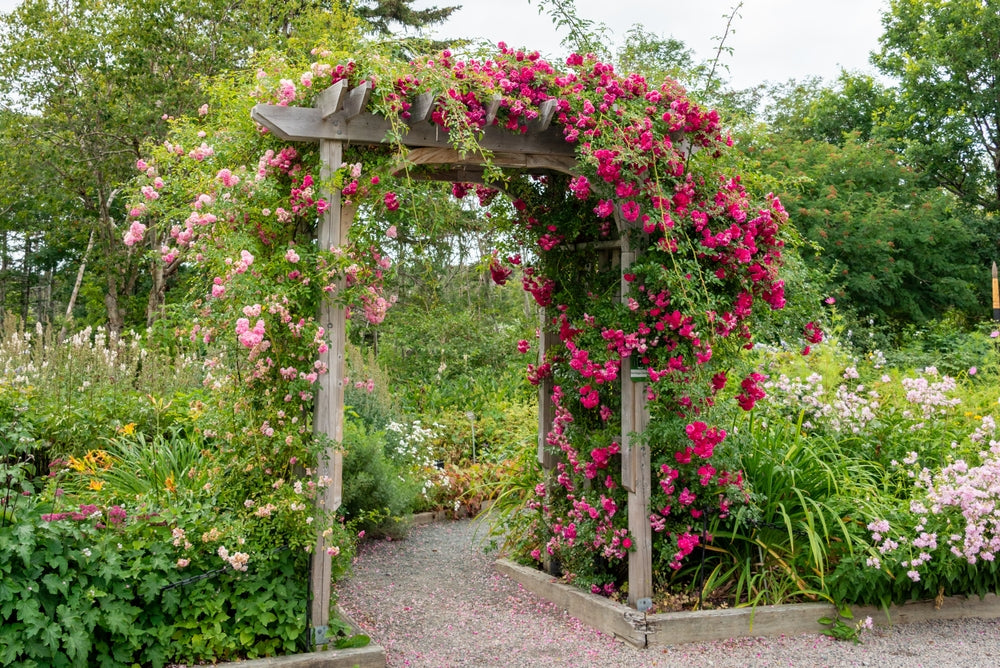
Climbing roses — particularly those bearing prestigious awards such as RHS Award of Garden Merit (AGM) — combine wonderful fragrance with a spectacular abundance of blooms. Grown over rose arches, they come into their full glory and attract bees and other pollinators. Many award-winning climbing roses are especially robust and low-maintenance. For optimum nutrition, mix well-rotted compost into the planting hole and feed sparingly with a slow-release fertiliser.
You can tie in long stems to a wire support structure using plant ties. Combined with ivy and honeysuckle, climbing roses create a perennial planting scheme that provides lasting privacy screening.
6. Choosing a Position & Hardy Climbers: Making the Most of Winter-Hardy Climbing Plants
The right position is key to the success of hardy climbing plants. Sunny to partially shaded spots are ideal for Wisteria sinensis and climbing roses, while ivy and honeysuckle will also grow in shadier areas. Make sure the soil is well-draining and remove fallen leaves in autumn to prevent fungal problems.
To maintain a consistently green wall, combine climbers of different hardiness ratings. Careful planning protects against harder frosts and ensures that even in cold weather, a portion of your green backdrop remains intact.
7. Supports & Trellises: DIY Plant Supports for Fences and Pergolas
With just a few steps, you can build a plant support using stainless steel cables and pipe clips. Fixing can be done with the FUXTEC cordless combi drill, which securely anchors trellis panels into your exterior wall. Alternatively, you can set robust timber posts directly into the ground for a ground-level planting scheme and train plants such as ivy or wisteria up them.
Along fences, this creates a green wall, making fence planting effortlessly simple. Rose arches and pergolas provide additional space for climbing plants and create cosy seating areas in the garden.
8. Care & Winter Protection: Low-Maintenance Gardening with Climbing Plants
Most climbing plants are hardy and low-maintenance, but do benefit from an annual trim. Cut back spent stems and apply a light feed of compost tea in spring. Evergreen species such as ivy need very little protection, while more tender varieties can be protected from frost with a layer of mulch or horticultural fleece.
Check your privacy screening regularly and remove weak stems early on to encourage healthy growth. This keeps your wall planting in great shape and reduces the overall maintenance needed.
9. Fast-Growing Climbing Plants: Black-Eyed Susan and More
Some climbing plants, such as black-eyed Susan (Thunbergia alata) or Russian vine, grow particularly quickly. Within just a few weeks they can reach several metres in height and provide dense privacy screening. These fast-growing climbers are perfect for short-term screening projects and as temporary cover for construction hoarding or pergolas.

Their fast-growing stems will twine around any support and provide fresh greenery in record time. Do make sure to cut them back regularly to keep growth in check and prevent unwanted seeds spreading into neighbouring gardens.
10. Buying Climbing Plants: Order Online and Choose the Right Plants
You can easily browse and buy a wide selection of climbing plants from garden centres or online garden retailers. When buying garden plants online, look for plants supplied as bare-root stock or as young plants in pots, so they can be established in your garden with minimal stress.
Do you prefer native plants to support biodiversity, or exotic beauties such as Wisteria sinensis? Most climbing plants are best planted in spring. With the right support structure, a well-thought-out choice of position, and the right FUXTEC garden tools, you'll achieve the perfect green display — and your garden will become a true green paradise!
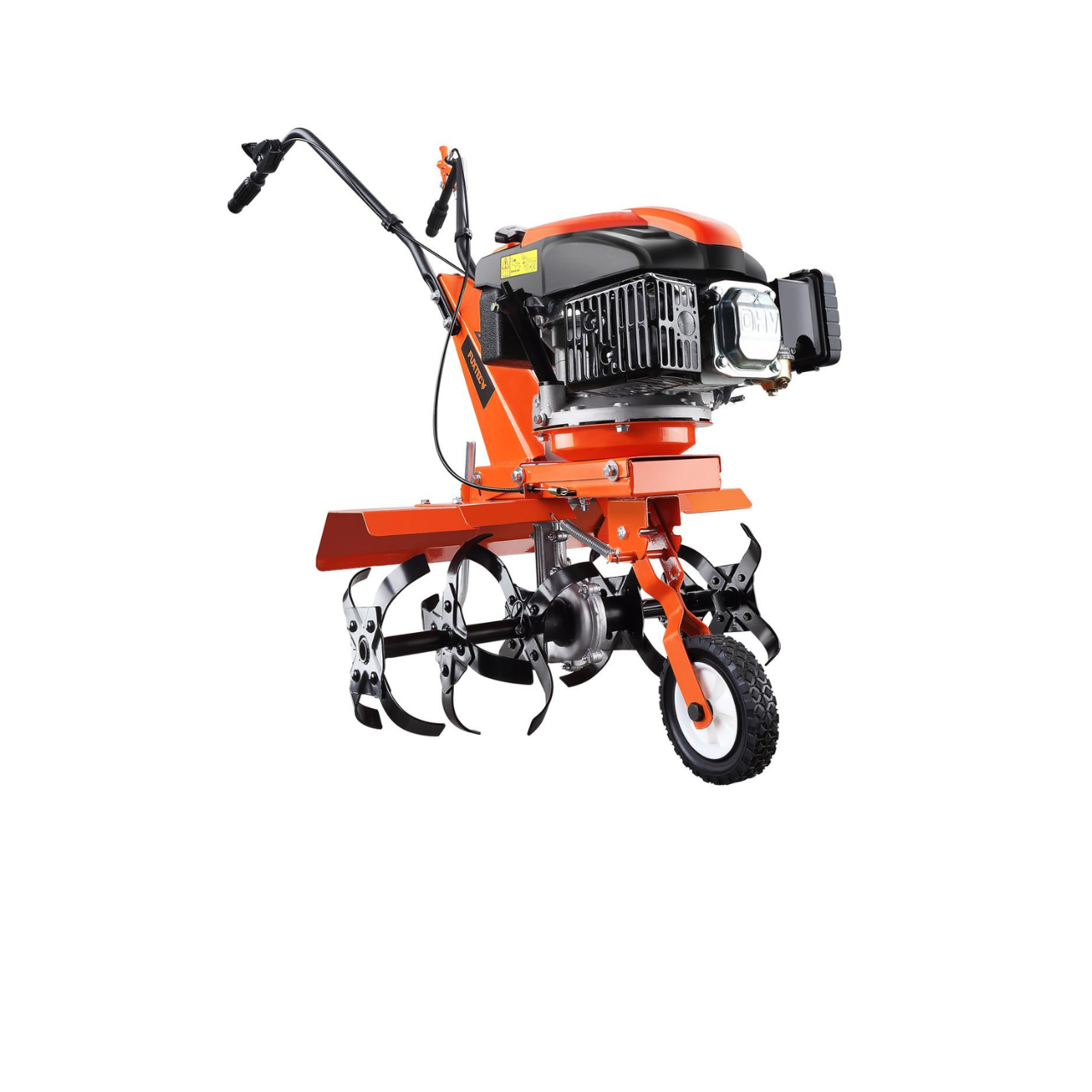
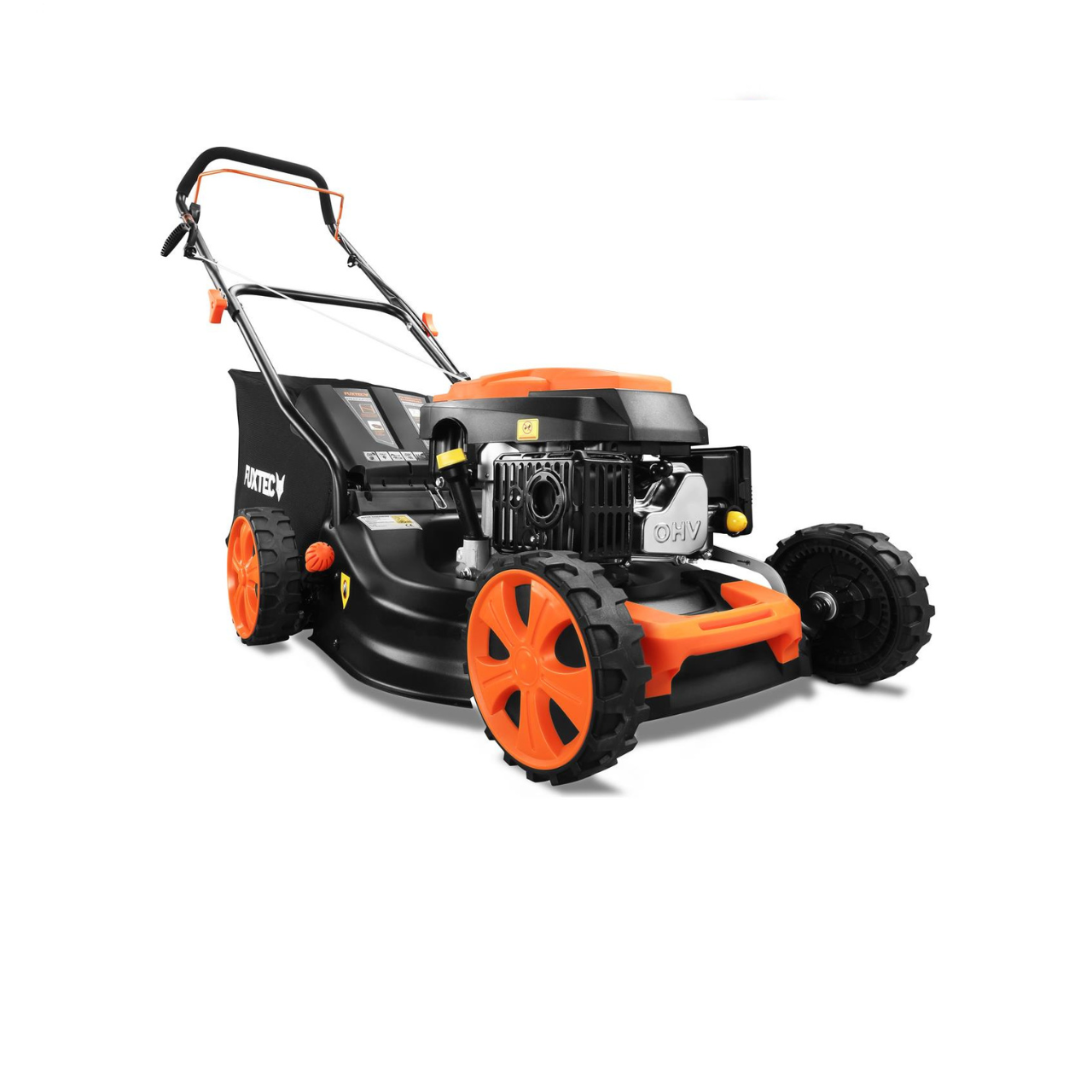
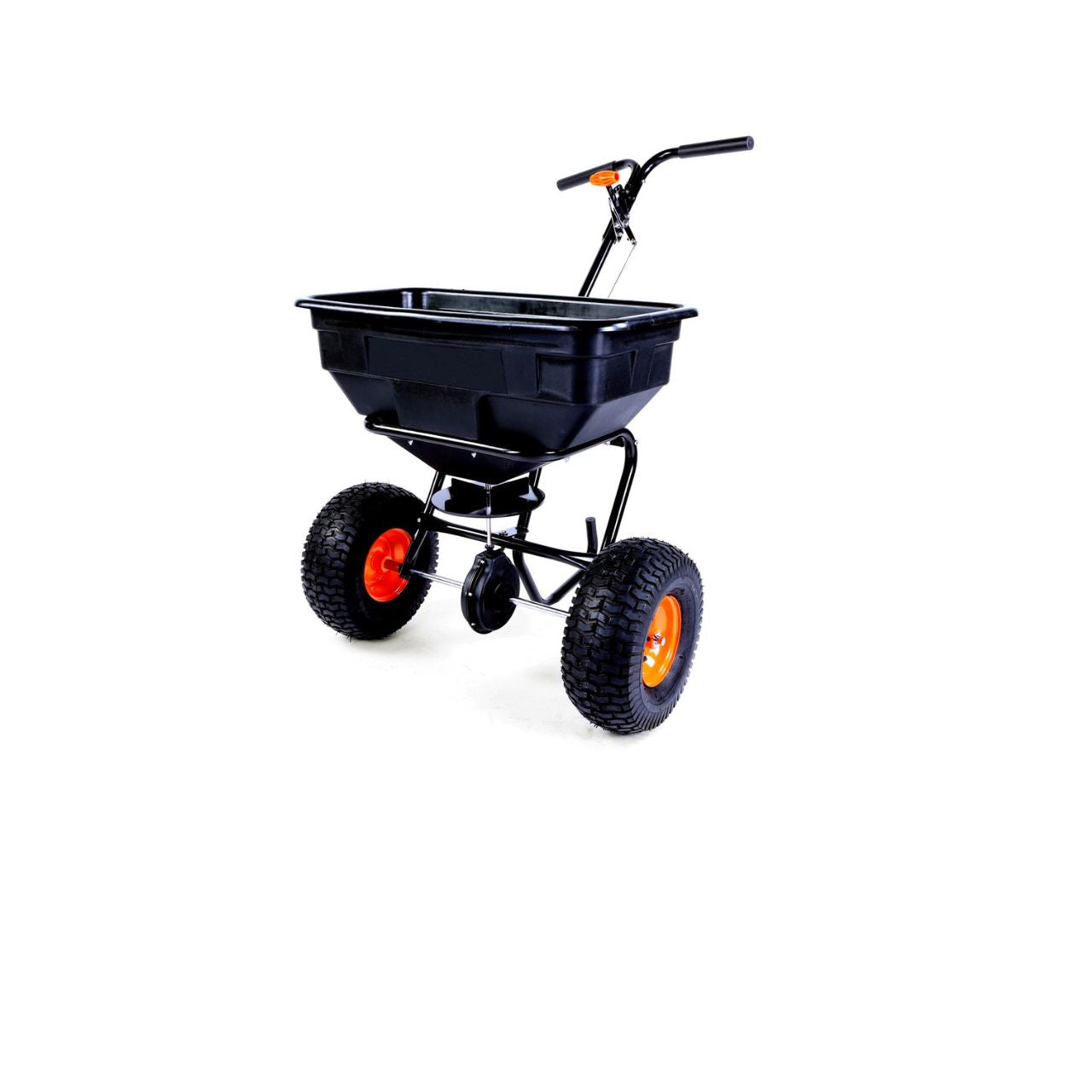
Discover our range of garden tools
What's the best climbing plant for a shady north-facing wall?
Ivy and evergreen honeysuckle are excellent choices for north-facing walls and shaded areas, as they thrive in partial shade with minimal intervention. Both are self-clinging or twining varieties that grow robustly and provide year-round coverage.
Do climbing plants need special support structures?
Yes, most climbing plants benefit from proper support. Self-clinging varieties like ivy attach independently, whilst twining plants such as clematis and wisteria require trellises, pergolas, or wire frames to climb properly. You can build sturdy supports using stainless steel cables or timber posts.
How quickly do climbing plants cover a wall?
Growth speed depends on the variety. Fast-growing climbers like black-eyed Susan can reach several metres within weeks, while others like ivy grow more gradually. Choosing faster-growing varieties is ideal if you need quick privacy screening.
Are climbing plants hardy enough to survive British winters?
Most climbing plants are hardy and low-maintenance, especially evergreen varieties like ivy and honeysuckle. Tender species can be protected with mulch or horticultural fleece during harsh frosts to ensure they thrive year-round.
What climbing plants produce flowers and fragrance?
Clematis, wisteria, honeysuckle, and award-winning climbing roses all offer spectacular blooms and fragrance. Climbing roses are particularly noted for their wonderful scent and abundance of flowers when grown over rose arches.
When is the best time to plant climbing plants?
Spring is the ideal planting season for most climbing plants, whether you're planting bare-root stock or potted specimens. This allows them to establish well before winter and ensures strong growth throughout their first season.
More articles about garden care
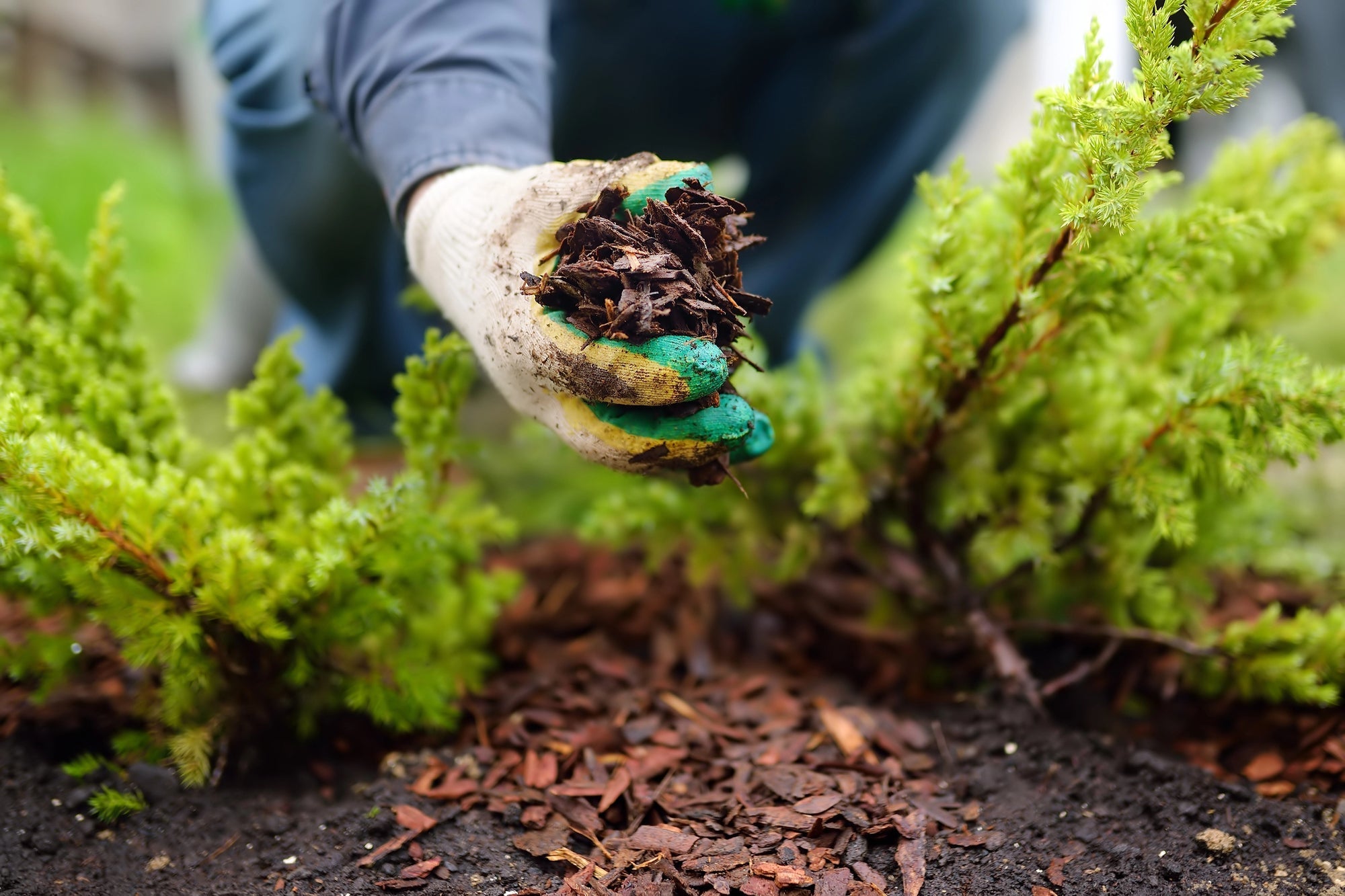
Mulchen mit Pinienrinde: So nutzt du organischen Mulch, um Unkraut zu verhindern
Das Mulchen mit Pinienrinde gehört zu den effektivsten Methoden im modernen Gartenbau und in der nachhaltigen Landwirtschaft. Dabei wird eine Schicht Mulchmaterial auf die Bodenoberfläche aufgebrac...

Bodenverbesserung im Garten: So verbesserst du deinen Gartenboden im Frühjahr für gesunde Pflanzen
Inhaltsverzeichnis Warum Bodenverbesserung im Garten im Frühjahr so wichtig für einen gesunden Gartenboden ist Gartenboden nach dem Winter prüfen: Bodenstruktur, Verdichtung und Bodenart erke...
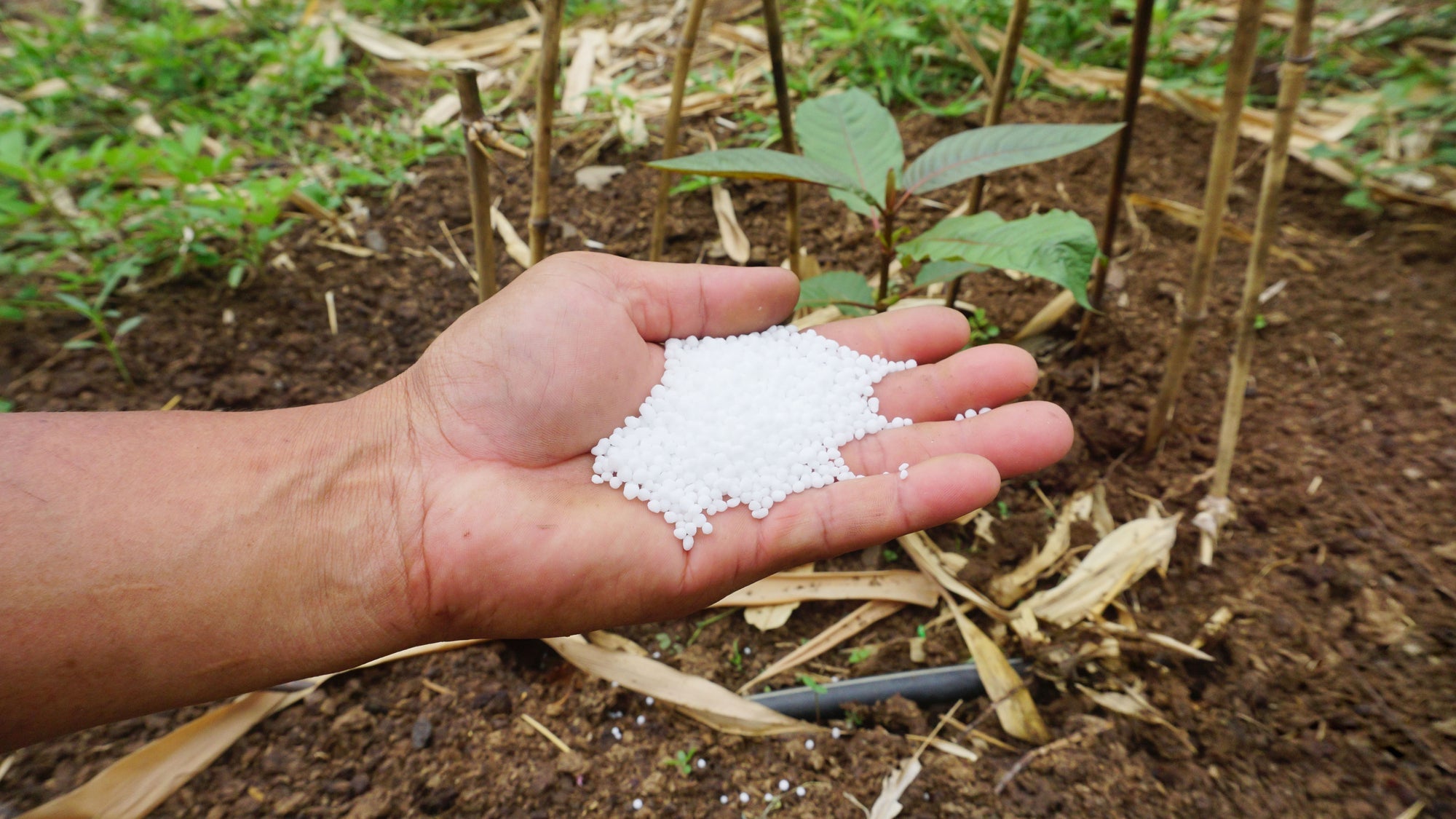
Richtig Düngen im Garten: Schritt für Schritt erklärt
Inhaltsverzeichnis Warum Düngen im Garten so wichtig ist Bodenanalyse: Grundlage für die richtige Düngung Organische vs. mineralische Dünger: Was ist besser? Kompost, Hornspäne & Co.: Organi...


