
Bienenfreundliche Pflanzen Titelbild
Bee-Friendly Plants for Garden & Balcony
- Warum sind bienenfreundliche Pflanzen so wichtig?
- Bienenfreundliche Stauden, Blumen und Kräuter für Deinen Garten oder Balkon
- Bienenfreundliche Pflanzen im Balkonkasten – auch mit wenig Platz ein Hit
- So pflegst Du bienenfreundliche Blumen richtig – von der Aussaat bis zur Blüte
- Bonus: Unsere Lieblingspflanzen für ein Schlaraffenland für Bienen
- Dein Garten als lebendige Oase für Bienen und andere Insekten
- FAQ
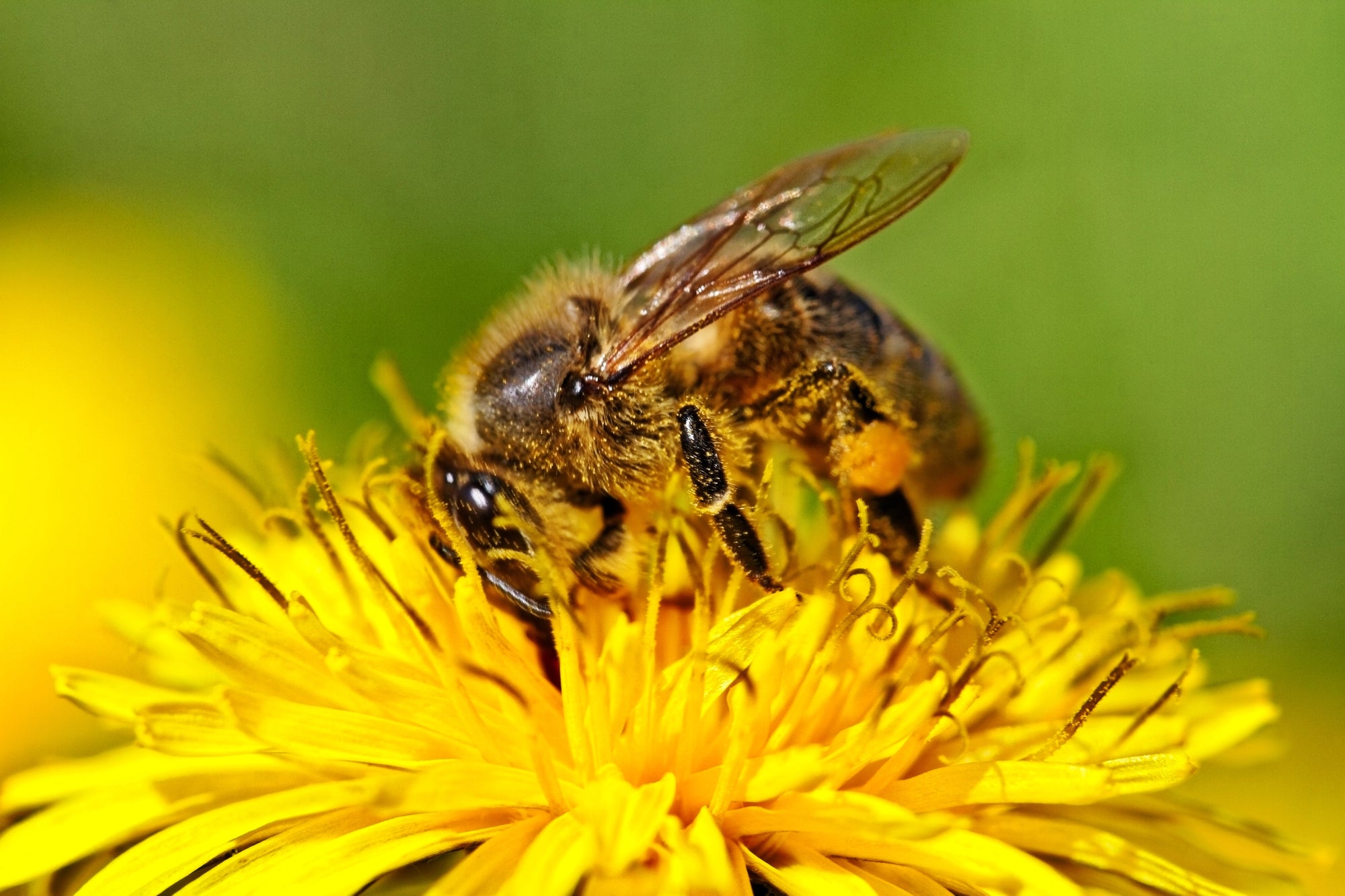
In times of dwindling biodiversity, even small changes can make a big difference. By making your balcony or garden bee-friendly, you'll quickly become a hero for our buzzing helpers.
With the right bee-friendly plants, you can create a true paradise for bees, bumblebees, and other pollinators.
And the best part? You don't need to be a professional gardener. With our tips and the right products from the FUXTEC shop, you can create a vibrant, blooming haven for insects in just a few steps — right in your garden or on your balcony!
Why are bee-friendly plants so important?
Bees are among the most important pollinators in our ecosystem. Without them, there would be very little fruit, vegetables, or many other crops.
Sadly, their habitats are increasingly under threat — from monocultures, pesticides, and hard-surfaced land.
This is where you come in: with the right bee-friendly plants, you can provide new food sources in your own garden or on your balcony. It's not just about honey bees — solitary bees, bumblebees, and butterflies all benefit from a diverse range of blooms.
Many ornamental plants may look beautiful, but are of no use to bees. Double-flowered varieties in particular — as often found in roses or dahlias — offer no nectar or pollen.
Instead, choose varieties with single flowers that are rich in nectar and pollen. Plants such as lavender, nasturtium, or snapdragon are ideal for providing pollinators with a continuous food source.
Particularly important is variety: only a mix of early, summer, and late bloomers guarantees enough food for wildlife from March through to October.
Bee-friendly perennials, flowers, and herbs for your garden or balcony

Choosing the right plants is key when you want to make your green space bee-friendly.
Native plants are particularly well-suited, as our insects have evolved alongside them. They often bloom at the right time and provide exactly the nutrients bees need.
Ideal choices include perennials, herbs, shrubs (such as berry-bearing shrubs), and flowering plants that you can easily grow in a window box, raised bed, or directly in a border.
Some of our top favourites for your bee-friendly garden:
- Lavender: smells wonderful and is a magnet for bees.
- Nasturtium: edible, colourful, and a true bee magnet.
- Sedum (ice plant): perfect for late summer and autumn.
- Catmint: long-flowering and easy to care for.
- Thyme: ideal for pots or a herb spiral.
- Echinacea (coneflower): hardy and extremely popular with pollinators.
If you're unsure which plants suit your light conditions, here's a quick overview:
| Position | Plant suggestions |
|---|---|
| Full sun | Lavender, thyme, echinacea |
| Partial shade | Nasturtium, catmint, sedum |
| Shade | Ferns, sweet woodruff (less bee-friendly) |
Tip: In our article on vertical gardening, you'll find creative ideas for creating a colourful variety of plants even in the smallest of spaces — including bee-friendly options!


Discover our range of garden tools
Which plants attract bees to my garden or balcony?
Lavender, nasturtium, echinacea, catmint, thyme, and sedum are excellent choices for attracting bees. The key is selecting single-flowered varieties rich in nectar and pollen rather than decorative double-flowered types that offer no food for pollinators.
Can I create a bee-friendly garden in a small space like a balcony?
Absolutely. A window box or pot garden works wonderfully for bees when you choose herbs like thyme, borage, and rosemary, combined with long-flowering plants such as nasturtium and lavender. The important thing is ensuring blooms throughout the year from spring to autumn.
What flowering periods do bee-friendly plants have?
To support bees year-round, grow early bloomers like crocuses and violas in spring, summer flowers such as lavender and nasturtium, and autumn plants like sedum and echinacea. This variety guarantees food sources from March through October.
Why should I avoid double-flowered plants for bees?
Double-flowered varieties, such as many roses and dahlias, have no accessible nectar or pollen for bees. Single-flowered plants are far more valuable, as they provide the nutrition pollinators need to survive and thrive.
How do I care for bee-friendly plants properly?
Avoid chemical pesticides, deadhead spent blooms regularly to encourage new flowers, and water consistently without overwatering. Native perennial plants establish the most reliable food sources for bees year after year.
Which bee-friendly plants work best for sunny or shaded areas?
Full sun areas suit lavender, thyme, and echinacea. For partial shade, choose nasturtium, catmint, and sedum. Shaded spots like ferns are less suitable for supporting pollinators.
More articles about garden care
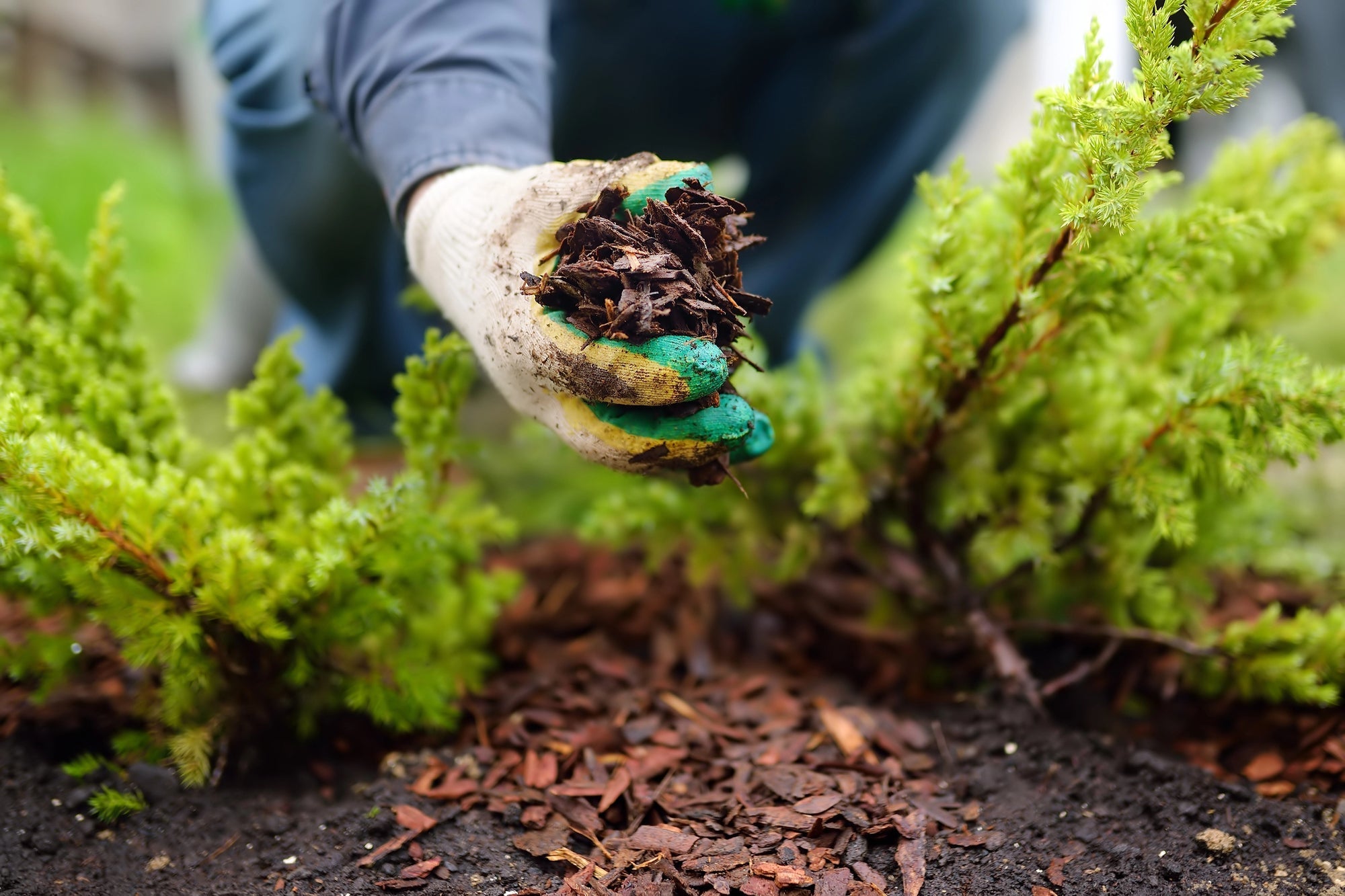
Mulchen mit Pinienrinde: So nutzt du organischen Mulch, um Unkraut zu verhindern
Das Mulchen mit Pinienrinde gehört zu den effektivsten Methoden im modernen Gartenbau und in der nachhaltigen Landwirtschaft. Dabei wird eine Schicht Mulchmaterial auf die Bodenoberfläche aufgebrac...
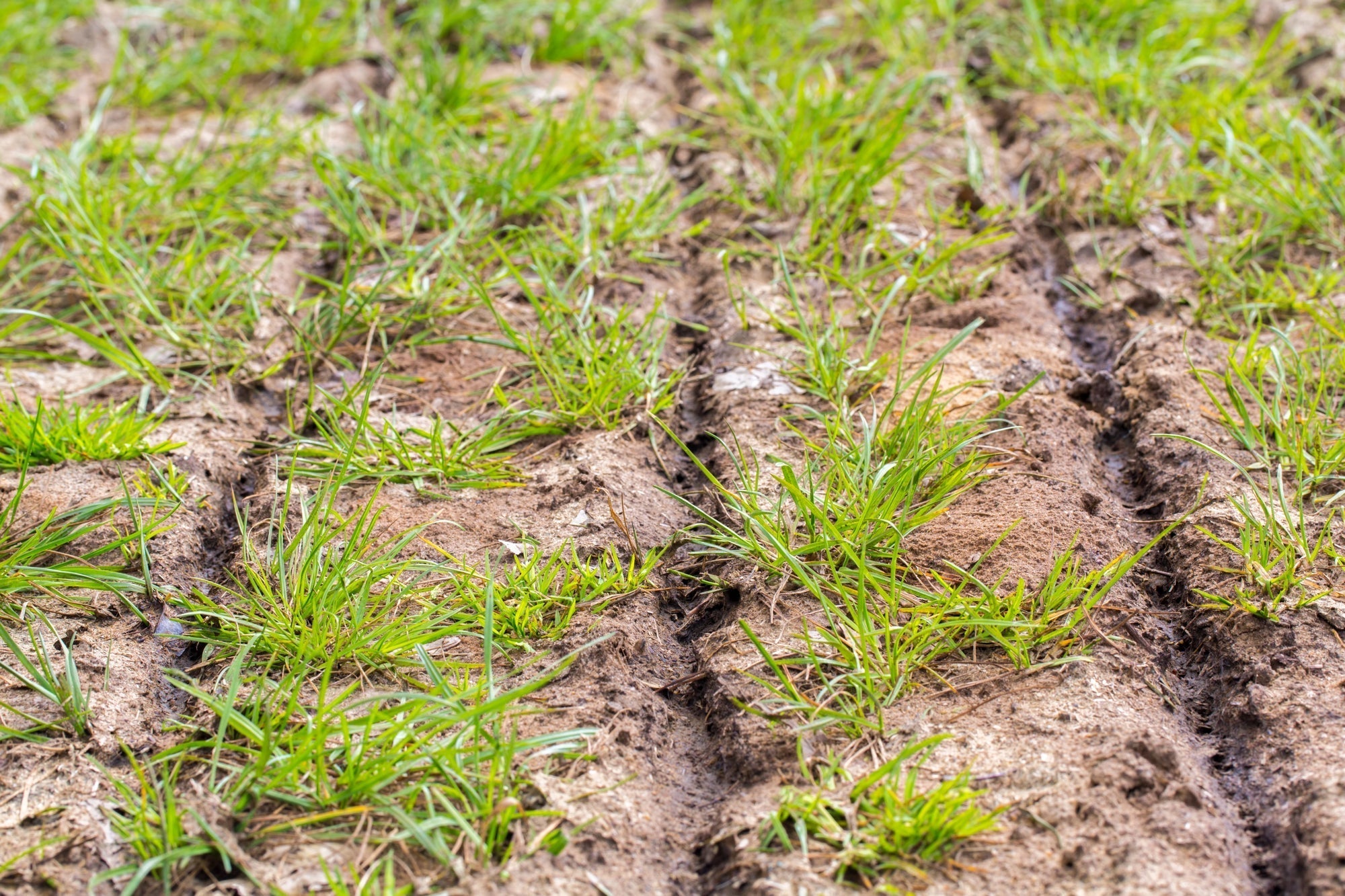
Bodenverbesserung im Garten: So verbesserst du deinen Gartenboden im Frühjahr für gesunde Pflanzen
Inhaltsverzeichnis Warum Bodenverbesserung im Garten im Frühjahr so wichtig für einen gesunden Gartenboden ist Gartenboden nach dem Winter prüfen: Bodenstruktur, Verdichtung und Bodenart erke...
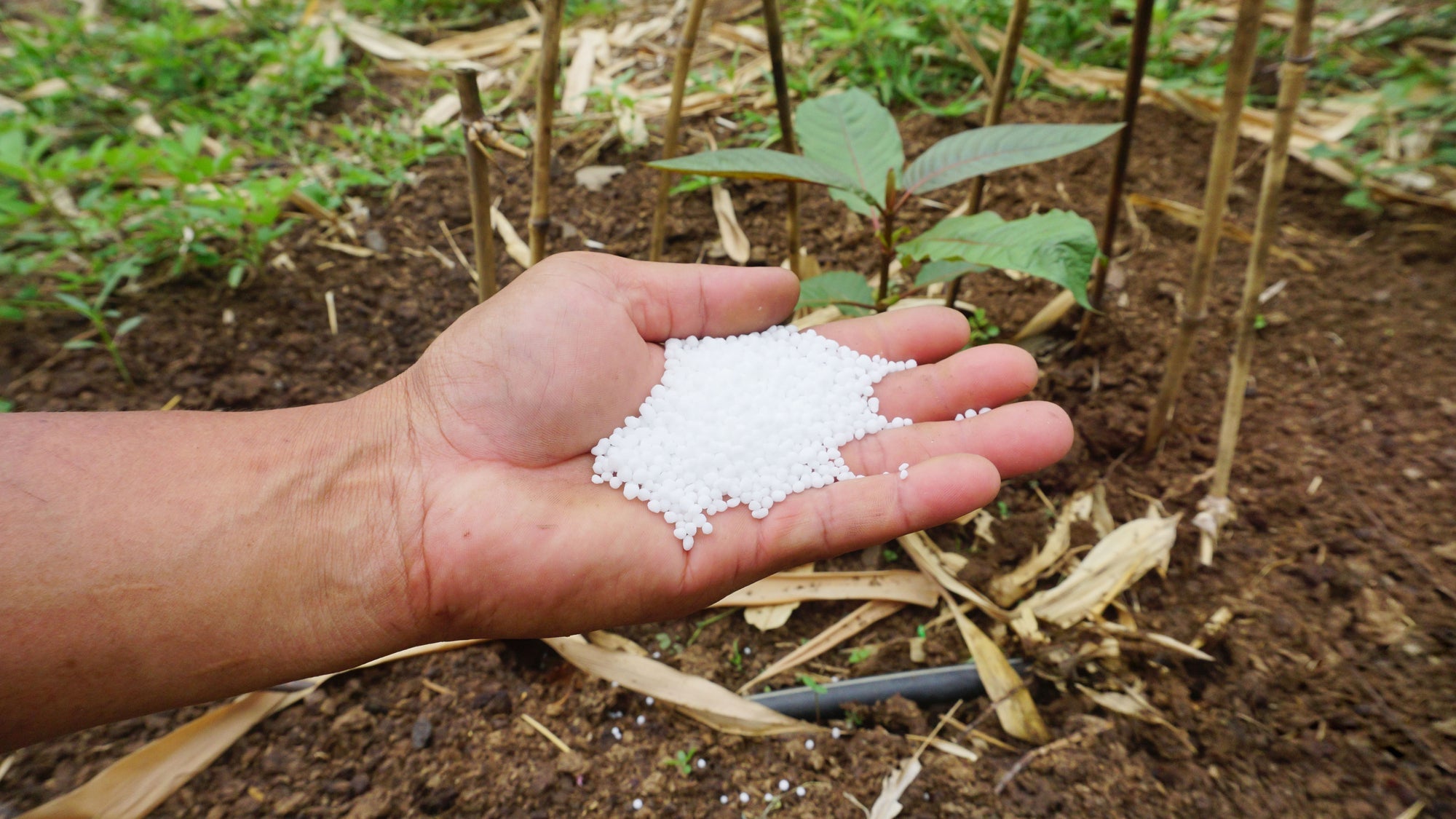
Richtig Düngen im Garten: Schritt für Schritt erklärt
Inhaltsverzeichnis Warum Düngen im Garten so wichtig ist Bodenanalyse: Grundlage für die richtige Düngung Organische vs. mineralische Dünger: Was ist besser? Kompost, Hornspäne & Co.: Organi...


