




Kleingarten gestalten Titelbild
Allotment Design: Planning Tips & Ideas for Your Plot
- Der perfekte Einstieg: Kleingarten gestalten mit Plan
- Schrebergarten gestalten: Tipps und Ideen für ein grünes Paradies
- Kleingarten planen: praktische Tipps für die Umsetzung
- Schrebergarten neu gestalten: vom Rohzustand zur Wohlfühloase
- Kleingarten Design: So kombinierst Du Stil und Funktion
- Bepflanzung und Pflege: Dein Kleingarten lebt!
- Gartenlaube & Co.: Mehr als nur ein Häuschen
- Schrebergarten pachten: Was Du wissen solltest
- So wird Dein Kleingarten zum Traumgarten
- FAQ
An allotment is so much more than just a patch of land. For many, it's a place to unwind, a green escape from the daily hustle – and at the same time, a place to get stuck in, plan and dream.
But before you simply start planting and designing away, it's worth taking a moment to think things through: about proper planning, making the most of the space, and the overall design of your plot.
In this guide, we'll walk you through how to design your allotment in a way that's both practical and stylish.
The Perfect Start: Planning Your Allotment with Purpose

Designing your allotment doesn't begin with a spade – it begins with a plan. Because only when you know exactly what you want from your plot can you save yourself time, money and stress down the line.
It's important to first familiarise yourself with the rules and regulations of your allotment site. In the UK, allotment sites are typically governed by your local council or an allotment association, which may set rules on shed sizes, plot usage, and what structures are permitted.
Particularly useful: a scaled plan of your plot. You can sketch in everything – from the future shed to the vegetable beds and compost area. Paths, seating areas, and screening should also be considered at this stage. That way, you'll always have a clear overview.
A structured plan not only helps with the practical side of things, but can also prevent misunderstandings with your allotment association. And it gets you excited about what's to come – the planting, the growing, the relaxing.
Allotment Design: Tips and Ideas for Your Own Green Paradise
Now for the creative bit! Your allotment is the perfect canvas for your gardening dreams. Whether you go classic with vegetable beds and fruit trees, or modern with a lounge area and raised beds – anything goes, as long as it fits within the rules. But before you dive in: let yourself be inspired.
Some popular allotment design ideas:
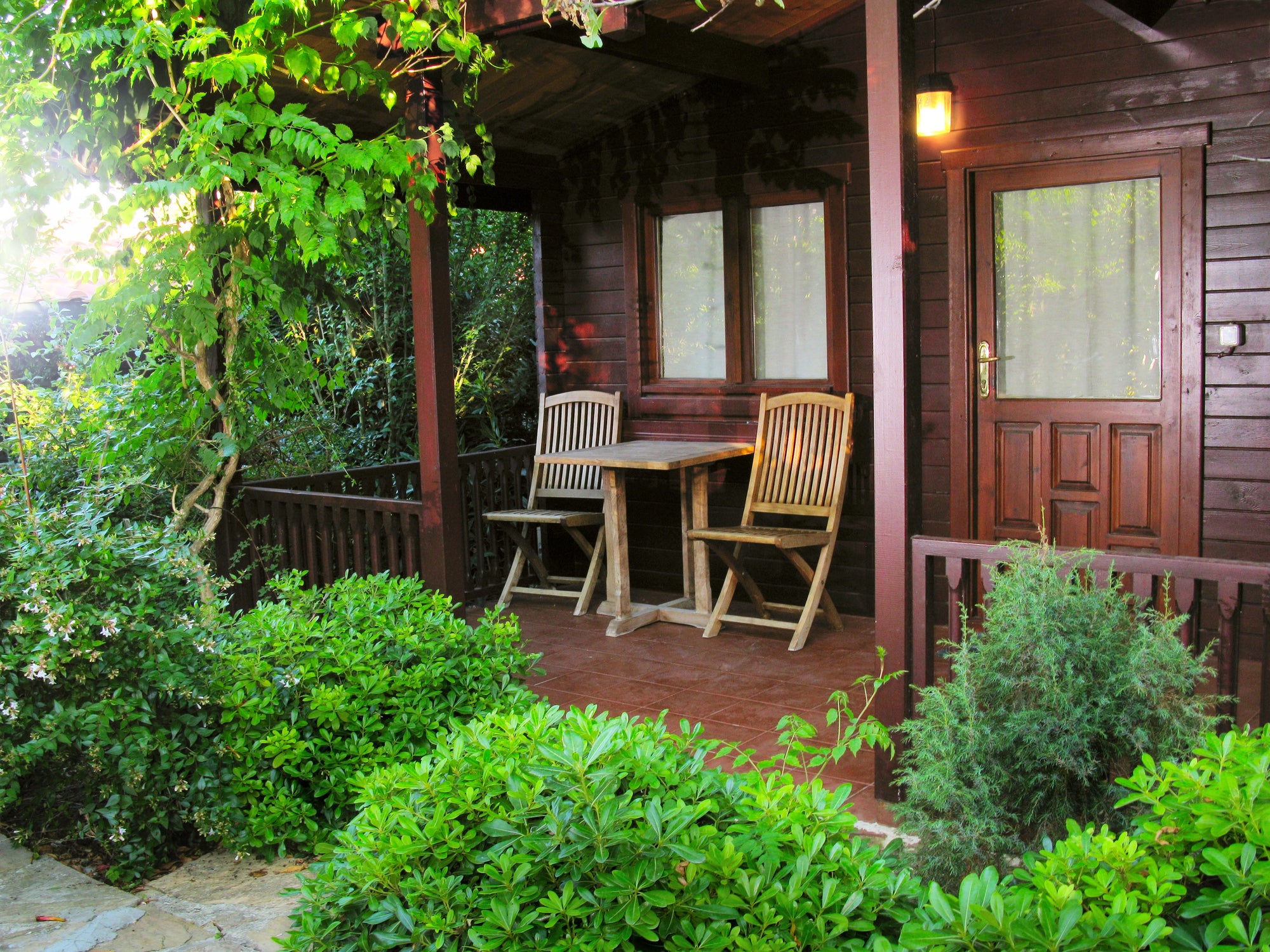
- A central seating area with weatherproof garden furniture as a relaxation spot.
- Raised wooden beds for herbs, vegetables and ornamental plants – space-saving and easy on the back.
- A herb spiral for a visual and culinary highlight.
- Berry bushes along the plot boundary – attractive and productive.
- A small pond as a focal point and wildlife habitat.
When it comes to garden design, less is often more. Pay attention to harmonious transitions, recurring elements, and enough open space. The right tools also make a difference – for example, the FUXTEC pruning shears FX-RSB20, ideal for precise cutting of shrubs and flowers.
Planning Your Allotment: Practical Tips for Getting It Done

Good planning is half the battle – especially with an allotment. The better prepared you are, the more smoothly everything will come together. Key to this: a realistic assessment of your available time, budget, and gardening knowledge.
Think about what functions you want your plot to serve: are you mainly looking to grow vegetables? Or is relaxation the priority? Perhaps you want a bit of both? In that case, mixing edible and ornamental plants works beautifully – both aesthetically and ecologically.
Key aspects to consider when planning:
- Light conditions – Which areas get full sun, and which are shaded?
- Soil quality – Does the soil need improving or feeding? (Tip: check out our guide on fertilising correctly.)
- Water supply – Where does your water come from, and where does it need to go?
- Storage and tool space – Where will you store your gardening tools and compost?
A garden shed, roughly 24 square metres in size, offers practical storage and can double as a retreat. The FUXTEC garden waste bags FX-GB300 help you stay organised – whether you're tidying up during gardening or storing leaves and cuttings.
Redesigning an Allotment: From Overgrown Plot to Garden Retreat
A newly taken-on allotment can often look like a lot of hard work at first: overgrown beds, an old shed, perhaps even a damaged fence. But that's exactly where the potential lies. Redesigning a plot from scratch lets you tailor absolutely everything to your own needs – right from the ground up.
Start with cutting back overgrown plants. Our pruning shears FX-RSB20 are ideal for precise cuts on shrubs and fruit trees. For larger areas, a robotic mower such as the FX-RB224 is well worth considering – it saves a remarkable amount of time.
Once that's done, you can redesign the paths and beds – take your cues from natural movement patterns and sight lines.
Don't forget sustainable features: composting, rainwater harvesting, and pollinator-friendly plants are practically standard nowadays. They make your allotment not only more eco-friendly, but more alive.
Allotment Design: How to Combine Style and Function
An allotment doesn't just have to be practical – it can look great too. Stylish design plays an increasingly important role. And it doesn't have to cost a fortune. With just a few well-chosen touches, you can significantly enhance the look of your plot.
Structure is everything: paths of natural stone or timber, clearly defined beds, screening from hedges or trellis panels. All of this creates order and a harmonious overall feel. The choice of colours for garden furniture or planters should also complement each other – creating a cohesive look throughout.
Table: Elements for Functional and Attractive Allotment Design
| Element | Function | Design Tip |
|---|---|---|
| Raised beds | Back-friendly growing | Timber finish or painted in bright colours |
| Garden furniture | Relaxation & socialising | Matching set in rattan or wood |
| Screening hedge | Privacy & wind protection | Evergreen options such as privet or laurel |
| Garden shed | Storage & retreat | Paint in cheerful colours |
| Paths | Structure & navigation | Natural stone or gravel with edging |
Modern allotment design also embraces smart technology. Intelligent irrigation systems or automated mowers increase convenience and free up more time to simply enjoy your plot.
For more tips on beds, take a look at our guide on how to build a raised bed yourself.
Planting and Care: Bringing Your Allotment to Life!

An allotment truly comes to life through its plants – and through your care. Whether it's vegetables, herbs, flowers or fruit trees: with the right planning and regular attention, you can turn your plot into a thriving green haven. The key is to consider location, season, and companion planting.
Our tips for ideal planting:
- Combine early spring bulbs, summer flowers, and late bloomers for year-round colour.
- Use companion planting: basil next to tomatoes, marigolds next to brassicas – a natural way to deter pests.
- Use raised beds or herb spirals for space-efficient growing and easy maintenance.
Don't forget regular soil care. The FUXTEC guide on hoeing weeds gives you practical tips for keeping weeds at bay – without the need for chemicals.
Discover our range of garden tools
What should I consider before starting to design my allotment?
Start by familiarising yourself with your allotment site's rules and regulations, then create a scaled plan of your plot. Your plan should include the shed, vegetable beds, compost area, paths, seating areas and screening – this gives you a clear overview and prevents misunderstandings with your allotment association.
How do I make the most of a small allotment space?
Use raised beds or herb spirals for space-efficient growing, and arrange your layout carefully to avoid wasting ground. Pay attention to harmonious transitions, recurring design elements, and enough open space to make the plot feel larger and more manageable.
What are some popular allotment design ideas?
Consider adding a central seating area with weatherproof furniture, raised wooden beds for herbs and vegetables, a herb spiral for visual interest, berry bushes along the boundary, or a small pond as a focal point. Choose features that fit within your site's regulations and match your gardening goals.
How do I assess what functions my allotment should serve?
Think realistically about your available time, budget and gardening knowledge, then decide whether you want to focus on growing vegetables, relaxation, or a mix of both. Mixing edible and ornamental plants works beautifully both aesthetically and ecologically.
What practical aspects are essential when planning an allotment layout?
Assess light conditions across your plot, check soil quality and whether it needs improving, plan your water supply and drainage, and decide where to store tools and compost. A garden shed roughly 24 square metres in size offers practical storage and can double as a retreat space.
How can I redesign an overgrown allotment plot?
Start by cutting back overgrown plants with sharp pruning shears, then redesign your paths and beds following natural movement patterns. Incorporate sustainable features like composting, rainwater harvesting, and pollinator-friendly plants to make your allotment more eco-friendly and vibrant.
How do I combine style and function in allotment design?
Use natural stone or timber paths and clearly defined beds to create structure and order, then choose garden furniture and planter colours that complement each other for a cohesive look. Evergreen screening hedges, a painted shed and raised beds in contrasting colours add visual appeal without breaking the budget.
More articles about garden care
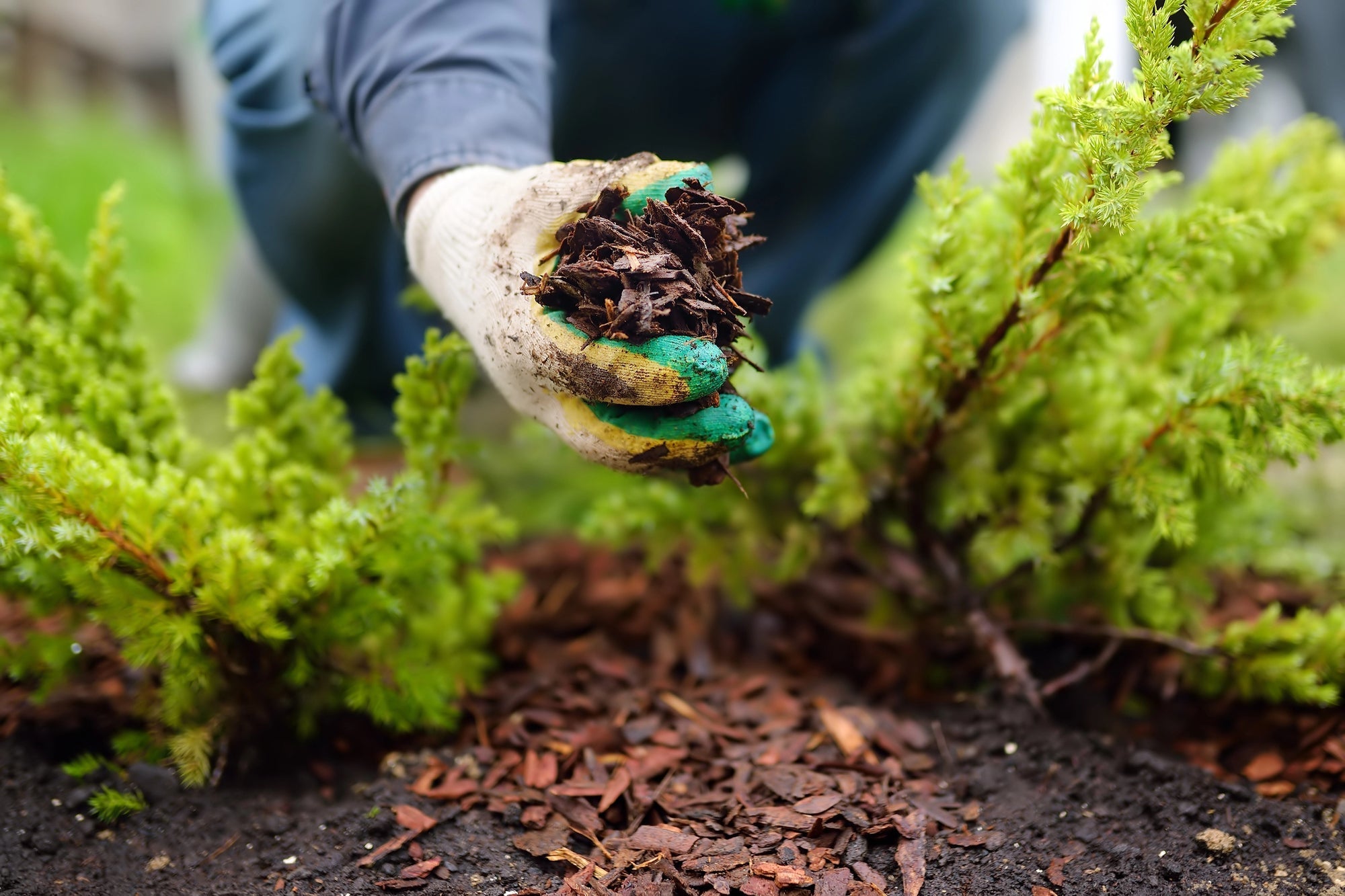
Mulchen mit Pinienrinde: So nutzt du organischen Mulch, um Unkraut zu verhindern
Das Mulchen mit Pinienrinde gehört zu den effektivsten Methoden im modernen Gartenbau und in der nachhaltigen Landwirtschaft. Dabei wird eine Schicht Mulchmaterial auf die Bodenoberfläche aufgebrac...
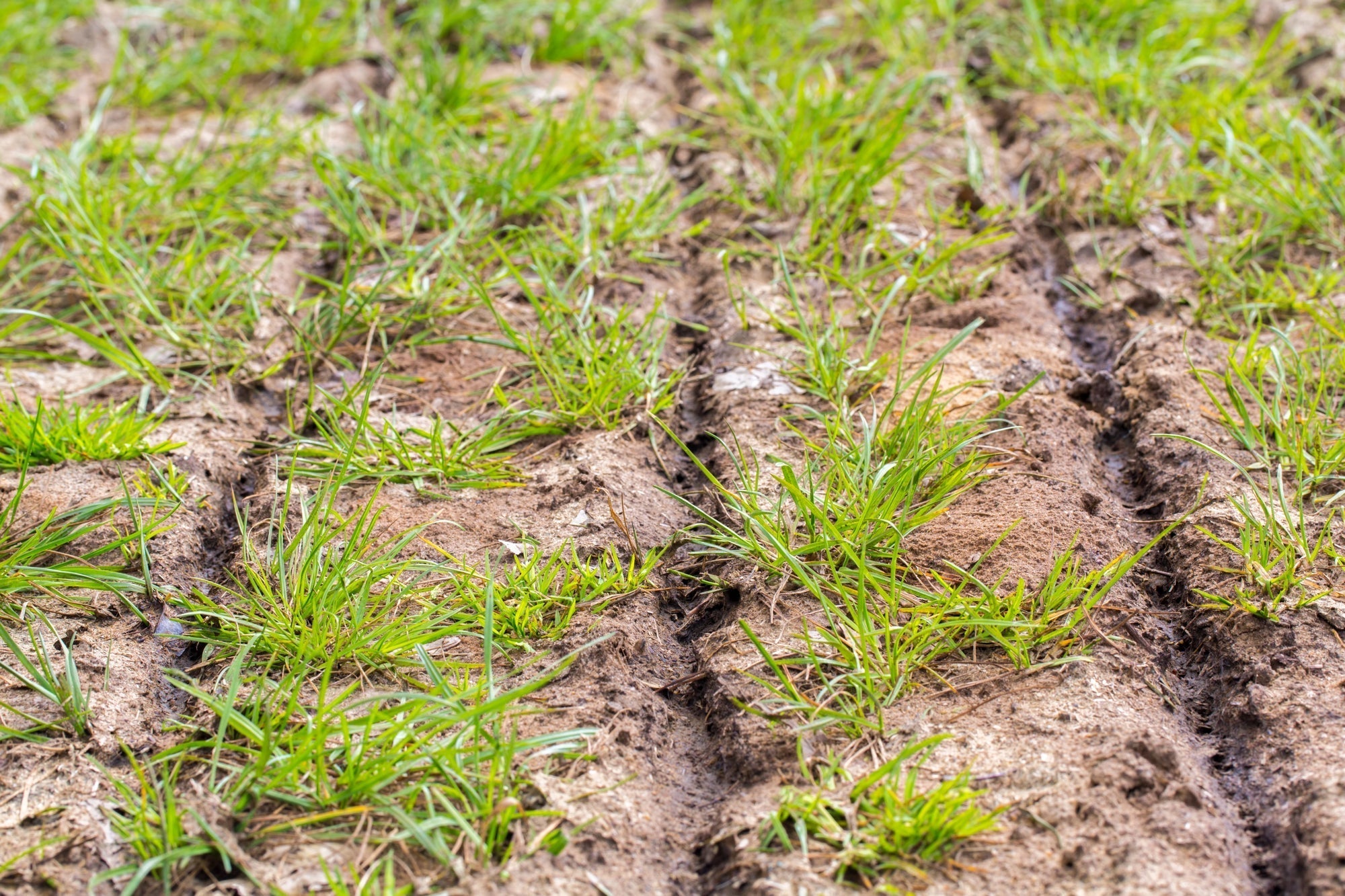
Bodenverbesserung im Garten: So verbesserst du deinen Gartenboden im Frühjahr für gesunde Pflanzen
Inhaltsverzeichnis Warum Bodenverbesserung im Garten im Frühjahr so wichtig für einen gesunden Gartenboden ist Gartenboden nach dem Winter prüfen: Bodenstruktur, Verdichtung und Bodenart erke...
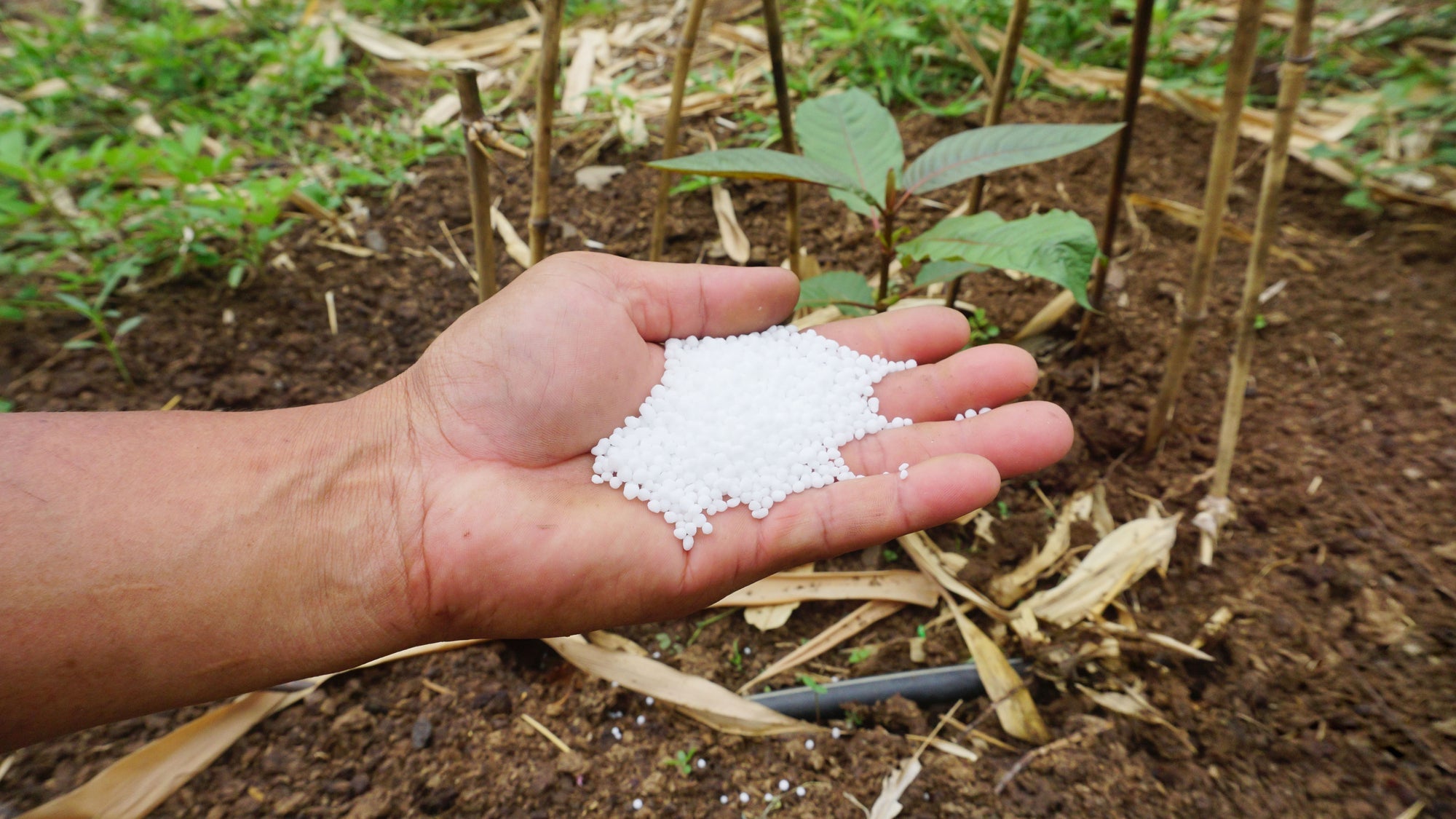
Richtig Düngen im Garten: Schritt für Schritt erklärt
Inhaltsverzeichnis Warum Düngen im Garten so wichtig ist Bodenanalyse: Grundlage für die richtige Düngung Organische vs. mineralische Dünger: Was ist besser? Kompost, Hornspäne & Co.: Organi...


