
How to clean & maintain your hedge trimmer
A well-maintained hedge trimmer is essential for a tidy garden. If you want to keep your hedges in shape throughout the season, you need a tool that works reliably — with clean, sharp blades. Yet many gardeners underestimate just how important cleaning and maintenance really are. Resin build-up, grass clippings, dirt and even rust can significantly reduce performance and shorten the lifespan of your machine. In this guide, you'll learn step by step how to properly clean your hedge trimmer, maintain, sharpen and store it correctly — whether it's a cordless, electric or petrol model.
Why is it so important to clean your hedge trimmer regularly?
Every pass through branches, leaves and twigs leaves its mark. Plant sap, resin, damp leaf debris and fine dust accumulate between the cutting blades and can cause real problems over time:
- Resin and rust cause the blades to become blunt and increase resistance during cutting.
- Accumulated dirt and debris encourages corrosion and can attack the metal over time.
- Clogged blades increase energy consumption — on cordless hedge trimmers, the battery drains faster.
- On petrol hedge trimmers, blocked air filters and intake vents can put strain on the engine.
Regular maintenance is therefore not optional, but a necessity — both for cutting quality and for safe operation.
When should you maintain your hedge trimmer?
Ideally, you should clean your hedge trimmer after every use — at least a quick clean-down. A more thorough deep clean is recommended:
- At the end of each gardening season before storing
- When heavy resin build-up appears on the blades
- When cutting performance drops and the blades feel blunt
- After trimming resinous shrubs such as leylandii or spruce
Taking the time to clean and maintain regularly pays dividends — your machine will reward you with years of reliable performance.

Cleaning your hedge trimmer: a step-by-step guide to clean blades
Step 1: Safety first — switch off the machine
Before you begin cleaning your hedge trimmer, make sure the machine is completely switched off. With a cordless hedge trimmer, remove the battery. With an electric hedge trimmer, unplug it from the mains. With petrol models, allow the engine to cool down fully. Always wear protective gloves to guard against the sharp blades.
Step 2: Remove loose debris
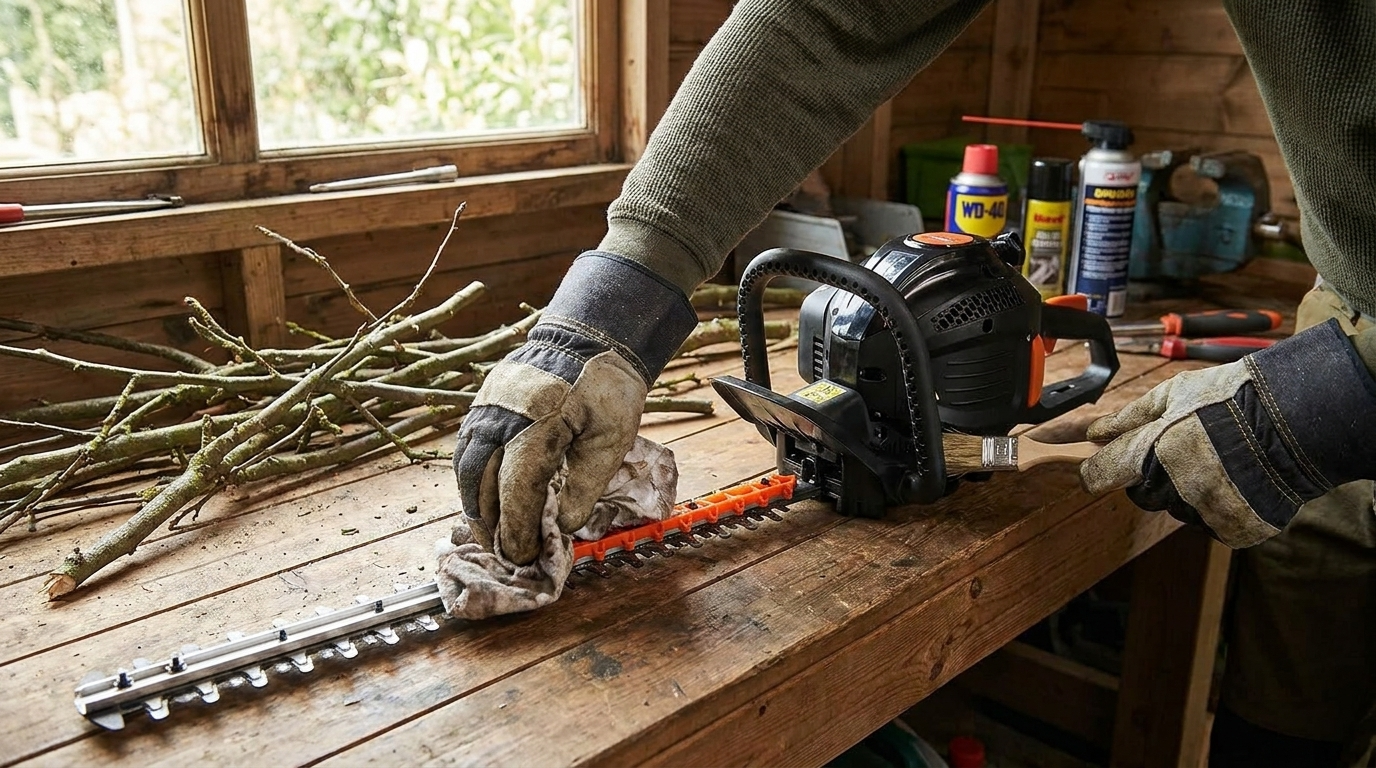
First, remove any coarse debris such as leaves and twigs that have become lodged between the blades or on the body of the machine. Use a stiff brush or an old paintbrush to do this. A blast of compressed air can also help to dislodge stubborn plant matter from the gaps between the blade teeth. This way, most loose debris can be cleared away quickly and easily.
Step 3: Wipe the blades with a damp cloth
Next, thoroughly wipe the cutting blades with a damp cloth. This removes clinging dirt, dust and plant sap. Make sure to clean the entire length of the blades — including the gaps between the individual blade teeth.
Step 4: Remove resin with a resin solvent
If stubborn resin has built up on the blades, a damp cloth alone won't be sufficient. This is where a specialist resin remover comes in. Apply it to the affected areas, leave it to work for a moment, then wipe it away with a cloth or brush. As a home remedy, cooking oil or white spirit can also help to soften resin residue. For a more thorough clean of your hedge trimmer, many users prefer a branded product.
Step 5: Treat rust
Rust on the blades is a sign that the hedge trimmer has been stored for too long without care. Light rust spots can be rubbed away with fine-grit sandpaper or a wire brush. It is then important to oil the blades immediately afterwards to protect them from further corrosion.
Hedge trimmer maintenance: oiling, sharpening and correct storage
Oiling your hedge trimmer: which oil should you use?
After cleaning, oiling is the most important maintenance step. Well-oiled blades glide more smoothly, are protected against rust and corrosion, and work more efficiently. But which oil is best?
- Hedge trimmer oil / maintenance oil: Products developed specifically for hedge trimmers offer optimum protection and are available from any garden centre.
- Chainsaw bar oil: Many users swear by chainsaw bar oil, which has similar properties and provides excellent corrosion protection.
- Penetrating oils such as WD-40: Suitable for short-term maintenance and loosening early rust, but not a long-term lubricant.
Tip: Apply the maintenance oil thinly and evenly along the entire length of the blade. Allow it to soak in briefly, then wipe away any excess. This prevents dirt from sticking to the oil.
Is WD-40 good for hedge trimmers? WD-40 can be used as a short-term rust loosener, but it is not a proper maintenance oil. For lasting protection of your hedge trimmer blades, a dedicated oil or grease is far more suitable.
Sharpening your hedge trimmer: when and how?
How do you know when it's time to sharpen your hedge trimmer? If the blades are crushing branches rather than cutting cleanly through them, if cut edges are fraying, or if you find yourself having to use noticeably more force, it's time to sharpen your hedge trimmer.
Can you sharpen the blades yourself? Yes, with the right tools it's perfectly possible:
- Flat file or whetstone: Work in smooth, even strokes along the sharpening angle of each blade tooth.
- Electric sharpener: Suitable for experienced users, but take care — remove too much material and you'll ruin the blade.
- Professional sharpening service: If you're unsure, or if you've already resharpened the blades of your hedge trimmer many times, it's best to leave it to a professional.
Once you've finished sharpening your hedge trimmer, the cutting blades will be fresh and ready for use again. Don't forget to oil them straight afterwards!
Maintenance by machine type
Cleaning an electric hedge trimmer
Cleaning an electric hedge trimmer is straightforward: unplug the cable, clean and oil the blades — done. Also make sure to clear the body and any ventilation slots of dust and plant debris so the motor is properly ventilated.
Maintaining a cordless hedge trimmer
With cordless hedge trimmers: always store the battery separately. Keep the hedge trimmer and charger in a dry place. Do not store the battery fully discharged — a charge level of around 40–60% is ideal for long-term storage. With battery-powered models, you should also check the contacts regularly and clean them if necessary.
Servicing a petrol hedge trimmer
Petrol hedge trimmers require slightly more involved servicing. As well as caring for the blades, you should regularly clean or replace the air filter, drain the fuel before storage, and have the spark plug and carburettor checked. When does basic servicing no longer suffice? If the machine won't start or runs unevenly, a qualified service centre is the right port of call.
Deep cleaning your hedge trimmer: how to go about it
For a thorough clean at the end of the season, we recommend the following approach:
1. Make the machine safe (remove battery, unplug, or drain fuel)
2. Remove loose debris with a brush
3. Treat the blades with resin remover and clean thoroughly
4. Remove rust with sandpaper
5. Sharpen the blades if necessary
6. Oil the blades with hedge trimmer oil or chainsaw bar oil
7. Clean the body and ventilation slots
8. Store the machine somewhere dry — keep the battery separate from the hedge trimmer
This deep clean takes around 20–45 minutes depending on the machine and level of soiling, and is a worthwhile investment in the longevity of your tool.
Cleaning your hedge trimmer correctly: common mistakes to avoid
- ❌ Using a pressure washer: The water pressure forces moisture into bearings and the motor — promoting rust and corrosion.
- ❌ Applying oil to dirty blades: Dirt and oil combine to form a sticky paste. Always clean first, then oil.
- ❌ Storing the hedge trimmer damp: Moisture is every blade's worst enemy. Always store dry.
- ❌ Sharpening without protective gloves: Even blunt blades can cause serious cuts.
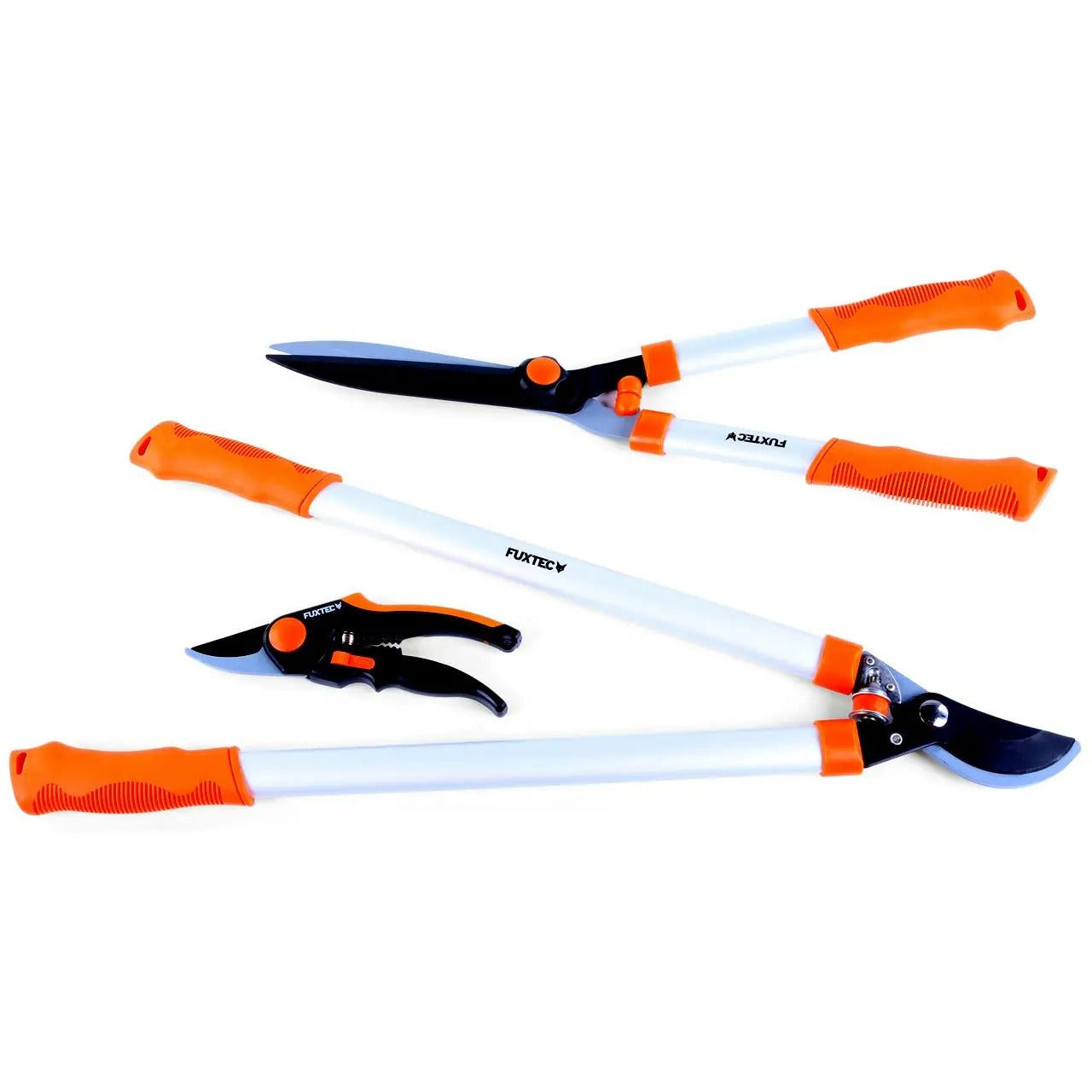
Don't forget your garden shears either
What applies to the hedge trimmer applies equally to other cutting tools. Garden shears should be cleaned, oiled and sharpened as needed after every use. The same maintenance principles apply — smaller blades, same principle.
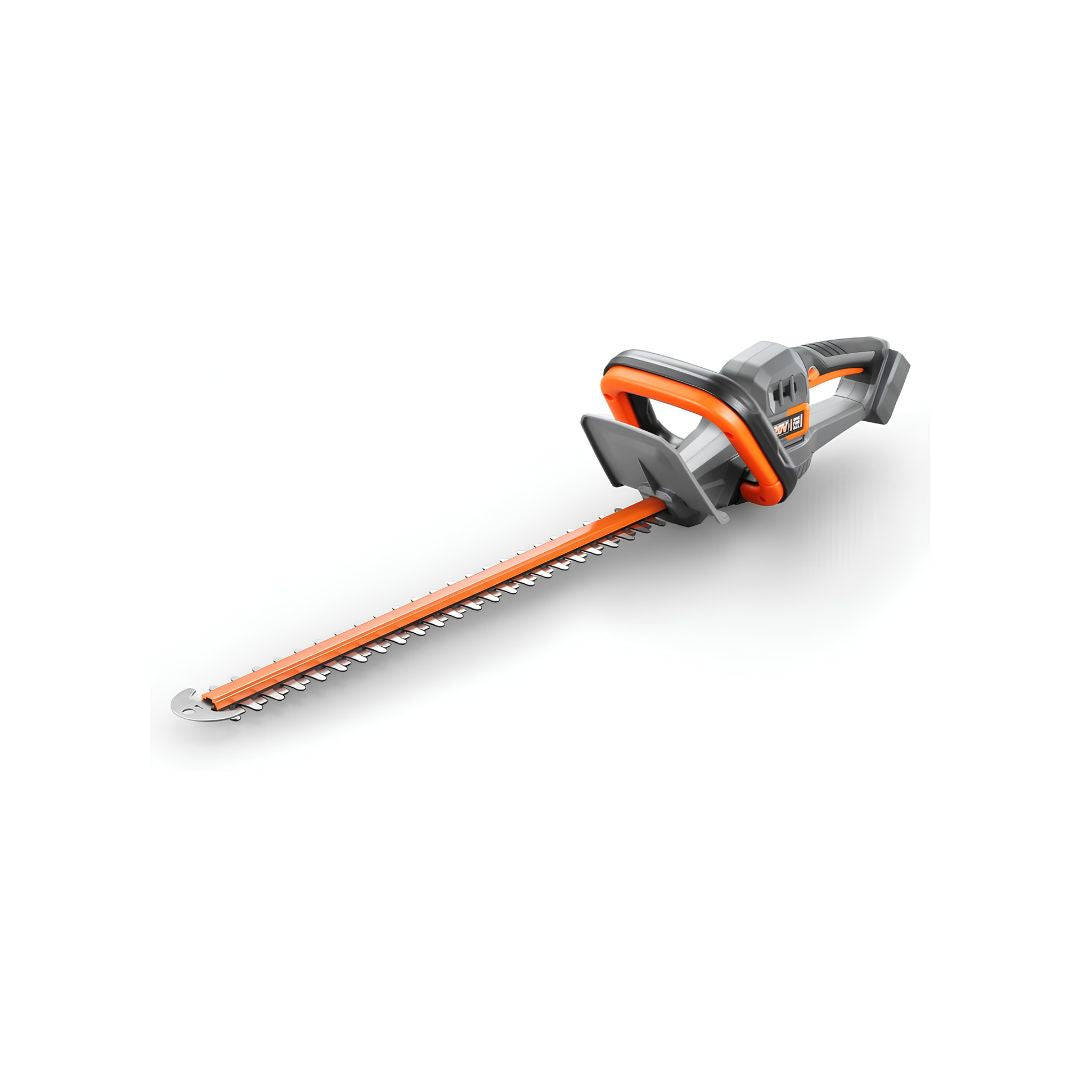
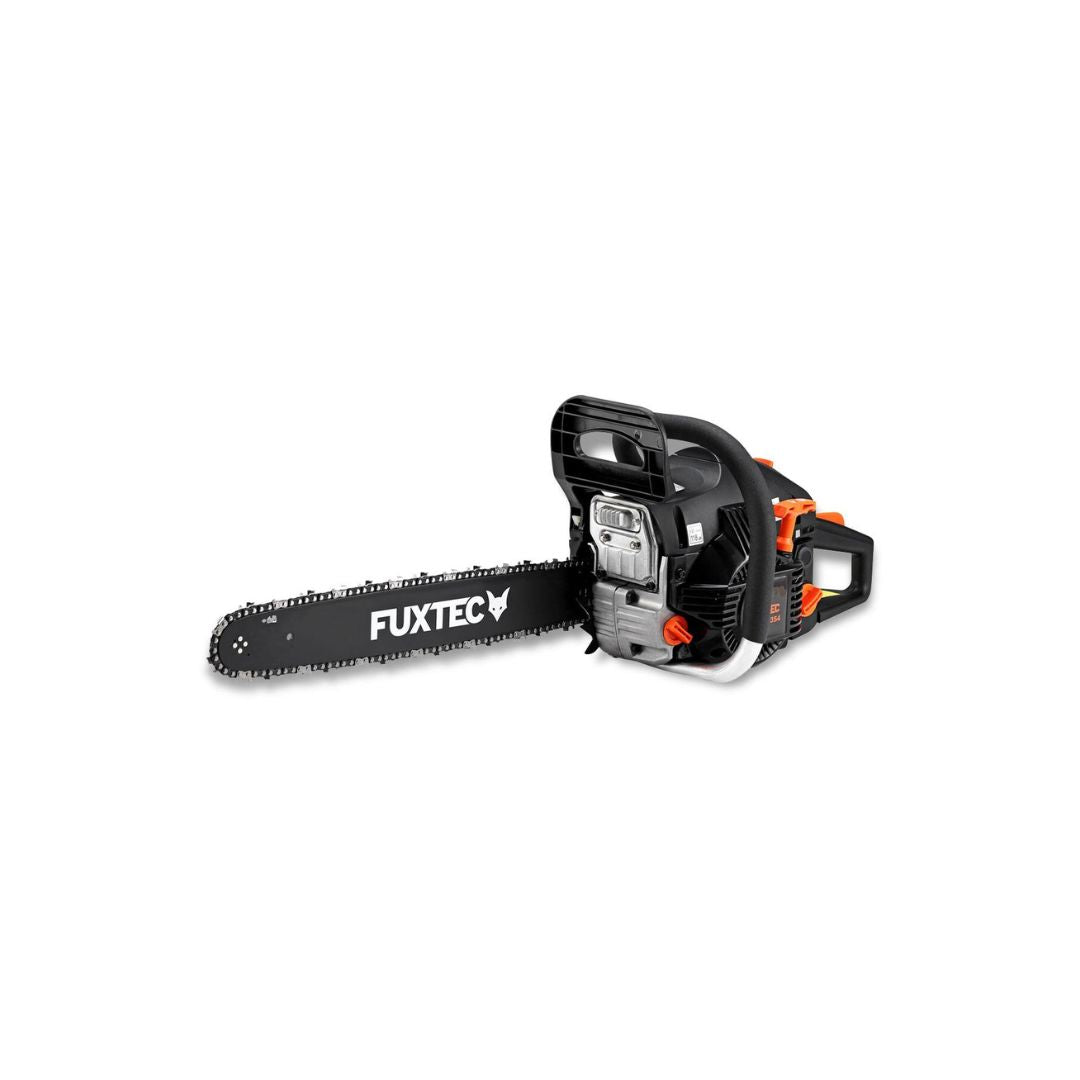
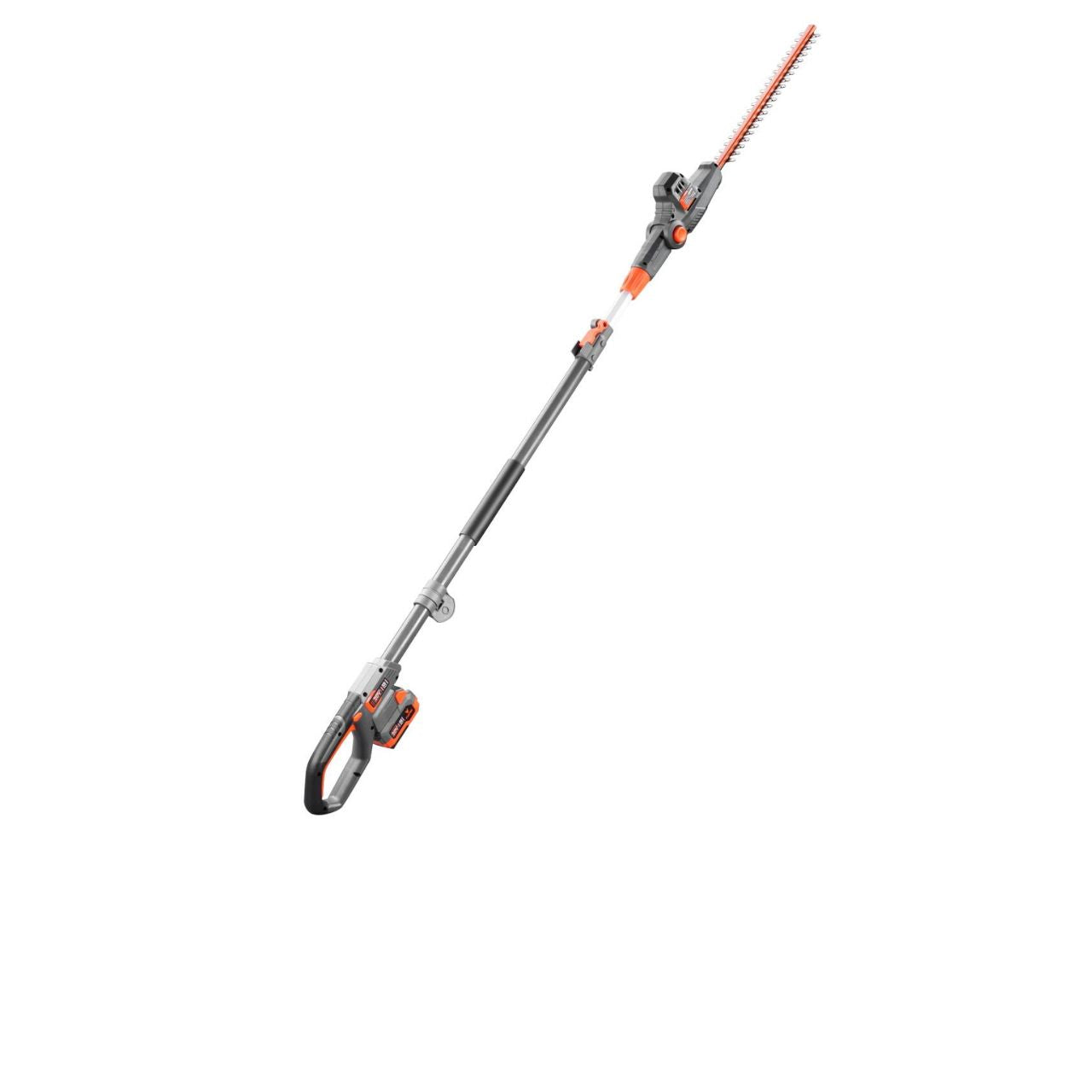
The best tools for caring for trees and hedges
How often should I clean my hedge trimmer?
You should perform a quick clean after every use, and a deep clean at the end of the gardening season, when resin build-up appears, or when cutting performance drops. Regular maintenance is essential for keeping your machine in top condition.
What's the best way to remove resin from hedge trimmer blades?
Use a specialist resin remover applied to the affected areas, or try home remedies like cooking oil or white spirit to soften the residue. After applying either option, wipe away thoroughly with a cloth or brush.
Should I use WD-40 as maintenance oil for my hedge trimmer?
WD-40 can be used as a short-term rust loosener, but it is not a proper long-term maintenance oil. For lasting protection, use dedicated hedge trimmer oil or chainsaw bar oil instead.
How do I know when my hedge trimmer blades need sharpening?
If the blades are crushing branches rather than cutting cleanly, cut edges are fraying, or you need to use noticeably more force, it is time to sharpen your hedge trimmer blades.
Can I sharpen hedge trimmer blades myself?
Yes, you can use a flat file or whetstone to sharpen the blades with smooth, even strokes, or use an electric sharpener if experienced. For best results, consider professional sharpening if you are unsure or have resharpened multiple times already.
What should I do with the battery on a cordless hedge trimmer during storage?
Store the battery separately from the trimmer in a dry place at a charge level of around 40–60% for long-term storage. Avoid storing it fully discharged, and regularly check the battery contacts for cleanliness.
Can I use a pressure washer to clean my hedge trimmer?
No, pressure washers are not recommended as the water pressure forces moisture into the motor and bearings, promoting rust and corrosion. Instead, use a damp cloth and brush for cleaning.
More articles about tree and hedge care
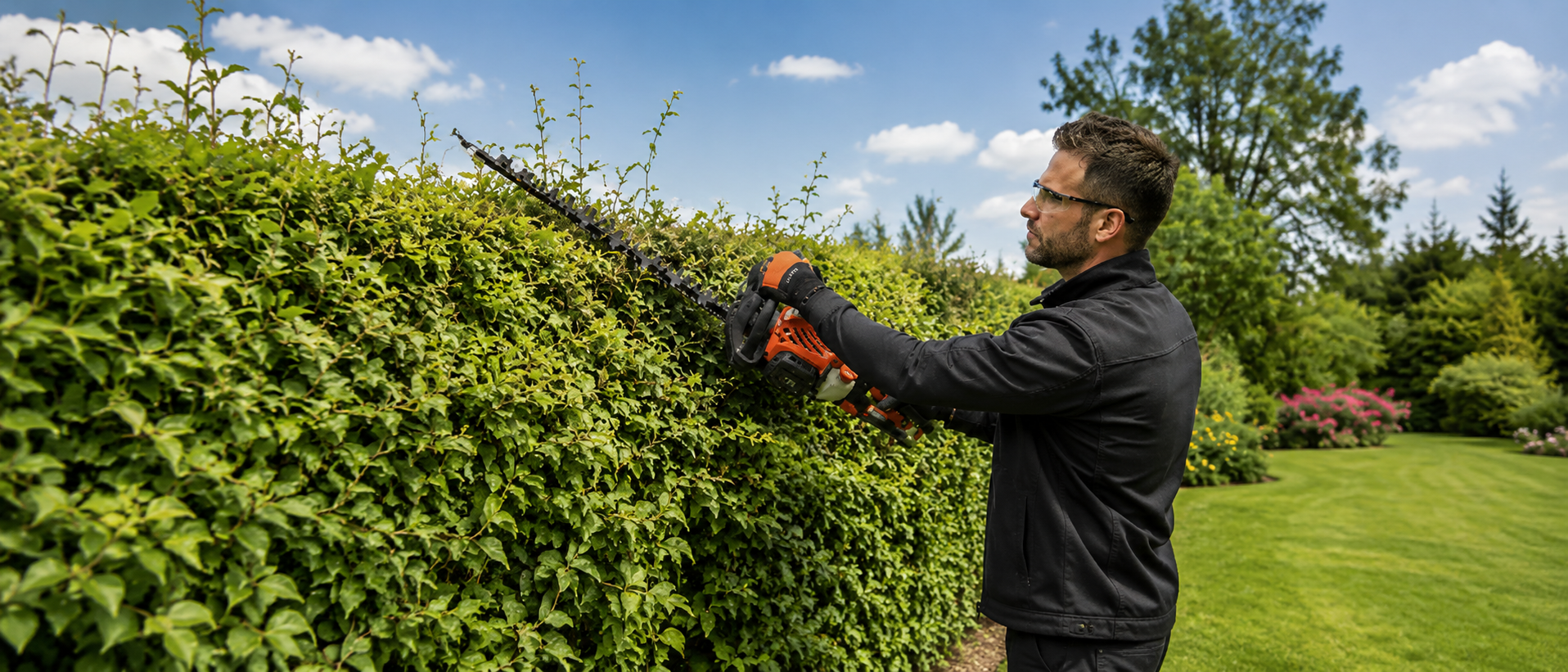
Verwilderte und hohe Hecke schneiden: So bringst Du sie sicher zurück in Form
Eine verwilderte Hecke ist zu breit, stellenweise kahl und von dicken Ästen durchzogen. Ist sie zusätzlich mehrere Meter hoch, reicht ein schneller Formschnitt mit der normalen Heckenschere nicht...
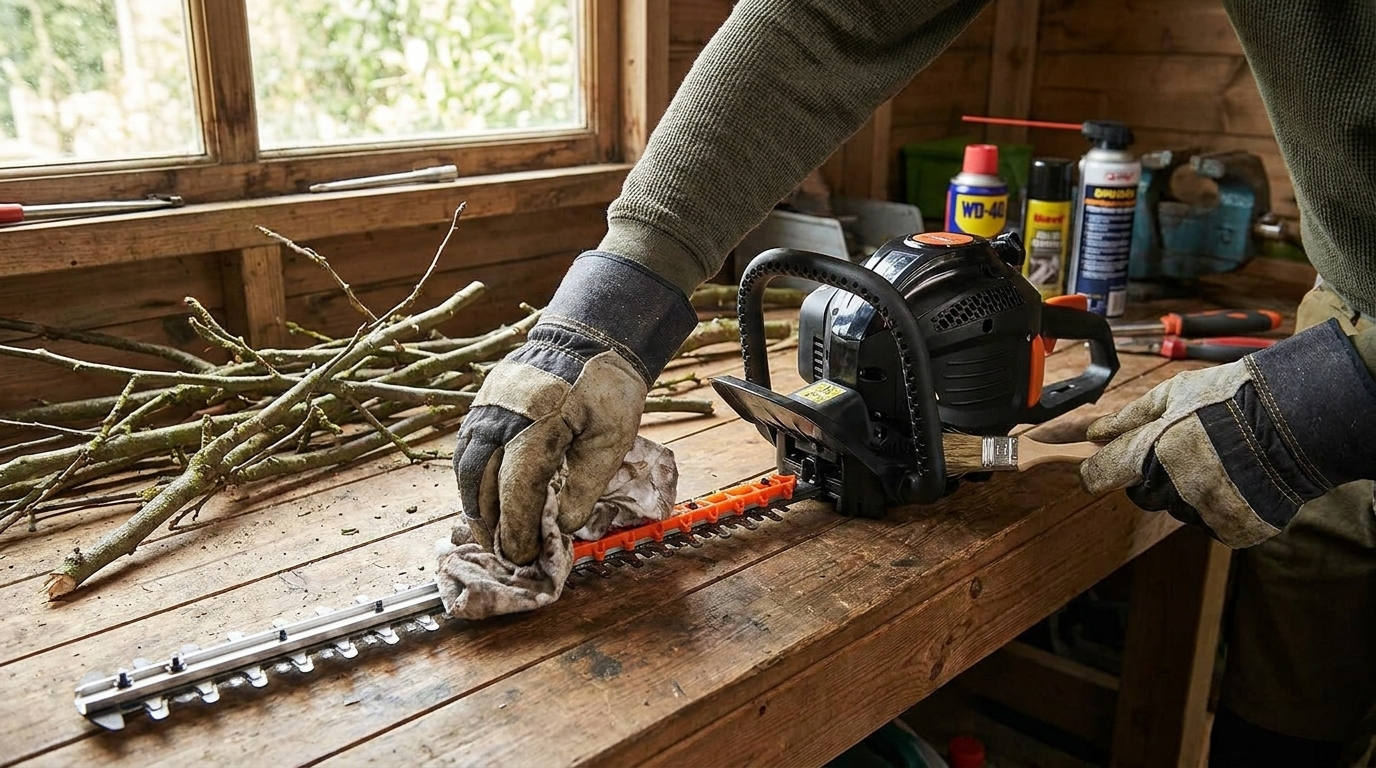
How to clean & maintain your hedge trimmer
A well-maintained hedge trimmer is essential for a tidy garden. If you want to keep your hedges in shape throughout the season, you need a tool that works reliably — with clean, sharp blades. Yet m...
Wann Hecke schneiden: Ist Heckenschnitt im Mai und Juni erlaubt?
Eine gepflegte Hecke ist Sichtschutz, Lebensraum und Gestaltungselement zugleich. Damit sie dicht wächst, ihre Form behält und nicht von innen verkahlt, muss sie regelmäßig geschnitten wer...


