



Diese Kräuter sind winterhart!
Hardy Herbs: Which Herbs Survive Winter Outside
As temperatures drop, many gardeners find themselves wondering which herbs can survive outside through winter. The answer depends largely on the individual plant. Some herbs are perennial and remarkably tough, while others are sensitive to frost and need protection or a spot indoors. Knowing the difference means you can keep a productive herb garden going even in winter and enjoy fresh flavours all year round.
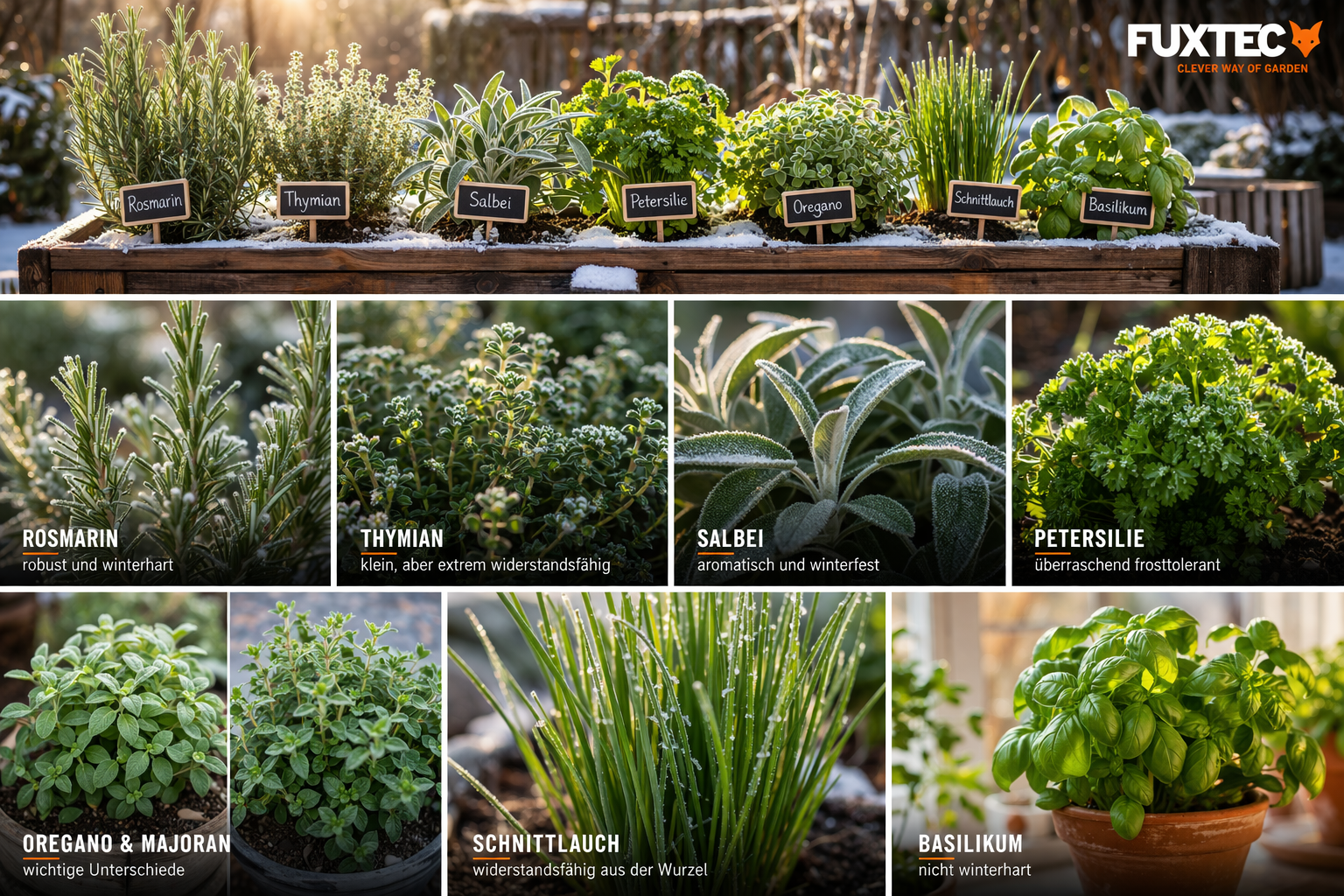
Rosemary: robust and winter-hardy
Rosemary is one of the hardiest herbs you can grow. As an evergreen perennial, it can tolerate temperatures down to around -10 °C. Its aroma remains intense throughout winter — sometimes even more concentrated. A sheltered spot is key: ideally somewhere wind-protected and sunny, with well-draining soil. Waterlogging is the greatest risk factor for rosemary. A light trim in late summer encourages compact growth.
Thyme: small but incredibly resilient
Thyme is also a perennial and ranks among the most cold-resistant of all herbs. Some varieties can withstand temperatures as low as -15 °C. It prefers poor, free-draining soil and is an excellent choice for rockeries or raised beds. Thyme grows more slowly in winter but stays aromatic and usable. A light layer of mulch helps keep the soil temperature stable.
Sage: aromatic and winter-tough
Sage can handle temperatures down to around -8 °C and remains a reliable feature of the herb garden throughout winter. Its essential oils are preserved, so the plant continues to smell wonderfully fragrant. A loose, well-draining soil is important. When growing in containers, good drainage is especially critical, as waterlogging can quickly cause damage.
Parsley: surprisingly frost-tolerant
Parsley is biennial but shows impressive frost resistance down to around -5 °C. Flat-leaf varieties tend to be hardier than curly types. For overwintering outdoors, a light covering of horticultural fleece is recommended. Alternatively, parsley can be brought inside and grown on a windowsill in a pot.
Oregano and marjoram: important differences
Oregano is winter-hardy and can survive temperatures down to around -10 °C. The top growth may die back partially, but it will shoot again in spring. Marjoram, on the other hand, is considerably more tender and can barely tolerate frost. In much of the UK, it is best treated as an annual or brought indoors over winter.
Chives: resilient from the roots
Chives can withstand even hard frosts, down to around -20 °C. The above-ground growth dies back in winter, but the plant regenerates from its roots come spring. If you want fresh chives through winter, pot up a clump and bring it indoors.
Basil: not winter-hardy
Basil is the exception among herbs. Temperatures below 10 °C can already cause damage, and frost will quickly kill the plant. For overwintering, a warm, bright spot indoors is essential — for example in a heated greenhouse. Alternatively, basil can be processed and frozen for later use.
The right soil and winter care
Free-draining soil is essential for all winter-hardy herbs. Waterlogging is often more damaging than cold temperatures. Mixing compost with horticultural grit or perlite significantly improves drainage. Raised beds or slightly elevated planting areas also help excess water to drain away. In winter, watering should be reduced considerably, as the plants' water requirements drop sharply.
With the right plant selection, a productive herb garden in winter is entirely achievable. Rosemary, thyme, sage, oregano, and chives are among the most dependable options. Parsley also does well with a little protection, while basil must come indoors without question. With the right location, soil, and watering regime, you can enjoy fresh herbs even in the coldest months.
Everything for your garden

More articles about garden care
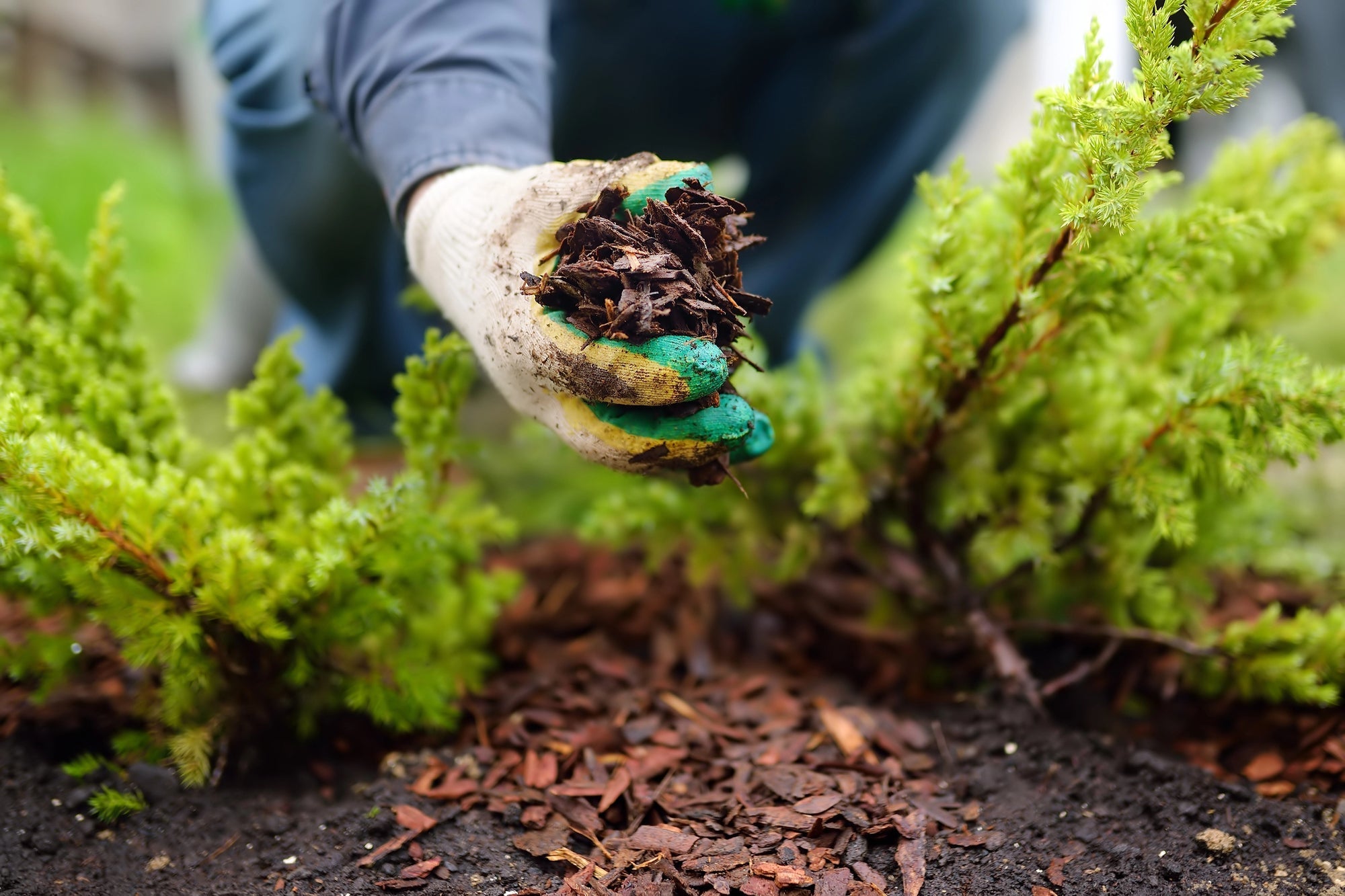
Mulchen mit Pinienrinde: So nutzt du organischen Mulch, um Unkraut zu verhindern
Das Mulchen mit Pinienrinde gehört zu den effektivsten Methoden im modernen Gartenbau und in der nachhaltigen Landwirtschaft. Dabei wird eine Schicht Mulchmaterial auf die Bodenoberfläche aufgebrac...
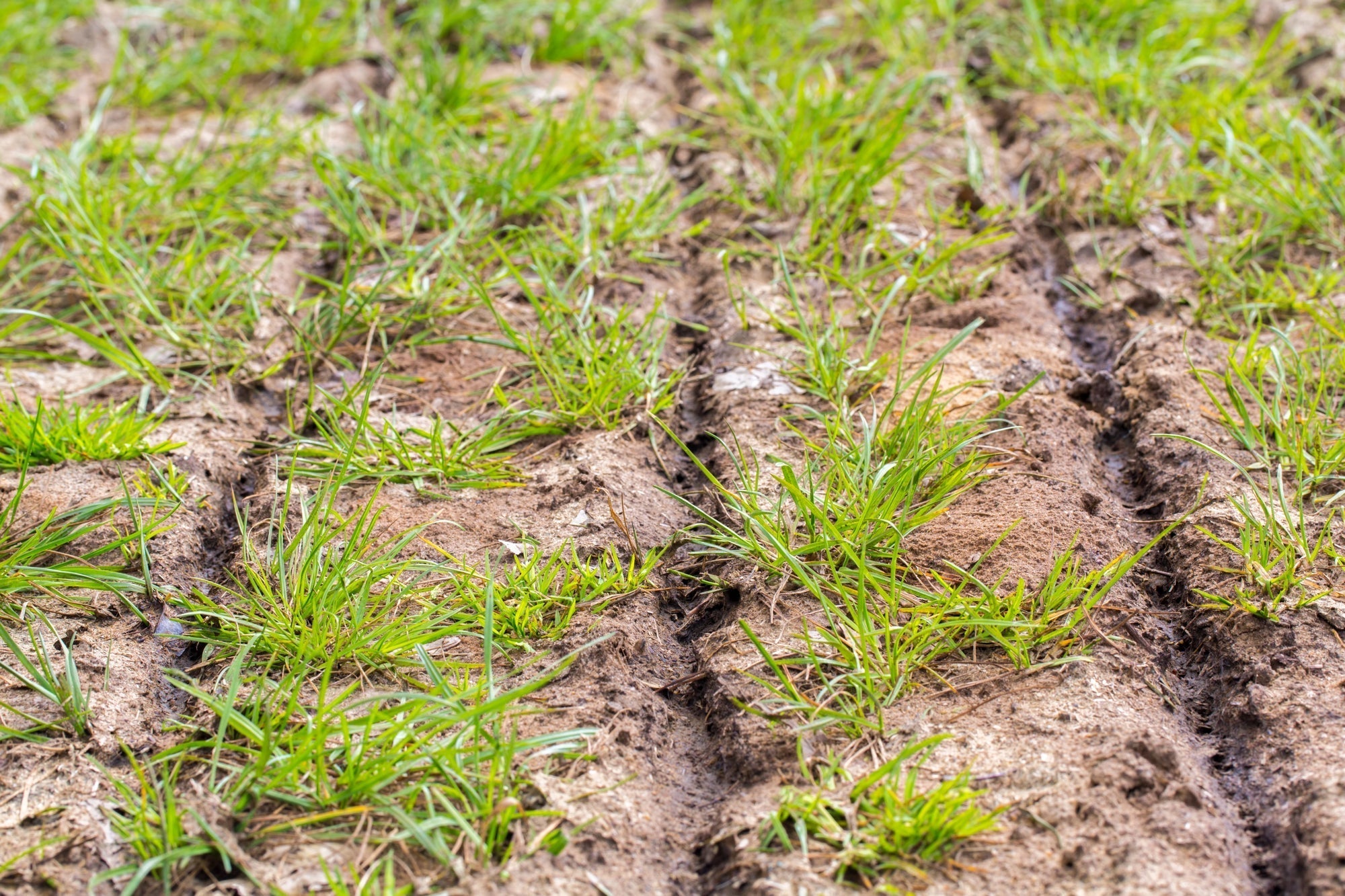
Bodenverbesserung im Garten: So verbesserst du deinen Gartenboden im Frühjahr für gesunde Pflanzen
Inhaltsverzeichnis Warum Bodenverbesserung im Garten im Frühjahr so wichtig für einen gesunden Gartenboden ist Gartenboden nach dem Winter prüfen: Bodenstruktur, Verdichtung und Bodenart erke...
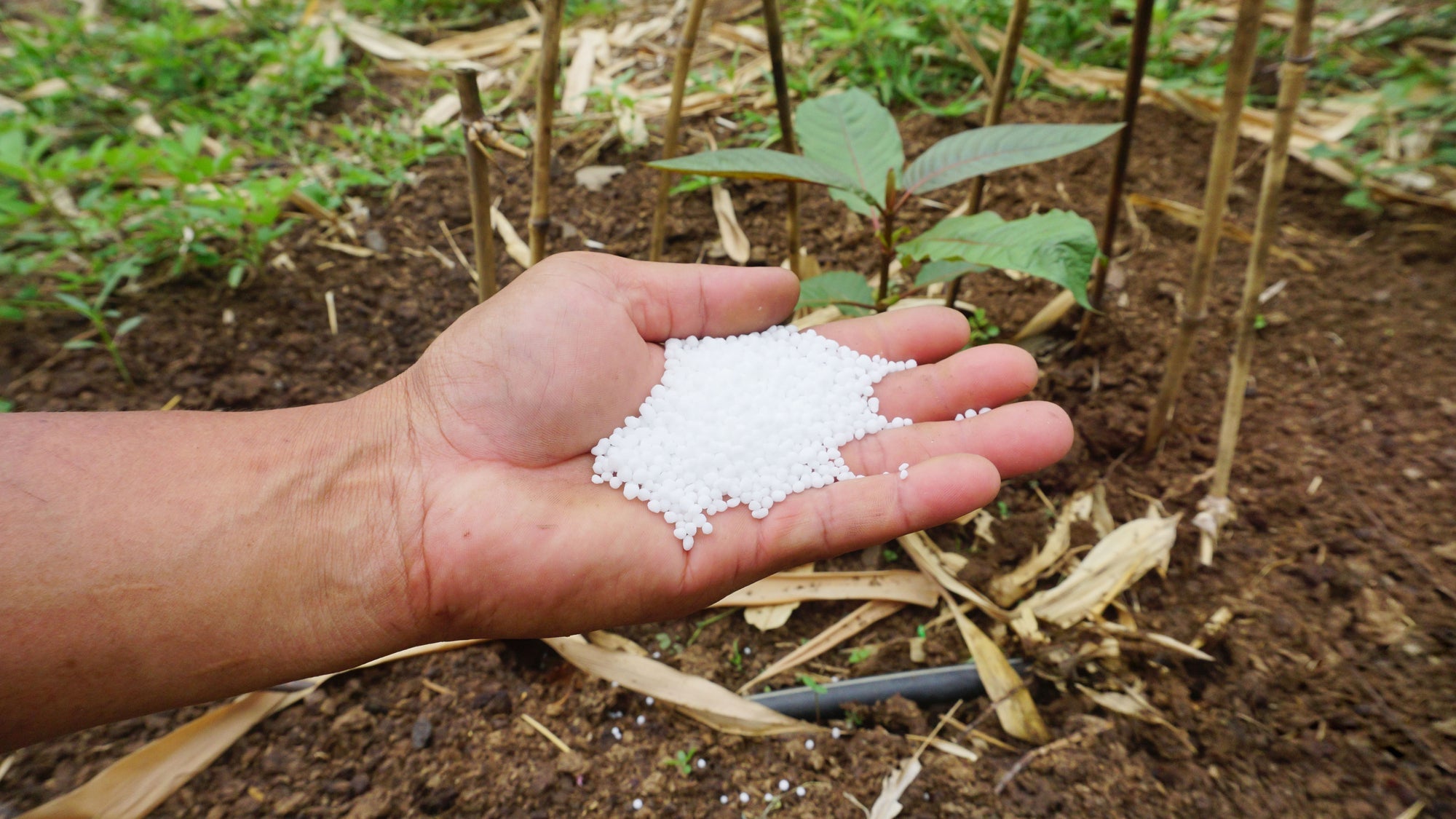
Richtig Düngen im Garten: Schritt für Schritt erklärt
Inhaltsverzeichnis Warum Düngen im Garten so wichtig ist Bodenanalyse: Grundlage für die richtige Düngung Organische vs. mineralische Dünger: Was ist besser? Kompost, Hornspäne & Co.: Organi...


