
Schütze deine Pflanzen vor Staunässe mit diesen FUXTEC Tipps!
Waterlogging in the Garden: Causes & Solutions
Inhaltsverzeichnis
- Was ist Staunässe? Anzeichen & Folgen für jede Pflanze
- Ursache für Staunässe im Garten: Wie entsteht überschüssige Nässe?
- Staunässe erkennen: Symptome bei Rasen, Beet & Kübelpflanzen
- Akute Staunässe im Garten – Soforthilfe für Standort & Boden
- Boden verbessern & Staunässe vermeiden: Aufgelockert durch Drainage & Bodenbelüftung
- Drainage im Garten richtig anlegen – von Beet bis Rasenfläche
- Gute Drainage bei Kübelpflanzen & Hochbeet: So schützen Sie Ihre Pflanzen
- Staunässe im Rasen: Rasenbelüftung & Pflege nach Starkregen
- Staunässe im Garten langfristig vermeiden – Tipps zur Gartenplanung
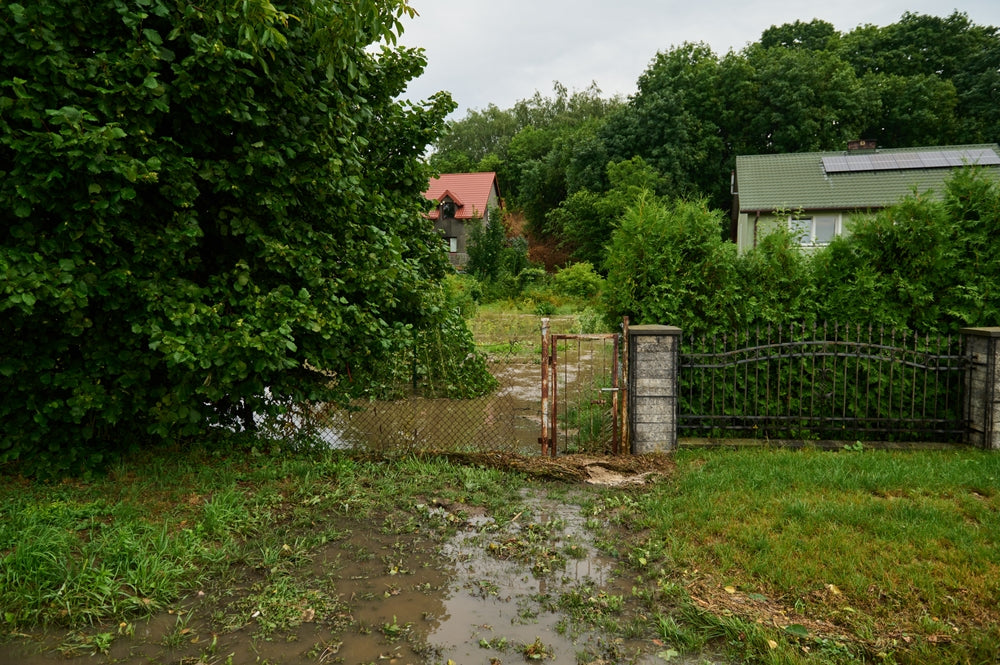
Waterlogging is a genuine problem for many garden enthusiasts this summer — affecting not only garden beds but also container plants on a regular basis. In soils with a high clay content, water can quickly pool beneath the topsoil, especially after heavy rainfall or prolonged watering. When water remains trapped for an extended period, roots suffer from oxygen deprivation and organic matter struggles to develop. Waterlogging doesn't just cause root rot — it also impedes drainage and the uptake of nutrients. Even plants suited to wet conditions can suffer in the long run from too little oxygen and excessive moisture, while more sensitive garden plants and many container plants can quickly perish if left in saturated soil.
To ensure excess water drains away effectively after rain or watering, well-designed drainage solutions are essential — both for garden beds and for pots and containers. In this guide, we at FUXTEC explain how to loosen your garden soil, install drainage systems, and choose the right plants and care measures so your plants can thrive even in wet conditions, without suffering from drought stress or root rot.
What Is Waterlogging? Signs & Effects on Your Plants
Waterlogging refers to a condition in which water accumulates in the soil because it cannot drain or soak away quickly enough. The problem typically arises after heavy rain or incorrect watering, when excess water cannot percolate through the soil and instead collects as puddles on beds, lawns, or in plant containers. Typical signs include persistently damp or waterlogged soil layers, a musty or rotten smell, and yellowing, limp leaves. The cause of waterlogging usually lies in an overly compacted soil structure: compaction caused by frequent foot traffic, heavy machinery, or clay-heavy soils prevents oxygen and water from penetrating deeper layers. This quickly leads to oxygen starvation, causing roots to rot, rendering them unable to absorb nutrients, and causing plants to deteriorate. Many garden and container plants are particularly sensitive — for them, waterlogging can prove fatal. Beyond the direct threat to plants, waterlogging also harms soil life and the overall health of the garden.
Causes of Waterlogging in the Garden: How Does Excess Moisture Develop?
The primary cause of waterlogging is excessive compaction of the soil structure. Compacted clay or heavy soils allow water to drain poorly. Causes include frequent pressure from foot traffic, driving machinery over the ground, and digging at the wrong time of year. An overly thick covering of mulch or membrane can worsen the problem: the upper soil layers remain wet, water becomes trapped and can no longer drain away. A high water table, poor drainage due to slope, or too many hard-surfaced areas in the garden can also compound the issue. Waterlogging is particularly visible in spring, when the soil is softened after prolonged rain or following a wet winter. The consequences include saturated soil, oxygen starvation, and poor root development.
Identifying Waterlogging: Symptoms on Lawns, Beds & Container Plants

Recognising waterlogging is the first step towards solving it: in garden soil, the upper layers remain persistently damp, puddles form after rainfall, and water drains away only very slowly. Plants show signs of nutrient deficiency, leaves turn yellow, and a musty odour develops. On lawns, bare patches appear, grass grows sparsely, and moss begins to take hold. Container plants are equally at risk: water sits at the bottom of the pot, roots begin to rot, and the plant stops growing properly. Check the drainage hole in containers regularly — if it becomes blocked, waterlogging can be quickly prevented by keeping the outlet clear.
Acute Waterlogging in the Garden – Emergency Action for Soil & Plants
When waterlogging strikes, it's important to act quickly: remove excess water using a spade, a sponge, or a suitable garden pump to reduce the risk of root rot. Gently loosen the upper soil layers with a garden fork or rotavator to introduce oxygen. In beds, working in coarse horticultural grit or gravel along with organic matter such as compost can help significantly. This improves soil permeability and allows water to drain away more effectively. On the lawn, you can use a spiked roller or aerator to create small holes that help water drain faster and allow oxygen to reach the roots. For container plants, tip away any excess water, add a drainage layer of expanded clay (such as Leca), coarse grit or gravel to the bottom of the pot, and loosen the compost regularly. Also check that the drainage hole in the container is clear.
Improving Soil & Preventing Waterlogging: Drainage & Soil Aeration
In the long term, permanently improving soil structure is the most effective approach. Compacted clay soils should be deeply loosened in autumn or spring and mixed with coarse horticultural grit, gravel, or organic matter such as garden compost. This improves drainage and allows water to disperse more quickly. Regular soil aeration using a rotavator promotes a healthy soil ecosystem and prevents further compaction. Good drainage beneath beds or lawn areas is essential to avoiding waterlogging. Lay a layer of coarse gravel, grit, or expanded clay beneath the planting area and top up with soil. In a raised bed, a layer of coarse branches, compost, and free-draining soil can serve as a drainage base.
Installing Garden Drainage Correctly – From Beds to Lawn Areas
An effective garden drainage system provides long-term protection against waterlogging: for lawn areas, drainage pipes are laid at a slight gradient just below the surface so that excess water can be carried away. In beds, remove the soil to a depth of around 30 centimetres, lay a layer of gravel, cover it with landscape fabric (geotextile fleece), then backfill with free-draining soil. This reliably prevents waterlogging in the garden without washing away valuable nutrients from the soil. For container plants, a layer of expanded clay, gravel, or broken crocks at the base of the pot is ideal for allowing water to drain and reducing the risk of root rot. Ensure the drainage layer is checked regularly and replaced when necessary.
Good Drainage for Container Plants & Raised Beds: Protecting Your Plants
Container plants are particularly at risk when water cannot drain away. When repotting, first fill the bottom third of the container with expanded clay, gravel, or coarse grit, place the plant on top, and fill with a loose, free-draining compost mix. The drainage hole must always be kept clear. If waterlogging occurs, empty the outer pot and check whether the drainage layer is still able to absorb water. Regularly loosening the compost and mixing in garden compost improves soil structure and prevents persistently wet roots. Make use of plants that tolerate waterlogging by planting them in problem spots — for example, yellow flag iris or hemp agrimony.
Waterlogging on the Lawn: Aeration & Care After Heavy Rain

On the lawn, waterlogging is often visible as bare, mossy patches, as water fails to drain quickly and collects in the soil. To relieve soil compaction, regular scarifying and aeration using spikes or a rotavator is recommended. Applying a top dressing of compost in spring encourages soil life, improves soil structure, and helps prevent water from pooling again. In beds, blending different soil types, incorporating organic matter such as compost, and regularly breaking up the soil in spring and autumn all make a significant difference.
Preventing Waterlogging in Your Garden Long-Term – Garden Planning Tips
The best protection against waterlogging starts at the garden planning stage: lay paths and beds with a slight gradient so that rainwater can drain away more easily. Plant species that tolerate moist conditions in problem areas, while more sensitive varieties will fare better in free-draining, slightly raised beds. Install a drainage layer of gravel, grit, and expanded clay before laying new beds or lawn areas. This ensures that excess water after rainfall or watering drains away safely, and the risk of waterlogging in your garden is minimised in the long term.
Everything for your garden

What are the main signs of waterlogging in my garden?
Look for persistently damp soil, puddles that form after rainfall, a musty or rotten smell, and yellowing or limp leaves on plants. On lawns, you may notice bare patches, sparse grass growth, and moss taking hold. Container plants will show water sitting at the bottom of the pot and stunted growth.
Why does waterlogging happen in clay soil?
Clay soil is naturally compacted and dense, which prevents water from draining or soaking away quickly. Heavy rainfall or incorrect watering causes water to accumulate in the soil instead of percolating through deeper layers, leading to waterlogging.
How can I fix waterlogging in my garden immediately?
Remove excess water using a spade or garden pump, then gently loosen the upper soil layers with a garden fork to introduce oxygen. In beds, work in coarse horticultural grit or gravel mixed with compost to improve drainage, and on lawns use a spiked roller to create drainage holes.
What's the best way to prevent waterlogging long-term?
Improve soil structure by loosening compacted clay and mixing in coarse grit, gravel, or organic matter in autumn or spring. Install a proper drainage system beneath beds or lawn areas using gravel and landscape fabric, and ensure beds have a slight gradient so water drains away naturally.
Can container plants develop root rot from waterlogging?
Yes, container plants are particularly at risk because water easily becomes trapped in pots. Always place a drainage layer of expanded clay, gravel, or coarse grit at the base of the pot and ensure the drainage hole stays clear to prevent water accumulating around the roots.
Which plants can tolerate waterlogged soil?
Yellow flag iris and hemp agrimony are examples of plants that tolerate wet conditions well. Planting these species in problem areas prone to waterlogging helps ensure your garden thrives without struggling with excess moisture.
More articles about garden care
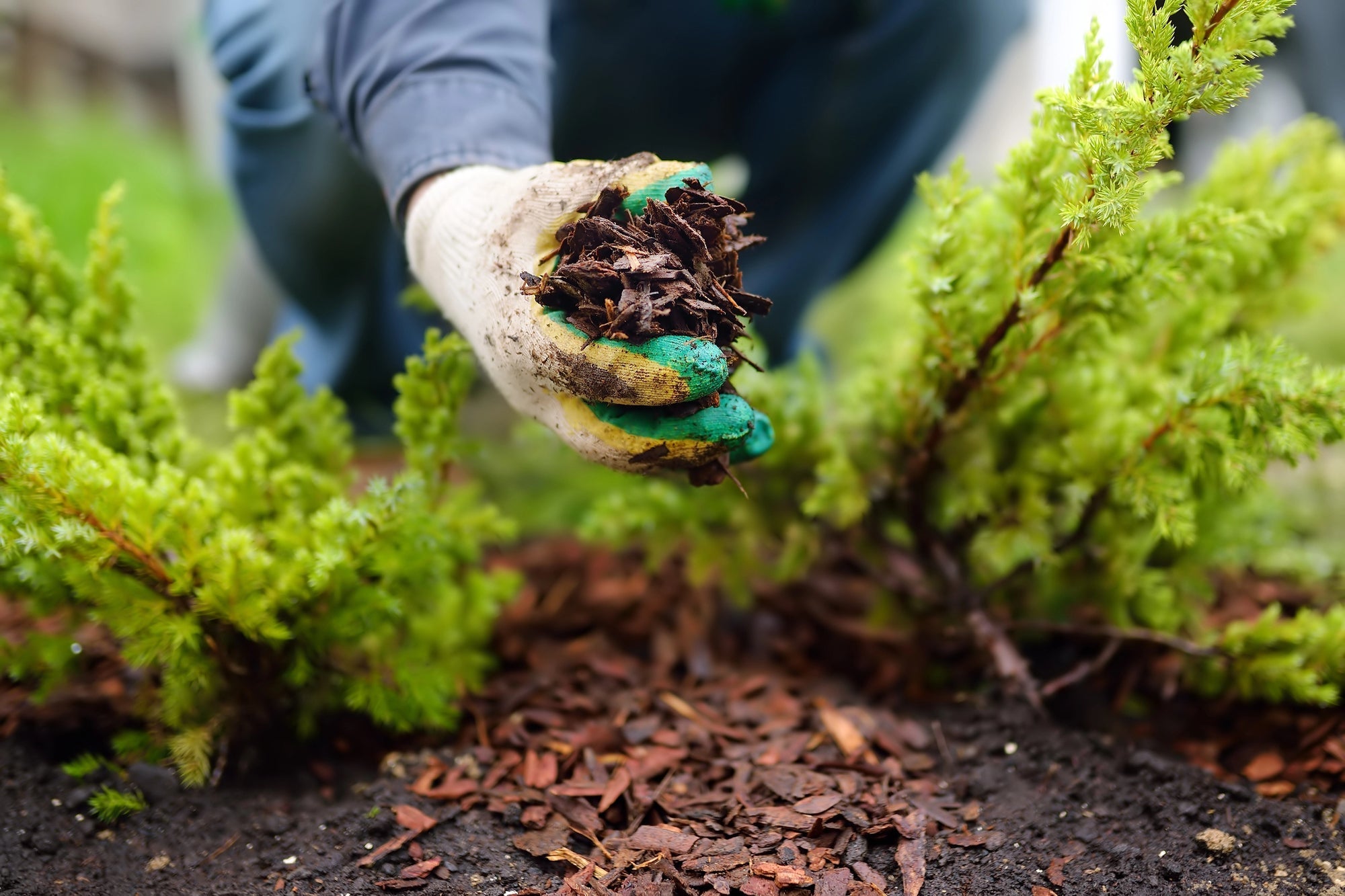
Mulchen mit Pinienrinde: So nutzt du organischen Mulch, um Unkraut zu verhindern
Das Mulchen mit Pinienrinde gehört zu den effektivsten Methoden im modernen Gartenbau und in der nachhaltigen Landwirtschaft. Dabei wird eine Schicht Mulchmaterial auf die Bodenoberfläche aufgebrac...
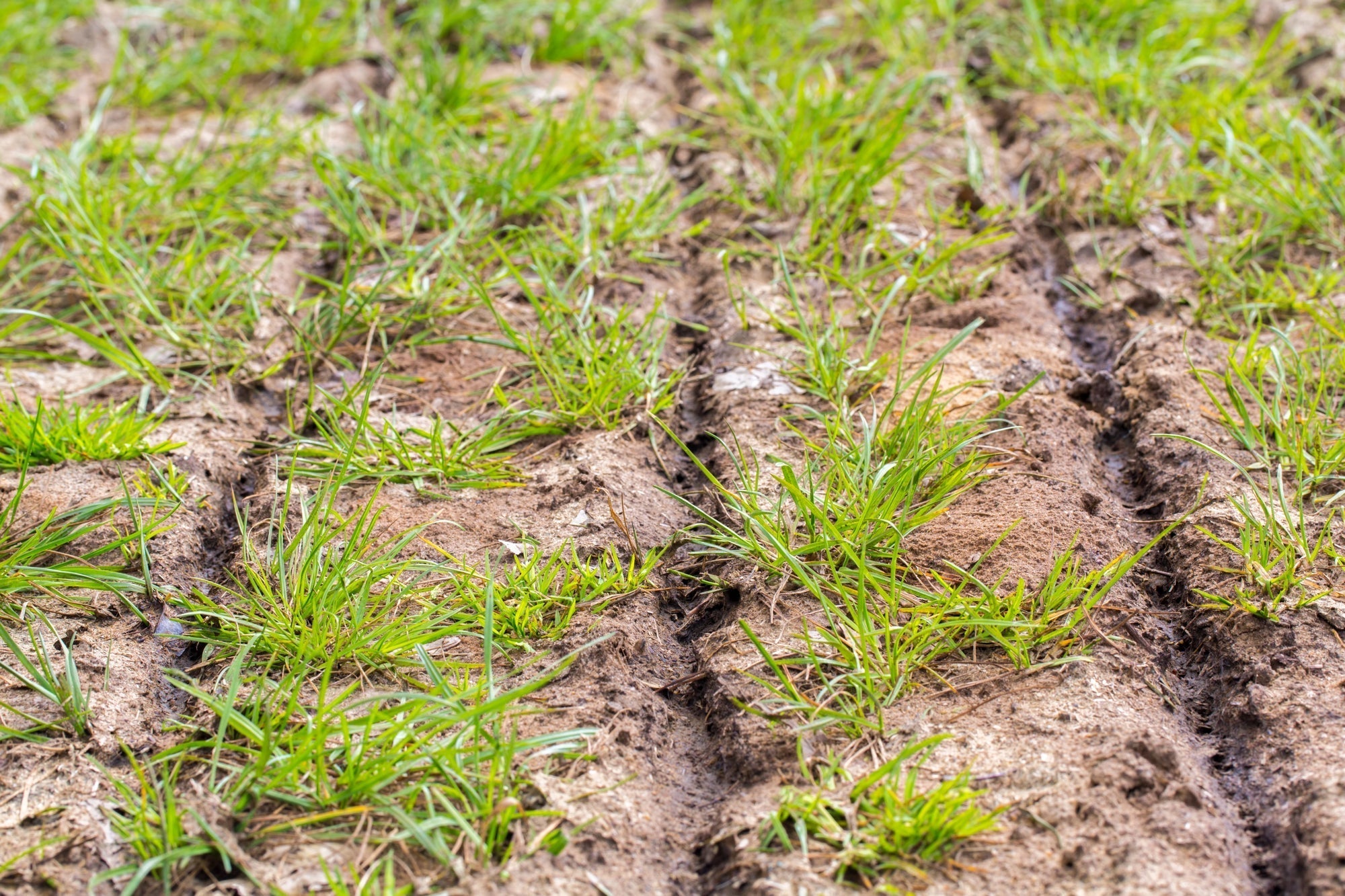
Bodenverbesserung im Garten: So verbesserst du deinen Gartenboden im Frühjahr für gesunde Pflanzen
Inhaltsverzeichnis Warum Bodenverbesserung im Garten im Frühjahr so wichtig für einen gesunden Gartenboden ist Gartenboden nach dem Winter prüfen: Bodenstruktur, Verdichtung und Bodenart erke...
Richtig Düngen im Garten: Schritt für Schritt erklärt
Inhaltsverzeichnis Warum Düngen im Garten so wichtig ist Bodenanalyse: Grundlage für die richtige Düngung Organische vs. mineralische Dünger: Was ist besser? Kompost, Hornspäne & Co.: Organi...


