



June Garden Jobs: Top Tips & Mistakes to Avoid
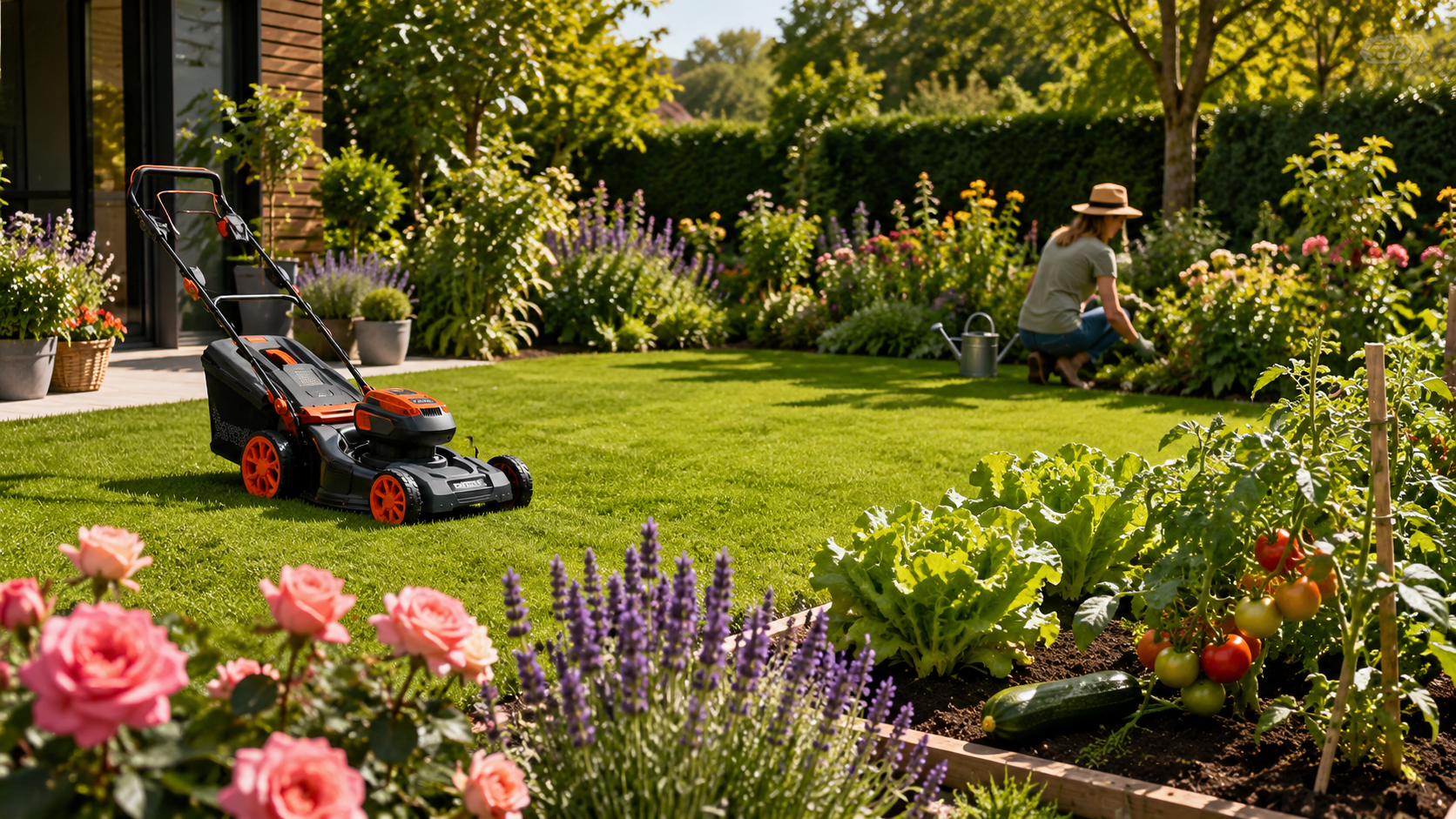
June is when the garden truly comes into its own: roses, lavender, and other flowers are in full bloom, the vegetable patch is bursting with tomatoes, lettuce, radishes, and courgettes, and the lawn is putting on a vigorous spurt of growth. At the same time, June is a critical period for summer garden care. Heat, drought, insects, and disease can quickly weaken plants at this time of year. Because so much is growing and flowering in June, it is easy to make mistakes in the garden. If you cut back too hard, water incorrectly, feed too late, or overlook weeds and disease, you may not notice the consequences for several days: limp leaves, parched beds, or a patchy lawn.
In this FUXTEC garden guide, we explain what needs attention in the ornamental garden, the orchard, and the vegetable plot through to the end of June, and which common mistakes to avoid when gardening in summer.
Ornamental Garden in June: Deadheading and Caring for Perennials
Your plants are now flowering freely and vigorously. To keep roses and other flowers looking their best for longer, remove spent blooms regularly. If old flowerheads are left on the plant for too long, it wastes energy on seed production rather than producing new flowers and strong shoots. Perennials also need attention now. Early-flowering cushion perennials can be lightly trimmed back after flowering to keep them compact and encourage healthy regrowth. Tall perennials and vigorous summer bedding plants should be staked in good time, before wind or rain causes stems to snap.
Summer Flowers and More to Plant Out in June
June is still a great time to fill gaps in the border and add a fresh flush of colour. These plants flower beautifully in summer:
- Annual flowers (such as cosmos, snapdragons, or salvia)
- Summer perennials
- Lavender
- Catmint
- Yarrow
- Daylilies
- Coreopsis
- Dahlias and canna
Vegetable Garden in June: Sowing, Care, and Harvesting
Vegetables such as tomatoes, courgettes, radishes, lettuce, carrots, and kohlrabi need regular attention now for a good harvest. A typical mistake is leaving vegetable plants to fend for themselves after sowing. Particularly in warm, dry weather, their water and nutrient requirements can change within just a few days. Tomatoes should be pinched out regularly — remove the side shoots that appear in the leaf axils so the plant channels its energy into fruit and the main stem. A consistent supply of water is also important, as irregular watering can weaken plants and encourage disease.

Vegetables to Plant in June
There is still plenty that can be sown and planted out. Suitable crops for sowing now include:
- Dwarf French beans
- Peas
- Fennel
- Mooli/daikon radish
- Radishes
- Carrots
- Summer salad leaves
- Chinese cabbage
- Endive
- Radicchio
- Sugar loaf chicory
- Kale or Brussels sprouts (for empty bed space)
Herbs, tomatoes, peppers, and cucumbers can also still be sown if conditions are suitable.
Fruit Trees and Berry Bushes: June Care Guide
Fruit trees and berry bushes also need tailored care in June. Young trees and fruit plants growing in light, free-draining soil in particular should be watered well during dry spells. A thin layer of mulch around the base of a tree or shrub helps reduce evaporation and keep the soil more consistently moist. You can use organic materials such as grass clippings, leaves, or well-rotted compost sparingly. It is important, however, to leave the base of the trunk clear to prevent rot. After harvesting or where there is a heavy set of fruit, continue to monitor the plants. If fruit is dropping, this can — beyond natural causes — be a sign of water stress. It is worth investigating carefully before rushing to feed or prune.

Lawn Care: Don't Cut Too Short in June — Water Deeply and Don't Forget to Feed

Your lawn also needs regular attention in June. It should be mown, but not too short. In heat and strong sunshine, cutting too low can quickly cause scorching and dry patches. A slightly higher cutting height is preferable, allowing the grass blades to shade the soil and protect it from drying out. You should also never remove more than one-third of the blade length in a single cut, in order to protect the lawn and the turf structure.
For a lush, deep-green lawn, thorough watering is equally important. Rather than watering lightly every day, water less frequently but more deeply. This allows moisture to penetrate further into the soil and supports better root development. A lawn fertiliser can also be beneficial in June if the grass is looking hungry. However, it is important not to apply it to dry soil. Ideally, fertilise before forecast rain, or water the lawn thoroughly afterwards, so the fertiliser reaches the roots and the grass can take it up.
The 4 Most Common Gardening Mistakes in June
In June, the garden often looks vigorous and full of life — plants are growing rapidly, perennials are in flower, and fruit and vegetables are developing. For this very reason, common gardening mistakes during this period often go unnoticed until later. Heat, drought, incorrect watering, or too much fertiliser can cause plants to suddenly look wilted, drop their leaves, or become more susceptible to pests and disease.
Mistake 1: Watering Plants Incorrectly in June
One of the most common mistakes in early summer is watering too frequently but too shallowly. This keeps moisture only in the upper layers of the soil, while the roots deeper down receive no water at all. It is better to water less often but in greater quantities. This drives moisture deeper into the soil and makes plants more resilient to drought. A FUXTEC irrigation set or sprinkler can be a great help with this important task.
| Watering mistake | Possible consequence | Better approach |
|---|---|---|
| Watering lightly every day | Shallow roots, plants wilt quickly | Water less often but deeply |
| Watering at midday in the heat | High evaporation, stress for the plant | Water in the morning or evening |
| Constantly wetting the foliage | Higher risk of fungal disease | Water directly at the root zone |
| Treating all plants the same | Over- or under-watering | Check location and individual needs |
| Not checking the soil | Unnecessary watering | Check the soil a few centimetres deep |
Now more than ever, a quick check before watering is worthwhile. If the soil is only dry on the surface but still moist beneath, you do not need to water immediately. This helps you avoid waterlogging and keeps your plants strong and healthy.
Mistake 2: Over-Feeding in Early Summer
Many plants are growing strongly now but do not automatically need large quantities of fertiliser. Too much nitrogen can produce soft, lush growth that is more susceptible to aphids and other pests and diseases.
Particularly common fertilising mistakes include:
- Applying summer fertiliser by guesswork rather than following dosage instructions (regular feeding in June is generally not necessary)
- Feeding newly planted plants straight away
- Interpreting every yellowing leaf tip as a nutrient deficiency
| Fertilising mistake | What can happen | Better approach |
|---|---|---|
| Too much nitrogen | Soft shoots, increased pest pressure | Feed moderately and with purpose |
| Applying summer fertiliser to very dry soil | Risk of root damage | Water first, then apply fertiliser |
| Feeding too frequently | Salt build-up in the soil | Follow recommended application intervals |
| Using a general-purpose feed for everything | Inappropriate nutrient supply | Match the feed to each plant's needs |
Observe location, soil moisture, and growth before you reach for the fertiliser. Sometimes a plant does not need nutrients — it needs water, space, or protection from strong sun. Feeding organically can be a sensible choice, but should still be done in measured amounts and suited to each individual plant.
Mistake 3: Cutting Hedges and Shrubs
In summer, you should be particularly cautious when it comes to cutting hedges, shrubs, and woody plants. Many birds are still nesting, and dense branches offer them vital shelter. Hard cutting back can expose nests, disturb birds, and is in many cases not permitted during the nesting season. Only light formative and maintenance cuts are allowed, where you trim back fresh new growth slightly. Before picking up the hedge trimmer, always check hedges and shrubs carefully. If you find a nest or notice nesting birds, do not cut.
Mistake 4: Spotting Weeds, Pests, and Disease Too Late
A common mistake when gardening in June is only paying attention to weeds, pests, and disease once they are already clearly visible. In warm weather, aphids, slugs, Colorado beetles, powdery mildew, and fungal diseases can spread very rapidly. Weeds also grow vigorously now and compete with your flowers for water, light, and nutrients. Check vegetables, perennials, roses, and shrubs regularly for unusual leaves, feeding damage, sticky residue, discoloured shoots, or the first white powdery patches of mildew. Affected plant parts should be removed promptly. With insects such as Colorado beetles, it helps to pick off the beetles, larvae, and eggs consistently before they cause serious damage.

The biggest mistake is waiting too long. In June particularly, prevention is often far easier than dealing with a problem later on. Adequate spacing between plants, good air circulation, attentive care, and appropriate feeding keeps plants strong and more resistant to pests and disease.
Everything for your garden

How often should I water my garden in June?
Water less frequently but more deeply rather than lightly every day. This allows moisture to penetrate deeper into the soil and develops stronger roots. Check the soil a few centimetres deep before watering—if it's still moist underneath, you don't need to water immediately.
Why are my tomato plants not producing many fruits in June?
Make sure you're pinching out the side shoots that appear in the leaf axils regularly so the plant channels energy into fruit and the main stem. Inconsistent watering can also weaken plants and reduce fruit production, so maintain a steady water supply.
Can I feed my garden plants every week in June?
No, regular weekly feeding is not necessary and can do more harm than good. Too much nitrogen produces soft growth that attracts pests and disease. Feed moderately and only when genuinely needed, and always water the soil first or fertilise before rain so the nutrients reach the roots.
What's the best way to mow my lawn in hot June weather?
Never cut too short—a slightly higher cutting height allows grass blades to shade the soil and protect it from drying out. Never remove more than one-third of the blade length in a single cut to protect the lawn structure and prevent scorching.
When is the best time to water my plants?
Water early in the morning and directly at the root zone rather than wetting the foliage. Morning watering minimises evaporation and reduces the risk of fungal disease, allowing plants to absorb moisture more effectively.
How can I stop aphids and pests damaging my plants?
Check your plants regularly for unusual leaves, feeding damage, or sticky residue and remove affected parts promptly. Prevention is easier than cure in June—pick off beetles, larvae, and eggs before they cause serious damage, and keep plants healthy through proper spacing and air circulation.
Should I cut back my hedges and shrubs in June?
Only do light formative and maintenance cuts in June because many birds are still nesting. Always check carefully for nests first—hard cutting back can expose nests and disturb birds, which may not be permitted during nesting season.
More articles about garden care
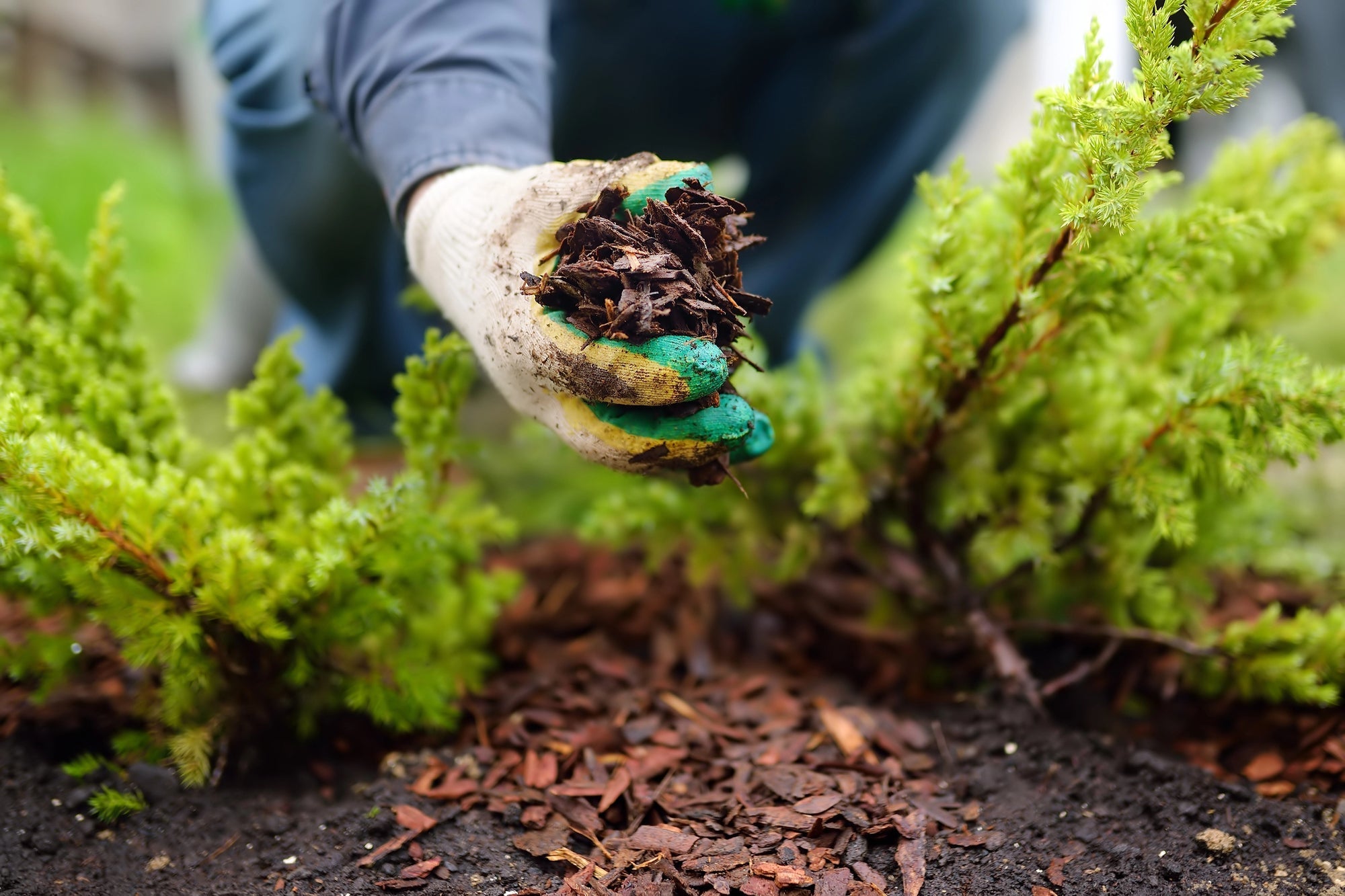
Mulchen mit Pinienrinde: So nutzt du organischen Mulch, um Unkraut zu verhindern
Das Mulchen mit Pinienrinde gehört zu den effektivsten Methoden im modernen Gartenbau und in der nachhaltigen Landwirtschaft. Dabei wird eine Schicht Mulchmaterial auf die Bodenoberfläche aufgebrac...
Bodenverbesserung im Garten: So verbesserst du deinen Gartenboden im Frühjahr für gesunde Pflanzen
Inhaltsverzeichnis Warum Bodenverbesserung im Garten im Frühjahr so wichtig für einen gesunden Gartenboden ist Gartenboden nach dem Winter prüfen: Bodenstruktur, Verdichtung und Bodenart erke...
Richtig Düngen im Garten: Schritt für Schritt erklärt
Inhaltsverzeichnis Warum Düngen im Garten so wichtig ist Bodenanalyse: Grundlage für die richtige Düngung Organische vs. mineralische Dünger: Was ist besser? Kompost, Hornspäne & Co.: Organi...


