

So richtest du deinen Garten nach Starkregen wieder her.
Garden Care After Heavy Rain | Tips & Tools
Inhaltsverzeichnis
-
Warum ist Gartenpflege nach Starkregen so wichtig?
-
Starkregen im Garten: Was passiert bei Überflutung und wie wirkt sich das aus?
-
Erste Hilfe für deinen Garten nach Starkregen: So gehst du jetzt vor
-
Rasen und Beet lockern nach Starkregen – Tipps für die richtige Pflege
-
Staunässe im Garten: Wie Regenwasser optimal versickern kann
-
Gemüsebeet nach Starkregen: Düngen, lockern, wegschneiden
-
Überflutung und Schäden erkennen: Zweige und Pflanzenteile richtig wegschneiden
-
So lässt du Regenwasser im Garten besser versickern
-
Starkregen vorbeugen: Mit richtiger Gartenpflege dem nächsten Unwetter trotzen
-
Checkliste Gartenpflege nach Starkregen – Was dein Garten jetzt braucht
-
Fazit: Mit kluger Gartenpflege Starkregen meistern
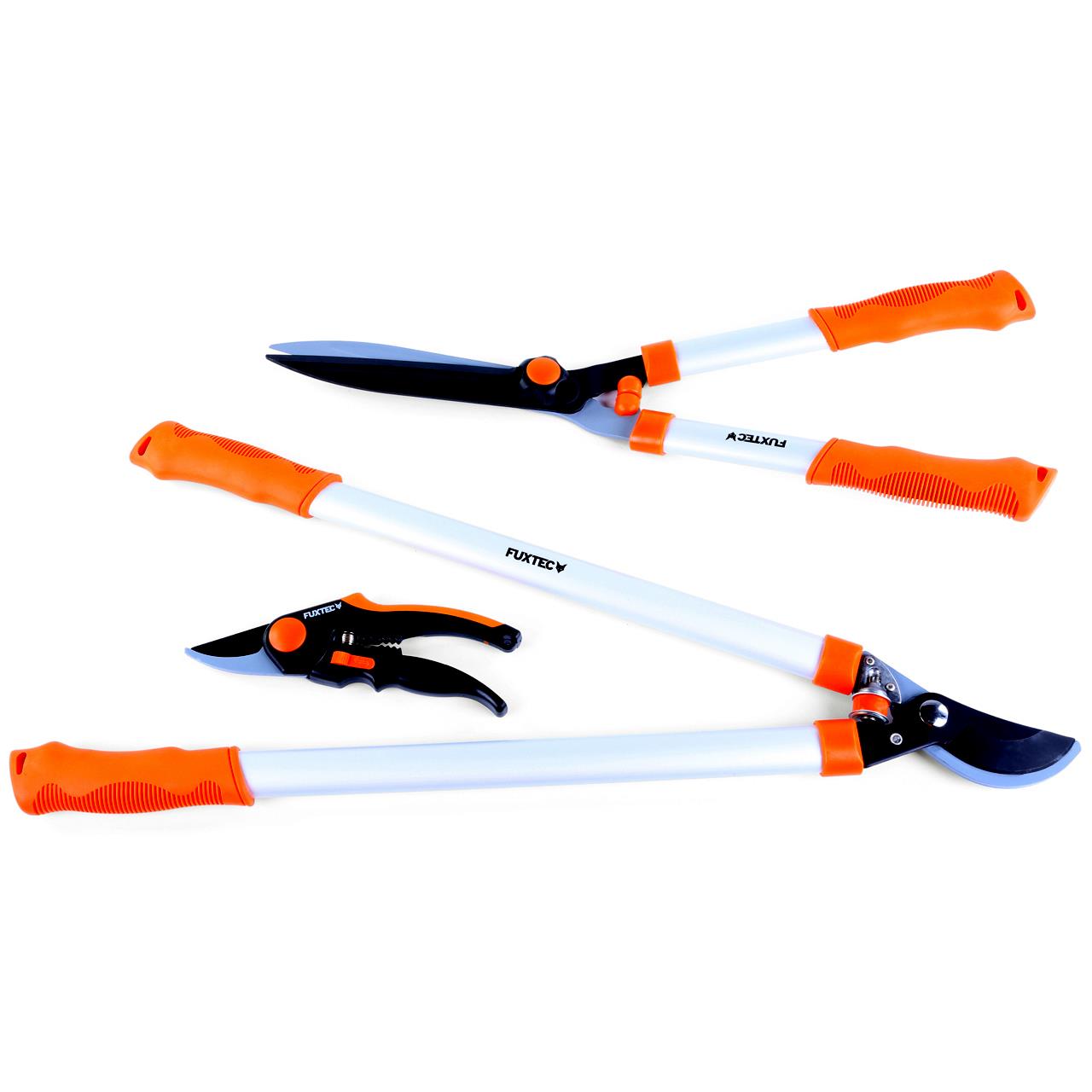
Heavy rainfall and flooding are becoming an increasing challenge for gardeners across the UK, and after a severe downpour there's often no time to waste. To help your garden recover quickly and ensure you're well prepared for extreme weather, investing in robust garden tools is well worth it. FUXTEC offers the right equipment for every situation, so you can effectively address damage after heavy rain and keep your garden in top condition. In this guide, you'll discover how to properly care for your garden after a downpour and which FUXTEC tools will help you work most efficiently.
Why is garden care after heavy rain so important?
Heavy rain is one of the biggest challenges for garden owners. In a short space of time, enormous volumes of water can fall, leaving not just gardens but entire streets waterlogged. The soil becomes compacted and excess water can no longer drain away properly. Instead, flooding occurs, puddles form, plants are damaged and the garden soil becomes thoroughly saturated. Especially after heavy rainfall, your garden needs targeted care to limit damage and support recovery.
Heavy rain in the garden: What happens during flooding and what are the effects?
Heavy rainfall causes the soil to become saturated very quickly. Excess water becomes trapped, lawns are left under water and drainage is disrupted. Water often fails to drain because the soil is compacted or surfaces are impermeable — for example due to paved areas, overly dense planting or poorly laid paths. Soil erosion, nutrient leaching and damage to plant roots are common consequences. On paved surfaces and poorly aerated soil in particular, rainwater can run off rapidly, which can also affect groundwater levels. Waterlogging causes plants to rot and disrupts the aeration of soil layers.
First aid for your garden after heavy rain: What to do right now
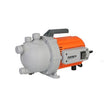
After heavy rainfall, you should inspect your garden promptly. First, remove all damaged and broken plant material. Check your borders, perennials and lawn areas. Where puddles have formed or water is pooling, you can create small holes in the lawn (for example with a garden fork) to aid drainage — this allows excess water to reach deeper soil layers more easily and helps the lawn dry out faster. If there is too much standing water, you can also use a FUXTEC garden pump to clear puddles from your lawn. Aerating and loosening the soil is also crucial at this stage. Remove debris, mulch or washed-up soil that could be blocking drainage. In raised beds or planted areas, check whether water is pooling and adjust drainage if necessary.
Aerating your lawn and borders after heavy rain – tips for proper care

After heavy rain, you should not walk on or mow the lawn while it is still waterlogged. Once it has dried out sufficiently, it is advisable to aerate the lawn by making small holes with a fork or aerator. This improves airflow and helps water drain away more effectively. In borders, keep the soil gently loosened, work in compost to replenish nutrients, and apply mulch to help the soil retain moisture and prevent erosion. Heavily compacted or silted areas can be improved with a layer of gravel or a shallow channel to allow water to soak away. Container plants should be raised off the ground — avoid saucers beneath pots so that water cannot pool around the roots.
Waterlogging in the garden: How to improve rainwater drainage
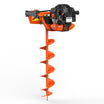
If water is not absorbed by the soil within a short time after heavy rain, poor soil structure is often to blame. In gardens where the soil is compacted or where there are too many impermeable surfaces, water cannot drain away quickly enough. To improve absorption, it helps to regularly aerate planted borders, lawns and paths. For breaking up heavily compacted borders after heavy rain, a powerful FUXTEC rotary cultivator is particularly well suited. In problem areas, shallow channels, drainage systems or a layer of gravel can help water soak away effectively.
Vegetable beds after heavy rain: Feeding, loosening and cutting back
After heavy rainfall, check your vegetable beds carefully: remove rotting and damaged plant material, cut back any unnecessary growth and gently loosen the soil. Compost can help to replace leached nutrients. Be careful not to feed immediately after heavy rain — the soil cannot absorb nutrients as the water will carry them into deeper layers or straight into the drainage system. Raised beds benefit particularly from regular aeration and topping up with compost or mulch.
Spotting flood damage: How to properly cut back branches and plant material
Damaged plants, perennials and branches should be removed or cut back as quickly as possible after heavy rainfall to prevent fungal disease. Also check plant roots for signs of rot. Aerate the soil around the plant with a garden fork or rotary cultivator to ensure moisture does not become trapped. When waterlogging occurs, it is especially important to allow excess water to drain away and to keep the garden soil well loosened.
How to improve rainwater soakaway in your garden
To prevent flooding after heavy rain in the long term, you should reduce impermeable surfaces, plant up as many areas as possible, and incorporate shallow channels or gravel layers. Channels and planted borders help excess water soak into the ground before it enters the drainage system or water butts. Use water butts to collect rainfall so you can use it later to water your garden.
Preparing for heavy rain: Protecting your garden against the next downpour

With thoughtful garden care, you can make your garden more resilient to heavy rainfall and extreme weather events. Avoid adding new impermeable surfaces, opt for permeable ground layers and plant up bare areas. Dense planting, weed-suppressing membrane, gravel paths and mulch layers protect the soil beneath from erosion and prevent rainwater from running off too quickly. Raised beds, green roofs and rainwater harvesting using water butts and underground tanks help to retain water within your garden and store it for drier spells.
Garden care checklist after heavy rain – what your garden needs now
-
Inspect your green spaces around the house for damage — especially if the garden has been left waterlogged after a downpour and large volumes of rain have fallen in a short time.
-
Remove damaged plant material, branches and perennials, or cut them back where needed, to keep your garden healthy.
-
If water is pooling on your lawn, making small holes with a fork will help excess water drain away and allow oxygen back into the soil.
-
Gently loosen borders and soil so it can absorb water more effectively. Work in compost where needed to support nutrient levels.
-
Install drainage, shallow channels or a gravel layer at problem spots to keep water moving and prevent waterlogging.
-
Raise container plants off the ground and remove saucers so water can drain freely and roots are not left sitting in water.
-
Collect rainwater in a water butt so you can use it later for watering, rather than letting it run into the drainage system. This also helps to protect groundwater.
-
Avoid adding new impermeable surfaces and instead plant up additional areas as part of a new garden layout, so your garden can absorb rainwater even more effectively in future.
Don't forget suitable accessories such as FUXTEC work gloves, so you're fully protected during all tasks after heavy rain.
Conclusion: Managing heavy rain with smart garden care
Heavy rain poses ever greater challenges for gardens — but with the right measures, damage from flooding, soil erosion and waterlogging can be kept to a minimum. Those who regularly aerate their green spaces, keep soil well loosened, plan for dense planting and shallow drainage channels, and manage rainfall effectively will ensure their garden stays healthy even in extreme weather. If you want to protect your garden for the future, compost, mulch, gravel and rainwater management are all essential components. That way your garden will not only look great, but will also be resilient to the next heavy downpour.
Everything for your garden

What should I do immediately after heavy rain floods my garden?
Inspect your garden promptly for damage and remove all broken plant material. Create small holes in waterlogged areas using a garden fork to help excess water drain away, and use a garden pump if standing water is too deep. Clear any debris or mulch blocking drainage to support soil recovery.
How do I stop my lawn from becoming waterlogged after rain?
Aerate your lawn once it has dried sufficiently by making small holes with a fork or aerator to improve airflow and drainage. Avoid walking on or mowing the lawn whilst it is still waterlogged, as this will further compact the soil and prevent recovery.
Why does water keep pooling in my garden after heavy rain?
Pooling water typically occurs due to compacted soil, impermeable surfaces like paving, or poor drainage systems. To improve absorption, aerate planted borders and lawns regularly, and install shallow channels or gravel layers in problem areas to help water soak away more effectively.
Can I feed my vegetable beds immediately after heavy rainfall?
No, avoid feeding immediately after heavy rain because the soil cannot absorb nutrients whilst saturated — water will carry them away into deeper layers or the drainage system. Instead, gently loosen the soil and add compost once the soil has begun to dry out.
How can I prevent flooding damage in my garden long term?
Reduce impermeable surfaces, plant up bare areas, and incorporate shallow drainage channels or gravel layers. Use water butts to collect rainfall, apply mulch to protect soil from erosion, and ensure dense planting so your garden can absorb water more effectively.
Should I cut back damaged plants right after heavy rain?
Yes, remove or cut back damaged plants, branches and perennials as quickly as possible to prevent fungal disease and rot. Aerate the soil around affected plants with a garden fork to ensure excess moisture drains away and does not become trapped around the roots.
What's the best way to care for container plants after flooding?
Raise container plants off the ground and remove any saucers beneath the pots so water cannot pool around the roots. This ensures proper drainage and prevents waterlogging, which can cause root rot and plant damage.
More articles about garden care
Mulchen mit Pinienrinde: So nutzt du organischen Mulch, um Unkraut zu verhindern
Das Mulchen mit Pinienrinde gehört zu den effektivsten Methoden im modernen Gartenbau und in der nachhaltigen Landwirtschaft. Dabei wird eine Schicht Mulchmaterial auf die Bodenoberfläche aufgebrac...
Bodenverbesserung im Garten: So verbesserst du deinen Gartenboden im Frühjahr für gesunde Pflanzen
Inhaltsverzeichnis Warum Bodenverbesserung im Garten im Frühjahr so wichtig für einen gesunden Gartenboden ist Gartenboden nach dem Winter prüfen: Bodenstruktur, Verdichtung und Bodenart erke...
Richtig Düngen im Garten: Schritt für Schritt erklärt
Inhaltsverzeichnis Warum Düngen im Garten so wichtig ist Bodenanalyse: Grundlage für die richtige Düngung Organische vs. mineralische Dünger: Was ist besser? Kompost, Hornspäne & Co.: Organi...


